
Yes, you can absolutely grow black beans in Ohio. Yes, the same basic Ohio weather timing and soil warm-up considerations also apply when you’re asking can you grow celery in Ohio grow black beans in Ohio. The state's growing season is long enough to bring a crop of bush-type black beans to full dry-bean maturity in most years, and with the right variety and timing, even northern Ohio gardeners can pull it off. You need blank" rel="noopener noreferrer">soil temperatures above 60°F before you plant, a frost-free window of at least 90 to 100 days for dry beans (or about 60 days if you just want fresh snap-stage pods), and a sunny well-drained spot with slightly acidic soil. Get those basics right and Ohio's warm summers do the rest.
Can You Grow Black Beans in Ohio? Planting Guide

Marcus Holloway
7 May 2026
Ohio's climate check for black beans
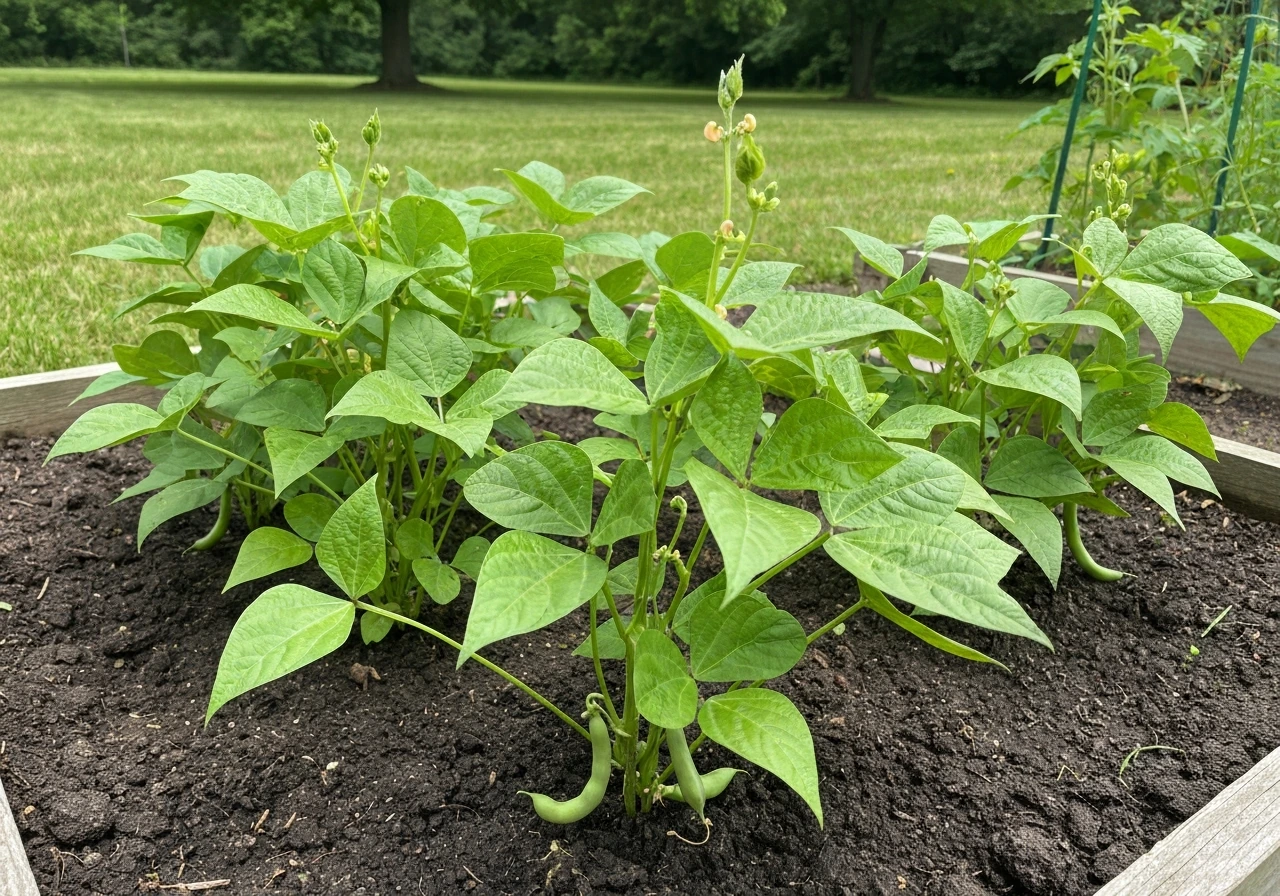
Ohio spans USDA hardiness zones roughly 5b through 7a, running cooler in the northeast near Lake Erie and warmer in the southwest corners. For black beans, the hardiness zone matters less than the frost-free window and summer heat. According to OSU Extension's Ohio Agronomy Guide, blank" rel="noopener noreferrer">the median last spring freeze falls around April 15 in southern Ohio and closer to April 25 in northern Ohio. The first fall freeze arrives before October 10 in parts of northwest Ohio and somewhat later elsewhere across the state.
That gives most of Ohio a frost-free growing window of roughly 160 to 180 days, which is more than enough for black beans. Bush varieties rated at 85 to 95 days to dry-bean maturity fit comfortably inside that window when planted in late May. The bigger practical concern is not season length but soil temperature. Beans require a soil temperature of at least 60°F for proper germination, and planting into cool soil leads to poor germination and seed rot. In Ohio, that 60°F threshold in the top few inches of soil typically arrives in early to mid-May depending on your county and that year's spring.
Summer heat works in your favor. Black beans prefer mean daily temperatures in the 70°F to 85°F range, which is exactly what Ohio delivers from June through August. The main climate traps to avoid are planting too early into cold soil, and letting the crop run so late that pods are still maturing when the first frost hits in October.
Dry beans vs. fresh snap-stage black beans: which are you growing?
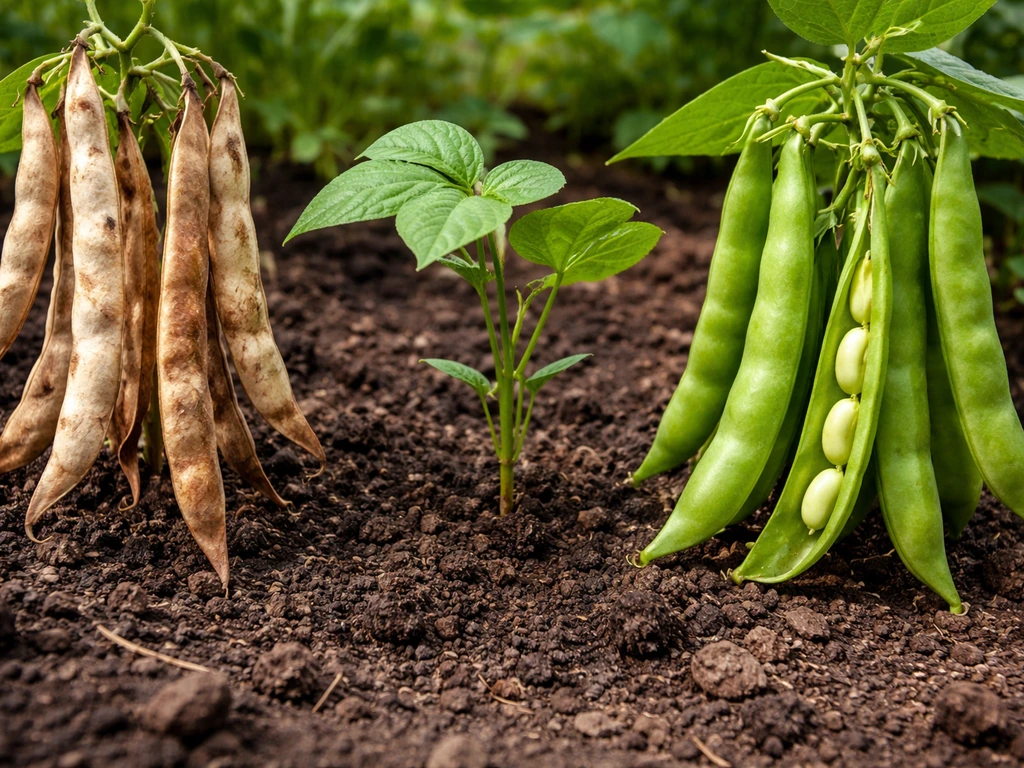
This matters because it changes your harvest timing by several weeks. Black beans like 'Black Coco' can be picked at two different stages: around 60 days after planting as a snap bean (eaten fresh like a green bean), or left on the plant until the pods dry down, which takes closer to 90 to 95 days. Most people searching for black beans are thinking about the dried beans you see in the grocery store. That's the dry-bean harvest, and it takes the full 90-plus days. If you just want to try something different in the garden and pick them fresh, the 60-day snap window gives you much more scheduling flexibility and is essentially foolproof in Ohio's climate. But if you want actual dry black beans to cook and store, plan for the longer timeline and choose your variety accordingly.
When and how to plant in Ohio
Your Ohio planting window
The practical planting window for black beans in Ohio runs from mid-May through early June. Waiting until mid-May gives the soil time to warm above 60°F after the last average frost, and planting by early June still leaves enough time for a 95-day dry-bean variety to mature before the first fall freeze. Georgia gardeners often run into the same basics with legumes: warm soil for germination, full sun, and enough frost-free time to mature the variety can you grow chickpeas in georgia. If you plant May 15 in central or southern Ohio, you're looking at mid-August to early September maturity for a 90-day variety, well ahead of any frost risk. Long day onions are another crop you can tailor to southern conditions by choosing the right variety and planting time. In northern Ohio, push the planting date closer to May 20 to June 1 and stick with varieties in the 85-day range. That same short-season timing idea is also useful when you grow short day onions in the north.
| Ohio Region | Last Spring Frost (median) | Recommended Plant Date | First Fall Frost | Best Variety Range |
|---|---|---|---|---|
| Southern Ohio | ~April 15 | May 1–15 | Mid-October or later | 85–95 days to dry |
| Central Ohio | ~April 20 | May 10–25 | Early-to-mid October | 85–90 days to dry |
| Northern Ohio | ~April 25 | May 20–June 1 | Before October 10 | 80–85 days to dry |
Direct sow vs. starting indoors
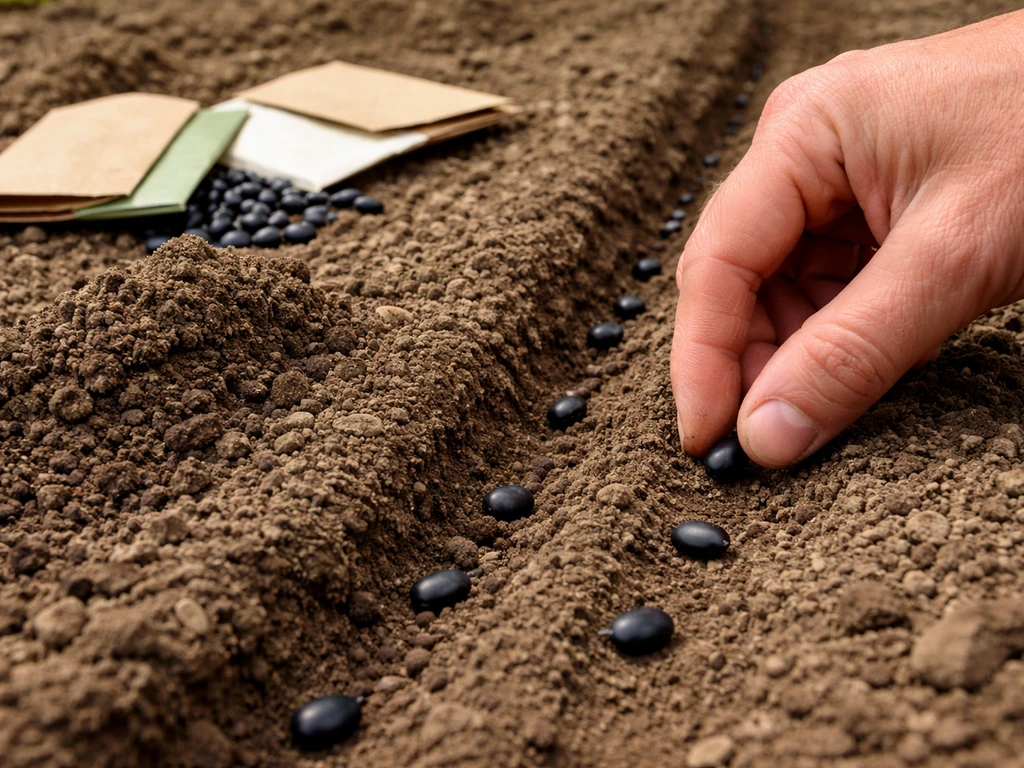
Direct sow. Full stop. Black beans are bush legumes with sensitive roots, and they do not transplant well. Starting them indoors and transplanting damages the root system enough to set the plants back, often negating any timing advantage. Direct seeding is standard practice for both home and commercial dry-bean production. Once the soil hits 60°F, plant seeds 1 to 1.5 inches deep, 2 to 4 inches apart in rows 18 to 24 inches apart. At 65°F to 85°F soil temperature, you should see seedlings emerge in 7 to 10 days. If you get a late cold snap after germination, a row cover overnight can protect young seedlings, but beans are more cold-sensitive as seeds in wet soil than as emerged seedlings.
Site requirements and crop care
Black beans need full sun, at least 6 to 8 hours of direct sunlight per day. They will grow in partial shade but pod set suffers noticeably. Soil pH should be in the range of 6.5 to 7.0 for dry bean production. That's a bit narrower than the 5.8 to 6.6 range often cited for fresh snap beans, so if you're targeting a full dry harvest, it's worth testing your soil and amending with lime if you're below 6.5. Beans fix their own nitrogen, so you don't need heavy fertilizing at planting. Too much nitrogen actually pushes leafy growth at the expense of pods.
Drainage matters. Beans sitting in wet or waterlogged soil will rot, especially early in the season when soils are still cool. Raised beds or slightly mounded rows help in Ohio's heavier clay soils. Once plants are established and you hit the flowering and pod-fill stage, consistent moisture becomes critical. Drought stress during flowering causes flower abortion and reduces pod set significantly. Bean water use climbs from around 0.05 inches per day just after emergence to more than 0.25 inches per day during pod development. Try not to deplete the root-zone moisture by more than 40 to 50 percent during flowering and pod fill. A 2 to 3 inch layer of mulch helps conserve moisture and keeps weeds from competing during this period.
Choosing the right variety for Ohio's season
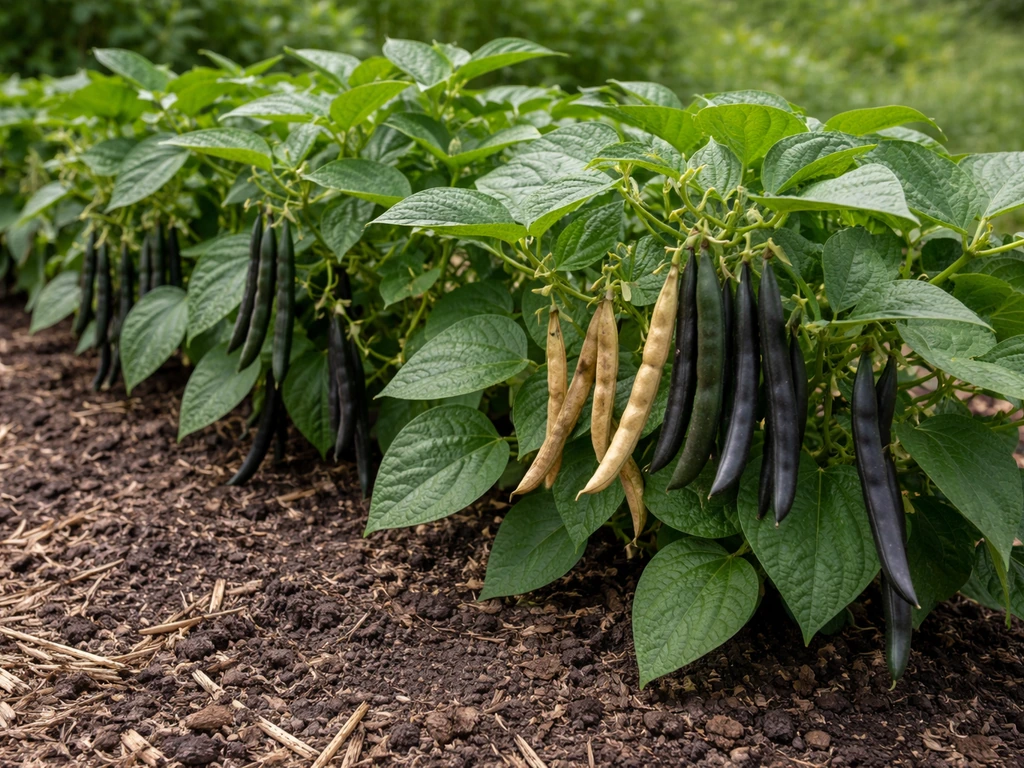
For Ohio, you want bush-type black beans with a days-to-dry-harvest rating in the 85 to 95 day range. Pole types add complexity without adding much benefit for a single dry-bean harvest. Here are the varieties worth looking at:
- Black Coco (bush): ~60 days to snap, ~90 to 95 days to dry. One of the most popular dual-use varieties. Works well in most of Ohio with a mid-May planting.
- Black Turtle (bush): The classic grocery-store black bean type. Most strains mature in 85 to 100 days to dry, so look for earlier strains if you're in northern Ohio.
- Midnight Black Turtle (bush): A widely available open-pollinated variety in the 85 to 90 day range, a solid choice for the shorter season window in northern Ohio.
- Blackhawk or similar commercial-type black beans: Often used in Midwest dry-bean trials, typically 85 to 90 days, bred for reliable dry-down in Midwest climates similar to Ohio's.
When buying seed, look for OSU or Midwest university field trial data on days-to-maturity rather than just catalog descriptions, which are sometimes optimistic. For Ohio specifically, prioritize varieties with proven performance in similar short-season Midwest climates. If you're curious how variety selection compares for other legumes in the region, the same short-season thinking applies to growing chickpeas in Ohio, where early-maturing desi types are often the better fit for the state's climate. The same kind of short-season thinking also helps when planning whether you can grow chickpeas in Texas, since timing and early varieties are key can you grow chickpeas in texas. Chickpeas have their own short-season requirements too, so if you're wondering can you grow chickpeas in Michigan, look for varieties and planting dates that fit the local frost-free window.
Pests, diseases, and common problems in Ohio
Insect pests to watch for
Ohio bean gardens deal with a handful of recurring insect pests. The Mexican bean beetle is probably the most damaging. Both adults and larvae feed on leaf tissue from the underside, leaving a lacy skeletonized look. Scout regularly once plants are leafed out. One egg mass per linear foot of row is the general threshold where control becomes worthwhile. Aphids cluster on young growth and can spread viruses. Seedcorn maggots are a concern with early plantings in cool soil (another reason not to rush planting), as they feed on germinating seeds and reduce stand establishment. Thrips occasionally cause bronzing and distortion of young leaves.
Diseases common in Ohio beans
The main bacterial diseases of common beans are common bacterial blight, halo blight, and bacterial brown spot. Common bacterial blight tends to be the most prevalent and causes irregular water-soaked lesions on leaves and pods that dry to brown with yellow borders. Halo blight produces a distinctive yellow halo around lesions. Chemical controls are generally less effective against common bacterial blight than against the other two, so the better strategy is using disease-free certified seed, avoiding working in the field when plants are wet (which spreads bacteria), and rotating out of beans for at least two years in that bed.
Poor germination and flowering without pods
If your seeds fail to germinate or come up patchy, cold soil is almost always the cause. Soil below 60°F leads to seed rot. Wait longer or use a soil thermometer before planting. If plants flower but drop flowers without setting pods, heat stress above 85 to 90°F during flowering is usually the culprit, combined with drought stress. Ohio's mid-July heat can trigger this in some years. Celery is another cool-season crop, so you can follow Minnesota-specific guidance for timing and temperature to grow it successfully. Keep soil moisture consistent during flowering and don't let the root zone dry out.
Harvest, curing, and storing your dry black beans
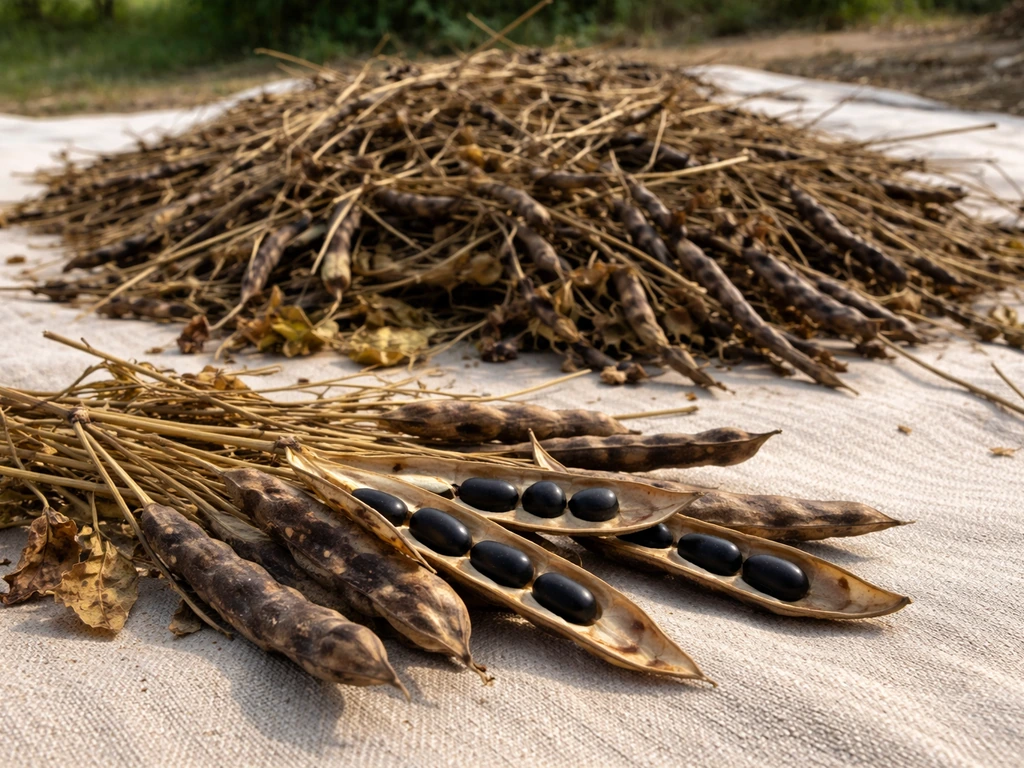
For dry beans, you want to harvest before pods shatter and spill seed on the ground, but after the pods have fully dried down on the plant. The sign you're ready: most pods on the plant are tan, papery, and rattling when you shake them. In Ohio, this usually happens in late August to mid-September depending on your planting date and variety. Don't leave fully mature pods sitting in rainy weather or they'll start to reabsorb moisture and can mold.
Pull or cut the whole plant at the base and let the plants continue to dry in a warm, ventilated space out of rain. Once pods are completely dry and brittle, thresh them by putting plants in a pillowcase or bag and beating it against a hard surface, or by hand-shelling smaller quantities. For home storage, the target moisture content for most dry beans is roughly 14 to 18 percent moisture when harvested, drying further in storage to below 14 percent for safe long-term keeping. Practically speaking, if a bean cracks cleanly when you bite it rather than bending, it's dry enough to store. Keep them in a sealed container in a cool dry location. Properly dried and stored black beans hold their quality for a year or more.
If you want fresh snap-stage black beans instead of dry ones, harvest pods when they're still green, tender, and the seeds are barely visible as bumps in the pod, typically around 55 to 65 days after planting. After that window the pods get stringy and the seeds start to swell toward the shell-bean stage.
Your simple Ohio action plan
- Check your soil temperature in early May. Wait until it's reliably above 60°F before planting, usually May 10 to 20 for central and southern Ohio, May 20 to June 1 for northern Ohio.
- Choose a bush variety rated 85 to 90 days to dry harvest. Black Coco, Midnight Black Turtle, or a locally-trialed Midwest black bean variety are good starting points.
- Direct sow seeds 1 to 1.5 inches deep, 2 to 4 inches apart, in rows 18 to 24 inches apart in full sun with well-drained soil. Do not start indoors and transplant.
- Test your soil pH and aim for 6.5 to 7.0 for dry bean production. Lime if needed before planting.
- Mulch around plants once they're established and water consistently during flowering and pod fill. Don't let the soil dry out completely during those stages.
- Scout weekly for Mexican bean beetle egg masses and aphids starting about three weeks after emergence.
- Harvest when pods are papery and rattling, typically late August to mid-September. Pull whole plants, dry further in a sheltered spot, then thresh and store in a sealed container.
FAQ
Can I start black beans indoors and transplant them to get a head start in Ohio?
Yes, but only if you can keep the bed warm enough and you are willing to use row cover. Black beans need soil (not air) above about 60°F to germinate reliably, so if you start indoors you still need to wait for warm outdoor soil and you must plan to seed directly, because transplanting usually causes setbacks.
How do I know when my Ohio soil is warm enough to plant black beans?
Use a soil thermometer 2 to 3 inches deep. “60°F soil” is the real trigger, not the calendar date, and it matters because cool wet soil increases seed rot, even if the air temperatures look warm during the day.
Should I grow bush or pole black beans in Ohio?
For most Ohio home gardens targeting dry beans, bush types are the better choice. Pole beans take longer and often add trellising complexity, and the extra growing time can push you toward late pods in the risk window for fall weather.
What should I do if I’m late planting black beans in Ohio?
If you miss the ideal window, choose faster maturity varieties and prioritize snap-stage pods. Late plantings can still work for fresh beans because the harvest window is around 55 to 65 days, but dry-bean maturity usually needs the full 85 to 95 day timeline.
Will a row cover help if a cold snap hits after my black bean seeds germinate?
Row covers can protect emerged seedlings from a cold snap, but they are not a fix for cold, waterlogged seedbeds. If the soil stays cold and wet, beans are more likely to fail at the seed stage than after they sprout, so focus on warming and drainage first.
How can I tell when black beans are ready to harvest in Ohio if the weather is wet near fall?
For dry harvest, you typically want the plants to dry on the vine until pods are tan, papery, and shaking releases rattling seed. In rainy periods, harvest at full dry maturity signals and dry the plants under cover with good airflow to reduce mold risk.
Do black beans need fertilizer in Ohio, and what about nitrogen?
Yes, but fertilize based on results. Since beans fix nitrogen, avoid high-nitrogen starter fertilizer. If your soil is very low in phosphorus or potassium, adding those based on a soil test can help rooting and pod fill without creating excess leafy growth.
What’s the best mulching approach for black bean success in Ohio?
Mulch is especially helpful during flowering and pod fill because it conserves moisture and reduces weed competition. Keep mulch at about 2 to 3 inches, but avoid piling it against the stems, and watch for slugs or excess dampness right after heavy rain.
Why do my black beans bloom but not set pods, and how do I prevent it?
Yes, and it matters because moisture stress during flowering can cause flower drop and lower pod set. A practical target is not letting the root zone dry out beyond roughly 40 to 50 percent depletion during pod formation, then resume steady watering as needed.
What are the most important steps to reduce blight in Ohio black bean beds?
For bacterial disease control, the biggest practical steps are using certified disease-free seed, avoiding field work when foliage is wet, and rotating beans or related legumes out of that bed for at least two years. These reduce the chance of introducing or spreading bacteria even when conditions are favorable for outbreaks.
Next Articles
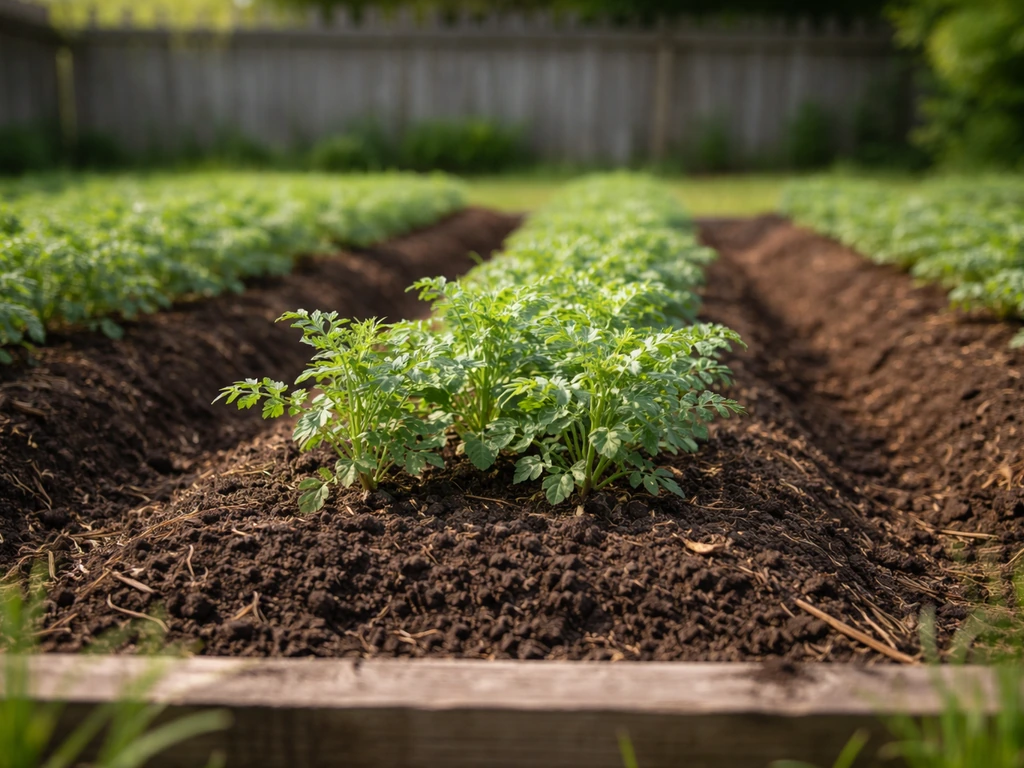
Can You Grow Chickpeas in Michigan? Planting Guide
Learn if you can grow chickpeas in Michigan and get Michigan-specific planting, variety, timing, and harvest tips.
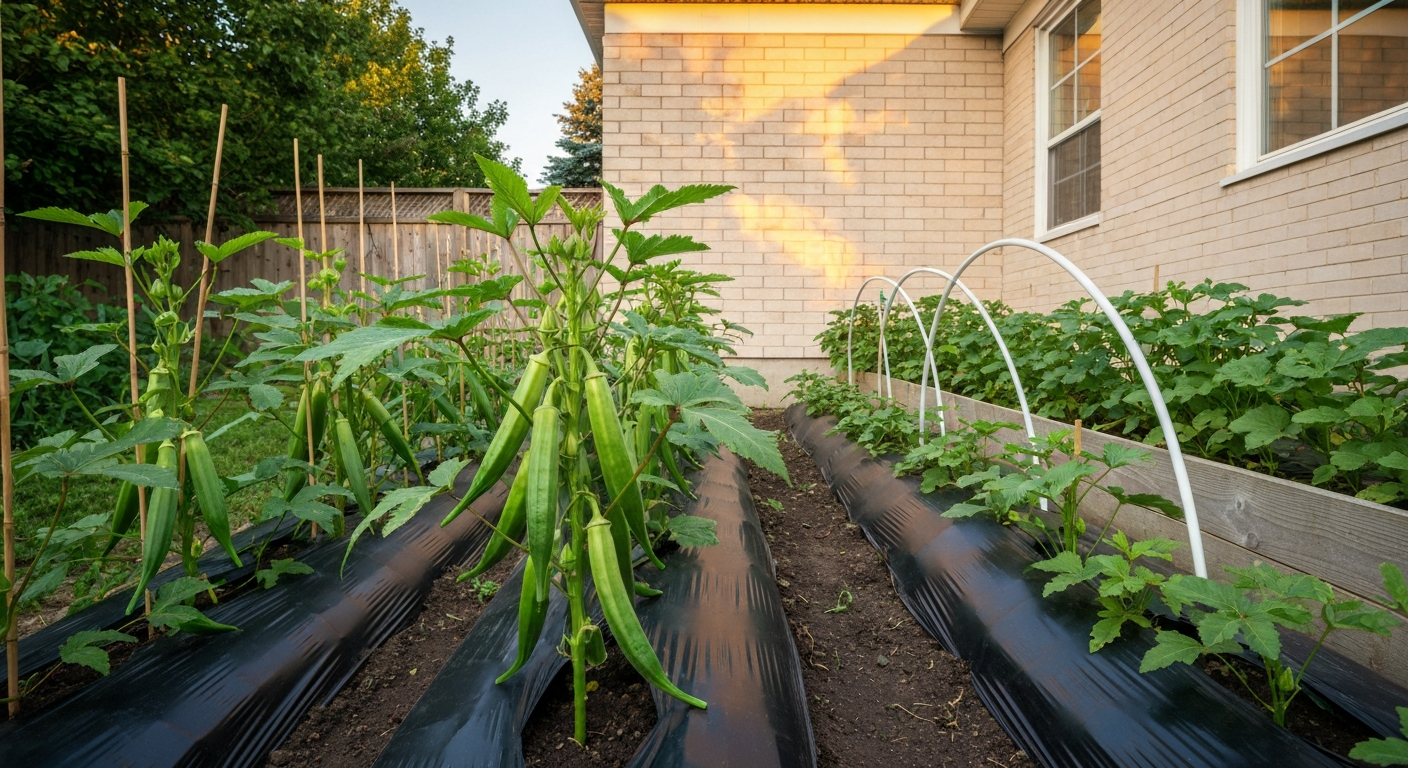
Can You Grow Okra in Canada? Ontario Guide & Short‑Season Tips
Can you grow okra in Canada? Regional verdict, Ontario-specific steps, varieties, season-extension & harvest tips.
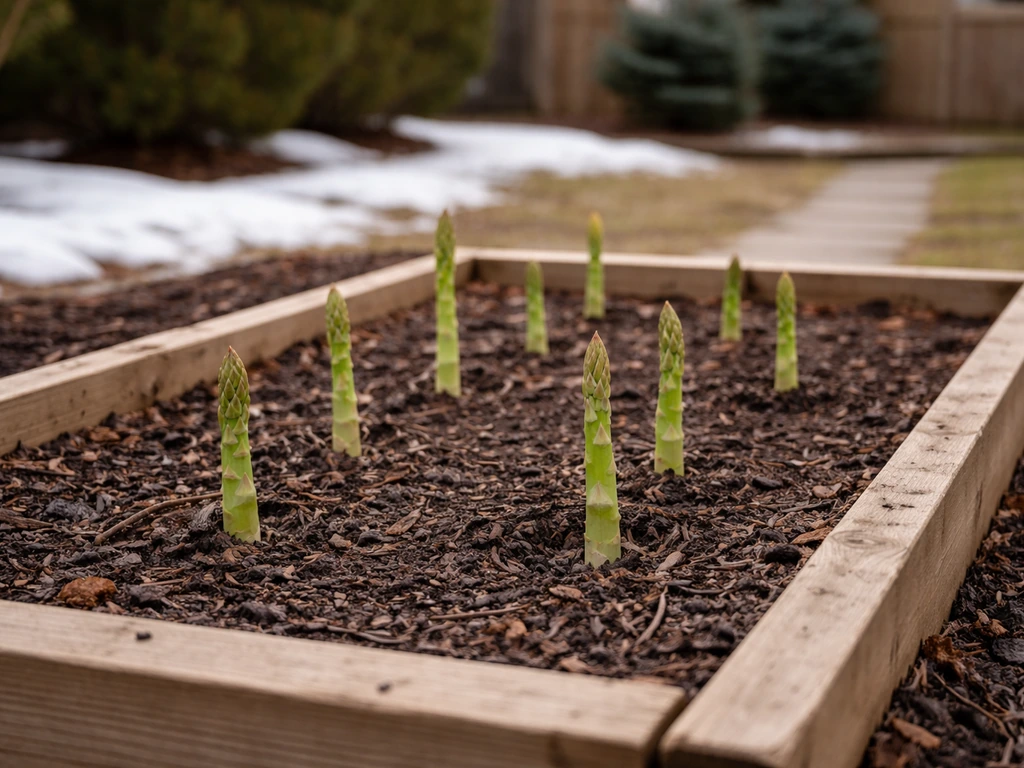
Can You Grow Asparagus in Canada? Planting Guide by Zone
Grow asparagus in Canada by zone: site, hardiness, crowns or seed, planting depth, care, and harvest plus fixes