
Yes, you can grow celery in Ohio, and it can do really well there, but it takes some planning. Can you grow celery in Minnesota? Yes, but the key is matching variety and timing to Minnesota’s cooler season windows. You can also grow chickpeas in Georgia, but the key is matching the right variety and timing to Georgia’s mild winters and hot summers. Celery is a cool-season crop that needs a long growing window with moderate temperatures, and Ohio gives you exactly that, as long as you time things right and don't let the summer heat catch your plants before they're ready to harvest.
Can You Grow Celery in Ohio? Planting Guide to Harvest

Marcus Holloway
15 May 2026
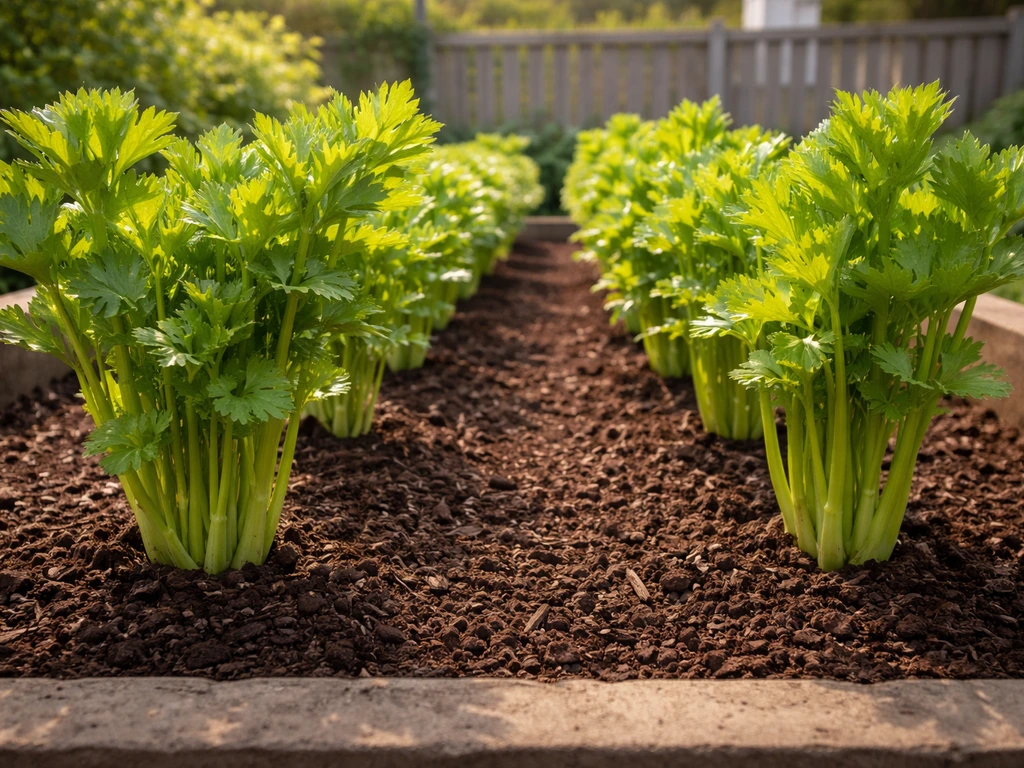
What Ohio's climate actually means for celery
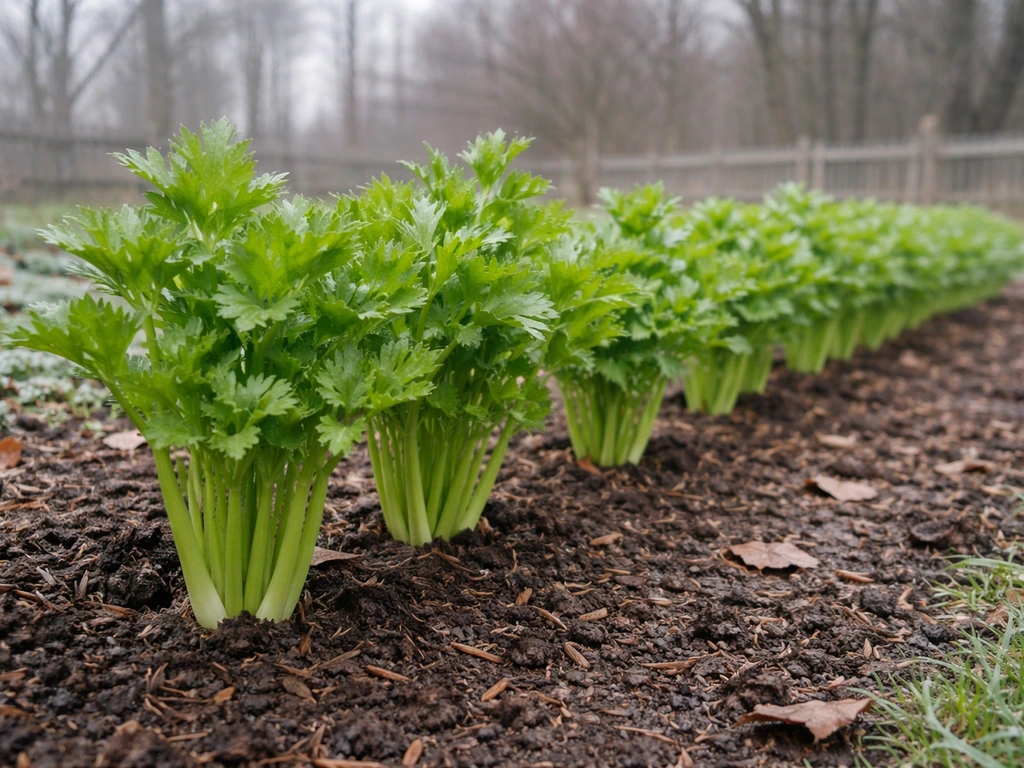
Ohio sits mostly in USDA Hardiness Zones 5b to 6b, with last spring frost dates ranging from around mid-April in the southern part of the state to early May in the north. First fall frosts typically arrive in October. That gives most Ohio gardeners a growing season of roughly 150 to 180 days, which sounds comfortable, but celery's challenge is that it needs most of that time to be cool, not just frost-free.
Celery thrives between 60°F and 70°F and starts to struggle when daytime temperatures consistently push past 85°F. Ohio summers can and do get that hot, especially July and August. So your job is to start early enough that plants are close to harvest before the heat settles in, or to grow a fall crop that matures as temperatures drop. Most Ohio gardeners have the best luck with the spring approach: start seeds indoors in late January or early February, transplant in April, and aim for a June or early July harvest.
There's one other climate quirk specific to celery that Ohio growers need to know about. Purdue Extension warns that if transplants experience a prolonged cold spell after going in the ground, roughly 10 or more days with nights below 40°F and days below 55°F, the plants can be triggered to bolt (flower and go to seed) and become inedible. This means you can't just rush transplants out the door the moment the ground thaws. There's a narrow sweet spot between 'too cold to transplant' and 'too hot to finish.'
When to plant celery in Ohio
Starting seeds indoors
OSU Extension (Wayne County) recommends starting celery seeds indoors around February 1 for central Ohio. That's about 10 to 12 weeks before your target transplant date. Seeds germinate best at 70 to 75°F and take 14 to 21 days to sprout, so don't panic if nothing comes up in the first week. Use a seedling heat mat if your indoor space runs cool, keep the seed tray consistently moist, and sow shallowly, about 1/4 inch deep. Celery seed also germinates better with light, so press the seeds gently into the surface of moist seed-starting mix and barely cover them.
When to transplant outdoors
OSU Extension targets around April 20 as a transplant date for central Ohio. MSU Extension's guidance for similar climates suggests setting out celery no sooner than one week after your last frost date. The practical rule: transplant when nights are reliably staying above 40°F. In northern Ohio (Cleveland, Toledo), that might push you closer to late April or even early May. If you are wondering can you grow short day onions in the north, timing matters there too, since day length and cool weather strongly affect how well they size up. In southern Ohio (Cincinnati, Portsmouth), you may be safe by mid-April. Check your specific ZIP code against frost date tools to dial this in for your exact location.
| Ohio Region | Approx. Last Frost | Seed Start Indoors | Target Transplant Date |
|---|---|---|---|
| Northern Ohio (Cleveland, Toledo) | May 1–10 | Feb 10–20 | May 7–17 |
| Central Ohio (Columbus, Mansfield) | Apr 20–27 | Feb 1–7 | Apr 27 – May 4 |
| Southern Ohio (Cincinnati, Portsmouth) | Apr 10–15 | Jan 20–25 | Apr 17–22 |
Soil, light, and where to set up your celery bed
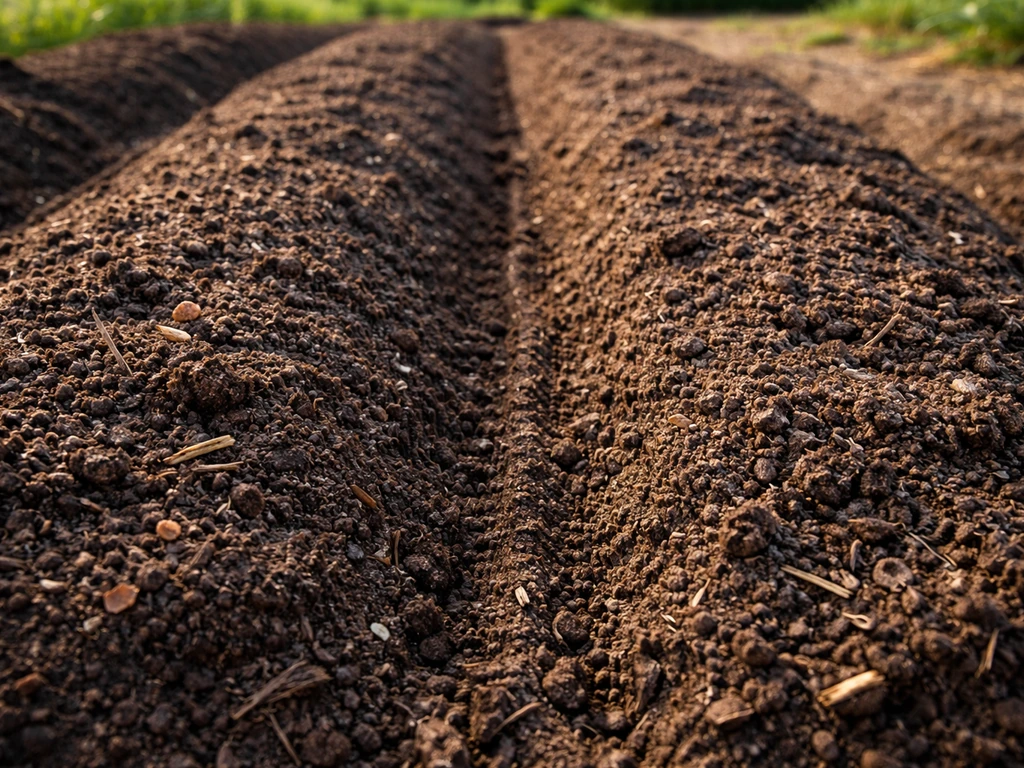
Celery needs full sun, at least 6 hours a day, and a soil that is fertile, well-drained, and loaded with organic matter. The root system is surprisingly shallow, staying mostly in the top 6 inches of soil, which means it depends heavily on what's right at the surface. Heavy clay soils (common in many parts of Ohio) are a real problem here because they hold too much water and can suffocate roots. If your garden has clay-heavy soil, raise your bed by 6 to 8 inches and work in generous amounts of compost before planting.
Target a soil pH between 6.0 and 7.0. MSU Extension notes that pH below 5.5 or above 7.0 leads to slow growth and leaf yellowing because nutrients become locked up. A simple soil test (available free or cheap through OSU Extension) will tell you exactly where you stand and what amendments to add.
Container growing is absolutely an option for Ohio celery. A large pot (at least 12 inches deep and wide) filled with a high-quality potting mix plus extra compost can work well, especially if you want to move plants under cover during unexpected late cold snaps. The tradeoff is that containers dry out faster, and given that celery needs 1 to 2 inches of water per week, you'll be watering containers very frequently in warm weather.
Choosing the right celery varieties for Ohio
Variety choice matters a lot in Ohio because you want something that matures before the summer heat peaks. Look for varieties with days to maturity (DTM) around 80 to 100 days, measured from transplant date, not from seeding. Here are the most practical options for Ohio:
| Variety | Days to Maturity (from transplant) | Notes |
|---|---|---|
| Golden Boy | ~85 days | Self-blanching, golden-yellow stalks, good for Ohio's spring window |
| Tall Utah 52-70 | 100–120 days | Cold-hardy and shade tolerant; better suited for fall crops or areas with longer cool windows |
| Conquistador | ~80 days | Heat-tolerant for celery; popular with Midwest growers |
| Tango | ~80 days | Compact, bolt-resistant, reliable for shorter seasons |
For most Ohio home gardeners going for a spring harvest, Golden Boy or Conquistador are solid first choices because their shorter DTM gives you the best shot at finishing before July heat. Tall Utah 52-70 is worth trying for a fall crop started indoors in June and transplanted in late July or August, when temperatures naturally cool toward harvest time in September and October.
Step-by-step: from seed to transplant to garden
- Fill seed trays with moist seed-starting mix. Sow celery seeds shallowly (about 1/4 inch deep), pressing gently onto the surface. Keep soil temperature at 70 to 75°F using a heat mat. Seeds take 14 to 21 days to germinate; keep the mix consistently moist the entire time.
- Once seedlings emerge, move trays under grow lights or to your sunniest south-facing window. Celery seedlings are slow-growing and slender. Don't worry if they look small for the first few weeks.
- Thin seedlings to about 2 inches apart in trays once they have their first true leaves. This reduces competition and helps airflow.
- About 7 to 10 days before your target transplant date, begin hardening off. Set transplants outside in a sheltered spot for a few hours each day, gradually increasing exposure over the week. Bring them in if nights are predicted to drop below 45°F.
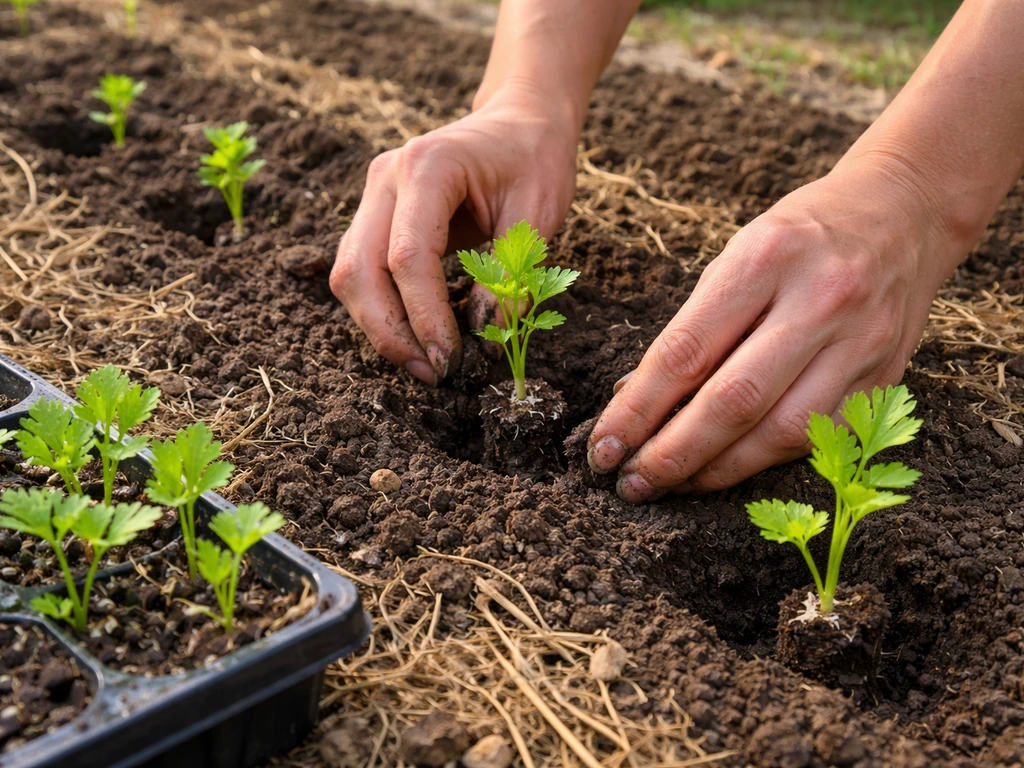
- Transplant into the garden when nights are reliably above 40°F. Space transplants 6 to 8 inches apart in rows 18 to 24 inches apart. Plant at the same depth they were growing in the pot. Water in thoroughly immediately after planting.
- If a surprise cold snap is forecast in the days after transplanting, cover plants with a row cover or frost blanket to protect them from the bolting-triggering cold exposure described above.
Keeping your celery happy through the growing season
Watering
Celery needs 1 to 2 inches of water per week, consistently. Because the roots are shallow and concentrated in the top 6 inches, they dry out fast and don't have much buffer. Skip a few waterings and you'll see hollow stalks and bitter flavor. Water deeply and thoroughly when you do water, rather than light daily sprinkles. Drip irrigation or a soaker hose at the base of plants is ideal, especially as temperatures rise in May and June.
Fertilizing
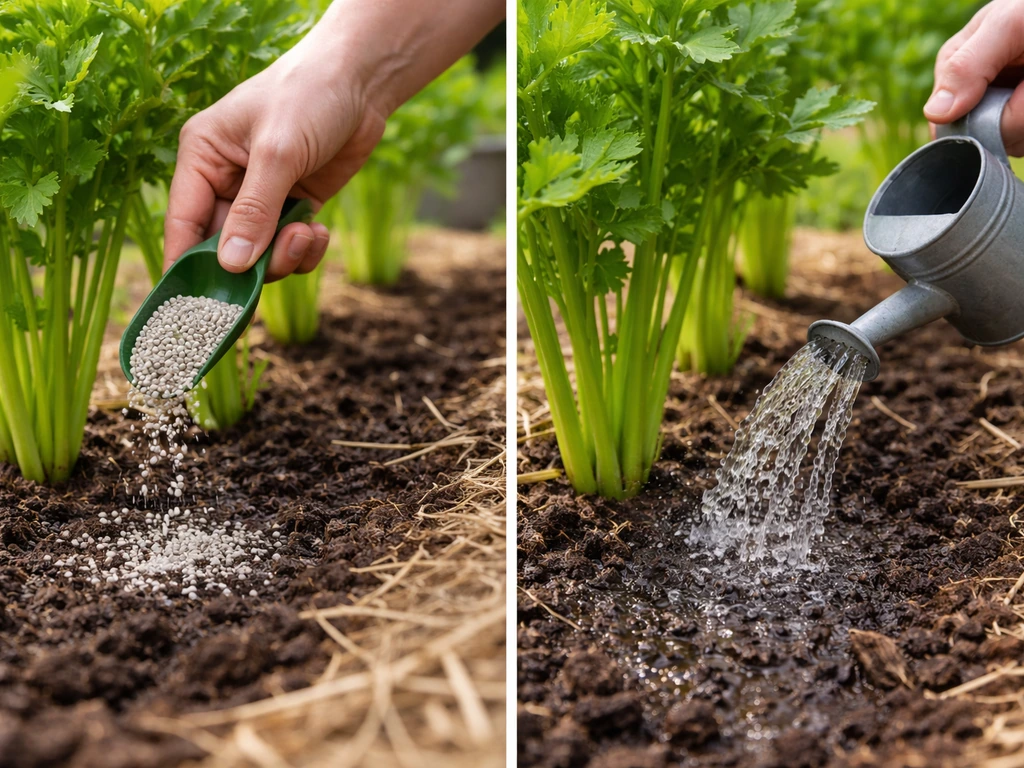
Celery is a heavy feeder. Mix a balanced, slow-release fertilizer into your bed before transplanting. About a month after transplanting, side-dress with a nitrogen-rich fertilizer to push leafy, stalk growth. Once stalks are forming and approaching harvest size, stop fertilizing to prevent the stalks from cracking or splitting. If you've had issues with blackheart (a brownish rot at the center of the plant), a calcium-rich fertilizer or foliar calcium spray during mid-growth can help prevent it.
Weed control
Celery's shallow roots make it very sensitive to weed competition. Lay 2 to 3 inches of straw or shredded leaf mulch around plants right after transplanting. This also helps retain soil moisture, which is a double benefit. Hand-weed carefully close to the plants rather than hoeing, since even shallow cultivation can disturb the roots.
Blanching and knowing when to harvest
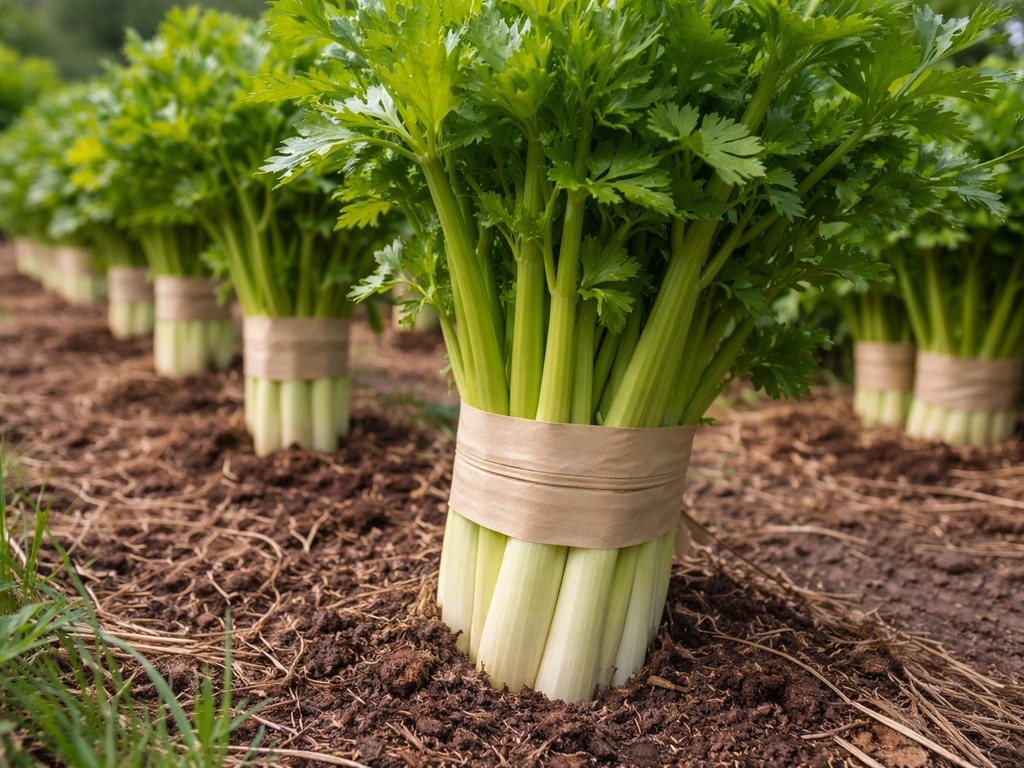
Blanching means blocking light from the stalks to reduce bitterness and produce a paler, more tender stalk. It's optional but can make a real difference in flavor. To blanch, about 2 to 3 weeks before harvest, wrap the lower stalks loosely with cardboard, newspaper, or a black plastic sleeve, leaving the leaves exposed. Alternatively, mound soil up around the base of the plant. Self-blanching varieties like Golden Boy need less of this but still benefit from some shading.
Celery is ready to harvest roughly 80 to 120 days after transplanting, depending on the variety. The stalks should be 8 to 12 inches tall and firm. You can harvest the whole plant by cutting it at ground level, or harvest individual outer stalks as you need them, leaving the center to keep growing. In Ohio, aim to finish your spring harvest by late June to avoid the worst summer heat.
Freshly harvested celery stores well in the refrigerator. Wrap it in foil (not plastic wrap) and it can keep for 2 to 3 weeks in the crisper drawer. For longer storage, celery can be chopped and frozen, though the texture softens after thawing, making it better for soups and cooked dishes than fresh eating.
What goes wrong with celery in Ohio (and how to fix it)
Bolting before harvest
This is the most frustrating celery problem in Ohio. Bolting happens when the plant switches to flowering mode, which makes the stalks stringy and inedible. In Ohio, bolting is usually triggered one of two ways: a prolonged cold spell right after transplanting (nights below 40°F for over 10 consecutive days), or the onset of summer heat and long days later in the season. The fix is timing: don't transplant too early, choose shorter-season varieties, and get your plants in the ground on schedule so they finish before the heat arrives.
Slow germination and weak seedlings
Celery seed is notoriously slow and fussy. If your germination rate is poor, the most common culprit is temperature. Seeds sitting in a cool basement at 60°F will barely move. Get a seedling heat mat and keep the soil surface at 70 to 75°F consistently. Also make sure the seed-starting mix stays evenly moist but not waterlogged. Old seed is another common issue; celery seed loses viability quickly, so use fresh seed each season.
Leaf diseases: early blight and Septoria leaf spot
MSU Extension specifically flags early blight (Cercospora apii) as a serious problem in Ohio and Florida. Septoria leaf spot is also well-documented in the region by OSU's plant pathology group. Both diseases cause spotting and browning of leaves and can significantly weaken plants. Both are seed-borne, meaning buying disease-free or treated seed gives you a head start. Good airflow between plants (proper spacing helps), avoiding overhead watering, and not working around wet plants also reduce spread. If you see spots developing, remove affected lower leaves promptly.
Celery anthracnose (leaf curl disease)
This disease has been a serious problem in Michigan and Ontario celery production since around 2010, and Cornell notes it can occur sporadically in other northeastern states, which puts Ohio gardeners on alert. Symptoms include curling leaves, twisted petioles, and dark lesions on stalks. There's no cure once it's established, so prevention is key: use certified disease-free transplants or seed, rotate celery to a different bed each year, and clean up all plant debris at the end of the season.
Insect pests
The celery leaftier is one pest to watch for. The larvae tie leaves together with silk webbing and feed inside, causing distorted growth. Hand-pick larvae when you spot the webbing, or use an approved Bt (Bacillus thuringiensis) spray if infestations get heavy. Aphids also show up on celery, especially under stress. A strong spray of water from the hose usually knocks them back, and introducing beneficial insects like ladybugs helps keep populations in check.
Blackheart and hollow stalks
Blackheart is a calcium deficiency disorder that shows up as brownish rot at the center of the plant. It's usually caused by inconsistent watering rather than a total lack of calcium in the soil, because drought stress prevents the plant from taking up calcium even when it's present. Keep watering consistent, add calcium amendments if needed, and avoid over-fertilizing with nitrogen late in the season, which can worsen the problem.
Your Ohio celery action plan
To pull this all together: Ohio is a solid state for celery if you commit to starting early and managing your timing carefully. Black beans have their own temperature, soil, and planting-window requirements in Ohio, so it helps to plan based on your local last frost and summer heat timing Ohio is a solid state for celery. Start seeds indoors around February 1 (central Ohio) or adjust based on your region's last frost date.
Get transplants in the ground around late April to early May when nights stay reliably above 40°F. Choose a shorter-season variety like Golden Boy or Conquistador for spring, amend your soil generously with compost, keep watering consistent at 1 to 2 inches per week, and aim to harvest by late June. If you want to experiment with a fall crop, Tall Utah 52-70 is worth trying, started in late June for an October harvest. If you are trying a completely different legume instead, you might also look at how people handle warm-season crops, including can you grow chickpeas in texas.
The biggest killers of Ohio celery are timing mistakes: going out too early into cold snaps or running out of cool weather before the plants finish. Get those dates right and celery is very doable in Ohio. In the same way, people in the southern U. If you're also wondering about long day onions in the south, the same idea applies: temperature and timing drive success more than the calendar does. S.
If you're also wondering can you grow chickpeas in Michigan, the key is still matching the crop to your cooler-season windows and local timing. can also grow long-day onions, as long as they choose the right varieties and planting times for their local conditions long-day onions in the south. If you're also wondering about chickpeas, you may be able to grow them in Texas with the right season timing and conditions can you grow chickpeas in texas.
If you are wondering can you grow chickpeas in Ohio, it helps to compare Ohio's season length and heat patterns to chickpea needs before you plant. Chickpeas also prefer cooler weather for good establishment, so it’s a good idea to plan planting around Ohio’s mild window and avoid the hottest weeks can you grow chickpeas in Ohio.
FAQ
Can you grow celery in Ohio if I missed the early start and it’s already late April?
You can try, but your window tightens. If you transplant in late April or early May, choose the shortest days-to-maturity option you can find (measured from transplant), and be ready to manage heat with shade cloth during sudden warm spells. A fall crop usually becomes the safer backup if spring looks too far gone.
How do I know if my celery is about to bolt after transplanting?
Watch for flowering stalks or a sudden change from broad, tender leaves to a more upright, tight growth form once temperatures have been unstable. The best prevention is avoiding that cold spell trigger (nights under 40°F for about 10 days plus) right after transplanting, using row cover or cloches when forecasts look risky.
What’s the difference between “days to maturity” and the calendar days I’ll be waiting?
For Ohio timing, focus on days to maturity counted from transplant, not from when you sow seed. Two celery starts can look identical in seedling size but finish weeks apart in the garden, depending on transplant date and the variety’s transplant-based DTM.
Is it better to grow celery in-ground or in containers in Ohio?
Both work, but in-ground usually wins because celery roots are shallow and containers dry out faster. If you use containers, plan for frequent, deep watering (about 1 to 2 inches per week total) and consider moving pots to partial shade during heat waves to prevent bitterness.
Will blanching help if I’m already growing a self-blanching variety?
Self-blanching reduces how much light-blocking you need, but it doesn’t fully eliminate bitterness risk when temperatures swing or plants get stressed. If you want the mildest flavor, do partial shading (wrap only lower stalks for a shorter period) about 1 to 2 weeks before harvest rather than waiting until stalks are over-mature.
Can I harvest celery as “baby stalks” without stopping growth?
Yes. Cutting only the outer stalks and leaving the center crown intact can extend your harvest window, but don’t overharvest early. If the weather is warming, take a larger first harvest to avoid the plant transitioning into toughness and stringiness.
Why does my celery turn bitter or get hollow stalks?
Most often it’s inconsistent moisture, especially when the top 6 inches dries out. Switch to less frequent but deeper watering (soaker or drip at the base helps), and mulch right after transplanting to reduce surface swings. Also avoid letting fertilizer push rapid, weak growth late in the season.
What spacing and airflow should I use to prevent leaf spot diseases?
Even though the article discusses airflow, a practical target is to avoid crowding so leaves don’t remain wet. Space transplants so outer leaves don’t touch at maturity, water at soil level, and remove the lowest spotted leaves promptly to reduce spread within the planting.
Can I grow celery in Ohio without full sun?
Celery performs best with at least about 6 hours of direct sun. If you only have partial sun, expect slower growth and higher disease pressure due to slower drying after rain, which can reduce your chance of finishing before summer heat. If partial sun is all you have, be extra strict with variety timing and watering consistency.
How should I handle celery seed if germination is poor even with warmth?
Besides temperature, celery seed can be uneven if moisture levels fluctuate. Keep the seed-starting mix evenly moist, don’t let the surface dry between checks, and consider sowing slightly more seed than you need since some lots may have lower viability. Fresh seed each season is one of the biggest practical fixes.
Next Articles
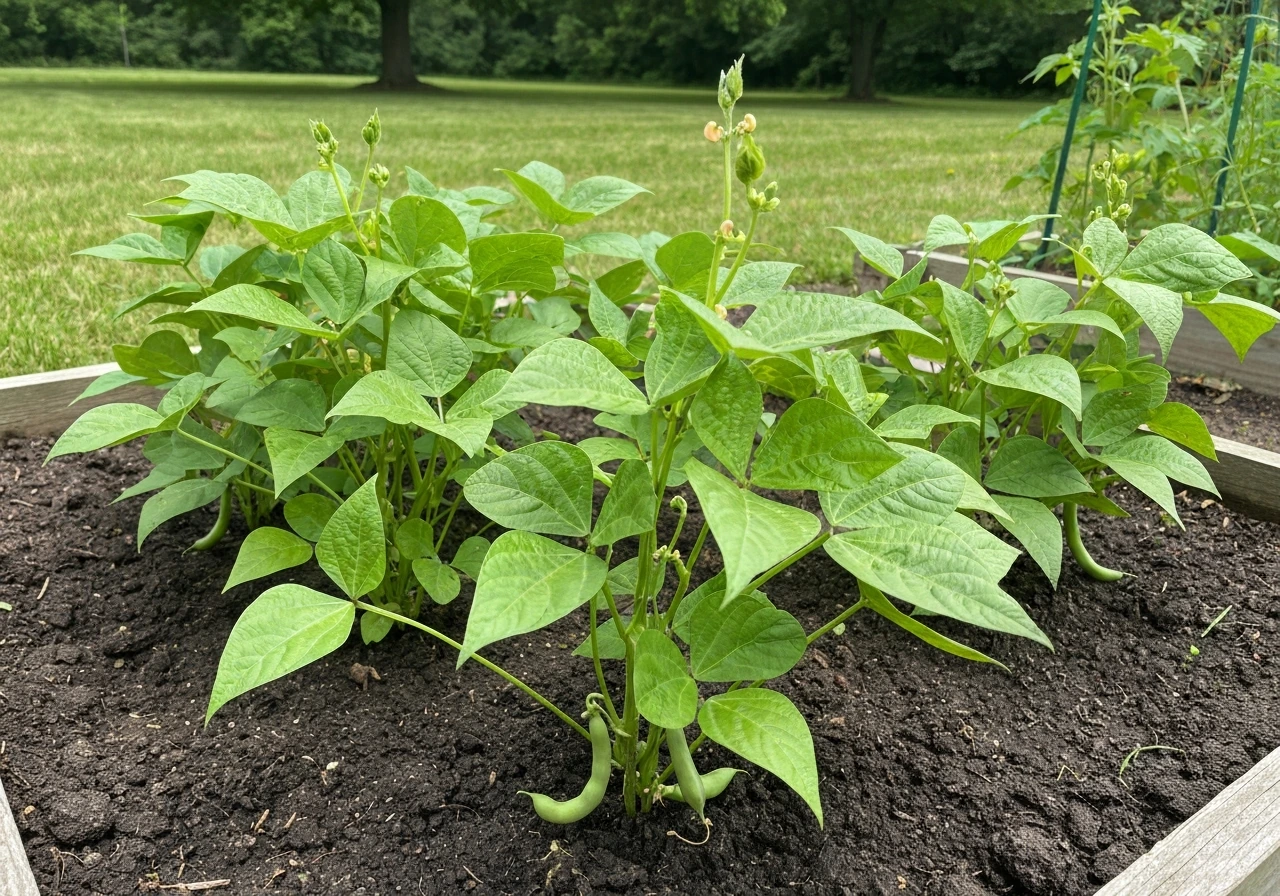
Can You Grow Black Beans in Ohio? Planting Guide
Yes. Ohio guide for growing black beans: planting dates, varieties, care, frost protection, pests, harvest and curing.
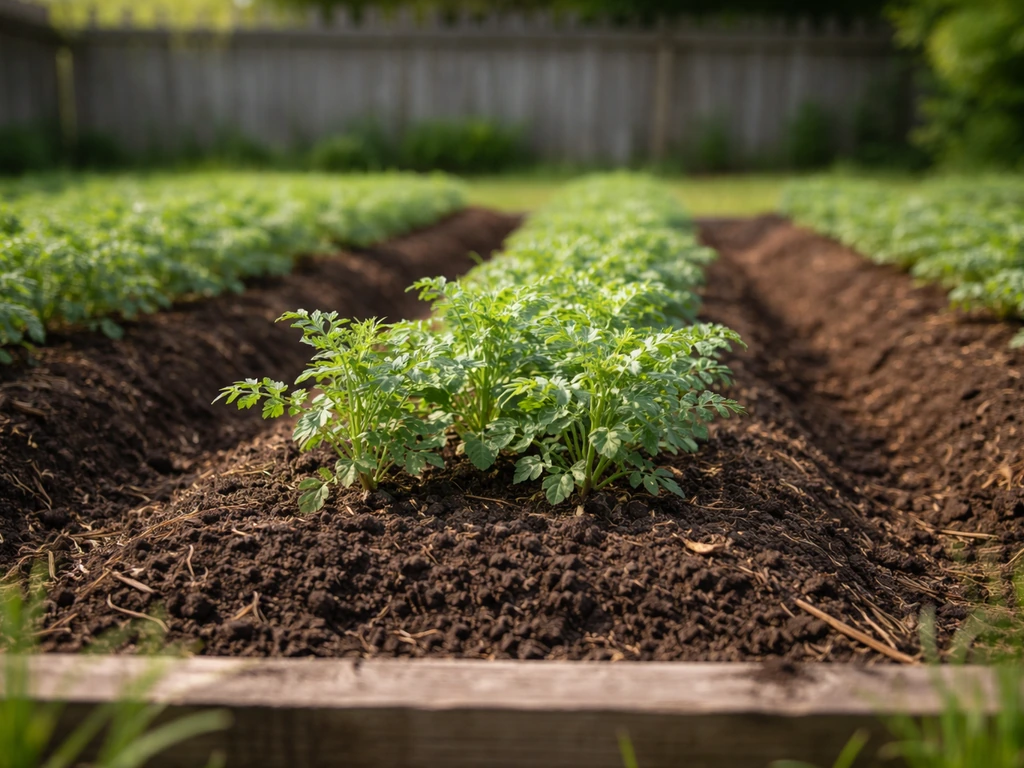
Can You Grow Chickpeas in Michigan? Planting Guide
Learn if you can grow chickpeas in Michigan and get Michigan-specific planting, variety, timing, and harvest tips.
Can You Grow Agave in Canada? Zone Guide & Growing Tips
Can you grow agave in Canada? Practical region-by-region guide, hardy species, container tips & winter care.