
Yes, you can grow okra in Michigan, but you have to work with the climate rather than against it. If you are wondering about other legumes, you can often grow lentils in Michigan too, but planting time and temperature really matter grow okra in Michigan. Okra is a heat-loving crop that needs at least 60 frost-free days and warm soil to produce well. Michigan can deliver that window, but just barely in many parts of the state, which means your timing, variety selection, and a few heat-management tricks make all the difference between a solid harvest and a plant that sulks all summer.
Can You Grow Okra in Michigan? Planting Plan and Tips

Marcus Holloway
3 May 2026
How Michigan's climate stacks up for okra
Michigan spans USDA hardiness zones 4 through 6, depending on where you are. The Upper Peninsula and northern Lower Peninsula sit in zones 4 and 5, with shorter frost-free windows and cooler nights. Southern Michigan, including the Detroit metro, Kalamazoo, and the southwest lakeshore, reaches zone 6 and gives you the warmest, longest season in the state. Okra genuinely wants long, hot summers, the kind you find in Georgia or Texas. Michigan's version is compressed, but it's workable.
The real number to watch is frost-free days. Brussels sprouts also need cool-weather timing, so check your local schedule before you plant can you grow brussel sprouts in michigan. Okra needs soil temperatures above 65°F to germinate and air temperatures consistently above 70°F to grow and flower well. In southern Michigan, the frost-free window typically runs from late May through early to mid-October, giving you roughly 130 to 150 frost-free days in a good year.
In northern Michigan, that window shrinks to 100 days or fewer. MSU Extension publishes probability-based frost-free date tables that are worth consulting for your specific county, because a single average date doesn't capture the real risk of a late cold snap. The key takeaway: southern Michigan can reliably grow okra with a little help, central Michigan is doable with more effort, and northern Michigan is genuinely difficult without a greenhouse or high tunnel.
When to plant okra in Michigan
Timing is where most Michigan okra attempts go wrong. People either plant too early and lose transplants to cold soil, or they wait too long and don't have enough warm days left for pods to develop. Here's the schedule that works.
Indoor seed starting
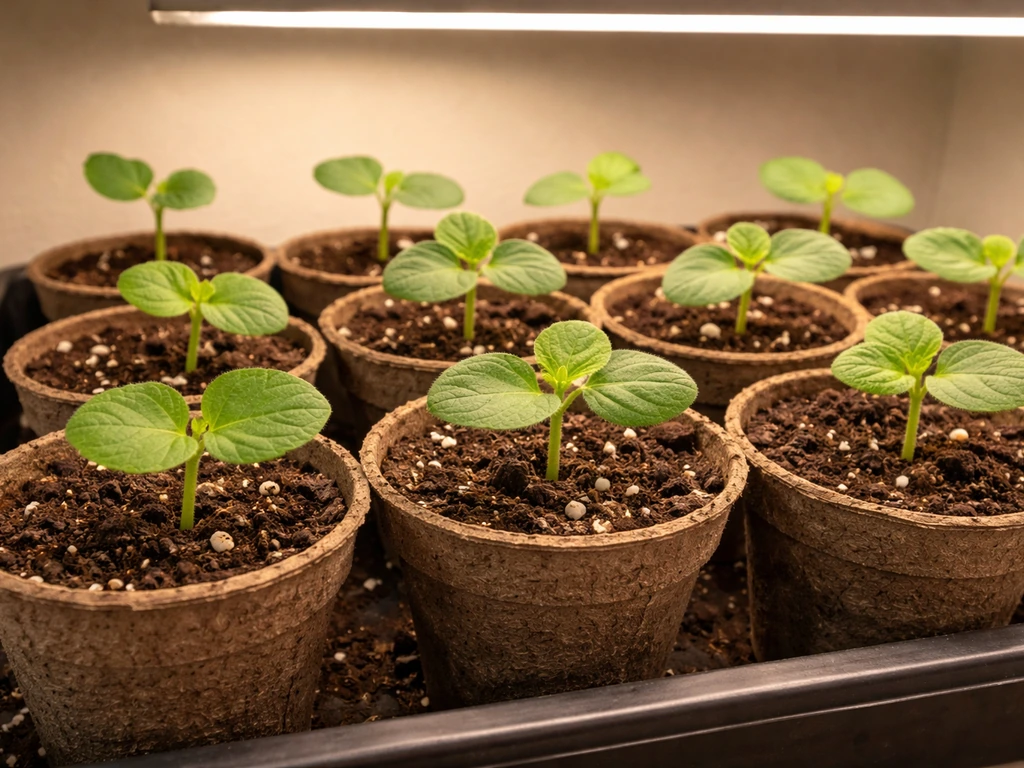
Start okra seeds indoors 4 to 6 weeks before your last expected frost date. For most of southern Michigan, that means starting seeds indoors in mid to late April. For central Michigan, aim for early to mid-April. Okra has a taproot that dislikes being disturbed, so start seeds in biodegradable pots or deep cell trays that can go directly into the ground. Soak seeds overnight in warm water before planting to speed germination. Keep the starting mix warm, at least 70°F, using a heat mat if needed.
Hardening off and transplanting outdoors
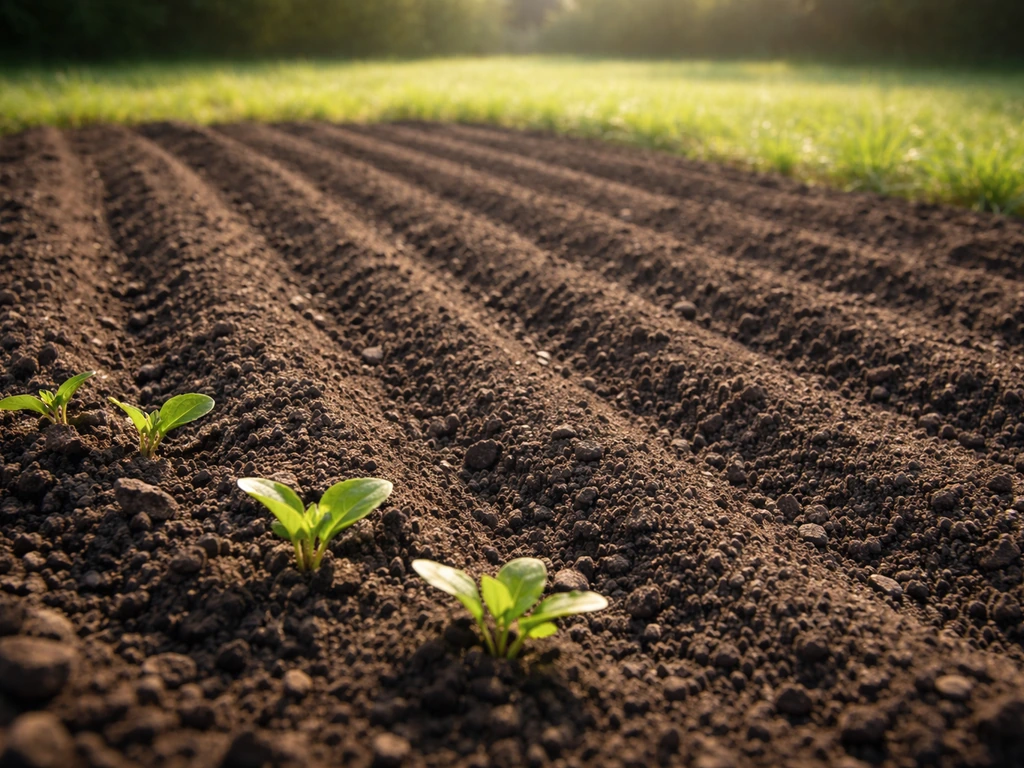
Before transplanting, harden off seedlings for 7 to 10 days by gradually exposing them to outdoor conditions. Transplant outdoors only after your last frost date has passed and, more importantly, after soil temperatures have reached at least 65°F. In southern Michigan, this usually means transplanting in late May to early June. Do not rush this step. Okra planted in cold soil will simply stall and may never fully recover its growth momentum.
Site preparation
Prepare your bed a couple of weeks before transplanting. Work compost into the top 8 to 10 inches of soil, and consider laying black plastic mulch over the bed for at least a week before planting. Black plastic can raise soil temperature by 5 to 10°F, which is genuinely significant for a heat-hungry crop like okra. ScienceDirect Topics notes that black plastic mulch commonly increases soil temperature compared with bare soil, with example values around +5°F at about 2 inches and +3°F at about 4 inches under black mulch conditions black plastic can raise soil temperature by 5 to 10°F. If you're not using plastic, dark-colored organic mulch applied after soil warms up will help retain heat and moisture.
Picking the right varieties and deciding on indoor vs. direct sow
Variety choice matters more in Michigan than in warmer states because you need types that produce pods quickly before the season closes. Stick with early or compact varieties rather than the tall heirloom types that need a long, hot season to hit their stride.
| Variety | Days to Harvest | Why It Works for Michigan |
|---|---|---|
| Clemson Spineless | 55–60 days | Classic, reliable, widely available, good pod quality |
| Jambalaya | 50–55 days | Compact plant, very early producer, great for shorter seasons |
| Burgundy | 55–60 days | Cold-tolerant leaves, visually striking, decent early output |
| Annie Oakley II | 52–55 days | Bred for early production, handles cooler nights better than most |
| Dwarf Green Long Pod | 52–55 days | Compact, early, fits raised beds well |
On the indoor vs. direct sow question: start indoors in Michigan, full stop. Direct sowing is fine in Alabama. In Michigan, you need every warm-season day you can get, and starting transplants indoors gives you a 4 to 6 week head start. The only exception is if you're in the warmest corner of southwest Michigan near Lake Michigan, where the lake effect extends the warm season and you might get away with direct sowing in late May into warm, prepared soil.
Setting up your growing space to maximize heat
Okra in Michigan needs every heat-boosting advantage you can give it. A few deliberate setup choices will make a bigger difference than any fertilizer you apply.
Sun exposure
Plant okra in the sunniest spot you have, at least 8 hours of direct sun per day. Avoid spots near large trees or structures that cast afternoon shade. South-facing beds or slopes are ideal. This is non-negotiable for Michigan growing. Partial shade in a hot climate might be tolerable; in Michigan it just means stunted plants and minimal pods.
Raised beds and soil
Raised beds are your best friend for okra in Michigan. A raised bed warms up faster in spring, drains better (okra hates wet feet), and stays warmer throughout the season than in-ground soil. Build or use a bed that's at least 10 to 12 inches deep. Fill or amend with a mix rich in organic matter but well-draining. Okra prefers a slightly acidic to neutral soil pH of 6.0 to 6.8. Work in a balanced fertilizer or compost at planting, but don't overdo nitrogen or you'll get lots of leaves and few pods.
Row covers and wind protection
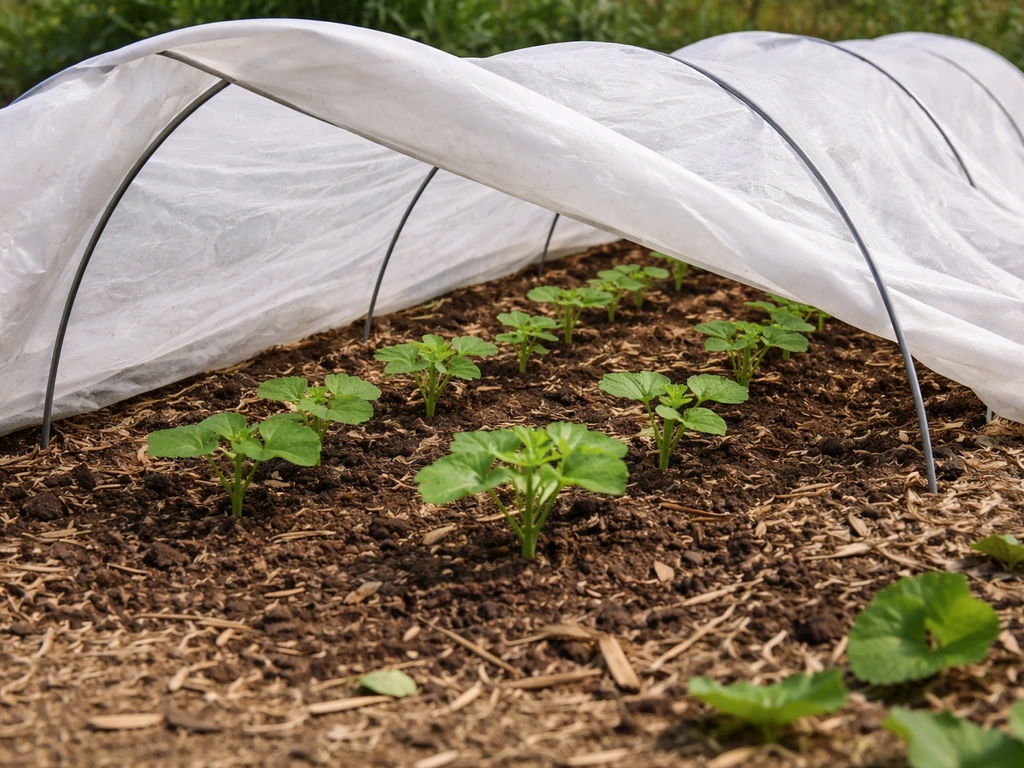
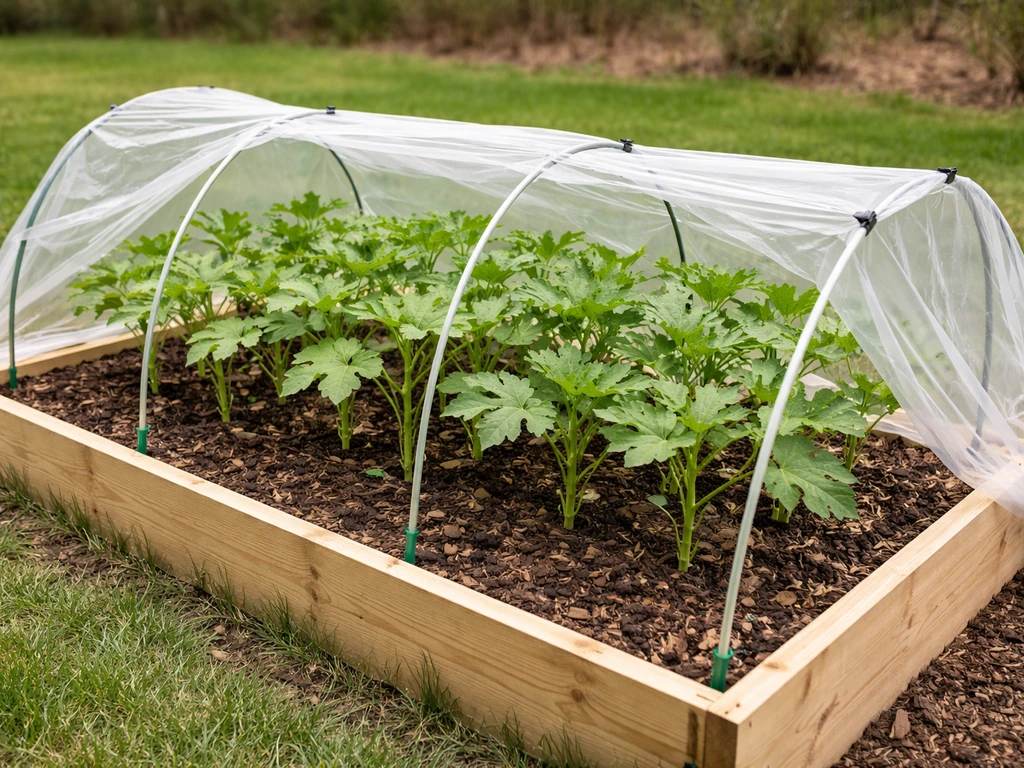
In early season, row covers or low hoops with floating fabric can trap heat and protect young plants from cool nights. Remove them once plants are established and temperatures are consistently above 60°F at night, because okra needs pollinators to set pods. If your site is exposed to wind, a simple windbreak of taller plants or a fence on the north or west side will help okra hold onto heat and avoid stress.
Watering and fertilizing
Okra is fairly drought-tolerant once established, but consistent moisture during flowering and pod development improves yield. Aim for about 1 inch of water per week, either from rain or irrigation. Drip irrigation is ideal because it keeps foliage dry, reducing disease pressure. Avoid overwatering, especially in heavier Michigan soils, which can cause root rot. For fertilizing, a light side-dressing of balanced fertilizer (something like 10-10-10) about 4 to 6 weeks after transplanting is usually enough. If your soil is already rich with compost, you may need nothing extra.
Pests, diseases, and Michigan-specific problems
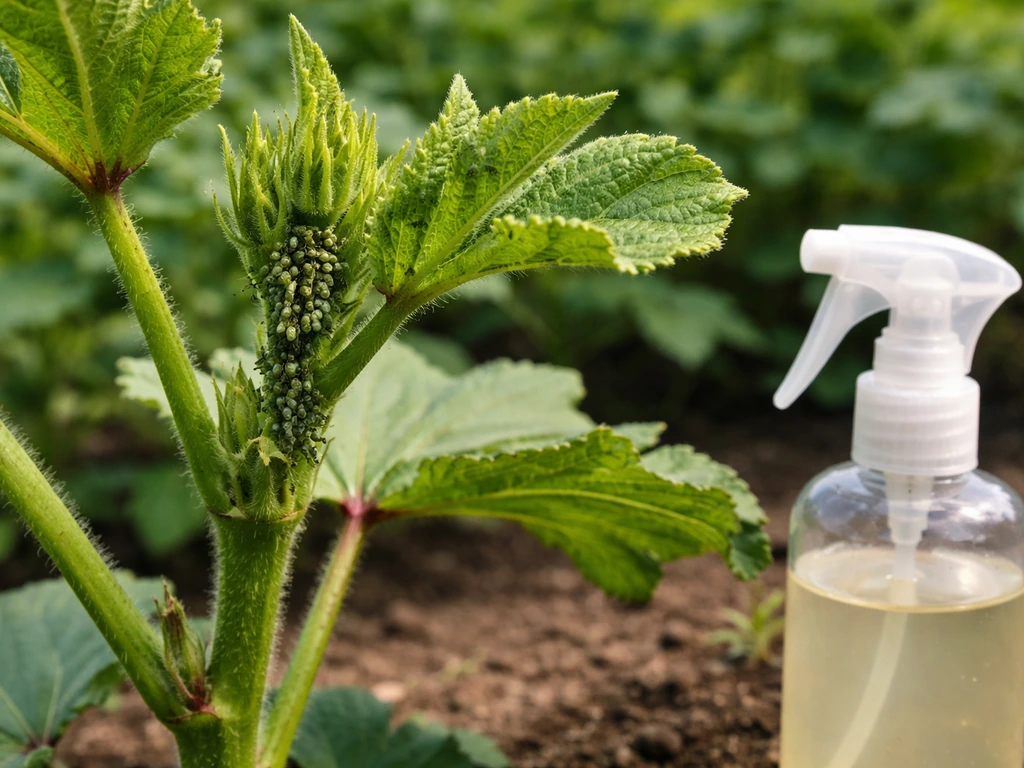
Common pests
- Aphids: Often cluster on new growth. Knock them off with a strong stream of water or use insecticidal soap. Ladybugs and lacewings help control them naturally.
- Corn earworm: Can damage pods. Hand-pick egg masses and larvae, or use Bt (Bacillus thuringiensis) as a targeted biological control.
- Japanese beetles: Common across Michigan and will chew okra leaves. Hand-pick early in the morning when they're sluggish, or use row covers before plants flower.
- Stink bugs: Increasingly problematic in Michigan. Damage pods and fruit. Hand removal and neem oil applications can help, but full control is tough.
Diseases
- Fusarium wilt: A soil-borne fungus that causes yellowing and wilting. Rotate crops and avoid planting okra in the same spot year after year.
- Powdery mildew: More likely late in the season as nights cool and humidity rises in Michigan. Improve air circulation by not crowding plants (space at least 18 inches apart), and remove affected leaves.
- Root rot: Usually caused by overwatering or poor drainage. Raised beds and well-draining soil largely prevent this.
Michigan-specific growing challenges
The biggest Michigan-specific issue is cool nights, even in summer. Okra stops growing and flowering when nighttime temperatures drop below 55°F, which can happen even in July in northern parts of the state. If you notice your okra just sitting there looking fine but not producing pods, cool nights are often the culprit. Row covers at night during a cool stretch can help. Late spring frosts are also a real risk. Use MSU Extension's probability-based frost date data rather than assuming a single calendar date is safe. A light frost can set back or kill young transplants. Keep row covers handy through early June even in southern Michigan.
Harvest timing, what yields to expect, and what to do if the season runs short
When to harvest
Most Michigan okra gardeners can expect their first pods 55 to 65 days after transplanting, which puts first harvest somewhere between late July and mid-August depending on planting timing and your specific location. Harvest pods when they're 3 to 4 inches long. At that size they're tender and the seeds are small. Let them go longer and they get woody and tough fast, sometimes within 24 to 48 hours in warm weather. Check plants every day or two once they start producing. Okra is one of those crops that rewards daily attention.
Realistic yield expectations
In a good Michigan summer, a healthy okra plant in southern Michigan can produce pods for 6 to 8 weeks before frost shuts things down. You might get 30 to 50 pods per plant over the season from an early variety in a warm year. In central Michigan or a cooler summer, expect less, maybe 15 to 30 pods per plant. It's not the bumper crop you'd get in the South, but it's enough to make it worthwhile if you enjoy fresh or frozen okra. Plant 4 to 8 plants to get enough for regular meals or preserving.
If the season is too short or too cool
If you hit August and your plants are healthy but not producing yet, assess your timeline. If your average first fall frost is late September or October, you probably still have enough time for a decent harvest. Push your plants along with a light fertilizer boost and make sure they're getting consistent water. If an early frost threatens, cover plants overnight and you can often extend harvest by a week or two.
If you're in northern Michigan and the season just didn't cooperate, consider it a learning year. The honest answer is that northern Michigan is marginal for okra without a high tunnel or hoop house. Growing okra in Colorado shares similar heat-limitation challenges, and the workarounds are similar: focus on the warmest microclimates and earliest varieties.
Your action plan for right now
Since it's early May, here's exactly what to do this week if you're in southern or central Michigan and want to grow okra this season.
- Order or buy seeds now if you haven't. Choose an early variety like Jambalaya, Annie Oakley II, or Clemson Spineless.
- Start seeds indoors immediately in biodegradable pots. Soak seeds overnight first, plant 1 inch deep, and keep the mix at 70°F or warmer with a heat mat.
- Prepare your outdoor bed: work in compost, check your soil pH, and lay black plastic mulch over the planting area to start warming the soil.
- Mark your local last frost date using MSU Extension's probability-based frost date data, not just a single average date.
- Plan to harden off seedlings starting around mid-May, giving them 7 to 10 days of gradual outdoor exposure.
- Transplant outdoors in late May to early June once soil hits 65°F and frost risk is behind you.
- Keep row covers on hand through early June for nights that dip unexpectedly.
- If you're in northern Michigan, be realistic: consider a hoop house or high tunnel setup, or grow a container okra plant in the warmest, most sheltered spot you have.
Michigan isn't the easiest state for okra, but gardeners across the southern half of the state harvest pods every summer by starting early, choosing fast-maturing varieties, and giving plants the warmth they crave. In Washington state, you can also grow okra, but you need a long warm season or extra heat protection to make it succeed grow okra in Washington state. The effort is worth it, and once your plants kick into production in late July, you'll be harvesting faster than you can use them.
FAQ
Can you direct sow okra in Michigan instead of starting indoors?
Yes, but only in the warmest microclimates, start with the same indoor schedule (4 to 6 weeks before your last frost) and use plastic mulch or a black soil blanket at sowing. Expect lower yields than transplants, and be ready to add row cover if nights dip below 55°F.
What variety should I pick if I’m in central or northern Michigan?
Choose early or compact varieties and plan for first harvest about 55 to 65 days after transplanting. If your site’s average first fall frost is early, you may want to shorten the crop by growing the earliest pods possible and removing any plants that never start flowering by late July.
My okra plants are growing leaves but not producing pods, what’s the likely cause?
If nighttime temperatures are below about 55°F, plants may look healthy but won’t set many pods. Use low hoops and floating row cover during cool nights, and remove daytime covers so pollinators can reach flowers.
How do I adjust watering for okra when Michigan summers are wet and cool?
On cool or rainy weeks, switch to watering in the morning and aim for soil moisture consistency rather than soaking. Drip irrigation is best, avoid overhead watering, and make sure raised beds drain well to reduce root disease risk.
How much fertilizer should I use, and when should I feed okra in Michigan?
A light side-dressing once, about 4 to 6 weeks after transplanting, is usually enough. If your plants are very leafy, pause extra nitrogen, because more nitrogen often means more foliage and fewer pods.
Can okra survive Michigan winters, or can I save seeds from my crop?
It’s usually too cold to overwinter okra outdoors in Michigan. Treat it as a warm-season annual, but you can save seeds only from the first successful pods if you’re getting maturity before frost.
How do I know when the soil is warm enough to transplant okra?
If you transplant while soil is under roughly 65°F, okra often stalls and can take weeks to recover. Use a soil thermometer if possible, and delay transplanting until the bed is warm enough rather than relying only on the calendar.
What are the most common reasons okra fails in Michigan gardens?
Mistakes that commonly fail in Michigan are starting too late, using tall slow-maturing types, planting in partial shade, and rushing transplants into cold soil. Another frequent issue is not protecting with covers during cool nights early in the season.
How often should I harvest okra, and how do I avoid tough pods?
Start checking pods as soon as you see them forming. Harvest at 3 to 4 inches for tender pods, and after harvest starts, inspect every day or two because pod quality can drop quickly.
Next Articles
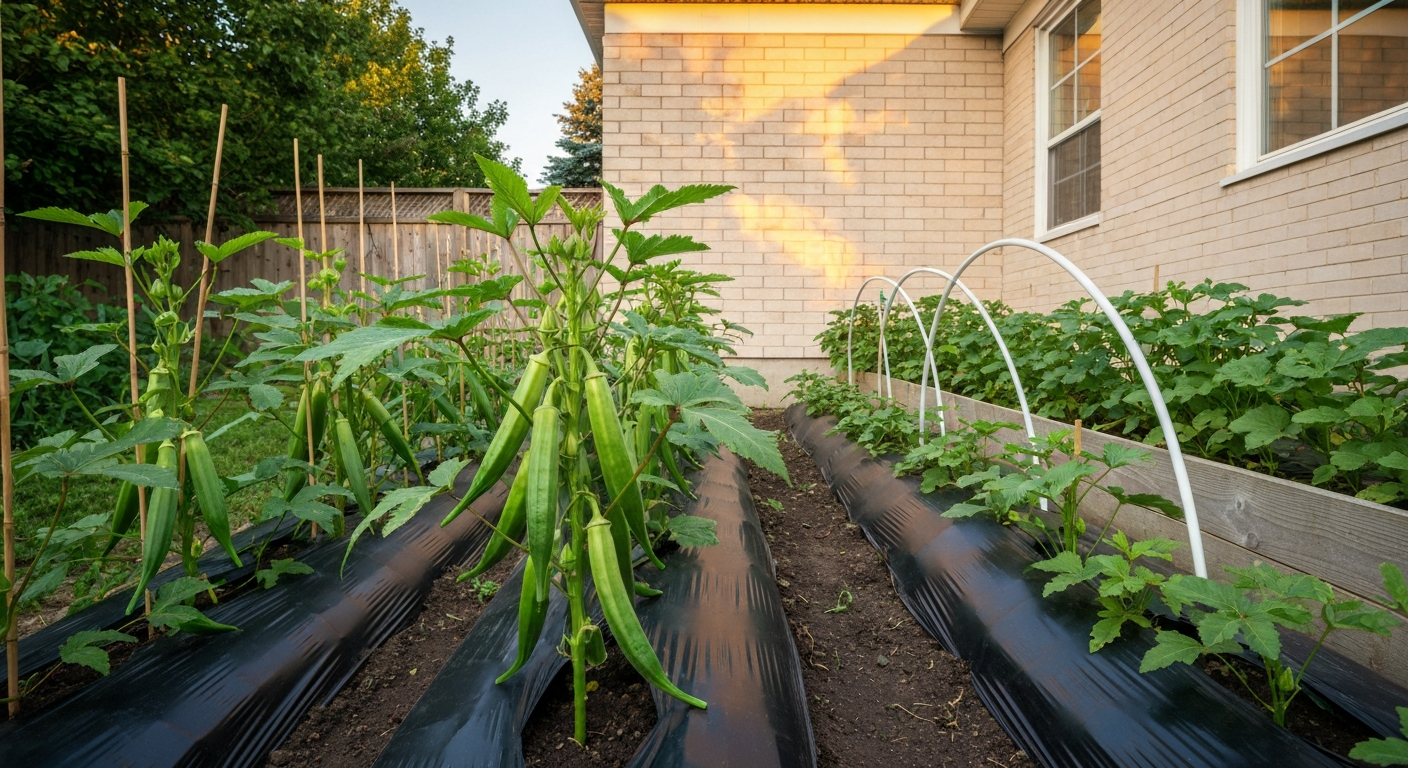
Can You Grow Okra in Canada? Ontario Guide & Short‑Season Tips
Can you grow okra in Canada? Regional verdict, Ontario-specific steps, varieties, season-extension & harvest tips.
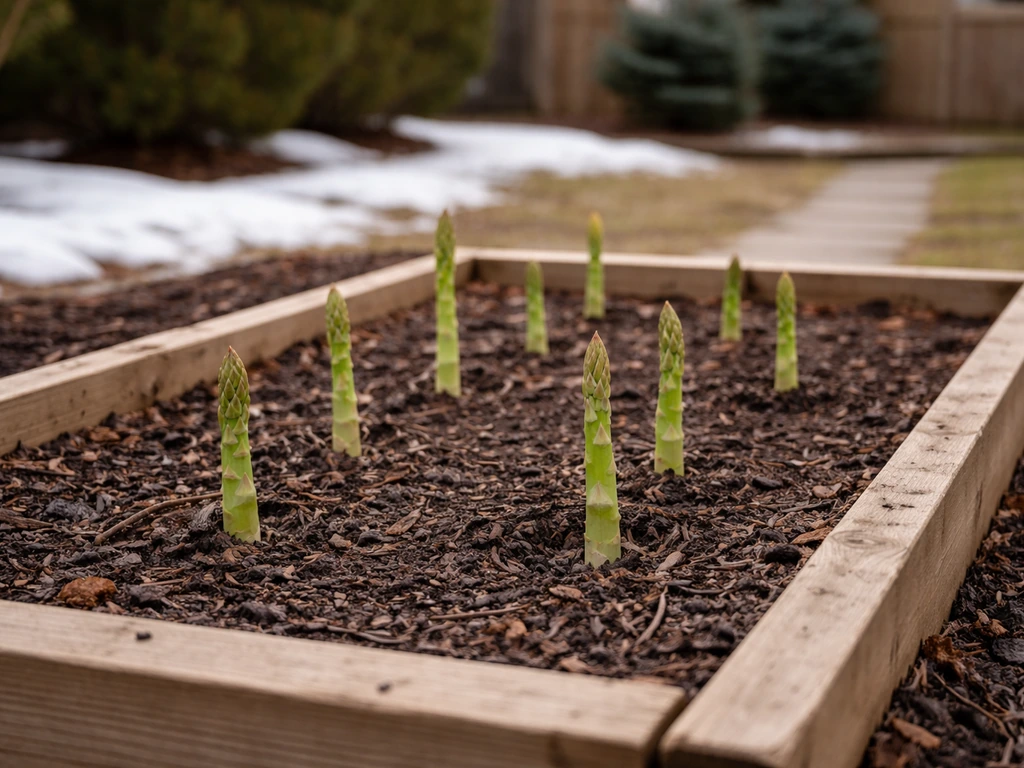
Can You Grow Asparagus in Canada? Planting Guide by Zone
Grow asparagus in Canada by zone: site, hardiness, crowns or seed, planting depth, care, and harvest plus fixes
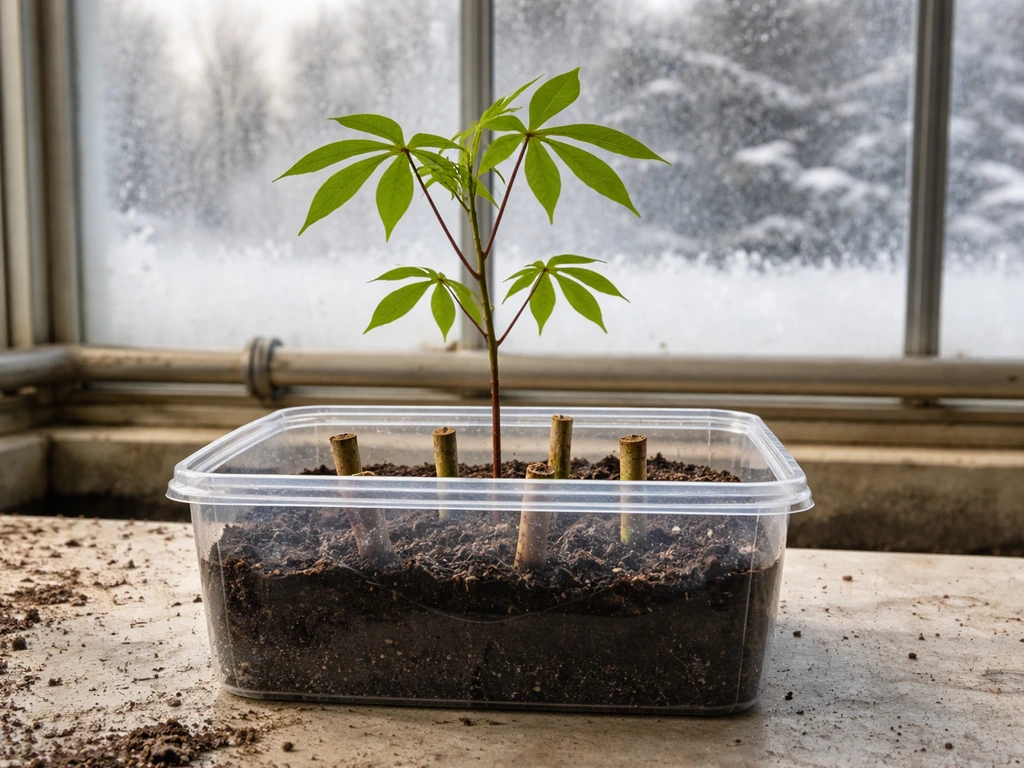
Can You Grow Cassava in Canada? Feasibility and Steps
Learn if you can grow cassava in Canada, where it works, and step-by-step greenhouse or container growing for harvest.