
Yes, you can grow artichokes in Michigan, but you need to go in with realistic expectations. Globe artichokes are not perennials here the way they are in coastal California. Michigan winters will kill them to the ground without serious protection, and most of the state sits in USDA hardiness zones 5a through 6b, which is too cold for artichokes to reliably survive outdoors unprotected. That said, plenty of Michigan gardeners harvest real, edible globe artichoke buds every season by starting plants early indoors, giving them proper vernalization, and either overwintering them with heavy mulch or growing them as annuals. The short answer: it's doable, it takes some planning, and the variety you choose matters a lot.
Can You Grow Artichokes in Michigan? What Works and How
Marcus Holloway
18 Apr 2026
Michigan's Climate and What It Means for Artichokes
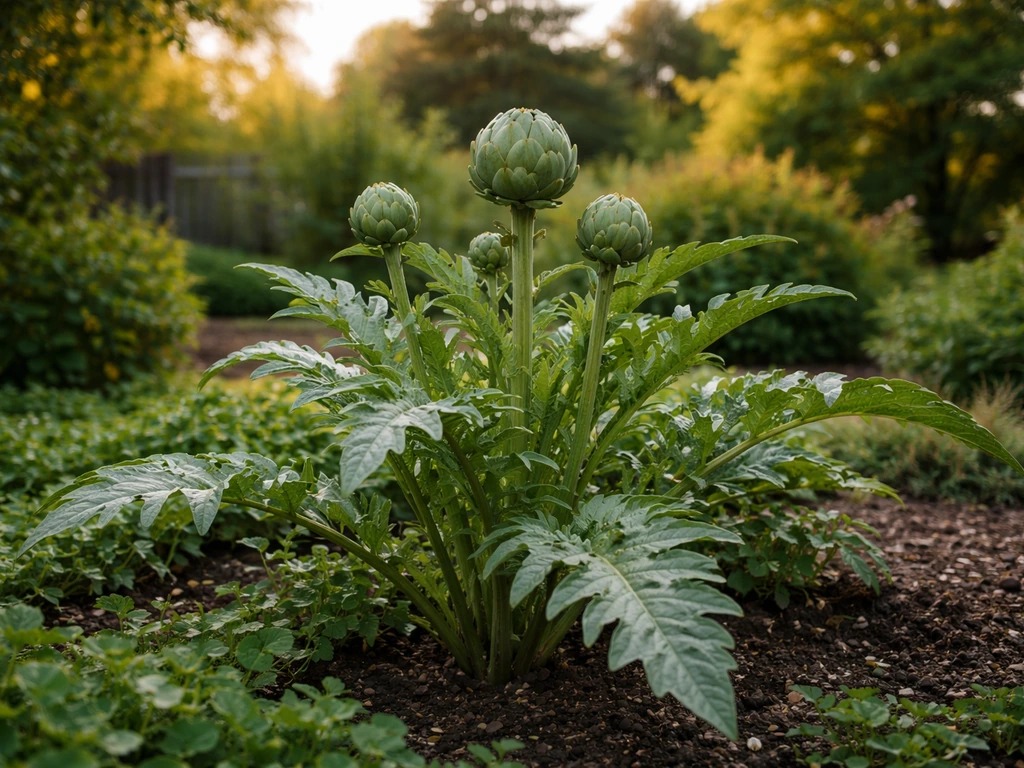
Most of Michigan falls into USDA zones 5a through 6b. The Upper Peninsula can dip into zone 4b. Southeast Michigan around Detroit and Ann Arbor has the mildest winters, sometimes touching zone 6b, but even there October reliably ends the growing season with killing frosts. Globe artichokes (Cynara scolymus) are technically perennials in zones 7 and warmer. If you’re wondering can artichoke grow in India, that same zone and winter-cold reality will determine whether you can grow them as perennials or need a more protective setup globe artichokes are technically perennials in zones 7 and warmer. In Michigan, treat them as annuals or plan seriously for overwintering, because unprotected plants will not make it through a typical January.
One thing that works in Michigan's favor: artichokes need vernalization to produce buds. That means they require a sustained period of cool temperatures, roughly 500 hours in the 35°F to 50°F range, to trigger bud development. Michigan spring delivers exactly that kind of cool stretch. If you time your transplants correctly so they experience those cool temperatures as young plants, you'll get bud set. The challenge is the compressed growing window: you need the plant to vernalize in spring, set buds, and produce a harvestable crop before hard fall frosts arrive in October.
It's worth clarifying one common point of confusion: Jerusalem artichokes (also called sunchokes) are an entirely different plant, a native North American sunflower relative that grows vigorously in Michigan with almost no effort. If you want easy production, sunchokes are a different story. This guide focuses on globe artichokes, the ones with the edible flower buds.
Best Varieties for Michigan
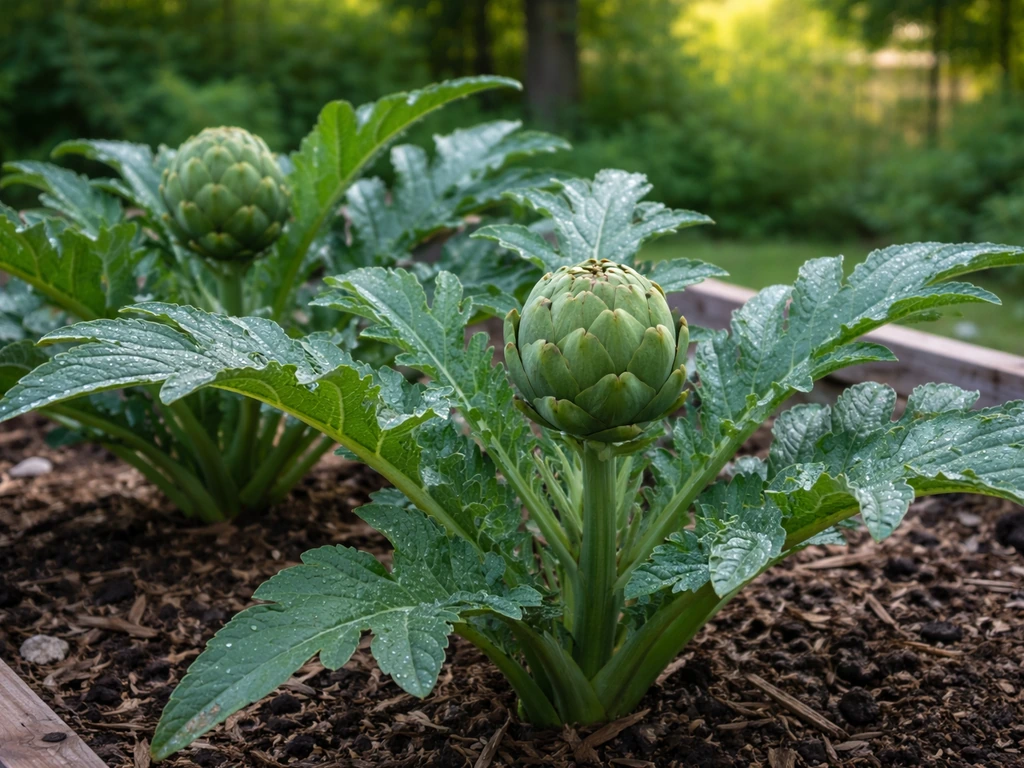
Variety selection is probably the single most important decision you'll make. Not all artichokes are equal when it comes to producing buds without a multi-year establishment period.
'Imperial Star' is the go-to choice for Michigan growers. It's specifically bred to produce buds in the first season without requiring a multi-year root system, and it's listed at about 85 days to harvest. That timeline fits Michigan's season when you start transplants early enough. 'Green Globe Improved' is another option and produces large buds, but it's slower and better suited to gardens where you can successfully overwinter the crown. For most Michigan growers attempting artichokes for the first time, Imperial Star is the practical choice.
'Violetto' and other Italian heirloom types are beautiful but are even more cold-sensitive and slower to bud. Save those for a season when you've already figured out your overwintering system. If you're in zone 6b in southeast Michigan and you've successfully overwintered a crown, Green Globe types become more viable in year two.
| Variety | Days to Harvest | First-Year Budding | Michigan Fit |
|---|---|---|---|
| Imperial Star | ~85 days | Yes, bred for it | Best choice for most Michigan growers |
| Green Globe Improved | ~100+ days | Possible, not reliable | Good if overwintering crowns successfully |
| Violetto | ~100+ days | Unreliable in year one | Better for warmer zones; challenging in MI |
| Tavor (Israeli hybrid) | ~85 days | Yes | Good alternative to Imperial Star |
Starting Seeds vs. Buying Transplants
You have two options: start from seed indoors or buy established transplants. Seeds give you more variety selection and are cheaper, but they require a longer lead time. Johnny's Seeds recommends sowing globe artichoke seeds indoors 8 to 12 weeks before your last average frost date. For most of lower Michigan, that last frost lands somewhere between late April and mid-May depending on your exact location. That puts your indoor seed-starting window in late January to early March.
Sow seeds about a quarter inch deep in starting mix, keep them at 70°F to 75°F for germination, and expect sprouts in 7 to 14 days. The key step that many first-timers skip: once seedlings have a few true leaves and are a few inches tall, you need to expose them to cool temperatures (around 50°F) for several weeks to trigger vernalization.
The UMass/NE Vegetable guide also notes that practical vernalization is about 10 days at 35, 50°F, and research suggests roughly 500, 550 hours (about 21, 32 days) increases the proportion of plants that produce buds cool temperatures (around 50°F) for several weeks to trigger vernalization. You can do this by moving them to an unheated garage, a cold frame, or even just putting them outside on mild spring days. Without this chilling step, bud production is not guaranteed.
If you'd rather skip the seed-starting process, some local nurseries and online specialty growers sell artichoke starts in spring. If you find them, buy them early, as supply is limited in Michigan. Transplants give you a head start but verify the variety, since generic 'globe artichoke' transplants may not be the first-year budding types you need.
Planting Timing and Site Setup
When to transplant outdoors
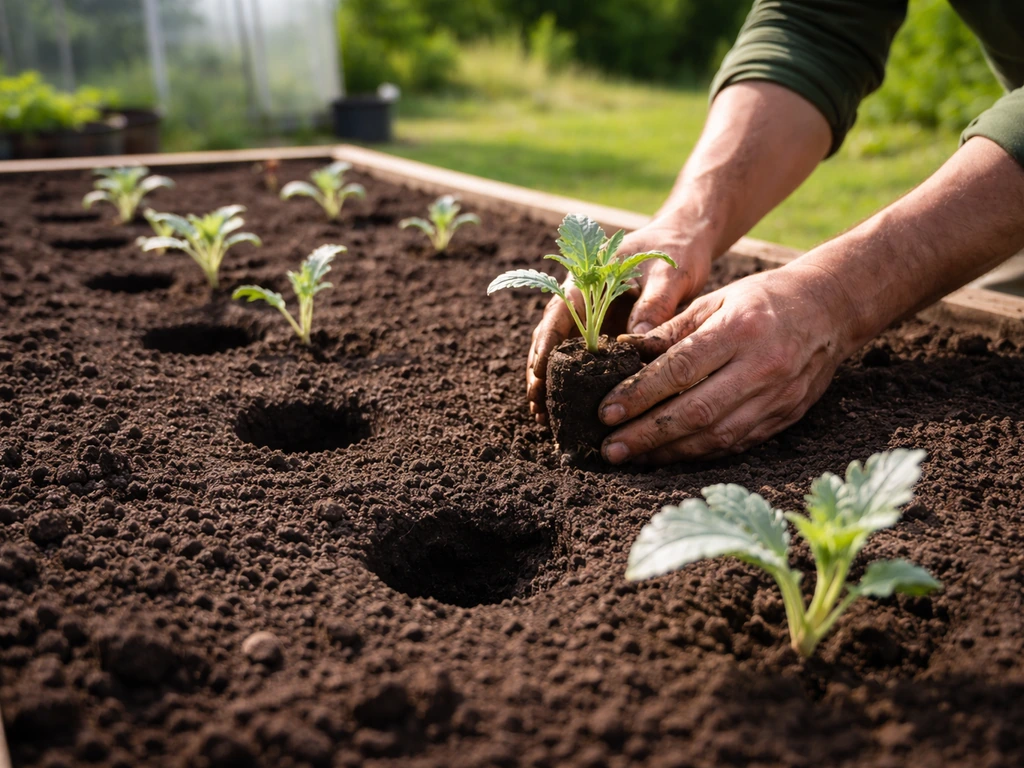
Move transplants outside after your last frost date, typically late April in southern Michigan and mid-May further north. You can push the date a week or two earlier if you're using row covers or cold frames, which is worth doing since artichokes actually benefit from those cool spring temperatures for vernalization. Harden off your seedlings over 7 to 10 days before leaving them outside permanently.
Sun and soil
Artichokes want full sun, meaning at least 6 to 8 hours of direct sun per day. In Michigan's shorter summer season, full sun is non-negotiable for getting buds before October. Pick the sunniest spot in your garden, ideally with some wind protection since artichoke plants can reach 4 to 5 feet tall and act like sails.
Soil matters more than people expect. Artichokes do best in well-drained, loose soil with a pH of 6.0 to 7.0. Michigan soils vary a lot, from heavy clay in many suburban areas to sandy loam in the west and north. If you're working with clay, raise the bed or heavily amend with compost to improve drainage. Wet roots in cold Michigan falls are the fastest way to lose a plant you were hoping to overwinter. Dig in 3 to 4 inches of compost before planting and you'll be in good shape.
Spacing
Give artichokes room. Space plants 4 feet apart in rows 5 to 6 feet apart. They look small as transplants, but a mature globe artichoke plant in full leaf is a substantial thing. Crowding them reduces air circulation and increases disease risk, which is real in Michigan's humid summers.
Watering, Feeding, and Pests to Watch For
Watering
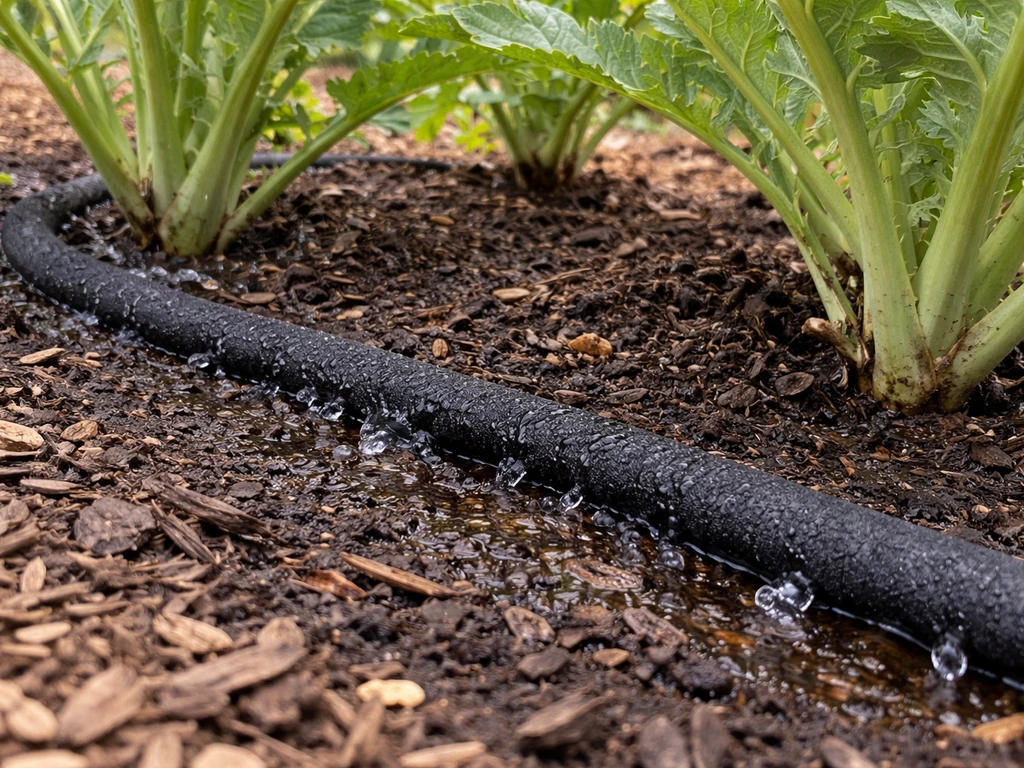
Artichokes are thirsty plants but they hate sitting in water. Aim for consistent moisture, roughly 1 to 2 inches per week, and use drip irrigation or soaker hoses if you can. Michigan typically gets decent summer rainfall, but during dry stretches in July and August you'll need to supplement. Inconsistent watering leads to tough, bitter buds, so don't let plants wilt repeatedly.
Fertilizing
Artichokes are heavy feeders. Start with that compost-amended soil at planting, then side-dress with a balanced fertilizer (something like 10-10-10) about a month after transplanting. Once you see the plant putting on serious leaf growth, switch to a fertilizer slightly higher in phosphorus and potassium to support bud development rather than just foliage. Avoid going heavy on nitrogen mid-season or you'll get a giant, beautiful plant with no buds.
Common pests and diseases
- Aphids: These cluster on new growth and under leaves. A strong spray of water usually knocks them back. Neem oil or insecticidal soap works for heavier infestations.
- Artichoke plume moth: Not as common in Michigan as in California, but worth knowing about. The larvae tunnel into buds and stalks. Remove and destroy affected tissue; row covers earlier in the season help prevent adult moths from laying eggs.
- Slugs: Michigan's wet springs create ideal slug conditions. Use iron phosphate bait around plant bases.
- Botrytis (gray mold): Shows up in cool, wet conditions, which Michigan delivers reliably. Improve air circulation through proper spacing and remove any dead or damaged foliage promptly.
- Powdery mildew: Can appear in late summer. Proper spacing and avoiding overhead watering late in the day helps prevent it.
Overwintering and Season Extension in Michigan
This is where Michigan artichoke growing gets interesting. You have three main paths: treat them as annuals and replant every year, try to overwinter the crown in the ground, or grow in containers and bring them indoors. Each has real trade-offs.
Annual approach (easiest)
Using Imperial Star as an annual is the most reliable path for most Michigan gardeners. Start seeds indoors in February, transplant in May, harvest buds in August and September, and pull the plants in October. You're starting fresh each spring, which means no overwintering losses, but also no established root system to give you a bigger second-year plant. This is the right choice if you're in zone 5 or the Upper Peninsula.
Overwintering in the ground (for zone 6 and milder spots)
If you're in zone 6b in southeast Michigan, overwintering crowns in the ground is worth trying. The same kinds of cool-season timing and protection strategies can help you can you grow artichokes in illinois. After the first hard frost kills back the foliage, cut the plant down to about 6 to 8 inches above the soil. Cover the crown heavily: pile on at least 12 inches of straw or shredded leaves, then cover that with a layer of burlap or a frost blanket weighted down at the edges.
Some growers add an inverted bushel basket or plastic container over the crown before piling on the mulch. Uncover gradually in spring when temperatures are consistently above freezing. Success rates in Michigan zone 6 are probably 50 to 70 percent in a typical winter, dropping fast in colder winters. A zone 5 winter will likely kill even well-mulched crowns.
Container growing (best overwintering success rate)
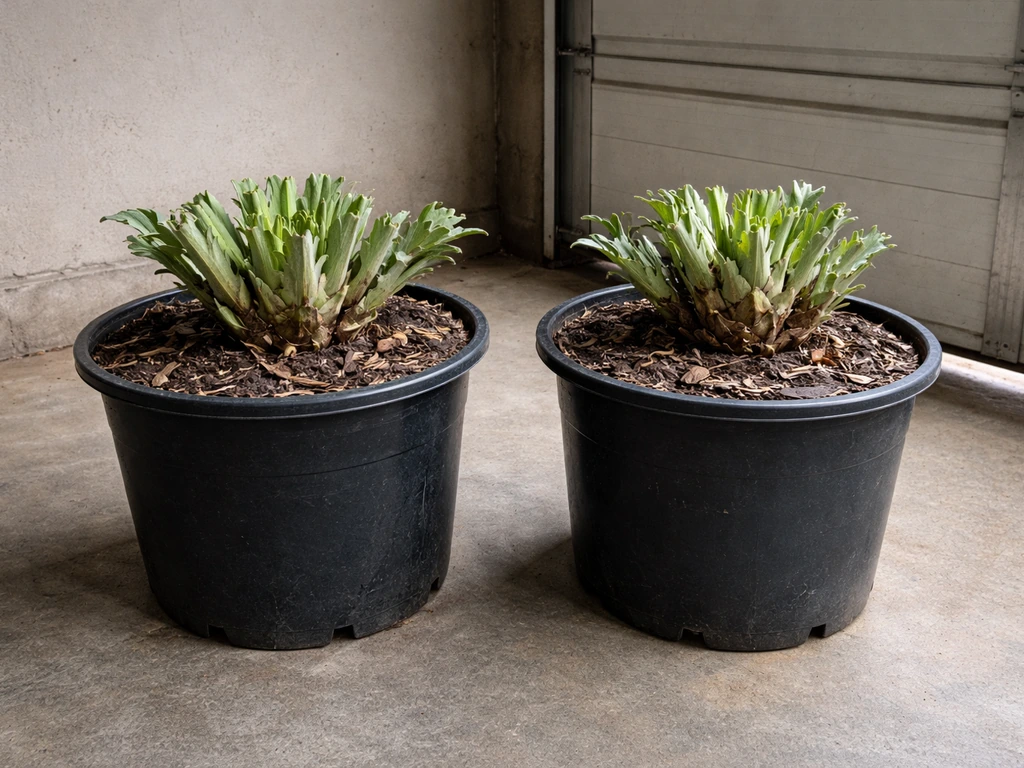
Growing artichokes in large containers (15 to 20 gallon minimum) lets you move them to an unheated but protected space, like a garage or basement, for winter. The plant goes dormant, doesn't need much light, but needs to stay just above freezing, ideally between 35°F and 45°F. Water minimally through winter, just enough to keep the root ball from desiccating completely. Bring the pot back outside in spring after last frost risk passes. This method gives you the established root system that produces more and larger buds in year two.
Season extension tools
Row covers and low tunnels extend both ends of the season and are worth using in Michigan. In spring, they let you put transplants out 2 to 3 weeks earlier while still protecting from frost, which helps get that cool vernalization period without risking plant death. In fall, row covers over maturing plants can buy you another 2 to 3 weeks past the first frost date, giving late-developing buds time to size up before you have to harvest or lose them. A simple low tunnel with wire hoops and floating row cover (Agribon AG-19 or similar) is inexpensive and makes a real difference in Michigan's variable springs and falls.
What to Expect at Harvest
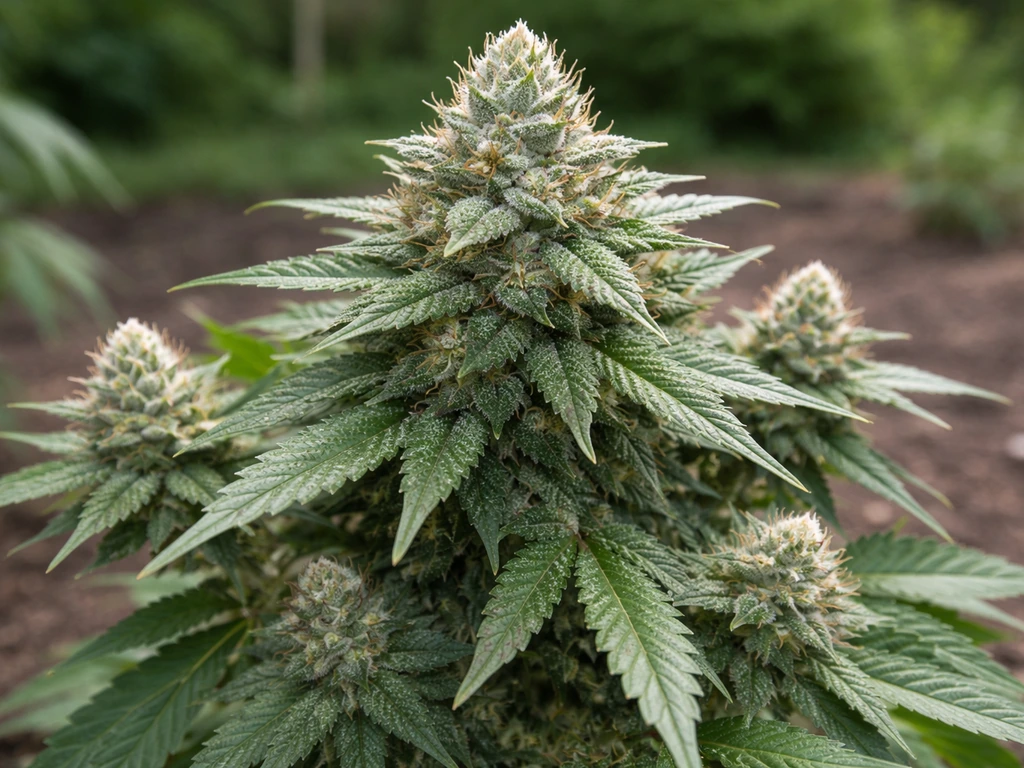
With Imperial Star started indoors in February and transplanted in May, you're realistically looking at harvestable buds starting in late July or August. The central (terminal) bud is the largest and comes first. Cut it when it's tight and compact, before the scales start to open or the bud begins to loosen. Once scales start separating, the bud is past peak eating quality and will quickly go to flower if left on the plant.
After the central bud, the plant will produce smaller side buds on branching stems. These are fully edible and often sweeter than the main bud. You can harvest side buds through September and into October with row cover protection. A single well-grown Imperial Star plant in Michigan will typically give you one large central bud and several smaller side buds in its first season, perhaps 4 to 8 buds total per plant depending on growing conditions. An established overwintered plant in year two can produce noticeably more.
Harvest by cutting the stem about 2 to 3 inches below the bud with a sharp knife. Fresh-picked artichokes store in the refrigerator for up to a week but are best eaten within a few days. Don't wait too long once you see that bud sizing up, Michigan's season doesn't give you much margin for delay.
Your Michigan Artichoke Planting Calendar
| Month | Task |
|---|---|
| Late January – February | Sow Imperial Star seeds indoors at 70–75°F |
| March | Thin seedlings; begin cool-temperature exposure (vernalization) once plants have 3–4 true leaves |
| April | Harden off transplants; use cold frames or row covers to get them outside in cool temps |
| Late April – mid-May | Transplant outdoors after last frost (zone 6: late April; zone 5: mid-May) |
| May – June | Side-dress with fertilizer; water consistently; watch for aphids and slugs |
| July – August | Central buds develop; harvest when tight and compact |
| August – September | Harvest side buds; use row covers to extend season into October |
| October (after hard frost) | Cut plants back; apply heavy mulch for overwintering attempt OR move containers to garage |
If You're in the Upper Peninsula or Zone 5
The colder you are, the more the annual approach makes sense. In zone 5 and the UP, in-ground overwintering is a gamble that usually loses. Focus your energy on starting seeds early (February), using row covers aggressively in spring and fall to maximize your window, and choosing Imperial Star specifically for its first-year budding reliability. You can still get a harvest, but your margin is tighter. Some UP growers use hoop houses or cold frames to get an extra month of season on both ends, which makes artichokes genuinely productive even at the northern edge of Michigan.
If you're curious how Michigan compares to neighboring states, the situation in Wisconsin and Ontario is similar, with growers in both places relying heavily on season extension and variety selection to make globe artichokes work. If you’re asking can you grow artichokes in Massachusetts, you’ll face similar winter limits and will likely need strong season extension and the right variety.
If you're asking can you grow artichokes in Ontario, the answer is similar: you’ll need cool-stage vernalization and strong season extension to beat winter and early fall frosts. If you're wondering can you grow artichokes in Wisconsin, plan on the same basics: cool-stage vernalization, early starts, and strong season extension where winters are limiting.
If you’re specifically wondering can you grow artichokes in Illinois, the same approach matters: start early for vernalization and use row covers or container overwintering if winters are harsh where you live. The same timing and season-protection strategy is what determines whether you can grow artichokes in Wisconsin can you grow artichokes in Illinois. Illinois growers in the Chicago metro area have a slightly longer season that helps. Massachusetts growers further east deal with similar zone constraints but benefit from the moderating influence of the coast in some areas.
Bottom Line for Michigan Growers
Artichokes in Michigan are a rewarding project but not a passive one. Start Imperial Star seeds in February, give seedlings their cool vernalization period, transplant after last frost, use row covers to extend the season, and harvest buds in late summer. If you're in zone 6b, try overwintering a crown or two in a container in your garage. If you're in zone 5 or colder, commit to the annual method and don't lose sleep over it. You'll still get fresh artichokes from your own garden, which is the whole point. If you're specifically wondering can you grow artichokes in new jersey, expect a similar need for cool vernalization and a strong season-extension plan as in Michigan.
FAQ
Can I grow artichokes in Michigan from direct seeding outdoors, or do I need to start indoors?
Yes, but only in limited cases. If your goal is edible buds, you need plants that will both vernalize and reach bud size before fall frosts. In Michigan that usually means starting early indoors (about 8 to 12 weeks), giving the seedlings a real cold/chilling period in spring, and using row cover or a low tunnel. If you wait until mid-summer to start, you can get lots of leaves but not enough time for reliable buds.
Why do my artichoke plants make leaves but no buds in Michigan?
Even if plants are healthy, bud set can fail if the chilling requirement is missed. The most common mistake is skipping the cool period after seedlings have a few true leaves. Put seedlings in an unheated space or outdoors during mild spring days, aiming for a sustained stretch around the recommended cool range for several weeks. If the weather stays too warm, consider using a cold frame that can stay cooler than the yard.
What winter protection actually works in Michigan, in-ground or container overwintering?
It depends on which winter method you choose. For overwintering crowns in the ground, heavy mulch plus a breathable outer layer helps reduce freeze-thaw damage. For container overwintering, the pot must stay just above freezing (roughly mid 30s to mid 40s) and you need minimal watering, just enough to prevent the root ball from drying out completely. If the garage drops well below freezing for long stretches, containers can still fail even if the plant is protected from wind.
When should I remove overwinter mulch or protection in spring?
If you are overwintering in-ground crowns, do not leave the mulch on and packed tight all winter with no plan for spring. Uncover gradually when temperatures are consistently above freezing to reduce trapped moisture and rot. Also, avoid removing everything suddenly, because sudden warm plus sun can damage emerging crowns after they break dormancy.
Can I use Miracle-Gro or other high-nitrogen fertilizer on artichokes in Michigan?
Yes, but avoid the temptation to over-fertilize with nitrogen after mid-season. A common pattern in Michigan is big, lush foliage with fewer buds when the fertilizer ratio is too nitrogen-heavy. Use compost at planting, then side-dress, and later switch emphasis toward phosphorus and potassium once you see strong leaf growth, following the article’s general timing.
Are all globe artichoke varieties equally likely to produce buds in Michigan?
Yes, but it is a specific variety decision. Imperial Star is the practical first-year choice because it is bred to bud within the first season, fitting Michigan’s short window. Slower or more cold-sensitive types can still work, but only if you already have an overwintering system that reliably returns crowns, and you accept a higher chance of disappointment the first year.
How do I know the exact time to harvest artichokes so they taste best?
Aim for harvest when the central bud is tight and compact, before the scales loosen or start separating. If you wait until the bud looks more open, quality drops quickly and the bud can turn toward flowering. For side buds, you can harvest repeatedly through the extended season if you keep plants protected during early frosts with row cover.
If I buy artichoke transplants in spring, how can I avoid wasting a season in Michigan?
Yes, but keep expectations realistic about long-term success. If you want a repeatable harvest, grow artichokes as annuals with Imperial Star and plan your starting window. If you only buy starts once in spring without verifying variety and your schedule, you may end up with plants that are not the first-year budding type you need. Buying early helps, but checking the cultivar matters more than just having a plant in the ground.
Next Articles
Can You Grow Agave in Canada? Zone Guide & Growing Tips
Can you grow agave in Canada? Practical region-by-region guide, hardy species, container tips & winter care.
Can You Grow Okra in Canada? Ontario Guide & Short‑Season Tips
Can you grow okra in Canada? Regional verdict, Ontario-specific steps, varieties, season-extension & harvest tips.
Can You Grow Asparagus in Canada? Planting Guide by Zone
Grow asparagus in Canada by zone: site, hardiness, crowns or seed, planting depth, care, and harvest plus fixes