
Yes, you can grow globe artichokes in Missouri, but you'll need to pick the right variety, time your planting carefully, and give plants some winter protection if you want them to come back year after year. Most of Missouri falls in USDA Zones 6 to 7, which sits right at the edge of reliable artichoke hardiness. That means success is very doable, but it's not quite the set-it-and-forget-it perennial experience gardeners in California enjoy. In the warmer southern parts of the state, overwintering with mulch works well. Further north in the colder Zone 5b pockets, you're better off treating artichokes as annuals or bringing them indoors for the winter. Either way, a harvest is absolutely within reach.
Can You Grow Artichokes in Missouri? How to Succeed
Marcus Holloway
7 Jun 2026
What determines success in Missouri
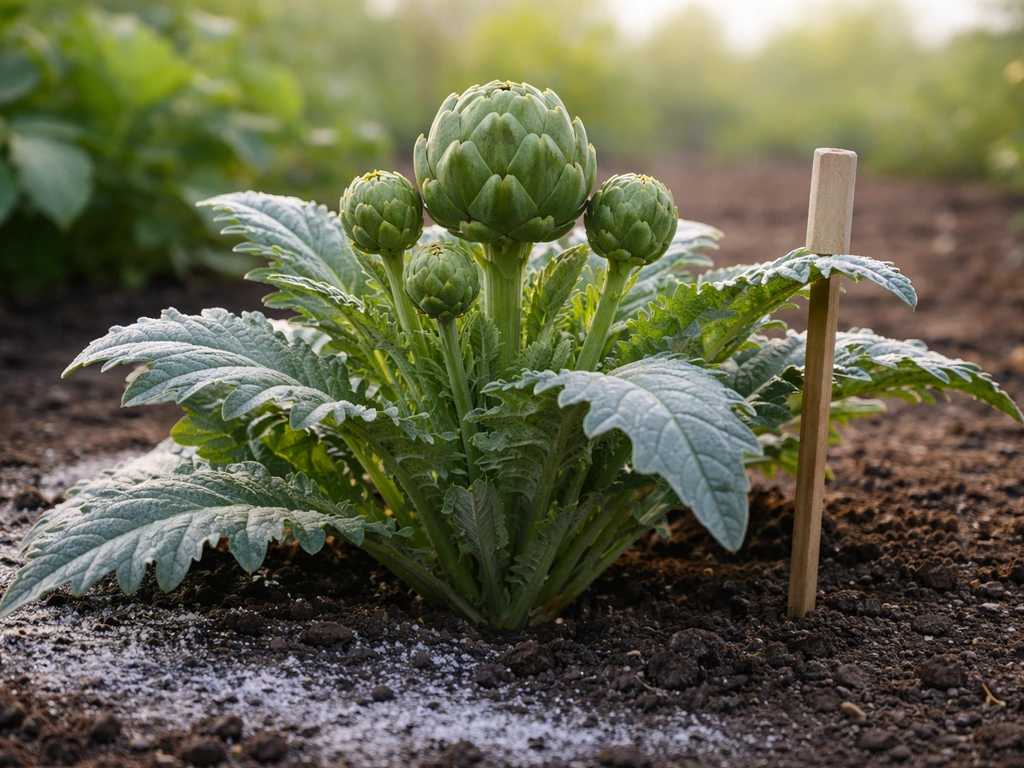
Three things determine whether your Missouri artichoke plants actually produce edible buds: vernalization, cold hardiness, and season length. Artichokes are cool-season perennials that need a cold cue (called vernalization) to trigger bud formation. Without a period of temperatures between roughly 32°F and 50°F, the plant just grows leaves and never forms the heads you actually want to eat. Missouri's winters do provide that cold, which is actually a point in your favor compared to states that are too warm year-round. The challenge is surviving those winters without the roots dying off entirely.
Missouri's growing season typically runs from April through October depending on your location, which gives you enough time to establish plants and harvest. Cornell's guidance frames the hardiness situation well: globe artichokes are reliably hardy to Zone 6 if well mulched, and occasionally survive Zone 5 winters during mild years. Northern Missouri gardeners in Zone 5b should plan for the possibility of winter kill and have a backup strategy ready.
Globe artichoke vs. Jerusalem artichoke: make sure you're growing the right one
Before going further, it's worth clearing up a common source of confusion. When most people search for artichokes to grow in their garden, they mean globe artichoke (Cynara scolymus), the plant with the large edible flower buds and tender hearts you find in grocery stores. Jerusalem artichoke (Helianthus tuberosus) is a completely different plant, a sunflower relative grown for its edible tubers. Jerusalem artichokes are actually native to North America and grow very easily almost anywhere in Missouri with little fuss. If you want the classic artichoke bud experience, though, globe artichoke is what you're after, and that's what the rest of this article covers.
Best varieties for Missouri gardens
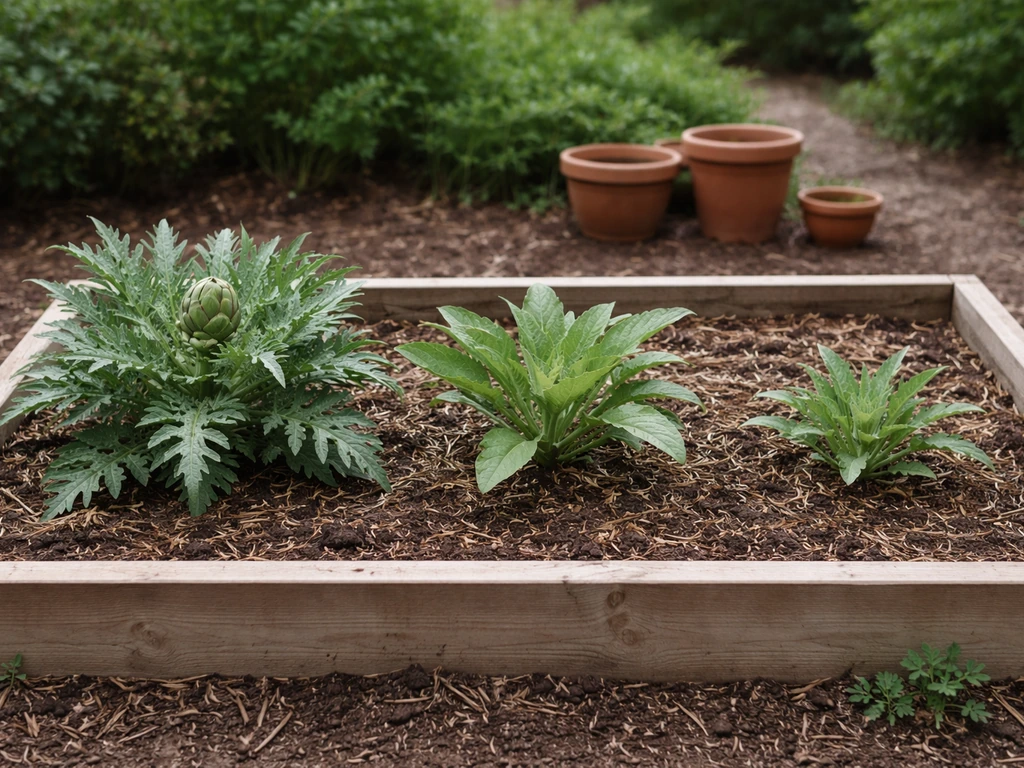
Variety selection matters a lot in Missouri because you need something that either matures quickly enough to work as an annual or is cold-tolerant enough to overwinter in your zone. Here are the options worth knowing about:
| Variety | Days to Maturity | Best Use in Missouri | Notes |
|---|---|---|---|
| Imperial Star | 85 days | Annual production from seed; ideal for Zone 5b and 6 | Bred specifically for first-year bud production without full vernalization; open-pollinated |
| Colorado Star | 75 days | Annual or short-season production | Fast maturing; good option for northern Missouri |
| Green Globe | ~100+ days | Perennial in Zone 6–7 with mulching; overwintering in southern MO | Classic variety; reliable with good winter protection in warmer parts of the state |
| Violetto (Purple varieties) | ~100 days | Perennial in Zone 6–7 | Attractive, cold-tolerant options; similar treatment to Green Globe |
If you're in northern Missouri or just want to guarantee a harvest in your first year regardless of winter survival, Imperial Star is the strongest choice. It was specifically bred to produce buds without needing a full season of vernalization, which takes the guesswork out of bud formation. For gardeners in central and southern Missouri who want to build a perennial planting that comes back each spring, Green Globe or a purple variety combined with good mulching is a rewarding long-term approach.
Starting from seed vs. buying transplants
Cornell's guide is pretty direct on this: starting globe artichokes from seed generally gives variable, often inferior results compared to using root divisions or basal stem cuttings from established plants. That said, for annual production using Imperial Star, starting from seed is the practical and widely used approach, and it works well when done correctly. The key for getting buds from seed-started plants is vernalization.
To produce artichokes successfully, University of Maine Cooperative Extension also emphasizes that artificial cold treatments are critical and that transplant timing depends on meeting the vernalization requirement.
You need to expose young seedlings to cool temperatures (around 50°F or below for a few weeks) before transplanting them out, which tricks them into thinking they've been through a winter.
If you can find transplants or root divisions locally (some garden centers carry them in spring, and you can sometimes get divisions from a gardening neighbor), that's the easier path to a perennial planting. Root divisions from a healthy plant are more genetically consistent and tend to establish faster.
Timing by region
- Northern Missouri (Zone 5b–6a): Start seeds indoors 8 to 10 weeks before your last frost, typically late January to early February. Expose seedlings to cold temperatures (around 45–50°F) for 2 to 3 weeks before transplanting to trigger vernalization. Transplant after your last frost date, usually late April to early May.
- Central Missouri (Zone 6b): Same indoor start timeline. Transplant in mid-to-late April. You have the option of attempting perennial overwintering with mulch, but have a backup plan for hard winters.
- Southern Missouri (Zone 7): Start seeds indoors in January or February. Transplant in April. Perennial overwintering with mulch is reliable here, similar to conditions in southern states like Tennessee.
Setting up your bed: soil, sun, spacing, and feeding
Soil and sun
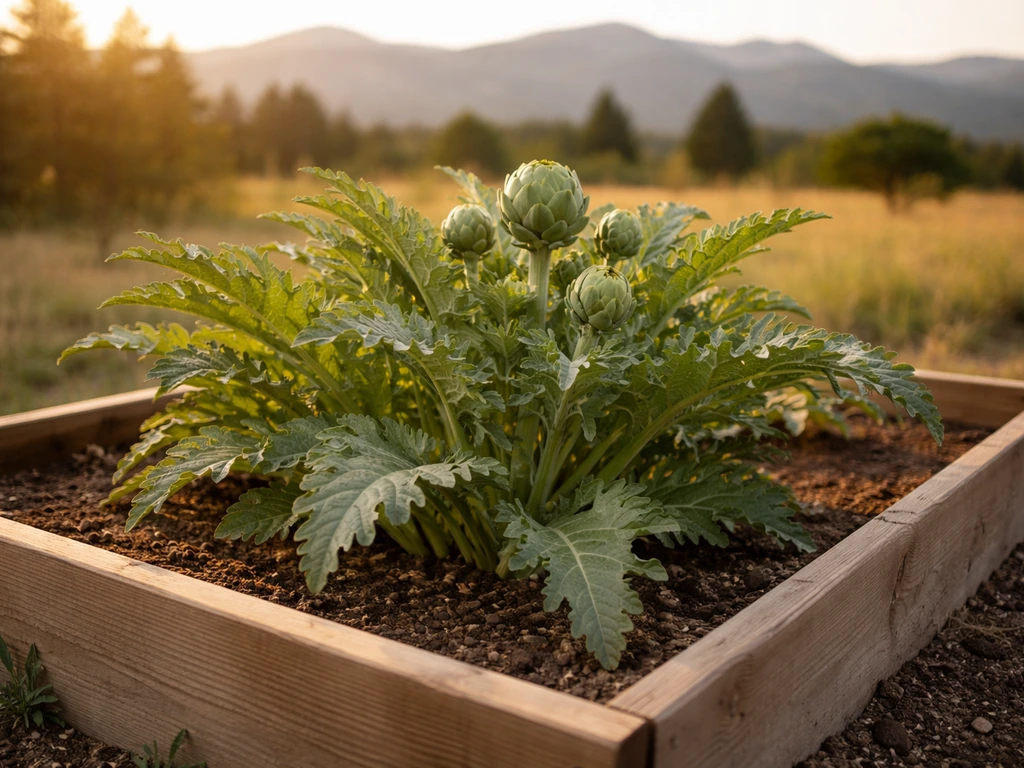
Artichokes want deep, fertile, well-drained soil and full sun. Poor drainage is probably the single biggest cause of plant failure, especially over winter when waterlogged roots rot in cold ground. Aim for a soil pH between 6.5 and 8.0. Work in a generous amount of compost before planting to improve both drainage and fertility. If your garden soil is heavy clay (common in parts of Missouri), consider raising your bed by 6 to 8 inches or building a raised bed to improve drainage noticeably.
Spacing
These are big plants. Space transplants about 18 to 24 inches apart within the row, with rows at least 2.5 to 3 feet apart. Crowding them reduces airflow and limits bud production. Give them room and they'll reward you.
Watering and fertilizing
Artichokes are heavy feeders and moderate water users. Keep soil consistently moist but never waterlogged. Drip irrigation or soaker hoses work well here because keeping foliage dry reduces disease pressure. For fertilizing, side-dress plants with a high-nitrogen fertilizer (calcium nitrate works well) at about 1 tablespoon per plant, applied 3 to 4 inches away from the stem. Do this once plants are actively growing in spring and again after the first harvest. Hot, dry spells in Missouri summers can cause buds to open and toughen quickly, so consistent watering during those stretches is important for bud quality.
Overwintering and cold protection in Missouri
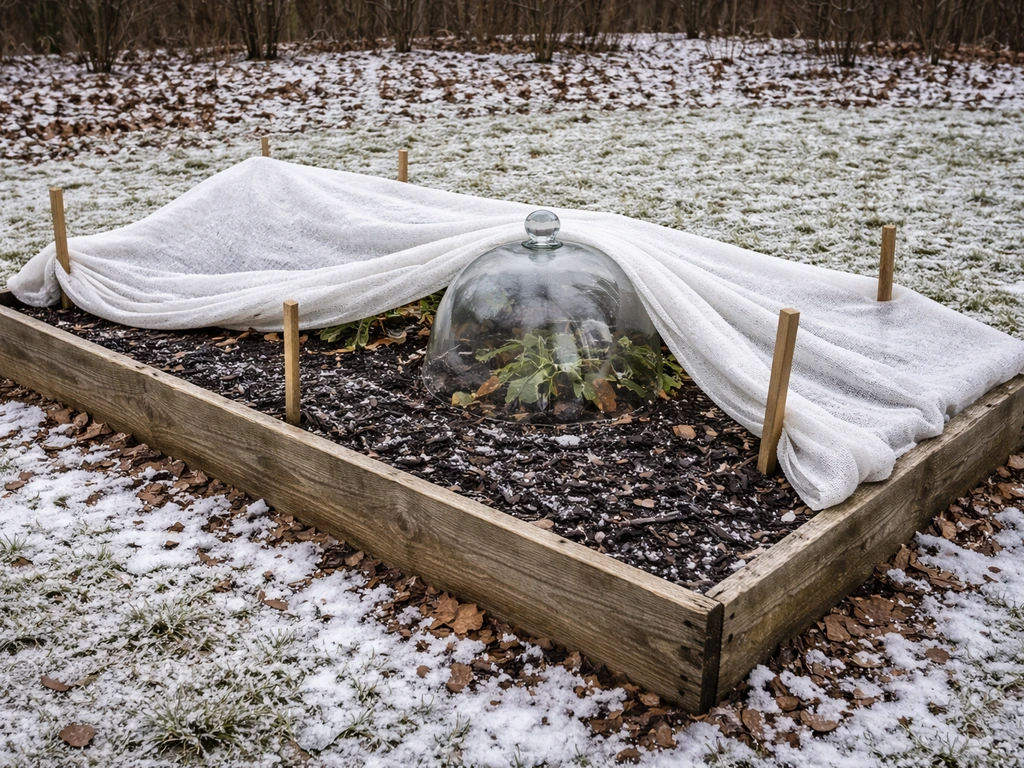
This is where Missouri gardeners have to put in a little extra effort compared to growers in Zone 7 and warmer. The University of Maine Cooperative Extension describes globe artichokes as perennial and hardy in USDA Hardiness Zone 7 and greater blank" rel="noopener noreferrer">perennial and are hardy in USDA Hardiness Zone 7 and greater. If you're trying to grow artichokes in Utah, you can use the same logic about cold protection and overwintering to choose the right approach for your microclimate. The Missouri Botanical Garden specifically notes that mulching in winter is important near the northern parts of the growing range, and that advice applies directly here.
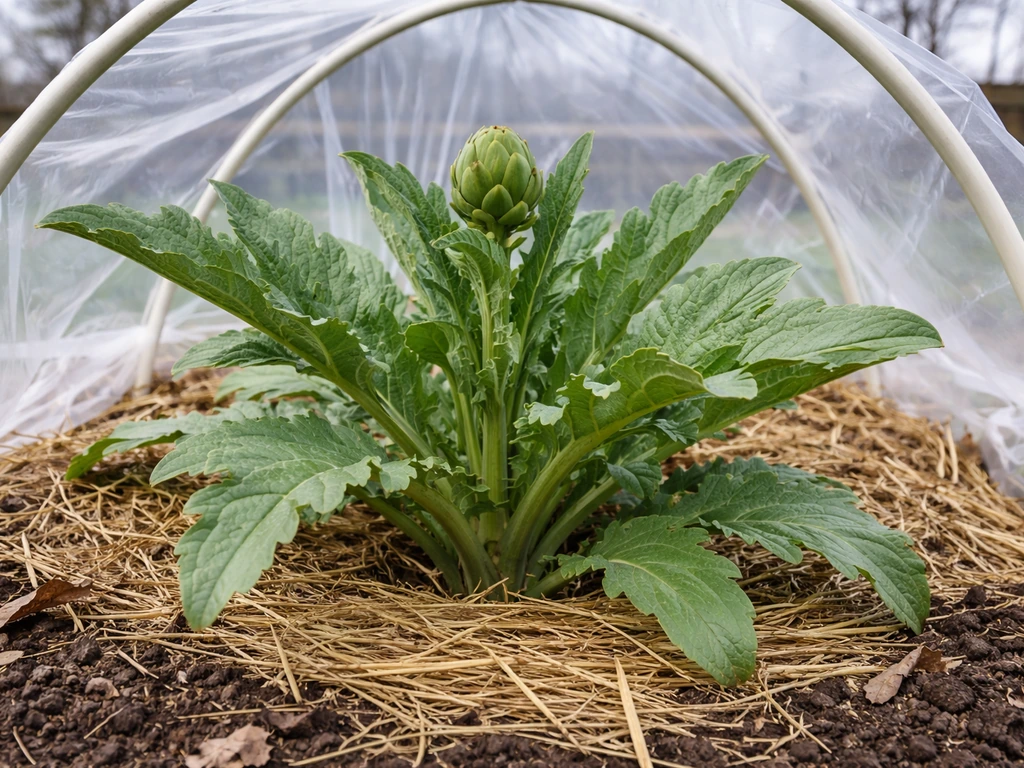
The standard approach for in-ground overwintering: after the first hard frost, cut plants back to about 12 inches, cover the crown with several inches of dry leaves or straw, then place an overturned basket or box over the top and heap more leaves on top of that. This insulating layer keeps the crown from freezing solid. In spring, remove the mulch gradually as temperatures warm. The Missouri Botanical Garden lists globe artichoke as a hardy perennial vegetable, so this method genuinely works in Zones 6 and 7 with reasonable winter protection.
For northern Missouri where Zone 5b winters can be brutal, a more reliable backup is to dig up the root crowns before hard frost, pot them up, and store them in a cool but frost-free space like a garage, basement, or cold cellar. Pack the roots in moist sand or peat to keep them from drying out, then replant in spring after the last frost. It's more work, but it guarantees you don't lose the plant.
If overwintering sounds like more hassle than you want, simply treat artichokes as annuals using Imperial Star or Colorado Star. If you are wondering can you grow artichokes in Colorado, the same idea of using a hardier variety and treating them with the right cold protection can help you succeed Colorado Star. Start fresh from seed each year, focus on getting a good vernalization treatment, and you'll still get a harvest in the same season. Some Missouri gardeners do exactly this and find it perfectly satisfying.
When to expect your harvest and what you'll get
For annual production (seed-started plants that receive vernalization), you can realistically expect buds in late summer, typically August to September in Missouri's climate. For overwintered perennial plants, bud production usually comes a bit earlier in the season, often July into August, as the plant has more established roots to draw on.
Texas A&M Extension notes that first harvest for globe artichokes typically occurs about one year after planting under normal perennial production. With vernalized annual transplants like Imperial Star, you compress that timeline into the first season, which is the whole point of the variety.
In terms of yield, a healthy established plant commonly produces 10 to 20 buds per season, though only 2 to 3 of those are the large primary buds at the top of the main stalks. The rest are smaller secondary buds, which are still edible and tasty. Perennial plants in their second and third years typically produce more buds than first-year plants as their root systems mature. Don't harvest any buds in the very first year if you're building a perennial planting, let the plant focus on root development and you'll get much better production in subsequent seasons.
Common problems and how to fix them
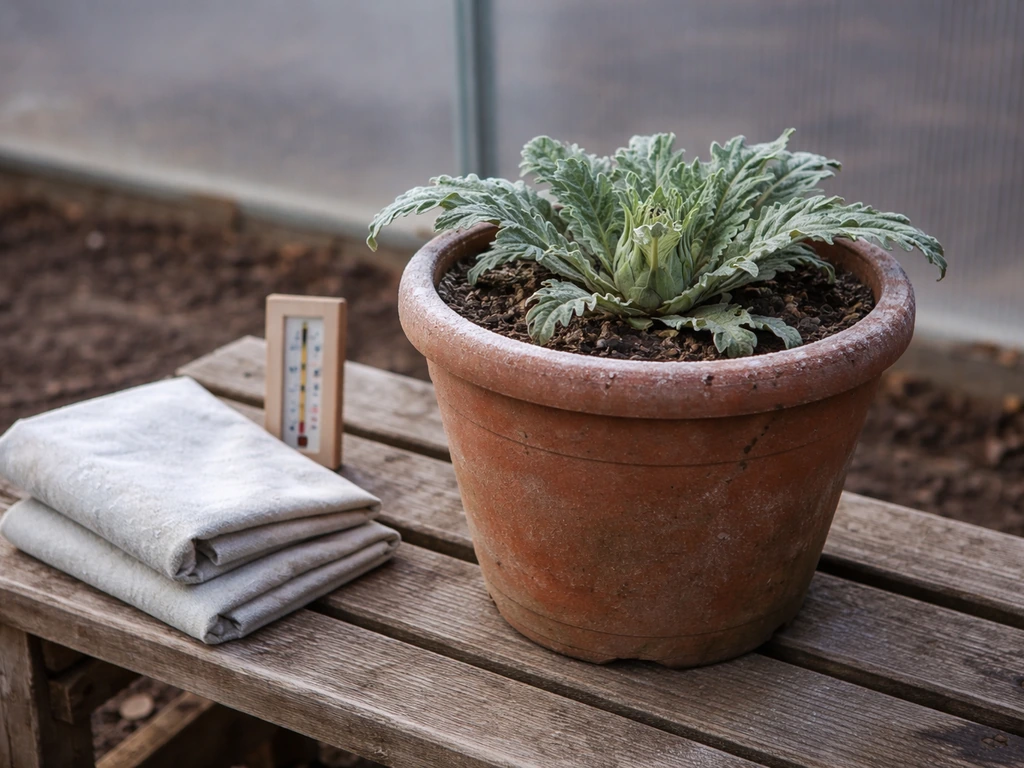
- Plants survive winter but produce no buds: This is almost always a vernalization issue. The plant didn't get enough cold exposure to trigger bud formation. Make sure transplants are exposed to cool temperatures before going in the ground, or allow overwintered plants to experience natural spring cold before it warms up. Don't push plants into a heated space prematurely.
- Winter kill: Root crowns froze and didn't survive. Improve mulching depth next season, add a box or basket over the crown for extra insulation, or switch to digging and storing roots indoors for northern Missouri locations.
- Buds open and turn tough quickly: Hot, dry weather. Water consistently during heat spells and harvest buds while they're still tight and compact. Don't wait for them to get any bigger than baseball size before cutting.
- Poor first-year harvest: Very common and expected. First-year plants are establishing roots. The RHS specifically advises removing flower stalks in the first summer so young plants put energy into root growth. Accept a minimal or zero harvest in year one and plan for a stronger year two.
- Leggy, leafy plants with no bud development from seed: Seeds were not vernalized properly. Next time, chill seedlings at 45 to 50°F for 2 to 3 weeks before transplanting, or choose Imperial Star which is bred to need less vernalization.
- Root rot: Almost always a drainage problem. Move plants to a better-drained spot or build a raised bed. Artichokes sitting in wet soil during cold weather rarely survive.
Where to find plants and seeds, and how to start your first attempt
Imperial Star seeds are widely available online from seed companies like Gurney's, Baker Creek, and Johnny's Selected Seeds. Colorado Star is available through Cornell's seed trial networks and some specialty suppliers. Green Globe is one of the most common artichoke varieties and can be found at many garden centers in the transplant section in spring, or from online seed retailers. If you want root divisions, check with local gardening clubs or plant swaps in your area, as gardeners with established plants often divide them in early spring.
For your first attempt, here's a simple plan that sets you up for success:
- Buy Imperial Star seeds in January. Start them indoors under grow lights 8 to 10 weeks before your last frost date.
- Once seedlings are 4 to 6 inches tall, move them to a cool location (45 to 50°F, like an unheated garage or cold frame) for 2 to 3 weeks to vernalize them.
- Prepare a raised or well-drained bed in full sun. Amend heavily with compost. Aim for a bed that drains quickly after rain.
- Transplant seedlings outdoors after your last frost, spacing them 18 to 24 inches apart.
- Water consistently, fertilize with high-nitrogen fertilizer once plants are established, and keep an eye on buds as summer progresses.
- Harvest buds in late summer when they're tight and firm. After frost, cut plants back to 12 inches and mulch heavily over the crown.
- In spring, pull back the mulch once temperatures are reliably above freezing and watch for new growth from the crown. If the plant comes back, you've got your perennial planting started.
If the first winter kills your plant, don't give up. That's the most common first-year outcome in colder parts of Missouri, especially in Zone 5b and 6a. Try the same approach again with better mulching, or switch to digging and storing the crown indoors. Missouri gardeners in similar climates to Ohio and Tennessee report the same learning curve with artichokes, and most find that by the second or third attempt they have a reliable method dialed in. If you're wondering can you grow artichokes in Ohio, the same zone and protection tips apply, and many gardeners see results with the right variety and overwintering plan. The harvest is genuinely worth the effort.
FAQ
I heard artichokes grow easily in Missouri, but I’m seeing different “artichokes” at stores. Which one should I plant?
If your goal is edible buds, Jerusalem artichoke (the tuber) won’t give you the classic globe artichoke heads. Make sure the seedling or plant you buy is globe artichoke (Cynara scolymus) and labeled as a variety like Imperial Star, Green Globe, or a purple type.
What if my winter in Missouri is too mild, will my artichokes still form buds?
Start checking local night temperatures in late fall and early winter. If your area rarely drops into the 32°F to 50°F range for long enough, seed-started plants may stay leafy and never form buds unless they receive proper vernalization after planting, or you choose Imperial Star for a more reliable first-season harvest.
When should I cut back globe artichokes for winter protection in Missouri?
Yes, but don’t wait until the plant looks mature. For overwintered perennials, cut back after the first hard frost, but only after you’ve already committed to your winter shelter plan. If you prune too early, you can reduce the plant’s ability to finish storing energy in the crown before cold weather hits.
Can I use plastic sheeting or a tarp to overwinter artichokes in Missouri?
Avoid plastic as the main winter cover. Plastic can trap moisture and raise the odds of crown rot, especially during freeze-thaw cycles. Use dry leaves, straw, and an insulating outer cover like a box or basket, and keep the crown covered but not waterlogged.
How should I water artichokes in Missouri to avoid problems?
Drip irrigation or soaker hoses are best, then water early in the day so the soil can absorb moisture and foliage stays drier. If you water overhead during cool, damp weather, you increase the chance of leaf and crown diseases that can wipe out plants before buds ever form.
How can I tell if my yard has poor drainage, and what should I do before planting artichokes?
If you’re not sure whether your soil drains well, do a simple test: dig a hole, fill it with water, and time how long it takes to drain. For artichokes, water should move along within a reasonable window, and raised beds (6 to 8 inches) help when drainage is slow in heavy clay.
If my artichoke dies in winter, what’s the best next step to improve results?
Yes. If you get winter loss, the most efficient fix is to switch either (1) to a hardier overwinter plan with thicker dry mulch and correct timing, or (2) to annual production with Imperial Star. Repeating the same approach without changing the weak point is the most common reason people feel stuck.
Should I harvest buds the first year, or wait to build stronger plants?
Watch buds early, and stop harvesting after the first year if you’re trying to build a lasting perennial. Heavy early harvest can slow crown development, which usually means fewer and smaller buds in year two and beyond.
Are artichokes in Missouri truly perennials, or should I plan for annual production?
Not exactly. Artichokes are often described as cool-season perennials, but in Missouri many gardens need either vernalized seedlings or overwinter protection. If you want a predictable first harvest every year, Imperial Star treated as an annual is generally simpler than relying on overwinter survival in Zone 5b pockets.
If I dig and store crowns indoors, what conditions do they need and when should I replant?
For overwintered crowns in colder Missouri areas, a garage or basement that stays cool but frost-free works well. Keep roots packed in moist sand or peat so they don’t dry out, and replant after the last frost when soil is workable.
Next Articles
Can You Grow Artichokes in Ohio? Complete Guide
Learn if you can grow artichokes in Ohio, with timing, varieties, planting steps, care, pests, and winter protection.
Can You Grow Artichokes in Utah? How to Succeed
Yes, learn how to grow artichokes in Utah: best varieties, planting dates, container or ground setup, and overwintering
Can You Grow Artichokes in Colorado? How to Succeed
See if you can grow artichokes in Colorado and get a step-by-step plan for timing, varieties, care, pests, and harvest.