
Yes, you can grow artichokes in Utah, but you need to go in with realistic expectations. Utah's cold winters, short growing windows, and arid summers make artichokes more of a managed annual challenge than an easy perennial crop. The good news: with the right variety, smart timing, and a solid overwintering plan, Utah gardeners can absolutely harvest those big beautiful heads. You just have to work with the climate instead of against it.
Can You Grow Artichokes in Utah? How to Succeed
Marcus Holloway
3 Jun 2026
Utah's Climate Reality for Artichokes
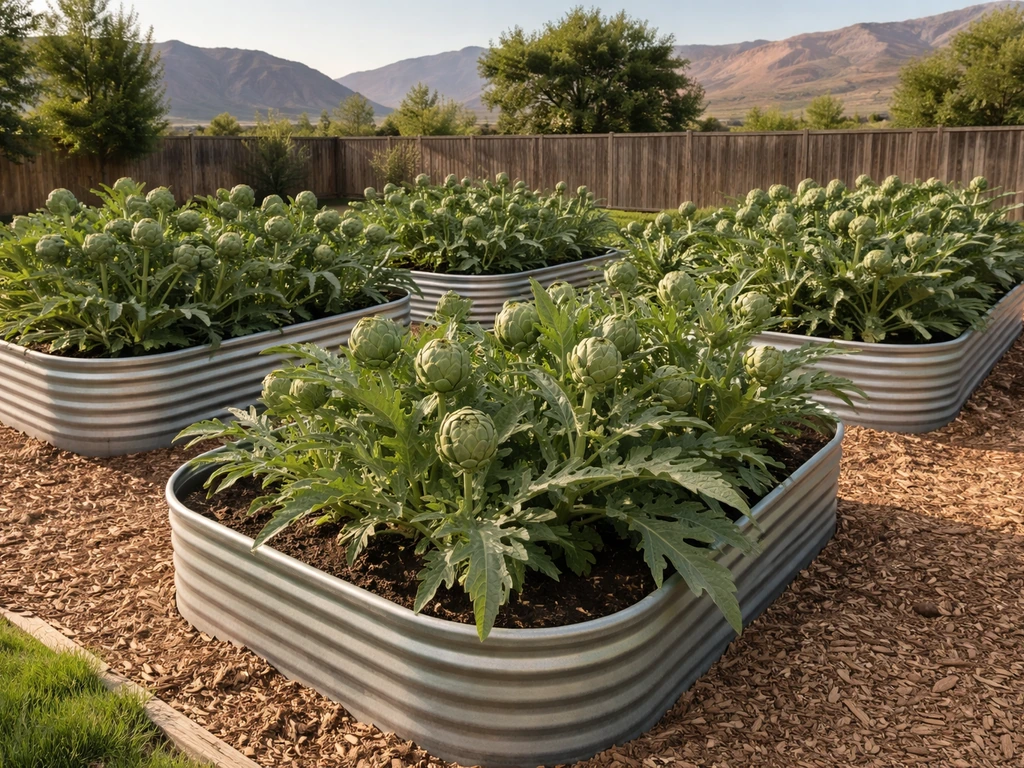
Artichokes are native to the Mediterranean, where winters are mild, summers are dry but not brutal, and the growing season is long. Utah offers two out of three on a good day. The real challenge is winter cold. Artichoke crowns don't handle hard freezes well, and most of Utah gets plenty of those. In Salt Lake City, the last spring freeze has historically fallen as late as June 6 in extreme years, and early fall freezes can arrive before plants finish producing. At higher elevations across the state, those windows get even tighter.
Utah's arid summers add another layer of difficulty. Artichokes have shallow root systems and genuinely struggle in hot, dry conditions. Without consistent moisture, plants get stressed and bud production drops. The Wasatch Front and similar mid-elevation areas offer the best shot at success: enough cool spring weather to trigger flowering, a long enough frost-free window to get heads to harvest, and winter conditions that are survivable with protection. The further you are from that sweet spot, either higher and colder or lower and hotter, the harder it gets.
Choosing the Right Type: Globe Artichoke and Which Variety
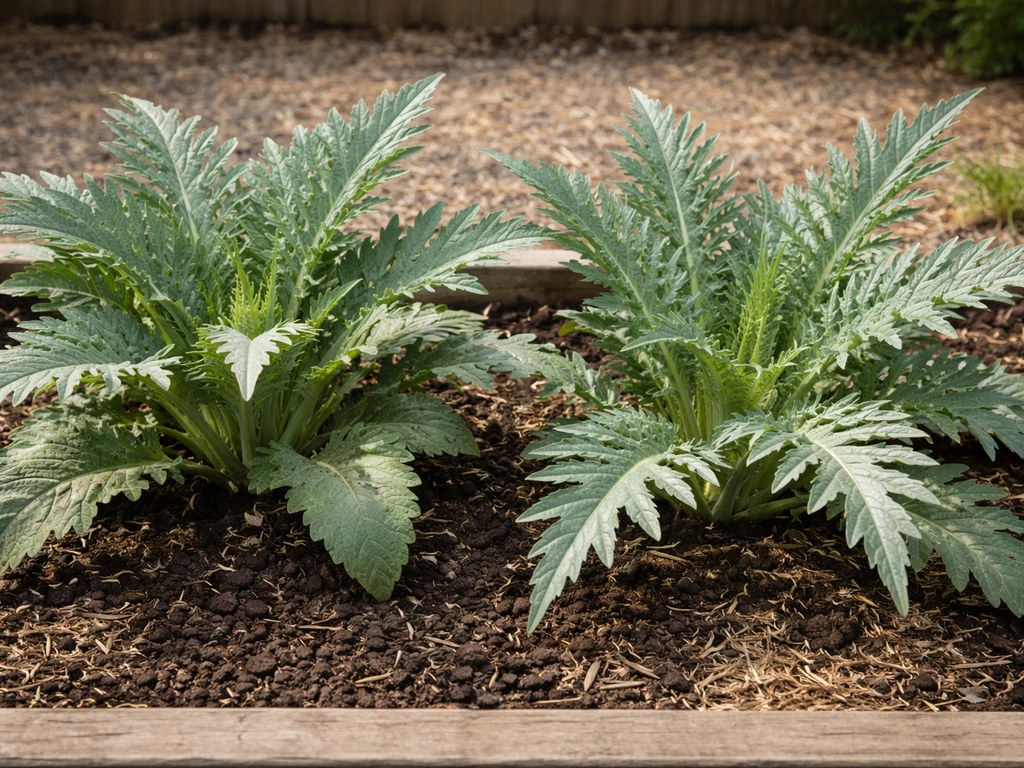
All culinary artichokes are globe artichokes (Cynara cardunculus), but variety selection matters a lot in Utah. USU Extension specifically calls out two varieties as good performers here: Imperial Star and Green Globe. They behave differently in Utah's climate, and understanding that difference helps you pick the right strategy.
| Variety | Best Use in Utah | Days to Harvest | Perennial Potential |
|---|---|---|---|
| Imperial Star | Annual production, cooler/shorter-season areas | ~90 days from transplant | Low — treat as annual |
| Green Globe | Perennial if successfully overwintered | 85–120 days from seed | Moderate with heavy mulching |
| Violetto / Big Heart | Less documented for Utah; lower priority | Not well established for UT | Unknown in UT conditions |
Imperial Star is the practical pick for most Utah gardeners. It's bred to produce in its first year without needing a full cold winter cycle, which removes some of the guesswork around vernalization. It also matures faster, which matters in a state where your frost-free window can be annoyingly short. Green Globe is worth growing if you're committed to trying to keep it as a perennial, but expect more variability and more work protecting it through winter. For most gardeners, especially those just getting started with artichokes in Utah, Imperial Star is the easier path to actual heads on the table.
When to Plant in Utah: Timing and Temperature Triggers
Artichokes need a cool period to initiate the flower stalk. Specifically, plants need roughly 250 hours at temperatures below 50°F (10°C) to trigger bud development. In Utah, that cold exposure can come from starting transplants indoors in late winter and then briefly hardening them off in cool conditions before transplanting. A 10-day cold treatment at 35–50°F for young starts is enough to flip the flowering switch on first-year plants. This is something you can actually engineer even if your outdoor conditions aren't cooperating yet.
USU Extension recommends starting plants in late winter, then transplanting them into the garden about 3 to 4 weeks before your local frost-free date. On the Wasatch Front, that typically means starting seeds or acquiring transplants in January or February and getting them into the ground in April. That timing lets plants soak up the cool spring weather that drives bud formation before summer heat sets in. Wait too long and you lose that cool window; rush it and you risk frost damage to young plants.
- Start seeds or acquire transplants indoors in January to early February
- Expose young transplants to 10 days at 35–50°F to trigger flowering (a cool garage or unheated space works)
- Harden off plants over 7–10 days before moving them outside
- Transplant into the garden 3–4 weeks before your last expected frost date
- For the Wasatch Front, target transplanting in mid to late April
Site Prep and Growing Setup
Sun and Soil
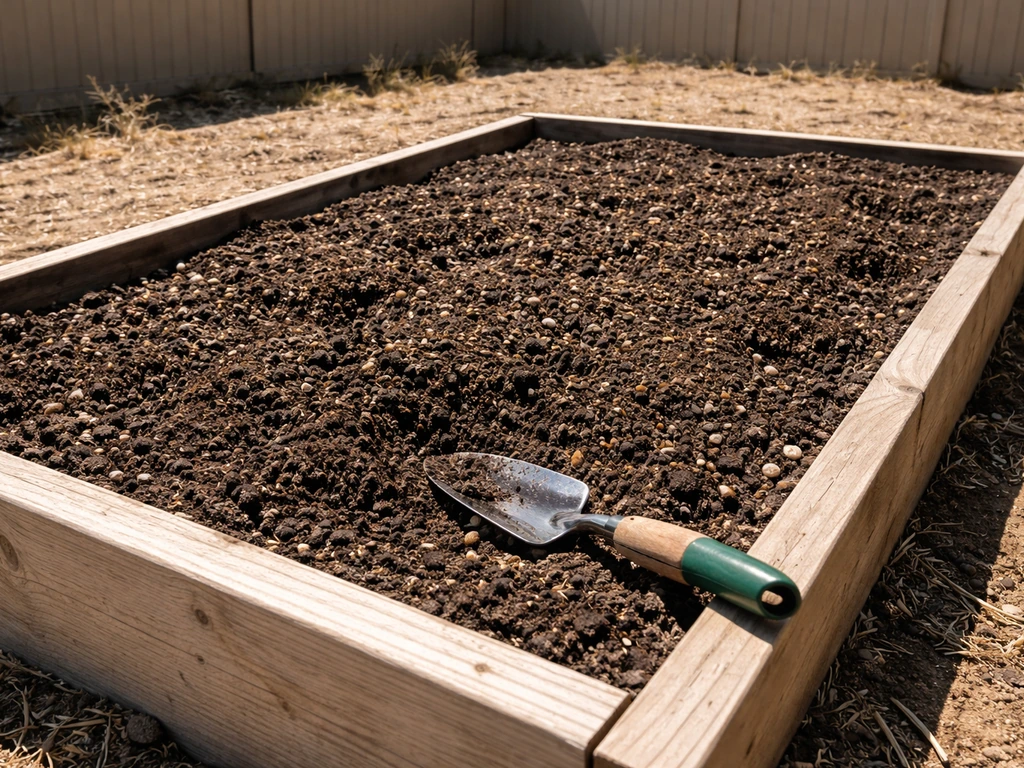
Artichokes want full sun, at least 6 to 8 hours a day, and rich, fertile soil with excellent drainage. Utah's alkaline soils can work against you, so soil amendment before planting is not optional. Work in 4 to 6 inches of compost or other organic matter before planting. USU Extension emphasizes that artichokes genuinely thrive in organically rich conditions, and that extra investment in soil quality pays off in better bud production and healthier plants. A balanced fertilizer applied at planting, such as a 16-16-8 blend at around half a pound per 100 square feet, gives plants a strong start.
Watering
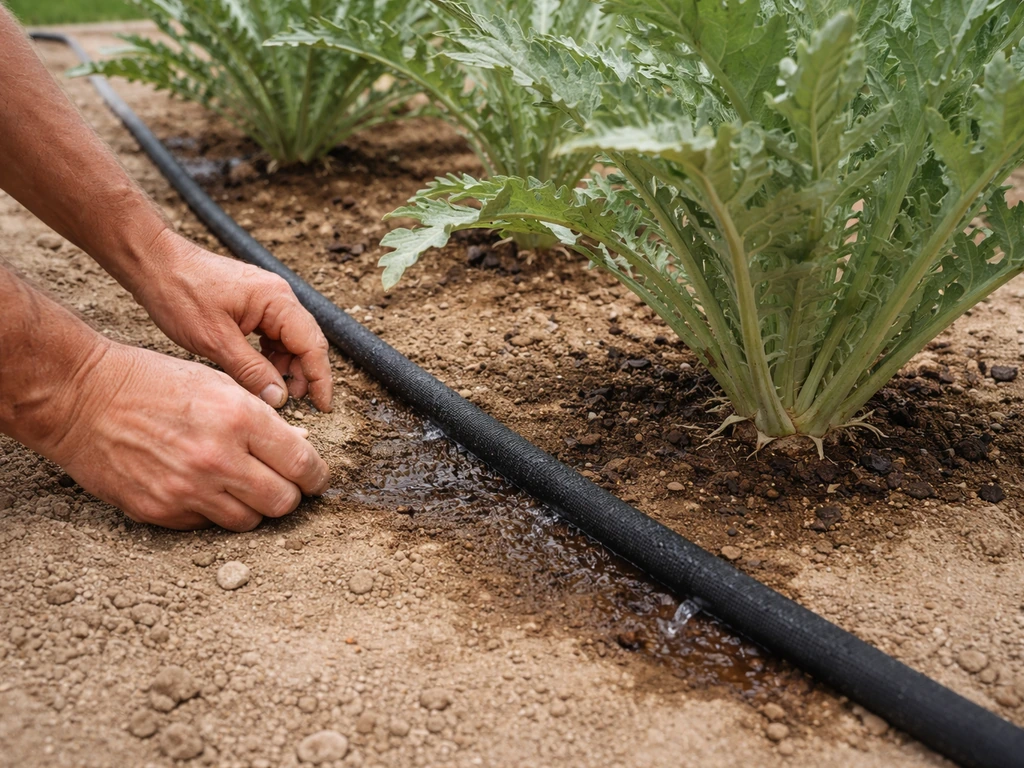
This is where Utah's arid climate creates the most day-to-day management work. Artichoke roots are shallow and the plants don't tolerate dry spells. Keep the soil consistently moist, not soggy. Mulching 2 to 3 inches deep with compost or straw directly over the root zone helps retain moisture, moderates soil temperature, and cuts down on weeding. In Utah's hot summers, you'll likely need to water deeply two to three times per week depending on temperatures and your soil type. Don't wait for the plant to look wilted; by then, stress has already hit bud production.
How to Grow and Care for Artichokes in Utah
Spacing artichokes about 18 inches apart in the row gives each plant enough room to spread without competing for water and nutrients. Artichokes are big plants with big appetites, so crowding them only hurts yields. If you're working with limited space, containers are a legitimate option. A large container, at least 15 to 20 gallons, filled with a rich, well-draining potting mix can support a single plant. Container growing also gives you the option to move the plant to a protected location for overwintering, which is a real advantage in Utah.
Once plants are in the ground, side-dress with additional fertilizer mid-season to keep them producing. Keep an eye on the mulch layer and replenish it as it breaks down. Artichokes that are well-fed and consistently watered will produce noticeably more than those that are stressed or neglected. If you're growing Imperial Star as an annual, the goal is to get as many heads as possible before fall frosts arrive, so keeping plants healthy through July and August is key.
Overwintering in Utah: What Actually Works
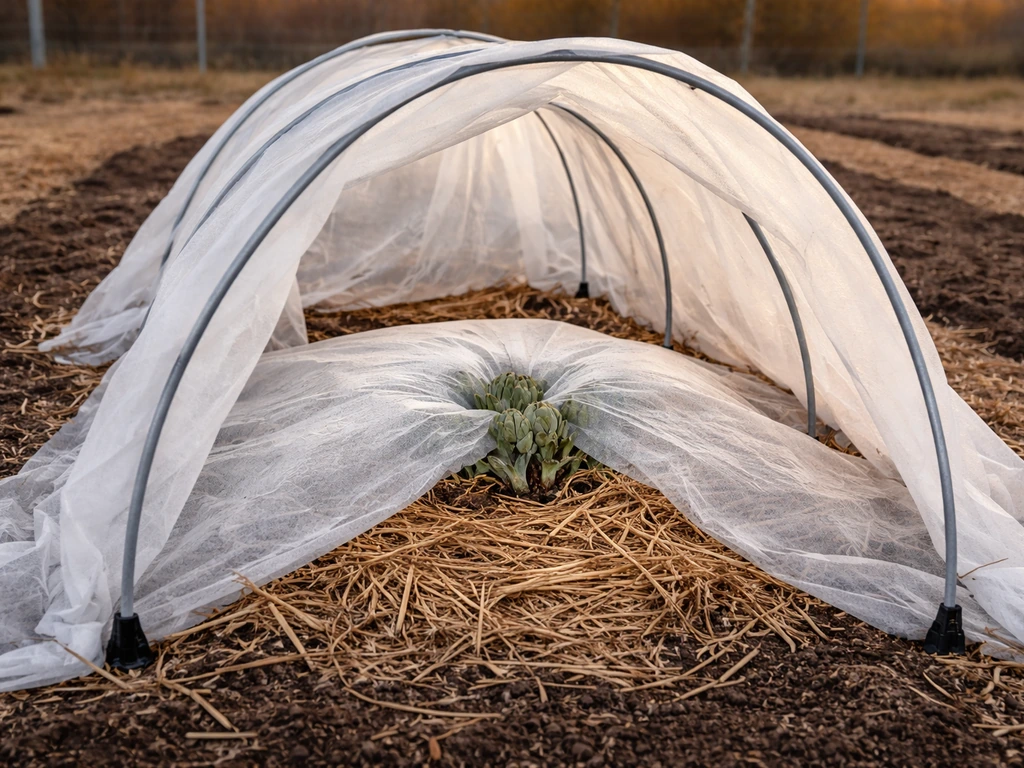
This is where Utah makes artichoke growing genuinely tricky. Artichoke crowns can survive mild winters with protection, but Utah winters are not reliably mild. USU Extension is honest about this: heavy mulching may allow plants to overwinter in milder parts of Utah, but it's not guaranteed everywhere. The milder elevations along the Wasatch Front give you the best odds. Higher-elevation gardens in places like Park City or Cedar City face harder freezes and should plan to treat artichokes as annuals most years.
If you want to attempt overwintering, the timing and method matter. After harvest and after the plant has experienced several frosts, cut back the leaves and then mound 4 to 6 inches of soil directly over the crown. Cover that with 8 to 12 inches of straw or dry leaves. The goal is to insulate the crown from the worst freeze-thaw cycles while still allowing some air circulation to prevent rot. USU Extension also notes that the point of overwintering protection is to manage freeze and thaw conditions so the crown survives The goal is to insulate the crown. Remove the mulch gradually in early spring once overnight temperatures are consistently staying above 25°F. Container-grown plants can simply be moved into an unheated garage or shed.
- Wait until after several frosts to cut back foliage before mulching
- Mound 4–6 inches of soil over the crown first, then add 8–12 inches of straw or dry leaves on top
- Avoid plastic covers that trap moisture and promote rot
- Check crowns in early spring and clear mulch gradually as temperatures stabilize
- Container plants: move to an unheated indoor space for the winter
- If the crown doesn't survive, plan to start fresh in late winter — this is normal in Utah
Be honest with yourself about the odds. In most of Utah, treating artichokes as annuals and replanting from transplants each year is a more reliable strategy than banking on perennial survival. If you are wondering can you grow artichokes in Ohio, you can use the same kind of cold-weather planning, especially around winter protection or treating plants as annuals similarly cold inland states like Colorado. It's more work, but it removes the disappointment of finding a dead crown in April. Gardeners in similarly cold inland states like Colorado face the same calculation, while those in places with milder winters have a much easier path to true perennial artichoke production. Gardeners in similarly cold inland states like Colorado face the same calculation, while those in places with milder winters have a much easier path to true perennial artichoke production can you grow artichokes in missouri: true or overwinter strategy? (related). Gardeners in Colorado can use the same overall approach, but winter protection and reliable cold timing become even more important depending on your location Gardeners in similarly cold inland states like Colorado.
Harvest, Yields, and Troubleshooting Common Problems
What to Expect at Harvest
Imperial Star typically produces harvestable heads around 90 days from transplanting. Green Globe can run 85 to 120 days depending on conditions. Harvest buds before the scales start to open and while they're still firm and tight. The central (primary) bud is the largest and comes first; secondary buds follow on side stems and are smaller but still edible. A healthy plant in its first year can produce several heads. Established perennial plants that survived winter tend to produce more in their second and third years, which is the main upside of successfully overwintering them.
Common Problems and How to Handle Them
Aphids are the most common pest issue you'll deal with. They cluster on new growth and under bracts. A strong blast of water or insecticidal soap handles most infestations. Slugs and snails become a problem in wetter conditions or with heavy mulch, so check under mulch around the crown and use bait or barriers if you're seeing damage. Gray mold (botrytis) shows up in cool, humid conditions, especially if leaves stay wet overnight. Water in the morning and keep the plant base clear of debris to reduce risk.
Crown rot is probably the most damaging problem and is almost always linked to overwatering or poor drainage. If your plant looks stunted and the crown feels soft or smells off, dig it out and don't replant artichokes in that spot for a few seasons. Powdery mildew shows up as white or gray powdery patches on leaves, usually during temperature swings. It's rarely fatal but can weaken the plant; improve airflow and avoid overhead watering to reduce it. If plants simply aren't producing buds, the most common culprits in Utah are skipping the cold treatment, planting too late into warm weather, or inconsistent watering causing stress. Run through that checklist before assuming the variety is wrong.
| Problem | Likely Cause | Fix |
|---|---|---|
| No buds forming | Skipped cold treatment or planted into heat | Ensure 250 hours below 50°F; plant earlier next year |
| Stunted, rotting crown | Crown rot from overwatering or poor drainage | Improve drainage; remove affected plants |
| Aphid clusters | Common pest, especially on new growth | Blast with water or apply insecticidal soap |
| Slug/snail damage | Moist conditions near mulch and crown | Set bait or barriers; reduce mulch depth near crown |
| Powdery mildew | Poor airflow, wet leaves overnight | Water in morning; improve plant spacing |
| Low bud count | Water stress or nutrient deficiency | Maintain consistent moisture; side-dress with fertilizer |
Growing artichokes in Utah takes a bit more effort than it does in a Mediterranean climate, but it's genuinely doable. You can apply much of the same approach when learning can you grow artichokes in Tennessee, but expect to adjust for your local winters and summers Mediterranean climate. Pick Imperial Star for reliability, start early, keep plants watered through the summer, and decide upfront whether you're treating them as annuals or attempting to overwinter. Either approach can work, and either way, getting those heads out of your own garden feels worth the extra steps.
FAQ
Can you grow artichokes in Utah from direct seeding outdoors?
Usually not reliably. In Utah’s short frost-free window, most outdoor-direct starts won’t get enough cool exposure to trigger buds before summer heat arrives. For the best odds, start seeds indoors in late winter or buy transplants, then follow the 3 to 4 week before your frost-free date transplant timing.
What temperature range counts as the “cool hours” artichokes need in Utah?
For triggering bud development, aim for about 250 hours below 50°F (10°C) for young plants. A practical approach is a controlled cold period for transplants (roughly 10 days at 35 to 50°F), then plant out once conditions are stable enough for growth.
How do I know if I’m watering too much or too little for artichokes in Utah?
Too dry shows up as stress before you see wilt, reduced bud formation, and a dull slowdown in growth. Too wet shows up as crown issues, stunting, and soft or off-smelling crown tissue. Use well-draining amended soil, mulch to smooth out moisture swings, and water deeply but only as needed to keep the root zone consistently moist, not soggy.
Is container growing a better option than planting in the ground in Utah?
It can be, especially for overwinter attempts. A 15 to 20 gallon container with rich, fast-draining mix lets you move plants to a protected space (garage or shed) when freezes threaten. It also reduces crown exposure to freeze-thaw cycles, but you still must water carefully because containers dry out faster.
When should I harvest artichokes in Utah to avoid tough or opening buds?
Harvest before the scales start to separate and before the bud opens. In practice, you want heads firm and tight. The primary bud typically matures first, then smaller secondary buds follow on side stems, so plan for multiple harvests rather than one pick.
Can I save money by overwintering Imperial Star instead of starting fresh each year?
You can try, but Utah still makes perennial survival uncertain. Imperial Star is often chosen for first-year production because it skips some vernalization needs, not because winter survival is guaranteed. If you attempt overwintering, follow the frost-after-harvest cutback and insulating mound plus straw method, and accept that many winters still mean replanting.
What’s the safest overwintering method, mound or whole-plant cover?
The most reliable approach is crown-focused protection: cut back after several frosts, mound soil over the crown (about 4 to 6 inches), then cover with 8 to 12 inches of straw or dry leaves. The goal is insulation without trapping constant moisture around the crown. Gradually remove mulch in early spring once nights stay above about 25°F.
Should I plant artichokes earlier than April on the Wasatch Front?
Only if you can protect young plants from late frosts. Planting too early can expose transplants to damaging cold, while planting too late can shorten the period available for cool-driven bud formation. Stick close to the “3 to 4 weeks before your local frost-free date” guideline, and be ready to cover if a hard freeze is forecast.
Why am I growing lush leaves but no buds in Utah?
The most common causes are missing the cold trigger, planting too late into warm weather, or inconsistent watering that stresses the plant during key development. Recheck that your transplants got the cool hours, confirm your planting date relative to your frost-free window, and make sure the soil moisture stays steady through summer.
How can I reduce botrytis (gray mold) and mildew on artichokes?
Improve airflow and prevent wet foliage at night. Water in the morning so leaves dry out sooner, keep debris cleared around the base, and avoid overhead watering. If disease shows up, focus on irrigation timing and spacing rather than relying only on treatment.
My artichoke crown feels soft after winter, what should I do?
If the crown is soft or smells off, it’s likely crown rot. Remove the plant and do not replant artichokes in that same spot for a few seasons, because the problem often ties to drainage and persistent disease risk in that area. Before replanting elsewhere, upgrade soil drainage and avoid overwatering.
Next Articles
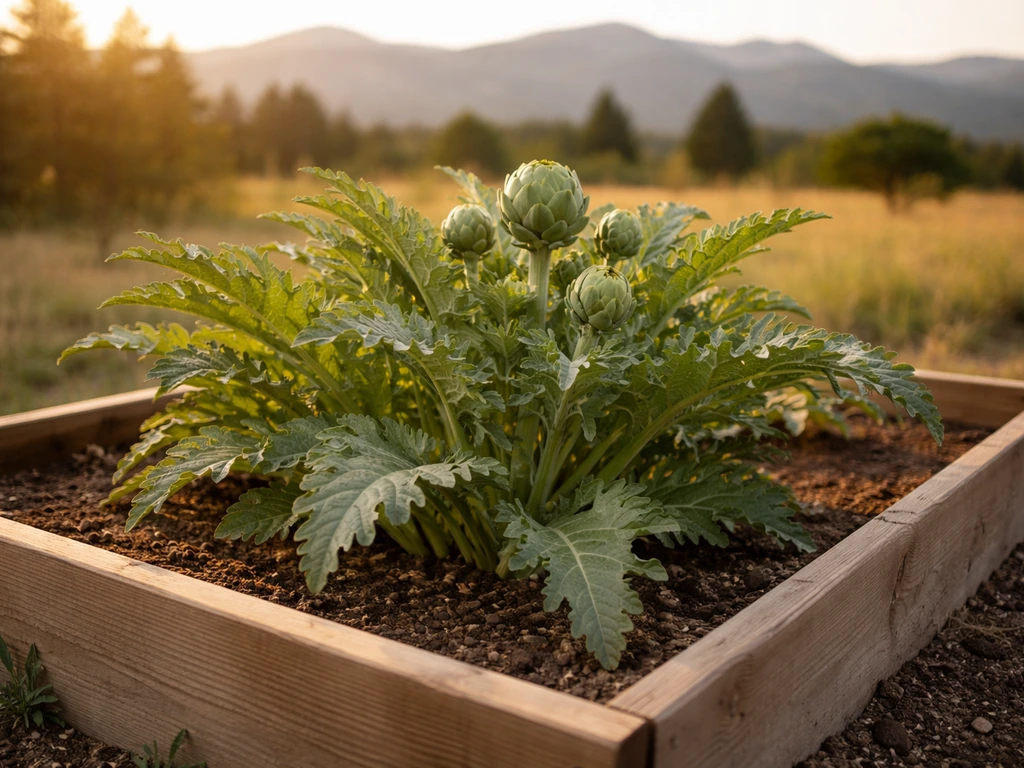
Can You Grow Artichokes in Colorado? How to Succeed
See if you can grow artichokes in Colorado and get a step-by-step plan for timing, varieties, care, pests, and harvest.
Can You Grow Agave in Canada? Zone Guide & Growing Tips
Can you grow agave in Canada? Practical region-by-region guide, hardy species, container tips & winter care.
Can You Grow Okra in Canada? Ontario Guide & Short‑Season Tips
Can you grow okra in Canada? Regional verdict, Ontario-specific steps, varieties, season-extension & harvest tips.