
Yes, you can grow asparagus in Canada, and it does surprisingly well across most of the country. Asparagus is actually one of the best perennial vegetables for Canadian gardens because it is genuinely cold-hardy, tolerates long winters, and comes back stronger every spring for 20 years or more once it is established. The main catch is patience: you will not harvest much in years one or two, and getting the planting right from the start is what separates a thriving 20-year bed from one that fizzles out by year three.
Can You Grow Asparagus in Canada? Planting Guide by Zone
Marcus Holloway
24 Jun 2026
Is asparagus actually winter-hardy in Canada
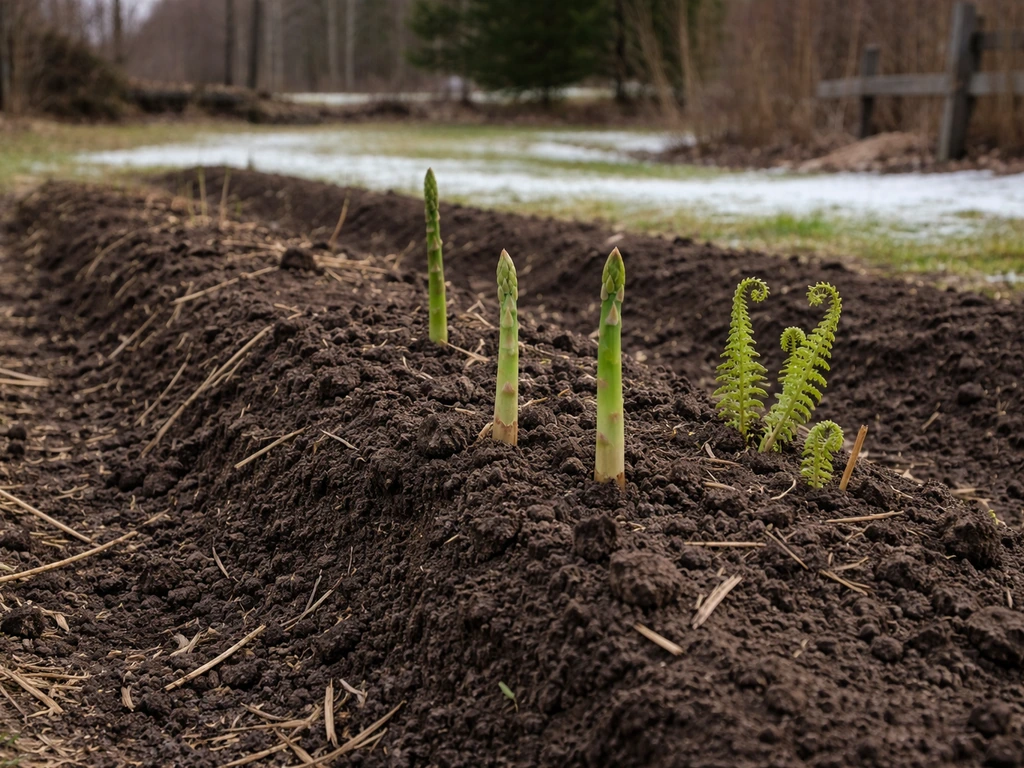
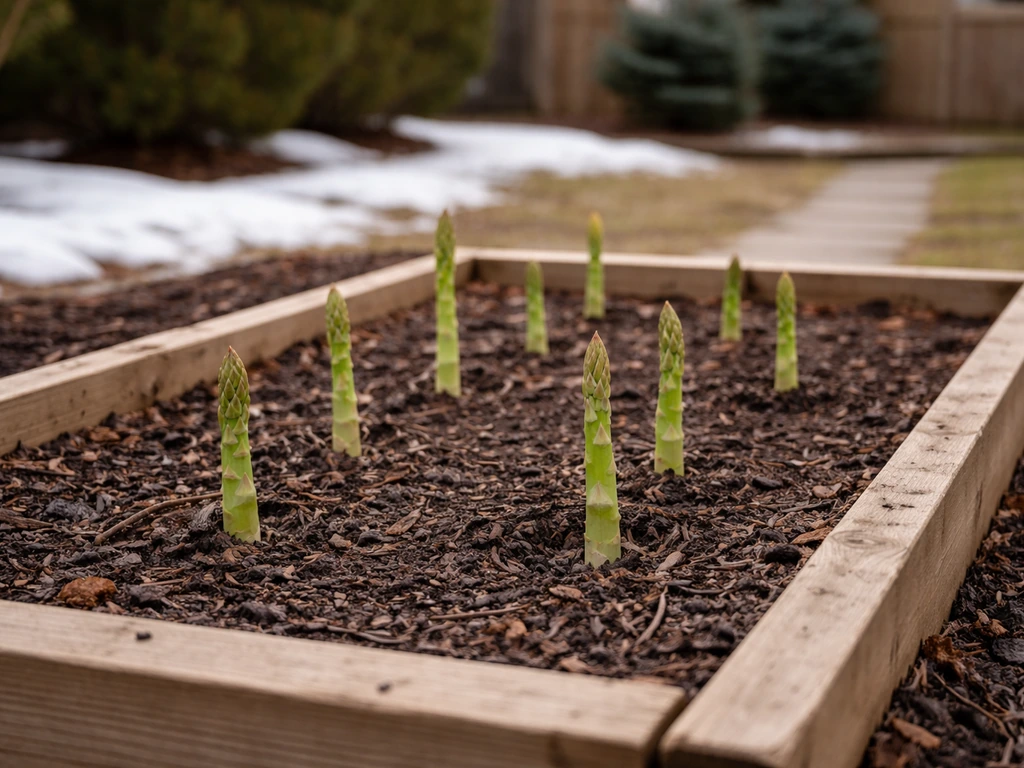
Asparagus is one of the hardiest vegetables you can grow in a Canadian garden. Most modern cultivars survive well into USDA Zone 3, which covers much of rural Ontario, Manitoba, Saskatchewan, and Alberta. The crowns go fully dormant under the soil through winter and re-emerge in spring, which is exactly the kind of cold-season behaviour Canadian climates reward.
The real vulnerability is not the cold itself but the combination of deep cold and no snow cover. Crown damage can occur at around -30°F (-34°C) when there is no insulating snow or mulch over the bed. In exposed prairie gardens or years with thin snowpack, a thick layer of straw mulch (10 to 15 cm) applied after the ground freezes in fall can mean the difference between a healthy crown and a dead one. In milder regions like coastal British Columbia, southern Ontario, or the Annapolis Valley in Nova Scotia, asparagus winters with almost no extra help at all.
Even Newfoundland and Labrador, which most people would not associate with successful asparagus production, has a provincial crop guide confirming that asparagus can be grown there successfully when the right site and establishment practices are followed. That should give growers in more moderate provinces a lot of confidence.
Where in Canada it works best
Asparagus grows well across all ten provinces, but your specific site within a province matters as much as the province itself. The crop thrives in Zones 2 through 8, which covers the vast majority of Canadian growing areas. Southern British Columbia, the Great Lakes region of Ontario and Quebec, and the Maritime provinces offer the easiest conditions. Prairie provinces like Alberta, Saskatchewan, and Manitoba work well too, but winter mulching is non-negotiable in exposed or Zone 3 locations.
Site selection is critical. Asparagus is a long-lived perennial, so wherever you plant it will be occupied for 15 to 25 years. Pick a spot that gets full sun (at least 8 hours a day), has excellent drainage, and is not in a low-lying frost pocket. Late spring frosts can kill emerged spears, and this is a real concern in most Canadian regions. Low spots and poorly drained areas hold cold air and moisture, both of which harm new growth in spring and encourage root diseases in summer. A slightly raised or gently sloped bed on a south-facing side of your property is ideal.
Choosing asparagus varieties and whether to start from crowns or seed
Best varieties for Canadian conditions
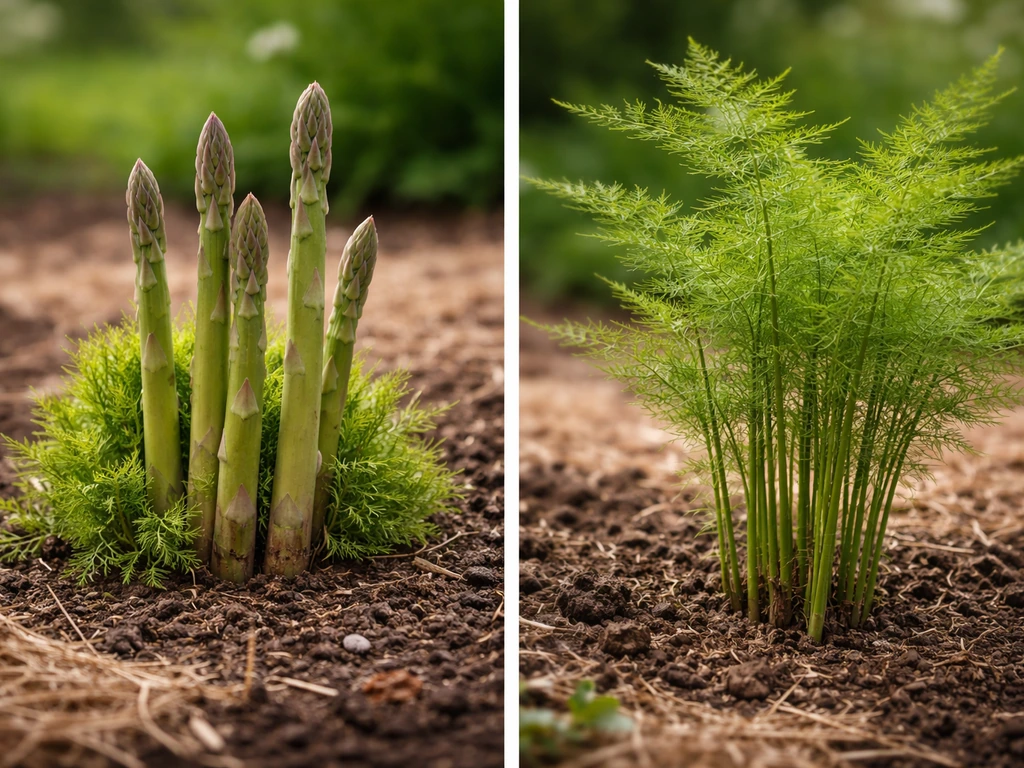
For Canadian gardens, focus on male hybrid varieties. Male plants put all their energy into spear production rather than seed-setting, so they are more productive and longer-lived than older open-pollinated types. Jersey Knight, Jersey Supreme, and Jersey Giant are workhorses across Canadian zones and widely available through Canadian seed suppliers. Millennium is a Canadian-bred variety developed specifically for cold-climate conditions and is an excellent choice for Prairie and northern Ontario growers. Guelph Millennium, developed at the University of Guelph, has strong cold hardiness and performs reliably in Zone 4 to 6.
Crowns vs. seed: which is better
Start from one-year-old crowns, not seeds, for almost every home garden situation. Crowns give you a one-year head start, which matters a lot when you are already waiting two to three years for your first real harvest. Seeds are cheaper and occasionally necessary if you cannot find specific varieties locally, but they add a full growing season to your wait and require starting indoors 12 to 14 weeks before the last frost date. Unless you have a specific variety only available by seed, buy crowns from a reputable Canadian nursery or seed company and plant them in spring as soon as the soil is workable.
Planting guide: timing, soil prep, depth, and spacing
When to plant
Plant crowns in early spring as soon as the soil can be worked, typically late April to mid-May across most of Canada depending on your location. In coastal BC, this can be as early as late March. In Alberta and Saskatchewan, you may be looking at mid to late May. Do not rush it if the soil is still frozen or waterlogged; crowns sitting in cold, wet soil will rot before they establish.
Soil preparation
Asparagus stays in the ground for decades, so soil prep now is the most important investment you will make. Dig your bed deeply, at least 30 to 45 cm (12 to 18 inches), and work in generous amounts of compost or well-rotted manure. Asparagus strongly prefers a soil pH between 6.5 and 7.0. If you have acidic soil (common in BC and Atlantic Canada), apply lime to bring it up before planting. Good drainage is essential. If your soil is heavy clay, consider raising your bed by 20 to 30 cm or incorporating coarse sand and organic matter to improve structure.
Planting depth and spacing
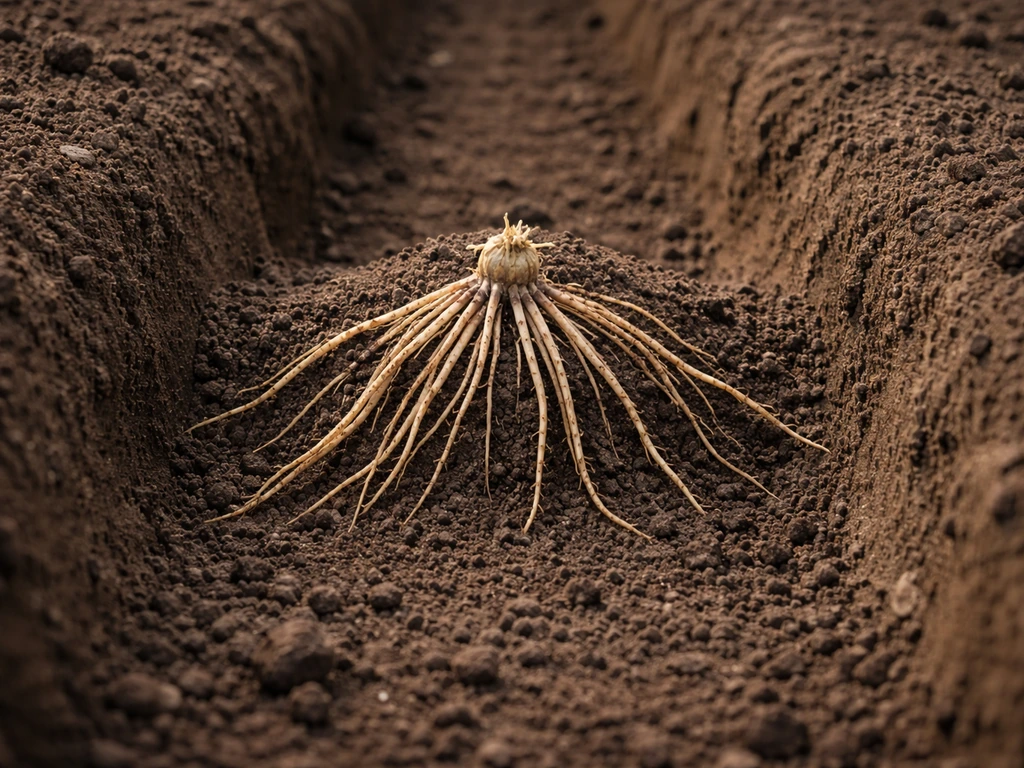
Dig trenches 20 to 30 cm (8 to 12 inches) deep and 30 cm wide. Create a small ridge of soil down the centre of the trench, then drape the crown over the ridge with the roots fanning outward and downward. The top of the crown should sit about 10 to 15 cm (4 to 6 inches) below the soil surface. Backfill gradually as the season progresses rather than all at once, which helps the crown establish.
Space individual crowns 30 to 45 cm (12 to 18 inches) apart within the row, and leave 90 cm to 1. 2 m (3 to 4 feet) between rows. Deeper planting in lighter sandy soils can help with moisture retention, while slightly shallower placement is fine in heavier soils.
A UMN-hosted document on asparagus planting depth notes that crown survival can be affected by planting depth and handling, including considerations around optimum depth and soil moisture optimum planting depth and crown survival.
Ongoing care: water, fertilizer, and weed control
Watering
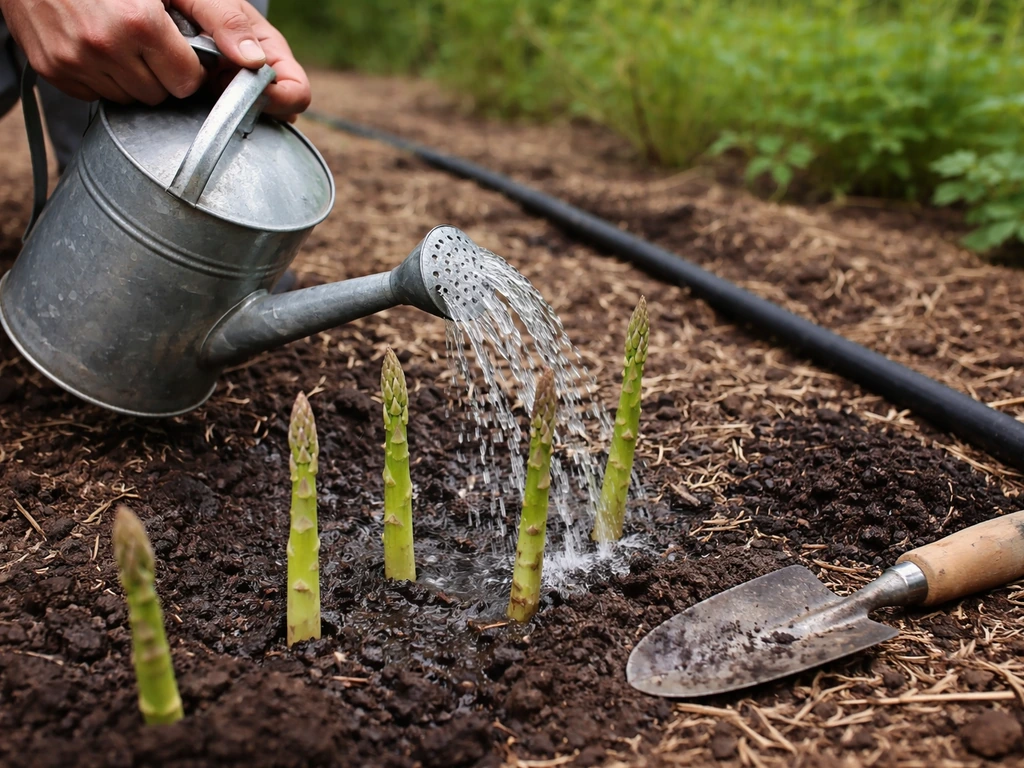
Asparagus needs consistent moisture during its first two growing seasons while the crown system expands. Aim for about 2.5 cm (1 inch) of water per week from rain or irrigation, especially through July and August. Once established (year three and beyond), asparagus is reasonably drought-tolerant, but it will reward consistent moisture with more and thicker spears in spring. Avoid overhead watering in the evening, which encourages fungal disease.
Fertilizing
Feed asparagus twice a year: once in early spring before spears emerge (a balanced fertilizer like 10-10-10 at roughly 125 g per 3 metres of row, or a good top-dressing of compost) and again in late summer after the ferns have been allowed to grow fully. The fall feeding helps the crown store energy for next spring's growth. Avoid high-nitrogen fertilizers in summer, which push lush fern growth at the expense of root storage.
Weed control
Weeds are the number one threat to a young asparagus bed. In years one and two, the emerging ferns are thin and cannot compete. Hand-weed carefully and often, because cultivating deeply around asparagus crowns damages the shallow feeder roots. A 5 to 8 cm layer of straw mulch between rows after planting suppresses weeds and retains moisture throughout the growing season. Once the bed is established, the dense fern canopy shades out most weeds naturally.
Winter mulching
After the first hard frost in fall, cut the dead ferns back to about 5 cm above ground level and apply a thick layer of straw mulch (10 to 15 cm) over the entire bed. This is especially important in Prairie provinces and anywhere with unreliable snow cover. You may be wondering about cassava next, but Canada has a much harder time meeting its warm-growing needs cassava in Canada. Remove the mulch in early spring as the soil warms so the spears can emerge freely. Leaving mulch on too long delays emergence and can trap excess moisture.
Harvesting: the timeline and how not to stunt young plants
This is where patience really pays off. In year one, do not harvest anything. Let every spear grow into a full fern. This seems frustrating, but the ferns are feeding the crown all summer, building the energy reserves that will produce thick spears for the next 20 years. In year two (if you planted from one-year crowns), take only a very light harvest: two to three weeks maximum, and only snap spears that are pencil-thick or larger. Let the rest go to fern.
By year three, you can harvest for four to six weeks. A mature, well-established bed (year four onward) can support a six to eight week harvest window each spring. Stop harvesting when the majority of new spears emerging are thinner than a pencil. At that point, let everything fern out. Cutting too long or too late in young beds is the single most common reason asparagus beds fail to thrive long-term.
Harvest spears when they are 15 to 20 cm (6 to 8 inches) tall and the tip is still tight. Snap or cut them at or just below ground level. Harvest every one to two days during warm weather because spears can go from perfect to overgrown very quickly when temperatures rise above 20°C.
| Year | Harvest guideline | What success looks like |
|---|---|---|
| Year 1 (from crowns) | No harvest | Thin ferns establish; crowns are growing roots |
| Year 2 | 2 to 3 weeks, pencil-thick spears only | A handful of spears; bed looks sparse but healthy |
| Year 3 | 4 to 6 weeks harvest window | Noticeably more and thicker spears emerge |
| Year 4+ | 6 to 8 weeks full harvest | Dense flush of spears each spring; full productivity |
Common issues in Canadian asparagus gardens
Late frost damage
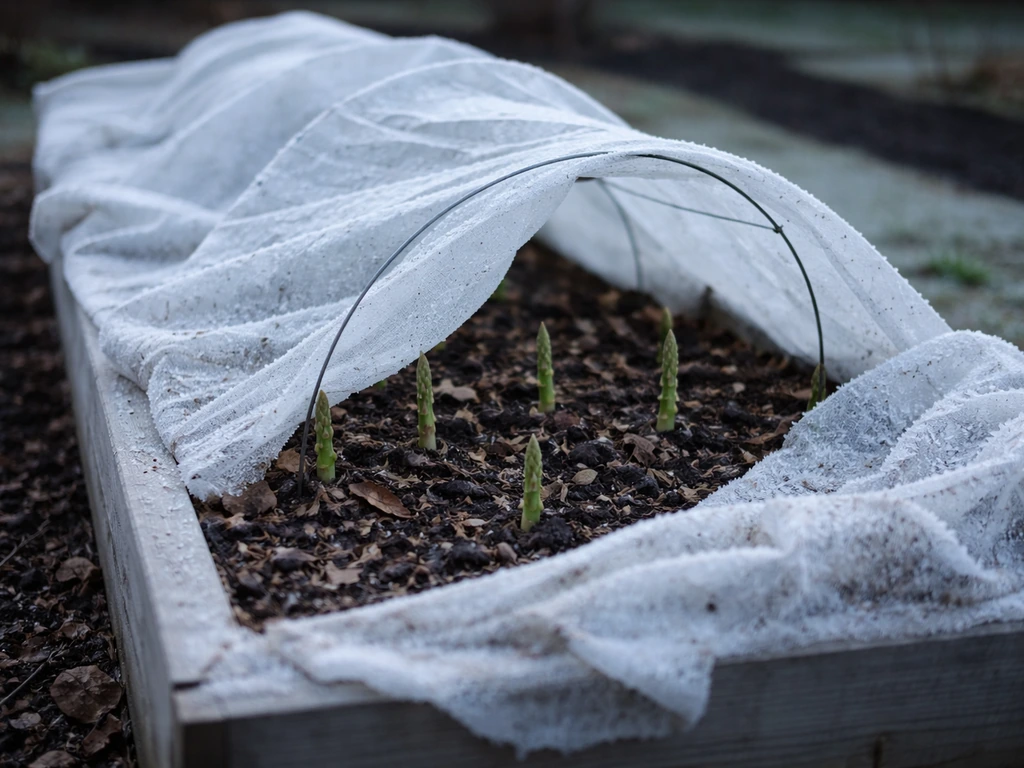
Canada's unpredictable spring weather means a late frost can nip emerged spears even in May. If a frost is forecast and spears are up, cover the bed with row covers or old bedsheets overnight. Frost-damaged spears turn mushy and brown from the tip down; remove them to encourage fresh growth from the crown. The crown itself is almost always fine, even if the visible spears are killed back.
Asparagus beetle
The asparagus beetle (both the common and spotted varieties) is the main insect pest you will encounter across Canada. Adults and larvae chew spears and ferns from late spring through summer. Hand-pick beetles and larvae in small home gardens. Neem oil or insecticidal soap can help in heavier infestations. Cutting and removing all fern material in fall eliminates overwintering sites significantly.
Fusarium crown rot
Fusarium is the most serious disease threat for asparagus in Canada, especially in heavier, poorly drained soils. It causes crown and root rot, leading to weak, spindly spears and eventual plant death. Prevention is the only practical strategy: choose resistant varieties (Jersey Knight and Millennium have good resistance), ensure excellent drainage before planting, avoid planting in areas where asparagus has grown before, and do not over-harvest young plants. There is no cure once Fusarium takes hold in a bed.
Rust and other foliar diseases
Asparagus rust appears as orange or rust-coloured pustules on ferns in mid to late summer. It is more common in humid regions like Ontario and the Maritimes. It rarely kills plants outright but weakens the crown over time if severe. Good air circulation between rows, avoiding overhead irrigation, and removing infected fern material in fall all reduce its impact. Resistant varieties are your best long-term defence.
Planning your first asparagus season by region
The practical next step is matching your planting calendar to your region. Here is a straightforward guide by Canadian climate area to help you get started.
| Region | Approx. Zone | Crown planting window | Key consideration |
|---|---|---|---|
| Coastal BC (Vancouver, Victoria) | Zone 7–8 | Late March to mid-April | Excellent conditions; drainage is the main concern |
| Interior BC and BC Okanagan | Zone 5–6 | Late April to early May | Hot dry summers need consistent irrigation |
| Southern Ontario and Quebec | Zone 5–6 | Late April to mid-May | Ideal asparagus country; watch for late frosts |
| Manitoba and Saskatchewan | Zone 3–4 | Mid to late May | Mulch heavily in fall; choose cold-hardy varieties like Millennium |
| Alberta (Calgary and Edmonton) | Zone 3–4 | Mid to late May | Short season; protect from late spring and early fall frosts |
| Atlantic Canada (NS, NB, PEI) | Zone 5–6 | Late April to mid-May | Good conditions; acidic soils may need lime |
| Newfoundland and Labrador | Zone 4–5 | Mid to late May | Proven viable with proper site selection and winter mulching |
Whatever region you are in, here is the practical checklist to kick off your first asparagus season: test and amend your soil pH to 6.5 to 7.0 this fall or early next spring; choose a cold-hardy male hybrid variety suited to your zone; order one-year-old crowns from a Canadian supplier for spring delivery; prepare your trench bed as soon as the soil is workable; plant crowns at the right depth and resist the urge to harvest in year one. You can also use these same Canadian-friendly tips to figure out where and how to grow okra successfully cold-hardy male hybrid variety suited to your zone. That is genuinely all it takes to get started.
If your outdoor space is limited, asparagus can also be tried in large containers (at least 60 cm deep and wide per plant) in milder zones, though container crowns will need to be insulated or moved to an unheated garage over winter in colder provinces. It is not the ideal setup, but it is workable in Zone 6 and warmer. If you are exploring what else grows well in Canadian climates, many growers wondering about asparagus are also curious about other perennial or warm-season crops like okra or plants that push the edges of what is typically cold-hardy in Canada. Aloe vera can also be grown in Canada, but it usually needs a warm, bright indoor spot or careful seasonal protection to survive the winter can you grow aloe vera in canada.
The bottom line is this: asparagus is not a gamble in Canada. It is a genuinely reliable, long-lived perennial crop that suits the Canadian climate far better than most people expect. If you are also wondering can you grow agave in Canada, the main factor is whether you can provide the warmth it needs during the winter. Get the site right, plant good crowns in well-prepped soil, protect them through winter, and leave them alone for the first couple of seasons. What you get in return is two-plus decades of the best asparagus you have ever eaten, coming up every May without replanting.
FAQ
If I grow asparagus from seed in Canada, how much longer will it take than planting crowns?
In most Canadian gardens, buying one-year-old crowns is the fastest route to a productive bed. If you start from seed, you should expect an added delay because you still need time to build a strong crown, and you must start indoors about 12 to 14 weeks before the last frost, then transplant carefully without disturbing roots.
What should I do if a late frost hits my asparagus spears in spring?
If the crowns were planted at the right depth and you keep moisture steady in the first two seasons, a late spring frost usually only damages the emerged spears. After a frost, remove the brown or mushy spears, then let the ferns rebuild through summer rather than harvesting or cutting early.
Can I grow asparagus in Canada if my soil is clay or stays wet?
Yes, but avoid common failure points: heavy shade reduces spear quality, and poor drainage raises Fusarium risk. If your garden is naturally wet or sits in a frost pocket, a raised bed is the most practical fix (and it is better than hoping mulch or fertilizer will solve the problem).
Is drip irrigation necessary for asparagus in Canada, or is sprinkling okay?
Overhead watering in the evening can increase rust and other fungal issues, and frequent late-season wetness can stress crowns. Use drip irrigation or water at ground level early in the day, and focus irrigation on the first two growing seasons for reliable establishment.
What’s the best way to control asparagus beetles at home in Canada?
Asparagus beetles are often manageable in home gardens by hand-picking, especially early in the infestation. If you use neem oil or insecticidal soap, apply when beetles are actively on the plants, and target ferns and spears regularly through the period they chew, since one-off spraying rarely breaks the cycle.
Can I harvest any asparagus in year two, and how do I know when to stop?
You generally should not harvest like a mature bed in years one or two. A lightweight harvest in year two is okay only when spears are pencil-thick or larger, then stop as soon as most new spears thin out, because cutting too long is a common cause of weak crowns later.
Can you grow asparagus in containers in Canada, and what changes for winter?
Yes, but they must be insulated or protected because container soil freezes more deeply than ground soil. Use very large containers, keep consistent moisture while actively growing, and move to an unheated garage or insulate thoroughly over winter in colder provinces.
Is it okay to replant asparagus in the same spot if my old bed is failing?
For long-lived beds, rotating to a different spot is critical to reduce Fusarium pressure. If asparagus has grown in the area before, avoid replanting there, and do not assume drainage alone makes it safe.
Does asparagus rust kill plants, and how should I handle it when I first notice it?
If you see orange rust pustules on ferns, you usually cannot reverse the damage instantly. The practical approach is prevention going forward (airflow, no overhead watering, remove infected fern material in fall) so the crown does not weaken repeatedly over multiple seasons.
How can I reduce the impact of repeated spring freezes on new spears?
If spears are repeatedly killed by spring frosts, you can protect emerging growth overnight with row covers or old sheets, then remove the cover in the morning. Also consider selecting a slightly raised or south-facing site to reduce cold air pooling and improve how quickly the soil warms up.
Next Articles
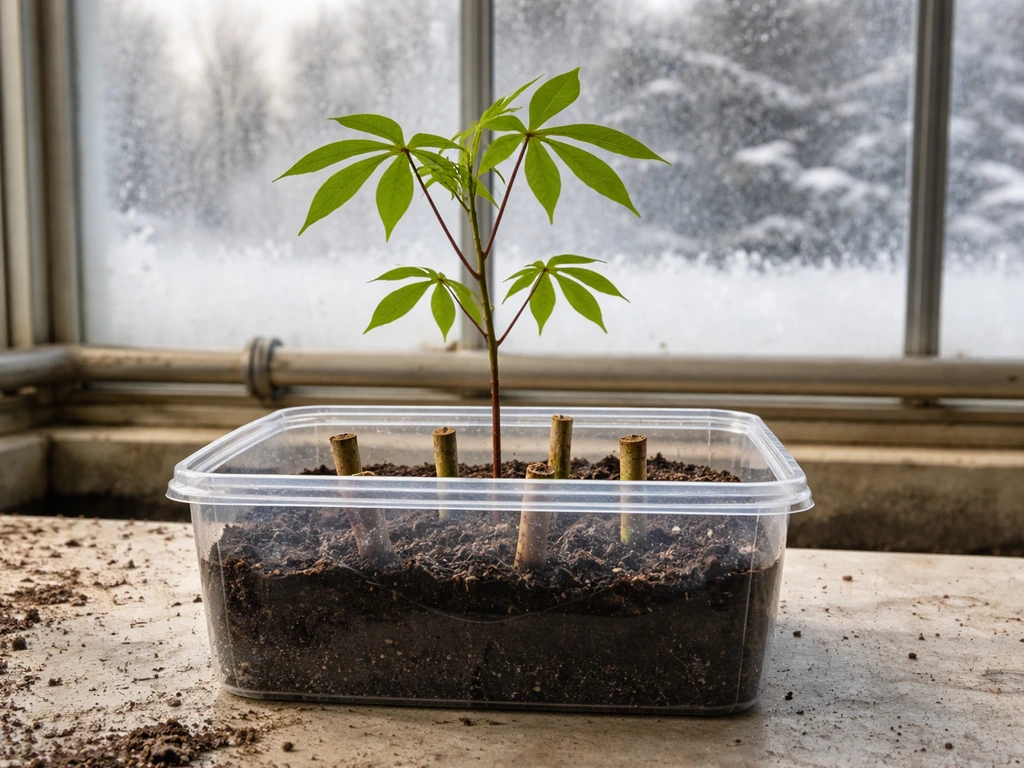
Can You Grow Cassava in Canada? Feasibility and Steps
Learn if you can grow cassava in Canada, where it works, and step-by-step greenhouse or container growing for harvest.
Can You Grow Kumquats in Canada? Regions, Methods & Tips
Can you grow kumquats in Canada? Region-by-region guide, practical steps, cultivars, and winter protection.
Can You Grow Hops in Canada? A Region-Aware Grower's Playbook
Grow hops in Canada: province-by-province hardiness, best varieties, planting, care, overwintering, pests, harvest.