
Yes, you can grow okra in Colorado, but you need to be realistic about where you live and how much work you're willing to put in. On the Front Range and in the lower-elevation areas of eastern Colorado, okra is genuinely doable with a head start indoors and some heat management. At higher elevations (above roughly 6,500–7,000 feet), the season is just too short and the nights too cold for okra to reliably produce pods before frost shuts everything down.
Can You Grow Okra in Colorado? How to Grow It Successfully
Marcus Holloway
8 Jun 2026
Is okra actually feasible in Colorado?
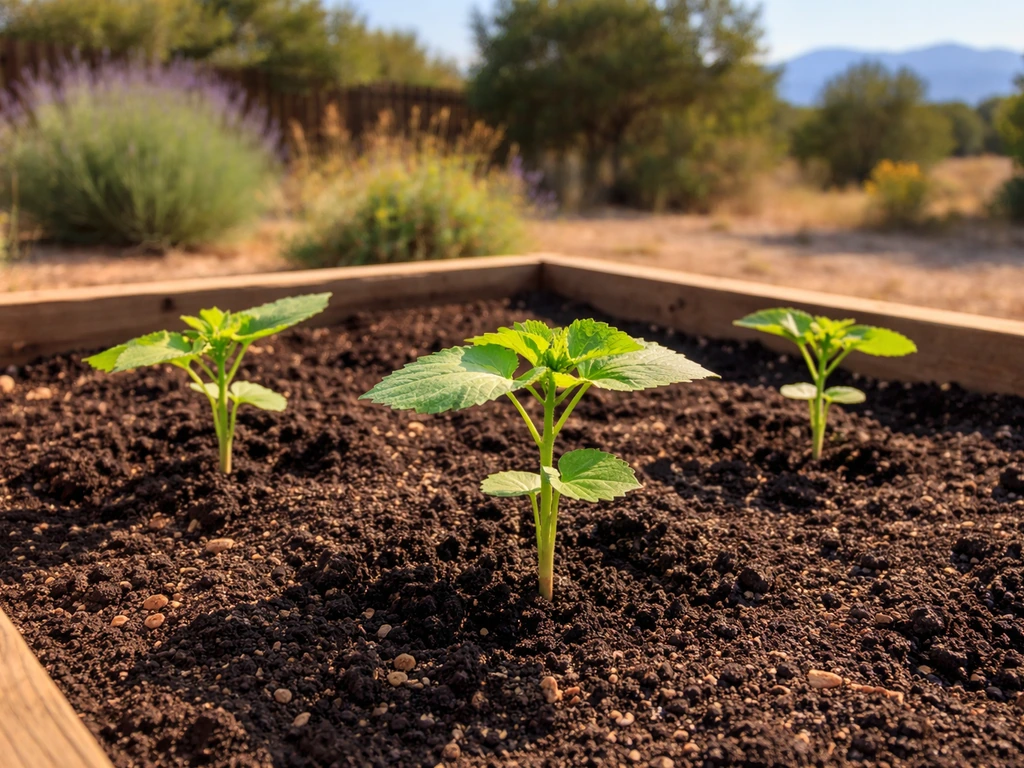
Okra is a heat-loving crop native to subtropical climates. It needs long, hot days to grow, flower, and set pods. In Colorado, feasibility depends almost entirely on your elevation and your local frost window. The Front Range corridor (Denver, Pueblo, Colorado Springs, Fort Collins) sits at roughly 5,000–5,500 feet and gets enough warm summer days to pull it off. Pueblo, in particular, runs hot enough in summer that okra thrives with minimal babying. Denver and Fort Collins are workable but require starting seeds indoors and using every heat trick you have.
Once you climb above 6,500 feet, the math gets grim. CSU Extension notes that high-elevation Colorado often doesn't accumulate enough growing degree units (the heat units okra needs to produce) for warm-season crops like okra to succeed. CSU Extension explains that high-elevation Colorado often does not accumulate enough growing degree units (heat units) to support warm-season crops like okra high-elevation Colorado often doesn't accumulate enough growing degree units (the heat units okra needs). If you're in mountain communities like Breckenridge, Steamboat Springs, or Telluride, okra isn't worth planting outdoors. You'd be fighting the clock from day one and likely lose.
Eastern Colorado plains communities at lower elevations are in decent shape too. The growing season is longer, heat accumulates well, and frost dates allow a reasonable production window if you start seeds on time.
What Colorado's climate actually means for okra
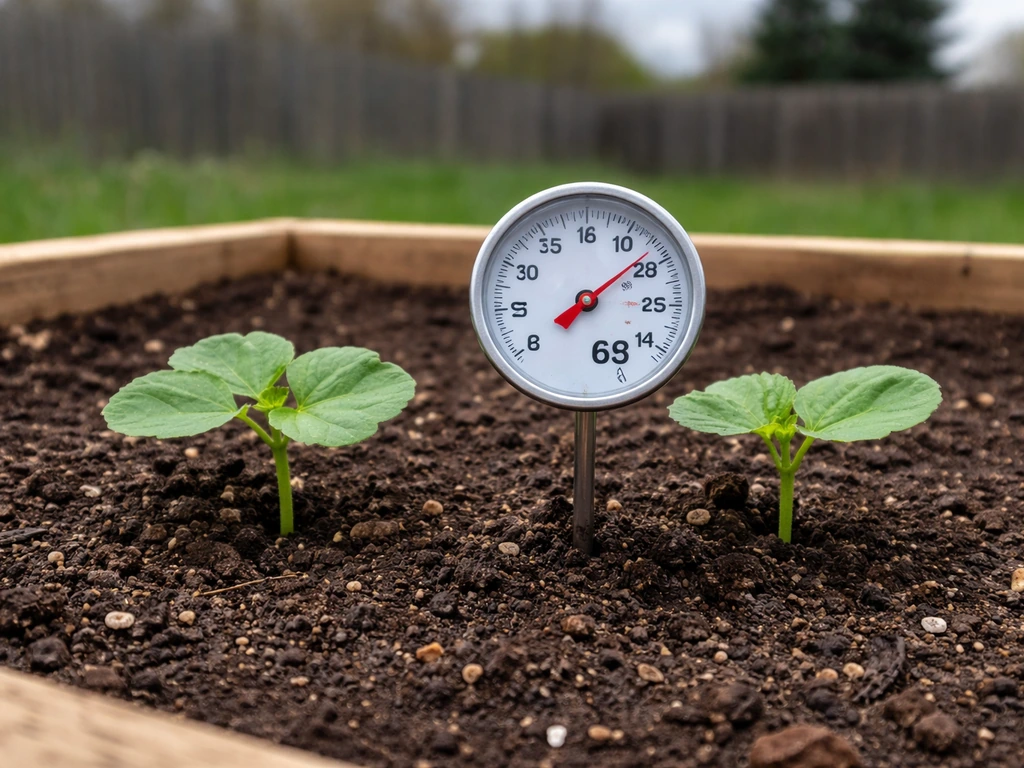
Okra wants soil temperatures above 65°F before germination and really doesn't get going until air temps are consistently above 75–80°F. It stops growing and starts suffering when nighttime temps dip below 50°F. That last point matters a lot in Colorado, where cool nights persist well into late May and again arrive by late August at higher elevations.
Frost timing is the other constraint. On the Front Range, the average last spring frost falls somewhere between late April and mid-May depending on your specific location. The average first fall frost typically arrives in late September to early October at Denver-area elevations.
PlantMaps climate data for Colorado also provides an average first frost date map that shows how that timing varies by location and elevation [average first fall frost typically arrives in late September to early October at Denver-area elevations](https://www. plantmaps. com/www. plantmaps.
com/climate-maps-and-data/en/us/ff/state/colorado/average-first-frost-dates-map). That gives you a frost-free window of roughly 140–160 days in the best Front Range areas. Okra varieties typically take 50–65 days from transplant to first harvest, so the math works if you start early and transplant out on schedule. At higher elevations, first frost can come as early as mid-September or even late August, which compresses that window dangerously.
NOAA data confirms that Colorado's first freeze generally falls in the September through November range depending on location, and for mountain areas the early end of that range is very real.
| Location | Elevation (approx.) | Avg. Last Spring Frost | Avg. First Fall Frost | Okra Feasibility |
|---|---|---|---|---|
| Pueblo | 4,700 ft | Late April | Mid-October | Very good |
| Denver / Aurora | 5,280 ft | Early May | Late September–Early October | Good with indoor start |
| Fort Collins | 5,000 ft | Early May | Late September | Good with indoor start |
| Colorado Springs | 6,000 ft | Early May | Late September | Workable, push heat |
| Grand Junction | 4,600 ft | Late April | Mid-October | Very good |
| Above 7,000 ft (mountain towns) | 7,000+ ft | Late May–June | Late August–September | Not recommended |
Planting plan for Colorado: timing and starting strategy
Starting okra indoors is the right call for most of Colorado. Direct sowing outdoors works in Pueblo and Grand Junction where the season is long and warm, but everywhere else you're giving up precious weeks waiting for soil to warm enough for seeds to germinate. The goal is to have sturdy transplants ready to go out when nighttime temps are reliably above 55°F and the soil is above 65°F.
Indoor start timing
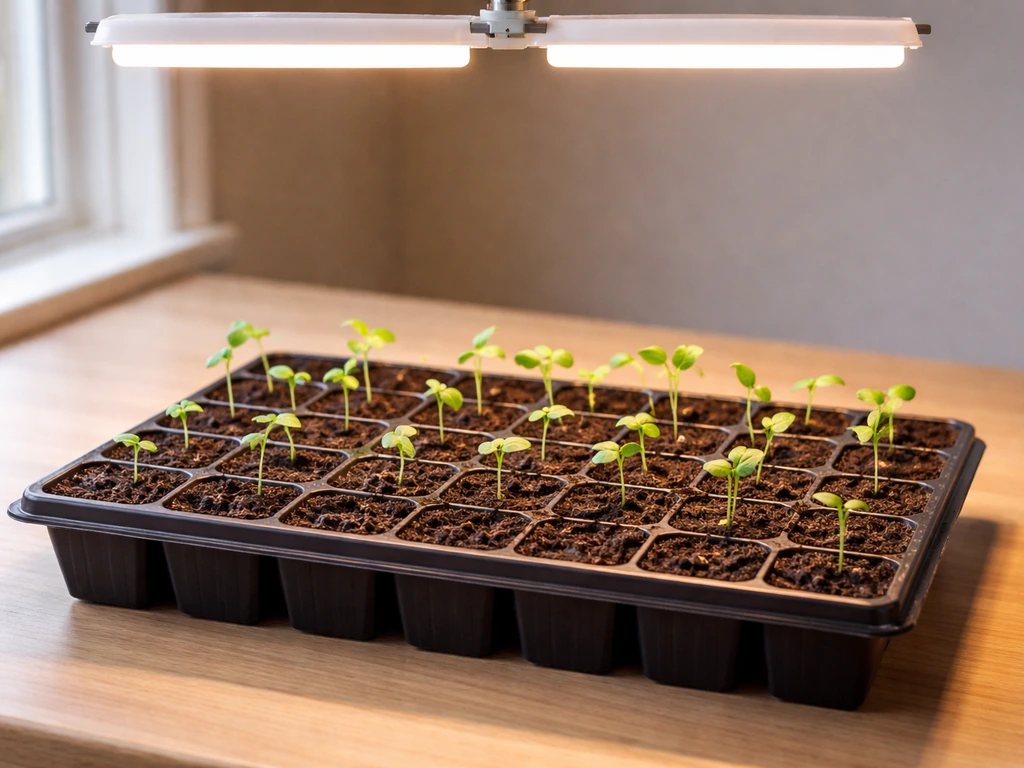
- Start seeds indoors 4–6 weeks before your intended transplant date. For Denver and Fort Collins, that means starting seeds in late March to early April. For Pueblo and Grand Junction, mid-March works.
- Soak seeds in warm water for 12–24 hours before planting to soften the hard seed coat and speed germination.
- Sow into 3–4 inch pots (okra hates root disturbance, so avoid tiny cells you'll have to repot). Use a warm seed-starting mix and keep the medium at 70–85°F for best germination.
- Once sprouted, give plants as much light as possible. A sunny south-facing window works but a grow light for 14–16 hours daily produces sturdier transplants.
- Harden off plants over 7–10 days before transplanting outdoors.
Transplanting and direct-sow outdoors
Transplant outdoors after your last frost date has passed and nighttime temps are consistently above 55°F. For Denver, that's typically mid to late May. For Pueblo and Grand Junction, you can push to early May. Handle transplants carefully because okra roots are sensitive. Plant at the same depth as the nursery pot, water in well, and protect with row cover for the first week if nights are still cool.
Direct sowing outdoors is viable in Pueblo, Grand Junction, and the eastern plains if soil temps are at or above 65°F. Sow seeds 1 inch deep and 6 inches apart, then thin to 12–18 inches once seedlings are a few inches tall. Direct-sown plants establish more robust taproots but lose 3–4 weeks compared to transplants.
Variety selection matters here. For shorter Colorado seasons, look for faster-maturing varieties like Clemson Spineless (55–60 days), Jambalaya (50–55 days), or Annie Oakley II (around 52 days). Avoid heirloom varieties that take 70+ days unless you're in Pueblo or Grand Junction with a long, hot season.
Site, soil, and fertilizing for the best results
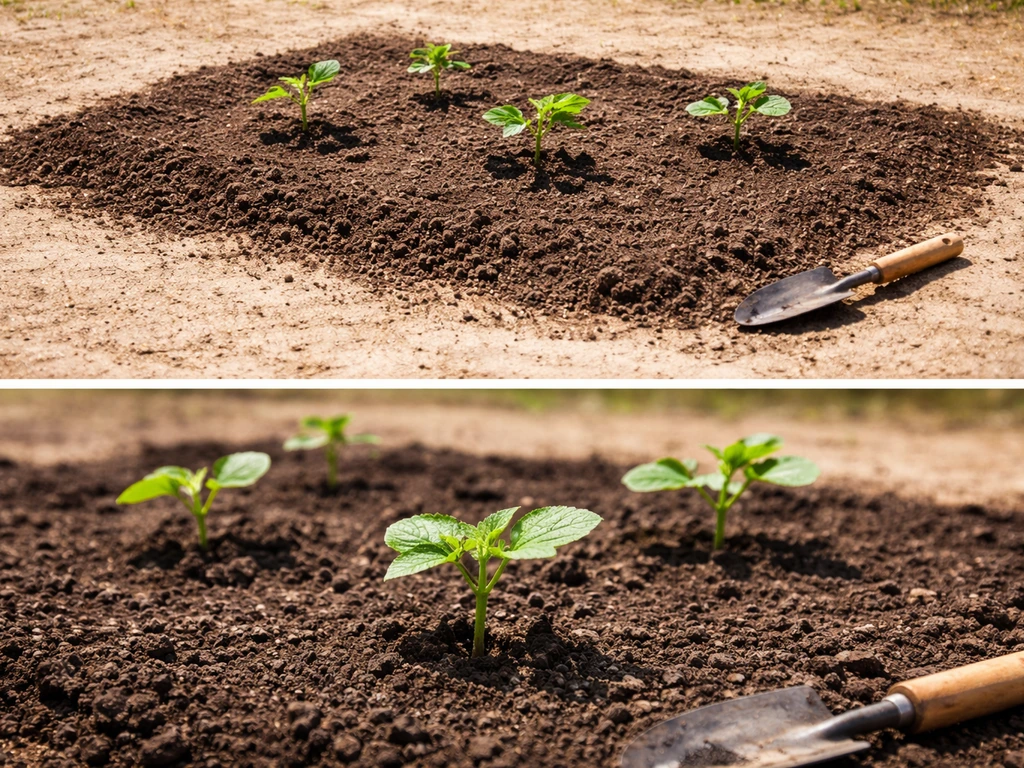
Okra needs full sun, and in Colorado that means at least 8 hours of direct sunlight daily with no shade from buildings, fences, or trees. In Denver and higher-elevation locations, think about using a south or southeast-facing wall as a reflective heat sink. Planting okra along a south-facing fence or house wall adds real warmth, both through reflected sunlight and radiated heat at night. This small microclimate advantage can be the difference between a good harvest and a frustrating one.
Colorado soils range from heavy clay on the Front Range to sandy loam in the eastern plains. Okra prefers well-draining, loamy soil with a pH between 6.0 and 6.8. Clay soils hold too much moisture and stay cold longer in spring, which delays establishment. Amend heavy clay beds with several inches of compost worked 12 inches deep before planting. Raised beds heat up faster and drain better, which is genuinely worth the effort if you're in Denver or Fort Collins.
Fertilizing: okra is a moderate feeder. Work a balanced granular fertilizer (something like 10-10-10 or a comparable slow-release product) into the soil at planting time. Once plants start flowering, a side dressing of a lower-nitrogen fertilizer or a dose of balanced liquid fertilizer every 3–4 weeks keeps production going. Too much nitrogen pushes lush foliage at the expense of pods, so don't overdo it.
Caring for okra through Colorado's summer
Watering
Once established, okra is reasonably drought-tolerant, but Colorado's low humidity and intense summer sun mean consistent watering matters more here than in humid states. Aim for about 1 inch of water per week, delivered deeply and less frequently rather than shallow daily sprinkles. This encourages deep rooting and drought resilience. During heat waves (which hit the Front Range regularly in July), you may need to water twice a week. Watch for wilting in the early afternoon heat; some wilting is normal during peak heat, but if plants don't recover by evening, they need water.
Mulching
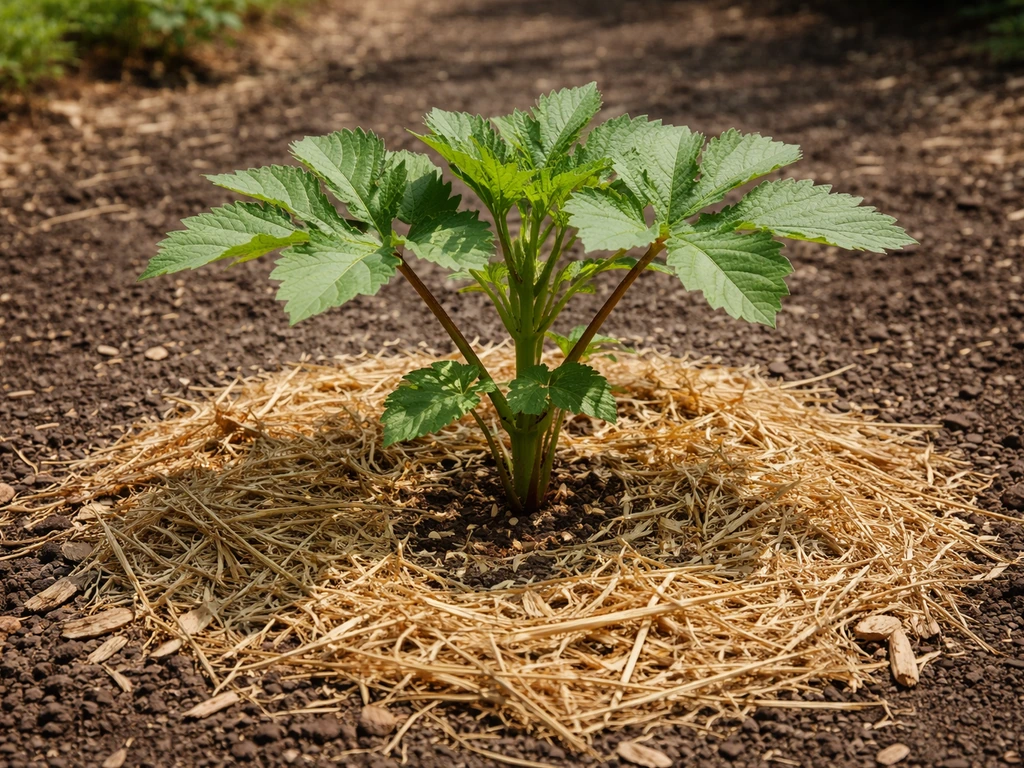
Mulch is your best friend with Colorado okra. A 3–4 inch layer of straw or wood chips around plants retains soil moisture, moderates soil temperature, and suppresses weeds. Apply mulch after the soil has warmed up in late May or early June. Don't apply it too early in the season or you'll slow down soil warming, which is the opposite of what you want.
Support and plant management
Okra can grow 4–6 feet tall in a good season. In Colorado's windy conditions (especially on the Front Range and plains), staking plants once they pass 3 feet is smart. A simple stake and soft tie prevents stems from snapping during afternoon thunderstorms. Space plants 12–18 inches apart in rows 3 feet apart. Closer spacing is tempting but restricts airflow and slows heat accumulation around each plant.
Extending the season with row cover and low tunnels
If you're in a marginal area (upper Denver suburbs, Colorado Springs, or anywhere above 6,000 feet where you're pushing the limits), row cover and low tunnels are practical tools. Use floating row cover (1.5–2 oz weight) at the start and end of the season to capture heat and protect from surprise late spring or early fall frosts. Low tunnels with wire hoops and clear plastic or heavy row cover can push your effective growing season 2–4 weeks in both directions. When a frost is forecast in late September, throw row cover over your plants overnight and you'll often salvage another week or two of pod production.
Pests, diseases, and what to watch for in Colorado
Colorado's semi-arid climate actually reduces some common okra disease pressure compared to humid states. Fungal issues like powdery mildew and root rot are possible but less aggressive here than in the southeast. That said, there are a few things worth watching.
- Aphids: The most common okra pest in Colorado. They cluster on new growth and undersides of leaves. Knock them off with a strong stream of water or use insecticidal soap. Beneficial insects (ladybugs, lacewings) often take care of them if you avoid broad-spectrum pesticides.
- Corn earworm / bollworm: These caterpillars occasionally attack okra pods in eastern Colorado. Check pods regularly and handpick larvae. Bt (Bacillus thuringiensis) spray is an effective organic option.
- Stink bugs: Brown marmorated stink bugs are increasingly present on the Front Range and can damage okra pods, causing discoloration and dimpling. Handpicking in the morning when they're sluggish is the most practical control.
- Powdery mildew: Can appear late in the season when nights cool and humidity picks up in August. Improve airflow between plants, avoid overhead watering, and remove affected leaves promptly. Neem oil or a baking soda spray helps slow it down.
- Root rot: Only a real risk in heavy, waterlogged clay soils. Good drainage (amended beds or raised beds) prevents it entirely.
- Flea beetles: Small jumping beetles that create tiny holes in leaves. Serious infestations on young transplants can stunt growth. Row cover early in the season excludes them. Diatomaceous earth at the base of plants helps too.
Harvesting okra and working around a short season
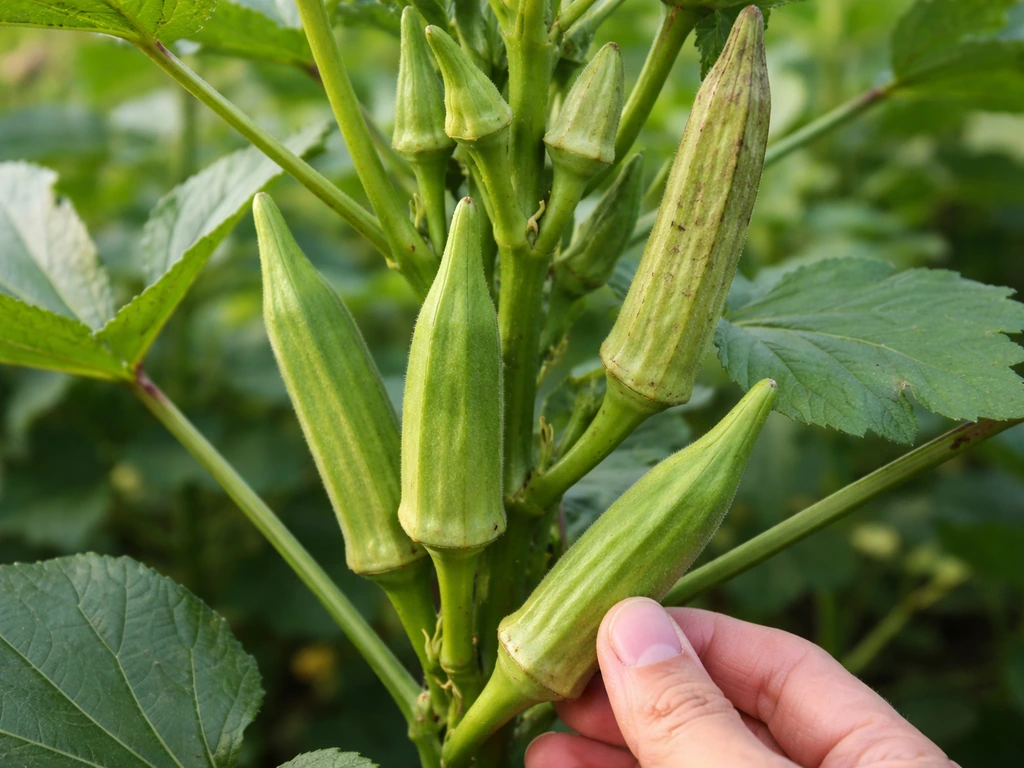
Once okra starts producing, it moves fast. Pods go from perfect to overripe and woody in 3–5 days, especially in hot weather. Harvest pods when they're 3–4 inches long (some varieties do well at up to 5 inches). Check plants every 2 days once production starts. Leaving overripe pods on the plant signals it to slow production, so keep picking even if you have more than you can use. Give extras to neighbors or freeze them.
On the Front Range, expect your first pods somewhere in late July to early August if you transplanted in mid-May and used a fast-maturing variety. That gives you roughly 6–8 weeks of production before frost risks climb in late September. In Pueblo and Grand Junction, you can realistically harvest from mid-July through mid-October.
If your season ends before you're ready
When the first fall frost is forecast and you still have green pods developing, you have options. Row cover thrown over plants the night before a light frost will often protect them. If a harder freeze is coming (below 28°F), harvest all pods that are at least 2 inches long. Underripe pods won't mature off the plant, but mature pods can be used fresh or frozen. You can also try cutting the main stalk back by about a third after the first harvest flush to encourage a secondary flush of pods before cold arrives.
If you're consistently finding that frost kills your plants before you get a real harvest, the practical fix is to start seeds 2 weeks earlier indoors and use black plastic mulch to pre-warm your soil before transplanting. Black plastic laid over the bed 2–3 weeks before planting can raise soil temperature by 10°F or more, which makes a genuine difference in getting okra established and producing faster.
Your next steps if you want to try okra this season
If it's currently spring or early summer and you're on the Front Range, you likely still have time to get transplants in the ground. If you're also wondering whether you can grow lentils in Michigan, the key is matching the crop to Michigan's cool-season window and soil conditions can you grow lentils in Michigan. Check your local last frost date, confirm nighttime temps are holding above 55°F, and get transplants in as soon as possible. Every week matters with a short-season crop. If you're reading this in late June, it's still worth trying in Pueblo and Grand Junction and in hot Denver microclimates, but the window is tighter. Look for the fastest-maturing varieties you can find and transplant immediately.
If you're above 7,000 feet, honestly, put your energy into cold-hardy crops this year. Okra isn't going to reward you. But if you're determined, a greenhouse or high tunnel is the only reliable path to pod production at those elevations.
Growing okra in Colorado is a similar challenge to growing it in other northern states with short seasons, so many of the same strategies that work for growing okra in Michigan or growing okra in Washington State apply here too: fast varieties, indoor starts, microclimate optimization, and row cover when frost threatens.
Growing okra in Michigan is a similar challenge to Colorado’s short season, but you can improve your odds with indoor starts, fast varieties, and careful frost protection.
FAQ
How do I know when to take row cover off okra in Colorado? (and when to put it back on)
Use your local forecast and a simple rule: if nighttime temps are forecast to stay above about 55°F, keep okra uncovered. If a cold snap is expected, cover overnight with row cover or a low tunnel, remove in the morning once temps rise, and avoid sealing plants in warm afternoon sun so they do not overheat.
Can I grow okra in a greenhouse or high tunnel in Colorado, especially at higher elevations?
Yes, but only with the right setup. Space and airflow still matter, and you’ll need to ensure strong heat in the greenhouse, especially night temperatures. Without enough night warmth, okra may flower but still fail to set pods before fall cools arrive.
My okra pods get woody fast. What’s the most likely mistake and how can I adjust?
Plan to harvest more often than you think. In hot weather, pods can go from usable to woody in as little as a few days, so set a schedule to check every 2 days once you see pods starting.
What should I do if my okra grows lots of leaves but doesn’t set pods?
Okra that is tall but slow to produce pods is often nitrogen-heavy or too cool at night. Cut back on extra nitrogen after flowering begins, and prioritize warmth (soil warming, and protection from cool nights) because okra will not reliably set pods when nights dip below roughly 50°F.
Should I mulch right after planting or wait in Colorado?
Mulch can be great, but timing matters. Wait until soil has warmed (late May to early June in most Front Range situations). Early mulching can trap cold soil and delay germination or transplant recovery, which costs you critical weeks.
How can I avoid overwatering okra in Colorado clay soil?
Too much water and poor drainage are common in heavy clay. Water deeply less often, aim for about 1 inch per week, and make sure the bed drains well. If plants stay wet or look yellow and stunted, reassess drainage before adding more fertilizer.
Does black plastic really help, and what are the downsides to watch for?
Black plastic can help, but only if you control moisture and timing. Lay it a few weeks before transplanting to warm the soil, then keep an eye on dryness under the plastic and water through planned access points. Remove or vent if temps spike and plants start actively growing under cover.
Can harvesting too often reduce my okra yield?
Overharvesting is usually not the problem, underharvesting is. Leave no long gaps during peak production, because letting pods overrun can signal the plant to slow new pod formation. Harvest every 2 days once pods begin.
My first frost is coming early. What’s the best rescue plan if pods are still small?
If you’re losing plants to early frost, you have two practical levers: start earlier and extend the season. Start seeds about 2 weeks earlier indoors when possible, then use low tunnels or row cover overnight for light frosts, and harvest any pods that reach at least about 2 inches before a harder freeze.
Why did my direct-sown okra fail or stall in the first few weeks?
If a seedling emerges and then stalls, temperature is usually the cause. Okra needs warm soil (around 65°F or higher for germination), and cool nights can slow growth dramatically. For direct sowing, only sow when soil temps are reliably warm, otherwise switch to indoor starts and transplant.
Is container gardening okra in Colorado realistic, and what changes compared to planting in the ground?
Yes, but only if you can provide enough heat and light. Containers warm quickly and drain well, which helps in Colorado. Still, okra is vigorous and may need frequent watering during hot stretches, plus regular feeding once it starts flowering.
Next Articles
Can You Grow Brussel Sprouts in Michigan? How To
Grow Brussels sprouts in Michigan with a step-by-step plan on timing, varieties, soil, pests, and harvest protection.
Can You Grow Okra in Michigan? Planting Plan and Tips
Yes, grow okra in Michigan with heat tricks: timing, starting indoors, warm microclimates, soil prep, and pest care.
Can You Grow Agave in Canada? Zone Guide & Growing Tips
Can you grow agave in Canada? Practical region-by-region guide, hardy species, container tips & winter care.