
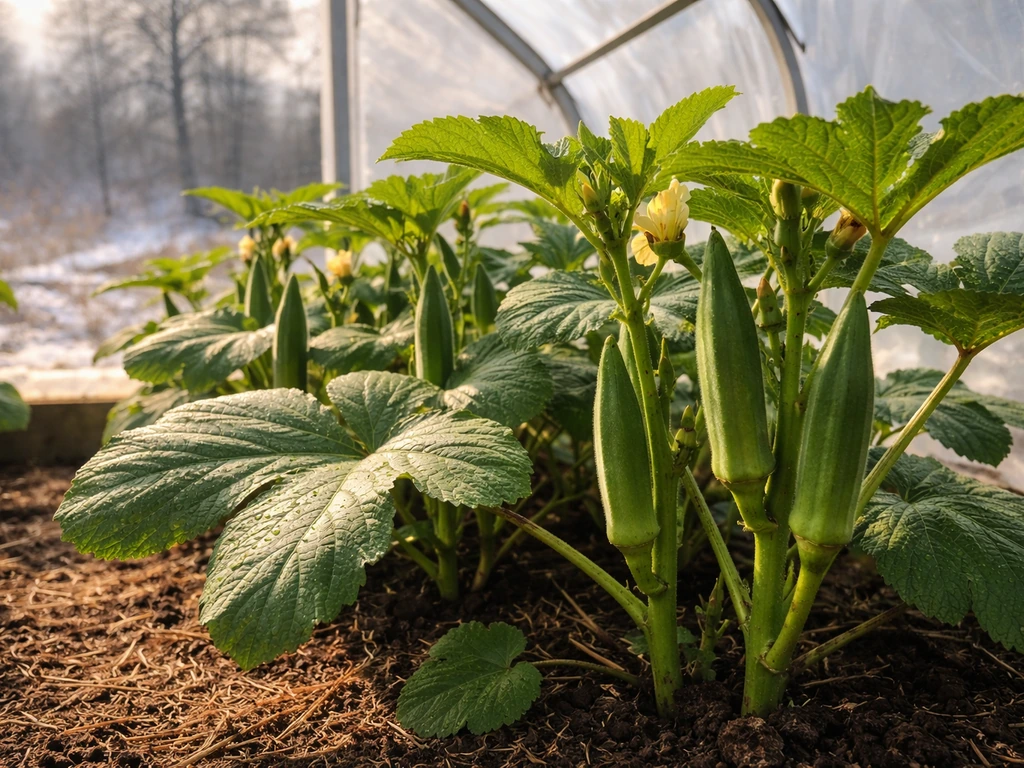
You can grow okra in Washington State, but you need to go in with realistic expectations. Eastern Washington and the warmer inland valleys give you the best shot at a real harvest. Western Washington and the coast are much harder: okra is a tropical plant that genuinely needs heat, and the cool, overcast summers of the Puget Sound region work against you at nearly every stage. That said, with the right variety, an early indoor start, and some season-extension tricks, even coastal WA gardeners can pull it off in a good year.
Can You Grow Okra in Washington State? Yes, With Heat
Marcus Holloway
11 Jul 2026
The honest yes/no for Washington State
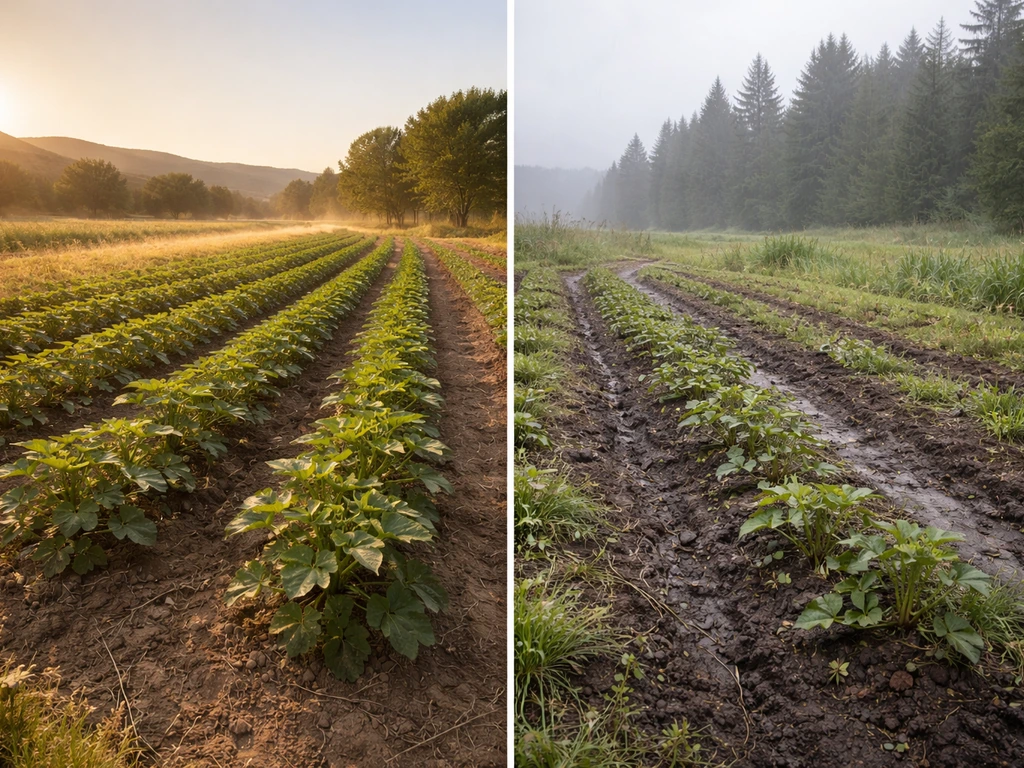
Yes for Eastern Washington. Cities like Kennewick, Richland, Yakima, and Walla Walla get hot, dry summers that okra genuinely loves. You can expect reliable flowering and pod production there without heroic effort. Yes with effort for the Columbia River Gorge area and sheltered inland spots west of the Cascades. No without serious intervention for the rainy, overcast coastal zones and marine-influenced areas like most of the Puget Sound corridor. WSU Extension is direct about this: okra is the warm-temperature crop that requires the most warmth to be productive, and in cooler parts of the state it will need plastic-covered tunnels or a greenhouse. One Pacific Northwest gardener summed it up well: okra needs mid-60s night temperatures and roughly 60 to 90 consecutive days of those conditions to flower and set fruit reliably. Seattle and the coast rarely deliver that without help.
Best varieties for Washington conditions
Variety selection matters a lot in a marginal climate. You want the shortest days-to-maturity you can find, because every day counts in a cool summer. Here are the varieties worth planting in WA:
| Variety | Days to Maturity | Why It Works for WA |
|---|---|---|
| Clemson Spineless 80 | ~55 days | Classic open-pollinated standard, widely available, reliable producer in warm years |
| Burgundy | ~60 days | Red-podded heirloom with slightly more ornamental appeal; performs well in warm sites |
| Jing Orange | ~55–60 days | Compact plant, heirloom type suited to shorter seasons and container culture |
| Annie Oakley II (hybrid) | ~48–52 days | One of the earliest maturing hybrids; best pick for short-season inland WA or marginal coastal spots |
Avoid any variety listed at 70 days or more unless you are in the Tri-Cities or Yakima areas with a reliably long warm season. The shorter the days-to-maturity, the more buffer you have against an early autumn cooldown. Early maturing hybrids like Annie Oakley II are worth the extra seed cost in the Puget Sound region.
Timing and starting okra in Washington
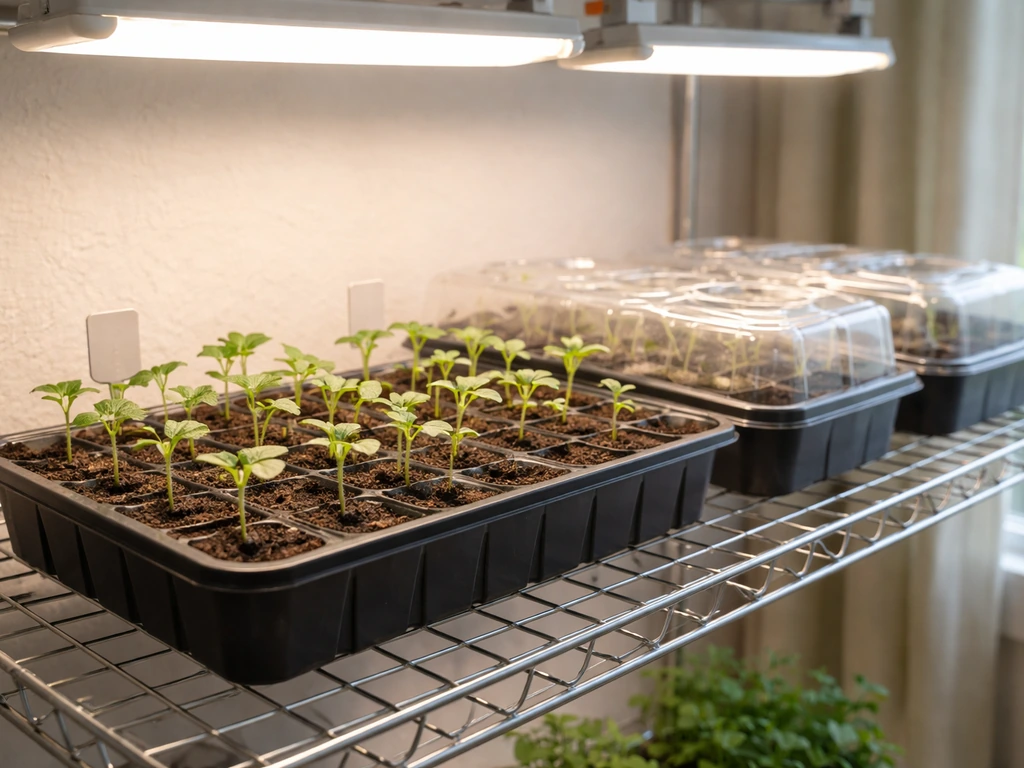
Do not direct sow okra in Western Washington or any short-season part of the state. Start seeds indoors instead, 4 to 6 weeks before your last frost date. Okra has an optimum soil germination temperature of 85 to 95 degrees F and a minimum of 60 degrees F, so use a heat mat for germination indoors. WSU Extension recommends a seed-for-transplant approach starting in early June for outdoor planting, but if you start indoors in late March or early April, you can have sturdy transplants ready to go out in late May or early June once conditions are right.
Frost date benchmarks matter here. In the Seattle area and Puget Sound, last frost dates typically fall somewhere between late March and mid-May depending on your exact location and year. Eastern Washington, especially at lower elevations, tends to see last frosts in late April. Wait until soil temperature at 3 to 4 inches deep reads at least 70 to 75 degrees F before transplanting out. Oklahoma State University Extension notes that uniform okra establishment is nearly impossible below 70 degrees F soil temperature, and planting into cold soil just stunts or kills transplants. Measure with a soil thermometer rather than guessing by the calendar.
- Eastern WA (Kennewick, Yakima, Walla Walla): Start seeds indoors early April, transplant out late May when soil hits 70°F+
- Western WA / Puget Sound: Start seeds indoors late March to early April, transplant under row cover or into a cloche in late May to early June
- Coastal and marine-influenced zones: Start seeds indoors by late March, plan to grow under cover for most of the season
- Soak seeds overnight before sowing to speed germination; okra seed coats are tough
One timing note that catches people off guard: okra can be slow to flower if planted too late in the season due to day-length sensitivity in some varieties. Getting plants established by early June rather than mid-June is worth prioritizing in marginal climates.
Site setup: heat, sun, soil, and containers
Okra needs full sun, meaning at least 8 hours of direct sunlight daily, and it needs a site that holds heat. In Western Washington, the south-facing wall of a house or fence is your best friend. That reflected heat can push ambient temperatures a few degrees warmer than an open bed and often makes the difference between a plant that flowers and one that just sits there growing leaves. In Eastern Washington, any full-sun spot works, but avoid low-lying frost pockets.
Soil should be well-draining and fertile. Loosen it to about 12 inches, work in compost, and aim for a slightly acidic to neutral pH around 6.0 to 6.8. Washington summers are quite dry east of the Cascades, and WSU Extension notes that vegetable gardens typically need irrigation from May through September statewide. If you are comparing crops beyond okra, you may wonder can you grow lentils in Michigan, since lentils have their own temperature and soil needs. Okra tolerates short dry spells better than most vegetables, but consistent moisture during pod development improves yield. Deep, infrequent watering is better than frequent shallow watering.
Container growing is genuinely worth considering in the Puget Sound area. A large dark-colored container (at least 5 gallons, 10 gallons is better per plant) absorbs solar heat, warms the root zone faster, and can be repositioned to chase the sun or move against a warm wall. Just know containers dry out faster, so you will need to water more often and fertilize regularly through the season.
Pests, disease, and the cooler-climate problems to watch for
Okra in Washington is more likely to struggle from cold stress than from pest pressure, but there are a few things to watch. Aphids and corn earworm can show up, especially in Eastern Washington. Standard IPM practices apply: inspect plants regularly, use row cover early to exclude insects (removing when plants need pollination), and tolerate low populations of beneficials doing their job. WSU Extension frames IPM around cultural and environmental practices that keep plants healthier rather than relying on sprays, which is exactly the right approach for okra.
The more serious disease risk in the Pacific Northwest is Verticillium wilt. Washington's soils can carry this fungus, and okra (Abelmoschus esculentus) is a listed host. The Pacific Northwest Pest Management Handbooks are blunt about it: there are no curative measures once a plant is infected. Management is entirely preventive. Rotate okra to a different bed every year, avoid planting where nightshades or strawberries recently grew (common Verticillium hosts), and improve soil drainage. If you see wilting and yellowing that progresses up the plant during warm weather, pull and dispose of the plant rather than composting it.
The most common non-disease problem you will encounter in WA is simply slow or stalled growth from insufficient heat. If your okra sits at the same size for weeks, the soil is too cold or air temperatures are not getting warm enough during the day. This is where the season-extension tools in the next section earn their keep.
What to expect at harvest: timing and yields
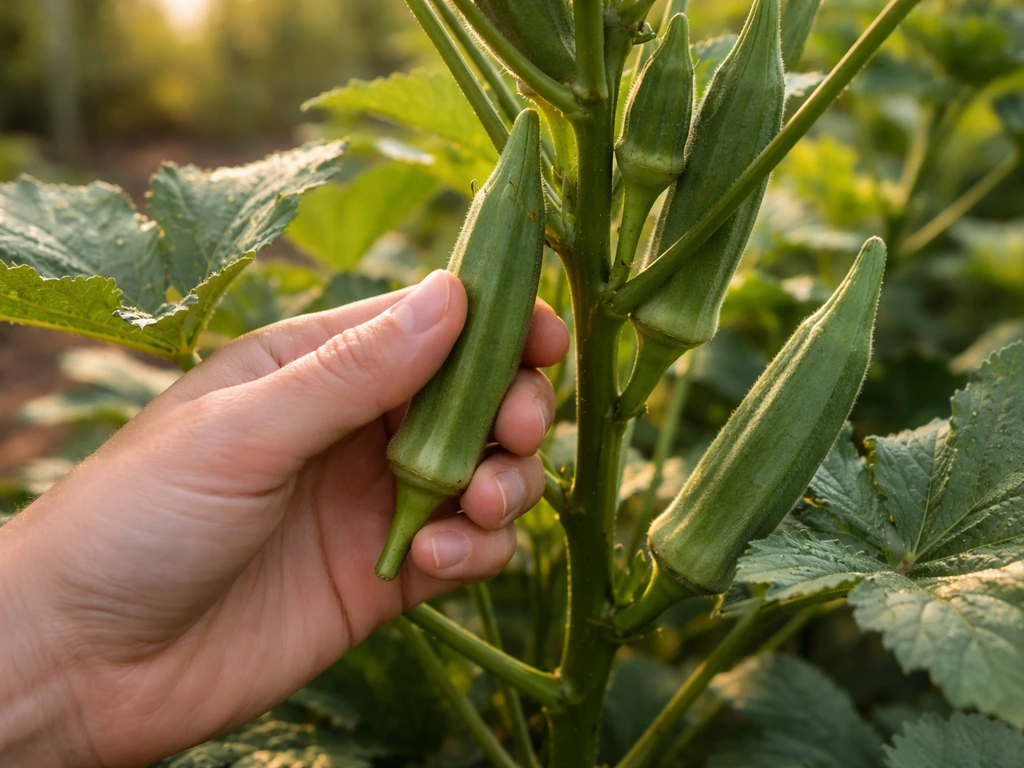
Okra typically begins producing harvestable pods somewhere between 50 and 70 days after transplanting, depending on variety and how warm your summer actually runs. Once flowering starts, individual pods go from flower to harvestable size in just 4 to 6 days. That turnaround is fast, and this is important: if you miss pods at the right size (about 3 to 4 inches long for most varieties), they become woody and fibrous almost overnight. Check plants every 2 to 3 days during peak production.
In Eastern Washington, a well-sited plant in a good year can produce for 6 to 8 weeks, giving you a solid harvest per plant. In Western Washington or the Puget Sound area, expect a shorter production window: maybe 3 to 5 weeks if the summer cooperates, and potentially just a handful of pods if it does not. Set expectations accordingly. Growing okra here is more of a fun challenge than a reliable staple crop, unless you use season extension seriously. Compared to growing okra in a place like Colorado or Michigan, where cold summers also limit the crop, Washington's eastern half is actually quite competitive, while the coast is among the harder spots in the continental US. If you’re wondering can you grow okra in Colorado, the key is matching early warmth with a short days-to-maturity variety.
How to work around a short or cool Washington summer
This is where most Western Washington okra success stories actually happen: not by relying on the summer, but by manufacturing heat. These tools make a real difference:
- Black plastic mulch: Lay it over your bed before transplanting. Studies show okra matures earlier and yields higher with black plastic mulch compared to bare soil. It absorbs solar radiation, raises soil temperature by several degrees, and retains moisture. WSU Extension specifically recommends waiting until around June 1 to mulch in vegetable beds so the soil can warm first, but with black plastic the goal is to pre-warm the soil before that date.
- Row cover or floating fabric: Drape lightweight row cover (1.0 to 1.5 oz) directly over plants after transplanting. It raises temperatures inside by 4 to 8 degrees F and protects against late frosts. Remove or vent it on warm sunny days to prevent overheating, and remove it entirely once plants are flowering so pollinators can reach the blooms.
- Cloches or plastic tunnels: For the Puget Sound area, low polytunnels or individual cloches over each plant are the most effective tool. WSU Snohomish County Extension describes plastic-culture tunnels as a valuable season-extending approach for home vegetable production. A simple hoop tunnel with clear plastic can add weeks to your effective growing season.
- Start earlier indoors: Every week of indoor head start matters in a cool climate. A 6-week-old transplant in late May captures heat that a direct-sown seed in June will never recover.
- Greenhouse or cold frame: For serious okra in the Puget Sound region, a greenhouse or unheated cold frame is the most reliable path. Even a small lean-to or hoop house against a south-facing wall can create the warm, stable microclimate okra actually needs to thrive.
Do not wait until June to deploy these tools. The earlier you start warming the soil and protecting transplants, the more of that precious warm season you actually use. In cool coastal areas especially, combining black plastic mulch with row cover or a cloche from day one of transplanting gives you the best realistic chance at pods before September.
Your next steps based on where you live in Washington
If you are in Eastern Washington (Tri-Cities, Yakima, Walla Walla, Spokane valley lowlands): pick an early variety like Clemson Spineless 80 or Annie Oakley II, start seeds indoors in early April, and transplant in late May after checking soil temperature. You do not need elaborate season extension, just full sun and consistent water. Expect a solid harvest. Brussels sprouts are a different crop than okra, but if you are in Michigan you can still grow them by choosing cold-tolerant varieties and timing them for cool weather can you grow brussel sprouts in michigan.
If you are in the Puget Sound or Western Washington area: choose the earliest maturing variety you can find (Annie Oakley II is your best bet), start seeds indoors by late March on a heat mat, and plan to use black plastic mulch plus row cover or a low tunnel from transplant time. Pick the warmest, most south-facing spot on your property. Accept that it is a challenge and celebrate every pod you get. If you want more certainty, invest in even a small unheated hoop structure.
If you are on the coast or in a particularly cool, overcast microclimate: be honest that without a greenhouse or enclosed structure, the odds are against you. It is still worth trying once for the experience, but do not plan your meals around it. A greenhouse changes the picture entirely and is worth considering if you want to grow heat-loving crops like okra, peppers, or eggplant regularly in the Pacific Northwest. Michigan gardeners can still try okra, but they need the same approach: heat, early indoor starts, and long-enough warm conditions grow okra in Michigan.
FAQ
Can you grow okra outdoors in Washington without a greenhouse or hoop house?
Yes, but only if you create enough heat naturally, typically in Eastern Washington or very sheltered inland sites west of the Cascades. Even then, aim to transplant only after the soil at 3 to 4 inches is consistently warm (roughly 70 to 75°F), and be prepared to use black plastic mulch plus row cover early, because July warmth can end abruptly in some years.
What happens if I plant okra in Washington and it never flowers?
In cool Washington summers, the most common reason is insufficient heat and too short a warm stretch after transplanting. If your plants are healthy but still not flowering by mid-summer, the practical fix is usually not fertilizer, it is improving heat capture (more direct sun, dark mulch, wind protection, low tunnel or cloche) and making sure nighttime temperatures are not staying too cool.
Should I fertilize okra more heavily in Washington soils?
Don’t overdo it. Okra can produce a lot of leaves when it is nitrogen-rich but still delay flowering. A compost-forward, balanced approach works best, and if you add fertilizer, switch to light feeding once flowering starts rather than pushing heavy growth early in the season.
Is it okay to use row cover on okra in Washington?
Yes, especially for early-season warmth and pest exclusion, but remove it when flowers are open so pollination can happen. If you keep cover on too long, you may get plants that grow vigorously yet fail to set pods.
How do I prevent cold nights from stunting my okra in late spring?
Treat late spring nights like the main threat. Use a soil thermometer to confirm warm root-zone conditions before transplanting, then rely on quick, adjustable protection like a low tunnel or cloche for temperature dips. Keep the barrier snug on cool evenings and ventilate during warm daytime periods to avoid overheating.
What’s the best way to handle okra if I only have a short warm season?
Choose the shortest days-to-maturity variety you can find, start indoors early, and transplant as soon as soil temperature is adequate. Also prioritize heat staging, use mulch immediately, and consider a small unheated hoop even if you do not want a full greenhouse, because okra needs a long enough run of warm days, not just warm planting weather.
Can I grow okra from seed directly in Washington?
In most of Washington, especially Western Washington, direct sowing is a common mistake because soil stays too cool for uniform emergence. If you want to direct sow, it only makes sense after soil is reliably warm (around the 70°F+ range) and temperatures stay warm enough for growth. Otherwise, transplanting from heat-mat-started seedlings is the more dependable approach.
How much should I water okra in Washington, and should I adjust in the container or soil?
In-ground okra still benefits from consistent moisture during pod development, but it prefers deep watering rather than frequent shallow sips. Containers need more frequent watering because they dry faster, and you will usually need regular feedings because nutrients wash out quicker in pots than in beds.
What size container works if I try okra in Western Washington with a sunny patio?
Use a large dark container for heat retention, at least 5 gallons per plant, 10 gallons is better if you want fewer watering days and steadier soil temps. Place it where it gets the maximum sun, and if possible keep it near a south-facing wall for reflected heat.
How can I tell if my okra problem is cold stress versus Verticillium wilt?
Cold stress usually shows up as slow growth or plants that refuse to size up, with limited flowering until warmth arrives. Verticillium wilt tends to cause progressive wilting and yellowing that moves upward during warm weather, and it is not curable once infected, so removal is important.
What should I do with okra plants if I suspect Verticillium wilt?
Pull and dispose of the infected plant, do not compost it. For prevention the next year, rotate away from the same bed, avoid planting in areas where common host crops like strawberries or nightshades recently grew, and focus on improving drainage so roots are not staying overly wet.
When should I harvest okra in Washington so it does not turn woody?
Harvest frequently during peak production, check every 2 to 3 days, and pick pods at about 3 to 4 inches for many common varieties. The key is timing, pods can become fibrous quickly, even if the plant is still actively flowering.
Next Articles
Can You Grow Okra in Colorado? How to Grow It Successfully
Yes, you can grow okra in Colorado. Get timing, site tips, frost-safe steps, and harvesting guidance to succeed.
Can You Grow Brussel Sprouts in Michigan? How To
Grow Brussels sprouts in Michigan with a step-by-step plan on timing, varieties, soil, pests, and harvest protection.
Can You Grow Okra in Michigan? Planting Plan and Tips
Yes, grow okra in Michigan with heat tricks: timing, starting indoors, warm microclimates, soil prep, and pest care.