
Yes, you can grow globe artichokes in Ohio, but it takes a bit more planning than in coastal California or the Pacific Northwest. The key is choosing the right variety, giving your seedlings a cold treatment to trigger flowering, and either overwintering crowns with heavy mulch or running them as annuals with a well-timed indoor start. In southern Ohio (zones 6a/6b), overwintering in the ground is realistic with good protection. In northern Ohio (zones 5b/6a), expect more winter losses and lean on the annual production approach.
Can You Grow Artichokes in Ohio? Complete Guide
Marcus Holloway
5 Jun 2026
Ohio's climate and whether artichokes will actually work
Ohio spans USDA hardiness zones 5b in the far north to 6b in the southern counties along the Ohio River. Globe artichokes are generally rated as perennials in zones 7 and warmer, which puts most of Ohio right on the edge. That doesn't mean it's impossible, but it does mean you're working against the plant's natural comfort zone and need to manage the gaps.
The frost calendar matters a lot here. In northern Ohio (think Cleveland, Toledo), last spring frost typically falls in mid-to-late April, and first fall frost arrives around mid-October, giving you roughly 155 to 170 growing days. In southern Ohio (Cincinnati, Chillicothe), you get a longer window, with last frost in early-to-mid April and first frost in late October, closer to 180 to 190 days. Artichokes need 90 to 100 days after transplanting to produce heads, so that calendar fits, but barely in the north if you lose time to a cold spring.
The other piece that matters is winter cold. Artichoke crowns typically die back below about 20°F without protection. Most of northern Ohio regularly dips into the single digits or teens in January and February, which will kill unprotected crowns outright. Southern Ohio winters are milder, but still cold enough to require serious mulching. With overwintering protection (more on that below), survival rates of 40% or better are achievable even in zone 5b, which is enough to make the effort worthwhile.
Best artichoke varieties for Ohio
Not every artichoke variety is suited to Ohio's short season and cold winters. You want either a first-year flowering variety (one that produces heads in its first season after a cold treatment) or a variety proven to survive in cold-climate trials. Here are the top picks:
- Imperial Star: The go-to for cold climates. Bred specifically to produce heads in the first year after vernalization, without needing to survive the winter. Widely tested in Northeast trials and consistently performs well.
- Green Globe Improved: The classic commercial variety. Takes vernalization well and has been studied extensively in cold-climate production research. Best suited for overwintering in southern Ohio or treated as an annual with cold treatment in the north.
- Violetto (Purple Italian): Slightly earlier than Green Globe. Good flavor and handles vernalization reasonably well. Worth trying in zone 6a and warmer.
- Big Heart: A thornless variety that performs better in warmer zones. Southern Ohio growers can try it, but it's less reliable further north.
For most Ohio gardeners, Imperial Star is the safest starting point. It was specifically developed to remove the uncertainty of whether a plant will flower in year one, which is the core problem in a climate like Ohio's.
Planting time, site selection, and bed prep
When to plant
If you're starting from seed, begin indoors 8 to 12 weeks before your last frost date. For northern Ohio, that means starting seeds in late January to mid-February. For southern Ohio, early to mid-February works. Seeds take 8 to 12 days to germinate at warm temperatures (around 75°F during the day, 65°F at night). After the seedlings develop a few true leaves, you'll give them a cold treatment (explained in the next section) before transplanting outside once soil temperatures reach 60°F, typically mid-to-late May in northern Ohio and early-to-mid May in the south.
Where to plant
Globe artichokes want full sun, at least 6 to 8 hours per day. In Ohio's variable spring and fall weather, maximize every hour of warmth by placing your bed on a south-facing slope or against a south-facing wall if possible. Good air circulation helps prevent fungal issues (powdery mildew and gray mold are both real problems in Ohio's humid summers), but you also want some wind protection to avoid mechanical damage to the large leaves.
Soil and bed preparation
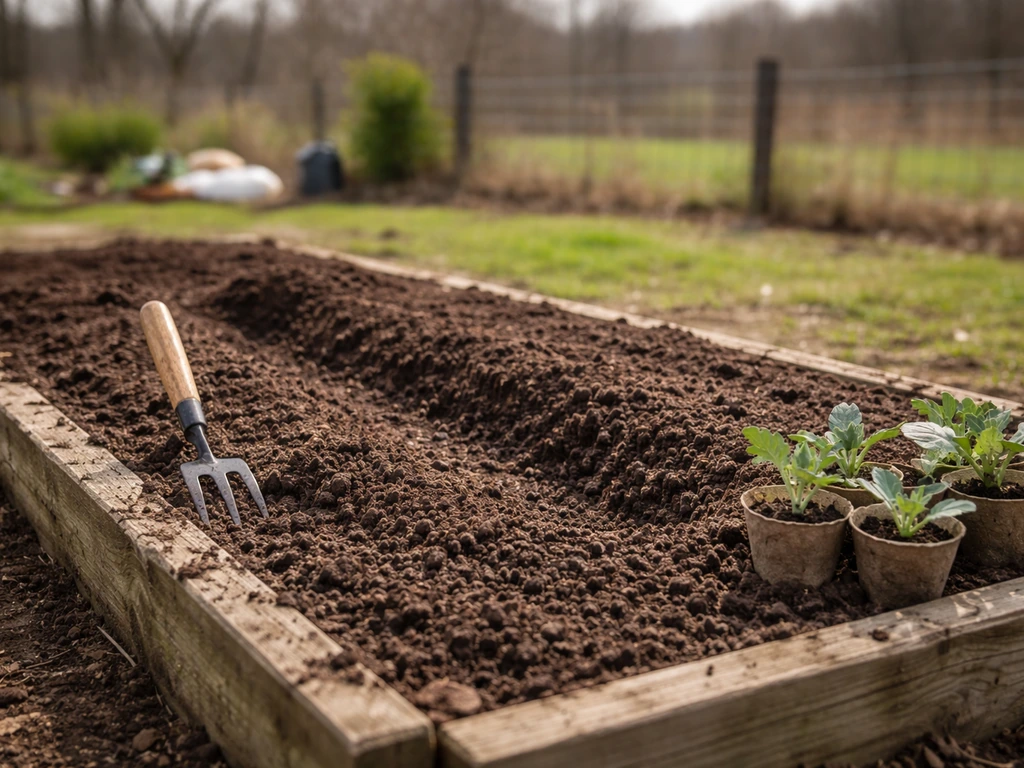
Artichokes need deep, fertile, well-drained soil with high organic matter. They do not tolerate waterlogged roots, which is a genuine concern in Ohio's clay-heavy soils. Get a soil test before you plant (OSU Extension offers low-cost testing) and aim for a pH between 6.5 and 7.0. If your pH is below 6.5, add lime based on your test results. Work in 3 to 4 inches of compost to a depth of 12 to 18 inches. If you're dealing with heavy clay, consider raised beds or at minimum a raised row with extra organic matter incorporated to improve drainage. Artichokes are large plants; plan for spacing of 2 to 3 feet between plants in rows 2.5 to 3 feet apart for annual production, or 3 to 4 feet between plants with rows 6 to 10 feet apart if you're planning a permanent planting in southern Ohio.
Seed vs transplants, and the overwintering question
Growing from seed
Starting from seed is cheaper and gives you access to more variety options, but it requires more work and the results can be variable. The most important step is vernalization, the cold treatment that tricks the plant into thinking it's gone through winter so it will produce flower buds. Without it, your artichoke will just sit there growing leaves and not produce a single head. To vernalize seedlings, move them to a space that stays between 35 and 50°F for at least 10 days once they're a few weeks old. A cool garage, unheated mudroom, or even a cold frame works well. Some growers time the cold treatment so seedlings experience it from ambient outdoor temperatures in early spring, using row cover if hard frost threatens. Research suggests around 500 continuous hours of 35 to 50°F temperatures is the target for reliable vernalization, so a 10-day minimum is just the floor. After cold treatment, bring them back inside to finish growing before transplanting once soil hits 60°F.
Buying transplants
Transplants save you the indoor growing phase and the vernalization juggling act. If you can find Imperial Star or Green Globe Improved transplants from a reputable nursery or online plant supplier, that's a perfectly valid shortcut. Research comparing direct seeding to transplanting shows transplants tend to produce better-rooted plants with stronger early establishment, which translates to more consistent head production and better head quality. The downside is cost and availability since artichoke transplants are not as common as tomato starts at Ohio garden centers. Check specialty vegetable nurseries, farmers markets in May, or order online.
Overwintering Ohio crowns
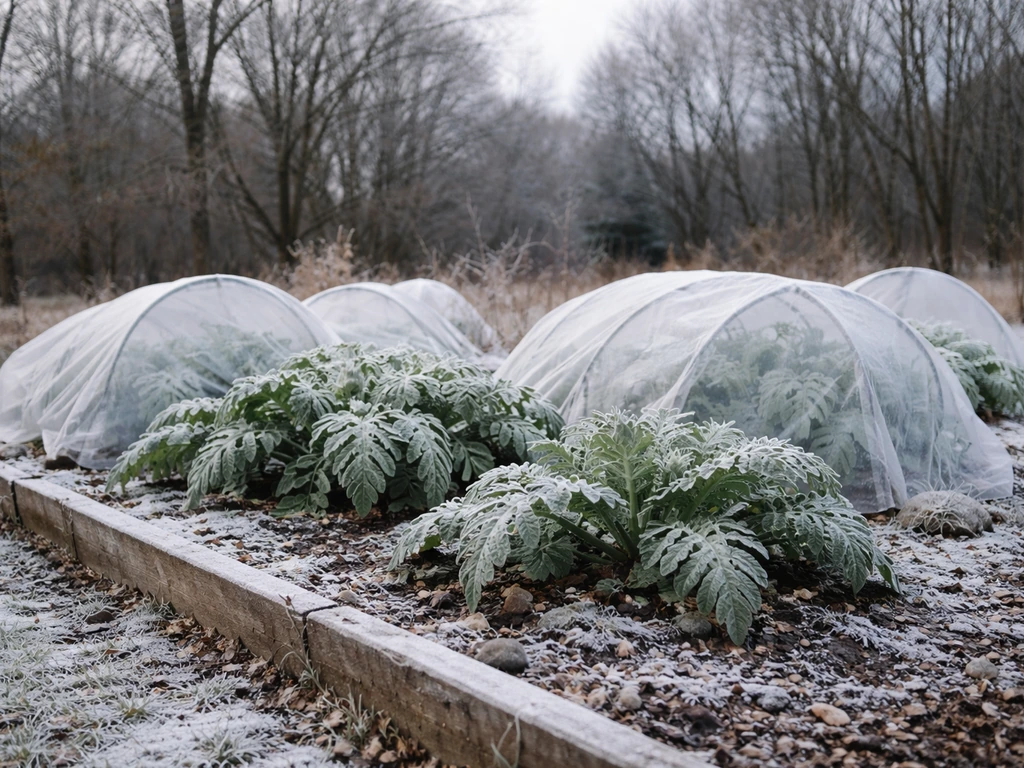
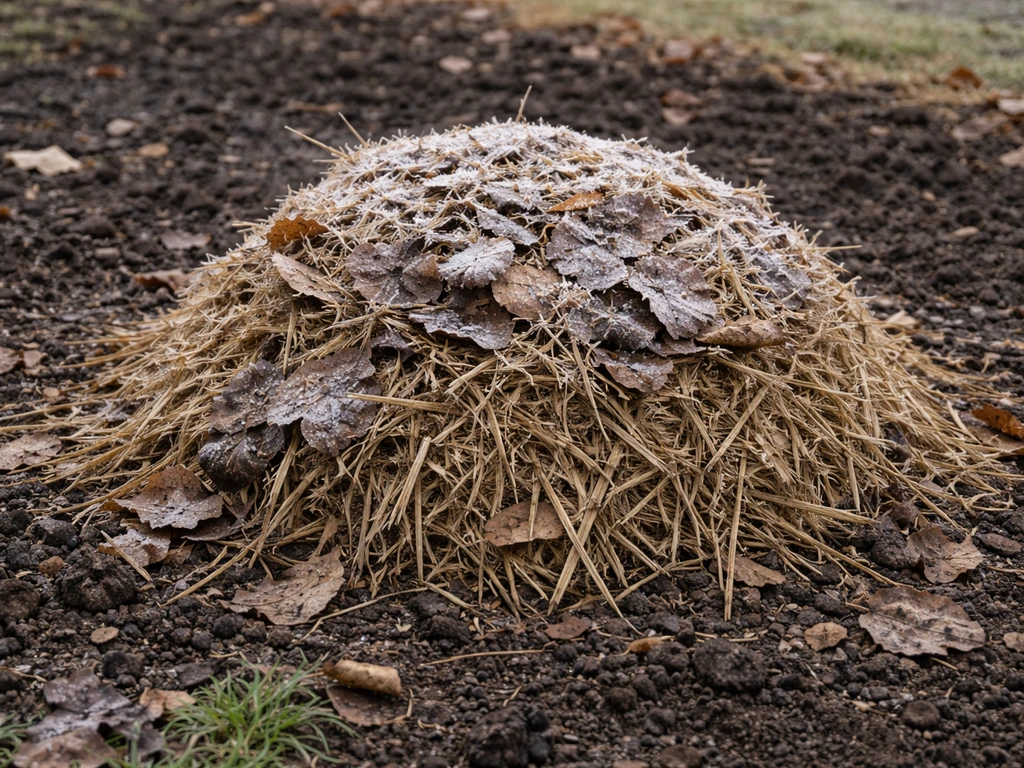
If you want to run artichokes as perennials and let them come back each year, you need to protect the crowns from Ohio's winters. After the first hard frost kills back the foliage, cut plants down to about 6 inches. Then pile on 8 to 12 inches of chopped straw mulch over the crown. A low tunnel covered with heavy-duty woven fabric (like AgFabric 3 oz or similar) on top of the mulch dramatically improves survival rates, with SARE-funded trials showing 40% or better crown survival using this combination in cold climates. In southern Ohio (zone 6a/6b), mulch alone may be enough in most years, but adding a tunnel removes a lot of risk. In northern Ohio (zone 5b), the tunnel plus mulch combination is not optional if you want realistic survival. Even with protection, expect some losses and plan to replace plants every few years.
Seasonal care: watering, feeding, and managing the plants
Watering
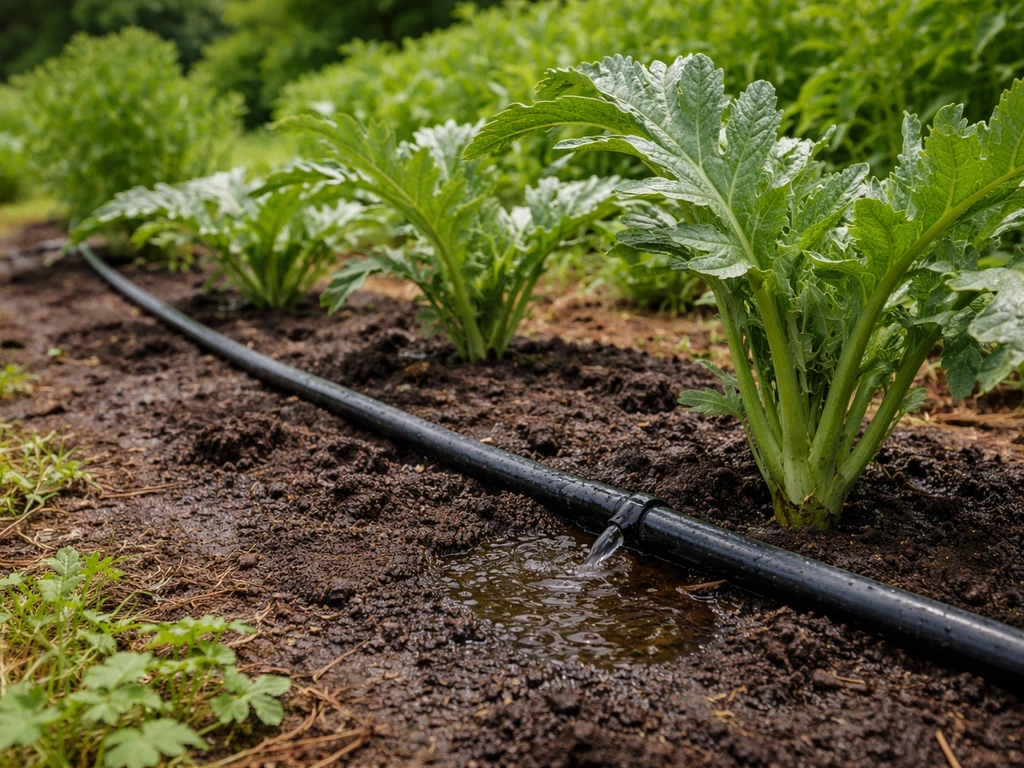
Artichokes are thirsty plants during active growth. Aim for consistent moisture, roughly 1 to 1.5 inches per week from rain or irrigation. Drip irrigation is ideal since it keeps foliage dry and reduces fungal disease pressure. In Ohio's humid summers, wet foliage invites powdery mildew and gray mold. Avoid overhead watering if you can. Mulching around the base with 2 to 3 inches of straw or wood chips helps retain moisture and suppress weeds without keeping the crown too wet.
Fertilizing
Artichokes are heavy feeders. Before transplanting, work a balanced fertilizer or well-aged compost into the bed based on your soil test results. Once plants are established and growing actively, side-dress with a nitrogen-rich fertilizer every 3 to 4 weeks through the growing season. Compost tea or fish emulsion works well for organic growers. Ease off nitrogen once you start seeing flower buds, since excess nitrogen at that point pushes leaf growth at the expense of head production.
Pests to watch for
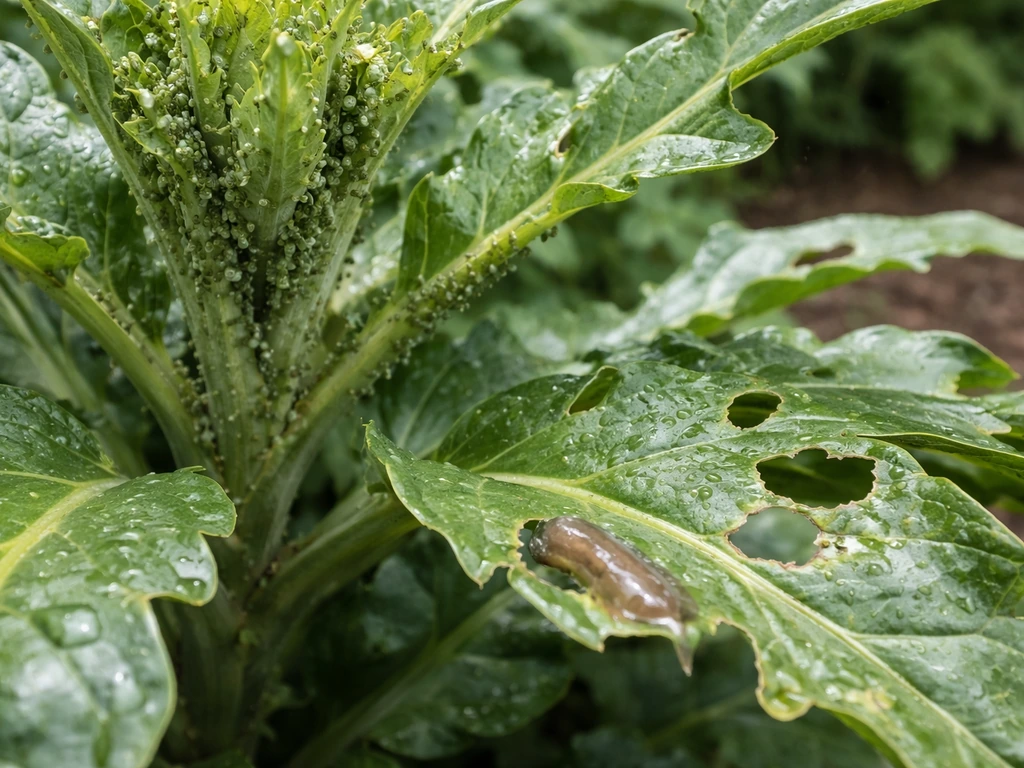
The most common pests in Ohio artichoke beds are aphids, slugs and snails, and cutworms. Aphids tend to cluster on new growth and inside developing buds. A hard spray of water from the hose knocks them off effectively and is often all you need. Slugs are a bigger issue in wet springs and in heavily mulched beds; iron phosphate baits are safe and effective. Cutworms damage stems at soil level, especially in the transplant stage. Protective collars around transplant stems help a lot.
Disease management
Powdery mildew is common on artichokes in Ohio's humid late summers. Improve air circulation by keeping the spacing generous and removing dead lower leaves. If powdery mildew shows up, treat new growth early since the disease spreads fast and is much easier to prevent than cure. Gray mold (Botrytis) is another concern, especially in wet, cool conditions. Remove and dispose of infected tissue promptly and avoid overhead watering. Verticillium wilt can also affect artichokes, and there's no easy cure; rotate beds every 3 to 4 years and avoid planting in soil where tomatoes, peppers, or eggplants have grown recently.
When to harvest and what kind of yield to expect
After transplanting, expect to wait 90 to 100 days before the first heads appear. For Ohio gardeners who transplant in mid-May, that puts first harvest in late August through September, sometimes extending into October in a mild fall. Harvest heads while the buds are still tight and the scales are closed. Once the scales start to open and show purple, the head is past its prime eating quality.
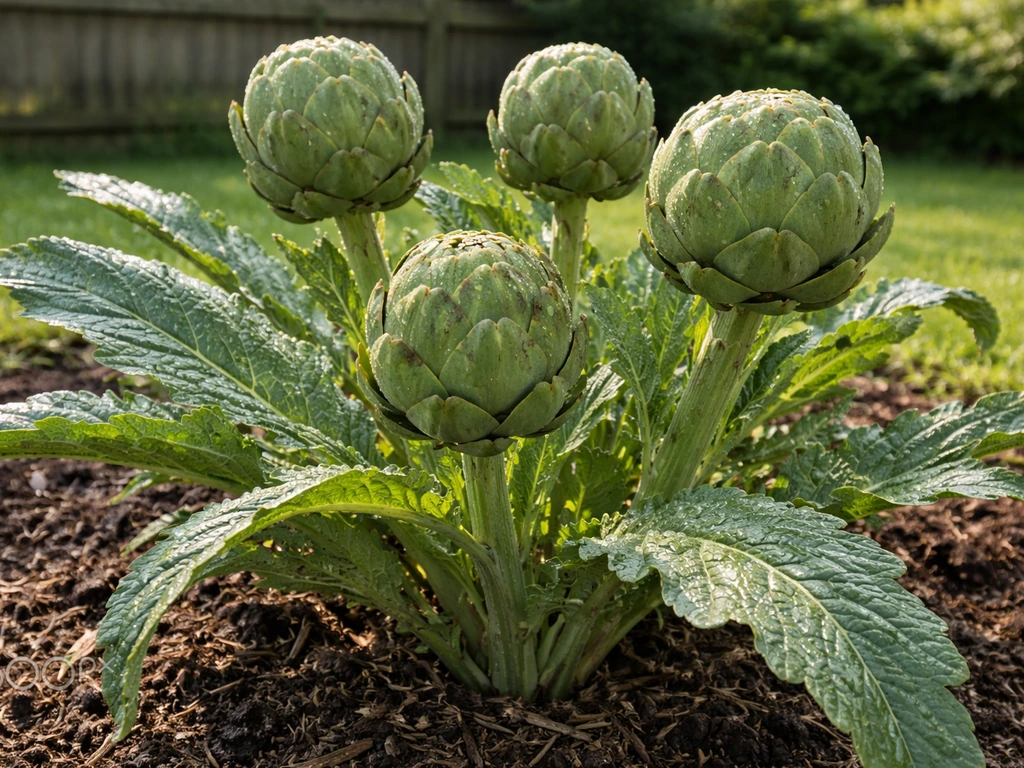
A mature, well-established plant can produce 10 or more stems, and each stem can yield multiple buds, with 4 to 5 buds per stem being realistic. The main terminal bud is the largest. Cut it first to encourage the side buds to size up. In the first year from seed or transplant, expect 2 to 5 heads per plant as the plant establishes itself. Overwintered plants that come back in year two or three can be significantly more productive. That's one of the main arguments for putting in the effort to overwinter in southern Ohio.
| Scenario | Expected heads per plant | Best for |
|---|---|---|
| First-year annual (Imperial Star) | 2–5 heads | All Ohio zones |
| Overwintered plant, year 2+ | 10–20+ heads | Southern Ohio, zone 6a/6b |
| Container-grown annual | 1–3 heads | Northern Ohio or limited space |
Troubleshooting common Ohio problems and what to do next
No heads forming
This is almost always a vernalization failure. If your plant grew all season and never set buds, it didn't get enough chilling hours to trigger flowering. Next year, be more deliberate with the cold treatment: 10 days minimum at 35 to 50°F, and aim for closer to 500 cumulative hours if you can manage it. Using Imperial Star reduces this risk since it's bred for easier first-year flowering with less chilling required.
Winter kill
If your overwintered crowns come up dead in spring, the mulch wasn't deep enough or the winter was particularly brutal. In northern Ohio (zone 5b), winter kill is common without a low tunnel. Add the fabric tunnel cover to your overwintering setup next year. Also, make sure you're mulching after the first hard frost, not before; mulching too early can trap warmth and delay hardening off.
Bolting too early or heads opening fast
If heads are forming but opening up and going to flower before you can harvest them, temperatures above 80°F are likely pushing the plant. Shade cloth during heat waves in July and August can buy time. Harvest more aggressively when hot weather is forecast since once temperatures spike, buds open quickly.
Slow growth and small plants
Artichokes are big, hungry plants. Slow growth usually means poor soil, inadequate fertilization, or insufficient water. Check soil drainage first since waterlogged roots shut down growth fast. If drainage is fine, step up your feeding schedule and make sure you're watering consistently. Ohio clay soils in particular can go from waterlogged to bone dry quickly, and artichokes don't tolerate either extreme well.
Frost damage in spring
If you transplant too early and a late frost hits, the damage to young transplants can set you back weeks. In northern Ohio, don't transplant before mid-May and keep row cover handy through Memorial Day. A light frost (28 to 32°F) can damage leaves but usually won't kill established transplants if you cover them quickly. A hard frost below 25°F can be terminal for young starts.
Your next steps based on where you are in Ohio
If you're in northern Ohio (Cleveland, Toledo, Youngstown area): treat artichokes as annuals, start Imperial Star seeds indoors in late January, vernalize them in late February or early March, and transplant in mid-to-late May. If you want to try overwintering, use straw mulch plus a low tunnel and accept that some crowns won't make it. If you're in central Ohio (Columbus, Mansfield): you have a bit more flexibility. Annual production works reliably, and overwintering with good mulch succeeds in most years. Try Green Globe Improved alongside Imperial Star for variety. If you're in southern Ohio (Cincinnati, Portsmouth, Chillicothe): you're in the best position in the state. Overwintering with mulch alone is realistic in most winters, and you can build a productive perennial planting over time. This is where artichoke growing in Ohio starts to look more like what growers in Missouri or Tennessee experience, where the climate is just warm enough to make perennial production a reasonable goal. If you want to try your luck beyond Ohio, the same basics apply in Missouri, with extra attention to winter protection and timing.
Ohio isn't artichoke country in the way California is, but it's far from a lost cause. With the right variety, a disciplined cold treatment, and some winter protection investment, you can reliably harvest fresh artichoke heads from your garden every summer. If you are asking can you grow artichokes in Colorado, the answer comes down to your variety choice, how you handle cold chilling, and whether you can protect crowns through winter artichoke heads. If you are wondering can you grow artichokes in Utah, focus on matching your variety and your protection approach to Utah’s colder winter swings and your local first- and last-frost dates artichokes in Ohio. The biggest mistakes are skipping vernalization and underestimating how much mulch the crowns actually need. Get those two things right and everything else falls into place.
FAQ
How do I know my seedlings got enough chilling for artichokes to form heads?
For a vernalization-controlled setup, aim for the cold period to be cool but not freezing. If your cold space drops below about 30°F, you can damage seedlings and reduce or delay flowering. Use a cold frame, insulated garage area, or row cover to buffer swings, and check temperatures at plant level, not just near the floor.
Why are my artichokes growing lots of leaves but no flower heads?
If a plant has “too much” nitrogen, it may stay green and leafy even if it was vernalized. As soon as you see the first flower initiation, switch to little or no additional nitrogen, and keep feeding more balanced (or compost-only). A common sign is large, rapid leaf growth with no bud stem development after the typical wait time.
Can I transplant artichokes earlier by using bigger transplants or row cover?
Yes, you can transplant larger starts, but timing still matters. Transplanting too early increases the chance of cold injury and can set growth back weeks, which then compresses your harvest window. If late spring nights are still near freezing, keep row cover ready for quick protection even after soil temps are warm enough to transplant.
What watering method works best in Ohio’s humid summers?
Globe artichokes can handle some rain, but they suffer when the crown stays wet in cold weather. Water in the morning or use drip irrigation, then avoid overhead watering once plants are dense and humid weather arrives. If you must water overhead during heatwaves, do it early in the day and improve airflow with pruning of dead lower leaves.
How should I respond when powdery mildew shows up on my artichokes?
If you see powdery mildew starting, remove heavily infected lower leaves first, then treat new growth early. Waiting until leaves are fully covered usually means the disease keeps spreading and harvest quality declines. Also double-check spacing and weed control, because crowded beds stay humid and mildew returns quickly.
What is the best way to prevent cutworms when I transplant artichokes?
In Ohio, cutworms are most dangerous right at transplant time when stems are tender and close to the soil surface. Use collars sized and sunk correctly so insects cannot crawl under them, and keep them on for a few weeks even after you stop seeing damage.
Should I expect a full harvest in the first year, or treat it as a trial season?
If the first year is mainly for establishment, you still want to manage expectations. Many plants produce a small number of heads in year one, especially if vernalization was perfect and conditions stayed warm enough. Plan to keep crowns protected for at least two winters if possible, because productivity often jumps in year two or three for overwintered plants.
Is mulch alone enough to keep artichoke crowns alive in northern Ohio?
Yes, but don’t rely on it as your only winter protection in the colder parts of Ohio. Mulch helps insulate, yet crown survival often improves dramatically with a low tunnel or similar cover that shields from wind and repeated freezing-thawing cycles. For zone 5b in particular, combine deep straw mulch with a fabric-covered tunnel.
How do I harvest at the right moment when Ohio heat speeds things up?
Harvest timing is about bud tightness and stage, not calendar date. If you see scales beginning to open or purple showing, eating quality declines fast, so harvest those heads immediately, even if they are smaller. During hot spells, check plants every day, because heads can go from tight to opening quickly.
What causes artichokes to flower before I can harvest them, and what can I do next summer?
If you get heads that open too early, the usual cause is heat stress during bud development. Next time, plan for heat mitigation, use shade cloth during peak afternoons, and harvest a bit earlier when temperatures are forecast above about 80°F. Keeping soil consistently moist also helps the plant avoid stress spikes.
Citations
OSU CFAES provides county/region-specific frost tables; for “North Central” it lists a *Last Freeze of Spring* and *First Freeze of Fall* by year (including the typical dates and temperatures), which you can use to bracket transplant-out timing for globe artichokes in different parts of Ohio.
CFAES Weather System (Ohio State University) — Frost Dates (North Central, id=12) - https://weather.cfaes.osu.edu/frostdates.asp?id=12
Plantmaps’ Ohio frost-date map provides typical spring last frost and fall first frost timing used to estimate planting windows; it allows you to compare more northern vs southern Ohio frost timing.
Average Last Frost Dates for Ohio (Plantmaps) - https://www.plantmaps.com/en/us/ff/state/ohio/average-last-frost-dates-map//
Cornell notes globe artichokes can be induced to flower in first-year plants by cold treatment: keep starts at 35–50°F for about 10 days; and transplant outside after soil reaches about 60°F.
Globe artichokes growing guide (Cornell Garden-Based Learning) - https://gardening.cals.cornell.edu/garden-guidance/foodgarden/vegetable-growing-guides/globe-artichokes-growing-guide/
UMass states the most foolproof way to vernalize is to move plants to 35–50°F for at least 10 days (chilling varies by variety). It also describes an alternative where transplants are timed so they receive chilling from ambient outdoor temperatures (using row cover if frost is expected).
Globe Artichoke : New England Vegetable Management Guide (UMass Amherst) - https://nevegetable.org/crops/globe-artichoke
A research paper reports a chilling/temperature relationship: exposure to “698–935 h below 10°C” advanced bolting time by ~10 days for early-bolting and ~23.5 days for late-bolting genotypes (indicating winter chilling/vernalization accumulation affects flowering/bolting timing).
A reduced vernalization requirement is a key component of the early-bolting trait in globe artichoke (PMC article) - https://pmc.ncbi.nlm.nih.gov/articles/PMC11409005/
OSU (Oregon) reports research/production guidance for globe artichokes: in Virginia research it found ~1300 hours under 50°F were adequate to completely vernalize ‘Green Globe’ and ‘Imperial Star’. It also notes flowering generally requires about 90–100 days before it occurs (after transplanting/establishment).
Globe artichoke, Oregon State University (Oregon Vegetables) - https://horticulture.oregonstate.edu/oregon-vegetables/artichoke-globe
UMass emphasizes globe artichokes in colder climates typically rely on vernalization and/or overwintering systems; some varieties are bred for many buds in the first year after a vernalization period.
Globe Artichoke : New England Vegetable Management Guide (UMass Amherst) - https://nevegetable.org/crops/globe-artichoke
Cornell cautions that starting from seed can be “variable,” and it recommends cold-treatment of starts to improve first-year flowering; transplant outside after soil reaches ~60°F.
Globe artichokes growing guide (Cornell Garden-Based Learning) - https://gardening.cals.cornell.edu/garden-guidance/foodgarden/vegetable-growing-guides/globe-artichokes-growing-guide/
UMass/Maine extension bulletin explains the vernalization strategy: the goal is to have seedlings ready to transplant when you can expect at least 500 continuous hours of 35–50°F temperatures; it also notes temperatures below 80°F are important to avoid de-vernalization/continued vegetative growth.
Bulletin #2075, Growing Globe Artichokes (Cynara scolymus L.) in Maine (UMaine Extension) - https://extension.umaine.edu/publications/2075e/
Cornell lists the soil preference: globe artichokes prefer deep, fertile, well-drained soils high in organic matter with pH between 6.5 and 8.0.
Globe artichokes growing guide (Cornell Garden-Based Learning) - https://gardening.cals.cornell.edu/garden-guidance/foodgarden/vegetable-growing-guides/globe-artichokes-growing-guide/
UMass provides soil pH target and liming guidance: apply lime based on soil test results to maintain soil pH between 6.5 and 7.0.
Globe Artichoke : New England Vegetable Management Guide (UMass Amherst) - https://nevegetable.org/crops/globe-artichoke
Cornell provides practical spacing: transplanting/root divisions should be 2–3 feet apart in rows 2.5–3 feet apart (and recommends cold treatment and soil-temp timing to support vernalization/flowering).
Globe artichokes growing guide (Cornell Garden-Based Learning) - https://gardening.cals.cornell.edu/garden-guidance/foodgarden/vegetable-growing-guides/globe-artichokes-growing-guide/
OSU reports planting configuration differences by production goal: for permanent plantings it suggests final spacing about 3–4 feet apart with rows 6–10 feet apart; for annual culture spacing can be tighter (2–3 feet in-row).
Artichoke, Globe | Oregon State University (Oregon Vegetables) - https://horticulture.oregonstate.edu/oregon-vegetables/artichoke-globe
UMass includes nutrient and soil test-based recommendations and notes seeds take 8–12 days to emerge (useful for planning indoor start timelines).
Globe Artichoke : New England Vegetable Management Guide (UMass Amherst) - https://nevegetable.org/crops/globe-artichoke
A two-year field study compares direct seeding vs transplanting across globe artichoke cultivars (including ‘Green Globe Improved’ and ‘Imperial Star’) and reports effects on root traits, morphology, and yield/head quality—providing evidence that establishment method changes performance.
Direct Seeding and Transplanting Influence Root Dynamics, Morpho-Physiology, Yield, and Head Quality of Globe Artichoke (PMC article) - https://pmc.ncbi.nlm.nih.gov/articles/PMC8145455/
The same study includes cultivar and planting-method treatments (direct-seed vs transplant) and evaluates yield/head quality outcomes, making it a comparison-ready source for seed vs transplant decisions in cold-climate systems.
Direct Seeding and Transplanting Influence Root Dynamics, Morpho-Physiology, Yield, and Head Quality of Globe Artichoke (PMC article) - https://pmc.ncbi.nlm.nih.gov/articles/PMC8145455/
Cornell gives a seed-starting timing rule: if starting seeds, start about 8–12 weeks before last frost; and it reiterates the cold-treatment window and soil temperature threshold for transplanting (~60°F soil).
Globe artichokes growing guide (Cornell Garden-Based Learning) - https://gardening.cals.cornell.edu/garden-guidance/foodgarden/vegetable-growing-guides/globe-artichokes-growing-guide/
UMaine provides a temperature-managed vernalization approach for cold climates: aim for about 500 continuous hours of 35–50°F while seedlings are being readied for transplant; it also discusses seedling growing temps (~75°F day / 65°F night) and avoiding >80°F to reduce de-vernalization risk.
Bulletin #2075, Growing Globe Artichokes (Cynara scolymus L.) in Maine (UMaine Extension) - https://extension.umaine.edu/publications/2075e/
A SARE project tested overwintering globe artichokes using low tunnels covered with heavy-duty woven fabric plus chopped straw mulch; the project’s success measure was >40% survival and longer harvest windows (compared with annual production).
Final Report for FNE14-809 (SARE) - https://projects.sare.org/project-reports/fne14-809/
Pure Garden Farm summarizes that cold regions typically need winter protection with mulch or frost covers to survive; it also provides a general first-year vs overwintering yield expectations framework (useful for a non-academic “home grower planning” baseline).
Globe Artichokes Guide | Pure Garden Farm (general overwinter/spacing) - https://puregardenfarm.com/unique-gardening/globe-artichokes-guide/
Cornell lists aphids as a pest and recommends management by using a hard stream of water to remove aphids from plants.
Globe artichokes growing guide (Cornell Garden-Based Learning) - https://gardening.cals.cornell.edu/garden-guidance/foodgarden/vegetable-growing-guides/globe-artichokes-growing-guide/
USU lists common artichoke pests including aphids, slugs and snails, and cutworms (along with other insect pests).
Common Pests of Artichoke (USU extension) - https://extension.usu.edu/pests/ipm/notes_ag/veg-list-artichoke.php
UMass’s home/garden disease management content notes powdery mildew management concepts (e.g., reduce conditions favoring mildew, protect new growth, and focus on prevention).
Disease_Management_Guide_web.xlsx / UMass (powdery mildew management basics) - https://www.umass.edu/agriculture-food-environment/sites/ag.umass.edu/files/pdf-doc-ppt/professional-disease-guide/disease_guide_x_disease_pathogen_0.pdf
UMass’s globe artichoke disease-control section identifies gray mold (Botrytis cinerea) and notes Verticillium wilt can infect artichoke (and discusses control considerations).
Disease Control : New England Vegetable Management Guide (UMass Amherst) - https://nevegetable.org/crops/globe-artichoke/disease-control
UC IPM provides targeted guidance for powdery mildew on artichoke, including disease identity and management approach sections.
Powdery Mildew / Artichoke / Pest Management Guidelines (UC IPM) - https://ipm.ucanr.edu/agriculture/artichoke/powdery-mildew/
UMaine (Northeast trials) reports comparative performance by cultivar and treatment type including % of buds >3” diameter for multiple cultivars such as ‘Imperial Star’, ‘Green Globe Improved’, and others under their trial system.
Globe Artichoke for the Northeast 2021 Research Report (UMaine Highmoor Extension) - https://extension.umaine.edu/highmoor/wp-content/uploads/sites/48/2024/05/Artichokes-for-the-Northeast-2021-Research-Report.pdf
UC Master Gardener notes that a mature plant produces 10+ stems and each stem can provide multiple buds (4–5 buds per stem), which helps translate plant survival into expected harvest volume.
UC Master Gardener Program — Artichokes (general yield structure) - https://ucanr.edu/program/uc-master-gardener-program/artichokes
Cornell reiterates that cold treatment is required to improve first-year flowering (directly affecting harvest timing and whether you get heads as an annual vs as a surviving overwintered crown).
Globe Artichokes rising guide (Cornell Garden-Based Learning) - https://gardening.cals.cornell.edu/garden-guidance/foodgarden/vegetable-growing-guides/globe-artichokes-growing-guide/
Next Articles
Can You Grow Artichokes in Utah? How to Succeed
Yes, learn how to grow artichokes in Utah: best varieties, planting dates, container or ground setup, and overwintering
Can You Grow Artichokes in Colorado? How to Succeed
See if you can grow artichokes in Colorado and get a step-by-step plan for timing, varieties, care, pests, and harvest.
Can You Grow Brussel Sprouts in Michigan? How To
Grow Brussels sprouts in Michigan with a step-by-step plan on timing, varieties, soil, pests, and harvest protection.