
Yes, you can grow ranunculus in Colorado, but it takes some timing discipline and a willingness to work with the state's tricky spring weather rather than against it. If you’re asking, can you grow currants in the US, the answer depends mainly on your climate and the type of currant, but many regions can be successful with the right variety and care. Colorado's cool springs are actually ideal for ranunculus since the flowers thrive in temperatures between 45 and 65°F. The challenge is sandwiching your bloom window between late frosts and early summer heat. Get that window right, and you'll have some of the most stunning cut flowers your garden has ever produced.
Can You Grow Ranunculus in Colorado? How to Succeed
Marcus Holloway
12 May 2026
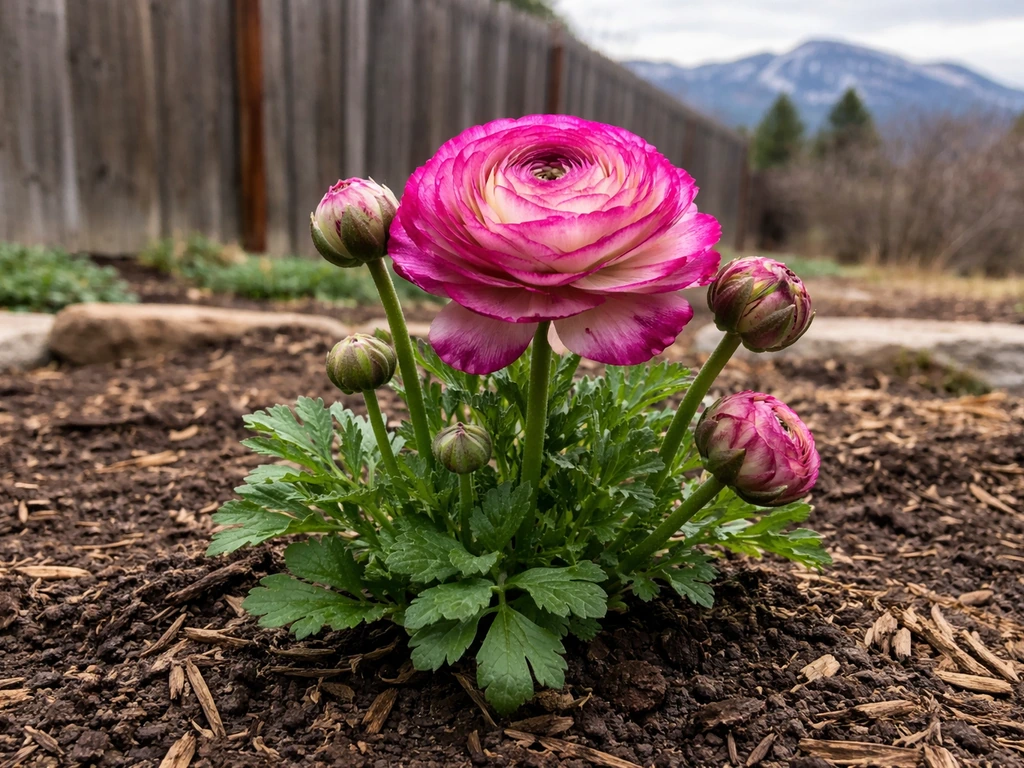
Colorado's Climate and What It Means for Ranunculus
Colorado spans USDA hardiness zones 3 through 7, so where you live in the state makes a significant difference. The Front Range (Denver, Fort Collins, Colorado Springs) sits roughly in zones 5b to 6a. The Western Slope around Grand Junction is warmer, landing in zone 7a, with an average last spring frost around April 29. Move up into the mountains and you're looking at zones 3 to 5, with last frost dates pushing into late May or even early June.
Ranunculus asiaticus is not frost-hardy in the ground. Corms can tolerate a light frost (around 28 to 30°F) for a short period, but repeated freezes will kill them. They also hate heat: once daytime temperatures consistently top 75 to 80°F, blooming stops and the plant declines fast. Colorado Springs, for example, sees its average last frost between May 11 and 20, which means your outdoor planting window and bloom window are tighter there than on the Western Slope. The bottom line is that ranunculus is a cool-season crop, and Colorado's spring gives you exactly that, briefly.
Which Ranunculus Types Work Best in Colorado
Stick with Ranunculus asiaticus varieties bred for cool-season performance and cut-flower production. The Tecolote Giant series is a standout and widely available. Bloomingdale and Bloomingdale II are compact, earlier-flowering types well suited to containers. Picotee and Superbissima are other solid double-flowered options with great vase life. For Colorado, prioritize varieties described as early-flowering or cool-tolerant, because your season is short. Avoid varieties marketed for warm-season or tropical gardens.
Double-flowered forms are generally what you want both for garden impact and cut flowers. If you're in a higher-elevation spot with a compressed season, Bloomingdale types or other compact varieties are more likely to complete their bloom cycle before heat arrives than the tall cutting types. On the Western Slope or lower Front Range, Tecolote Giants are a great choice.
When and Where to Plant in Colorado
Indoor Starting: The Smart Move for Most of Colorado
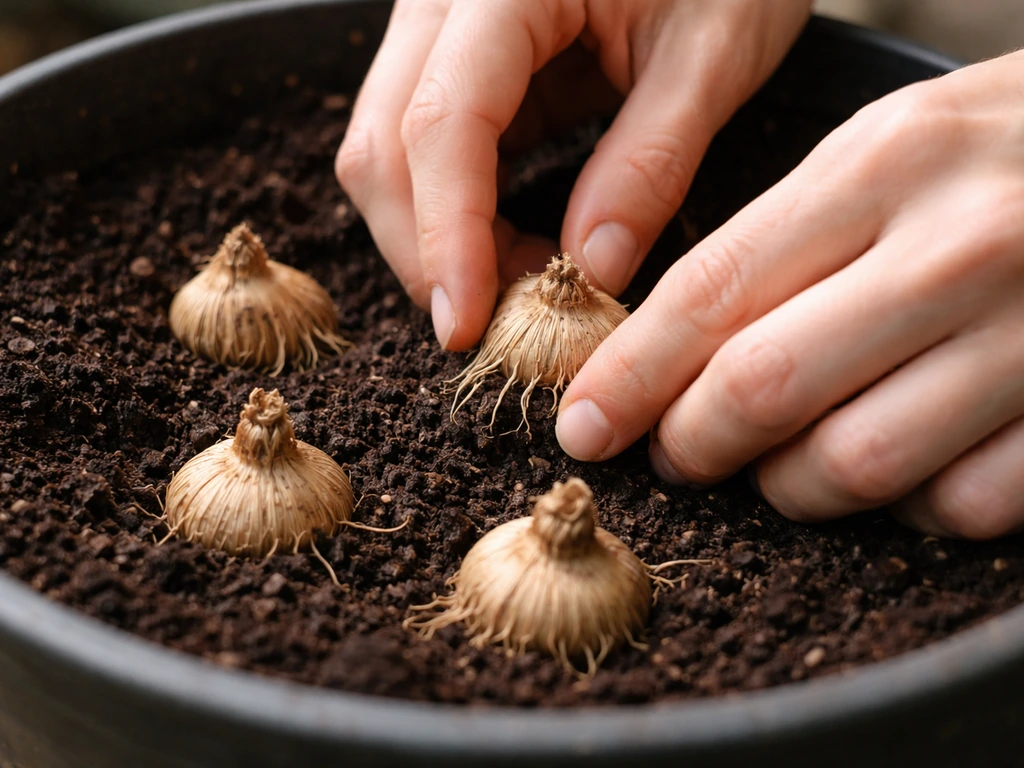
Starting indoors is the best strategy for the vast majority of Colorado gardeners. It lets you control the chill treatment, protect corms from late freezes, and get a head start on the bloom window. For real-world timing and troubleshooting anecdotes (including whether people pre-chill or start indoors for cold-winter climates), gardeners often share results in relevant Reddit search threads like the ranunculus chilling corms discussions in r/gardening blank" rel="noopener noreferrer">control the chill treatment, protect corms from late freezes, and get a head start on the bloom window. Here's how to build your calendar working backward from your local last frost date.
- Find your average last frost date (Grand Junction: ~April 29; Denver: ~May 7; Colorado Springs: ~May 11–20; mountain towns: late May to early June).
- Count back 6 to 8 weeks from your target transplant date (1 to 2 weeks before last frost, with row cover protection ready).
- That 6-to-8-week window is when you start the pre-sprouting process indoors.
- Soak corms in 77°F water for 3 to 4 hours until they plump up noticeably.
- Chill soaked corms at 40 to 50°F for 3 weeks (a spare refrigerator or cool garage works well).
- After chilling, move corms to a 55 to 60°F environment (cool basement, unheated room) and plant shallowly in trays. Sprouts and roots should appear in 2 to 4 weeks.
- Once sprouted and after hardening off for a week, transplant outdoors when soil is workable and you can protect from frost.
For Grand Junction and lower-elevation Western Slope, you may be able to direct-plant pre-soaked corms outdoors in early to mid-March when soil temperatures reach 50°F. The Front Range and higher elevations should stick to indoor starting every time.
Site Selection Outdoors
Choose a spot with full sun and excellent drainage. Colorado's heavy clay soils in many areas are the enemy of ranunculus corms, which rot fast if they sit in wet ground. A south or east-facing bed that warms up early in spring but doesn't bake in summer afternoon sun is ideal. Avoid low spots where cold air pools overnight, which amplifies late frost risk.
Step-by-Step Planting Guide
Soil Prep
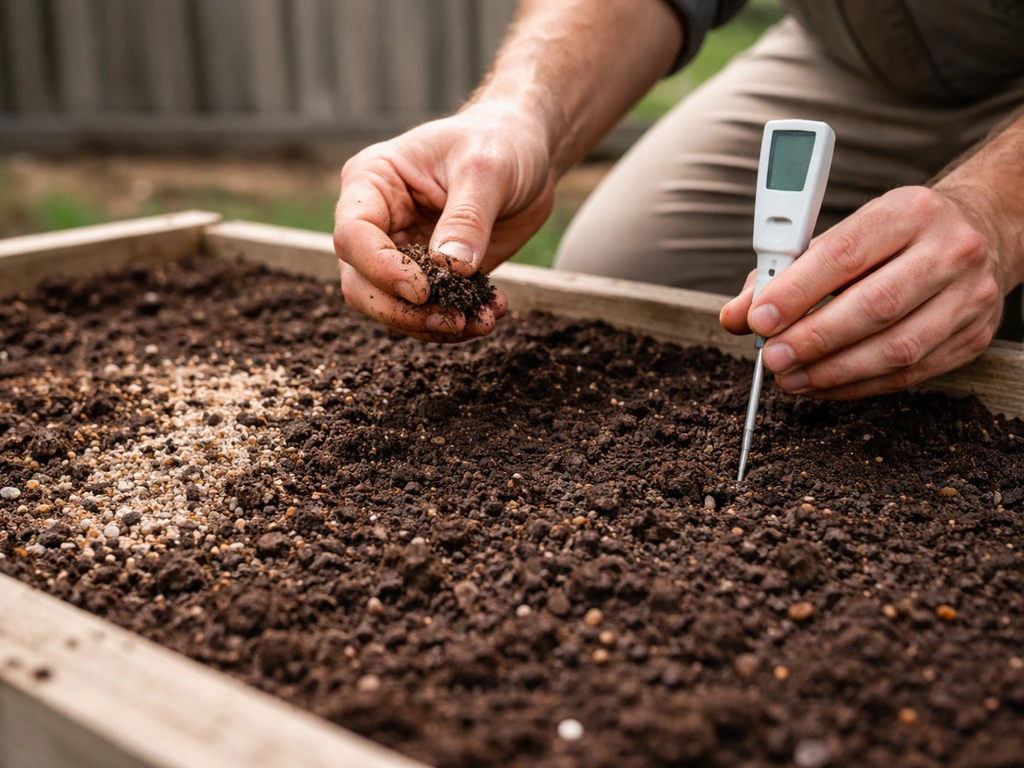
Ranunculus want fertile, well-drained soil with a pH of 6.5 to 7.5. That's right in the sweet spot for most Colorado soils, which tend toward alkaline (7.0 to 7.5), so you may not need to adjust much. Work in 2 to 3 inches of compost before planting. If your soil is heavy clay, add perlite or coarse sand to improve drainage. Raised beds are genuinely worth the effort here because they drain faster and warm up sooner in spring.
Planting Depth and Spacing
Plant corms about 2 inches deep with the claw-like fingers pointing downward. Spacing depends on your goal: 4 to 6 inches apart for cut flowers (tighter spacing encourages taller stems), 6 to 9 inches apart for garden display. In containers, 3 to 4 inches apart is fine if your pot is at least 12 inches deep. Getting the orientation right matters: claws down, any visible stem stub facing up. If you're transplanting pre-sprouted starts, plant at the same depth the sprout was growing in the tray.
Watering
Water thoroughly right after planting, then back off until you see green growth. Overwatering dormant or barely-sprouted corms is the single fastest way to rot them, especially in cold Colorado spring soil. Once plants are actively growing, keep the soil consistently moist but never waterlogged. Colorado's low humidity and frequent spring winds dry soil quickly, so check moisture every few days. Drip irrigation or soaker hoses are better than overhead watering, which can promote disease when temperatures are cool.
Troubleshooting Colorado's Toughest Conditions
Late Cold Snaps and Frost Events
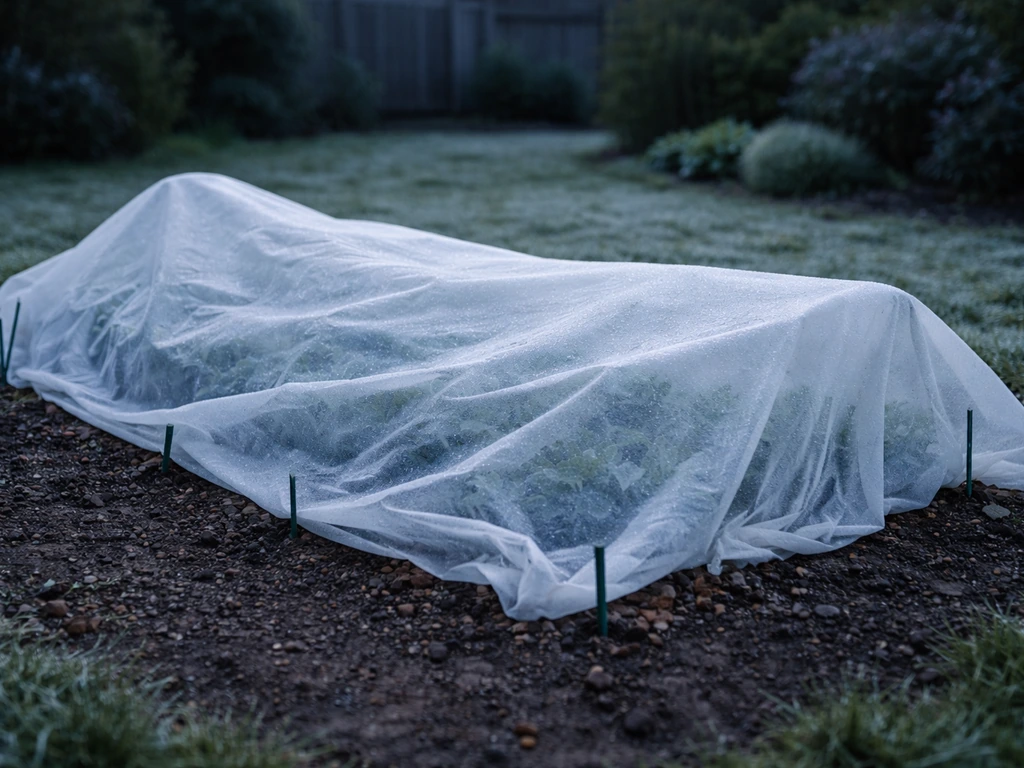
Colorado is infamous for hard freezes in April and May, sometimes even into early June at elevation. Keep row covers or frost cloth on hand the entire time your ranunculus are in the ground. A single layer of floating row cover provides about 4°F of protection and is enough for a light frost. For a hard freeze (below 28°F), add a second layer or use cold frames. The key is acting before the freeze, not after. Watch the NWS weather.gov spring freeze probability data for your area, especially in April, which historically carries the highest risk of damaging late freezes across the state.
Premature Sprouting During Storage or Chilling
If corms start sprouting before you're ready to plant, it usually means your storage temperature crept above 55°F. Move them to a cooler spot immediately. Very early sprouts are fragile: handle gently, plant promptly, and protect from any freeze. Don't try to halt sprouting by dropping temps below 40°F at this stage, as that can damage the emerging tissue. Johnny’s Selected Seeds notes that after soaking, ranunculus chilling should be done around 40, 50°F (5, 10°C) 40–50°F (5–10°C) chilling after soaking.
Summer Heat Cutting the Season Short
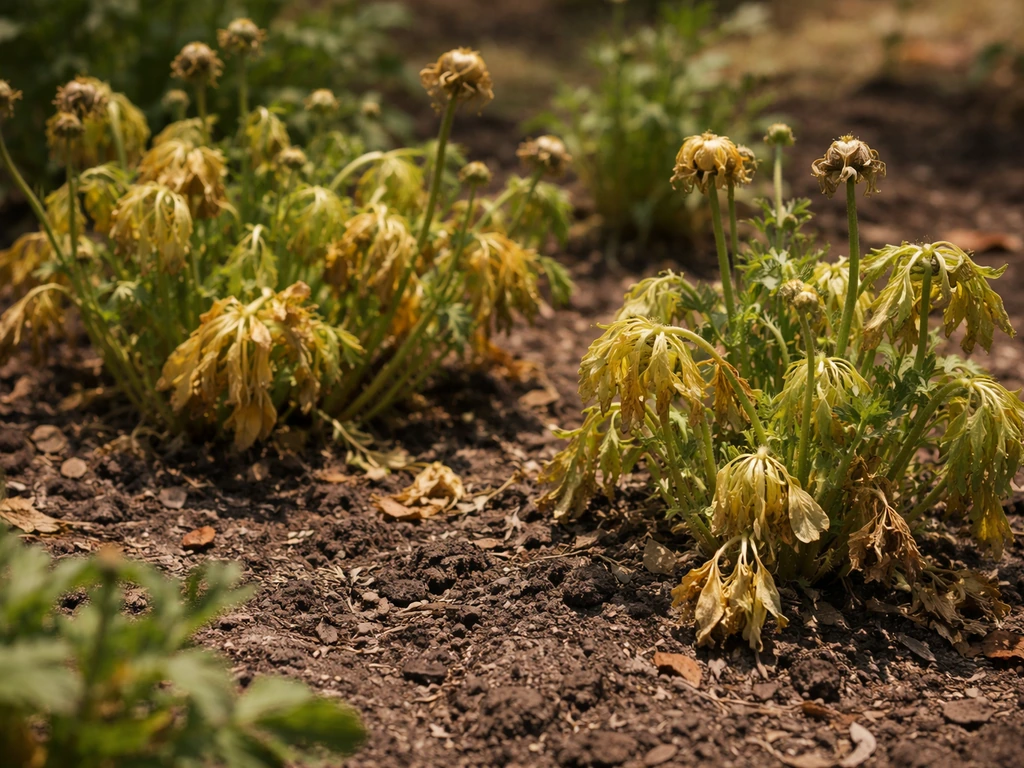
Once daytime temperatures consistently exceed 75 to 80°F, ranunculus decline rapidly: blooms shrink, foliage yellows, and the plant puts energy into going dormant. On the Front Range, Denver typically sees its first strings of 80°F days in June. That means your cut-flower window may only be 4 to 6 weeks long if you plant at the standard time. Starting earlier indoors and transplanting with frost protection buys you more of that cool window. There's no way to keep ranunculus blooming through a Colorado summer; the goal is to work within the spring window, not extend past it.
Pests and Disease
Gray mold (Botrytis) is the most common disease problem, especially during Colorado's cool, occasionally wet springs. It thrives when foliage stays damp and air circulation is poor. Space plants adequately, avoid overhead watering, and remove any yellowed or dead foliage promptly. If you see the characteristic fuzzy gray spores, remove affected tissue immediately and apply an approved fungicide. Aphids are common on tender new growth: a strong blast of water knocks most of them off, and insecticidal soap handles heavier infestations. Slugs and snails can chew emerging shoots, especially in mulched beds after spring rain; iron phosphate bait is an effective and low-risk control.
Powdery mildew can appear later in the season as humidity and temperature fluctuate. It's less damaging than Botrytis but worth managing with good air circulation and prompt removal of affected leaves. One more issue specific to Colorado: spring hail. If a hailstorm is forecast, row cover or even a light tarp draped over plants can prevent the shredded foliage that opens the door to disease.
Extending the Season and Getting More Blooms
Containers for Flexibility
Growing ranunculus in containers is one of the best strategies for Colorado because you can move them indoors or under cover when late frosts threaten, and relocate them to a cooler spot (like the north side of a building) when heat arrives. Use a well-draining potting mix, plant at 2-inch depth, and make sure pots have drainage holes. Containers also warm up faster in spring than in-ground beds, which helps timing. Use pots that are at least 10 to 12 inches deep.
Succession Planting
If you're in a region with a longer cool season (Grand Junction, lower-elevation Front Range), stagger two plantings about 2 to 3 weeks apart. Start the first batch indoors in late January or early February for an early April transplant, and start a second batch in mid-February for a late April transplant. This spreads your bloom window and hedges against losing an entire planting to one bad frost event.
Row Covers and Cold Frames
Invest in at least 50 feet of floating row cover and some wire hoops to form low tunnels over your beds. Deployed correctly, these let you push transplanting 2 to 3 weeks earlier than your last frost date. In Colorado's windy spring, stake or weight the edges well so the cover doesn't blow off during a front. Cold frames are even better for starting corms outside earlier, particularly on the Western Slope, where you might get corms into a cold frame in late February.
Protecting Open Blooms from Rain and Hail
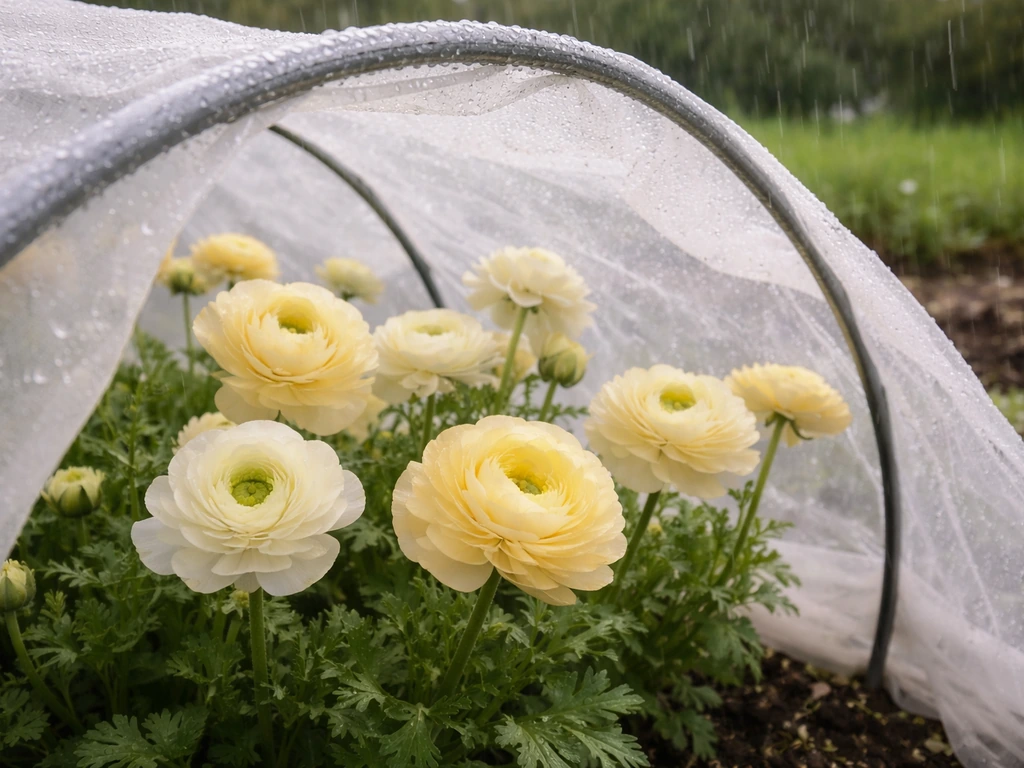
Once ranunculus flowers open, they're vulnerable to Colorado's spring thunderstorms and hail. A simple temporary cover, like row cover draped loosely or a portable shade structure, protects open flowers from rain damage and petal bruising. This is especially worth doing if you're growing for cut flowers and want unblemished stems.
What to Realistically Expect, and Mistakes to Avoid
In most of Colorado, your ranunculus bloom window will be roughly 4 to 8 weeks in spring, typically April through May on the Western Slope and mid-May through early June on the Front Range, depending on elevation. NOAA’s dataset for Boulder provides example last-spring-frost timing, including a median last frost in late April and April 28 as a low-quartile reference point [last-spring-frost timing in Boulder](https://psl. noaa. gov/boulder/lastfrost.
html). You're not going to get the long cool season that Pacific Northwest or mild coastal growers enjoy. But within that window, Colorado ranunculus can be spectacular, especially in the dry, sunny conditions that intensify flower color. Growers in similar cool-season constraints, like those asking whether ranunculus works in Ontario or in Texas, face analogous timing trade-offs, just with different weather patterns on either side of the bloom window.
If you're wondering can you grow currants in texas, the best approach is to match the variety to your chill hours and provide consistent watering so the plants can establish before summer heat like those asking whether ranunculus works in Ontario or in Texas. If you're also wondering can you grow currants in the US, the key is matching the plant to your local climate and giving it good drainage and consistent watering.
In Texas, the main challenge is also timing so your ranunculus gets established during the cool part of the season before heat moves in ranunculus works in Texas.
Here are the mistakes that most commonly end a Colorado ranunculus season before it starts:
- Planting corms directly into cold, wet soil in early spring without pre-soaking or pre-sprouting first. Corms sit dormant, rot, and never emerge.
- Skipping the chilling treatment. Without 3 weeks at 40 to 50°F post-soak, corms often fail to sprout well or produce weak plants.
- Planting too late. Waiting until after your last frost date without indoor starting means your plants hit summer heat before blooming fully.
- Overwatering newly planted corms. Cool soil plus excess moisture equals rot, almost every time.
- Planting in clay soil without amending for drainage. This is probably the most common failure point in Colorado.
- Not having frost protection ready. One unprotected hard freeze after transplanting can wipe out the whole planting.
- Planting in a low spot or north-facing bed. Ranunculus need warmth and good air movement, especially in spring.
- Ignoring Botrytis until it's spread. Check plants every few days during cool, damp weather and act at the first sign.
If you follow the timing, prep your soil, and keep frost cloth handy, Colorado is a perfectly workable place to grow ranunculus. The season is short but real, and the payoff, big double blooms in April and May when almost nothing else is putting on a show, is absolutely worth the effort.
FAQ
Can I plant ranunculus outside right away when I get corms in Colorado?
Not usually. Ranunculus corms generally should not be planted outdoors until your specific last-frost risk is close and soil is warming, because repeated freezes below about 28 to 30°F can kill them in the ground. If you already have corms, plan on indoor starting plus frost cloth for the transplant period.
What should I do if my ranunculus corms start sprouting before I’m ready to plant in Colorado?
Yes, but handle it like storage control, not “waiting it out.” If corms are warm enough to sprout in storage (over about 55°F), they can be damaged if you then hold them too long, and very early sprouts are fragile. Move them to cooler conditions immediately, then plant promptly with freeze protection.
How do I handle hail or frost damage without increasing disease?
Dead leaves and stems should come off, but do it carefully once plants are actively growing. Removing yellowed foliage improves airflow and reduces Botrytis risk, but avoid tearing at healthy crowns. After any hail or freeze event, clean up shredded tissue quickly.
How often should I water ranunculus in Colorado, especially before they sprout?
Aim for “moist, not wet.” After planting, water thoroughly once, then wait until you see green growth before giving more water. For active plants, keep the soil consistently moist but water only when the top inch starts to dry. Overwatering dormant corms is a fast route to rot in Colorado’s cool spring soils.
Where should I put container ranunculus to extend the bloom window in Colorado?
Container placement matters. A south-facing patio can warm quickly and trigger heat decline, even before your actual summer highs arrive. If you want more of the cool-season window, place pots where they get morning sun with protection from harsh afternoon heat, and be ready to move them under cover as temperatures rise.
Can I leave ranunculus in the ground over winter in Colorado?
It’s not recommended as a main strategy. Ranunculus generally cannot reliably persist through Colorado winters because the corms are not truly frost-hardy in the ground. Many gardeners treat it as a seasonal crop, starting fresh corms each year, or lifting corms after the foliage finishes dying back.
What are the most practical steps to prevent gray mold (Botrytis) in Colorado’s spring?
Botrytis often shows up when foliage stays damp and air circulation is poor. Improve spacing, avoid overhead watering, and water early in the day so leaves dry quickly. If you see fuzzy gray growth, remove affected plant parts right away so spores are not spread through the bed.
Why do my ranunculus stop blooming even though I fertilized and watered?
Watch for “decline from heat” rather than lack of fertilizer. When Colorado days push past about 75 to 80°F, blooms shrink and foliage yellows as the plant shifts energy into dormancy. The best fix is timing adjustment, earlier indoor starts, and using temporary shade or relocation for containers during unexpected warm spells.
What’s the fastest way to diagnose why ranunculus corms rot or fail to emerge?
Test both drainage and pH before planting, because heavy clay and standing water are more harmful than slightly off nutrients. If water sits on the surface or drains slowly, amend toward faster drainage (raised beds, perlite or coarse sand, or a better draining container mix) instead of relying on fertilizer.
Which variety should I choose for the best cut stems on the Front Range versus high elevations?
If you want better cut-flower stems without losing your bloom timing, choose variety and spacing together. Taller cutting types can be impressive, but in high elevations where the season is compressed, compact early types often finish their cycle before heat arrives. For cut stems, use the tighter spacing guideline and plant earlier (with frost protection) rather than trying to “force” more growth late.
Next Articles
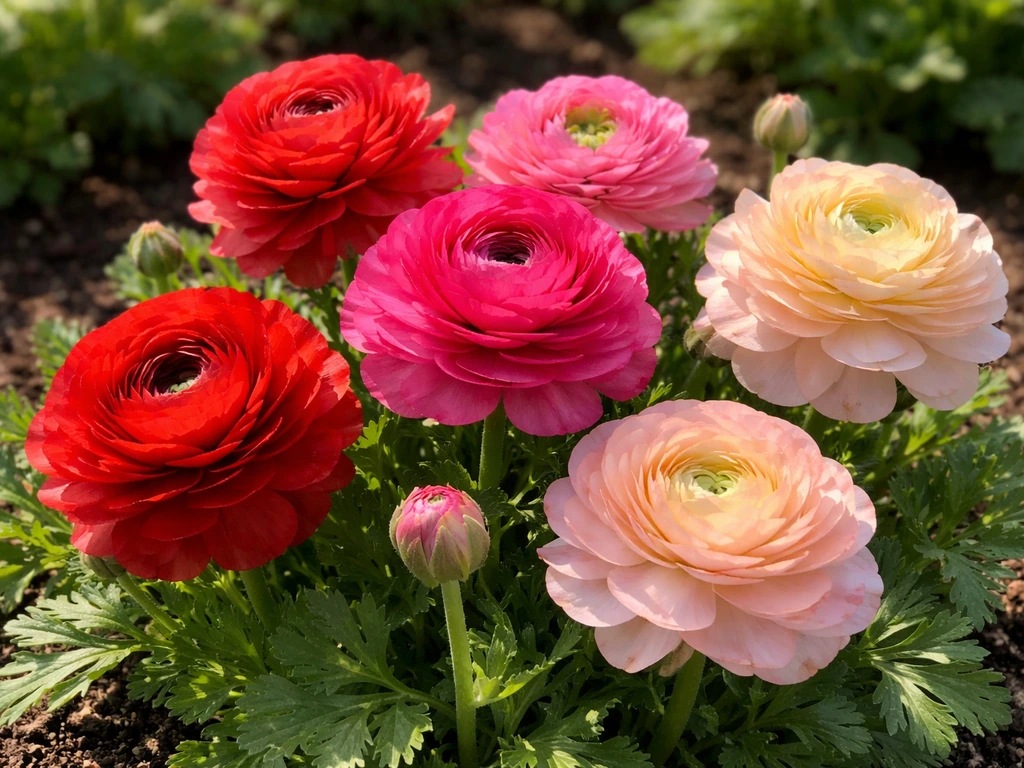
Can You Grow Ranunculus in Texas? How to Succeed
Yes, you can grow ranunculus in Texas. Learn timing, site and soil needs, planting depth, watering, and heat troubleshoo
Can You Grow Currants in the US? Region by Region Guide
State by state guide to growing currants in the US, including where red currants thrive and how to start.
Can You Grow Agave in Canada? Zone Guide & Growing Tips
Can you grow agave in Canada? Practical region-by-region guide, hardy species, container tips & winter care.