
Yes, you can grow ranunculus in Texas, but the window for success is narrow and timing is everything. Ranunculus is a cool-season flower that needs a stretch of mild temperatures between roughly 45°F and 65°F to sprout, establish, and bloom. In most of Texas, that window falls somewhere between October and March, depending on your region. Get the timing right, solve for drainage, and you can pull off gorgeous blooms. Miss the window or ignore the soil, and you'll be staring at rotted tubers or a plant that bolts before it opens a single flower.
Can You Grow Ranunculus in Texas? How to Succeed
Marcus Holloway
26 Apr 2026
Texas feasibility: where ranunculus will and won't thrive

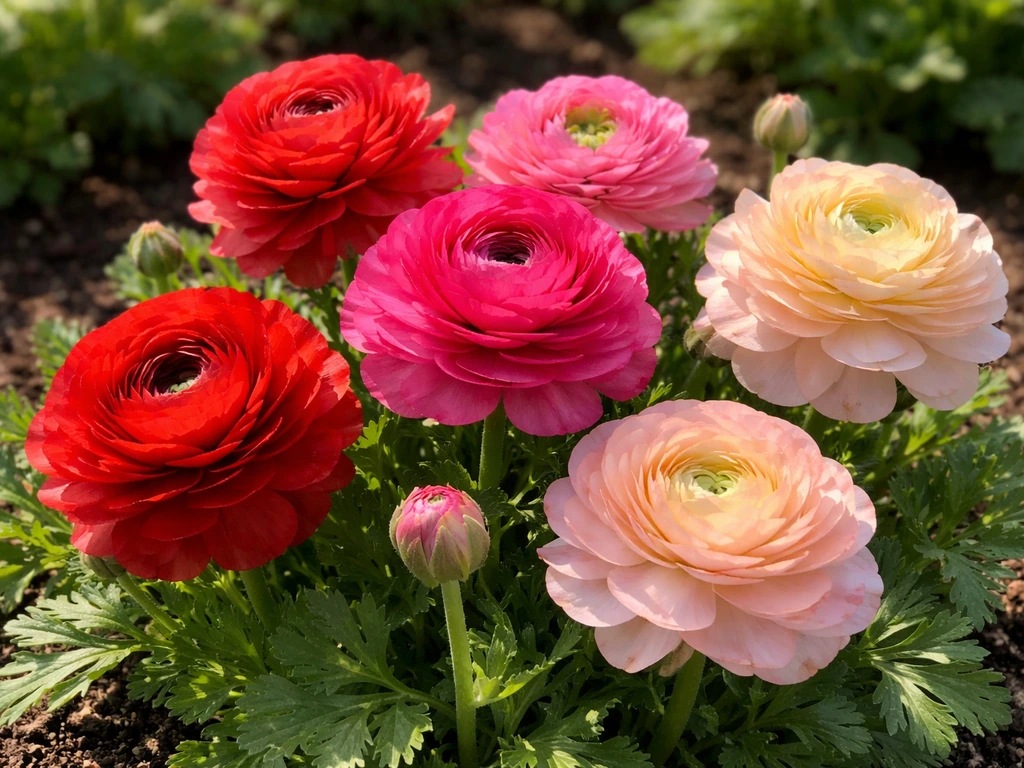
Most of Texas sits in USDA Hardiness Zones 6b through 10a, and ranunculus is reliably cold-hardy in Zones 8 through 11. That's actually good news for a big chunk of the state. In practice, North Texas (Zones 7–8), Central Texas (Zones 8–9), and South Texas (Zones 9–10) all have a legitimate shot at growing ranunculus as a cool-season annual or even a returning perennial in the mildest areas. West Texas and the Panhandle (Zones 6–7) are trickier because winter cold can be more severe and unpredictable, though container growing or low-tunnel protection can expand your options.
The bigger threat in Texas isn't cold, it's heat. Ranunculus shuts down fast once daytime temperatures consistently push above 70°F to 75°F. In South Texas, that can happen as early as February. In Dallas or Austin, you might get lucky through March or even into early April in a cool year. The Rio Grande Valley is the most challenging zone because the cool window is genuinely short, but it's still doable with the right timing and some shade cloth toward the end of the season. The main thing to understand going in: this is not a summer flower for Texas. Work with winter, not against summer.
Best planting time by Texas region and timing for heat avoidance
Ranunculus tubers (technically corms) need soil temperatures around 50°F to 55°F to sprout without rotting. Planting too early when soil is still warm invites fungal rot. Planting too late means you're racing the spring heat. Here's how to break it down by region:
| Texas Region | USDA Zone | Planting Window | Expected Bloom |
|---|---|---|---|
| Panhandle / North Texas | 6b–7b | Late October to November | March to April |
| DFW / East Texas | 7b–8a | October to late November | February to April |
| Central Texas (Austin area) | 8a–8b | October to December | February to March |
| Houston / Gulf Coast | 9a–9b | November to December | January to March |
| South Texas / Rio Grande Valley | 9b–10a | November to January | January to February |
If you're in a zone where hard freezes are possible (North Texas, the Panhandle), a low tunnel or row cover gives you insurance after planting and keeps the soil from swinging too wildly in temperature. In Central and South Texas, the bigger timing risk is waiting too long and planting in January when warm weather is already creeping back in. When in doubt, plant earlier rather than later and use a thermometer to check your soil temperature at 4 inches deep. Aim for 50°F to 55°F as your planting cue.
Site and soil setup for sprouting and preventing rot
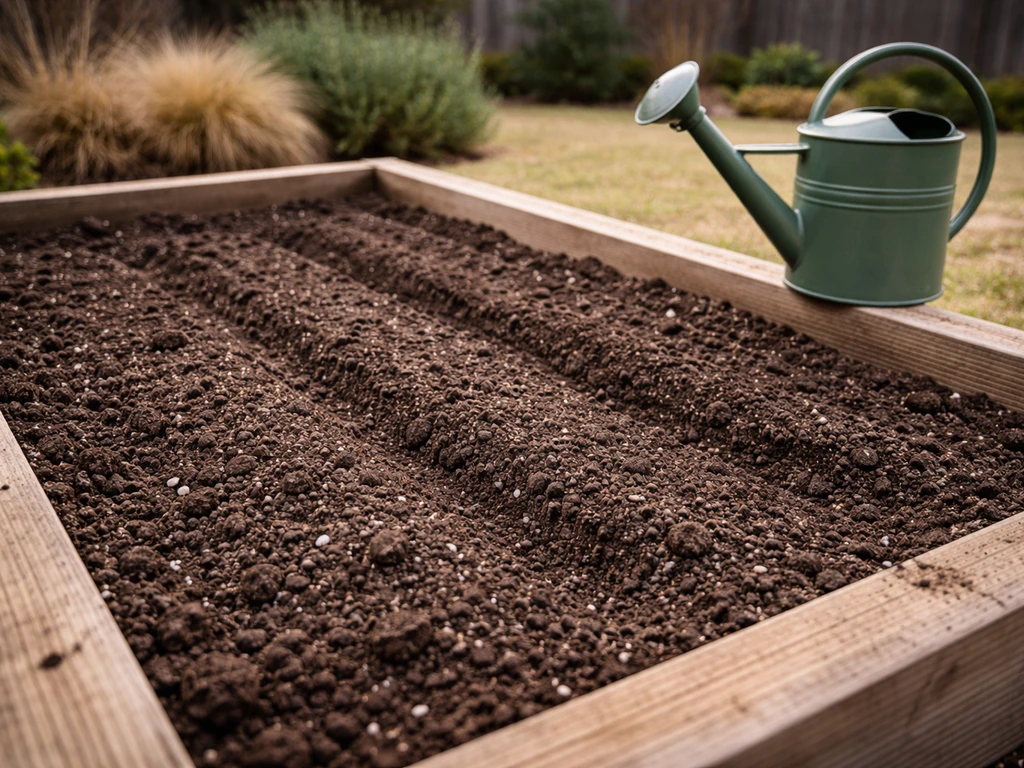
Drainage is the make-or-break factor in Texas ranunculus growing, especially in areas like Dallas and Houston where heavy clay soils can stay waterlogged through winter. Saturated soil around the corms is a direct path to rot. Before you plant a single tuber, do a simple drainage test: dig a hole 12 inches deep, fill it with water, and check how fast it drains. If it's still holding water after an hour, you need to amend heavily or consider raised beds and containers.
For in-ground planting, work in several inches of compost and, if your clay is severe, a layer of coarse sand or perlite to open up the structure. Raised beds at least 8 to 12 inches tall solve most drainage problems in one move and are highly recommended for Houston-area and East Texas gardeners with heavy clay. Ranunculus prefers a slightly acidic to neutral soil pH, around 6.0 to 7.0. Full sun is ideal, meaning at least 6 hours of direct sun per day, though a site with light afternoon shade buys you extra days at bloom time when spring starts to warm up.
How to plant ranunculus tubers: depth, spacing, and containers vs ground
Pre-soaking the corms
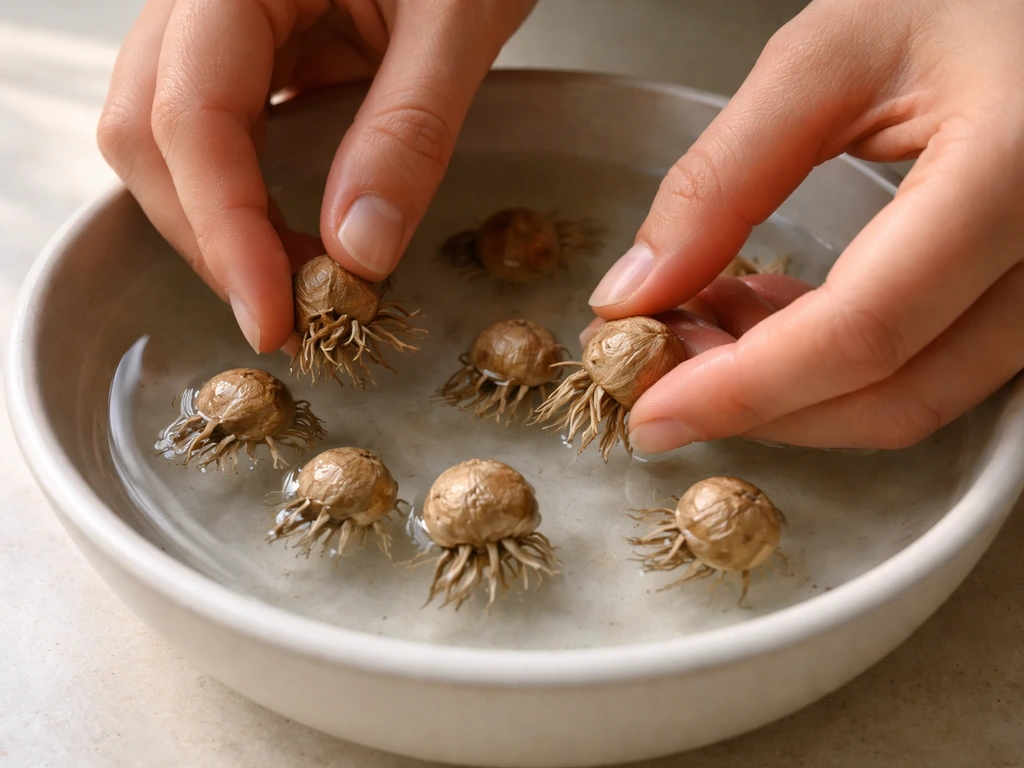
Ranunculus corms are sold dry and look like tiny shriveled claws. Before planting, soak them in cool water for 3 to 4 hours (not overnight, which can cause rot) to rehydrate them. You should see them plump up noticeably. Plant them claw-side down. UC ANR’s bulb guidance also notes that growth points should be up and root scars down when planting bulbs, corms, and tubers, which is applicable to ranunculus corms as well.
Depth and spacing
Plant corms about 1 to 2 inches deep with the claws pointing downward. Spacing depends on your goal: for cut flowers and maximum stem length, plant 6 inches apart in rows 9 to 12 inches apart. For a garden display bed, 6 to 9 inches in all directions works well. Closer spacing shades the soil a bit, which helps in warmer Texas winters, but you also increase air circulation issues if the season stays humid.
Containers vs in-ground
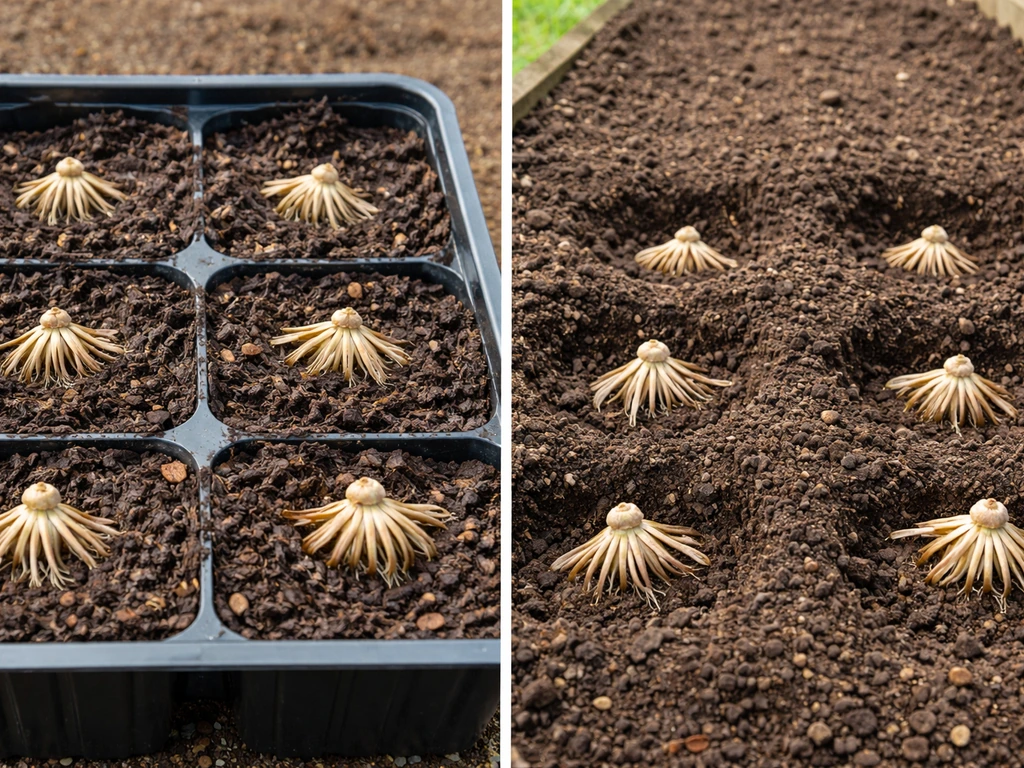
Containers are genuinely one of the best options for Texas ranunculus growing, especially in the Panhandle, West Texas, and anywhere with difficult soil. In most of the US, you can also grow currants in a similar way by matching the plant to your climate and giving it consistent moisture and good drainage grow currants in the US.
In Texas, currants typically do best when you match the variety to your local chill and provide consistent, well-drained moisture grow currants in the US. A container with good drainage holes and a quality well-draining potting mix (avoid heavy moisture-retaining mixes) gives you control over soil temperature, drainage, and sun exposure. You can move containers under cover before a hard freeze or shift them to afternoon shade when warm days arrive in February or March.
Use pots at least 10 to 12 inches deep, and plant 3 to 5 corms per 12-inch pot. Growing ranunculus in Colorado or other colder states follows a similar container-based logic for cold protection. If you want more detail on Colorado timing and protection, you can also learn how to grow ranunculus in Colorado. If you want to grow ranunculus in Colorado, you can use the same container approach and protect the plants during winter cold.
Watering, light, and day-to-day care from planting through bloom
After planting, water in gently and then hold back. This is the part most Texas gardeners get wrong. Ranunculus corms rot easily in wet soil, so the goal right after planting is moist but not soggy. If your Texas winter is bringing regular rain, you may not need to water at all until you see sprouts emerge. Check the soil at 2 inches deep: if it feels damp, skip watering. If it's dry, water lightly.
Once sprouts appear (usually 3 to 5 weeks after planting in cool conditions), you can water more consistently. At the active growth stage, ranunculus wants evenly moist soil but never standing water. Drip irrigation or a soaker hose is ideal because keeping foliage dry reduces the risk of botrytis and powdery mildew, both of which can appear during Texas's occasional humid winter stretches.
Ranunculus needs full sun for the best stems and bloom count. Six or more hours is the minimum. In North Texas where winter sun is lower in the sky and days are shorter, position plants in the sunniest possible spot. In South Texas, a site with gentle afternoon shade (from a fence, hedge, or shade cloth) can extend your bloom period by a week or two as spring warms up. Once plants are actively growing and budding, a light application of balanced liquid fertilizer every two weeks supports strong stems and good flower size.
Troubleshooting common Texas issues
Tubers not sprouting
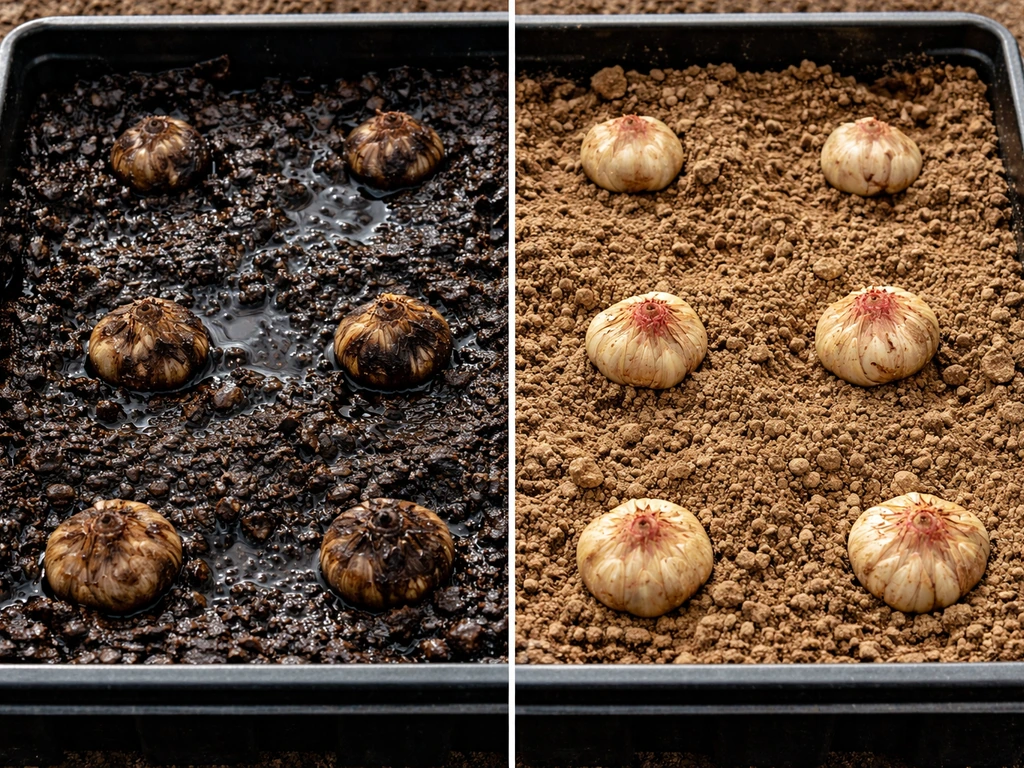
If nothing comes up after 4 to 6 weeks, the most common causes are soil that's too warm at planting time (above 60°F), corms planted upside down (claws should face down), or corms that rotted before germinating due to waterlogged soil. Dig one up carefully and check: if it's mushy, rot is the culprit and drainage needs to be addressed before you replant. If it looks intact but hasn't sprouted, check your soil temperature. Ranunculus can sit dormant in overly warm soil and then rot when moisture accumulates.
Rot from winter wet
This is the number one killer of ranunculus in Dallas, Houston, and East Texas, where clay soils stay wet for weeks after rain. The fix is structural: raised beds, amended soil, or containers. If you're committed to in-ground planting in clay, mound your planting area 4 to 6 inches above the surrounding grade and never water until the soil has visibly dried between rains. A thin layer of coarse gravel or sand directly under the corms at planting can also help.
Heat stress and bolting
When temperatures climb above 75°F consistently, ranunculus pushes hard into bloom and then fades fast. Stems get shorter, buds blast (open too fast and drop petals within a day or two), and the foliage yellows. There's no reversing this once it starts. The best defense is a well-timed planting so plants are blooming during the cool heart of your season rather than fighting spring heat. If a surprise warm spell hits while your plants are still budding, shade cloth at 30 to 40 percent can buy a few extra days. For container growers, moving pots to a slightly cooler, shadier spot helps.
Leggy, sparse growth
Weak, stretched stems usually mean insufficient light. Ranunculus grown in part shade, especially during short winter days, will reach for the sun and produce fewer flowers with floppy stems. Relocate containers to a sunnier spot or thin surrounding vegetation to open up the site. Supplemental fertilizer with slightly higher phosphorus (the middle number on the bag) can help support root and bloom development if soil nutrition is the issue.
Harvesting, after-bloom care, and preparing for next season
For cut flowers, harvest ranunculus when buds are just beginning to show color and the petals are starting to unfurl. At this stage, stems can last 7 to 10 days in a vase with clean water. Cut in the early morning with clean shears, strip lower leaves, and place immediately in water. Recut the stems at an angle every couple of days.
Once your plants finish blooming and the foliage starts yellowing, stop watering and let the plants die back naturally. In Zones 8 and warmer across Texas, corms can sometimes stay in the ground through summer dormancy and return the following cool season, especially in well-draining soil. That said, Texas summers are brutal, and many gardeners find it more reliable to dig the corms after the foliage fully dies back (usually late spring), dry them in a shaded, well-ventilated spot for a week or two, and store them in a mesh bag or paper bag in a cool, dry place (around 50°F to 60°F) until fall planting time. Avoid storing them in airtight containers or anywhere humid.
If you're in Zone 9 or 10 and want to try leaving corms in the ground, do it only if your soil drains well. The combination of summer heat, humidity, and moisture is exactly the environment that rots stored corms in the ground. In Houston or the Rio Grande Valley, digging and storing is almost always the better call.
Setting realistic expectations and next steps
Ranunculus in Texas is entirely doable, but it rewards gardeners who work with the calendar rather than against it. Because Ontario has different winter and spring timing than Texas, you can grow ranunculus there by planting at the right soil temperature and choosing a well-draining site grow ranunculus in Ontario. Your single most important decision is when to plant. Get your corms in the ground (or containers) when soil temperatures are in that 50°F to 55°F sweet spot, and you'll have healthy sprouts in a few weeks and blooms timed to the coolest part of your local late winter or early spring. Push too late, and spring heat cuts your bloom season to almost nothing.
If you're new to ranunculus or have had failures before, start with containers filled with a fast-draining mix. They remove the drainage variable almost entirely and give you control over placement. Buy pre-chilled corms from a reputable bulb supplier if available, as they can jumpstart sprouting. And if you're comparing notes with gardeners in other states, the challenge in Texas is almost the opposite of what you'd face in colder climates like Colorado, where winter protection from deep freezes is the primary hurdle rather than heat avoidance.
- Check your USDA zone and use the regional planting table above to set your planting date
- Test your soil drainage before planting and switch to raised beds or containers if it drains slowly
- Soak corms for 3 to 4 hours before planting, plant claw-side down, 1 to 2 inches deep
- Water sparingly until sprouts emerge, then shift to consistent but not soggy moisture
- Place plants in full sun with at least 6 hours daily, or use afternoon shade to extend bloom in warmer zones
- Have row cover or shade cloth ready for unexpected warm spells or cold snaps
- Dig and store corms after foliage dies back if you're in Zone 9 or above, or if your soil stays wet
FAQ
What’s the best way to tell if my ranunculus corms are actually too warm before planting?
Use a soil probe or thermometer at the 4-inch depth, check it mid-morning for a couple of days, and only plant once readings consistently sit around 50°F to 55°F. If the soil dips into that range at night but stays above 60°F during the day, you’re still likely to get rot or stalled growth.
Can I plant ranunculus in Texas in December, or will it miss the window?
December can work in Central and South Texas if soil temperatures are in the planting range and drainage is excellent. The risk is not just cold, it’s extended cool wet weather, so avoid planting into clay that stays soggy. If your area gets frequent winter rain, consider raised beds or containers to keep the corm zone from staying saturated.
How much watering should I do in the first weeks after planting?
After planting, water in gently once, then withhold until the top few inches dry slightly. During typical Texas winter conditions, it’s common to skip watering entirely until you see sprouts 3 to 5 weeks later. When watering becomes necessary, keep it light and targeted to the soil, not the foliage.
My ranunculus sprouted but then turned yellow quickly, what does that usually mean?
Yellowing early can be a sign of too much moisture around the corms or fungal pressure from humid conditions. Check drainage right away (top-to-root wetness), and switch to drip or soaker irrigation to keep leaves drier. If the soil is consistently wet, move to a raised bed or container for the next cycle.
Do I need fertilizer before leaves show up?
In most Texas situations, you should wait until active growth begins, then feed lightly. Over-fertilizing early can encourage weak, lush growth that’s more susceptible to disease. A balanced fertilizer every couple of weeks is typically enough once shoots and stems are underway.
How do I protect ranunculus from a surprise warm spell without ruining the plants?
Use light shade cloth (about 30 to 40 percent) when temperatures are climbing above the mid-70s, and focus it on the afternoon heat. Also consider moving containers to afternoon shade. Avoid covering too early or too heavily for long periods, because ranunculus still needs decent light for sturdy stems.
Can ranunculus grow well in partial shade in Texas?
It can survive in part shade, but you’ll usually get fewer blooms and leggier stems. If you must compromise, choose morning sun and protect from the harshest afternoon rays in South Texas. For best results, aim for at least about 6 hours of direct sun during the core growth and budding phase.
Why do my ranunculus blooms “blast” and drop quickly in Texas?
Bloom blast is typically heat and wind stress happening while buds are forming or opening, often after a late cool season that quickly turns warm. Plant earlier rather than later for your area, and be ready with shade cloth or container relocation when temperatures spike while buds are visible.
Is there a difference between in-ground vs container success in the Texas Panhandle?
Yes, containers usually outperform in the Panhandle because they let you manage soil temperature and drainage during unpredictable winter swings. Use pots with multiple drainage holes and a fast-draining mix, then shelter during cold snaps. In-ground can work, but you’ll need consistently well-drained soil and extra protection against both cold extremes and wet winters.
When should I dig and store corms in Texas, and how dry is “dry enough”?
After foliage fully yellows and dies back, stop watering and let plants dry down naturally. Dig the corms in late spring, then dry them in a shaded, airy place for about 1 to 2 weeks. They should feel firm and not mushy; if you store soft, wet corms, they often rot before the next fall planting.
Can I leave corms in the ground in Zone 9 or 10 if I improve drainage?
Only if your site drains extremely well and stays relatively dry through summer. Even with excellent drainage, Houston and the Rio Grande Valley are often too humid and wet for reliable in-ground storage, so digging and storing is usually the safer choice. If you try it, monitor closely after summer rains and be prepared to lift corms at the first sign of softness.
What’s the most common planting mistake that causes “nothing came up” in Texas?
The most frequent causes are soil that was too warm at planting time and drainage failure that rots corms before sprouting. A less obvious but common issue is incorrect orientation, claws must point down. If you see no sprouts after 4 to 6 weeks, dig one up and check for mushiness before replanting.
Next Articles
Can You Grow Currants in the US? Region by Region Guide
State by state guide to growing currants in the US, including where red currants thrive and how to start.
Can You Grow Agave in Canada? Zone Guide & Growing Tips
Can you grow agave in Canada? Practical region-by-region guide, hardy species, container tips & winter care.
Can You Grow Okra in Canada? Ontario Guide & Short‑Season Tips
Can you grow okra in Canada? Regional verdict, Ontario-specific steps, varieties, season-extension & harvest tips.