Do currants grow in the US? Short answer: yes, widely
Currants (Ribes spp.) are absolutely grown in the US, from backyard gardens in Minnesota to small commercial plots in Oregon and Wisconsin. They are not exotic or experimental crops here. University extensions in Minnesota, Wisconsin, Oregon, Washington, and Utah all publish currant-growing guides for home gardeners, which tells you everything you need to know about how realistic this is. The bigger questions are which type fits your climate, whether your state has any planting restrictions, and whether your specific yard conditions line up with what currants need.
Where currants actually grow well across the US
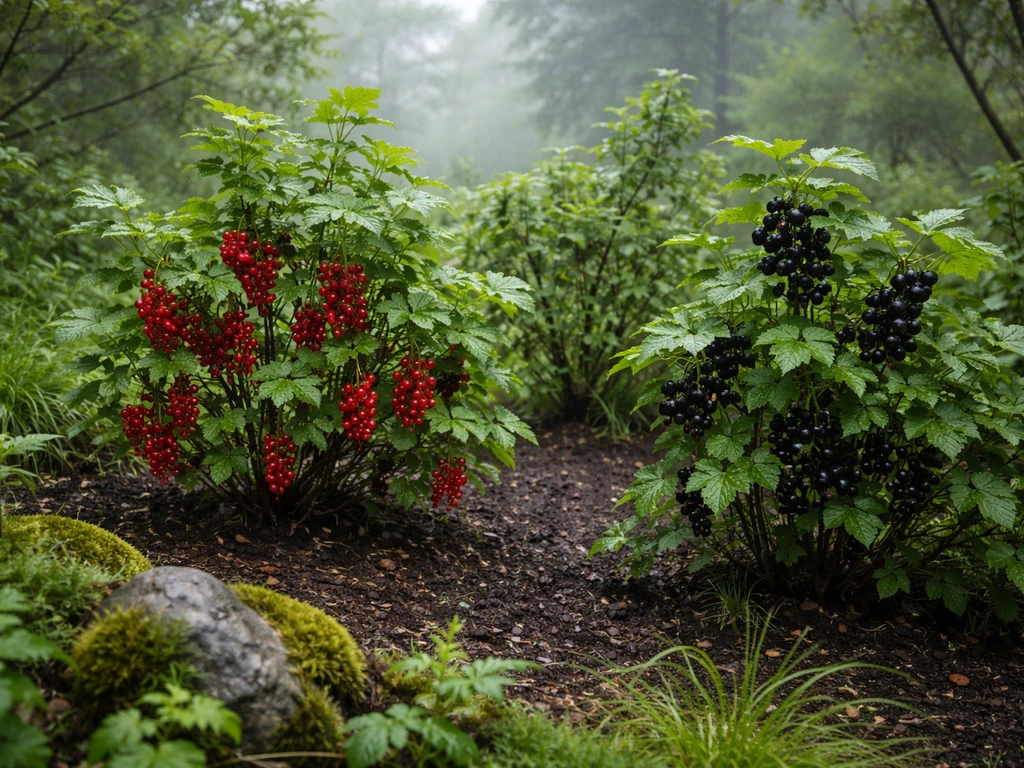
Currants are cool-climate shrubs. They thrive where winters are cold, summers are moderate, and humidity stays reasonable. The sweet spot in the US is roughly USDA Zones 3 through 7, which covers a huge swath of the country. Outside that range, things get tricky fast.
The Pacific Northwest
Oregon and Washington are arguably the best currant states in the country. The Oregon Coast and Willamette Valley have the cool, moist conditions currants love. OSU Extension specifically calls out the Oregon Coast as well-suited, with morning sun, wind protection, and a soil pH target of 5. OSU Extension’s Oregon Coast currants guide notes that currants prefer a soil pH of 5.6 to 6.5 soil pH target of 5. 6 to 6.5. WSU Extension has a dedicated small-fruit guide that covers currants as a legitimate home-garden crop throughout the Pacific Northwest. If you live in western Oregon or western Washington, currants are one of the easier small fruits you can grow.
The Upper Midwest
Minnesota, Wisconsin, Michigan, and the Dakotas are strong currant country. Cold winters are not a problem here; in fact, they are a feature. University of Minnesota Extension has detailed home-garden guidance on growing currants, and Wisconsin Extension describes both red and black currants as legitimate backyard crops, with red and white currants often trellised and black currants grown in hedgerows. NDSU has even evaluated red currant varieties specifically for cold-climate performance in the Upper Midwest. If you are in Zone 3, 4, or 5 in this region, currants should be on your planting list.
The Northeast
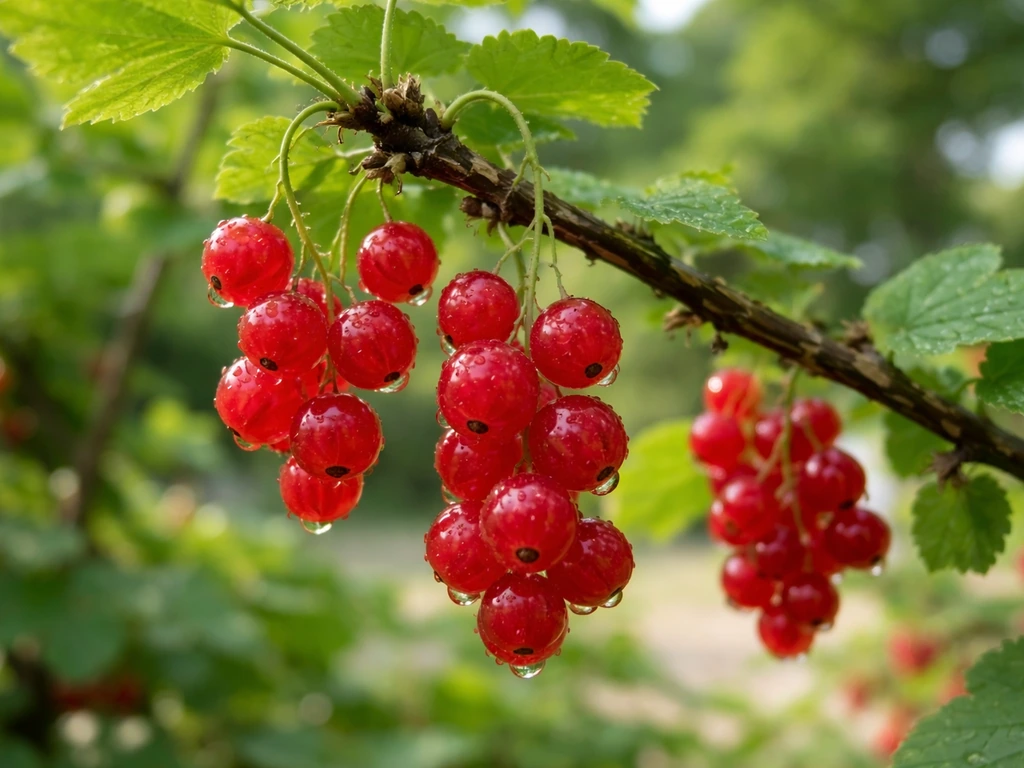
New England and the Mid-Atlantic states have the right temperatures for currants, but this region comes with a legal wrinkle: several states and counties have quarantine restrictions on Ribes species due to white pine blister rust. Maine is a good example. UMaine Extension confirms that red currants are under quarantine in many Maine counties, meaning you cannot legally buy, sell, transport, or plant them in those areas.
UMaine Extension explains that red currants and other Ribes are under quarantine restrictions in Maine, including specific counties where sale, transportation, further planting, or possession is prohibited UMaine Extension confirms that red currants are under quarantine. This is not a myth or historical footnote.
Before you order plants for any northeastern state, check your state's department of agriculture for current Ribes restrictions.
The Mountain West and Intermountain Region
Utah, Colorado, and neighboring states can support currants in the right settings. Utah State University Extension frames red currants as long-cultivated and suitable for home gardens in the state. Elevation helps here because it moderates summer heat, which is one of the main things currants cannot handle well. If you are at higher elevation in the Intermountain West, your chances improve significantly compared to gardeners in the valleys dealing with hot, dry summers.
The South and hot-summer states
This is where currants genuinely struggle. Hot, humid summers are the main obstacle. Currants are not suited to Zone 8 and above in most contexts, though parts of Zone 7 with favorable microclimates can work. The heat stress, combined with disease pressure in humid climates, makes success hard to achieve without significant site engineering.
<a data-article-id="564BA706-3A15-45F9-B5E4-F06778DFBB87">If you are in Texas, Florida, or the Deep South, currants are a poor fit. If you are in Texas, Florida, or the Deep South, currants are a poor fit, but you can review can you grow currants in texas for a quick climate check before you plant.
If you are in Texas, Florida, or the Deep South, currants are a poor fit, and you can also review can you grow currants in texas for a climate check before you plant. There are better small-fruit choices for those climates.
Can you grow red currants in the US specifically?
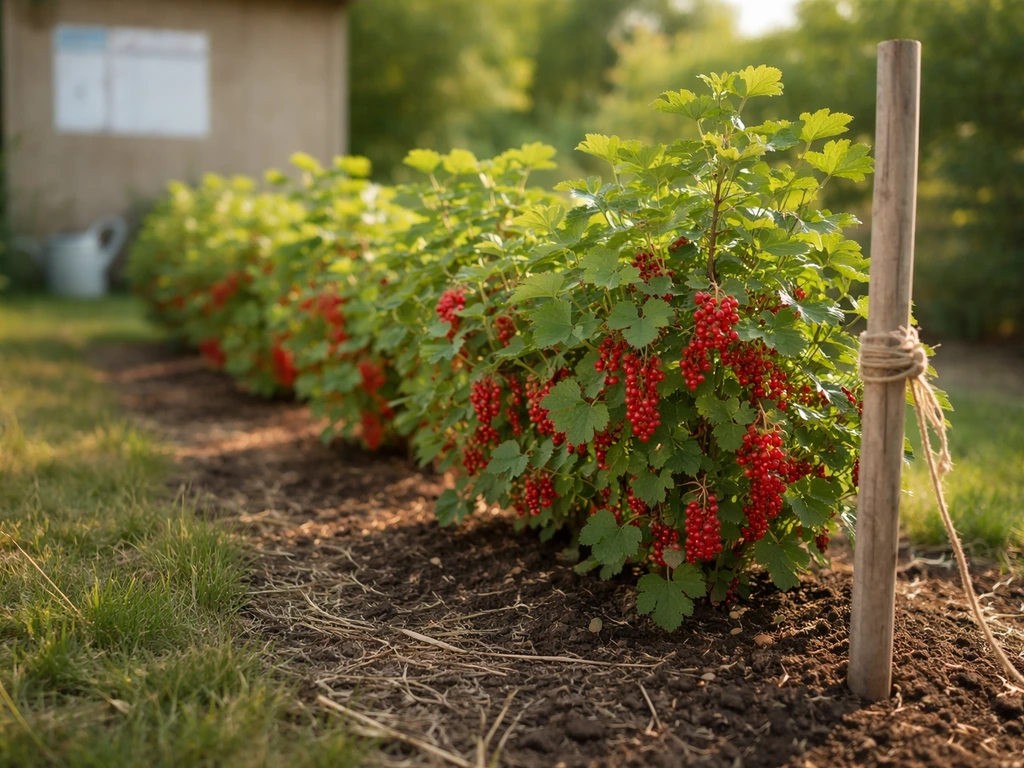
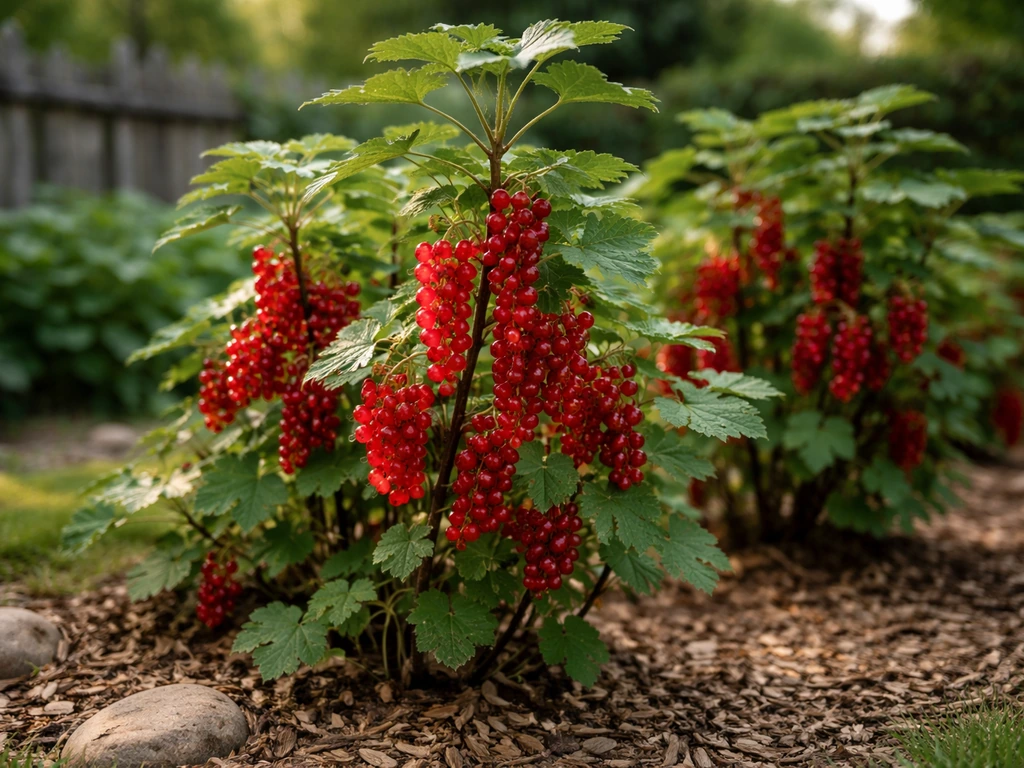
Red currants (Ribes rubrum) are the type most commonly grown in US home gardens, and yes, they grow here reliably in the right zones. The cultivar 'Red Lake' is probably the most widely referenced variety in the US. University of Minnesota's plant database lists it as hardy to USDA Zones 3 to 7, and Raintree Nursery states it is hardy to minus 40 degrees Fahrenheit. That is serious cold hardiness. Nursery listings confirm red currants are sold for Zones 2 through 6 in some cases, depending on the cultivar. So the cold-tolerance ceiling for red currants is extremely high. The limiting factor on the warm end is summer heat, not winter cold.
The one real complication specific to red currants is the blister rust and regulatory picture. Because Ribes species serve as alternate hosts for white pine blister rust, some states have historically banned or restricted them, especially near five-needled white pine forests. Those bans have largely been loosened at the federal level, but individual states still enforce their own rules. Spencer Creek Nursery notes shipping restrictions to certain states on their red currant listings. Always verify before you buy.
Where red currants grow best in the US
Red currants perform best in Zones 3 to 7 with cool summers and consistent moisture. Here is a practical breakdown of where they excel versus where they need extra help:
| Region | Zone Fit | Red Currant Suitability | Key Notes |
|---|
| Pacific Northwest (OR, WA) | 6–8 (coastal zones cooler) | Excellent | Cool, moist summers; watch for rust near white pines |
| Upper Midwest (MN, WI, ND, MI) | 3–5 | Excellent | Cold winters are fine; long-established growing region |
| Northeast (NY, VT, ME, etc.) | 4–6 | Good to excellent (where legal) | Check state/county quarantine rules before planting |
| Mountain West (UT, CO at elevation) | 4–6 depending on elevation | Good | Elevation moderates summer heat; lower valleys are riskier |
| Mid-Atlantic (PA, MD, VA) | 6–7 | Moderate | Zone 7 is the edge; afternoon shade helps |
| Southeast / Deep South | 7–9+ | Poor | Too hot and humid; not recommended |
| Southwest (AZ, NM lowlands) | 7–10 | Poor | Heat and aridity are both problems |
How to tell if your location is actually a good match
Beyond your USDA zone, there are a few specific things worth checking before you commit to planting currants. Zone is a good starting filter but not the whole picture.
- Check your zone first. If you are in Zone 3 to 6, you are in the core currant belt. Zone 7 is marginal and site-dependent. Zone 8 and above is generally not suitable without significant microclimate advantages.
- Look at your summer temperatures. Currants want cool, moist summers. If you regularly hit sustained stretches above 90 degrees Fahrenheit, that is a warning sign even if your zone number looks right. OSU Extension advises gardeners in hot-summer areas to use afternoon shade or north/northeast-facing slopes to compensate.
- Check for white pine blister rust restrictions in your state. If you live in the Northeast especially, look up your state ag department's current Ribes regulations. Some counties in states like Maine have active quarantines that prohibit planting.
- Look at whether five-needled white pines are present on or near your property. If they are, OSU Extension recommends choosing rust-resistant cultivars. Examples include 'Viking' for red currants and 'Consort' for black currants.
- Assess your drainage. Currants want consistent moisture but not waterlogged roots. If your soil drains poorly, OSU Extension recommends raised beds to correct this.
- Think about air circulation. Stagnant, humid air encourages fungal disease. WSU Extension specifically flags good air circulation as a site requirement. Avoid planting in low-lying areas where cold air and moisture pool.
Getting started: picking the right type and setting up your site
Choose your type based on your climate
Red currants are the most adaptable and widely grown in the US. They are your default choice unless you have a specific reason to grow black currants. Black currants (Ribes nigrum) are grown across Zones 3 to 8 with some varieties surviving to Zone 2, but they have their own flavor profile and cultural requirements. Wisconsin Extension notes black currants are often grown in hedgerows for processing rather than fresh eating. White currants are essentially a color variant of red currants and share the same growing requirements. For most US home gardeners starting out, a proven red currant cultivar like 'Red Lake' (Zones 3 to 7) is the straightforward choice.
Site prep and soil
Get your soil pH right before planting. WSU Extension recommends a pH of 5.8 to 6.8, while UMass Amherst narrows that to 6.0 to 6.5 as ideal. Either way, test your soil and amend it before you put anything in the ground. For the site itself, full sun works well in cool climates. In warmer parts of Zones 6 and 7, partial shade, especially in the afternoon, is genuinely helpful. Morning sun with some afternoon protection is the formula OSU Extension recommends for both quality and disease management.
Planting and early care
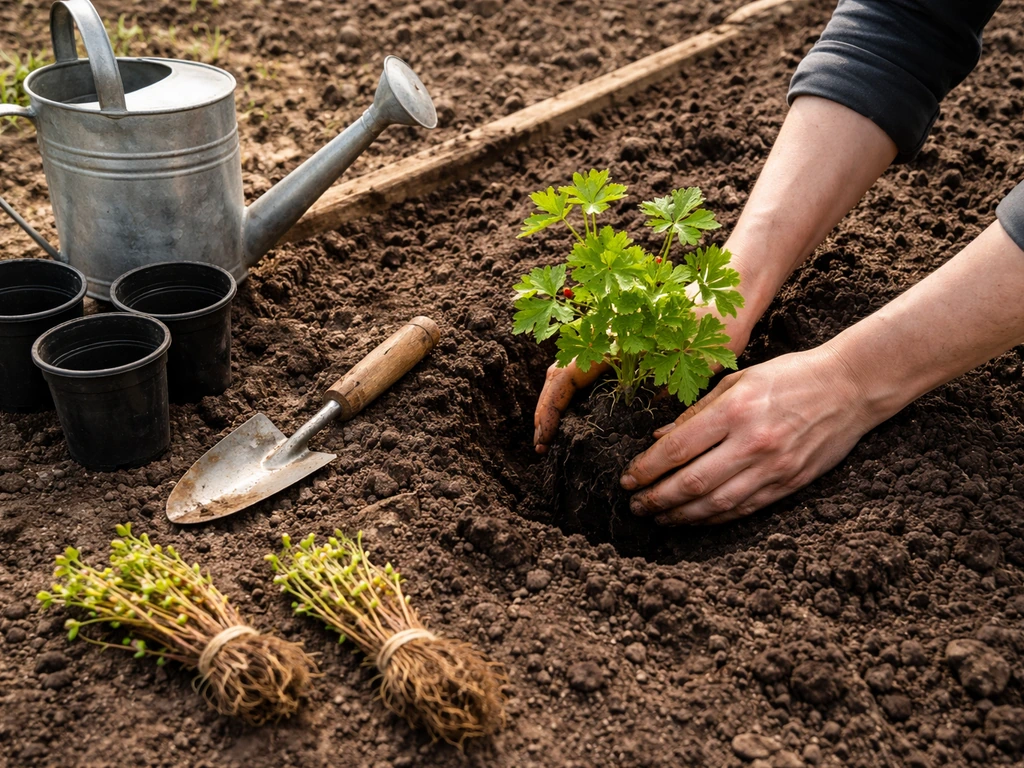
Space red currants about 3 feet apart. Black currants need more room: 4 to 5 feet apart, per UMN Extension. At planting, apply 2 to 4 inches of organic mulch around the base and plan to renew it every year. If you are planting bare-root stock, UMN Extension recommends cutting the canes back to about six buds at planting. Do not expect a full crop right away. Currants need a few establishment years before they hit full production, but once they do, they are productive and low-maintenance shrubs.
Ongoing pruning and maintenance
Prune annually in late winter or early spring, after the worst cold risk has passed. The goal is to maintain open structure with good air circulation through the canopy. Red currants fruit on spurs on older wood, so your pruning strategy should preserve productive older canes while removing the oldest, least productive ones over time. This is not complicated once you do it the first time, but skipping annual pruning leads to overcrowded, disease-prone plants that produce poorly.
If you are narrowing down a specific state, the same feasibility logic applies whether you are looking at a cooler state like those discussed above or a warm-season state. The core question is always the same: does your summer climate stay cool enough, and do your state's regulations allow it? Get those two things right and currants are genuinely one of the most reliable and low-effort small fruits you can grow in the US.
If you are wondering can you grow ranunculus in texas, the same kind of temperature and site-checking matters, especially for heat and summer dryness. You can use the same approach to decide can you grow ranunculus in Ontario based on your local temperatures and growing season length.