
Yes, you can grow artichokes in Ontario, but with one important caveat: for most of the province, you'll be treating them as annuals rather than perennials. The sweet spot for overwintering artichokes outdoors in Canada is essentially limited to the mildest corners of southwestern Ontario, like the Essex County region near Windsor, which sits in USDA Zone 7a (minimum temperatures around -15°C to -17.8°C). Everywhere else, from the Greater Toronto Area through Ottawa and beyond, winters are just too cold for the roots to survive in the ground reliably. Ottawa, for example, averages coldest-month minimums around -14.3°C and sits in Zone 5b, where hard freezes regularly push well past what artichokes can handle. Plantmaps’ Ontario hardiness zone map provides example hardiness minima for Essex (Zone 7a, about -17.8°C to -15°C) and Ottawa (Zone 5b, about -26.1°C to -23.3°C) Essex 7a example minima and Ottawa 5b example minima. But don't let that stop you. Grown as an annual from seed started indoors each spring, artichokes produce a real harvest right across Ontario, and a few extra tricks can keep borderline-zone plants alive through winter. If you want to know how this compares to your local conditions, the growing approach for Massachusetts gardeners is similar, but timing and winter protection matter a lot overwintering artichokes outdoors.
Can You Grow Artichokes in Ontario Canada? How to Succeed
Where in Ontario (and Canada) does this actually work?
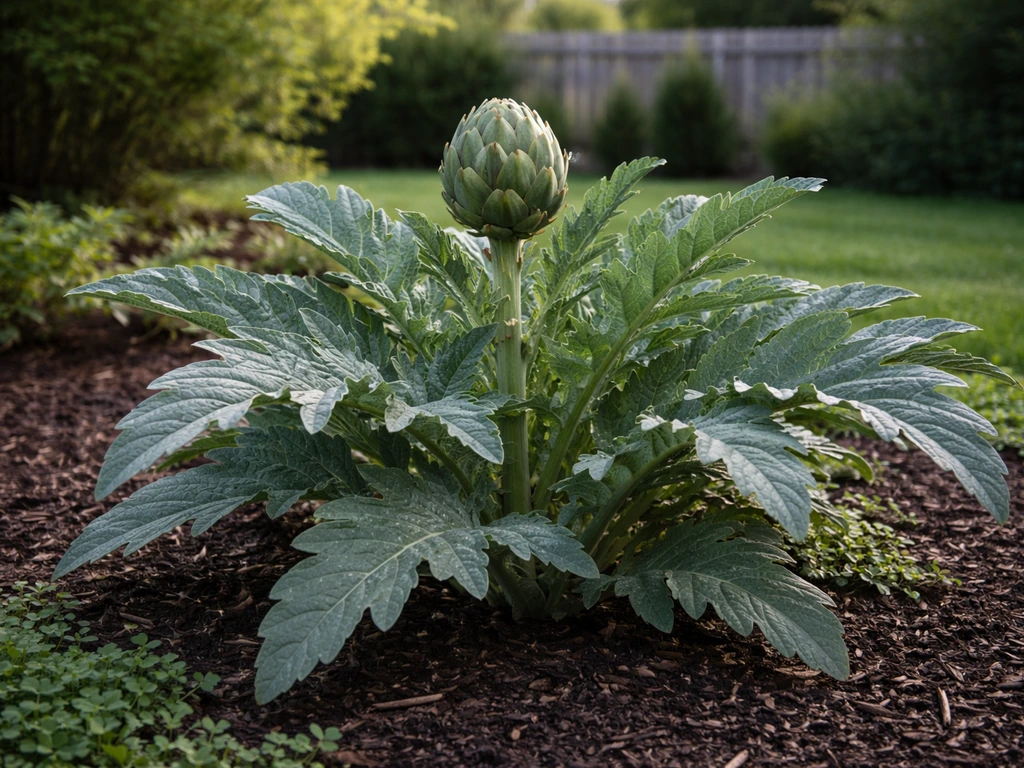
Artichokes (Cynara cardunculus var. scolymus) are rated for USDA Zone 7 and above as perennials, with a blank" rel="noopener noreferrer">cold tolerance down to roughly -12°C to -18°C at the root zone. That range matches only the very warmest pockets of Ontario. If you're wondering can you grow artichokes in New Jersey, the key is matching your microclimate and winter protection to how cold your winters get. Essex County and parts of the Niagara Peninsula come closest, and growers there have overwintered artichokes with heavy mulching. Move into the GTA (Zone 6a/6b) and you're in marginal territory where deep mulching plus container growing is the safer bet. Head north or east toward Ottawa, Sudbury, or Thunder Bay, and overwintering outdoors is essentially off the table.
The rest of Canada follows the same logic. Coastal British Columbia (Metro Vancouver, Victoria) is arguably the best perennial artichoke territory in the country, given its blank" rel="noopener noreferrer">Zone 8 climate. Southern Ontario is the only part of eastern Canada where perennial cultivation is even worth attempting. Compared to growing artichokes in Michigan or Wisconsin, which face similar Zone 5-6 winters, Ontario growers are in roughly the same boat: annual production is the reliable default, with overwintering as a bonus experiment for those in the warmest zones.
| Ontario Region | Approx. USDA Zone | Artichoke Strategy |
|---|---|---|
| Essex County / Windsor | 7a | Perennial possible with heavy mulch |
| Niagara Peninsula | 6b–7a | Perennial marginal; mulching required |
| Greater Toronto Area | 6a–6b | Annual reliable; overwintering risky |
| Ottawa / Eastern Ontario | 5b | Annual only; winters too severe |
| Northern Ontario | 3–5a | Annual only; start indoors early |
Annual vs. perennial: which approach is right for you?
Growing artichokes as an annual means starting fresh from seed (or transplants) every spring and expecting a harvest in the same season. It's more work each year but it's reliable everywhere in Ontario. The perennial approach means planting once, cutting the plant back in fall, mulching heavily, and hoping the roots survive to regrow the following spring. Perennial plants are bigger, more productive, and easier to manage once established, but they require mild winters that most of Ontario simply doesn't provide.
For most Ontario gardeners, the honest recommendation is to grow annuals and get good at it, rather than gamble on overwintering and lose the plant. If you're in Essex County or the warmest part of Niagara, it's absolutely worth attempting the perennial route with a 6-to-8-inch mulch layer of straw over the crown after the first frost. A pot-and-garage method, where you grow the plant in a large container and move it into an unheated but frost-free garage or cellar over winter, is a solid middle-ground option for GTA growers.
Picking the right variety and finding starts
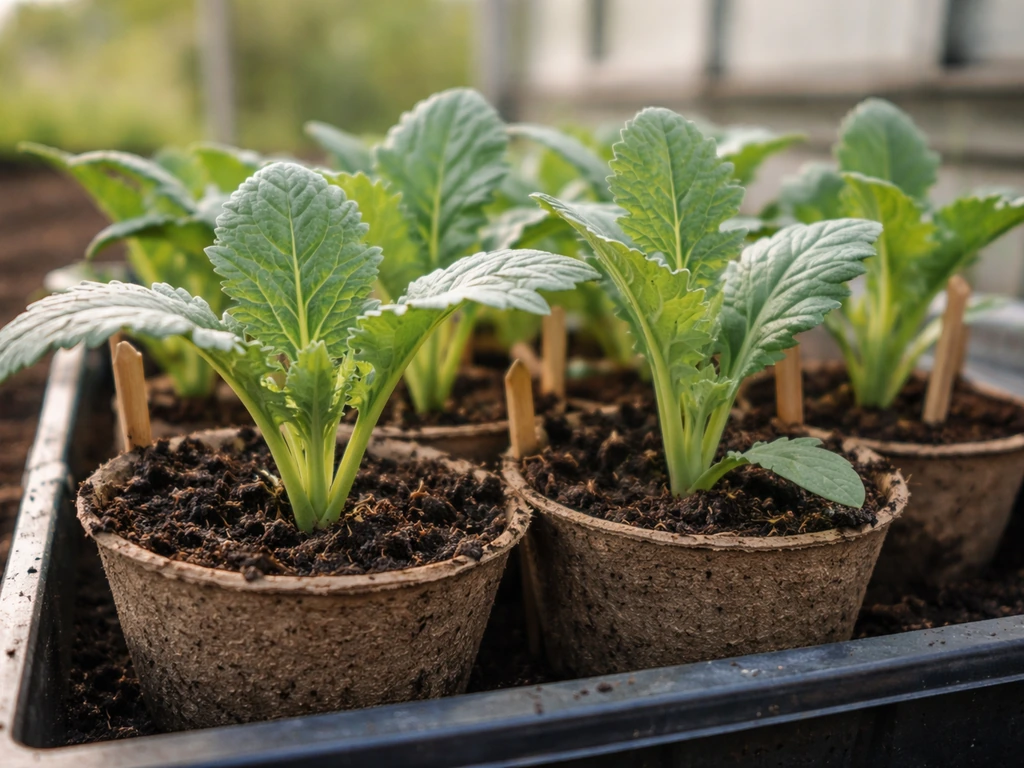
Variety choice matters a lot when growing artichokes as annuals in a short season. You need a cultivar that's been bred or selected to produce buds in its first year without requiring a full two-year establishment period.
- Imperial Star: the go-to annual variety, specifically bred to produce in year one; widely available as seed and the best default choice for Ontario annual growers
- Green Globe: the classic artichoke, better as a perennial but can produce in the first year if vernalized properly; seed is easy to find
- Violetto (Purple varieties): beautiful, slightly smaller heads, good annual performance; look for seed from Italian or specialty suppliers
- Tavor (Israeli selection): compact, heat-tolerant, productive in the first year; worth trying if you can source seed
For sourcing, West Coast Seeds and William Dam Seeds both carry artichoke varieties suited to Canadian conditions. Richters Herbs in Goodwood, Ontario stocks both seed and sometimes transplants. Local garden centres occasionally carry 4-inch transplant starts in late May, which saves you six weeks of indoor growing time if you find them. Seeds for Imperial Star are also widely available through Amazon Canada and most major online seed companies.
Your step-by-step planting plan for Ontario
Starting from seed indoors
Artichokes need a long head start. Plan to sow seeds indoors 10 to 12 weeks before your last frost date. In southern Ontario (GTA, Hamilton, London), that means starting seeds in early to mid-February for a late May transplant. In Ottawa and eastern Ontario, aim for late February. In northern Ontario, start in mid-February for a late May or early June transplant date.
- Sow seeds 1/4 inch deep in individual 3-inch pots or cell trays filled with moist seed-starting mix; artichokes dislike root disturbance so starting in individual cells is better than a flat
- Germinate at 21–24°C (70–75°F); seeds typically sprout in 7–14 days
- Once sprouted, move to your brightest window or under grow lights for 14–16 hours a day; leggy seedlings won't perform well
- Vernalize the seedlings before transplanting: expose 6-to-8-week-old plants to temperatures of 7–10°C (45–50°F) for at least 10 days (a cool porch, cold frame, or garage works); this cold period triggers bud formation in annual-type artichokes
- Harden off for 7–10 days before transplanting by gradually increasing outdoor exposure
- Transplant outdoors after your last frost date, once soil temperatures are consistently above 10°C
If you're planting transplants you bought at a nursery
Skip the vernalization step if the nursery already has well-established plants in late May, since commercial transplants are usually old enough to have naturally experienced some cold. Plant them out after last frost, no earlier than mid-May in the GTA and late May to early June in Ottawa or further north.
Setting up the perfect site
Artichokes are big, Mediterranean plants and they want conditions that reflect that. If you're wondering about growing artichokes in India specifically, the key is matching their heat and winter-cold needs to your region and choosing a suitable variety Mediterranean plants. Give them full sun, at least 6 to 8 hours of direct sunlight daily. They're not well suited to shady Ontario garden corners. Soil drainage is critical: artichokes will rot if their crowns sit in wet soil over winter or even during a wet spring. Raised beds and mounded rows are a genuinely good idea here, especially in heavier Ontario clay soils.
- Soil pH: 6.0 to 7.0 is ideal; test if you haven't recently amended
- Soil texture: well-draining loam or amended clay; work in 3–4 inches of compost before planting
- Spacing: give each plant 90–120 cm (3–4 feet) in all directions; artichokes get enormous and shade out anything crowded against them
- Raised beds or mounded rows: strongly recommended in clay-heavy southern Ontario soils
- Shelter from wind: helpful but not critical; a fence or wall on the north side extends the season and reduces stress
Watering needs are moderate to high. Artichokes want consistent moisture, roughly 1 to 1.5 inches per week during active growth, but they absolutely hate waterlogged roots. Drip irrigation or soaker hoses at the base work better than overhead watering, which can promote fungal disease in Ontario's humid summer conditions. Mulch around (not over) the crown to retain moisture and reduce watering frequency.
Keeping plants healthy through the season
Fertilizing
Artichokes are heavy feeders. Work a balanced granular fertilizer (something like 10-10-10) into the soil at planting, then side-dress with a nitrogen-rich fertilizer (fish emulsion, blood meal, or a balanced liquid feed) every three to four weeks during the growing season. Nitrogen drives the leaf and stalk growth that supports big heads. Back off on nitrogen once you see buds forming; at that point a low-nitrogen, higher-phosphorus feed supports bud development better.
Mulching
Mulch serves double duty in Ontario: it conserves moisture during hot July and August stretches, and it's your main overwintering tool if you're attempting to keep plants alive through winter. During the growing season, apply 2 to 3 inches of straw or wood chips around the base. For fall overwintering attempts in zones 6b and warmer, cut the plant back to about 10 cm (4 inches) after the first frost, then mound 6 to 8 inches of loose straw or dry leaves directly over the crown. Remove it in spring once hard frost risk passes.
Pests and disease
Ontario artichoke growers don't face the same aphid pressure as California commercial farms, but a few issues are worth watching for. Aphids (particularly black bean aphids) love to cluster on stems and under leaves; knock them off with a strong jet of water or treat with insecticidal soap. Slugs can devastate seedlings right after transplanting, especially in a wet spring. Iron phosphate bait (Sluggo) is effective and safe around vegetables. Crown rot and botrytis are the main disease concerns in a wet Ontario summer; both are best prevented by good drainage, proper spacing, and avoiding overhead watering. Root aphids can occasionally be an issue in poorly drained soils.
Harvesting and what to do when the season ends
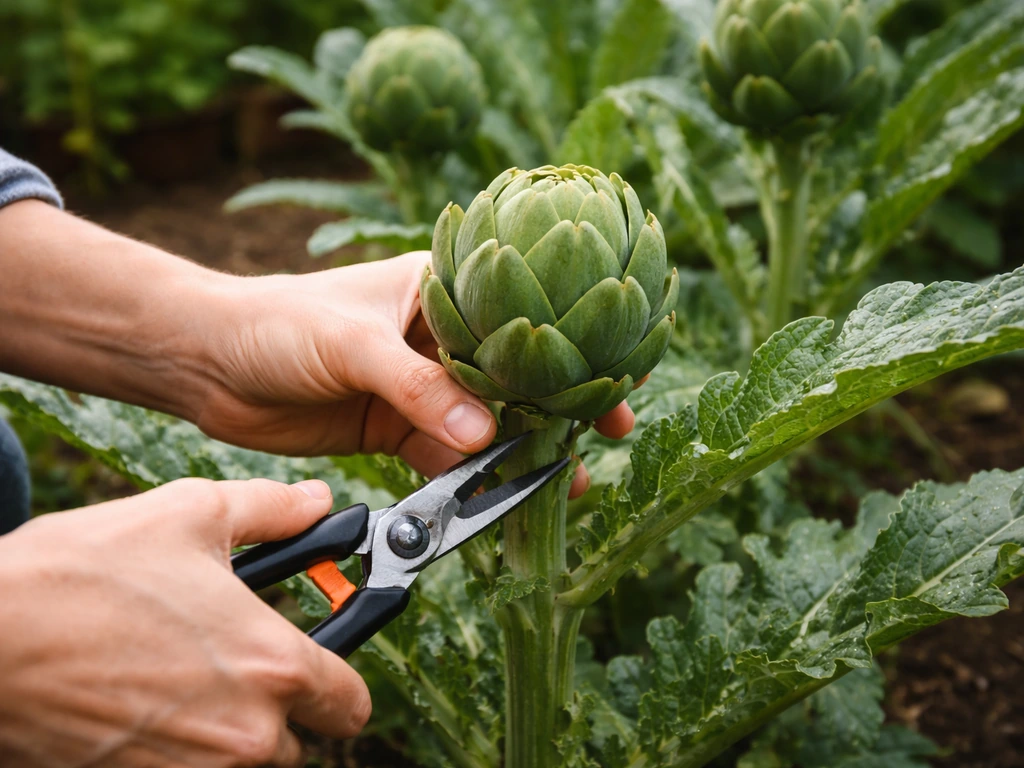
When to harvest
From a February indoor start, expect your first buds in August or September in most of Ontario. The central terminal bud (the largest one at the top of the main stalk) forms first and should be harvested when it's about the size of a baseball and still tightly closed. Bracts that have started to open mean the bud is past its prime and will be tough. Cut the stem 3 to 5 inches below the head with a sharp knife. Once the main head is removed, side shoots will develop smaller secondary buds, which can be harvested right up until the first hard frost.
After the harvest: your overwintering decision
Once temperatures drop and plants die back after frost, you have two choices. If you're in Windsor or the warmest part of the Niagara Peninsula (Zone 7a), cut plants to the ground, mound heavy straw mulch over the crown, and leave them in place. Check in April and remove the mulch once nights stay above freezing. Regrowth from overwintered crowns is vigorous and will produce earlier and more prolifically than a first-year plant. If you're in the GTA or anywhere colder, either compost the plants and start fresh from seed next February, or try the container method: grow in a 15- to 20-gallon pot, cut back after frost, and store the pot in a cool but frost-free garage or basement (around 1–4°C) over winter. Water it just enough to keep the root ball from desiccating completely, then bring it back out in spring.
Growing artichokes in Ontario is genuinely rewarding, even if you're doing the extra work of starting fresh each year. If you want to know whether can you grow artichokes in Wisconsin, the same basic cold-hardiness and winter-protection questions apply grow artichokes in Ontario. A single well-grown Imperial Star plant can yield 6 to 10 heads in a season. Treat it like the slightly high-maintenance but very worthwhile project it is, put in the early-February seed start date on your calendar right now, and you'll have fresh artichokes on the table before the summer is out.
FAQ
What’s the most reliable way to grow artichokes in Ontario if I’m not in Essex County?
Plan on growing them as annuals, start seeds indoors about 10 to 12 weeks before your last frost, then transplant in mid to late May depending on your location. This avoids the risk of crown death from repeated freeze and thaw cycles that often happen outside the warmest southwest pockets.
Can I keep artichoke plants alive through winter without moving them, like in a protected microclimate?
You can try, but you need more than just a “warm spot.” Aim for a location with wind protection and excellent drainage, then use a mound of loose straw or dry leaves over the crown after the first frost. If your area regularly dips below about -15°C, treat any overwinter survival as experimental rather than expected.
Do I need to vernalize artichokes in Ontario to get buds the first year?
Usually no, especially if you are planting nursery transplants that are already established. If you are starting from seed very early, choose a variety known for first-year bud production, and skip any cold-treatment step unless your seedlings look unusually small late in the season.
Will overwintered crowns in southern Ontario produce more heads than first-year plants?
Often yes, overwintered plants tend to regrow vigorously and can produce earlier and more heavily than first-year plants. However, if the crown partially rotted or dried out in storage, regrowth may be weak, so watch for healthy, firm tissue when you remove mulch in spring.
What size pot works best for the container method in the GTA?
Use a large container, ideally 15 to 20 gallons, so the root mass stays stable. Smaller pots dry out faster and are harder to keep from freezing solid, which increases crown and root failure during winter storage.
How lightly should I water artichokes in winter storage (garage or basement)?
Water only enough to prevent the root ball from completely drying out. If the medium feels cool and damp, you can usually wait longer between checks, the goal is to avoid drought stress without encouraging rot in a low, steady temperature.
Can artichokes handle partial shade in Ontario summers?
They will grow, but bud quality and yield drop in less than 6 to 8 hours of direct sun. For best results, place them where they get full sun, and avoid shade from fences, trees, or tall vegetables during the peak growth weeks.
How do I prevent crown rot in Ontario’s wet summers?
Prioritize drainage and watering technique. Use raised beds or mounded rows in clay soils, space plants to improve airflow, and avoid overhead watering. If you notice persistent soggy soil near the crown after rain, adjust placement and drainage before the problem spreads.
What’s the best way to fertilize artichokes so they don’t just produce leaves?
Start with a balanced feed at planting, then side-dress with nitrogen-rich fertilizer every three to four weeks while plants are building vegetative growth. Once buds form, reduce nitrogen and switch to a lower-nitrogen, higher-phosphorus approach to support bud development and reduce leafy, nonproductive growth.
When should I harvest Ontario-grown artichokes?
Harvest when the central bud is about the size of a baseball and the bracts are still tightly closed. If bracts begin opening, the head will likely be tougher, so check plants every few days once the first buds appear in August or September.
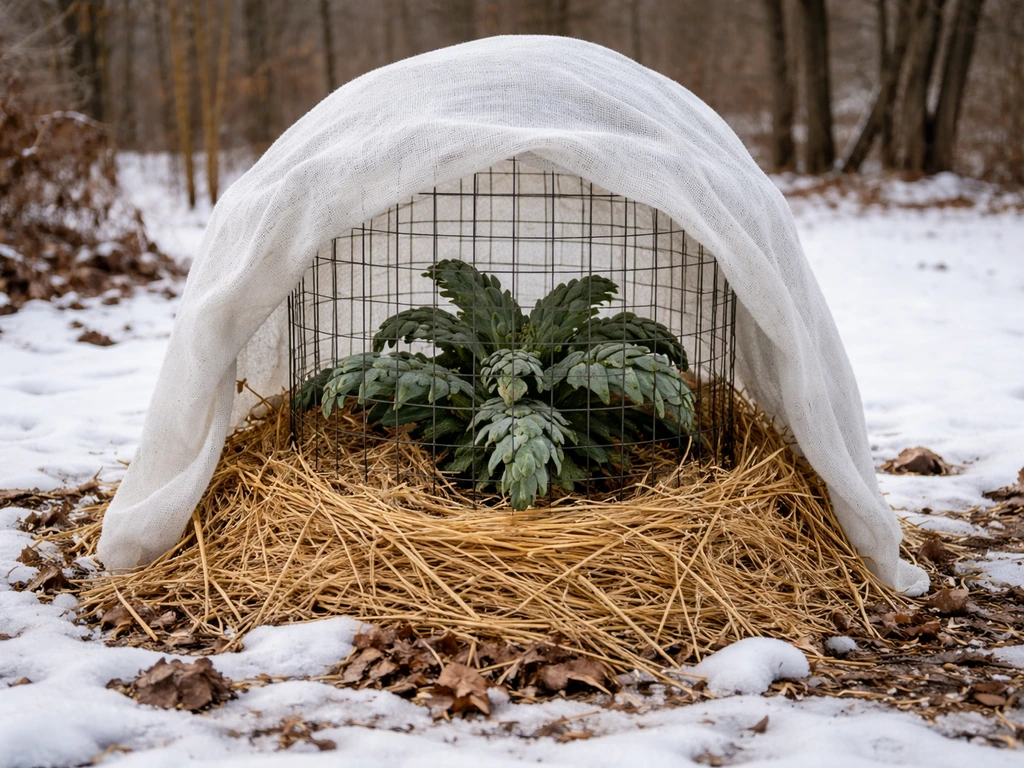
Yes, but with the right cold-tolerant varieties, site prep, timing, and heavy winter protection for Wisconsin.
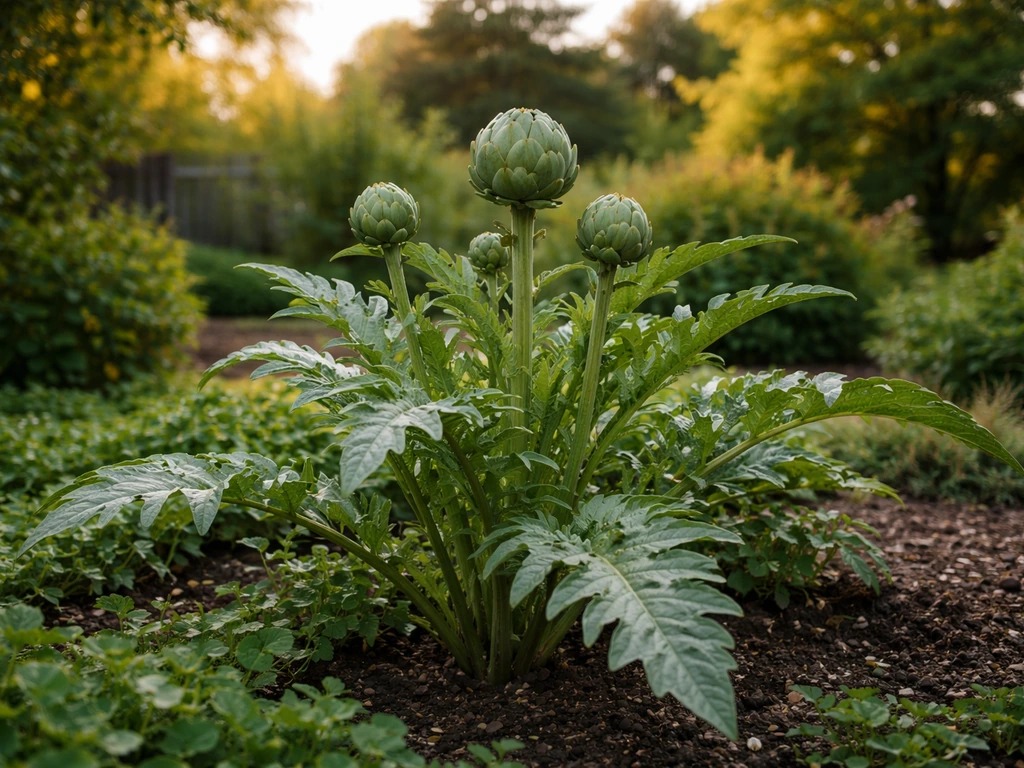
Yes, with the right type and winter plan. Learn Michigan planting, overwintering, and care for edible artichoke buds.
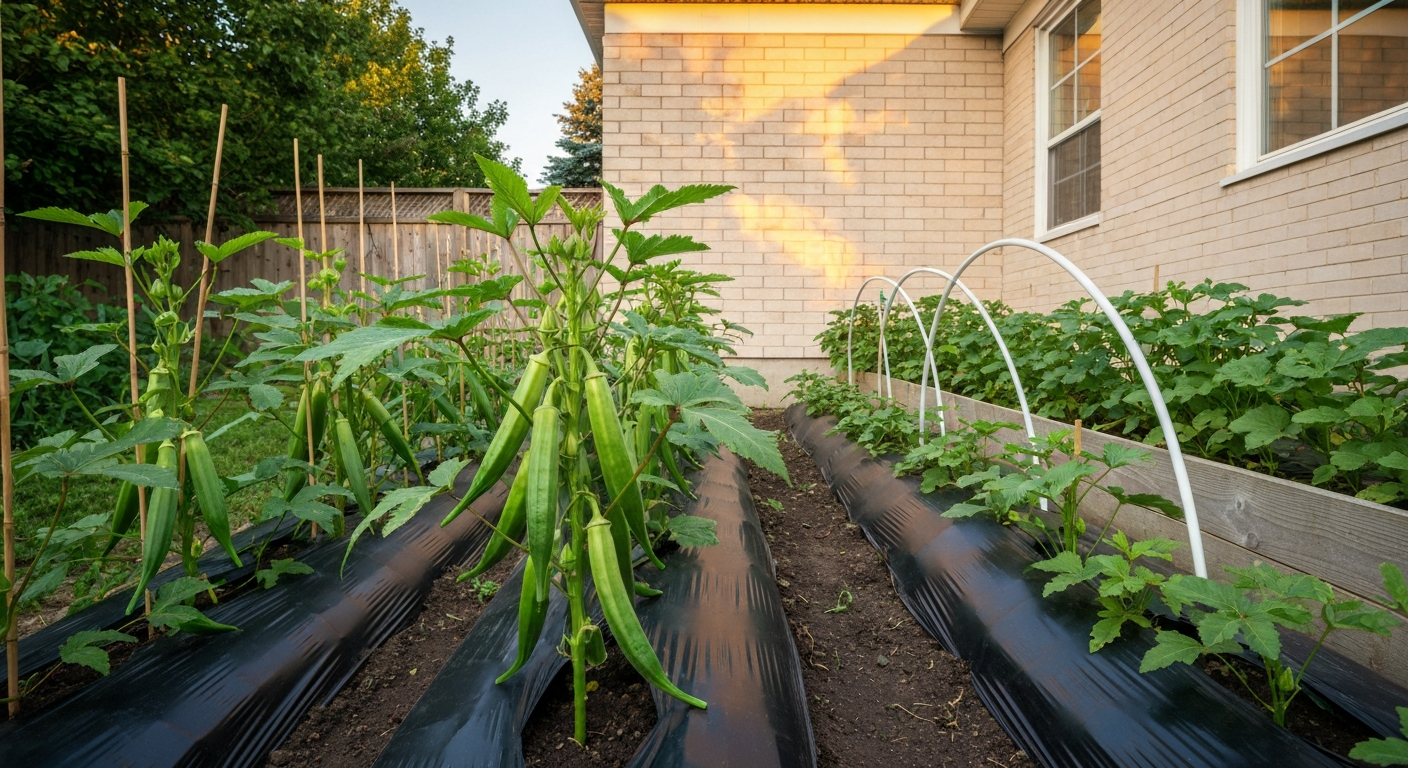
Can you grow okra in Canada? Regional verdict, Ontario-specific steps, varieties, season-extension & harvest tips.