
You can grow date palms in Georgia, but fruiting reliably is a real challenge everywhere except the southern tip of the state. Phoenix dactylifera, the true edible date palm, needs brutally hot, dry summers and mild winters to ripen fruit. Georgia gives you the heat in summer but throws cold, humid winters at you that can stress or kill the palm outright. In South Georgia, especially in a sheltered microclimate, you have a genuine shot at growing one in-ground and occasionally getting fruit. In Central Georgia it becomes an experiment worth trying with serious cold protection. In North Georgia, you're mostly growing it as a container specimen that spends winters indoors.
Can You Grow Dates in Georgia? Cold-Proof Guide
Marcus Holloway
24 Apr 2026
Georgia's climate and what it means for date palms
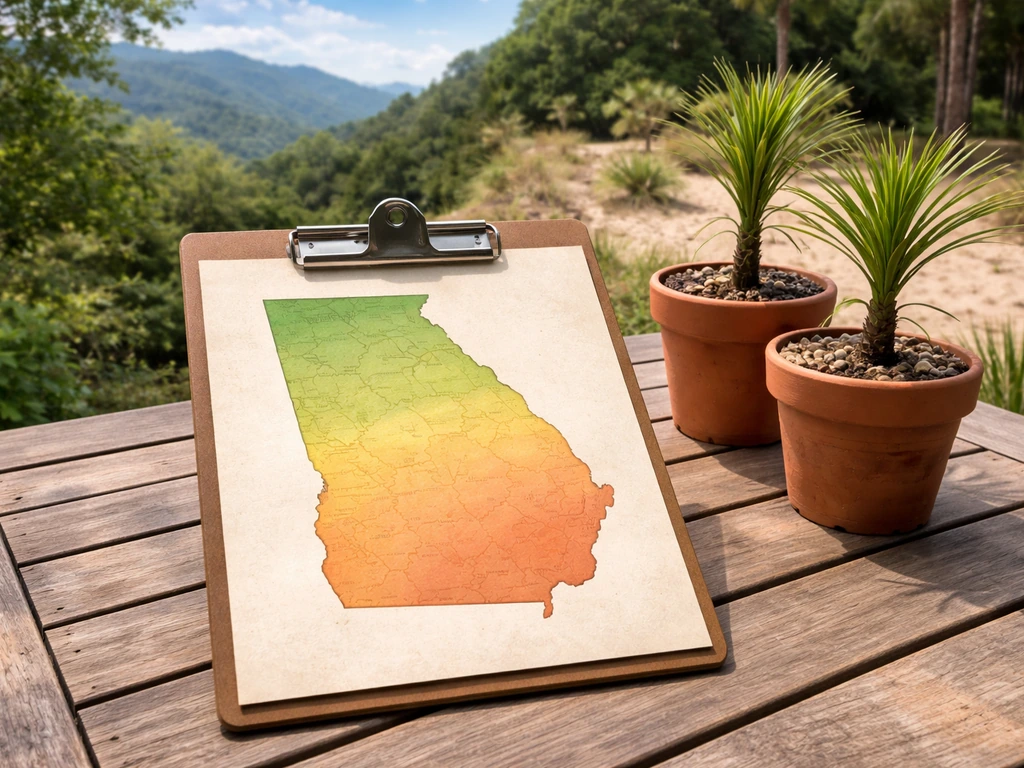
Georgia spans USDA hardiness zones 6b in the Blue Ridge mountains up through zone 9a along the Georgia-Florida border. That range matters a lot for date palms. Phoenix dactylifera starts taking cold damage somewhere between 15°F and 20°F, and in North and Central Georgia the average winter lows can dip into the low 20s. The NWS puts the average first freeze date in northeast Georgia as early as mid-October, and even in Central Georgia hard freezes arrive reliably by mid-November.
That's not a death sentence for the palm itself since mature trunks can sometimes survive brief dips to around 15°F, but repeated freezes, combined with Georgia's winter humidity and wet soil, dramatically increase the risk of crown rot and cold-stress damage.
South Georgia is a different story. Areas below Macon, particularly the coastal plain from Albany down through Valdosta and Waycross, sit in zones 8b to 9a with milder winters and far fewer nights below 25°F. This is where in-ground date palms stand the best chance. Even here, humidity during the fruiting season is a problem: date fruit needs hot, dry conditions to ripen fully, and Georgia summers are humid. You can still get edible, semi-ripe fruit in the Khalal or Rutab stage even if you never get the bone-dry Tamer-stage dates you find in Arizona or California.
Which date palm types are worth trying in Georgia
Phoenix dactylifera is the species you want if you're serious about edible dates, but it's not the only option worth considering. Here's how the main choices stack up for Georgia conditions.
| Palm Type | Cold Hardiness | Edible Fruit? | Georgia Verdict |
|---|---|---|---|
| Phoenix dactylifera (Medjool, Deglet Noor) | Damaged below 15-20°F | Yes, best quality | South GA in-ground; Central GA with protection; North GA container only |
| Phoenix canariensis (Canary Island Date) | Hardy to around 15°F | Small, barely edible | Grows well statewide but fruit not worth eating |
| Phoenix reclinata (Senegal Date) | Hardy to around 20-25°F | Small, astringent | South GA only; fruit not practical |
| Rhapidophyllum hystrix (Needle Palm) | Hardy to 0°F | Not edible dates | Grows statewide but not a date producer |
For actual edible dates, Medjool is the most popular choice among hobby growers in the Southeast because offshoots are widely available and the fruit quality is exceptional when it ripens. Deglet Noor is a drier variety that handles slightly more arid conditions. Halawi and Barhee are also worth considering, as Barhee in particular can be eaten at the Khalal (firm, yellow) stage, which is easier to achieve in Georgia's humid conditions than waiting for full ripeness. If your honest goal is a beautiful palm that tolerates Georgia winters without much fuss, Phoenix canariensis is far more forgiving, but don't expect real dates from it.
Picking the right spot: heat, sun, and wind protection
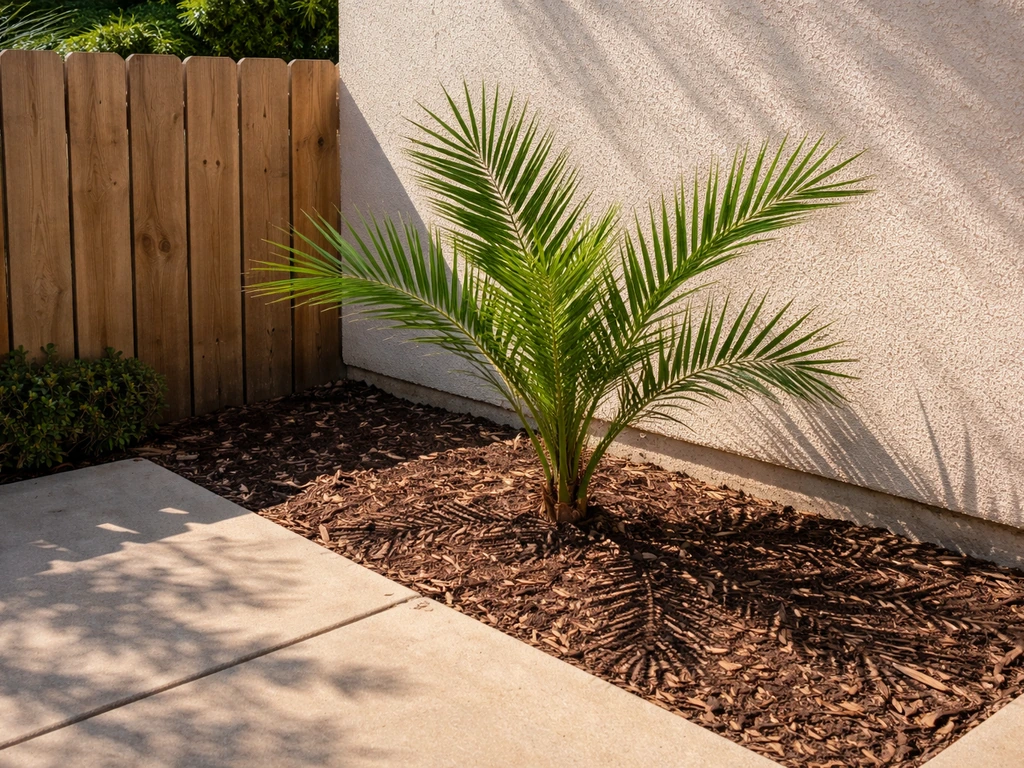
Date palms are sun maximalists. They need at least 8 hours of direct sun daily, and in Georgia more is better. The ideal planting site faces south or southwest, is backed by a heat-retaining wall (brick, concrete block, or stucco), and is sheltered from north and northwest winter winds. A south-facing courtyard, the sheltered side of a house near a brick wall, or the protected leeward side of a privacy fence all work well. Avoid low spots that collect cold air overnight, which in Georgia can mean a 5 to 10°F temperature difference compared to a raised bed or slope just 20 feet away.
Reflected heat from pavement or masonry genuinely helps. If you can situate the palm where it bakes against a south-facing wall in summer and that same wall radiates stored heat on cold winter nights, you've given yourself a meaningful buffer. Rooftop or patio container growing in urban areas of Atlanta or Savannah can create surprisingly favorable microclimates, especially in Savannah where the zone already leans milder. Coastal Georgia growers near Brunswick and St. Simons Island are working in some of the most date-palm-friendly conditions the state has to offer.
Planting and getting established: containers vs. in-ground
Container growing
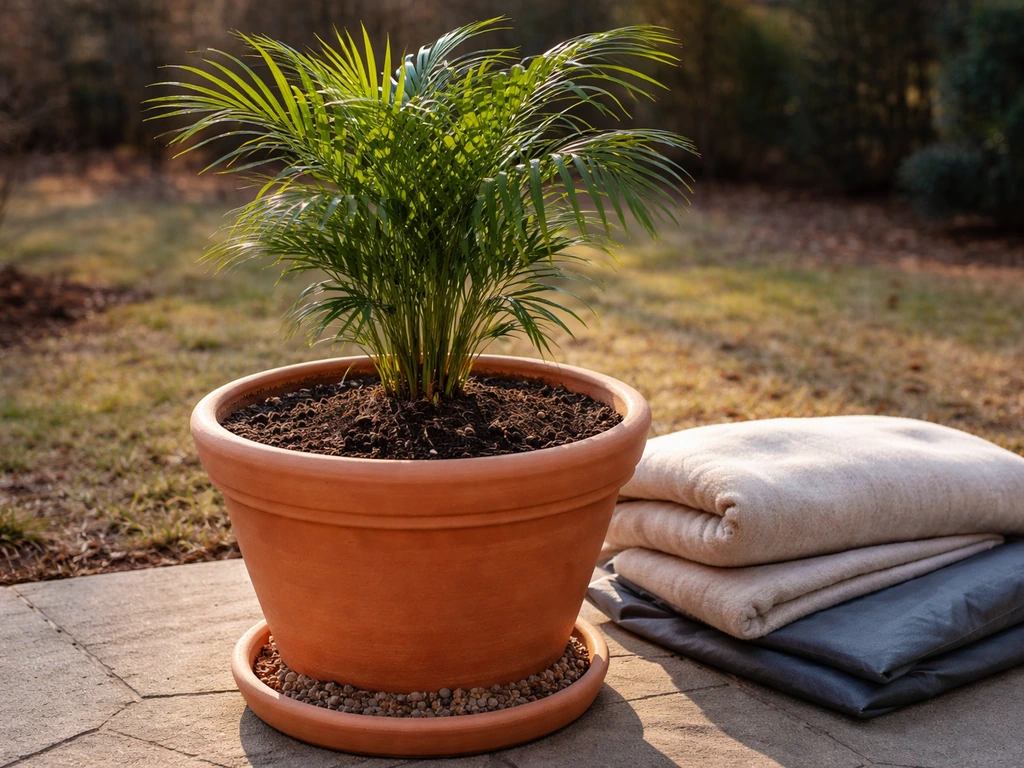
If you're in North Georgia (zones 7a and below) or if you just want flexibility, growing in a large container is your most practical path. In North Carolina, the main question is whether you can provide enough winter protection and the hot, dry conditions date palms need to ripen fruit. Use a 25- to 30-gallon pot minimum, though date palms grow slowly enough that you can start in a 15-gallon and pot up over 3 to 4 years.
The critical soil requirement is drainage: date palms hate wet roots, and Georgia clay is their enemy. Mix one part coarse sand or perlite, one part quality potting mix, and one part small gravel or decomposed granite. The goal is a fast-draining mix that never stays soggy. Terracotta pots help with air exchange but are heavy; fabric grow bags are an excellent alternative that you can actually move without a forklift.
In-ground planting
In Central and South Georgia, in-ground planting is viable, but you must address soil drainage before you put anything in the ground. If your site has clay subsoil, build a raised planting mound 12 to 18 inches high and 4 to 6 feet wide, filled with a sandy loam and compost mix. Plant into a hole that's wide (3 times the rootball) but not much deeper than the rootball itself. Never plant a date palm where water pools after rain. The ideal planting time in Georgia is late spring, from mid-April through May, once soil temperatures are reliably above 65°F. This gives the palm a full growing season to establish before its first Georgia winter.
If you're planting an offshoot rather than a seed-grown palm, keep as much of the root system intact as possible and water it in thoroughly. Don't fertilize at planting time. Let it establish for 6 to 8 weeks before you start a feeding program.
Ongoing care: watering, fertilizing, and pest management
Watering
Date palms are drought-tolerant once established, but young palms need consistent watering during their first two summers. For in-ground plants in Georgia, water deeply once or twice per week during the first growing season, then taper off to once every 10 to 14 days by year two or three. In containers, check soil moisture every 3 to 4 days in summer, watering thoroughly when the top 2 inches are dry. Critically, cut back watering significantly in fall and winter. Wet soil combined with cold temperatures is the main cause of root rot death in Georgia date palms. If you're growing in a container, move it to a covered location where rain can't saturate the mix during winter.
Fertilizing
Use a palm-specific slow-release granular fertilizer with micronutrients, ideally with an 8-2-12 ratio or similar formulation that's higher in potassium than nitrogen. Potassium deficiency is very common in Georgia's sandy soils and shows up as orange-brown frizzle on older fronds. Apply fertilizer three times during the growing season: once in early spring, once in early summer, and once in late summer. Stop all feeding by September so the palm can harden off before winter. Magnesium sulfate (Epsom salt) at about 2 tablespoons per gallon of water, applied monthly during the growing season, helps prevent magnesium deficiency, which is common in Georgia's acidic soils.
Pests and diseases
In Georgia, the main threats to date palms are fungal rot (especially Ganoderma butt rot and Fusarium wilt), spider mites during hot dry spells, and scale insects. Ganoderma is a soil-borne fungus that attacks the base of the trunk and is essentially untreatable, so prevention through good drainage and avoiding trunk injuries is critical. Fusarium wilt causes a one-sided frond die-off that moves upward, and infected palms rarely recover. Spider mites thrive during Georgia's hot, dry August conditions; spray with insecticidal soap or neem oil if you see stippling on fronds. Scale can be managed with horticultural oil applications in early spring before new growth hardens.
How long until you see fruit, and what to realistically expect
Growing from an offshoot, you're looking at 4 to 8 years before a date palm begins to fruit. Growing from seed takes even longer, often 7 to 10 years, and you have no guarantee of getting a female (fruit-bearing) plant. Even once the palm flowers, Georgia's humid summers make it hard to ripen fruit to the dry Tamer stage that most people picture when they think of dates.
What's more realistic in Georgia, particularly in the central part of the state, is reaching the Khalal or Rutab ripeness stages: the fruit is edible, sweet, and enjoyable, just not the shelf-stable dried date you buy at the grocery store. FAO describes date maturity levels, including Khalal, Rutab, and Tamr, and notes that once dates ripen further into the Tamr stage they reach a self-preserving moisture level on the palm [Khalal or Rutab ripeness stages](https://www. fao. org/3/t0681E/t0681e03.
htm). In South Georgia with a hot, relatively dry microclimate, Tamer-stage ripening is possible in above-average years. Yield from a single mature female palm can range from 20 to 100 pounds of fruit per year under good conditions, but in Georgia's climate expect the lower end of that range, at least initially.
Pollination: you'll almost certainly need more than one palm
Date palms are dioecious, meaning individual plants are either male or female. MDPI research on date palm pollen also describes date palm as dioecious, with separate male and female palms bearing unisexual inflorescences date palms are dioecious. A female palm produces no fruit without pollen from a male. If you grow from seed, you won't know the sex of your plant for years. This is a strong argument for buying named-variety offshoots (suckers) from a reputable nursery, where you can purchase a confirmed female and a confirmed male, or obtain pollen from a male palm to hand-pollinate.
Hand pollination is actually the recommended approach for small-scale Georgia growers. When the female palm's flower spadix opens (typically in spring), collect fresh pollen from a male palm's open spathe or buy dried commercial date pollen online, and dust it directly into the female flower clusters. One male palm can pollinate multiple females, so you don't need equal numbers. If space is a constraint, buying dried pollen is the most practical route: it's inexpensive, effective, and eliminates the need to maintain a male palm that takes up space but never produces fruit.
Protecting your date palm through Georgia winters
This is where most Georgia date palm attempts succeed or fail. The crown (growing tip) is the most vulnerable part of the palm. If the crown freezes and rots, the palm is dead, no matter how healthy the trunk looks. Everything else about overwintering is aimed at keeping that crown alive.
Before the first frost
- Stop watering about 3 to 4 weeks before your expected first frost date. Dry soil and a somewhat drought-stressed palm actually tolerate cold better than a well-watered, actively growing one.
- Stop all fertilizing by early September so the palm has time to harden off naturally.
- Pull any dead or dying fronds and clear debris from around the base to reduce fungal pressure.
- For container palms, move them to a sheltered, unheated garage or covered porch by late October in North/Central Georgia, or by mid-November in South Georgia.
Insulating in-ground palms
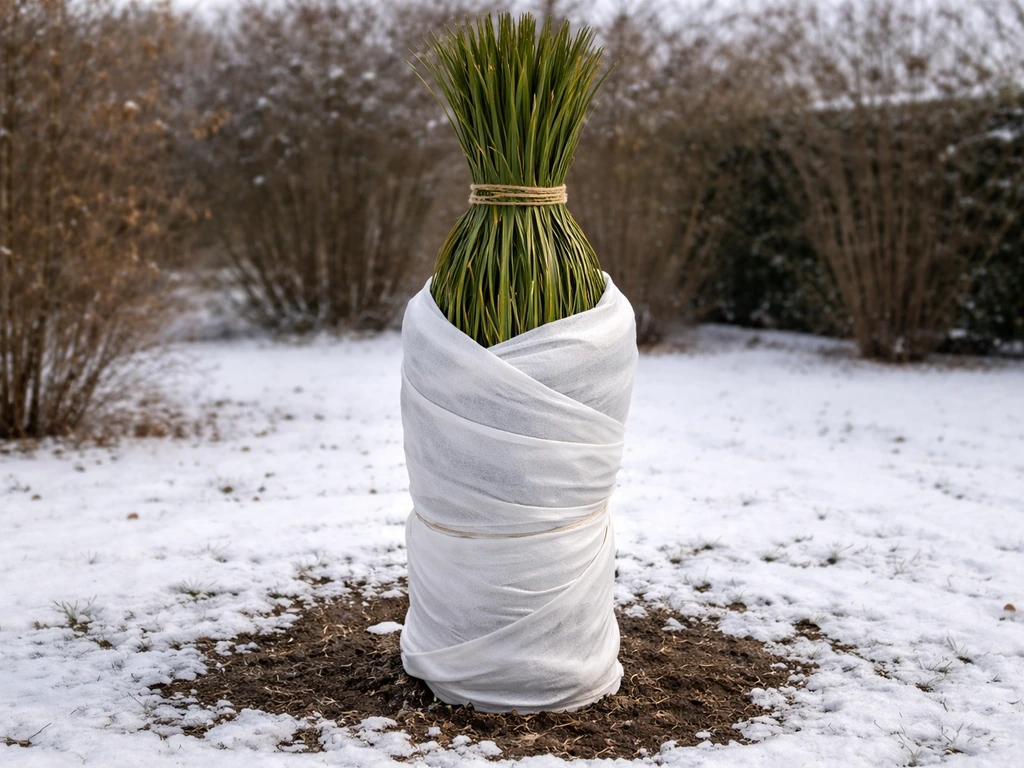
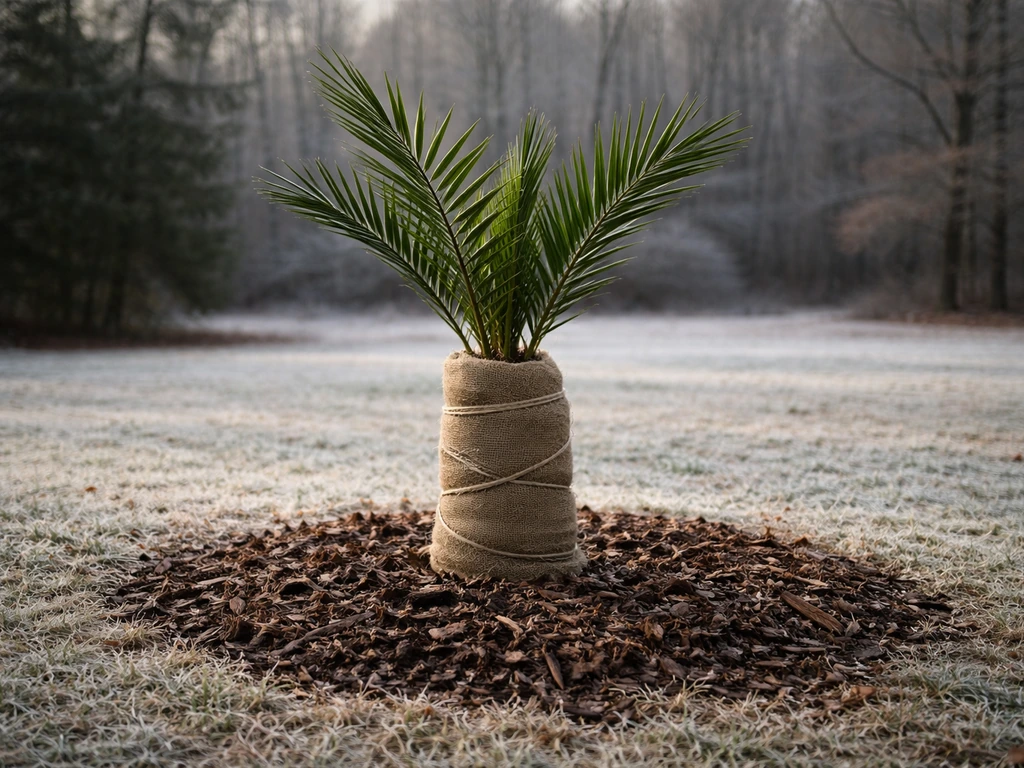
When temperatures are forecast below 25°F, gather the fronds upward and tie them loosely above the crown with soft twine, then wrap the entire crown and upper trunk with frost cloth (at least 2 layers of a breathable agricultural fabric rated to about 8°F of protection). Do not use plastic sheeting alone: it traps moisture and can cause more damage than the cold itself. You can add a string of old-style incandescent Christmas lights (not LEDs, which don't emit meaningful heat) inside the wrap for extra warmth during prolonged cold snaps. The base of the trunk can be mounded with straw or mulch 6 to 12 inches deep to protect the root zone.
Common failure points to avoid
- Leaving the crown wet going into a freeze: this is the single most common cause of crown rot death. Always protect the crown from rain during cold periods.
- Wrapping with plastic that seals in moisture: use breathable frost cloth only.
- Fertilizing in late summer or fall: this pushes tender new growth right before cold arrives.
- Planting in low spots where cold air and water collect: a bad site can drop 5 to 10°F colder than a nearby raised area.
- Assuming a big trunk means a hardy palm: Phoenix dactylifera's trunk can look fine while the crown is fatally damaged. Check the spear leaf in spring. If it pulls out easily and smells foul, the crown has rotted.
- Unwrapping too early in spring: Georgia can get surprise freezes into late March. Keep protection loosely in place until the average last frost date for your area has passed.
Should you actually try it? A Georgia-specific verdict
If you're in South Georgia, below Macon and especially in the coastal plain, growing a date palm in-ground is a legitimate experiment with a real chance of success. So if you are asking can you grow dates in South Carolina, the best odds come from treating date palms like a microclimate and winter-protection project, not a set-it-and-forget-it garden plant.
Plant in a sheltered, south-facing spot with excellent drainage, protect it during hard freezes, and you have a reasonable shot at fruit over time. If you're wondering can you grow dates in Missouri, the answer also comes down to microclimate heat and reliable winter protection, especially to keep the crown from freezing and rotting. If you're in Central Georgia, treat it as a bold experiment: it can work, but you'll need to commit to winter protection every year.
North Georgia is container-only territory, bringing the palm indoors each winter, and fruiting is unlikely unless you have a very warm greenhouse. The humidity challenge is real everywhere in Georgia, meaning the ultra-sweet dried dates of the desert Southwest are probably not in your future, but fresh Khalal and Rutab-stage fruit is a genuine possibility in the right conditions.
Neighboring states like Alabama and Louisiana face very similar trade-offs, and growers there report the same general pattern: South is viable, North is a container project. Neighboring states like Alabama and Louisiana face very similar trade-offs, and growers there report the same general pattern: South is viable, North is a container project can you grow dates in Louisiana.
FAQ
Can you grow dates in Georgia from grocery-store date seeds?
You can, but expect a long wait and no fruit guarantee. Seeds usually take several years longer than offshoots to reach flowering, and because date palms are dioecious you will not know if your plant is male or female until much later.
What is the easiest way to maximize your odds of edible fruit in Georgia?
Buy a confirmed female offshoot plus a confirmed male, then plan for hand pollination. Waiting for the palm to self-pollinate naturally does not work with date palms, and Georgia space limits make adding a male neighbor palm less realistic than using pollen.
How warm does it need to be in winter for a date palm to survive in Georgia?
Brief dips can be survivable, but repeated cold plus wet soil is the real killer. If forecasts drop below 25°F, treat it as a must-protect situation, with breathable wrapping over the crown, not plastic sheeting.
Should I plant a date palm in the lowest, flattest part of my yard for more sun?
Avoid low spots that collect cold air and hold water. Georgia’s cold nights can be several degrees colder in hollows than on a nearby raised area, and standing moisture increases the risk of crown and root rot.
How do I know if my soil drainage is good enough for an in-ground date palm?
Run a practical water test. After a thorough soaking, the ideal site drains quickly and does not leave pooling for hours or overnight; if water lingers, build a raised mound with a sandy loam mix instead of planting in native clay.
Can I grow dates in Georgia in a container year-round?
Year-round container growing is possible mainly in milder areas or if you can keep winter conditions controlled. In colder parts of Georgia, you will still need a covered, rain-sheltered winter location indoors or under protection to prevent the wet-cold combination that drives root rot.
Do I need to use fertilizer to get dates in Georgia?
Fertilizer helps, but the timing matters more than the brand. Stop feeding by September so the palm can harden off, and use a potassium-forward palm formula to avoid the orange-brown frizzle symptoms of potassium deficiency common in Georgia soils.
What’s the biggest mistake people make when overwintering a date palm in Georgia?
Letting the crown get wet while it is cold. Use breathable frost cloth, keep water from saturating the protected area, and avoid sealing the crown in plastic, which traps moisture and can accelerate rot.
How can I tell if my date palm is dying from crown rot versus frost damage?
Crown issues usually show as a collapsing or blackening growing tip, with fronds failing to emerge from the center even if the trunk looks intact. If the crown freezes and rots, the trunk can remain standing for a time, but the palm will not recover.
Will my date palm produce real “dried” dates in Georgia?
Not reliably. Georgia’s humidity usually makes fully dried desert-style dates hard to achieve, so the realistic target is Khalal or Rutab stage fruit, which is edible and sweet but not the shelf-stable dried product.
How long does it take before a planted date palm might fruit in Georgia?
Offshoot-grown palms commonly take 4 to 8 years in good conditions. Seed-grown palms often take longer, and you must also factor in the risk of ending up with a male plant.
Next Articles

Can You Grow Dates in North Carolina? Realistic Guide
Can you grow date palms in North Carolina? Winter limits, where it might work, and seed vs plant options.
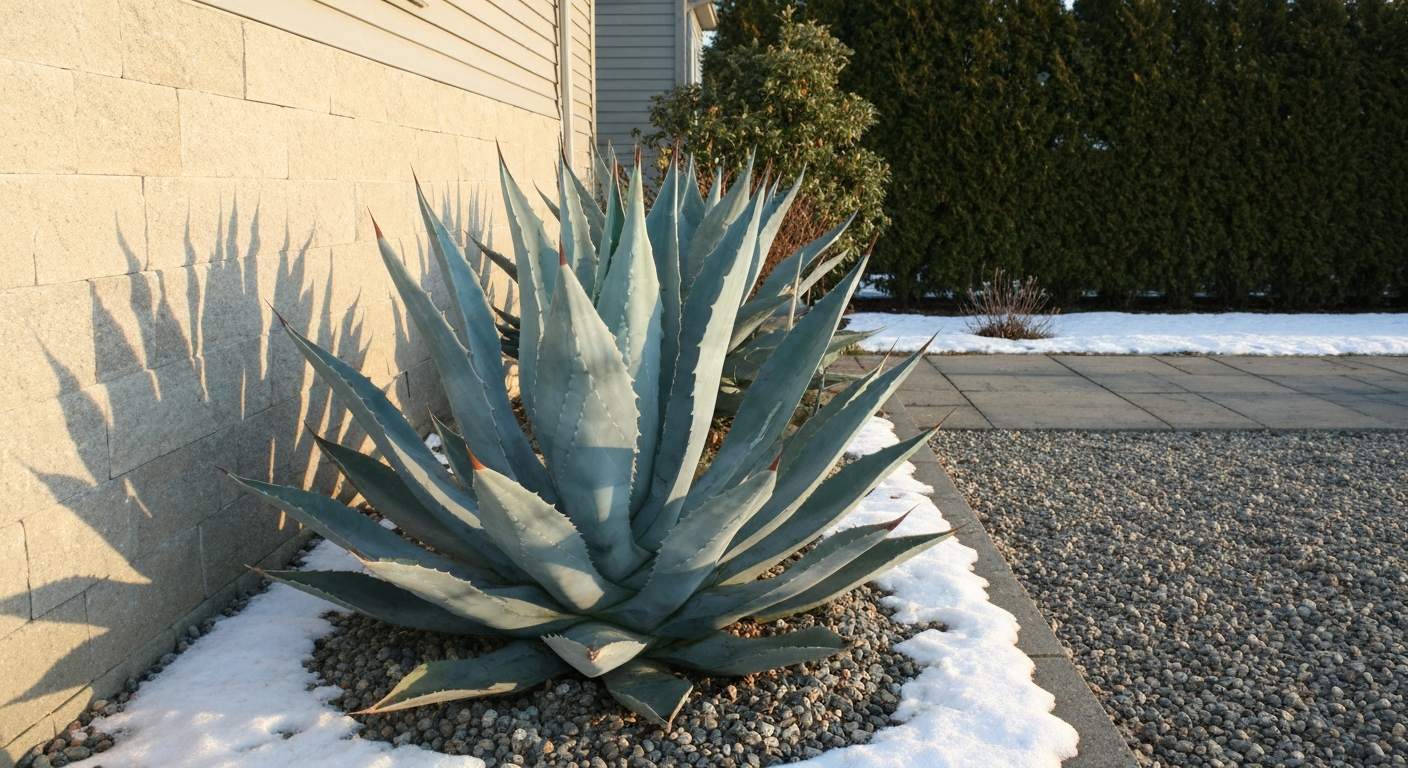
Can You Grow Agave in Canada? Zone Guide & Growing Tips
Can you grow agave in Canada? Practical region-by-region guide, hardy species, container tips & winter care.
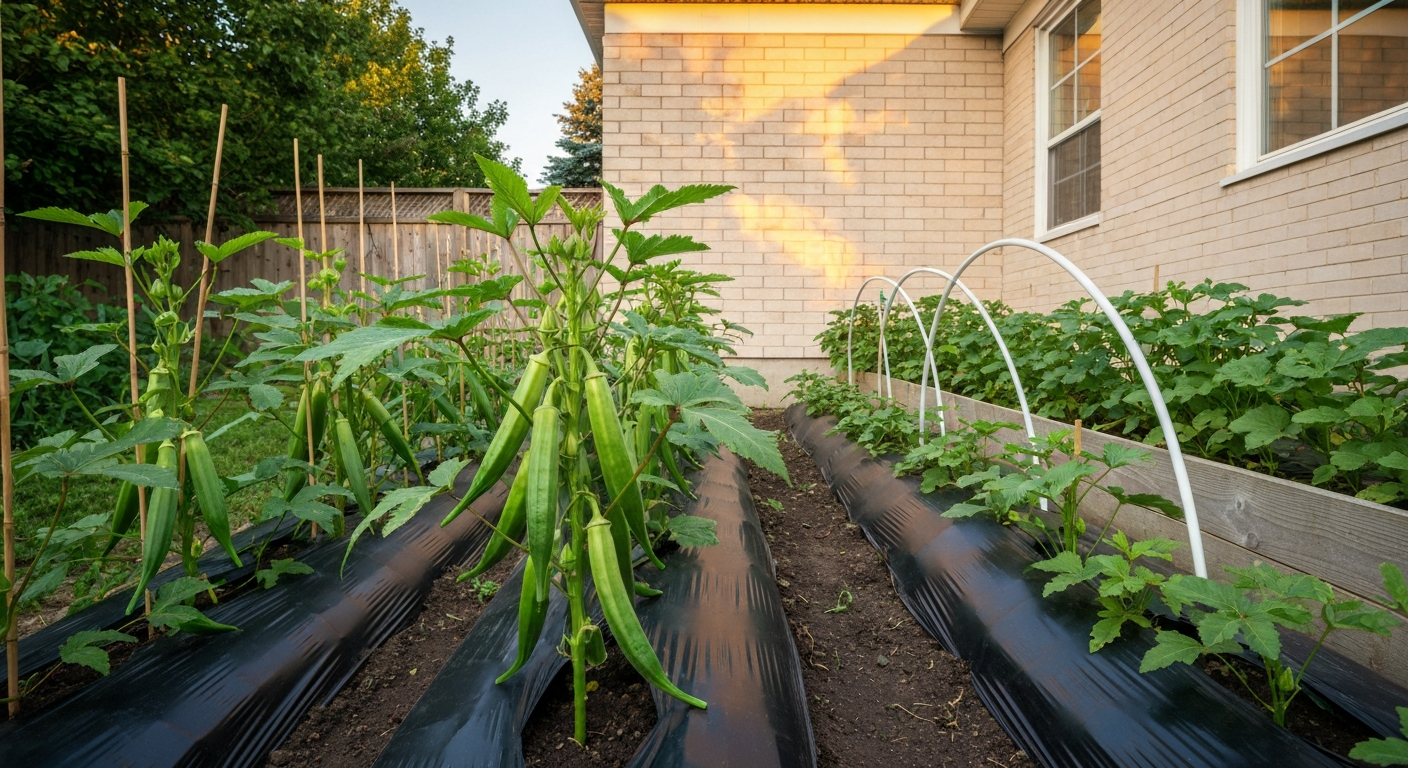
Can You Grow Okra in Canada? Ontario Guide & Short‑Season Tips
Can you grow okra in Canada? Regional verdict, Ontario-specific steps, varieties, season-extension & harvest tips.