
Yes, you can grow edamame in Colorado, but you need to be strategic about it. If you are wondering whether you can grow edamame in Ohio, the main factors to focus on are your frost dates and choosing fast-maturing varieties that fit Ohio's shorter cool-season window. Colorado's short growing seasons, late spring frosts, and cool nights make it more challenging than growing edamame in Texas or Ohio, but growers across the Front Range, Western Slope, and even some higher-elevation areas pull it off every year by picking fast-maturing varieties and timing their planting carefully. The key is choosing varieties that finish in 70–85 days, getting seeds in the ground as soon as soil temps hit 60°F, and having row cover ready for the cold snaps that Colorado loves to throw in June.
Can You Grow Edamame in Colorado? A How-To Guide
Colorado's growing conditions and what they mean for edamame
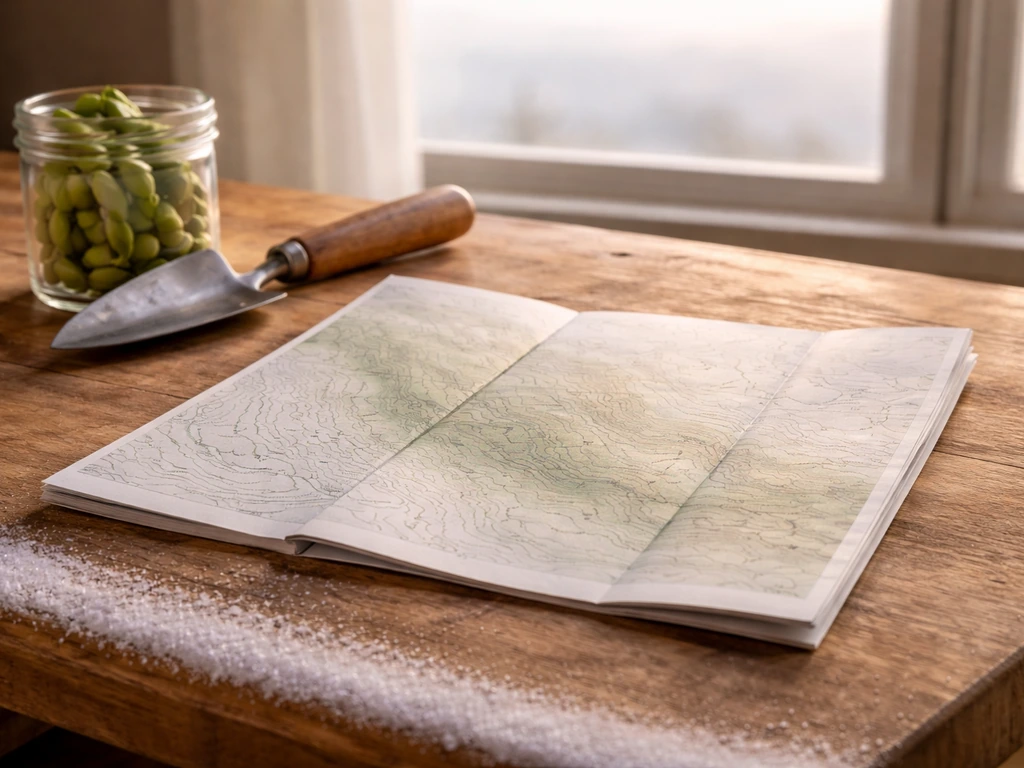
Colorado spans USDA hardiness zones 3b through 7a depending on elevation and location, but for a warm-season annual like edamame, the zone number matters less than your actual frost dates and summer heat accumulation. The Front Range (Denver, Fort Collins, Colorado Springs) sits roughly in zones 5b–6b, with last frost dates typically landing between late April and mid-May and first fall frosts arriving in late September to mid-October. That gives you a usable window of about 130–160 frost-free days in the lower elevations, which is tight but workable for edamame.
Higher-elevation areas like the mountains and parts of the San Luis Valley have much shorter seasons, sometimes only 80–100 frost-free days, which makes edamame a real gamble without season-extension tools. The Western Slope (Grand Junction area, zone 6b–7a) actually has some of the best conditions in the state for edamame, with longer warm seasons and reliable summer heat. Wherever you are, look up your specific last and first frost dates using an interactive map like Plantmaps before you plan your planting window.
Edamame needs soil temperatures of at least 60°F to germinate reliably, and it really performs best when daytime highs are consistently in the 70s and low 80s°F. Colorado's dry air and intense sun can push daytime temps high quickly, which is generally fine, but watch out for sustained heat above 95°F during flowering, which can cause flower and pod drop. On the flip side, cool nights below 50°F during pod fill can slow development. The dry climate also means consistent irrigation is non-negotiable.
Picking the right varieties and planting dates
Variety selection is probably the single most important decision for Colorado edamame growers. You want varieties with a days-to-maturity rating of 70–85 days. Longer-season varieties (90–100+ days) are risky on the Front Range and a near-certain failure at elevation. Look for varieties like Midori Giant (75 days), Envy (75 days), or Beer Friend (75 days). WSU variety trial data shows that harvest timing varies meaningfully between varieties in the same season, so matching days-to-harvest to your frost window is worth taking seriously.
For Front Range gardeners, the practical direct-sow window is mid-May through early June, after your last frost has reliably passed and soil has warmed. If you push into late June, you risk running out of season before pods fill. For Western Slope growers, you can often start a week or two earlier. At higher elevations (above 7,000 feet), aim for late May to early June at the absolute earliest, and plan to use row cover aggressively. A second planting in early June is a smart insurance policy if your first planting gets hit by a late frost.
Soil prep, inoculation, and fertilizing
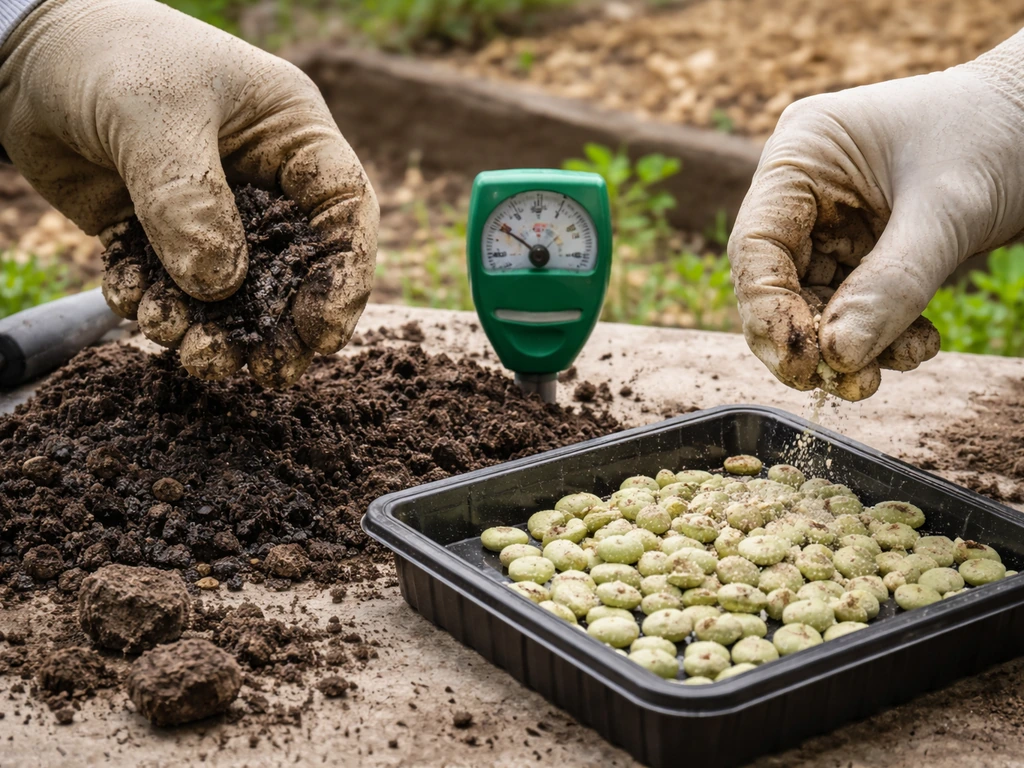
Edamame prefers well-drained soil with a pH close to 6.0. Colorado soils tend to be alkaline (often pH 7.0–8.0), especially on the Front Range and Western Slope, so you'll likely need to amend with sulfur or work in compost over time to bring pH down. Test your soil before planting if you haven't already. Good drainage matters too since edamame does not tolerate waterlogged roots.
Inoculation with Bradyrhizobium japonicum, the nitrogen-fixing rhizobia specific to soybeans, is strongly recommended, especially if you haven't grown soybeans or edamame in that spot before. Colorado State University Extension confirms that successful nodulation requires the correct inoculant, applied either directly to the seed before planting or metered into the seed furrow. Inoculant is cheap, widely available at garden centers, and can meaningfully improve plant health and yield. Just coat the seed right before planting and keep the inoculant out of direct sunlight.
Because edamame fixes its own nitrogen when properly inoculated, you don't need to load up on nitrogen fertilizer. Too much nitrogen actually pushes leafy growth at the expense of pods. Work a modest amount of balanced compost into the bed before planting and you're mostly set. If your soil is particularly poor, a light application of a low-nitrogen fertilizer (something like 5-10-10) at planting time is fine. Once plants are established and nodulating, they handle their own nitrogen needs.
Planting and spacing: direct sow vs. starting indoors
Direct sowing is the standard approach for edamame and works well in Colorado when soil is warm. PNW Extension guidance calls for planting seeds 0.25 to 0.5 inches deep because seedlings are not vigorous enough to push through heavy soil from deeper placement. Space seeds 2–4 inches apart within the row, with rows about 30 inches apart. This spacing allows good air circulation, which matters in Colorado where afternoon thunderstorms can create brief humidity spikes.
One important note: avoid overhead irrigation right after planting if your soil tends to crust. PNW research specifically warns that watering after planting can cause a surface crust that blocks emergence. If crusting does happen, apply short, light irrigation sessions until you see the soil starting to crack, then back off. Planting into already-moist soil and covering with a light layer of fine compost can help prevent the problem in the first place.
Starting indoors is not commonly recommended for edamame because soybeans dislike root disturbance. That said, for high-elevation Colorado growers with very short seasons, starting seeds 2–3 weeks before your transplant date in individual biodegradable pots (to minimize transplant shock) can give you a useful head start. Harden off transplants carefully and don't move them outside until nights are reliably above 50°F.
Watering, pests, and Colorado-specific challenges
Watering in Colorado's dry climate
Colorado's low humidity and frequent wind mean edamame dries out faster than it would in the Midwest or Southeast. Aim for about 1 inch of water per week during vegetative growth, increasing to 1.5 inches during flowering and pod fill. Drip irrigation is ideal because it keeps foliage dry and reduces disease pressure. Inconsistent watering during pod fill leads to small, poorly filled pods, which is the most common yield problem Colorado growers report.
Pests to watch for
Spider mites are probably the biggest pest concern in Colorado's dry, hot summers. They thrive in exactly the conditions that Colorado summers provide and can explode in population almost overnight on stressed edamame plants. Scout the undersides of leaves regularly. Knock back early infestations with a strong water spray or insecticidal soap. Bean leaf beetles and aphids can also show up and are manageable with IPM approaches including beneficial insects and targeted sprays when populations get out of control.
Disease risks
Colorado's dry climate actually reduces many fungal disease risks compared to humid states. That said, sudden death syndrome (SDS) is a soybean disease worth knowing about. SDS symptoms typically don't appear until flowering begins, but if it hits early it can abort flowers and young pods; later infections reduce seed size and seeds per pod. The best prevention is starting with healthy seed, ensuring good drainage, and avoiding overwatering. Rotating away from soybeans or legumes in the same bed each year also helps.
Cold protection and handling Colorado's weather swings
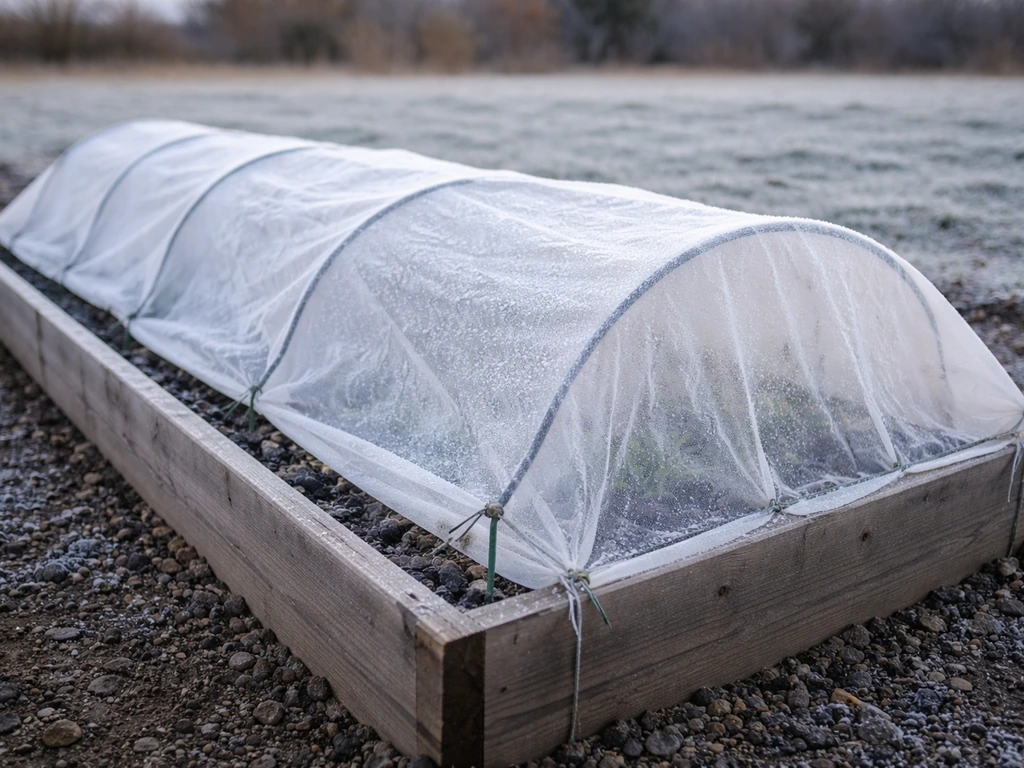
Colorado weather is famously unpredictable. A warm May can suddenly drop to 28°F overnight, and late June cold snaps are not unheard of. Having row cover on hand is not optional, it's essential. Row cover raises temperatures under the fabric by 5–15°F, which can be the difference between a setback and a total loss after a late frost.
Cover plants whenever a frost (below 32°F) is forecast and remove the covers once temperatures rise in the morning. One important caveat: once you're into July and plants are flowering, don't leave row cover on during warm days. University of Maryland Extension research shows covers can raise temps 10–15°F above ambient, and sustained heat above 95°F during flowering causes flower and pod drop. Use row cover as a reactive frost shield, not a permanent fixture.
For growers at elevation or those pushing the season, low hoop tunnels with row cover fabric give you more flexibility than just draping fabric directly on plants. They're easy to ventilate during warm spells and close up quickly when a storm rolls in. If your area gets a very late frost after plants are several inches tall, the plants can sometimes recover from light frost damage on the leaves, but pods that freeze are usually lost.
- Keep row cover and hoops within reach from the moment you plant through at least mid-June at lower elevations, and through early July at higher elevations.
- Check the 10-day forecast weekly during the growing season since Colorado weather models improve significantly in the 5-day window.
- If a hard freeze (below 28°F) kills your first planting before pods set, a quick replant in early June with a fast-maturing variety can still produce a harvest by late September.
- Mulching around the base of plants helps buffer soil temperature swings, retain moisture, and reduce stress during heat or cold events.
When and how to harvest, plus storage
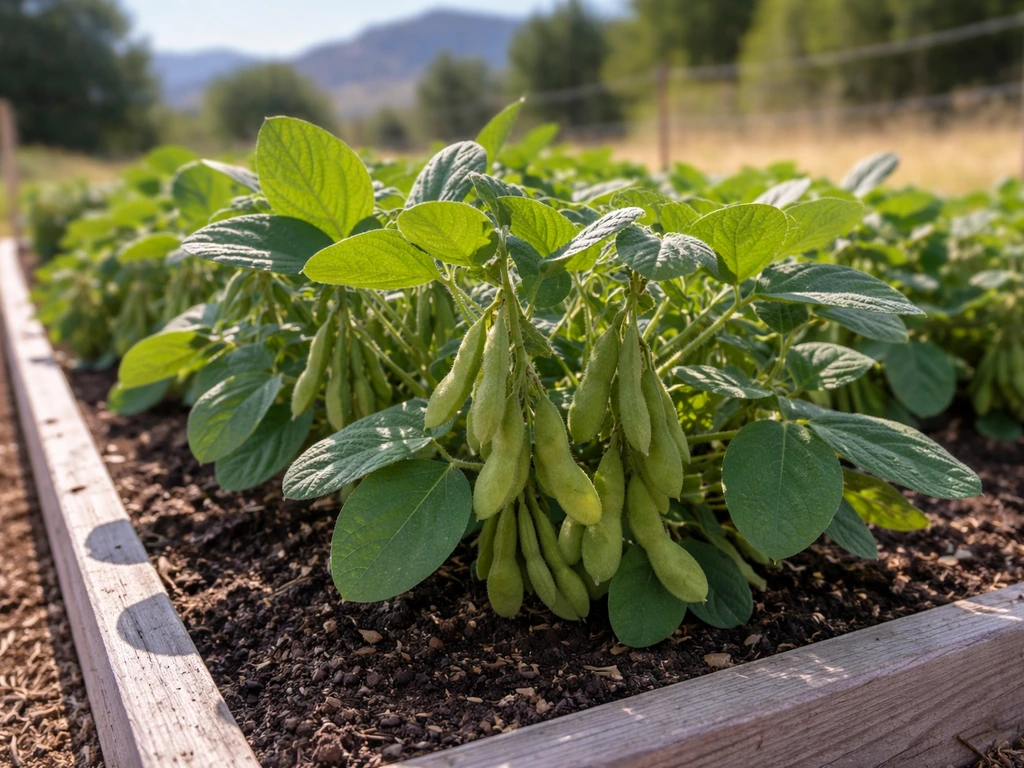
Getting the harvest timing right is critical with edamame because the window is short, typically only a few days. You're aiming for stage R6 on the soybean development scale, when seeds are filling about 85–90% of the pod cavity, pods are bright green and plump, and the beans inside are nearly touching each other. blank" rel="noopener noreferrer">Virginia Tech Extension research pinpoints optimum quality at about 25–30 days after pod set (R4). SDSU Extension notes that harvest generally happens 10–12 weeks after planting depending on variety. If you wait too long and leaves start to yellow, the beans become starchy and lose that creamy, sweet edamame flavor.
To harvest, pull the entire plant and strip the pods, or snip individual pods as they reach maturity. Steam or boil in salted water within a day or two for the best flavor. For storage, use fresh edamame within 2–3 days and keep it refrigerated in a perforated plastic bag. For longer storage, blanch the pods in boiling water for 5 minutes, cool in ice water, and freeze. Properly frozen edamame holds quality for up to 12 months.
| Location in Colorado | Approximate Last Frost | Planting Window | Expected Harvest Window | Difficulty Level |
|---|---|---|---|---|
| Front Range (Denver/Fort Collins) | Late April–Mid May | Mid May–Early June | Late August–Early October | Moderate |
| Western Slope (Grand Junction area) | Mid April–Early May | Early–Late May | August–Late September | Easy to Moderate |
| High Elevation (7,000–9,000 ft) | Late May–Early June | Late May–Mid June | Late September (tight) | Challenging |
| San Luis Valley | Late May | Early June | September (very tight) | Difficult |
Compared to warmer states like Texas or California where edamame is relatively straightforward, Colorado requires more active management and better timing. If you are wondering whether Texas conditions make edamame easier, you can grow it successfully as long as you time planting around your heat and frost dates can you grow edamame in Texas. But it's far from impossible, and gardeners on the Front Range and Western Slope are in a genuinely workable position.
If you're in a similar short-season situation to Michigan or Utah, the same approach applies: fast varieties, warm soil at planting, and row cover on standby. Get those pieces right and a Colorado edamame harvest is very much within reach. If you are wondering can you grow edamame in Utah, you can, but you will need to plan around your frost dates and consider season-extension tools.
FAQ
Can I plant edamame early in Colorado using row cover the whole time?
Yes, but only in a very controlled way. Because edamame is a warm-season crop, you generally want to plant after soil is at least 60°F, then rely on row cover only to protect against late frost events. If you cover too early and it stays warm for days, plants can get stressed under the fabric and you will need to vent often.
Should I start edamame indoors for a better chance in Colorado?
For most Colorado gardens, plan on direct sowing outdoors. Starting indoors usually costs you more in transplant risk, since soybean roots do not like disturbance. If you must start early for elevation, use biodegradable pots and move only when nights are consistently above 50°F, then expect slower establishment even with careful hardening off.
What watering mistake most often reduces edamame yield in Colorado?
Watch for a “dry spell” specifically during flowering and pod fill. If water drops then, pods often form smaller and fewer beans inside each pod. A practical approach is to run drip irrigation on a schedule you can follow consistently, aiming for roughly 1.5 inches per week during that stage, then scale back slightly once pods near maturity.
How do I handle edamame in Colorado if my soil is very alkaline?
If your soil pH is high (common on the Front Range), don’t guess. Test first, because sulfur and compost take time to change pH. For a quick fix mindset, you may still see better growth from improving drainage and adding organic matter, but true pH correction before planting often needs a multi-season plan.
Does edamame inoculation really matter in Colorado, and what can go wrong?
The Bradyrhizobium inoculant must be fresh and applied correctly, right before planting. Keep it out of direct sunlight, avoid letting the coated seeds sit for long periods, and do not mix inoculant with chemicals that can harm the bacteria. If you have unreliable inoculant availability, planting into a bed where soybeans or edamame have been grown successfully recently can reduce risk, but it is still best to inoculate.
Can I use standard garden fertilizer for edamame in Colorado?
Yes, but avoid nitrogen-heavy products. Because inoculated edamame can fix its own nitrogen, extra nitrogen typically encourages leafy growth and can reduce flowering and pod set. If you fertilize, choose low-nitrogen or balanced compost amendments, and only consider a light, low-nitrogen starter when soil is clearly poor.
What if Colorado nights are staying below 50°F after I plant?
Yes, but timing is everything. If nights are near or below 50°F when plants are small, growth slows, so you either need earlier sowing in the warmest microclimate you can find, or you need season extension. A simple decision aid is this: if your forecast suggests a long stretch of nights below 50°F during the first few weeks, delay sowing or use low hoops with cover to keep the soil and air warmer.
Can I leave low hoops or row cover on during hot afternoons?
You can, especially in harsher microclimates like exposed Western Slope edges or high elevations, but treat it as a short-term shield. Once plants are flowering and days are hot, ventilation becomes critical to prevent overheating under fabric, which can lead to flower and pod drop. In practice, vent mid-day during warm forecasts and remove or adjust cover when temperatures rise too much.
Is a second planting in June a good idea, and how late can I go?
A second planting is most useful when you do it early enough that the second group still reaches R6 before your first fall frost. If you plant the backup too late, the second crop may fill pods after the season ends and you will get poor quality or starchy beans. Many growers do best with a two-wave plan, first sowing right after dependable warmth, second sowing shortly after if conditions allow.
How can I tell when Colorado-grown edamame is actually ready to pick?
Harvest is easiest to get right by using pod maturity cues, not just days. Pull plants when pods are bright green and plump, and seeds nearly touch inside the pod. If leaves are yellowing and pods are past their peak, beans can turn starchy and lose that creamy, sweet texture even if you harvest within the typical day range.
What is the best way to store edamame harvested in Colorado?
Store fresh edamame cold quickly, ideally within a day or two. Refrigeration slows quality loss, but it does not stop it, so flavor is best when eaten soon. For longer storage, blanch then freeze promptly, because skipping blanching can lead to texture changes during freezer storage.
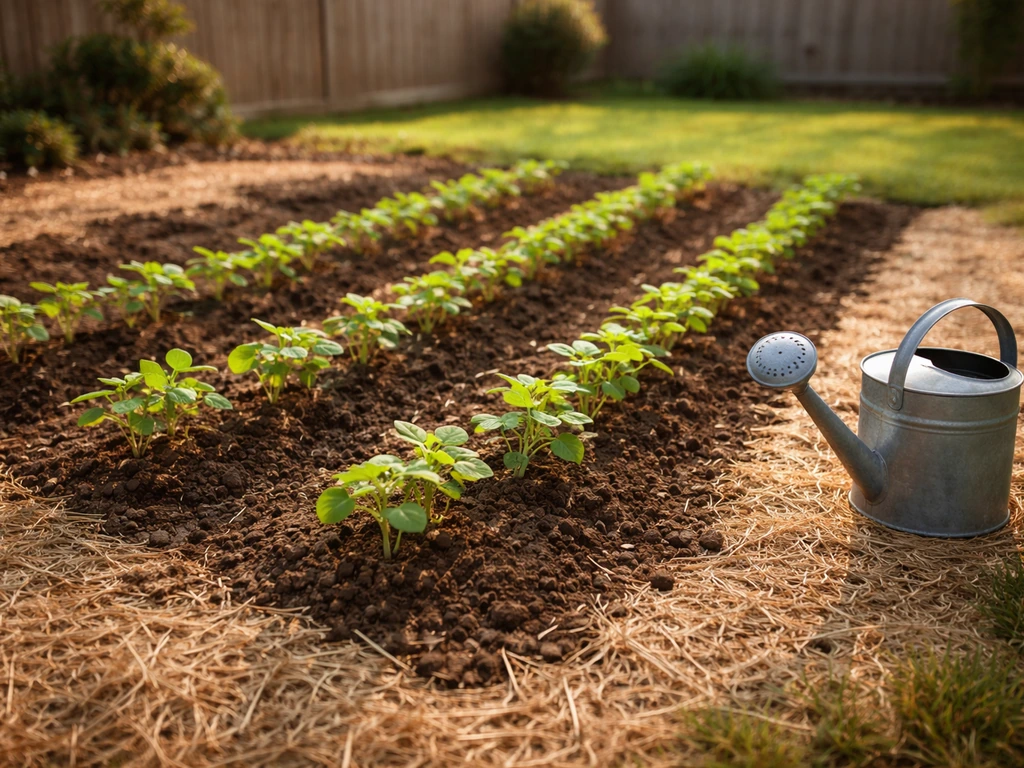
Yes, you can grow edamame in Texas. Learn region timing, best varieties, planting steps, care, pests, and harvest.
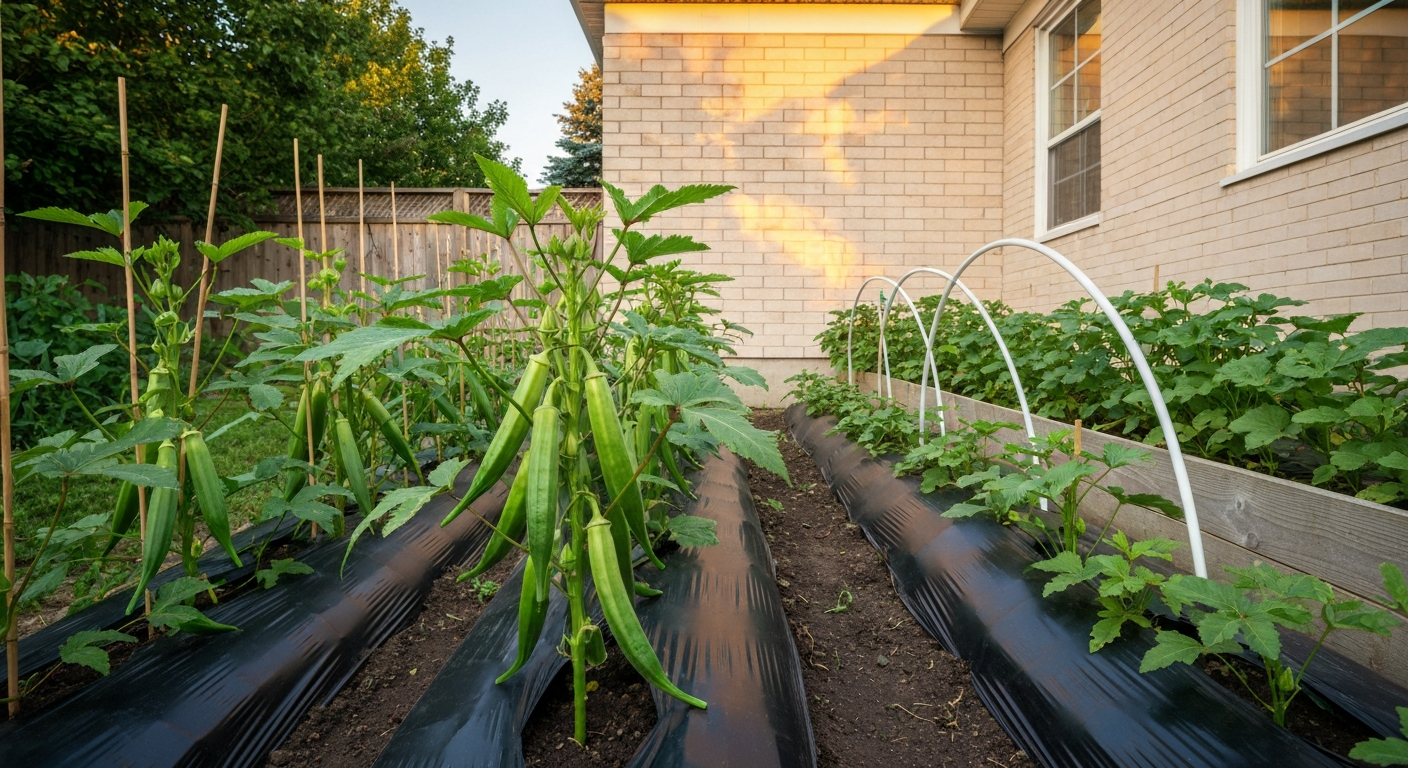
Can you grow okra in Canada? Regional verdict, Ontario-specific steps, varieties, season-extension & harvest tips.
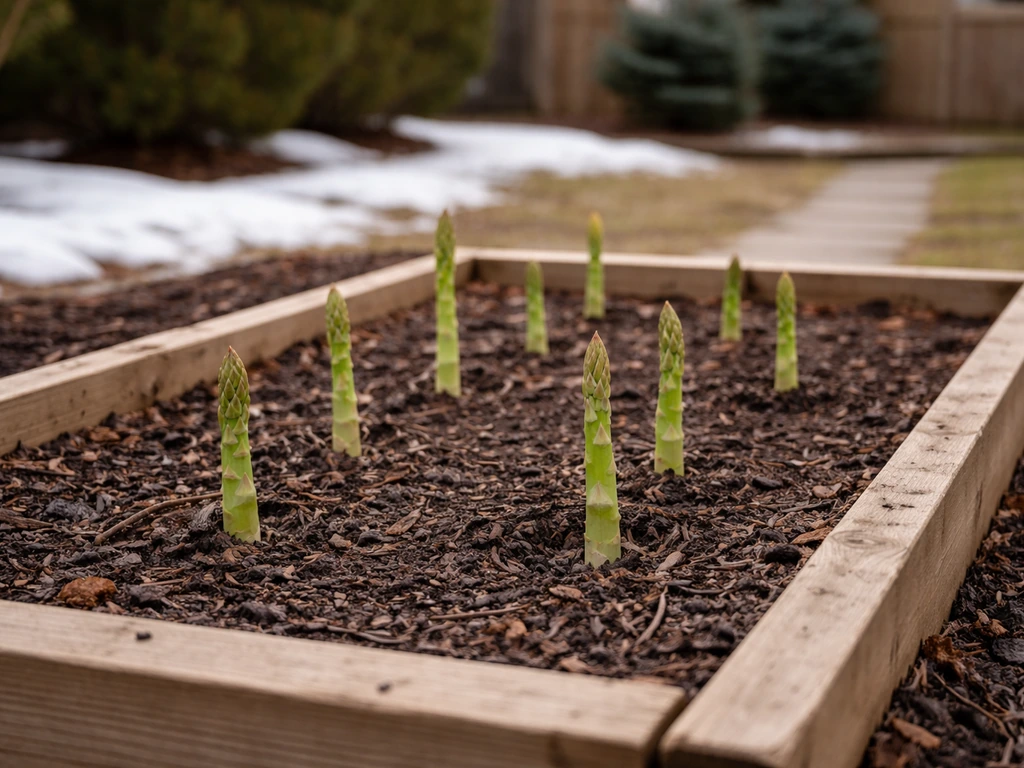
Grow asparagus in Canada by zone: site, hardiness, crowns or seed, planting depth, care, and harvest plus fixes