
Yes, you can grow edamame in Texas, and in most parts of the state it actually thrives. Texas gives you heat, a long frost-free window, and plenty of sun, which are exactly what edamame wants. The catch is timing: you need to get plants in the ground early enough to mature before the worst of summer's scorching heat arrives, or plan a fall planting to dodge it altogether. Get the timing right and variety choice dialed in, and edamame is genuinely one of the easier warm-season crops you can grow here.
Can You Grow Edamame in Texas? Planting Guide by Region
Marcus Holloway
20 Apr 2026
Quick answer: edamame feasibility in Texas
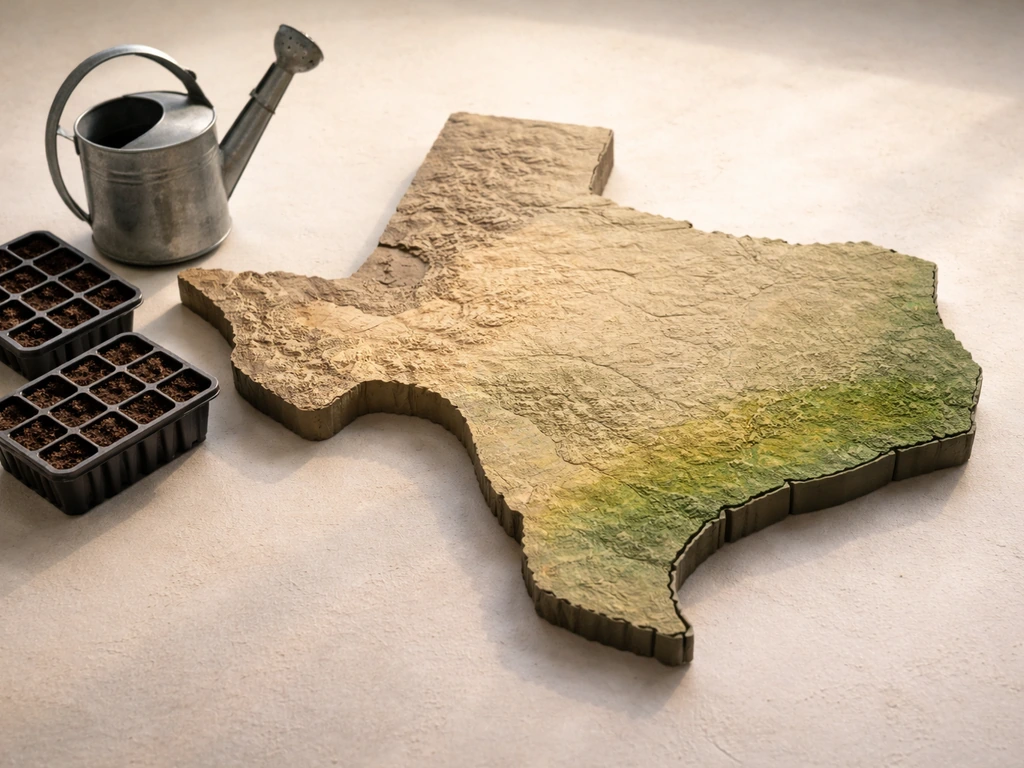
Edamame is feasible across virtually all of Texas, but the experience varies by region. South Texas growers have a remarkably long window and can fit in two plantings most years. Central Texas (think Austin to Waco) has a comfortable spring and fall season with a first frost around November 15 in the Waco area, which means a long fall growing window. North Texas growers need to be more careful about timing spring plantings because summer heat arrives fast, but fall plantings are very productive. The main risk statewide is not cold, it is summer heat above 95°F (35°C) during flowering, which can cause pods to abort. Plan around the heat and you are in good shape.
What edamame actually needs to produce
Edamame is a warm-season soybean that needs soil temperatures above 60°F (ideally 65 to 70°F) to germinate reliably. It loves full sun, at least 6 to 8 hours per day, and performs best when daytime temperatures are in the 70s and 80s°F during flowering and pod fill. Air temperatures consistently above 95°F, especially at night, stress the plants and drop pollination rates significantly. That is the specific Texas challenge you are working around.
For soil, edamame does best in well-draining, loamy soil with a pH between 6.0 and 6.8. Like other legumes, it fixes its own nitrogen through root nodules, so you do not need to load up on nitrogen fertilizer. Heavy clay soils common in parts of Central and North Texas need amendment with compost to improve drainage and root penetration. Sandy soils in South and East Texas drain fast and may need more frequent watering and organic matter added to retain moisture.
Variety selection is critical in Texas. Short-season or early-maturing varieties (75 to 85 days) are your best bet for spring plantings because they mature before peak summer heat sets in. Look for varieties like Envy (75 days), Butterbean (74 days), or Midori Giant (78 days). Standard varieties at 90 to 100+ days are better suited for fall plantings where the longer window is available. Some varieties are also more heat-tolerant than others, so checking seed supplier notes specifically for heat performance is worth the extra minute.
Your Texas planting plan: timing, depth, and spacing
Spring planting
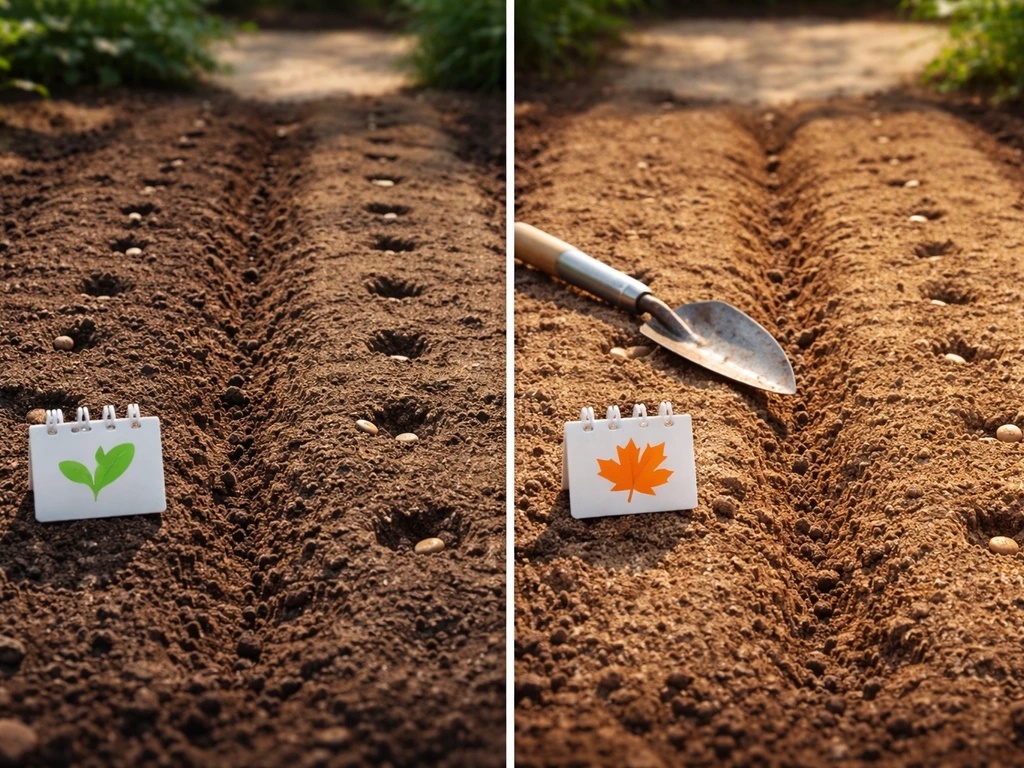
For spring planting, aim to get edamame in the ground 2 to 3 weeks after your last average frost date, once soil has warmed to at least 60°F. In a Reddit thread about edamame growing temperatures, the confusion was whether the “60 degrees” guidance means air temperature or soil temperature. In South Texas, including Corpus Christi where the average last frost is around March 1, that means planting in mid-to-late March. In Central Texas, shoot for early to mid-April. In North Texas (Dallas-Fort Worth area), mid-April works well. The goal is to have plants flowering and podding before temperatures regularly hit the high 90s in June and July.
Fall planting
Fall is actually where Texas gardeners can really shine with edamame. Count back 80 to 90 days from your first expected frost and that is your target planting date. PlantMaps provides an average first frost dates map tool for Texas that can help you refine those regional fall planting targets. In Central Texas near Waco, with a first frost around November 15, you can plant as late as mid-August for an early-November harvest. In South Texas, fall planting windows stretch even further. North Texas gardeners should target late July to early August for fall plantings. The cooling temperatures of September and October are nearly ideal for edamame pod fill.
How to plant
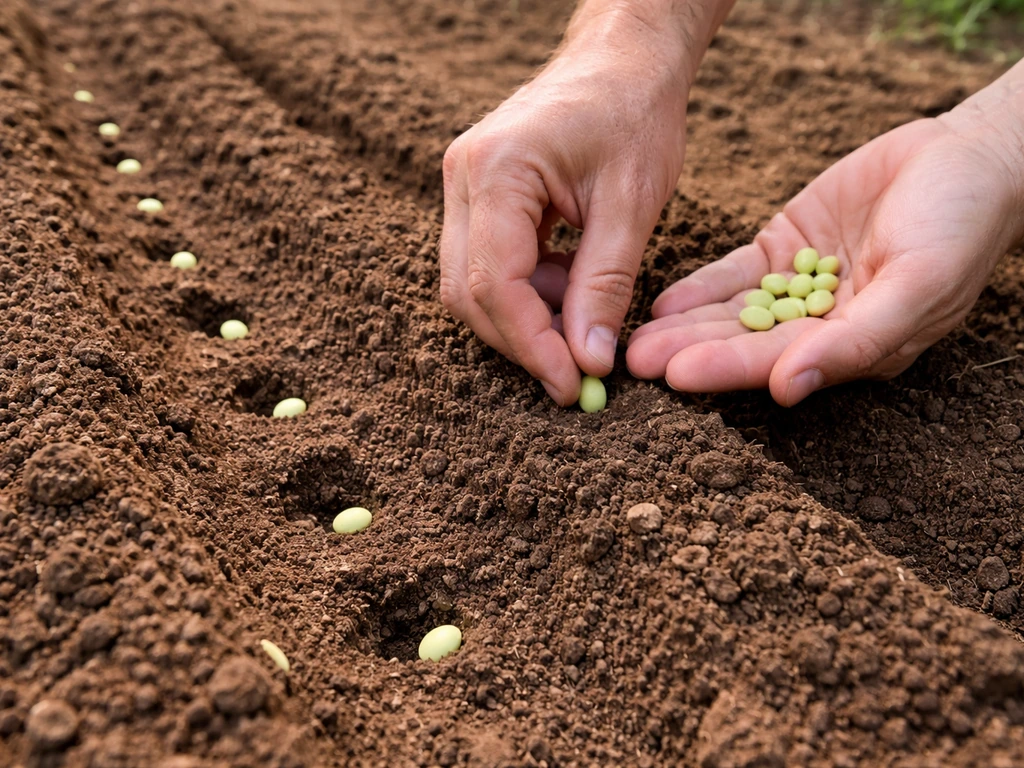
Edamame does best when direct seeded. It does not transplant as well as some other crops because disturbing the roots can set back growth noticeably. Sow seeds 1 to 1. 5 inches deep, spacing seeds 4 to 6 inches apart in rows 18 to 24 inches apart.
If you are using a raised bed or intensive spacing, 6-inch centers work well. Germination typically takes 7 to 10 days in warm soil. You can soak seeds overnight before planting to speed up germination, especially if your soil is on the dry side. Inoculating seeds with soybean-specific rhizobium inoculant is worth doing, especially in soil that has not grown soybeans or edamame before, as it jumpstarts nitrogen fixation.
Oklahoma State University Extension recommends applying rhizobium inoculum each time soybeans are planted and notes that inoculant viability can decrease under non-ideal conditions soybean-specific rhizobium inoculant.
Keeping plants healthy: water, feeding, and heat management
Watering is where a lot of Texas edamame crops go sideways. Edamame needs consistent moisture, roughly 1 inch of water per week, but it hates sitting in wet soil. During the heat of a Texas summer, you may need to water every 2 to 3 days. The most critical periods for moisture are during flowering and pod fill. If plants dry out during those stages, you will lose pods. Drip irrigation or soaker hoses are far better than overhead watering, which can encourage fungal issues and wastes water to evaporation in the Texas heat.
Since edamame fixes nitrogen, go easy on nitrogen fertilizer. Too much nitrogen pushes leafy growth at the expense of pods. Work compost into the soil before planting and add a balanced, low-nitrogen fertilizer (or one higher in phosphorus and potassium) once at planting and once at flowering. A soil test before planting takes the guesswork out completely.
Weeds compete aggressively with young edamame plants, so keep the first 4 to 6 weeks weed-free. Once plants are established and bushing out, they shade the soil enough to suppress most weeds on their own. Mulching around the base of plants with 2 to 3 inches of straw or shredded leaves helps retain soil moisture and keeps roots cooler during summer heat, which is genuinely one of the most useful things you can do for a Texas edamame planting.
For heat management, there are a few practical levers. Shade cloth (30 to 40%) over plants during the hottest part of summer can moderate temperatures enough to keep flowering going. Planting on the east side of a taller crop or structure so plants get afternoon shade is another option. Keeping soil consistently moist also helps because wet soil regulates root-zone temperature better than dry soil.
Texas-specific problems and how to handle them
Pests
Stink bugs are probably the biggest pest headache for edamame in Texas. They pierce pods and suck sap from developing beans, leaving shriveled, dimpled beans inside. Trap crops (such as sunflowers planted nearby) can lure them away. Kaolin clay sprays make the plants less attractive to them. Hand-picking is tedious but effective at small scale. Mexican bean beetles and bean leaf rollers are also common, and both respond well to neem oil sprays or row cover early in the season. Spider mites can explode during hot, dry stretches, so keep plants well-watered and mist foliage during heat waves if you spot early infestations.
Diseases
Root rot from Phytophthora or Pythium is the main disease risk, usually triggered by overwatering or poor drainage. If plants are yellowing from the base up and the soil has been wet, drainage is your first fix. Powdery mildew can show up late in the season, especially during fall when mornings get dewy. Good air circulation between plants reduces the risk. Rotating your planting location year to year, not planting edamame or other beans in the same spot more than once every 2 to 3 years, keeps soil-borne disease pressure low.
Heat and pollination failure
If your plants are blooming but setting few pods, heat stress during pollination is the most likely culprit. Edamame is self-pollinating but pollen viability drops sharply above 95°F. There is not much to do at that point except keep plants alive and hope for a temperature break. This is exactly why planting timing matters so much: you want flowering to happen in May or June for spring crops, not July or August.
Harvesting your edamame: timing and what to look for
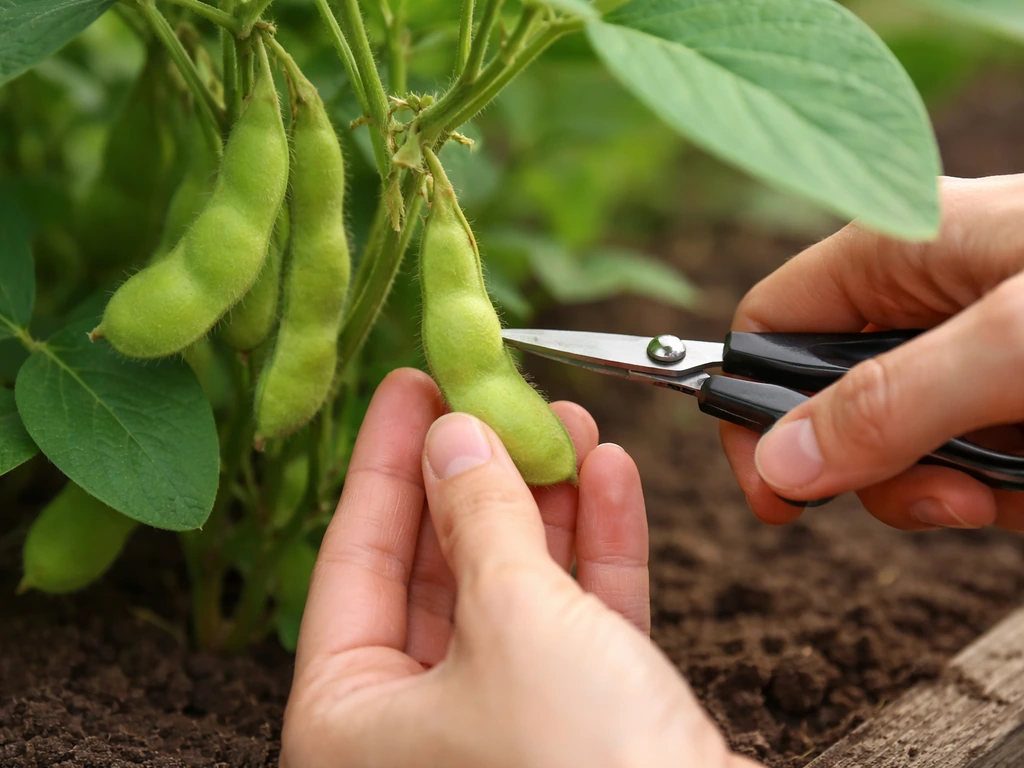
The harvest window for edamame is narrow, about 5 to 7 days from peak readiness to overripe. You want to pick when pods are plump and bright green, with beans filling about 80 to 90% of the pod. Squeeze a pod: you should feel firm, round beans inside. If the pods are starting to yellow or the beans are hard and pale, you have gone past the edamame stage and into dry bean territory. That is fine if you want to save seed or use them as dry beans, but not what you want for eating fresh.
To harvest, either snip pods individually with scissors or pull the entire plant and strip pods off at once. Plants set pods in a fairly synchronized wave, so pulling the whole plant at once often makes sense. Harvest in the morning when temperatures are cooler and pods are crisper.
Fresh edamame keeps in the refrigerator for about 2 days before quality drops. For longer storage, blanch pods in boiling water for 3 to 5 minutes, cool immediately in ice water, pat dry, and freeze in zip-lock bags. Frozen edamame keeps well for 8 to 12 months. This is the practical move for Texas growers because your whole crop will often come in over a week or two, and there is no way to eat it all fresh.
North, Central, and South Texas: what changes by region
| Region | Last Frost (Avg) | First Frost (Avg) | Best Planting Window (Spring) | Fall Planting Target | Key Notes |
|---|---|---|---|---|---|
| North Texas (Dallas-FW area) | Mid-March | Mid-November | Early to mid-April | Late July to early August | Fast summer heat arrival; use early varieties; fall planting is very productive |
| Central Texas (Austin-Waco) | Late March | ~Nov 15 (Waco) | Early to mid-April | Mid-August | Good spring and fall windows; amend clay soils; mulch heavily in summer |
| South Texas (San Antonio-Corpus) | ~March 1 (Corpus) | Late November or later | Mid-to-late March | September | Longest season; two plantings possible; intense heat demands irrigation and mulch |
North Texas growers should lean heavily on fall planting since the spring-to-summer heat transition is aggressive. Central Texas is probably the sweet spot in the state: decent springs, a long fall, and manageable (if hot) summers. Yes, you can grow edamame in Utah, but you will need to plan around shorter warm-season windows and protect plants from cool or hot extremes can you grow edamame in Utah.
In Colorado, you will need to focus on short warm-season days and careful timing to see whether edamame can fit your conditions can you grow edamame in colorado. South Texas has the longest frost-free window of any region, with Corpus Christi averaging a last frost around March 1, but summer heat intensity means irrigation is non-negotiable and afternoon shade during July and August helps a lot.
If you are in West Texas or the Panhandle, the situation is different. The Panhandle has a shorter growing season with earlier fall frosts, so you need early-maturing varieties and precise timing for both spring and fall. West Texas high desert areas have extreme afternoon heat and low humidity, which makes edamame more challenging, though not impossible with drip irrigation and mulching. These are your true last-resort conditions, but a spring planting with a fast-maturing variety under drip irrigation can still work.
If your spring timing has already slipped too late, do not force a summer planting. Wait for the fall window instead. In most of Texas, that fall planting will outperform a stressed late-spring crop anyway. Edamame planted in August and harvested in October or November often gives the cleanest, most flavorful beans of the season because the temperatures during pod fill are gentler.
If you are in another state with a shorter season, the challenge is the opposite: growers in places like Michigan or Ohio are fighting for enough warm days rather than trying to dodge heat peaks, which is a very different set of trade-offs. If you are wondering, can you grow edamame in Ohio, the answer depends on timing, variety, and whether you can give it enough warm days in the growing season.
FAQ
Can you grow edamame in Texas if your soil stays cooler than 60°F in spring?
Yes, but you may need to warm the ground first. Use black plastic or a row cover to raise soil temperature and remove it once seedlings emerge. If you plant before soil consistently reaches about 60°F, germination can be slow or uneven, leading to gaps and weaker plants.
Should you start edamame indoors and transplant it in Texas?
In most Texas situations, direct seeding is the better choice because root disturbance can cause noticeable setback. If you must start indoors, keep handling minimal (use biodegradable containers only if you can avoid root binding) and move seedlings quickly once the soil is warm, otherwise the heat window may slip away.
How do you tell if your edamame is failing from heat stress versus watering problems?
Heat stress during flowering usually shows up as poor pod set (blooms but few pods) even if the plants look generally green. Water problems often show up as wilting, uneven growth, or plants drying specifically during flowering and pod fill. Check soil moisture during those weeks, not just overall plant appearance.
What’s the best irrigation method for Texas edamame if I only have overhead sprinklers?
You can use overhead in a pinch, but manage timing and spacing. Water early in the morning so foliage dries quickly, avoid late-day watering, and consider using drip or soaker hoses for the flowering and pod-fill period since this is when moisture swings cost the most pods.
Do I need to fertilize edamame in Texas if it fixes nitrogen?
Usually only lightly. Too much nitrogen encourages leafy growth and reduces pod formation. A practical approach is to work compost in before planting, then apply a low-nitrogen, balanced fertilizer at planting and again at flowering, ideally guided by a soil test for your exact phosphorus and potassium needs.
Can you over-mulch edamame in Texas heat?
Yes. Heavy mulch can keep soil too cool in spring and can trap too much moisture around the crown, increasing root-rot risk. Aim for 2 to 3 inches and keep mulch pulled slightly away from the stem base so air can circulate and the root zone doesn’t stay soggy.
Is it worth trying a late-summer planting in Texas, or should you always wait for fall?
If your spring crop already stalled or slipped late, a late-summer planting can often outperform a stressed spring planting. In many parts of Texas, planting in August for an October or November harvest can give more consistent pod fill because peak heat eases during flowering and maturation.
How far apart should I plant edamame for Texas conditions to reduce disease?
Use wider spacing if you get humidity, dews, or regular foggy mornings (common in parts of East Texas). The goal is airflow, since powdery mildew risk rises with stagnant air. If you’re in a drier zone, you can lean closer, but do not crowd plants tightly enough to block airflow between rows.
What do I do if my edamame is blooming but the pods never fill?
First confirm you’re not planting into peak heat during flowering. Above about 95°F, pollen viability drops and pods may abort even with adequate care. At that point, your best “fix” is protection and survival steps (consistent moisture, possible shade cloth) for any flowers that develop as temperatures ease.
Can I save seed from edamame I grow in Texas?
You can, but only if you harvest at dry-bean stage and isolate for seed quality. Fresh edamame is picked earlier than dry seed maturity, so you’ll need to let pods fully dry on the plant or dry them properly after harvest. Also avoid mixing varieties if you want true-to-type seed.
How do I manage stink bugs on edamame without chemical sprays?
Start with early prevention and mechanical control. Row covers early in the season can reduce early infestations, and hand-picking works well for small plantings. Kaolin clay can help by making plants less attractive, but apply when plants are actively growing and before pests build up.
When should I harvest edamame in Texas to avoid tough, pale beans?
Harvest when pods are bright green and beans are plump, typically when the beans fill most of the pod and feel firm. If beans are getting hard and pale and pods start yellowing, quality has moved toward dry-bean stage. Since the edible window is short, check daily around readiness.
Next Articles
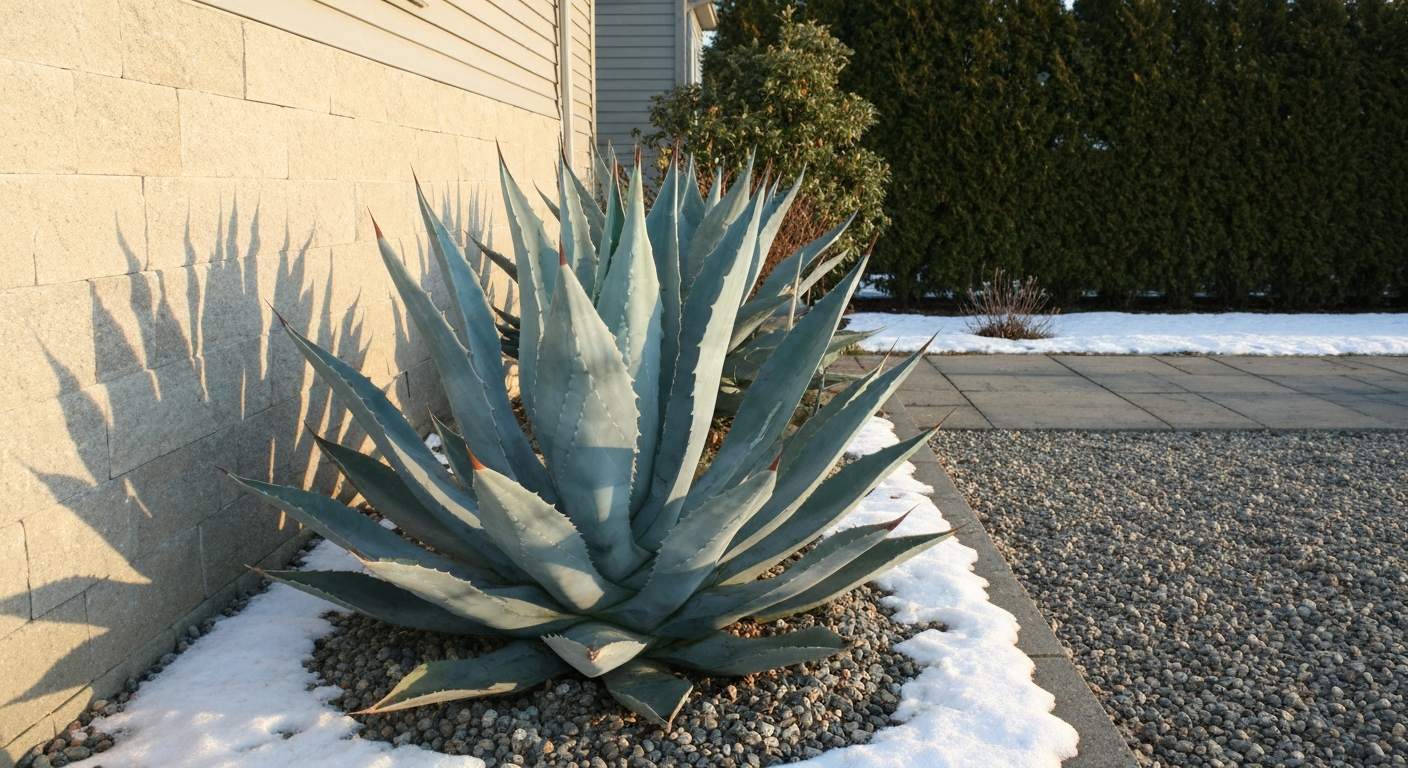
Can You Grow Agave in Canada? Zone Guide & Growing Tips
Can you grow agave in Canada? Practical region-by-region guide, hardy species, container tips & winter care.
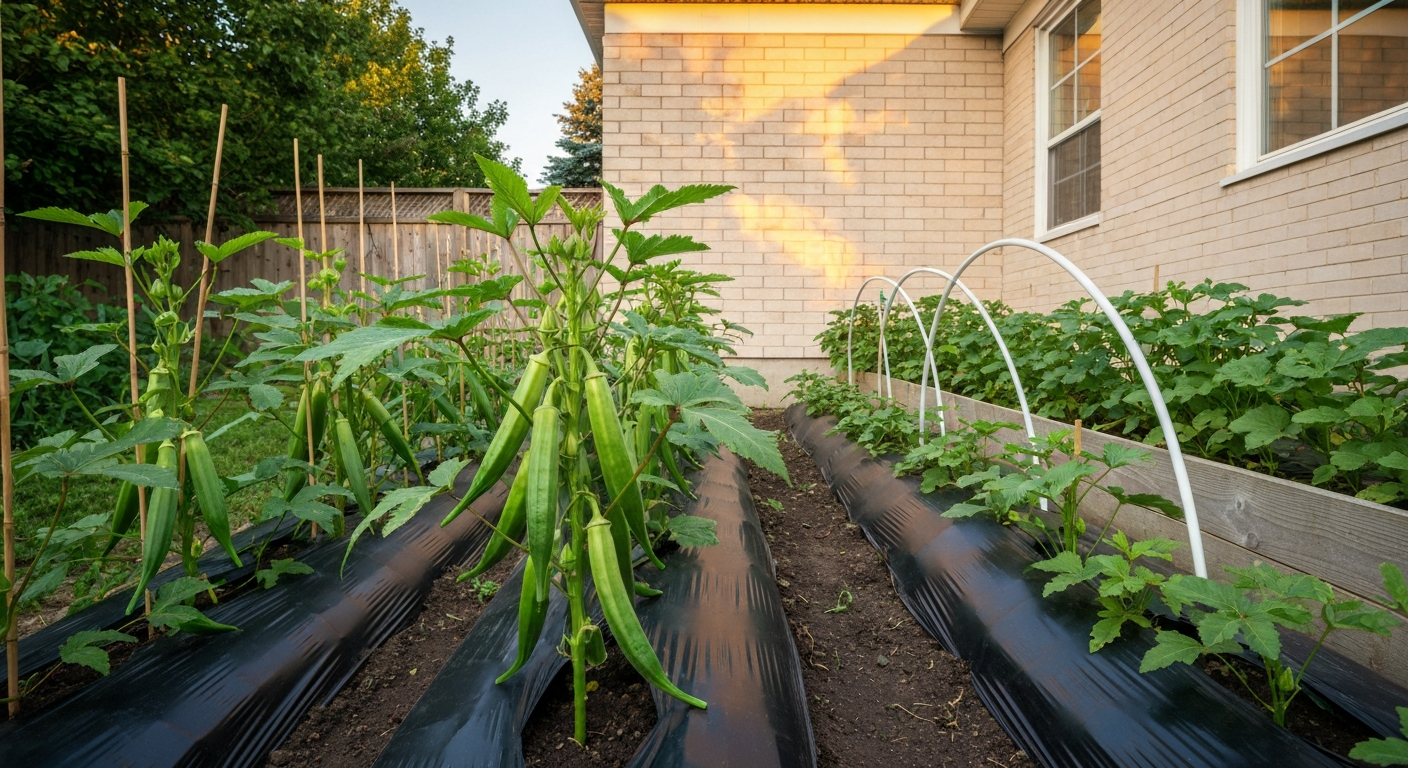
Can You Grow Okra in Canada? Ontario Guide & Short‑Season Tips
Can you grow okra in Canada? Regional verdict, Ontario-specific steps, varieties, season-extension & harvest tips.
Can You Grow Asparagus in Canada? Planting Guide by Zone
Grow asparagus in Canada by zone: site, hardiness, crowns or seed, planting depth, care, and harvest plus fixes