
Yes, you can grow edamame in California, and in most parts of the state it actually thrives. California's long growing season, warm summers, and mild winters in many regions give edamame plenty of runway to mature. The main variables are your specific microclimate, your frost dates, and choosing a variety with the right days-to-maturity for your window. If you are wondering can you grow edamame in Ohio, the answer depends on frost-free days, soil warmth, and picking a variety that matures before fall. Coastal growers need to watch for cool summers that can slow things down, while inland and Central Valley growers have the opposite problem: summer heat that can stress plants during flowering. Once you dial in those details, edamame is a genuinely rewarding crop to grow in California.
Can You Grow Edamame in California? Planting Guide
Where in California edamame works best
California's climate diversity is both an advantage and a complication. Here's a practical breakdown by region:
- Central Valley (Sacramento, Fresno, Bakersfield): This is prime edamame territory. Long, hot summers mean you have plenty of heat units and a wide planting window from April through June. You'll need to manage irrigation and shade cloth during extreme heat spikes, but yields here can be excellent.
- Inland Southern California (Riverside, San Bernardino, Temecula): Similar to the Central Valley, with long frost-free seasons. Edamame planted in April or May finishes well before fall heat breaks. Watch for triple-digit heat waves during pod fill.
- Coastal California (San Diego, Los Angeles coast, Bay Area, Santa Cruz): Cooler summers and marine influence mean slower growth. You can still grow edamame, but stick to early-maturing varieties in the 70-80 day range, and don't expect yields as large as inland plantings. Plant in late April through May to catch the warmest part of summer.
- Northern California valleys (Napa, Sonoma, Redding, Chico): Great conditions with warm summers and well-defined frost dates. Plant after last frost, typically mid-March to mid-April inland, and you'll have no trouble finishing a crop.
- High desert and mountain areas (Owens Valley, Lake Tahoe Basin, higher Sierra foothills): These are the trickiest spots. Frost risk extends into late spring and returns early in fall, compressing your window significantly. UC Master Gardeners for the Lake Tahoe Basin and Inyo/Mono Counties both recommend waiting until soil warms and using frost protection like row covers or cold frames when needed. Stick to the fastest-maturing varieties you can find.
The key frost-timing rule: edamame needs soil temperatures of at least 65-70°F to germinate well and is damaged by frost at any stage. UC guidance for warm-season legumes uses 66°F as a minimum soil temperature threshold in the seed zone. In most of coastal and inland California below 2,000 feet elevation, you'll hit that threshold somewhere between mid-March and early May depending on your exact location. Always check your local last frost date before committing seeds to the ground.
Picking varieties and understanding harvest timing
Variety choice is where a lot of California growers go wrong. Edamame varieties are classified by maturity group and days-to-maturity, and selecting the wrong one for your window can mean the plants flower at the wrong time or miss the harvest mark before your season ends. Here's what matters most:
Edamame is photoperiod-sensitive, meaning day length affects when plants switch from vegetative growth to flowering. For most California home gardeners, the practical solution is to choose a variety that's already been selected for northern latitudes or is described as day-length neutral. Look at the days-to-maturity number and match it to how many frost-free days you have in your growing window.
| Variety | Days to Maturity | Best California Fit |
|---|---|---|
| Envy | ~75 days | Coastal, high-desert, and mountain gardens with short windows |
| Midori Giant | ~85-95 days | Central Valley, inland SoCal, and NorCal valleys |
| Beware | ~75-78 days | All regions; good early-season choice |
| Beer Friend | ~80 days | Inland areas; large pods with good flavor |
| Rutgers Tox varieties | ~85+ days | Warm, long-season inland regions only |
For most California gardeners, a variety in the 75-85 day range hits the sweet spot. It gives you enough time to mature a full crop while still leaving buffer room before summer heat peaks or fall frost arrives. If you're in coastal Southern California or the Bay Area, lean toward 75-day varieties. If you're in the Central Valley with a long warm summer, you have the luxury of 85-95 day varieties that produce bigger, meatier pods.
Timing your plantings: UC ANR includes edamame in May direct-seeding guidance as a warm-season crop for California. Most inland California growers can plant in April through June for a summer harvest, or do a second planting in late June or early July for a fall harvest in frost-free areas. On the coast, stick to a single spring planting in April-May to catch peak summer warmth.
Setting up your planting: soil, spacing, inoculation, and water
Soil prep
Edamame grows in most well-drained soils, but it really performs in loamy, slightly acidic ground in the pH 6.0-6.8 range. California's Central Valley soils often run alkaline, so a soil test before planting is worth the $20. Work in compost to improve both drainage and moisture retention, especially in heavy clay soils common in parts of the Sacramento and San Joaquin valleys.
Inoculation
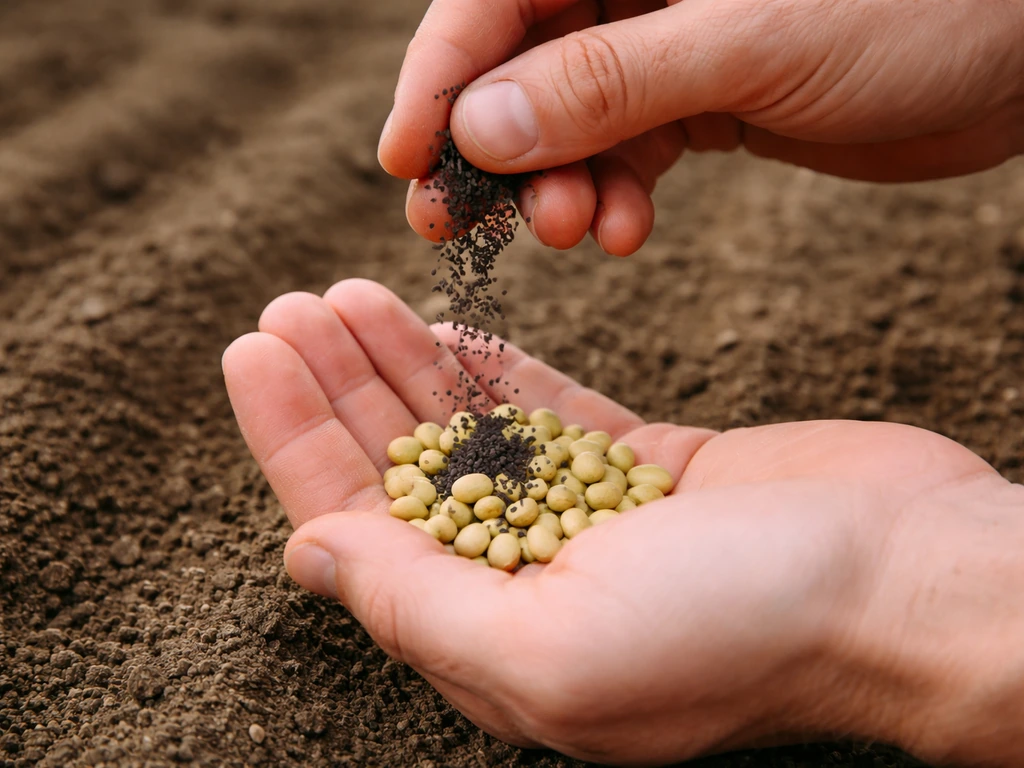
This step gets skipped by most home gardeners and it's a real mistake. Edamame, like all soybeans, fixes its own nitrogen when inoculated with the right Bradyrhizobium japonicum bacteria. If you've never grown soybeans in your garden soil before, the bacteria probably aren't there at adequate levels. Buy a soybean-specific inoculant (sold at most farm supply stores and online), coat your seeds just before planting, and you'll notice better growth and yields without needing heavy nitrogen fertilizer. Keep inoculant out of direct sunlight and use it fresh.
Fertilizer
With good inoculation, edamame doesn't need much nitrogen at all. Excess nitrogen actually pushes leafy growth at the expense of pod production. A balanced starter fertilizer low in nitrogen, or some compost worked into the bed at planting, is plenty. If your soil test shows phosphorus or potassium deficiencies, address those separately.
Spacing and planting depth
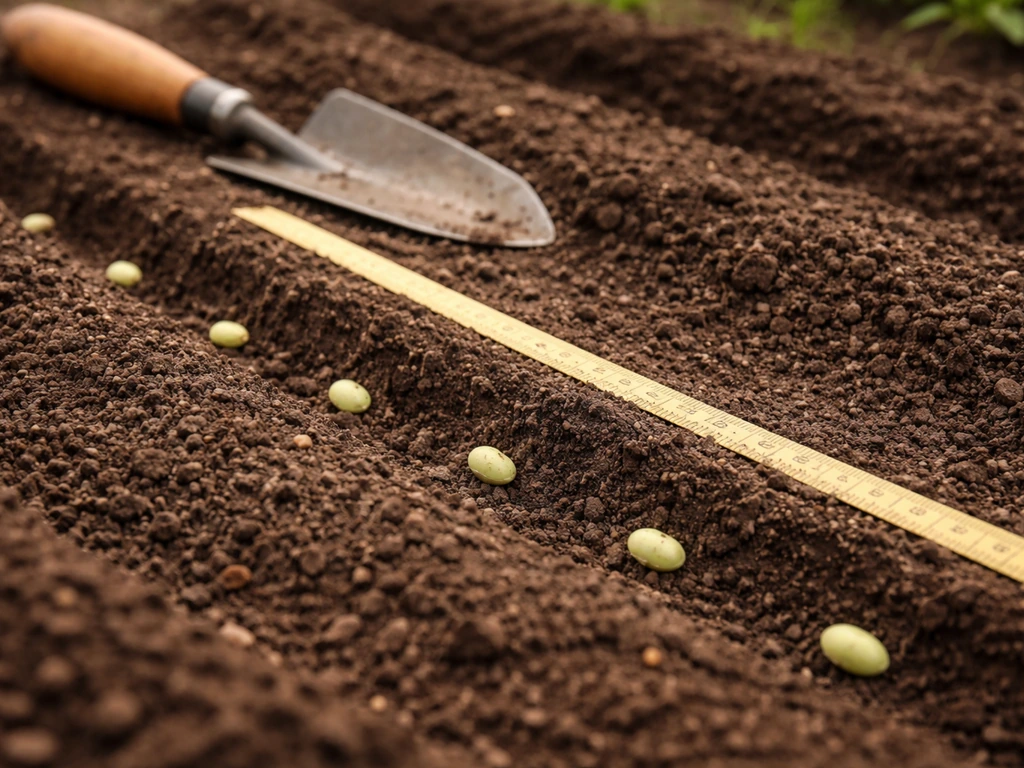
Plant seeds 1 to 1.5 inches deep, spaced about 3-4 inches apart in rows 18-24 inches apart. In raised beds you can tighten spacing slightly. Thin to 6 inches apart if you get heavy germination. Sowing too densely creates poor airflow and invites fungal issues, which matters more in California's coastal fog zones.
Irrigation
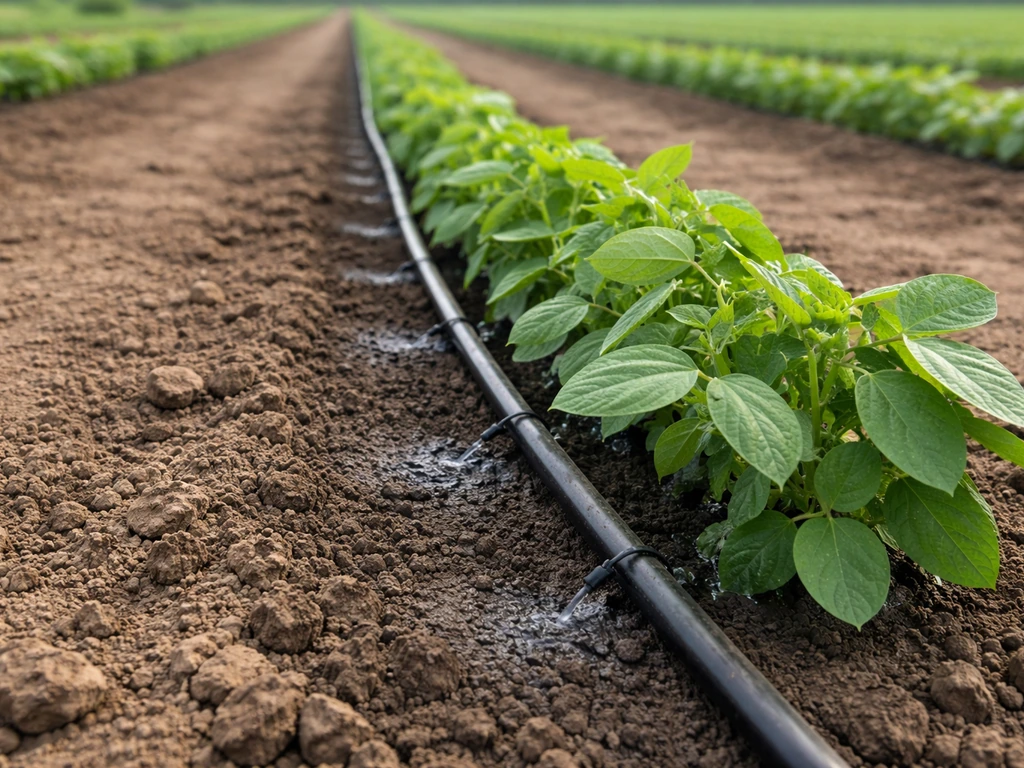
Edamame needs consistent moisture, especially during germination and pod fill. In the Central Valley and Southern California, where summer rain is essentially zero, plan on drip irrigation or regular hand watering. Water stress during flowering or pod fill directly reduces yield and flavor quality. Aim to keep the top 6 inches of soil consistently moist but not waterlogged. Drip irrigation is ideal because it keeps foliage dry and reduces disease pressure.
Day-to-day growing care
Weed control
Edamame seedlings grow slowly in their first 3-4 weeks and weeds can easily outcompete them at this stage. Mulching between rows with straw or wood chips helps a lot, both for weed suppression and soil moisture retention during California's dry summers. Hand-weed carefully early on to avoid disturbing shallow roots.
Trellising
Most edamame varieties are bush-type and don't need trellising. They typically grow 18-30 inches tall and stand on their own. Dense plantings can cause some flopping, especially in windy coastal locations, so leave adequate spacing and you'll be fine without any support structure.
Managing heat stress
This is the biggest real-world challenge for California inland growers. Temperatures above 95-100°F during flowering can cause blossoms to drop, which means fewer pods. If you're in the Central Valley or inland SoCal and a heat wave is forecast during flowering, shade cloth (30-40% shade) draped over the bed can make a meaningful difference. Deep, consistent irrigation before and during heat events also helps. Timing your planting so that flowering happens in June rather than July or August is the most effective strategy where your window allows it.
Pests and diseases to watch for in California
Aphids
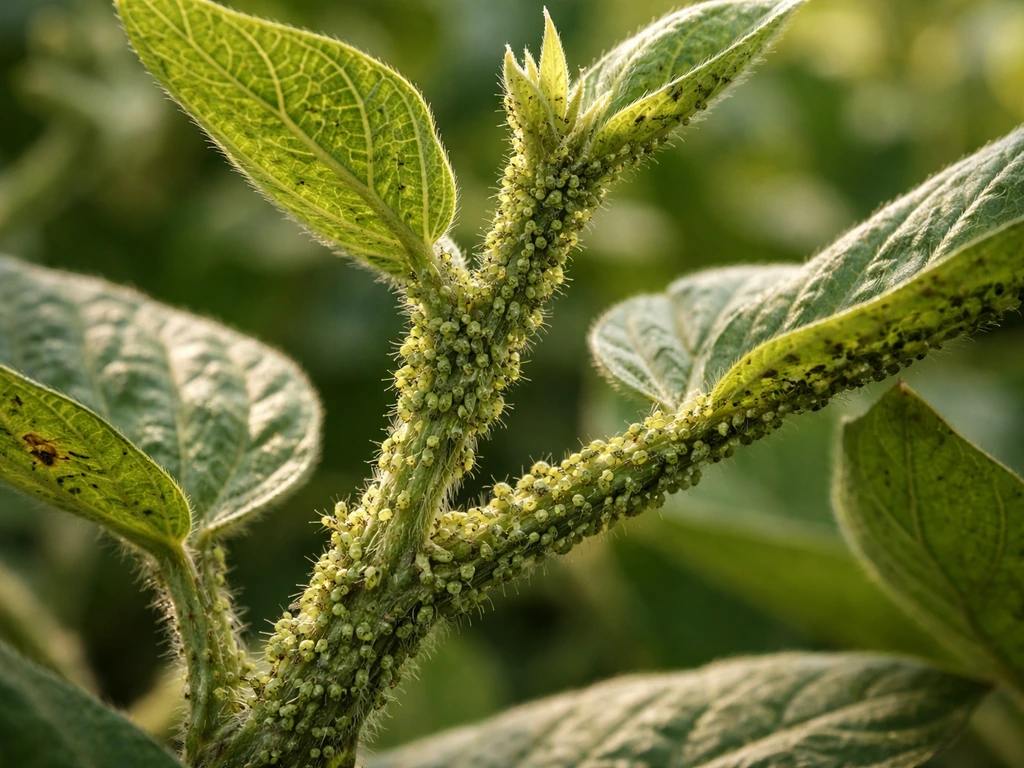
Aphids are the most common edamame pest California gardeners encounter. They cluster on new growth and the undersides of leaves, causing stunting, leaf curl, and sometimes spreading plant diseases. UC IPM notes that temperatures above 85°F actually slow aphid population growth, so your hot summers provide some natural suppression during peak heat. In spring and fall plantings, monitor closely. Blast them off with a strong stream of water, or use insecticidal soap for heavier infestations. Encouraging beneficial insects like ladybugs and lacewings with companion plantings is a solid long-term approach.
Armyworms
Armyworms (Spodoptera spp.) can show up in California gardens, especially in late summer. UC IPM describes armyworm eggs laid in fluffy masses on leaves, with larvae feeding in groups and capable of defoliating plants quickly. Scout regularly, especially on older plants. Hand-pick egg masses and small larvae early. For larger infestations, Bacillus thuringiensis (Bt) is effective and approved for organic production.
Stink bugs
Stink bugs can damage edamame pods, feeding on buds and developing beans and causing yield loss and cosmetic damage. UC IPM notes they overwinter in leaf litter and become active in warm months. Remove debris and weeds around your garden to reduce overwintering habitat. Row covers before bloom stage can help exclude them, and monitoring during flowering and pod fill is important.
Damping-off and fungal issues
blank" rel="noopener noreferrer">Planting in cold, wet soil is the main trigger for damping-off in edamame seedlings. In California this is mostly a risk in early spring plantings, especially in coastal or high-elevation gardens. Wait for soil to warm to at least 65°F before seeding. If you plant in cool, wet conditions, use raised beds for better drainage and avoid overhead irrigation. White mold (Sclerotinia) can develop in dense plantings during cool, humid conditions, appearing as watery rot with white fluffy mycelium. UC IPM notes sclerotia can persist in soil for years, so good plant spacing, dry foliage practices, and crop rotation are your best tools.
How to harvest and store your edamame
Knowing when to pick
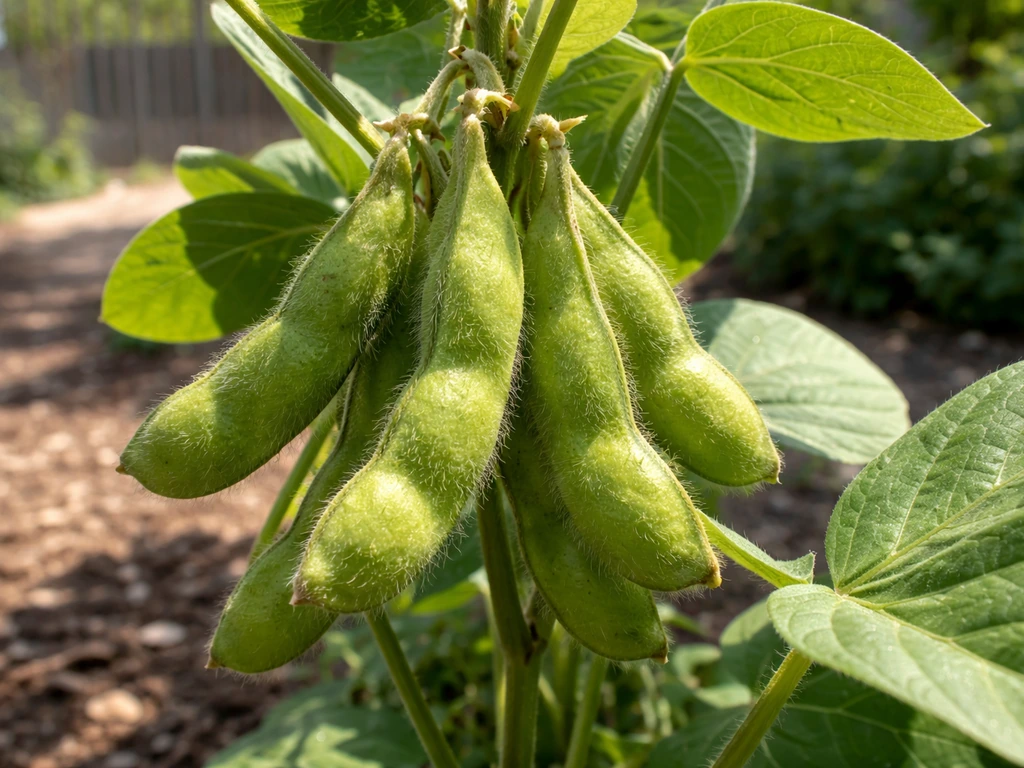
Edamame has a short harvest window, typically 5-7 days at peak. You're looking for pods that are plump and bright green, with beans that have filled out to about 80-90% of pod capacity. If you wait too long, the beans start to harden and lose their sweet flavor as sugars convert to starch. Don't wait for pods to yellow. Feel the pods: you want to feel the individual beans clearly through the pod wall. Once most pods on the plant hit that stage, harvest the whole plant or pick pods individually.
After you pick
Quality degrades fast after harvest, just like sweet corn. Refrigerate immediately at 40-45°F if you plan to eat them within a day or two. For longer storage, blanch pods in boiling water for 2-3 minutes, cool in an ice bath, pat dry, and freeze. Blanching before freezing is important because it stops the enzymes that continue to degrade flavor and texture. Frozen edamame keeps well for up to a year. UC-aligned food preservation guidance consistently recommends blanching before freezing for best quality outcomes with vegetables.
What to expect from your yield
A 10-foot row of edamame will typically give you 1 to 2 pounds of pods at harvest, sometimes more with good growing conditions. If you want a meaningful supply for eating and freezing, plan on at least 20-30 feet of row or do multiple staggered plantings spaced 2-3 weeks apart. The latter approach also smooths out that tight harvest window so you're not picking everything at once.
Your practical next steps
If you're planning your first California edamame planting, here's a simple action checklist to work through:
- Find your local last frost date. Your county UC Cooperative Extension office or a site like the National Gardening Association's frost date tool can give you a reliable number. In most California lowland areas, last frost is February to April depending on location.
- Check soil temperature before planting. A $10-15 soil thermometer is worth it. Wait for at least 65-66°F at seed depth before direct sowing.
- Order soybean inoculant along with your seeds. Most seed retailers sell them together, but check.
- Choose a variety matched to your days-to-maturity window (75 days for tight coastal or mountain windows, 85-95 days for long warm inland seasons).
- Plan your irrigation before planting, especially if you're in a dry inland area. Drip tape or soaker hoses set up before the season saves a lot of hassle.
- Scout for pests weekly once plants are up, focusing on new growth and leaf undersides.
- Mark your expected harvest date on your calendar and check pods daily in the week leading up to it.
California growers in other warm states sometimes compare notes with Texas or Southwestern growers facing similar heat challenges. If you're dealing with short-window mountain conditions, the strategies overlap with what growers in Colorado or Utah use. The fundamentals are the same regardless of region: match your variety to your window, protect germination with soil temperature awareness, and don't skip inoculation. If you are wondering can you grow edamame in Utah, focus on frost timing, pick a variety with the right days-to-maturity, and protect seedlings from cool soil. If you want to grow edamame in Michigan, you'll start by choosing an appropriate short-maturity variety for your frost-free days match your variety to your window. California gives you one of the most flexible edamame climates in the country if you use it right.
FAQ
Can I plant edamame earlier in California if I use raised beds or black plastic?
Yes, but the timing matters. Edamame is damaged by frost at any stage, so even in California, plan the first seedset after your soil has warmed to at least about 65 to 70°F and you are within your local frost-free window. If you use raised beds, you can often warm soil faster, which makes earlier starts in cool coastal or high-elevation areas more realistic.
Should I harvest edamame as soon as it’s ready, or can I leave it longer for bigger pods?
It depends on your goal. If you want fresh pods, harvest when beans are visibly filled and still bright green, and expect a 5 to 7 day peak window. If you want drier soybeans for later use, let pods dry on the plant longer, but note that this usually pushes you toward later planting risk if fall weather turns cool.
How much fertilizer do I need, and do I have to add nitrogen in California soils?
Avoid heavy nitrogen. Even with good inoculation, adding lots of nitrogen tends to increase leafy growth and can reduce pod set. A better approach is to use a low-nitrogen starter or compost at planting, then only address nutrients that your soil test shows are deficient (especially phosphorus and potassium).
What’s the easiest way to manage weeds in the first month after planting edamame?
Yes, especially for weedy beds. If you mulch right after sowing and keep the top layer moist, you reduce early weed pressure while seedlings are slow. Use mulch in between rows so foliage dries faster, and avoid burying stems deeply, which can contribute to damping-off if conditions stay cool or damp.
Can you grow edamame in a backyard container in California?
You can grow it in containers, but you will need a large one and consistent watering. Choose a compact bush variety, use a well-draining potting mix, and ensure the pot stays evenly moist without turning soggy. Container plants also dry out faster in inland heat, so plan for more frequent checks during pod fill.
What diseases should California gardeners watch for, and how do I prevent them?
Powdery mildew is less of a focus than in some crops, but dense foliage can still encourage fungal problems, particularly cool, foggy conditions on the coast. The preventative move is spacing for airflow and watering at the soil level (drip helps). If you see early disease, remove affected leaves promptly and avoid overhead irrigation.
Why did my edamame seeds fail to sprout or collapse soon after emerging?
If you planted too early into cool soil, damping-off is more likely, especially in coastal areas or early spring. The practical fix is to wait for soil warmth, keep seeds in well-drained ground, and avoid overhead watering that keeps foliage and seed zones wet.
How can I extend the harvest window so I’m not picking everything at once?
Yes, and it helps timing the harvest. Since edamame has a tight peak harvest window, stagger plantings every 2 to 3 weeks (as long as you stay within your frost-free period) so pods do not all mature at once. This also gives you flexibility if a heat event hits one planting.
Do edamame plants struggle with salty or alkaline conditions in parts of the Central Valley?
Sodium and salinity can be an issue in some parts of inland California. If you notice leaf edge burn, poor growth despite watering, or consistently weak performance, consider a soil and water test and prioritize drip irrigation with thorough, periodic flushing if salts build up. Also avoid planting into chronically waterlogged patches.
Can I intercrop edamame with other vegetables in California?
Cold-season greens like lettuce can work, but you must not shade edamame heavily during its flowering and pod-filling stages. Choose companions that are lower-growing, keep competition for water low, and avoid overcrowding that reduces airflow around edamame.
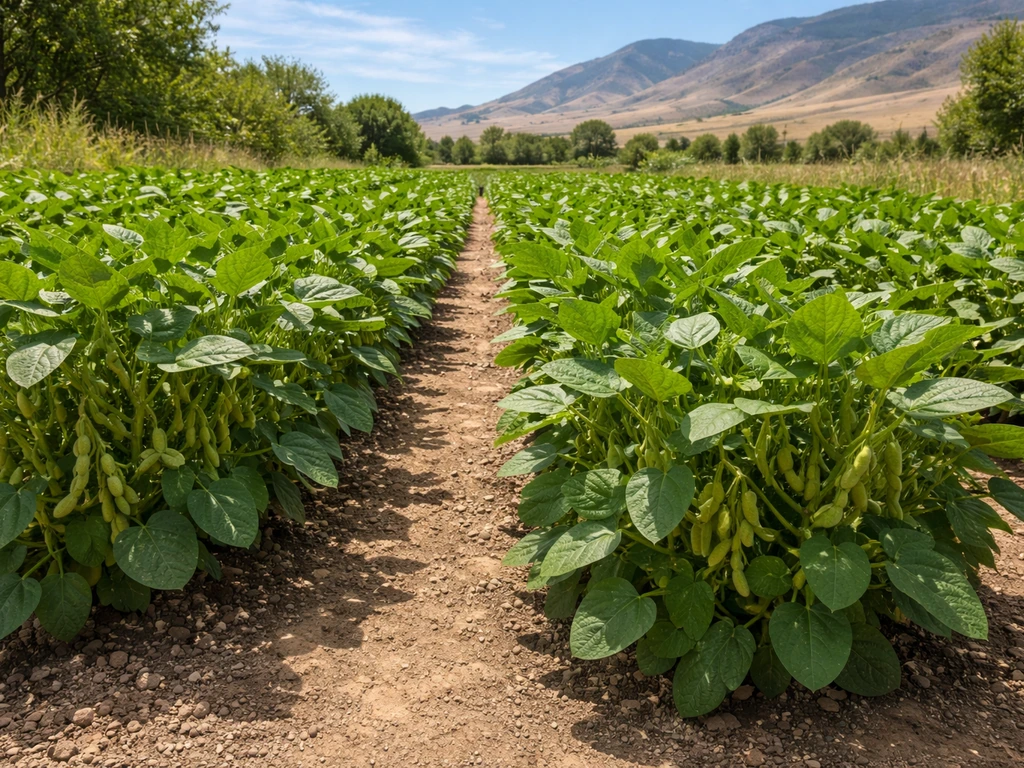
Learn if you can grow edamame in Utah and get a planting, variety, and harvest guide for your season.
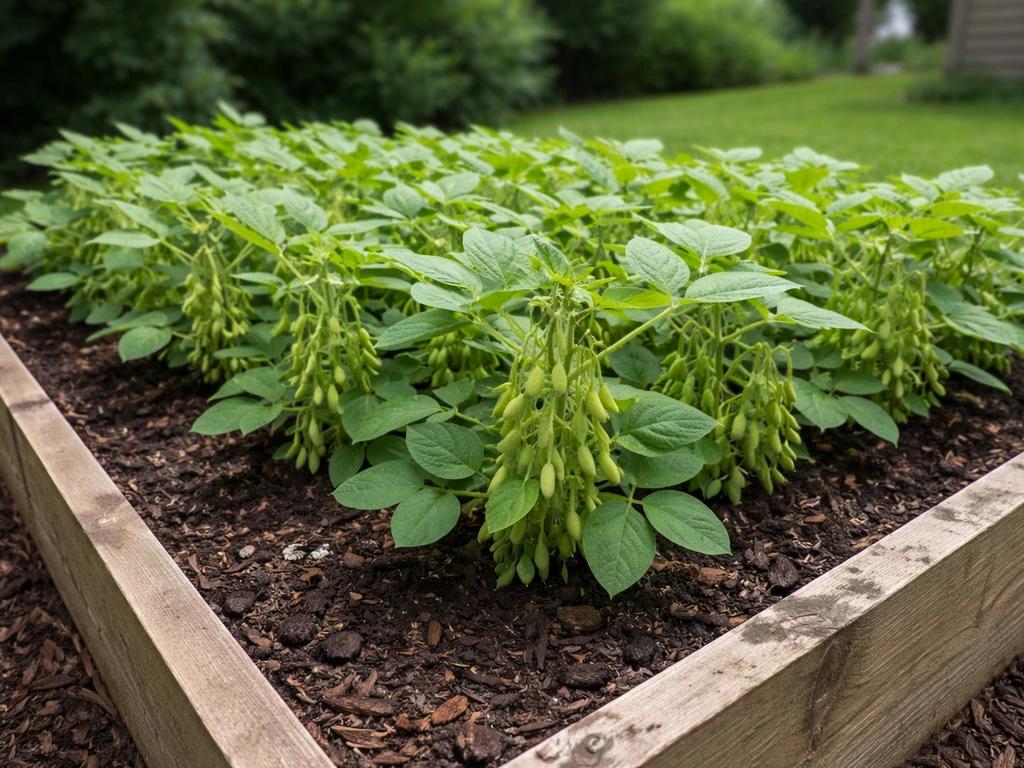
Yes. Learn if edamame grows in Michigan, best varieties, planting dates, season-extension tips, and harvest expectations
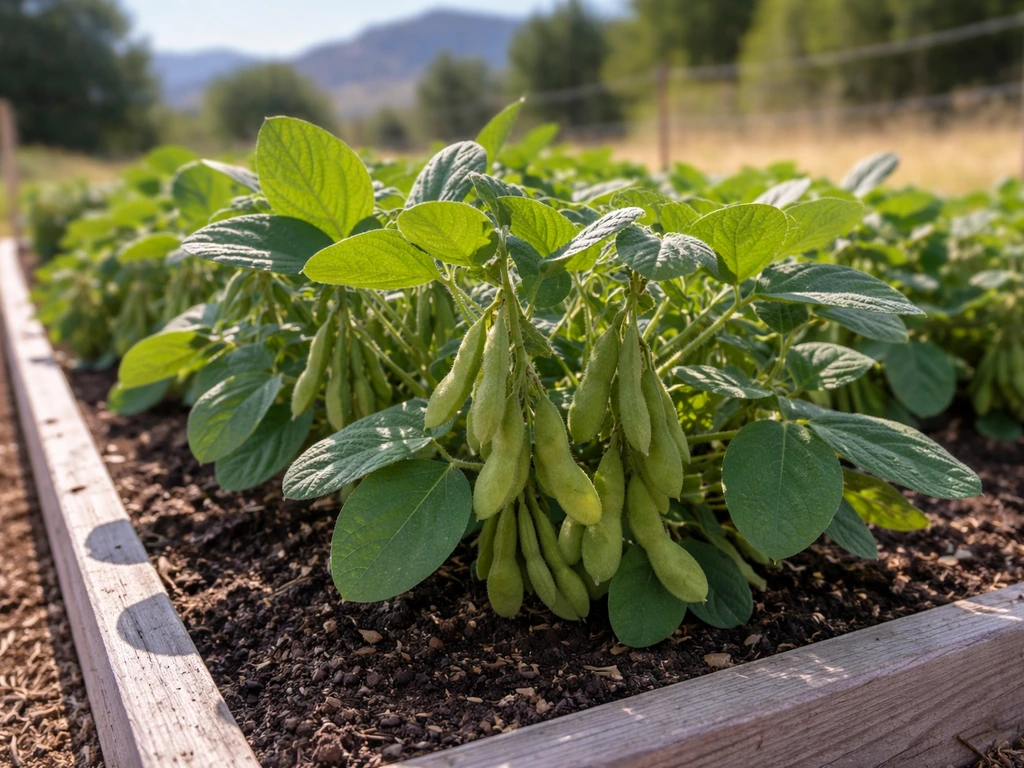
Yes, you can grow edamame in Colorado. Learn timing, varieties, soil, spacing, frost protection, pests, and harvest tips