
Yes, you can grow edamame in Ohio, and it does quite well here. Ohio's growing season is long enough to bring most short- and mid-season edamame varieties to harvest before fall frost, and the state's warm, humid summers actually suit the crop. The key is picking the right variety, planting at the right soil temperature, and giving yourself enough runway before your first fall freeze. In Utah, the main challenge is matching edamame varieties to your shorter warm window and watching soil temperature so seeds germinate reliably can you grow edamame in utah. Get those three things right and you'll be pulling fat green pods off the vine by late summer.
Can You Grow Edamame in Ohio? Step-by-Step Guide
Marcus Holloway
6 Jun 2026
Ohio's climate and how edamame fits into it
Ohio spans USDA hardiness zones 5b through 6b, which puts it squarely in edamame-friendly territory. The state's last spring freeze typically lands around April 15 in southern Ohio and April 25 in northern Ohio. First fall freeze arrives as early as early October in the northwest and closer to mid-October in the south. That gives most Ohio gardeners a frost-free window of roughly 160 to 185 days, which is more than enough time to grow edamame varieties in the 70 to 90 day range.
The bigger constraint in Ohio isn't total season length, it's spring soil temperature. Edamame is a soybean at heart, and soybean seeds need soil at least 50°F in the 24 hours after planting to germinate safely. Drop below about 40 to 45°F and you risk imbibitional chilling injury, where the seed absorbs cold water right after planting and suffers stand loss before it ever gets going. This matters a lot in Ohio's cold, wet springs, where impatient gardeners often jump the gun. Wait for the soil, not the calendar.
Compared to states like Texas or California where heat is the primary variable to manage, Ohio's challenge is timing the front end of the season. But compared to shorter-season states, Ohio gardeners have real flexibility and can grow a wider range of edamame varieties without much stress.
Best edamame varieties for Ohio gardens
Variety selection is where a lot of Ohio gardeners make their first mistake. Edamame varieties are classified by maturity groups, just like field soybeans. Lower numbers mature faster. For Ohio, especially northern Ohio, you want maturity groups 0 through III.
These shorter-season types finish in 70 to 85 days and give you a comfortable buffer before October frosts arrive. Maturity group IV and higher (which can push 90 or more days to harvest) are risky in the northern part of the state and only make sense if you're in southern Ohio with a longer local season.
For example, a commercial edamame planting-variety reference lists specific varieties such as “Gardensoy 31” with estimated days to maturity in the 90s, showing why many commercial types can be too long for frost-prone northern gardens unless managed for heat units “Gardensoy 31” estimated days to maturity in the 90s.
Here are some reliable choices that work well in Ohio conditions:
- Midori Giant: 75 to 80 days, large pods, very popular for home gardens across the Midwest
- Envy: around 75 days, compact plants that work well in smaller spaces
- Beer Friend: 75 days, high pod count, great for northern Ohio where you want speed
- Sayamusume: about 70 days, early-maturing, excellent flavor
- Gardensoy 31: listed at 90-plus days to maturity, which is cutting it close in northern Ohio and generally better suited to central or southern parts of the state
If you're in Columbus or south, you have more flexibility. If you're in Cleveland, Toledo, or Youngstown, stick with the 70 to 80 day varieties and don't push it with anything that needs more than 85 days.
When to plant edamame in Ohio
Don't plant by the date on a calendar. Plant by soil temperature. You want the top 2 inches of soil consistently at 60°F or warmer, with no cold snap in the forecast. The optimum germination temperature is around 70°F, and that's when you'll see fast, even emergence. A cheap soil thermometer takes the guesswork out entirely.
In practical terms, that usually translates to late May in northern Ohio and mid-May in central and southern Ohio. Some southern Ohio gardeners with well-drained, dark-colored soil in a sunny spot can push into early May without problems. But anywhere in Ohio, if you plant before the soil hits 50°F, you're gambling on stand loss.
| Ohio Region | Approx. Last Spring Freeze | Safe Planting Window | Target Variety Days to Maturity |
|---|---|---|---|
| Northern Ohio (Cleveland, Toledo) | Around April 25 | Late May to early June | 70 to 80 days |
| Central Ohio (Columbus) | Around April 20 | Mid to late May | 75 to 85 days |
| Southern Ohio (Cincinnati, Portsmouth) | Around April 15 | Early to mid-May | 80 to 90 days |
You can also do succession plantings every two to three weeks through early June in most of Ohio. This staggers your harvest and gives you fresh pods over a longer window rather than everything coming in at once. Just make sure your latest planting has enough days to finish before your expected first fall freeze.
Soil, site selection, and spacing
Edamame needs full sun, meaning at least 6 to 8 hours of direct sunlight per day. Partial shade will give you tall, leggy plants with disappointing pod fill. Pick your sunniest spot.
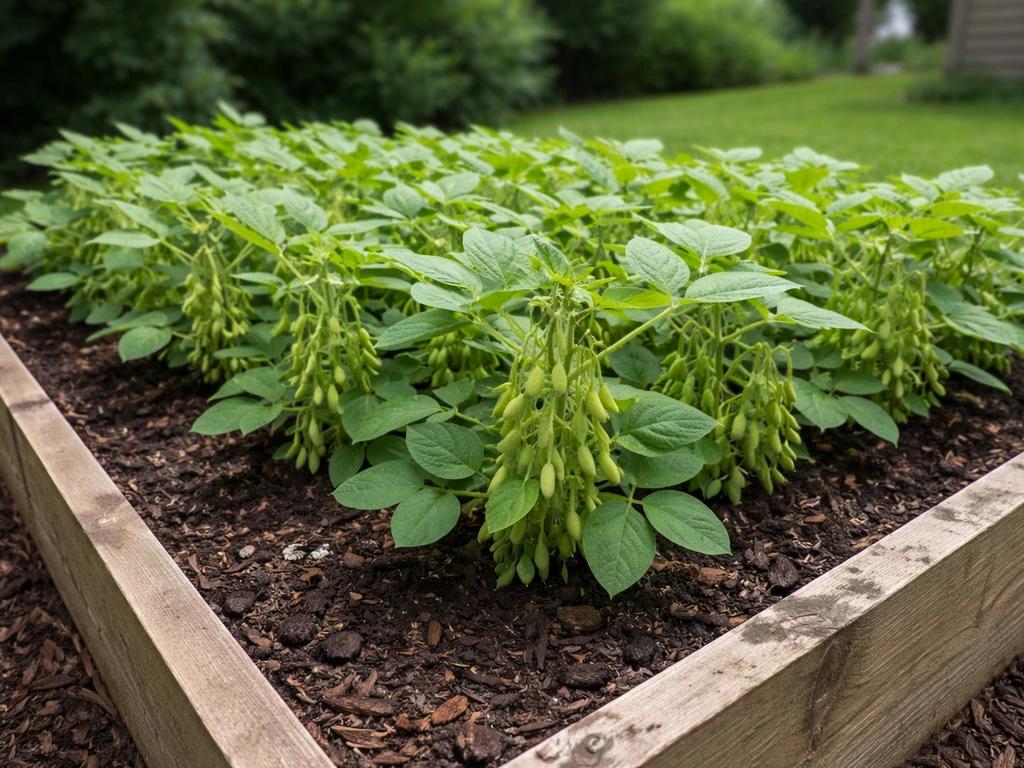
Soil should be well-drained and loose. Edamame, like all soybeans, does not like wet feet. Ohio's clay-heavy soils in the northwest and central parts of the state can be a challenge. If you're dealing with heavy clay, work in compost to a depth of 8 to 10 inches before planting. Raised beds are an excellent option for improving drainage and also warm up faster in spring, which helps with that soil temperature target.
Target a soil pH of 6.0 to 6.8. Below pH 5.5, rhizobium bacteria that live in edamame roots and fix nitrogen from the air start to die off, which undermines one of the crop's best features. A simple soil test from your local OSU Extension office will tell you where you stand and what lime rate to apply if needed.
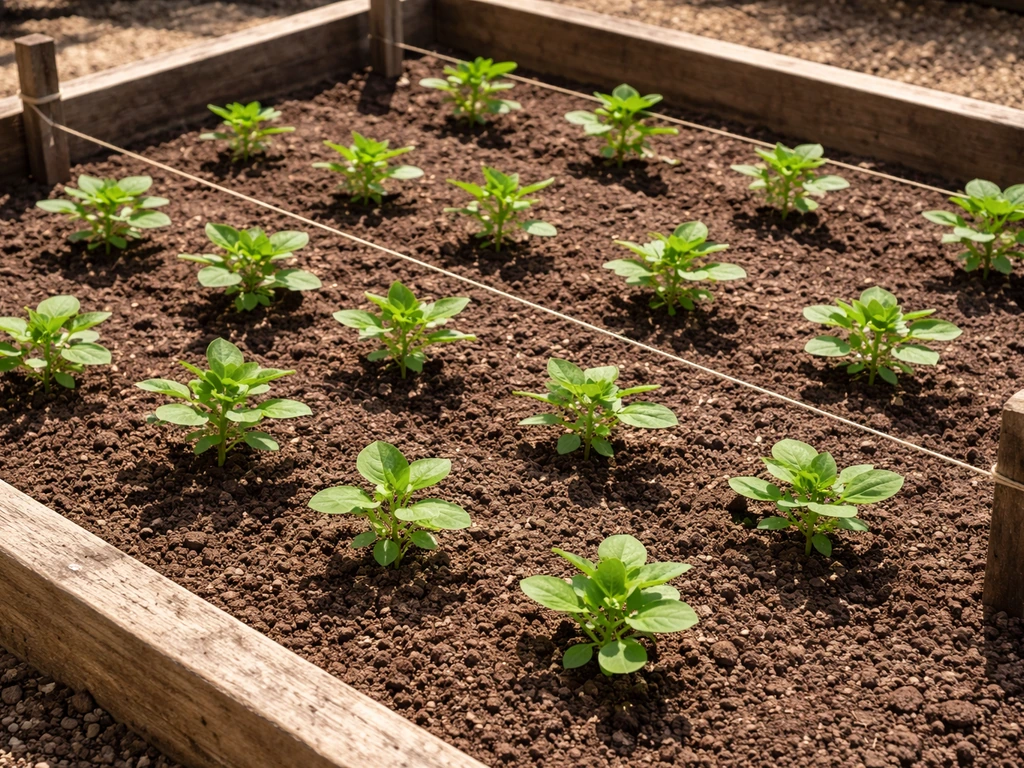
For spacing, plant seeds about 2 to 4 inches apart in rows spaced 18 to 24 inches apart. You can go a bit tighter in raised beds. Plant seeds 1 to 1.5 inches deep. Planting too shallow in Ohio's spring soil risks uneven moisture contact; too deep slows emergence.
Watering and fertilizing for a good harvest
Water needs through the season
Edamame needs about 1 inch of water per week from rain or irrigation. Ohio summers are reasonably humid and often rainy, so you may not need to water much in a typical year. The critical periods are during flowering and pod fill. Moisture stress during pod development leads to poor fill and small seeds, which is the number one yield complaint from home growers. If you see wilting in the afternoon heat during August, water immediately. Drip irrigation or a soaker hose works better than overhead watering, which can promote foliar disease in Ohio's humid summers.
Fertilizer: less is more (especially nitrogen)
Edamame fixes its own nitrogen through root nodules when properly inoculated with rhizobium bacteria. If your soil has a history of soybeans or edamame in the last few years, you likely have enough native rhizobia to get good nodulation. If the ground is new to soybeans or you've never grown them there, inoculate your seeds at planting with a rhizobium inoculant. It's cheap, it works, and it means you won't need to apply nitrogen fertilizer at all once the plants are established.
What edamame does need from you is phosphorus and potassium. A starter fertilizer worked into the soil before planting, based on a soil test recommendation, is the smart move. Avoid high-nitrogen fertilizers once the plants are up; too much nitrogen pushes leafy growth at the expense of pods.
Pests, diseases, and problems you'll actually see in Ohio
Insects to watch for
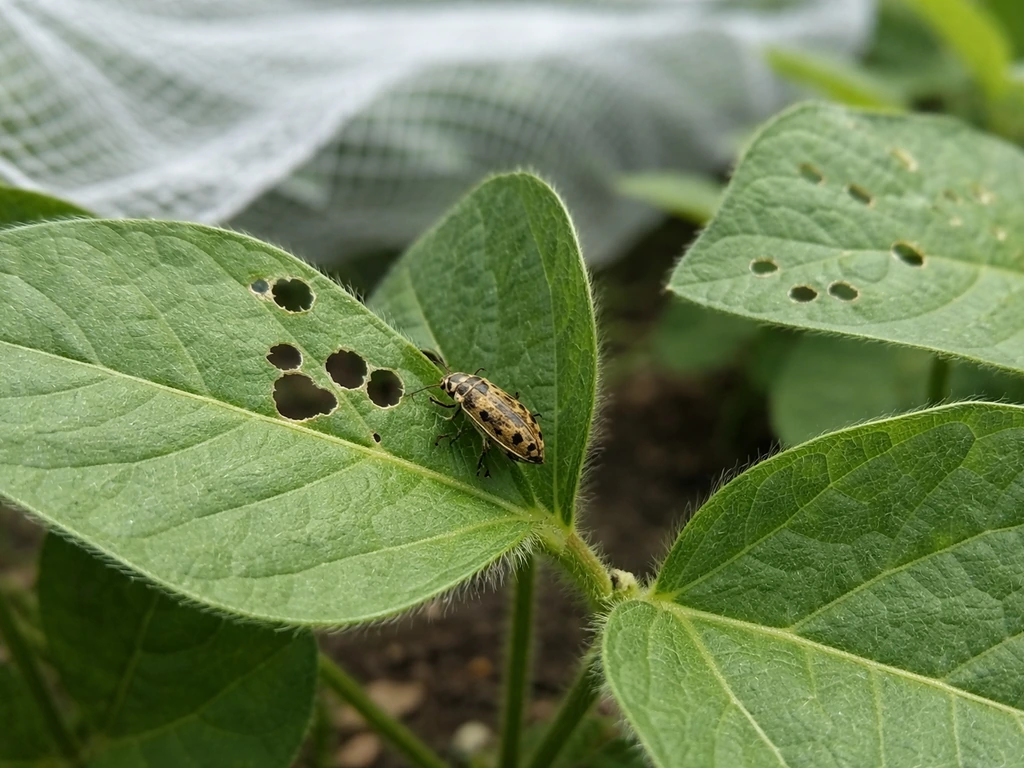
Ohio edamame gardens deal with a predictable cast of insects. Bean leaf beetles are a big one: the adults chew holes in leaves and pods and can vector Bean Pod Mottle Virus, which reduces pod quality and fill. Japanese beetles are also common in Ohio and will shred foliage in midsummer. Aphids cluster on new growth and can cause distortion. Stink bugs puncture pods and leave shriveled seeds. Caterpillars (various species) chew leaves and occasionally pods. Thrips are less common but show up in hot, dry spells.
For home gardens, hand-picking larger insects like Japanese beetles and stink bugs works well. For aphids and bean leaf beetles, insecticidal soap or neem oil handles moderate infestations. Avoid broad-spectrum insecticides during flowering because you'll knock out pollinators. Edamame needs good pollinator activity for pod set.
Diseases and environmental problems
In Ohio's humid summers, fungal diseases like white mold and various pod rots can show up, especially in dense plantings with poor airflow. Good spacing, avoiding overhead watering, and rotating your edamame to a different bed each year reduces disease pressure significantly.
Slow growth in early summer is almost always a soil temperature or compaction issue. If plants stall after emerging, check if the soil is still cold or waterlogged. Poor pod fill usually points to moisture stress during R4 to R6 (pod and seed filling stages), or to late planting that pushed pod fill into cooler September weather. A light frost between pod set and full maturity (R6 to R7) may or may not damage your crop depending on how hard and how long the freeze lasts, but it's a real risk in northern Ohio if you plant late-maturing varieties.
How to harvest, store, and enjoy your edamame
Knowing when pods are ready
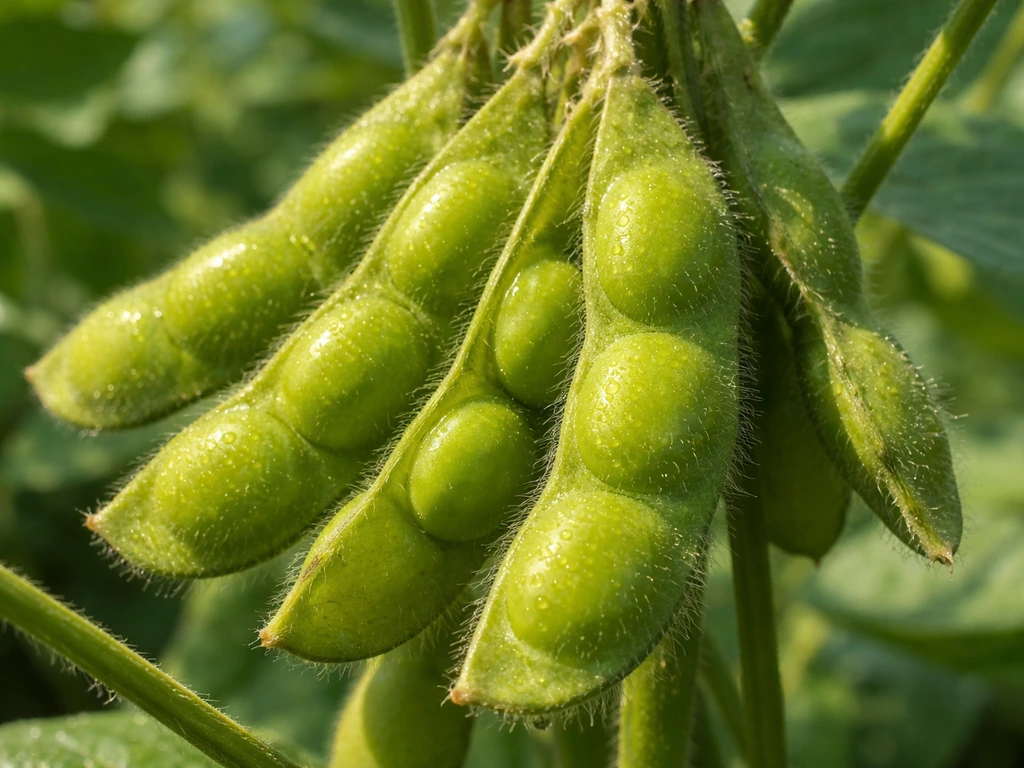
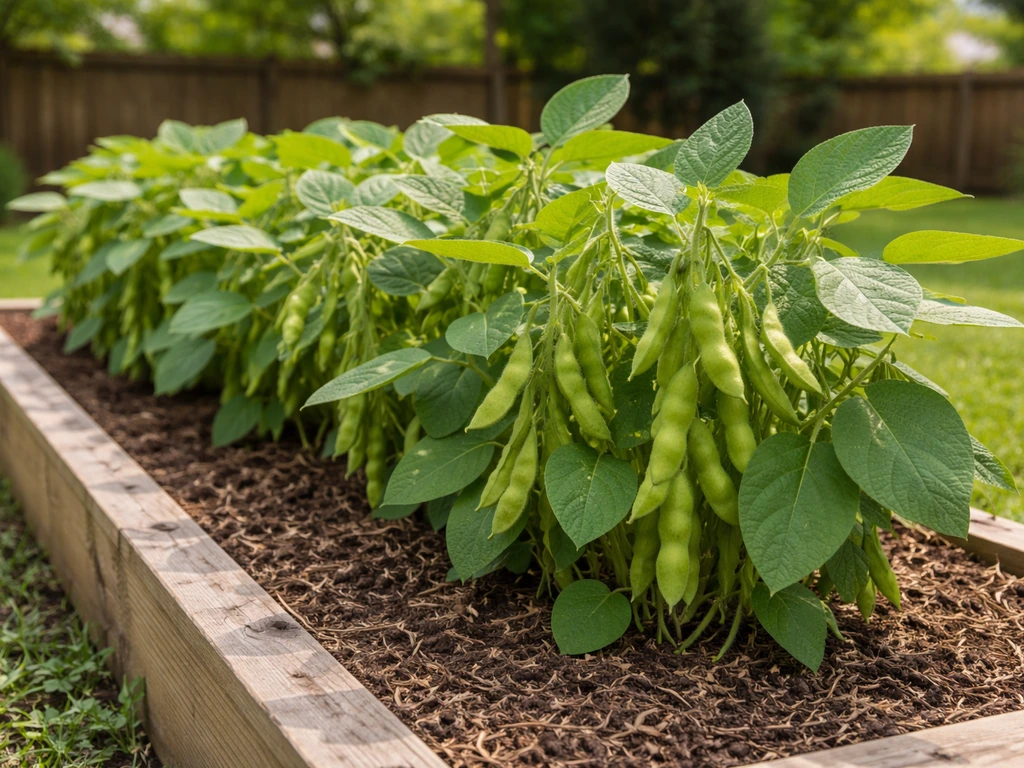
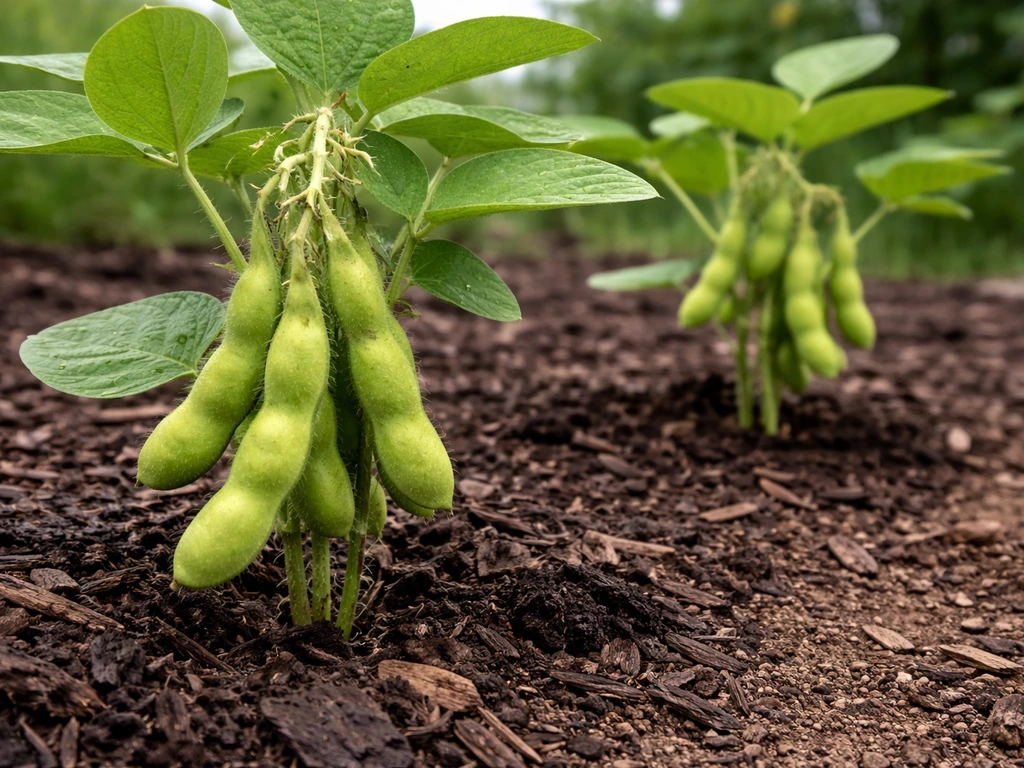
Edamame has a narrow harvest window, often just a few days, so you need to check your plants daily once pods start plumping up. The target is when seeds fill roughly 85 to 90 percent of the pod cavity and pods are still bright, firm green. Squeeze a pod: if you feel two or three fat seeds pushing outward, it's time. If the pods start to yellow or the seeds rattle when you shake the pod, you've gone past peak edamame quality and they're heading toward dry-bean territory.
Most Ohio gardeners can expect harvest about 10 to 12 weeks after planting, though this shifts with variety and weather. Hotter summers push development faster; cool, cloudy stretches slow it down. Mark your planting date and start checking pods daily about two weeks before your expected harvest window.
How to harvest
You can snap pods off individually or pull the whole plant and strip pods at once. For home gardens, pulling the whole plant is faster and easier when the majority of pods are ready. Work in the early morning when it's cool.
Storage after harvest
Edamame quality drops fast after harvest. If you're eating them within a day, refrigerate unwashed pods immediately. For longer storage, blanch pods in boiling water for 2 to 3 minutes, then plunge into ice water, drain, and freeze in portioned freezer bags. Properly frozen edamame holds its flavor and quality for up to 12 months. Don't leave harvested pods sitting in the sun or at room temperature: freeze them the same day for the best result.
Growing edamame in Ohio is genuinely straightforward once you've nailed the timing and variety choice. Can you grow edamame in Colorado too? Follow the same basics, but line up your variety and planting timing with Colorado's shorter, drier season. If you want to compare how Ohio's conditions stack up against neighboring states, Michigan and Colorado present similar short-season challenges, while states like Texas and California deal with heat management on the other end of the spectrum.
If you want to grow edamame in Texas, you'll need to plan around the heat and choose shorter varieties that mature before the hottest stretch. For Ohio, the bottom line is this: choose an early variety, wait for warm soil, inoculate your seeds, and keep the plants watered through pod fill. You'll have more edamame than you know what to do with by late summer.
FAQ
Can I start edamame indoors to get a head start in Ohio?
Usually it is not worth it for home beds. Edamame forms a taproot, and transplants often stall or suffer root damage, which can delay pod set. If you try, start in deep, biodegradable containers and transplant only when soil is at the target warmth (aim for consistent warm conditions, not just air temperature). For most Ohio growers, direct sowing after soil warms is more reliable.
What should I do if the soil warms up but seedlings keep failing to emerge?
Check for cold, wet soil after planting and for crusting. Ohio spring rains and heavy clay can prevent oxygen from reaching the seed, leading to stand loss. Use loose, amended soil or raised beds, and avoid planting deeper than about 1.5 inches. Also look for seed predators (birds, rodents) and consider covering with a light row cover until seedlings are established.
How do I choose between single-row spacing and raised-bed tighter spacing?
Tight spacing can work in raised beds because drainage and warmth are better, but airflow still matters. If you go tighter, prioritize consistent spacing between plants and avoid overcrowding that traps humidity. As a rule, keep the canopy from becoming dense enough that pods and lower leaves stay wet for long periods after rain.
Do I need to inoculate if I grew soybeans nearby or in the same yard years ago?
Possibly, but you cannot rely on it. Rhizobia numbers can vary by soil and by how long it has been since soybeans were last grown. If the ground has a recent history of soybeans or edamame and you saw good nodulation before, you may be fine without inoculation. If you are unsure, inoculation is low-cost insurance and helps ensure nitrogen fixation starts early.
Should I fertilize edamame like other garden beans?
Not with high-nitrogen fertilizer. Edamame should get phosphorus and potassium based on a soil test, and nitrogen should generally be avoided once plants are up, because excess nitrogen can boost leaves and reduce pod formation. If plants look pale early, do not automatically add nitrogen, first confirm soil pH and whether nodules are forming (you can gently check one plant).
How can I tell if the problem is too much water versus too little water?
Too little water during flowering and pod fill often shows up as reduced pod size and poor seed fill, plants may wilt in the afternoon and then recover overnight. Too much water or slow drainage can cause stunted growth and uneven stands after germination, and disease risk rises with persistent moisture and dense foliage. If you suspect drainage issues, feel the soil below the surface, and consider raised beds if it stays soggy or heavy for days after watering or rain.
Will edamame tolerate frost in Ohio, and when is frost most dangerous?
Light frosts may not ruin everything, but the risk depends on stage. Pod set and seed filling are the most sensitive periods because cold weather can reduce development and quality. If a frost threatens, prioritize earlier-maturing varieties, and consider row cover only for short, light events, since long coverage can also trap excess humidity.
What is the best harvest strategy if I planted late or weather is turning?
Start checking pods daily once pods begin filling, because edamame quality declines quickly after peak. If you are near your expected first fall freeze, focus on picking the pods that are at the right stage (pods stay bright green and seeds fill most of the pod cavity). You can harvest individual pods first rather than pulling the whole plant, which lets you salvage maximum quality from staggered maturity.
How should I store edamame to avoid flavor loss?
Do not store pods warm for long periods, flavor fades quickly. Refrigerate unwashed pods right away if eating within a day. For longer storage, blanch 2 to 3 minutes, chill in ice water, drain, and freeze promptly in portions. Proper freezing can preserve quality for months, but thaw and re-freeze reduces texture.
Are there container options for growing edamame in Ohio?
Yes, but size matters. Use a large container with excellent drainage (enough volume to support a soybean root system), keep it in full sun, and manage watering carefully because containers dry out faster than beds. In humid Ohio summers, watch for dense canopy that can increase fungal risk even in containers.
Next Articles
Can You Grow Edamame in California? Planting Guide
Learn if you can grow edamame in California and get timing, site, soil, spacing, and pest tips for bumper pods.
Can You Grow Edamame in Utah? Planting Guide and Varieties
Learn if you can grow edamame in Utah and get a planting, variety, and harvest guide for your season.
Can You Grow Edamame in Michigan? Planting Guide
Yes. Learn if edamame grows in Michigan, best varieties, planting dates, season-extension tips, and harvest expectations