
Yes, you can grow edamame in Michigan, but your success depends heavily on where in the state you are and which variety you choose. Colorado gardeners can grow edamame too, but you will need to match planting time and variety to your local last frost date and heat window. Southern Michigan (Zones 5b–6b) has a long enough frost-free window to grow most early-maturing edamame varieties without any special tricks. Northern Michigan and the Upper Peninsula (Zones 4–5a) can still pull it off, but you'll need to be deliberate: pick the earliest-maturing varieties available, get seeds in the ground as soon as soil temps allow, and consider season-extension tools if you want a reliable harvest.
Can You Grow Edamame in Michigan? Planting Guide
Marcus Holloway
17 May 2026
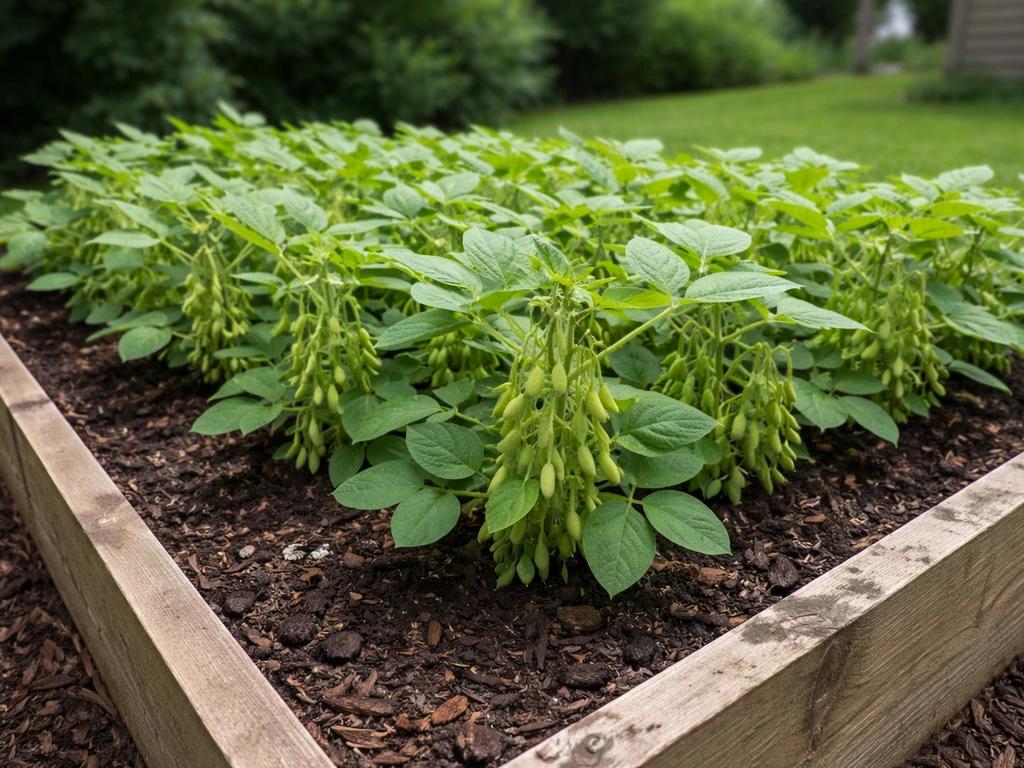
Edamame Feasibility by Michigan Region
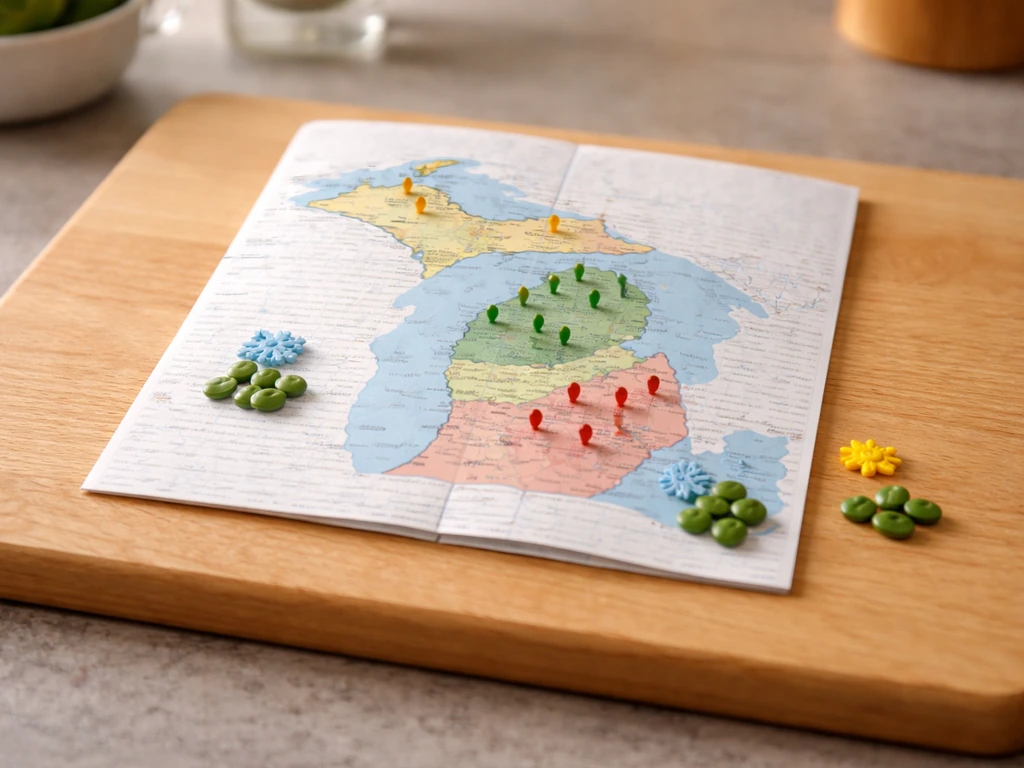
Michigan is a big state with a surprising range of climates, and that matters a lot for a warm-season crop like edamame. Here's a quick breakdown of what to expect by region.
| Region | USDA Zones | Frost-Free Window | Feasibility | Notes |
|---|---|---|---|---|
| Southern Lower Peninsula (Grand Rapids, Detroit, Kalamazoo) | 5b–6b | ~150–175 days | High | Most edamame varieties work; 70–100 day types have plenty of room |
| Central Lower Peninsula (Lansing, Flint area) | 5a–5b | ~130–150 days | Good | Stick to 70–85 day varieties; plant promptly after last frost |
| Northern Lower Peninsula (Traverse City, Gaylord area) | 4b–5a | ~110–130 days | Moderate | Use the earliest varieties (65–75 days); consider row cover at season edges |
| Upper Peninsula | 4a–4b | ~90–110 days | Challenging | Only the shortest-season varieties; high tunnel or row cover strongly recommended |
If you're in the southern third of the Lower Peninsula, you can grow edamame pretty casually. You can apply the same warm-soil, early-planting logic in Texas, but you will need Texas-appropriate timing and varieties to match the heat and frost-free window grow edamame pretty casually. If you're north of about Cadillac or into the UP, you're working against the clock from day one, but it's still doable with the right approach.
Michigan's Climate and What Edamame Actually Needs
Edamame is just a vegetable soybean, and soybeans are warm-season crops that need two things in quantity: warm soil at planting time and a long enough stretch of warm days to reach pod-fill before frost hits. MSU Extension recommends waiting until soil temperatures are reliably above 50°F before planting soybeans, and ideally you want soil at 60°F or warmer for fast, strong germination. Below that threshold, seeds sit in the ground, stay wet, and often rot before they sprout.
Emergence is driven by heat accumulation, not just calendar days. Soybeans need roughly 130 growing degree days (GDD, base 50°F) to reach 50% emergence, and about 155 GDDs for a strong stand. In practical terms, once Michigan soils warm up in late May to early June, emergence in a week to ten days is realistic for southern Michigan. Further north, that same warmth arrives three to four weeks later, which is why timing variety selection to the specific region matters so much.
The other factor is the total heat budget for the season. MSU's northern Michigan soybean trial data shows that a site near Hillman (in the northern Lower Peninsula) accumulated roughly 1,752 GDDs (base 50°F) from planting to harvest in a successful trial year. Early-maturing edamame varieties that finish in 70–80 days typically need somewhere in that range, so northern Michigan can usually deliver enough heat in a good year, but there's not much buffer. Southern Michigan regularly exceeds that number, which is why growing edamame there feels much more relaxed.
Picking the Right Variety for Your Michigan Season
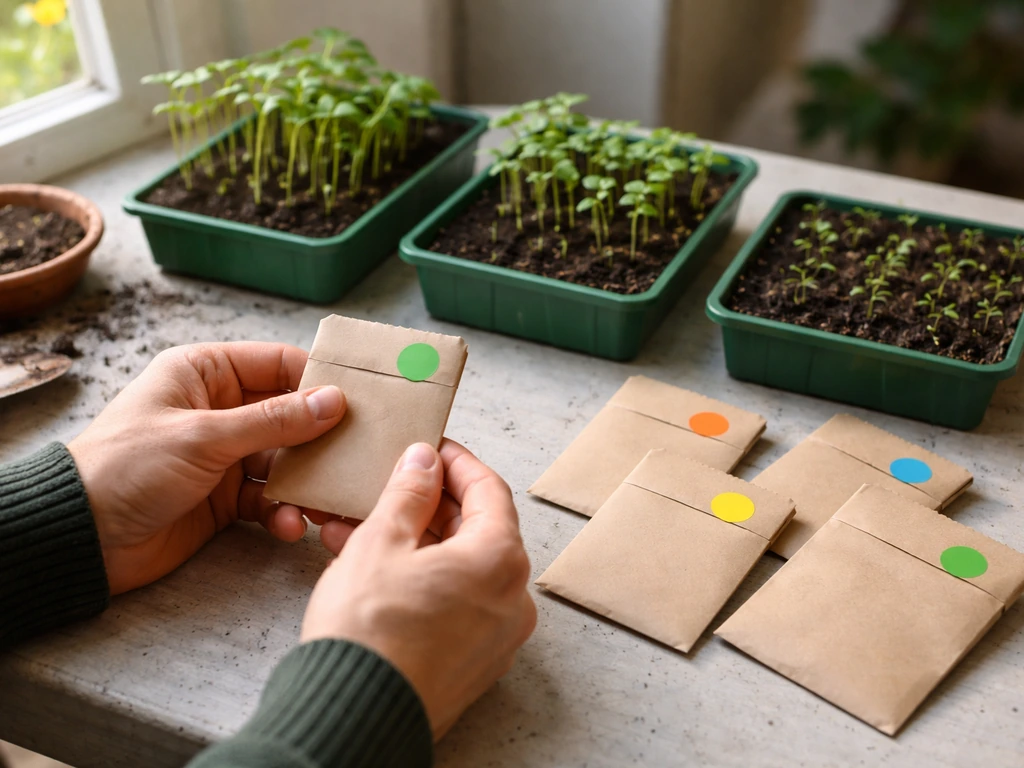
Variety selection is the single most important decision you'll make for growing edamame in Michigan, especially if you're north of Lansing. The key metric is days to maturity: for fresh edamame, you're harvesting at the green pod-fill stage, which typically comes 10–14 days before the pods would fully dry down. So a variety labeled '80 days' will give you fresh edamame around day 70 or so.
Soybean maturity is also described by relative maturity (RM) group, which is the system used in field crop seed guides. For northern Michigan, you want varieties in the 000 to 0 maturity group range. For southern Michigan, maturity groups 0 to I are fine. Avoid anything labeled maturity group II or higher for Michigan garden use; those are designed for longer southern seasons and won't finish before frost in most of the state.
Here are some edamame-specific varieties worth looking for in seed catalogs:
- Envy (75 days): A widely available, well-liked variety that produces large pods with good flavor. A solid all-around pick for central and southern Michigan.
- Butterbean (70–80 days): A popular short-season edamame with good pod fill. Works well across most of the Lower Peninsula.
- Beer Friend (80 days): Larger pods, great fresh flavor; works well in southern Michigan with reliable heat.
- Midori Giant (75 days): Often listed as a good producer with large seeds; performs well in Zone 5 conditions.
- Early-maturing field soy varieties (RM 000–00): If you're in the UP or far northern Lower Peninsula, don't overlook very early field soybean varieties harvested young as edamame. Flavor is slightly different but the plants actually finish the season.
If you're in Ohio, Texas, or California, you have more flexibility with longer-season varieties. For people wondering can you grow edamame in Ohio, the same warm-soil timing and early-maturing variety approach is usually what makes it work. If you're wondering can you grow edamame in California, the main trick is matching early or medium varieties to your local warm-season window and soil temperature. If you are wondering can you grow edamame in Texas, the main checklist is the same: start with the right short-season variety and plant after soil temperatures are warm enough for germination If you're in Ohio, Texas, or California. Michigan, particularly north of I-75, rewards you for going early and staying early.
When to Plant Edamame in Michigan
Direct Sow (the standard approach)
Edamame doesn't transplant particularly well because it has a taproot that resents disturbance. Direct sowing is the standard method and works great as long as your soil is warm enough. In southern Michigan, that's typically late May to early June. In the central Lower Peninsula, aim for late May once soil temps hit 60°F. In northern Michigan, you're often looking at early to mid-June for safe direct sowing.
blank" rel="noopener noreferrer">MSU Extension uses Zone 6a as its baseline for the garden calendar, pegging the last frost date around mid-April to early May for that zone. Cooler zones shift that window back by two to four weeks. Use your local last frost date as your anchor: plant edamame about one to two weeks after your last expected frost, when soil temps are reliably at or above 60°F.
Starting Indoors (for northern Michigan)
If you're in the northern Lower Peninsula or the UP and want to gain time, you can start edamame in biodegradable pots (like peat or coir pots) two to three weeks before transplant time. The key is using individual containers so you can transplant without disturbing the roots. Set transplants out once the soil is genuinely warm, not just frost-free. A cold, wet soil will stunt transplants just as badly as it will rot direct-sown seeds.
Season Extension Options
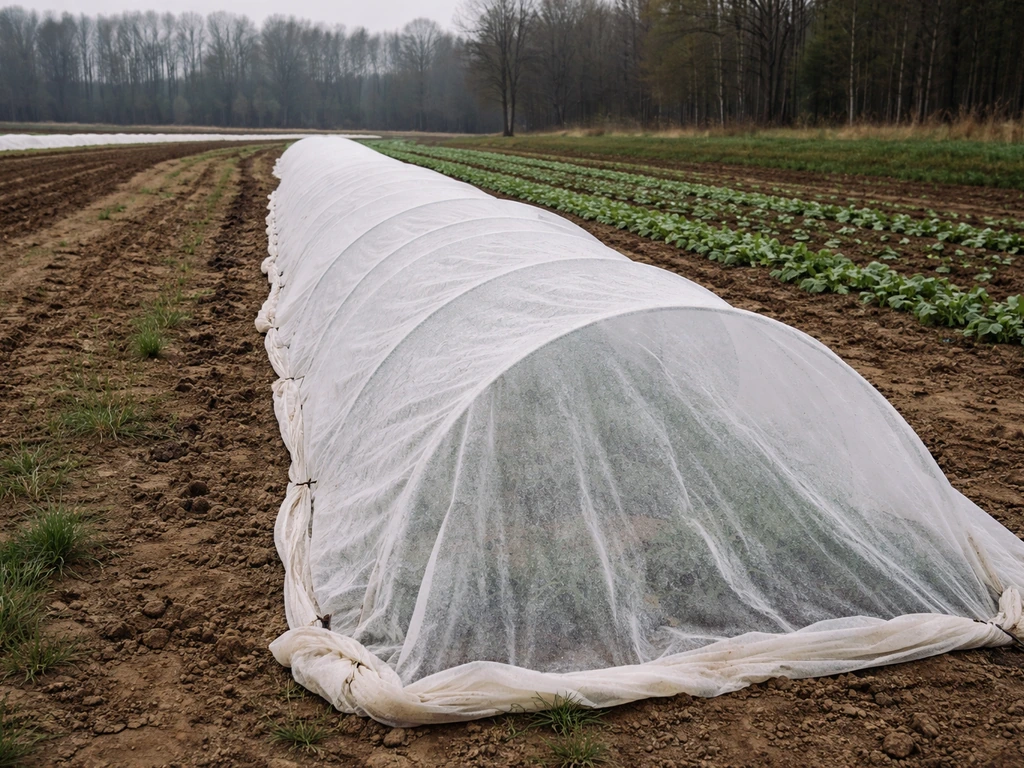
For northern Michigan growers who want more certainty, a few tools make a real difference. Floating row cover (like Agribon AG-19) can add 2–4°F of warmth at the soil surface in spring, letting you plant a week or so earlier. Remove it once plants are flowering, since edamame needs pollinators for pod set. A high tunnel adds even more heat and can push your effective frost-free window by three to four weeks in both directions. In the UP, a high tunnel is probably the difference between a marginal crop and a good one.
Setting Up for Success: Soil, Spacing, Water, and Inoculation
Soil and pH
Edamame thrives in well-drained, loamy soil. The target pH is 6.3 to 6.5 according to MSU Extension nutrient guidance for soybeans. That range isn't just about nutrient availability; it's also the sweet spot for the nitrogen-fixing bacteria (Bradyrhizobium japonicum) that colonize soybean roots. Get a soil test if you haven't in the last two to three years, and lime if your pH is below 6.0. Michigan soils in many areas trend acidic, especially in the northern part of the state.
Inoculation
Inoculation is one of the most overlooked but useful steps for home edamame growers. Soybeans fix their own nitrogen from the air through root bacteria, but only if those bacteria are present in the soil. If you've never grown soybeans or edamame in that spot before, the native Bradyrhizobium japonicum population is likely too low to do the job well. Buy a fresh commercial inoculant (usually a powder or liquid), coat your seeds right before planting, and keep inoculated seeds out of direct sunlight. It's cheap insurance for better yields without adding nitrogen fertilizer.
Fertilizer
If you've inoculated well and your soil has decent organic matter, you won't need to add nitrogen. In fact, excess nitrogen can actually reduce nodulation and push the plant toward leafy growth rather than pods. Focus on phosphorus and potassium based on your soil test results. A balanced starter fertilizer worked into the bed before planting is usually sufficient for garden-scale edamame.
Planting Depth and Spacing
Plant seeds about 1 to 1.5 inches deep. Going deeper than 2 inches slows emergence noticeably, which matters in Michigan's cooler soils where you don't want to add extra days before the plant is up and running. Space seeds 3 to 4 inches apart in rows 18 to 24 inches apart, or broadcast at similar density in wide beds. Edamame planted at appropriate density shades out weeds once it canopies over (usually by 4–5 weeks after emergence).
Watering
Edamame needs consistent moisture, especially during two critical windows: germination and pod fill. Dry soil at germination delays and reduces stand establishment. Drought stress during pod fill, which happens roughly 55–70 days after planting depending on variety, directly reduces seed size and overall yield. Aim for about 1 inch of water per week from rain or irrigation. Michigan summers in the Lower Peninsula are usually adequate for rainfall, but northern and inland areas can get dry stretches in July and August, so keep an eye on soil moisture during flowering and pod development.
Keeping the Crop Healthy: Pests, Diseases, and Weeds
Common Pests in Michigan
A few pests are worth watching for in Michigan edamame plantings:
- Soybean aphids: The most common soybean insect pest in Michigan. They cluster on young leaves and stem tips, often showing up in mid-summer. Light infestations can be managed by knocking them off with water or using insecticidal soap. Watch for natural enemies like ladybugs and parasitic wasps, which often control aphid populations on their own.
- Japanese beetles: These skeletonize leaves and can cause significant defoliation in peak years. Hand-picking in the morning when beetles are sluggish works well for small plantings. For heavier pressure, neem oil or pyrethrin sprays are options.
- Stink bugs: Brown marmorated stink bug and green stink bug both feed on soybean pods, leaving puckered, discolored seeds. Damage is worst at pod fill. Row cover can physically exclude them if you remove it during flowering and reapply afterward.
- Bean leaf beetles: Chew small round holes in leaves; rarely severe enough to threaten the crop in a home garden.
Disease Risks
Sudden death syndrome (SDS) is one of the more serious soybean diseases in the Midwest. It causes yellowing and browning between leaf veins, and infected roots show internal discoloration. SDS tends to be worse in cool, wet soils early in the season, which makes it particularly relevant for northern Michigan plantings or years with a cold, wet June. The best prevention is waiting for genuinely warm soil before planting and avoiding waterlogged beds. Soybean cyst nematode (SCN) is another concern in fields with a history of soybeans, though it's less of an issue in home gardens where rotation is easy to manage. Rotate edamame to a different bed every year.
Weed Management
Weeds in the first three to four weeks after planting are the biggest threat, before the edamame canopy closes in. Shallow cultivation (no more than an inch deep to avoid root damage) between rows shortly after planting works well. Once the plants are at the second or third trifoliate leaf stage and the canopy starts to close, weeds become much less of a problem. Hand-pull any escapes before they go to seed. Mulching between rows with straw or wood chips also suppresses weeds and conserves soil moisture, which is a bonus during Michigan's variable summer weather.
Harvesting Edamame and What to Do With It
Knowing When to Pick
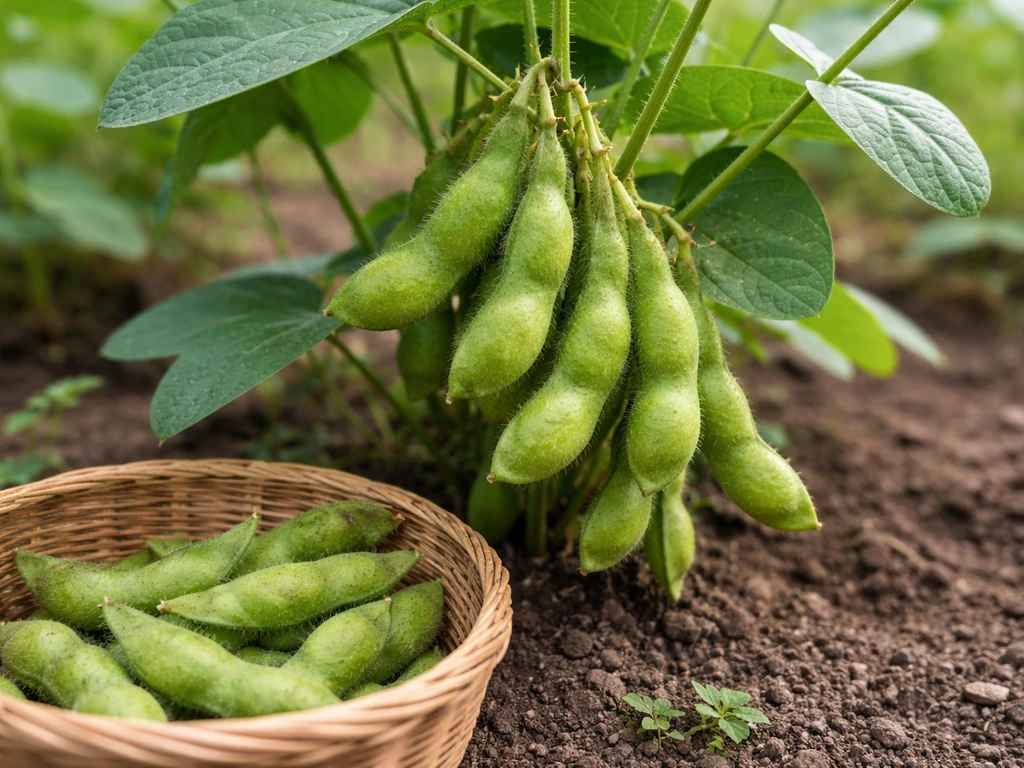
Fresh edamame is harvested at the green pod-fill stage, typically 70 to 90 days after planting depending on variety. The window for picking is surprisingly short, often just 5 to 7 days before pods start to yellow and beans become starchy. The cue to look for: pods are plump, dark green, and feel firm and full when you squeeze them. When seeds have filled about 80 to 90% of the pod cavity and pods are still bright green, you're in the harvest window. Once pods start losing their green color or feel spongy, you've waited too long for fresh eating quality.
For southern Michigan gardens, a late May planting of a 75-day variety puts harvest in mid-August, well before the typical first fall frost. For northern Michigan, a June 1 planting of a 70-day variety targets late July to early August harvest, which is cutting it closer but still workable in most years.
Fresh Eating vs. Freezing
Edamame quality degrades quickly after harvest, so either eat it within a day or two or freeze it right away. For freezing: blanch the pods in boiling water for 4 to 5 minutes, drain, cool immediately in ice water, then freeze in bags. Frozen edamame holds quality for up to a year. Because most edamame varieties ripen at the same time on a single plant, you'll often get a large harvest all at once. That's actually great for freezing: pull the whole plant, strip the pods, and blanch in batches. If you want to spread out your fresh harvest over several weeks, make two or three plantings spaced two weeks apart starting from your first planting date.
Growing edamame in Michigan is genuinely rewarding. The flavor of fresh-picked edamame is noticeably better than anything you'll find frozen in a store, and once you get the variety selection and timing dialed in for your part of the state, it becomes a dependable summer crop. In Utah, you can still grow edamame if you plant once soil warms up and choose a short-season variety that matures before fall cold arrives can you grow edamame in utah. Start with a short-season variety, get it in the ground once soil temps hit 60°F, inoculate your seeds, keep the moisture consistent through pod fill, and you'll be shelling pods by August.
FAQ
How late can you plant edamame in Michigan and still get a harvest?
Use variety days to maturity plus the short harvest window as your cutoff. For fresh pods, plan to reach green pod-fill around 70–80 days after planting, then subtract several days because pods can yellow quickly. In northern Michigan and the UP, that usually means planting no later than early to mid-June with a true short-season variety, assuming a normal warm year.
Do edamame plants need full sun, or will part shade work?
Aim for full sun. Part shade reduces flowering intensity and can slow pod-fill, which is risky in northern Michigan where your heat budget is already tight. If you must compromise, prioritize morning sun and avoid areas that stay cool and damp.
What soil moisture level should I target after planting, especially before sprouting?
Keep the seedbed consistently moist but not waterlogged. If you see puddling or the soil feels soggy when squeezed, scale back watering, since cool wet conditions raise the risk of rot. A simple test is whether the soil crumbles when pinched, rather than forming a wet smear.
Should I fertilize edamame with nitrogen in Michigan gardens?
Usually no. Since edamame fixes nitrogen through root bacteria, added nitrogen can suppress nodulation and shift growth toward leaves instead of pods. If your soil test is unknown, apply only a phosphorus and potassium focused starter, or wait until you get a soil test to fine-tune rates.
Can I save seed from my edamame crop to plant next year?
You can, but only if you are saving seed from a reliable short-season variety and keeping it genetically consistent with the crop you want. Also note that edamame is often grown for fresh eating, and harvested seed quality depends on letting pods mature enough for seed, which is different from the fresh green-pod harvest timing.
Why are my edamame plants flowering but not making pods?
Most failures in Michigan are timing and pollination related. If you used floating row cover too long, remove it when plants begin flowering. Also check that heat has arrived, since cold snaps during flowering can reduce pod set, and inconsistent watering during pod fill can cause poor seed development.
What’s the best way to control weeds early without damaging edamame roots?
Stay shallow. Edamame seedlings are easy to nick, so limit cultivation depth to about an inch and weed only when soil is workable. After the canopy begins to close, let the plants shade weeds, and pull any survivors by hand before they set seed.
How do I know whether my edamame is ready at the right harvest stage?
Harvest when pods are still bright green and feel firm when squeezed, and the beans inside fill roughly 80–90% of the pod cavity. If pods start losing green color or feel soft and spongy, that’s usually the point where eating quality drops quickly for fresh use.
Should I thin seedlings if I plant more densely, and what spacing should I end up with?
If you oversow, thin to the spacing you plan to maintain. A common target is 3 to 4 inches between plants, with rows about 18 to 24 inches apart, because crowded stands can reduce airflow and increase disease pressure. Thin soon after emergence so remaining plants establish quickly.
Do I need to inoculate edamame if I’ve grown soybeans in the area before?
It depends, but inoculation is still often worth it. If that spot had soybeans years ago, the bacterial population might have declined, especially if you have not grown soybeans regularly. Inoculating with a fresh product at planting time is a low-cost insurance step when you are unsure.
Next Articles
Can You Grow Edamame in Colorado? A How-To Guide
Yes, you can grow edamame in Colorado. Learn timing, varieties, soil, spacing, frost protection, pests, and harvest tips
Can You Grow Edamame in Texas? Planting Guide by Region
Yes, you can grow edamame in Texas. Learn region timing, best varieties, planting steps, care, pests, and harvest.
Can You Grow Agave in Canada? Zone Guide & Growing Tips
Can you grow agave in Canada? Practical region-by-region guide, hardy species, container tips & winter care.