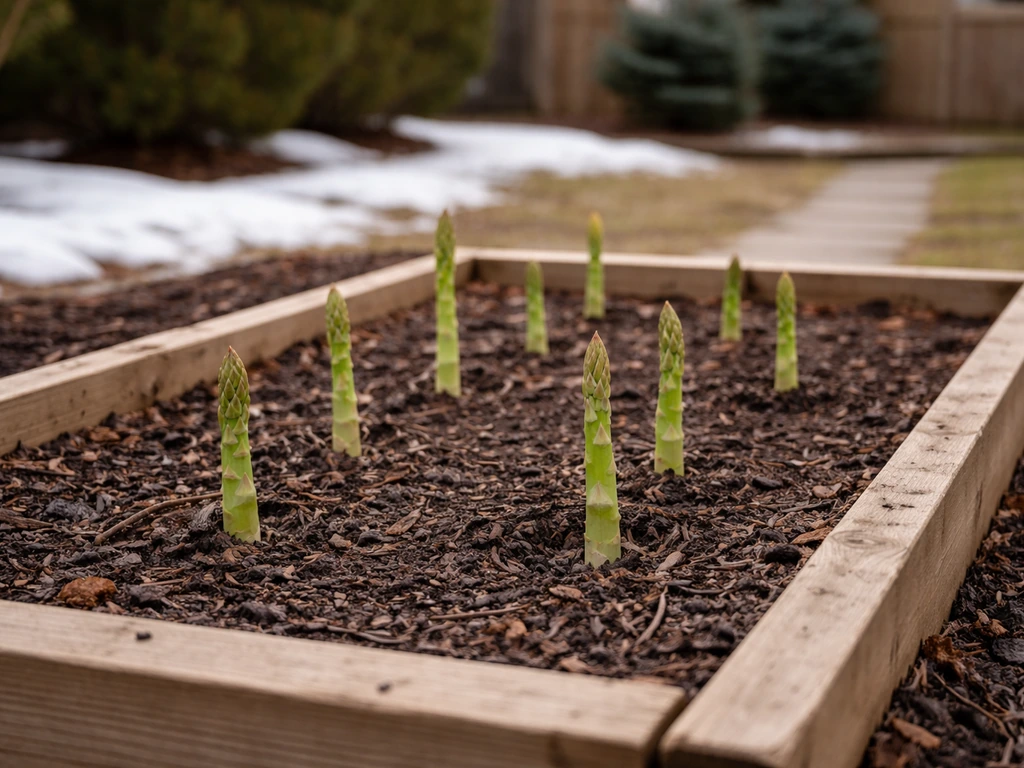
The good news is that even when Michigan winters kill the top of the plant, figs fruit on the current season's new growth. So even if you get some dieback, you can still get fruit the same summer as long as enough new shoots develop before your first frost. That one fact changes the whole game for Michigan growers.
Michigan's climate reality: zones, winters, and microclimates
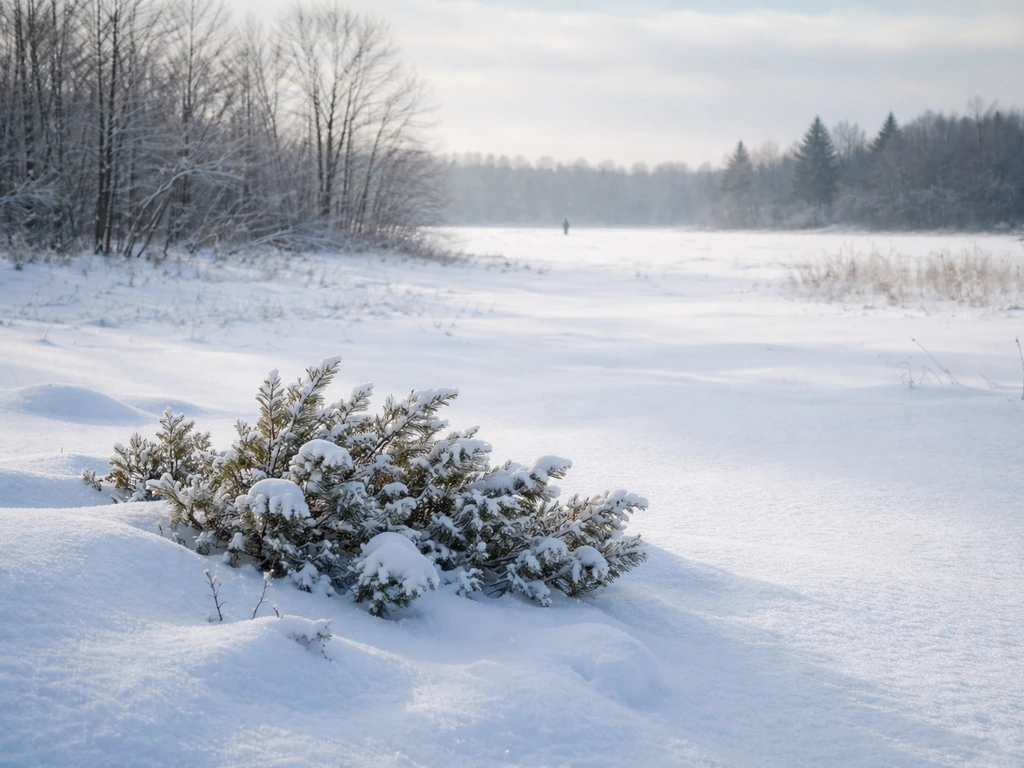
Michigan spans a wide range of USDA hardiness zones, from around 4b and 4a in parts of the Upper Peninsula down to 6a and 6b in the southern Lower Peninsula and areas near Lake Michigan. That range matters a lot for figs. A grower in Kalamazoo or St. Joseph has a very different reality than someone in Marquette or Sault Ste. Marie. In the southern zones, in-ground fig growing with strong winter protection is realistic. In the colder UP zones, container growing and indoor overwintering is essentially the only viable path.
The critical number to know is 15°F. Even cold-resistant fig varieties can be winter-killed at temperatures around 15°F if they're not protected. Michigan regularly drops well below that threshold in most zones, which means you can't just plant a fig tree and ignore it in October. Microclimates help significantly. A south-facing wall, a protected courtyard, or a spot near a large body of water can add one or even two effective zones of warmth, enough to make the difference between a plant that survives in-ground versus one that needs to be dug up every fall.
Michigan's growing season length is the other constraint. Figs take roughly two months from fruit formation to full ripeness. That's a long window in a state where killing frosts arrive anywhere from mid-September in the north to mid-October in the south. You need to maximize every warm day you have, and that starts with site and variety selection.
Choosing fig varieties that actually survive Michigan
Most figs sold at big-box garden centers are standard varieties bred for warm climates. They look great in late spring but won't survive a Michigan winter without extreme protection. The varieties you want to focus on are Chicago Hardy, Celeste, and English Brown Turkey. These are the cold-hardy types that give you the best shot in zone 5 and 6 Michigan gardens.
Chicago Hardy (sometimes just called 'Chicago') is the go-to recommendation for zone 5 planting. It's considered the most reliable cold-hardy fig for colder zones because even when it freezes back to the ground, it rebounds quickly and still produces fruit during the growing season on that new growth. That resilience is exactly what Michigan growers need. Celeste is another solid performer with sweet, small fruit and decent cold tolerance. Brown Turkey (specifically the English strain, not all brown turkey types are equal in hardiness) has better winter hardiness than most common fig species and is worth considering if you find it from a reputable nursery.
All of these are common figs (Ficus carica varieties), which is what you want. Common figs are parthenocarpic, meaning they don't need pollination to set fruit, which simplifies things significantly in Michigan where the native fig wasp doesn't exist. Stick to common fig cultivars and skip anything labeled as requiring a pollinator.
| Variety | Cold Hardiness | Zone 5 Reliability | Fruit Size/Type | Best Michigan Use |
|---|
| Chicago Hardy | High | Excellent — rebranches and fruits after dieback | Medium, dark purple | In-ground in zones 5–6 with winter protection |
| Celeste | Medium-High | Good — compact growth suits containers | Small, sweet, brown | Containers or protected in-ground zones 5b–6 |
| English Brown Turkey | Medium-High | Good in sheltered spots | Medium, brownish-red | Protected in-ground or large containers |
| Standard/common varieties (e.g., LSU Purple, Kadota) | Low | Poor without heavy protection | Varies | Container only, brought fully indoors in winter |
Setting up your fig for success in Michigan
Site and soil
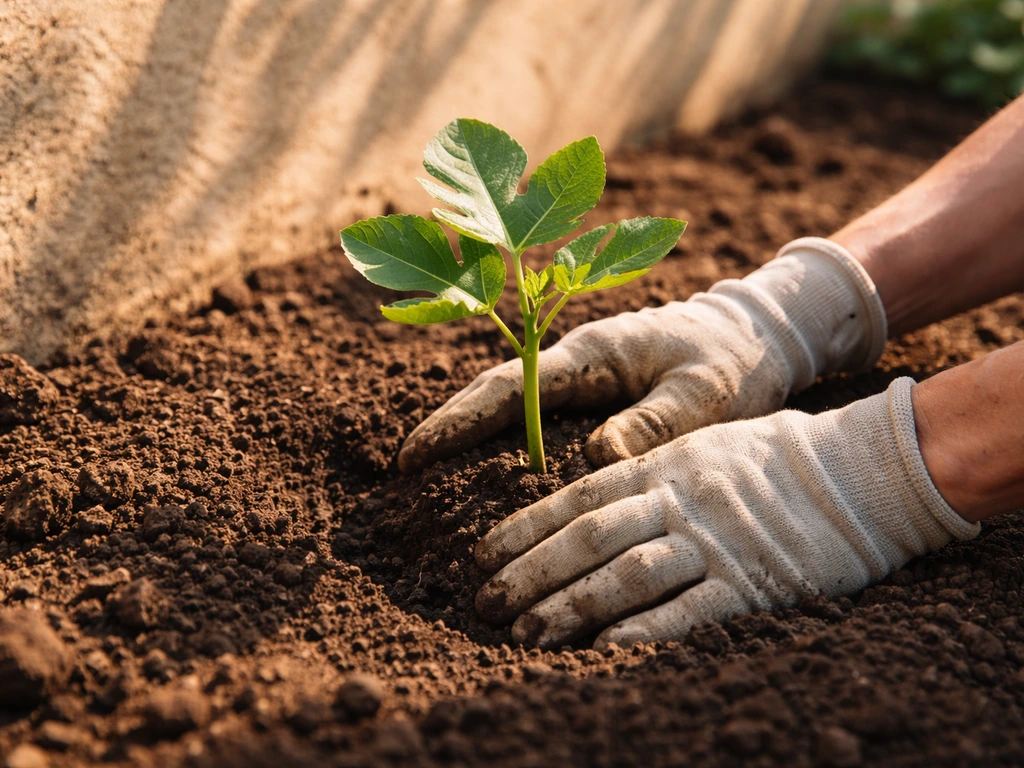
If you're planting in-ground, pick the warmest, most sheltered spot you have. South or southwest-facing walls are ideal because they absorb heat during the day and radiate it back at night. Full sun is non-negotiable. Figs need maximum sun exposure to ripen fruit in Michigan's shorter season. Avoid low spots where cold air settles and avoid north-facing exposures.
Soil-wise, figs want a slightly acidic pH between 6.0 and 6.5. Before planting, do a soil test. MSU Extension offers soil testing services, and it's worth doing before you invest in a tree. Michigan soils vary a lot, and knowing your baseline pH and nutrient levels will save you a lot of guesswork. Figs prefer well-drained soil and will rot in heavy clay that holds standing water. Amend with compost and ensure drainage is solid before you plant.
Containers vs. in-ground
Both work in Michigan, but they require different strategies. Container growing gives you flexibility: you can move the fig to a protected spot or indoors for winter without any of the digging and burying involved in in-ground overwintering. Container culture also has a practical upside: root restriction from the pot can actually improve yields and reduce days to harvest, which matters when your growing window is tight. The downside is that containers require more frequent watering and you need space to overwinter the plant somewhere frost-free but unheated.
In-ground planting makes sense if you're in zone 5b or 6 with a sheltered microclimate and you're willing to do the work of winter protection every fall. In-ground trees generally get bigger and more productive over time, but they're also a bigger commitment. If you're in zone 4b or colder, don't bother with in-ground. Containers are your best option, period.
For container figs, use a well-drained potting mix and a container large enough to support a mature root system (at least a 15–20 gallon pot for a mature plant). One thing to watch: if roots are circling the inside of the container, prune them when repotting to prevent root-bound decline and keep the plant producing well.
Mulching and heat retention
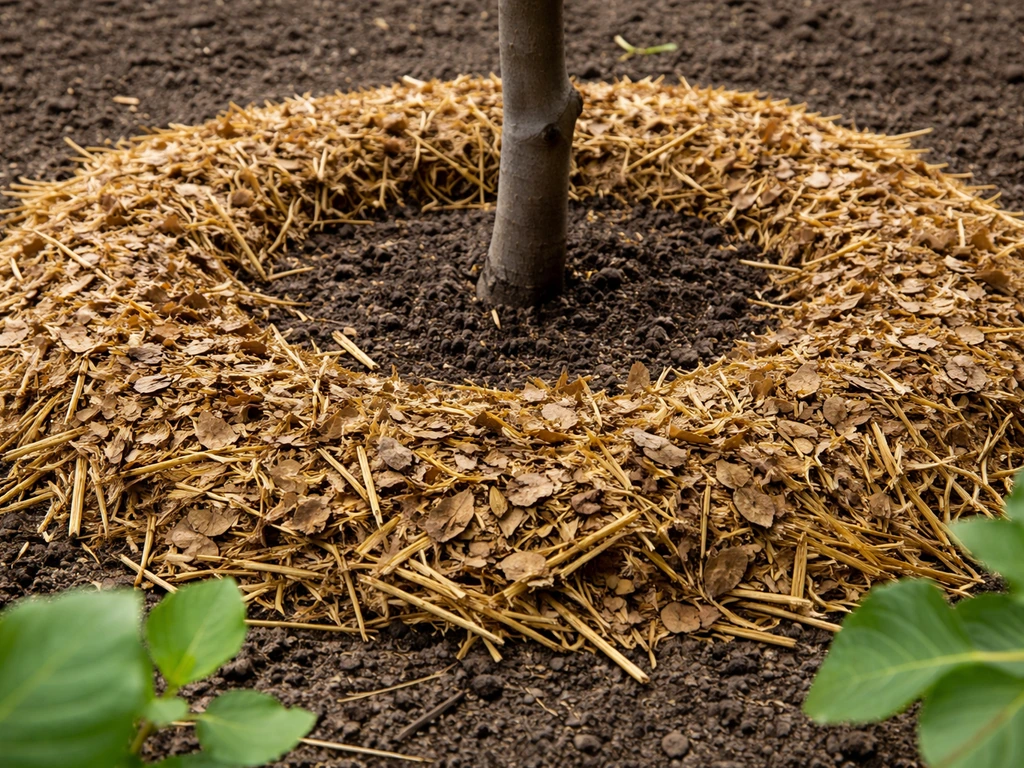
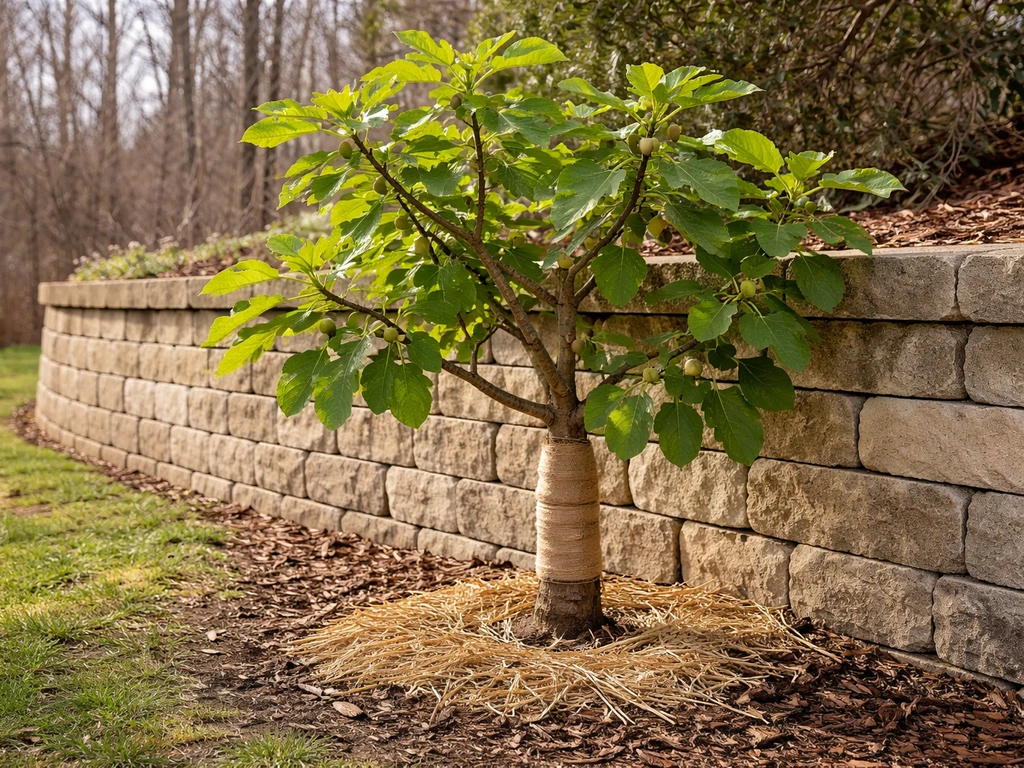
For in-ground figs, heavy mulching around the base is part of the standard playbook. A thick layer of straw or shredded leaves around the root zone helps insulate roots from the worst of the cold and retains soil moisture heading into winter. Just keep the mulch a few inches away from the trunk itself to avoid crown rot.
Winter protection strategies that actually work
For in-ground figs
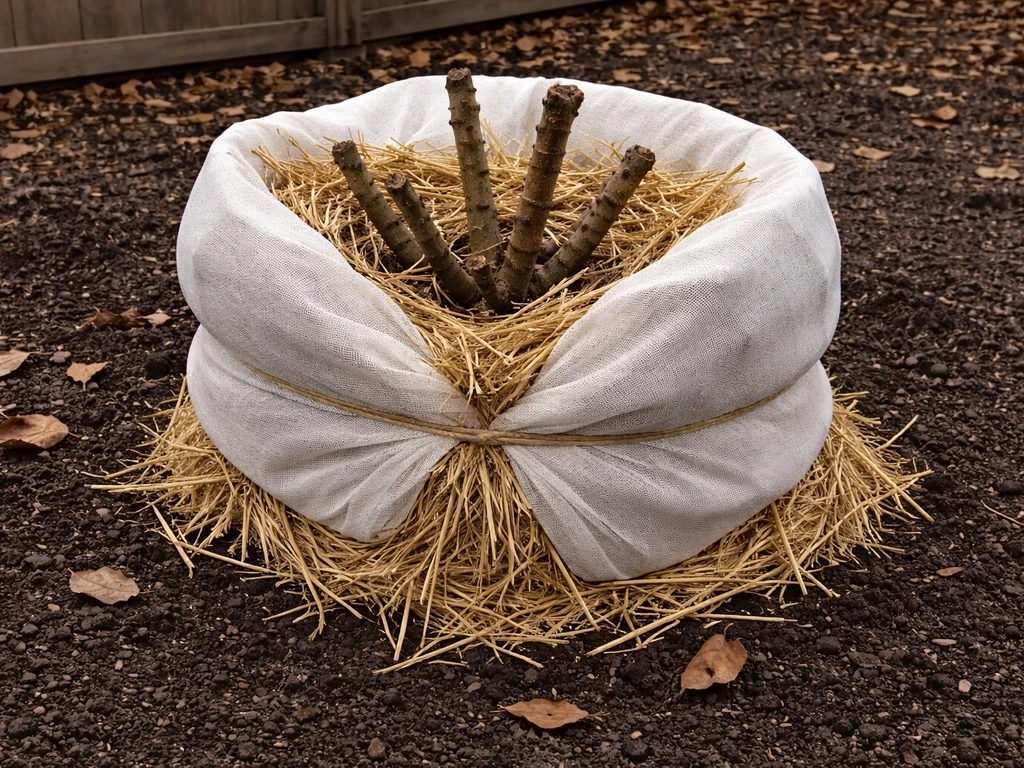
The two main approaches for in-ground Michigan figs are wrapping and burying. Wrapping involves waiting until the plant is dormant after leaf drop, then pruning it down to a manageable height, tying the branches together, and wrapping the whole thing in breathable row-cover fabric or burlap. This provides insulation and wind protection without trapping moisture. Don't use plastic: it creates condensation and can cause rot or disease.
Burying is more work but offers better protection in zones 5 and colder. After dormancy, prune the fig to reduce its size, then bend the plant down carefully (if it's been trained low to the ground from the start, this is much easier) and dig a two-foot trench alongside it. Lay the plant into the trench, cover it with soil, and mark the spot. In spring, once hard frost risk has passed, uncover it and let it come back up. It sounds extreme but it works reliably in climates harsher than Michigan's.
One important prep step: make sure the plant goes into winter with adequate soil moisture. Dry roots are more susceptible to winter injury than well-hydrated ones. Water well in late fall before the ground freezes, and avoid doing anything that encourages new growth late in the season, since that tender wood is extremely vulnerable to cold damage.
For container figs
Container figs are easier to overwinter. After the leaves drop in fall, move the pot to an unheated but frost-free space: an attached garage, a cool basement, or an unheated outbuilding that stays above freezing. The fig needs to stay dormant and cold (but not frozen), ideally between 25°F and 50°F. Light is not required during dormancy. Water sparingly during this period, just enough to prevent the root ball from completely drying out. Overwatering a dormant fig is one of the most common ways to lose it to root rot.
In spring, once nighttime temperatures are consistently above freezing, bring the container outside gradually. Acclimate it to outdoor conditions over a week or two before leaving it out permanently. This hardening-off process reduces transplant shock and early leaf damage.
Getting your figs to actually ripen before frost
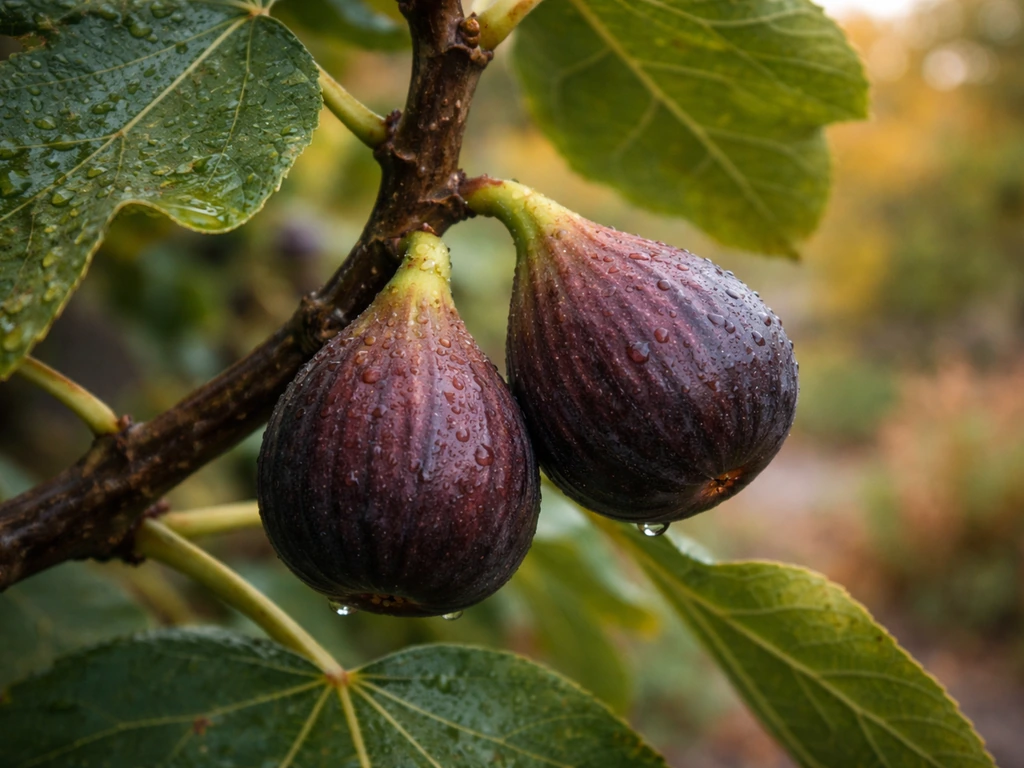
This is where Michigan fig growing gets real. You can keep a fig alive all winter, but if you can't get fruit to ripen before your first frost, all that effort produces nothing. Here's what moves the needle.
Sun exposure is the biggest factor. Figs ripen on heat accumulated by the fruit itself. A plant in full sun against a south-facing wall will ripen fruit two to four weeks earlier than the same plant in partial shade in an open yard. If you have that kind of spot, use it. If you don't, consider building a simple reflective backdrop to bounce more heat onto the plant.
Pruning strategy matters too, but not in the complicated way it does for other fruit trees. Because figs set fruit on the current season's growth, pruning during dormancy is less critical than for apples or peaches. What you want to do is prune in early spring to encourage bushy, branching growth rather than one tall leader. More branches mean more fruiting wood, which means more fruit before frost. Early in the season, a nitrogen-forward fertilizer approach helps push that initial branching and leafing out quickly, maximizing your productive wood before summer heat arrives.
If you're troubleshooting no fruit or poor ripening, the most common culprits in Michigan are: not enough sun, a growing season that's too short for the variety you chose, or too much vegetative growth from excess nitrogen late in the season. Fruit that stays green heading into September is a sign you need to either switch to a faster-ripening variety or dramatically improve your microclimate. In-ground figs in warmer southern Michigan zones tend to ripen figs from around mid-September through the first frost, which mirrors what growers in comparable climates like New Jersey report. If you're consistently losing fruit to frost before ripening, Chicago Hardy's ability to fruit on new growth after dieback makes it the right variety to lean on. Chicago Botanic Garden’s plant finder for Ficus carica ‘Hardy Chicago’ describes this cultivar as slightly more cold hardy and able to survive outdoors in Chicago in protected environments Chicago Hardy's ability to fruit on new growth after dieback.
It's also worth knowing that dieback after winter doesn't mean your plant is dead or that you won't get fruit. If branches are winter-killed but the roots survive, new shoots will emerge from the base and can still produce fruit on that new growth in the same season. Be patient in spring and don't write off a plant that looks dead in April before giving it a few weeks to show signs of life.
Your step-by-step plan starting today
If it's spring (April through May), you're in the ideal window to buy and plant. Start here:
- Get a soil test before planting. MSU Extension offers testing and the data point you need is pH (target 6.0–6.5) plus basic nutrient levels. Amend accordingly.
- Buy a Chicago Hardy fig from a reputable nursery or online supplier. Avoid generic 'fig trees' from big-box stores unless you can confirm the variety. Celeste or English Brown Turkey are solid backups.
- Choose your location now: south or southwest facing, full sun, near a wall or fence if possible. If you're in zone 4b or the UP, plan for container culture from the start.
- Plant after your last frost date. In southern Michigan (zones 5b–6), that's typically late April to mid-May. In northern zones, wait until mid-May or later. MSU Extension's zone-based calendar gives specific date ranges for your area.
- Plant in well-drained, amended soil or a large container (15–20 gallon minimum). Keep the root crown at or just above ground level.
- Water well at planting and apply a 3–4 inch mulch ring around the base, keeping it away from the trunk.
- Apply a balanced or slightly nitrogen-forward fertilizer in late spring to encourage early branching. Ease off nitrogen by midsummer so the plant focuses on fruiting rather than leafing.
- Prune in early spring each year to encourage bushy growth. Don't do significant pruning in late summer or fall—it stimulates vulnerable new growth before winter.
- In October, before hard frost, prepare winter protection: wrap in-ground plants after leaf drop using breathable fabric, or move containers to a cool, frost-free space. Water well before the ground freezes.
- In late March or April, unwrap or bring out your fig. Give it a week or two to harden off if it's been indoors. Look for new growth emerging from the base or branches by mid-spring.
Simple care calendar
| Month(s) | Task |
|---|
| April–May | Soil test, buy plant, plant after last frost, apply mulch |
| May–June | Water regularly, apply nitrogen-forward fertilizer to encourage branching |
| July–August | Ease off fertilizer, maintain consistent moisture, watch for fruit development |
| September | Monitor ripening, remove any immature figs that won't ripen before frost |
| October (before hard frost) | Water deeply, wrap in-ground plant or move container indoors after leaf drop |
| November–March | Dormant period: minimal water for containers, no action for buried/wrapped in-ground |
| Late March–April | Remove wrapping or bring container outside, harden off, prune for bushy shape |
Michigan vs. neighboring states: some context
Michigan's fig-growing challenge isn't unique in the Midwest. If you're curious how this compares to nearby states, growing figs in Minnesota is actually a harder task because Minnesota's winters run colder and longer, pushing most growers firmly into container-only territory. Michigan's southern zones give you a bit more flexibility than Minnesota, especially near Lake Michigan where the moderating effect of the lake adds meaningful warmth.
If you're also exploring other adventurous crops for your Michigan garden, it's worth knowing that the same zone constraints that challenge figs also affect warm-season specialty vegetables. For example, growing jicama in Wisconsin faces very similar short-season limitations, and the same heat-maximizing strategies (south-facing beds, row cover, early starts) apply across the board for warm-climate crops in the upper Midwest.
For growers in warmer climates wondering about similar crops, the calculus is very different. Growing jicama in California is a good example of how a longer, warmer season completely changes what's feasible without protection. And even within a single cold state, zone variation creates real differences, just as growing jicama in Minnesota illustrates how northern gardeners constantly navigate short-season constraints for warm-weather crops.
Bottom line for Michigan fig growers
Figs in Michigan are doable, not just theoretically but practically. The keys are choosing Chicago Hardy or another cold-hardy cultivar, planting in the warmest spot you have, protecting the plant every single winter, and being patient in spring when dieback makes you think the plant is dead. If you're in southern Michigan with a sheltered spot, in-ground growing with annual wrapping is realistic. If you're in a colder zone or don't have an ideal microclimate, grow in containers and bring them in each fall. Either way, a Michigan fig can give you real fruit in most years once it's established. The work is front-loaded, and the payoff is genuinely worth it.