
Yes, you can absolutely grow agave in the US. Agave is native to Mexico and parts of the American Southwest, but dozens of species and cultivars thrive across a wide swath of the country, from the desert Southwest all the way to parts of the Pacific Northwest, the Southeast, and even sheltered spots in the Midwest. The limiting factors are not as simple as "it's a Mexican plant, so it only works in hot climates." What actually determines success is your winter low temperature, how wet your winters are, and whether your soil drains fast enough. USU Extension’s IPM notes that Phytophthora root, stem, and crown rots are favored primarily by wet soil, which helps explain why wet winters can kill agave blank" rel="noopener noreferrer">wet winters are. Get those three things right and agave is one of the most rewarding, low-maintenance plants you can put in the ground.
Can You Grow Agave in the US Where It Works
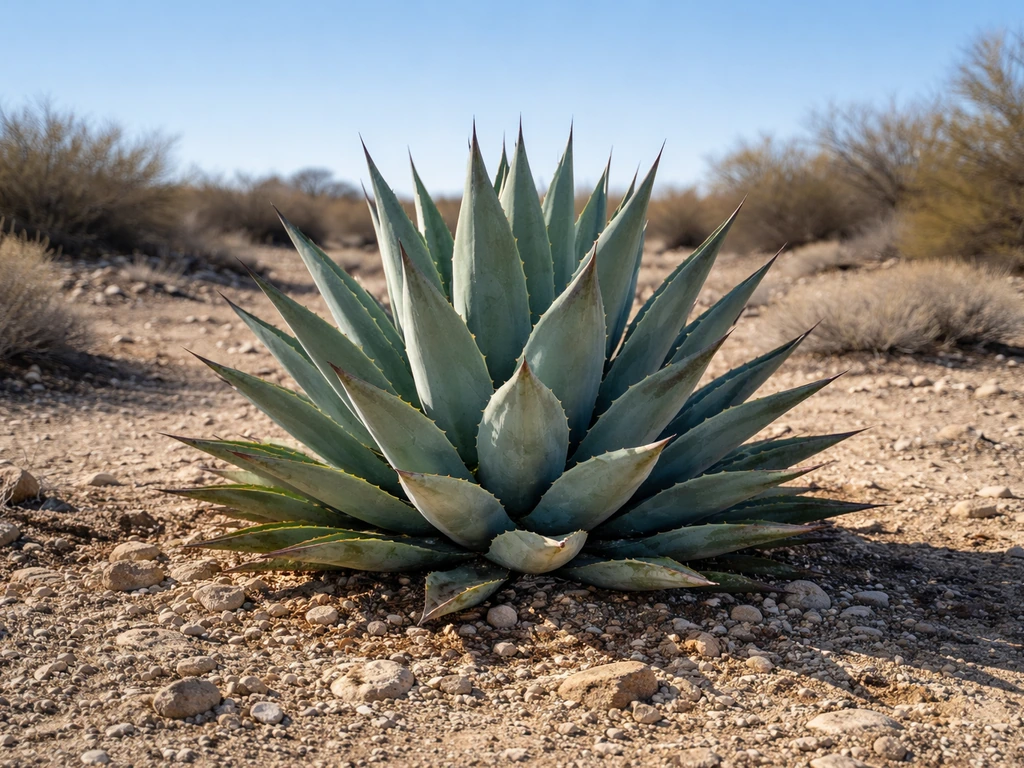
Where agave can survive in the US
The short answer: most of the southern half of the country can grow agave outdoors year-round without much fuss. That includes the entire Southwest, the South, the Gulf Coast, and most of California. The Pacific Northwest can pull it off in sheltered spots with good drainage. The Great Plains and parts of the Rockies work for the toughest cold-hardy species. The upper Midwest and New England are the hardest zones, but container growing is a real option there. The key reference point is the 2023 USDA Plant Hardiness Zone Map, which maps average annual extreme minimum temperatures across the country. Most agaves need to stay in USDA zones 8 or warmer to survive outdoors without protection, though some cold-hardy species push that to zone 5 or 6 with the right conditions.
Agave and cold tolerance: it's not just about temperature
Agave hardiness gets misunderstood constantly because people focus only on the cold number. The truth is that cold tolerance in agave is always conditional on moisture. A plant rated to 10°F can rot and die at 25°F if the soil is wet. This is not an edge case; it is one of the most common ways agave fails in the US. Winter rainfall, clay soils, and poor drainage all combine to make a "hardy" plant fail in climates it should technically handle.
Some agave species, like Agave parryi, have been reported to survive down to roughly -5°F under the right conditions, and some sources cite even lower temperatures for particularly tough clones. That puts it in the range of zone 6 to 7. But that cold tolerance only holds in dry winter conditions. In climates with significant winter or spring rain, even cold-hardy species need protection from wet soil, not just freezing air. The Pacific Northwest is a classic example: agaves there can handle the cold temperatures just fine but struggle with the relentless winter moisture. Similarly, the tilted rosette structure of some agave varieties (like Agave parryi ssp. truncata) actually helps shed rainwater away from the crown, which is a real functional advantage in wetter climates.
Region by region: where agave fits and where it struggles
Southwest (Arizona, New Mexico, Nevada, Utah)
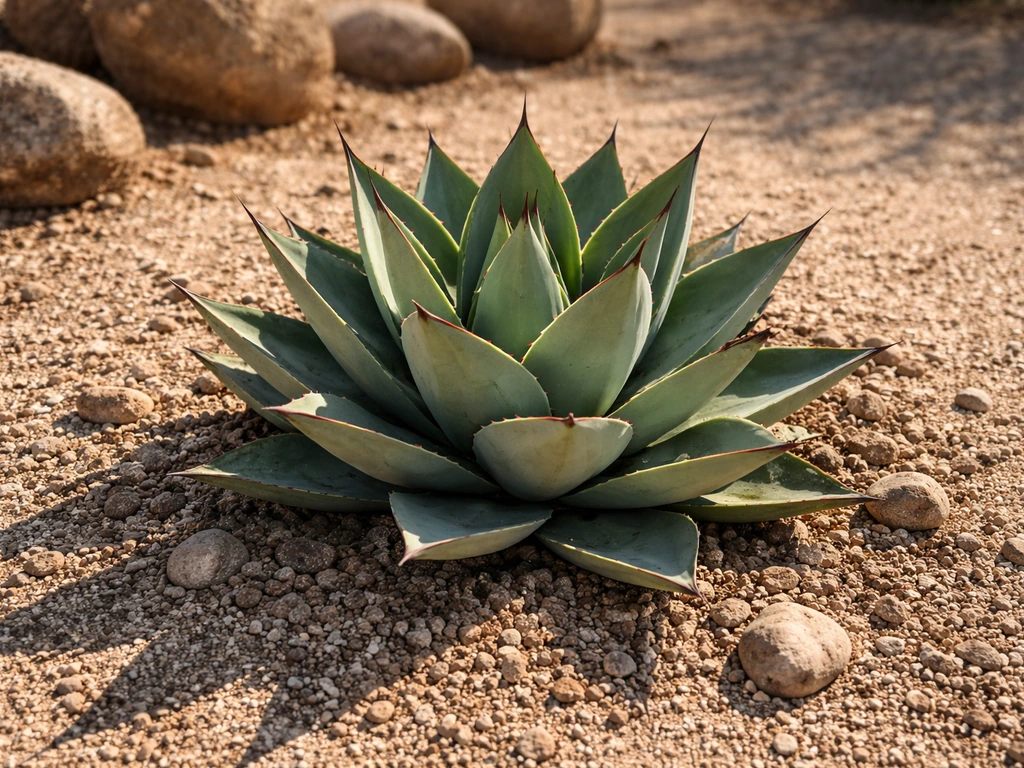
This is the easiest region. Agave is essentially native here. Nearly any species will grow without issue. Drainage is naturally good in desert and rocky soils, winters are dry, and heat is abundant. Zones 7 through 11 are all represented across this region. You can grow large landscape species like Agave americana or Agave tequilana in warmer valleys, and cold-hardy species like Agave parryi at higher elevations. The only real risk is overwatering, which is entirely within your control.
California
California is excellent agave territory across most of the state, from coastal Southern California to the Central Valley and the foothills. Coastal gardens get the added benefit of mild winters with very few frost events. If you want a deep dive into which species work best by region within the state, the guide on growing agave in California breaks it down in detail. In the inland valleys and deserts, heat and drought make agave one of the most sensible landscape plants you can choose. The main thing to watch in coastal areas is that Agave victoriae-reginae and similar species prefer "little to no irrigation" once established, so don't over-coddle them.
Texas and the South-Central US
Central Texas is one of the best agave-growing regions in the country. The climate is warm, winters are short, and the rocky, well-drained soils of the Hill Country are practically purpose-built for agave. Most agaves tolerate a wide range of soil types as long as drainage is adequate, and Texas landscapes prove this out constantly. The Gulf Coast region (Louisiana, Mississippi, Alabama, coastal Georgia) is zones 8 to 9 and works well, though summer humidity means you need to be careful about crown rot if water pools anywhere near the plant.
Southeast (Florida, Georgia, Carolinas)
Florida grows agave without a problem, especially south and central Florida. The challenge here is actually the opposite of the cold states: intense summer humidity and rainfall can cause fungal issues and rot. Choose species with tighter, upright rosettes and make sure your drainage is excellent. The Carolinas are zones 7 to 8 in most of the state, which works for Agave parryi and other mid-range cold-hardy species. Piedmont and mountain areas will need more care in winter.
Pacific Northwest (Oregon, Washington)
This region is the trickiest and most interesting case. Temperatures in Portland, for example, rarely drop below 20°F, which is well within the survival range of several agave species. The problem is the nine-month rainy season. Agave will not survive in a Pacific Northwest border if it sits in wet soil all winter. That said, it absolutely can work under an overhang, on a south-facing slope with gravel mulch, or in a raised bed with amended drainage. It takes intentional site setup, not just planting and hoping.
Midwest and Great Plains
The colder Midwest (zones 5 to 6) is genuinely challenging but not impossible. Agave parryi is your primary option here, and it needs perfect drainage, a south-facing exposure, and possibly some winter mulching. If you're in Michigan specifically, the calculus changes significantly due to lake-effect cold and persistent winter moisture. The full picture for that state is covered in the article on growing agave in Michigan. Container growing is the most reliable path for zones 5 and colder.
Picking the right species for your zone
Not all agaves are created equal when it comes to cold tolerance. Assuming they are is one of the most common beginner mistakes. Here is a practical breakdown of the most widely available species and their realistic hardiness in US conditions.
| Species | Cold Hardiness (approx.) | USDA Zones | Notes |
|---|---|---|---|
| Agave parryi (Parry's Agave) | -5°F to -20°F (clone-dependent) | 5–9 | Most cold-hardy option; needs dry winters; tilted rosette helps shed rain |
| Agave victoriae-reginae (Queen Victoria Agave) | ~10°F | 8–10 | Compact, ornamental; needs excellent drainage; container-friendly in colder zones |
| Agave americana (Century Plant) | 15–20°F | 8–11 | Large landscape species; widely grown in South and Southwest |
| Agave tequilana (Blue Agave) | ~25°F | 9–11 | Needs warm winters; best in Southern California, South Texas, Florida |
| Agave attenuata (Soft Agave) | 28–30°F | 9–11 | No terminal spines; great for coastal CA; not frost-tolerant |
If you are in a cold or wet climate and want the best odds, Agave parryi is the go-to choice. It has a strong track record in rock gardens and cold-desert settings, and the North American Rock Garden Society specifically highlights it as one of the key species for cold-climate cultivation. For something more ornamental and compact in a zone 8 or 9 setting, Agave victoriae-reginae and its selections (like 'Huasteca Canyon') are excellent, rated cold hardy to at least 10°F with good drainage.
How to set up your site for success
Sun and drainage first
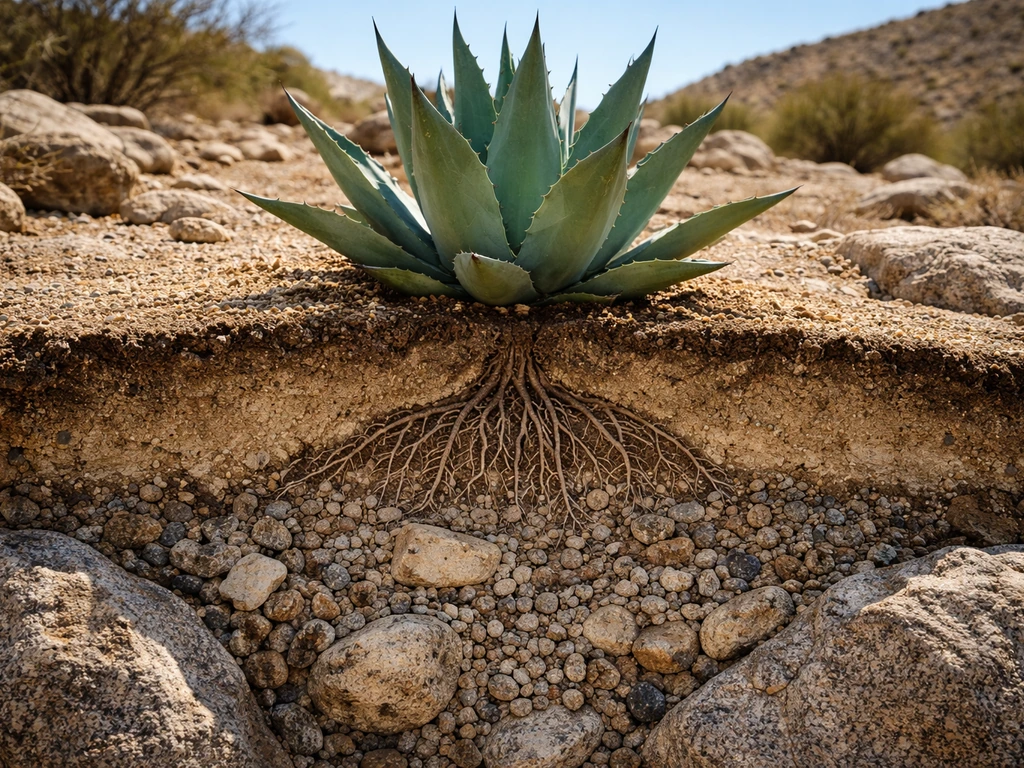
Agave wants full sun. The UC IPM Program also emphasizes that agave and yucca do well with little water and prefer mostly full sun. At least six hours of direct sun per day is the baseline, and more is better in cooler climates. Partial shade in extremely hot desert zones can prevent leaf scorch, but shade in cool or cloudy climates just weakens the plant and sets it up for cold damage. On drainage: this is non-negotiable. Agave in soggy or clay-heavy soil will rot at the crown, period. If your native soil is heavy, you have two practical options: amend a large planting area with coarse sand, grit, and perlite mixed to at least 18 inches deep, or build a raised bed or berm. Either approach works; the goal is water moving away from roots within an hour of rain.
Planting steps
- Choose a south or southwest-facing spot with maximum sun exposure.
- Dig a hole twice as wide as the root ball but no deeper than the nursery container.
- Mix in coarse sand or grit at a 1: 1 ratio with your native soil if drainage is questionable.
- Set the plant so the crown (where leaves meet roots) sits at or slightly above grade, never buried.
- Backfill with the amended mix and tamp lightly.
- Top-dress with gravel or decomposed granite to keep moisture away from the crown.
- Water once to settle the roots, then leave it alone for several weeks.
Winter protection basics
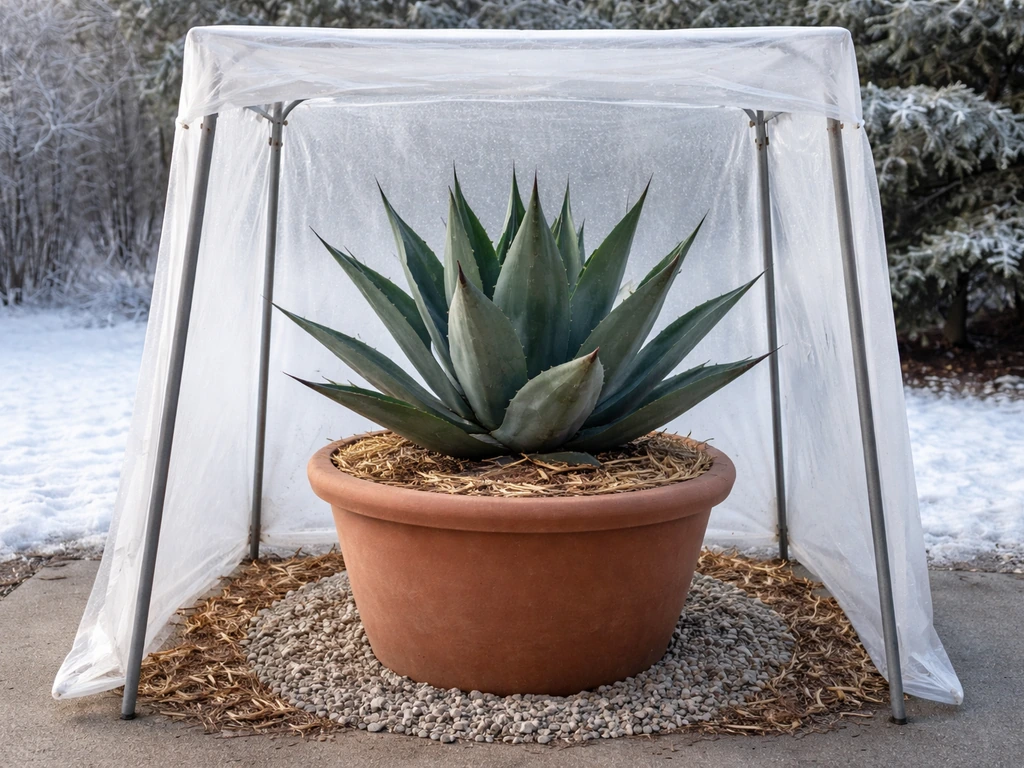
In zones 8 and warmer, most agaves need no winter protection at all. In zones 6 to 7, there are a few things worth doing. First, stop watering in late summer and fall. Agave parryi in particular benefits from going into winter as dry as possible. Dehydrating the plant slightly before a freeze is a real, tested practice that improves cold survival by reducing the ice-crystal damage in the cells. Second, apply a gravel mulch around (not over) the crown to keep soil drier. Third, if a hard freeze is forecast, a frost cloth draped loosely over the plant overnight can save it from tip damage. For species at or near their cold limit, a piece of clear plastic sheeting propped above the plant like a lean-to can shed rain and moderate temperature simultaneously.
In zones 5 and colder, container growing is the most honest recommendation. A large pot in a sunny spot outdoors in summer, moved into an unheated garage or cool greenhouse for winter, is a workable system for growing agave well outside its outdoor range. When deciding whether to bring a plant indoors, a useful rule of thumb is: if your winters regularly push below -5°F or if you combine below-freezing temps with persistent wetness, treat it as a container plant. The risk beyond that threshold is simply too high for most species and setups.
Why agave fails: the real culprits
Overwatering
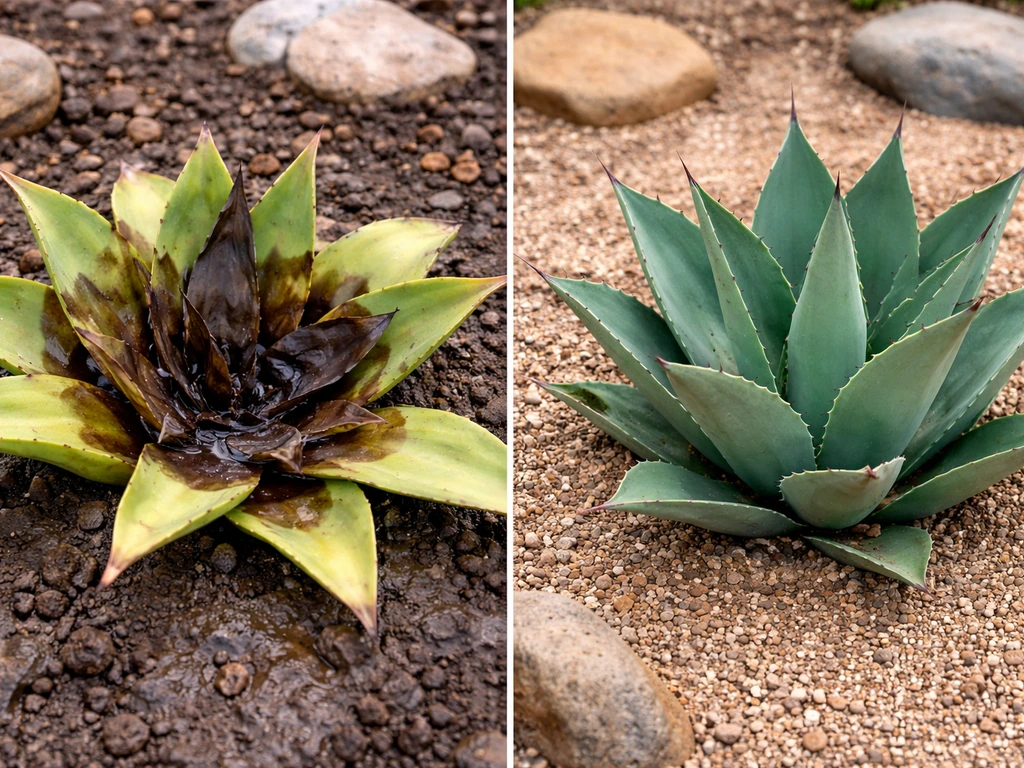
This is the number one killer of agave in US gardens, especially among new growers who apply vegetable-garden watering habits. Established agave in the ground needs almost no supplemental irrigation in most US climates. In humid regions, it may need none at all beyond rainfall. The crown-rot problem that shows up in landscape conditions is closely tied to excess moisture held around the base of the plant. If you water it like a perennial border plant, it will eventually die from the roots up.
Poor or compacted soil
Compacted clay soil is a slow death sentence for agave. Even if the plant looks fine for a year or two, the roots are being deprived of the air pockets they need and are sitting in moisture that never fully drains. The fix is to amend before planting, not after. Trying to rescue an established agave from bad soil by improving the surface around it does not work well. If you suspect drainage is the issue with an existing plant, the most practical option is to carefully lift the plant, improve the bed, and replant at the correct grade.
Frost damage and how to read it
Frost-damaged agave leaves turn mushy, translucent, and then brown from the tips inward. Tip damage alone is cosmetic; cut the damaged tips and move on. If the damage reaches the central growing point (the tight, pale bud at the center of the rosette), the plant will not recover. The rule when assessing cold damage is to wait. Agave can look terrible for weeks after a freeze and still push out new growth. Cut off confirmed dead outer leaves, leave the center alone, and give it a month before deciding it's done.
Troubleshooting at a glance
| Symptom | Likely Cause | Fix |
|---|---|---|
| Mushy or soft center after winter | Frost damage to the growing point | Wait 4–6 weeks; if no new growth, plant is likely lost |
| Brown, soft base at soil level | Crown rot from overwatering or poor drainage | Reduce water; improve drainage; check for pests |
| Yellowing outer leaves, no growth | Overwatering or waterlogged soil | Cut watering; check soil drainage; consider repotting |
| Brown leaf tips (not soft) | Light frost or sunscorch | Cosmetic only; trim tips; no action needed for plant health |
| Plant tilts or lifts out of soil easily | Root rot; roots have failed | Unpot or dig; trim rotted roots; dry and replant in fast-draining mix |
Where to buy agave plants in the US
The most reliable sources for agave are specialty nurseries that focus on succulents, cacti, and drought-tolerant plants. These are far more likely to have correctly labeled, regionally appropriate species than a big-box garden center, which typically stocks Agave americana or Agave attenuata without much guidance on cold tolerance. High Country Gardens, Mountain States Wholesale Nursery, and regional succulent specialty nurseries are solid starting points. Local native plant sales and cactus-and-succulent society plant swaps are also excellent because you know the plants have already survived in your climate.
Online mail-order nurseries ship agave across the US and are a great way to access specific species or named cultivars that local nurseries don't carry. When buying online, check seller reviews specifically for shipping quality and accurate labeling. Offsets (the small pups that grow at the base of a mature plant) are an excellent option when you can get them from a local grower; they are acclimated to the local climate from the start.
If you're tempted to source plants internationally, say from a nursery in Mexico, be aware that importing live plants into the US is regulated by USDA APHIS. You may need an import permit and a phytosanitary certificate verifying the plants were inspected and are free of pests or diseases. The permit process goes through the APHIS eFile system, and skipping it is not worth the risk of having a shipment seized. For almost everyone, buying from US-based nurseries is simpler, cheaper, and avoids the regulatory headache entirely.
One last practical note: when you're sourcing plants and thinking about your overall garden design, it helps to think about your whole dry-climate plant palette together. If you're growing agave in a California setting, for instance, you might also consider drought-tolerant fruiting options. The article on growing goji berries in California is a useful read for building out a low-water garden that produces something edible alongside your agave. And if you're interested in other plants with strong regional variation in growing feasibility, the breakdown of growing Hatch chiles in California follows a similar zone-and-conditions framework that will feel familiar after reading this guide. For growers curious about controlled-environment cultivation for plants outside their zone, the guide on growing hops in a greenhouse offers a useful model for how to extend growing ranges indoors, a strategy that applies just as well to agave in cold climates. If you're specifically in a northern state weighing container growing versus in-ground options, the article on growing hops in Michigan covers cold-climate growing trade-offs in a way that translates well to agave decision-making. And for growers exploring tropical or semi-tropical fruit alongside their succulents in warm-winter zones, the article on growing longan in California is worth a look.
The bottom line on sourcing: buy from a reputable US nursery, ask specifically about cold hardiness and the species name (not just "agave"), and if possible get a plant that was grown in a climate similar to yours. That single step will do more for your long-term success than almost anything else.
FAQ
Can you grow agave outdoors in the US if you only have a mild winter but very humid summers or lots of rain in spring?
Yes, but prioritize winter moisture and drainage more than summer heat. If your spring brings long wet stretches, choose upright rosette types and create a rain-shedding setup (raised bed, berm, gravel mulch, or an overhang) so the crown stays dry. Even species that handle low temperatures can fail when the soil stays wet for weeks.
If my agave dies back after winter, how can I tell whether it is actually dead or just dormant or tip-damaged?
Look at the center growing point, the tight pale bud in the rosette. Outer leaves that turn mushy or brown can be cut off once you confirm they are dead, but do not remove the center. Wait several weeks after cold events, because agave often appears worse before it pushes new growth. If the center is soft or collapses, recovery is unlikely.
How do I choose between planting in the ground and using a container if I am near the edge of the hardiness range?
Use a container when you have a combination of near-freezing temps plus persistent winter wetness, or when you cannot guarantee fast drainage. In-ground is usually fine when you can raise the bed/berm and keep winter soil dry, especially if your site gets strong sun and water drains quickly within an hour after rain.
What is the best way to improve drainage for agave if my soil is clay?
Amend before planting and at depth, not just on the surface. A practical approach is to replace or thoroughly blend a large planting area with gritty material (coarse sand, grit, perlite) down roughly 18 inches, or build a raised bed so the root zone sits higher than surrounding clay. After planting, avoid adding extra topwater or mulch that holds water against the crown.
Should I water agave during winter in colder or wet climates?
Generally, no. For cold-hardy agaves near their limit, stop watering in late summer and fall so the plant enters winter dry. In rainy climates, let rainfall be the only input, and focus on keeping water away from the crown with gravel mulch, slope, and shelter if needed.
How much direct sun does agave really need, especially in coastal or cloudy areas?
Plan for at least six hours of direct sun per day. In cloudy climates, more sun often matters for survival and for keeping growth compact. Partial shade can help prevent scorch in very hot desert afternoons, but in cool or overcast locations, shade can reduce vigor and increase risk of cold damage.
What is the most common pot-related mistake when growing agave in the US?
Overpotting and retaining too much moisture in winter. Use a large pot with drainage holes, but avoid soaking-wet cycles and do not let water pool in the saucer. Use a fast-draining mix, keep the crown above any standing water level, and move containers under cover during prolonged rain.
Can I plant agave in a yard near sprinklers or lawn irrigation?
It is usually a bad idea because lawn-style irrigation raises the chances of crown rot. If you want agave in a mixed landscape, keep it away from sprinkler spray and consider drip-only irrigation targeted at the base when necessary. For most established plants, rainfall alone should be enough in many US regions.
Are offsets (pups) a good option if I want a plant that handles my local conditions?
Yes, offsets can be an excellent choice because they are often acclimated to the local grower’s climate and watering routine. They also establish with less transplant shock than seed-grown plants that have never experienced your conditions. If possible, choose offsets from plants that have successfully overwintered locally.
What should I ask a nursery before buying agave in the US to avoid disappointment?
Ask for the exact species (and cultivar name if applicable), the lowest winter temperature it has tolerated in their care, and whether it was grown in a similar moisture regime to yours. Do not rely only on general labels like “cold hardy,” because wet conditions can override temperature tolerance.
Is it safe to import agave from Mexico, and what is the main risk if paperwork is skipped?
It is not as simple as ordering plants like normal mail-order items. Importing live plants is regulated by USDA APHIS, and skipping required steps can lead to seizure and loss of the shipment. Plan for an import permit and phytosanitary documentation before purchase if you are determined to go that route.
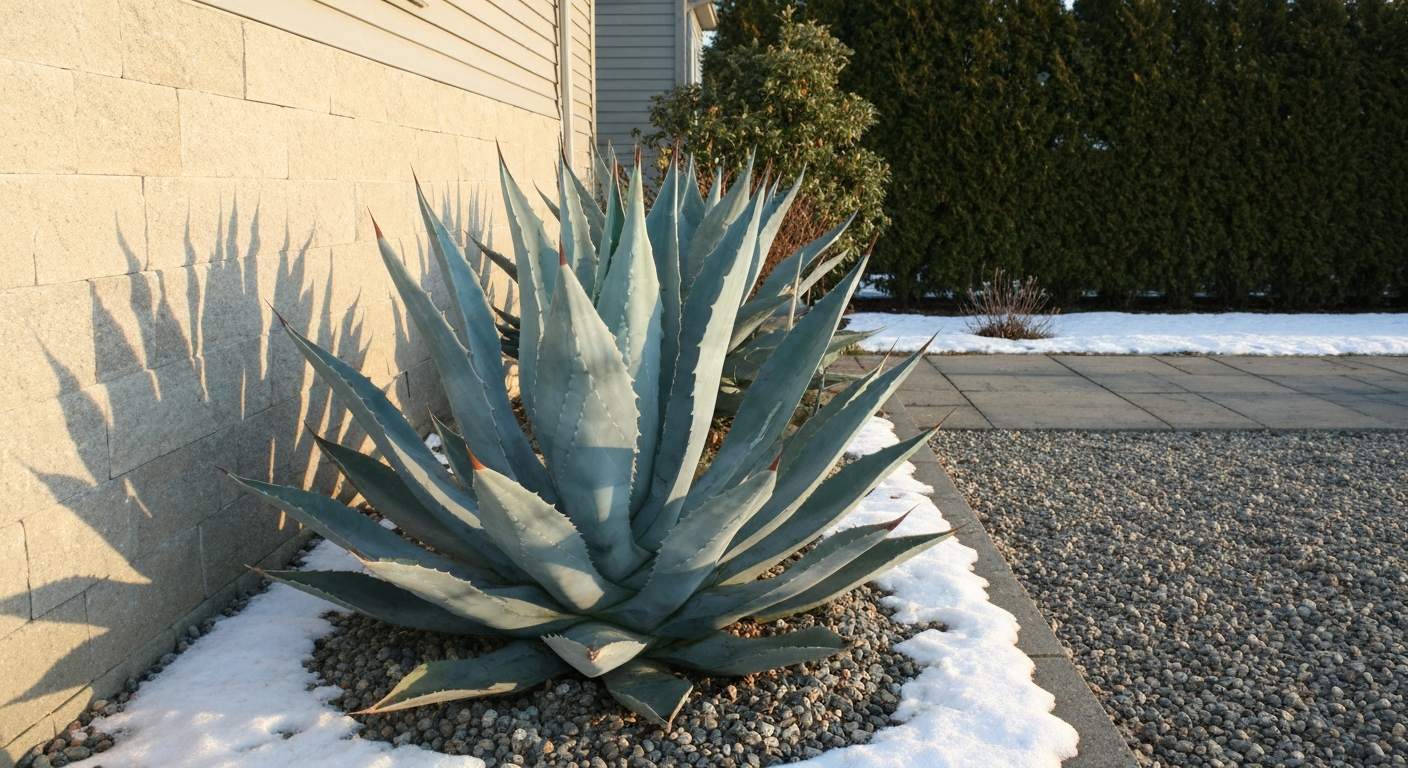
Can you grow agave in Canada? Practical region-by-region guide, hardy species, container tips & winter care.
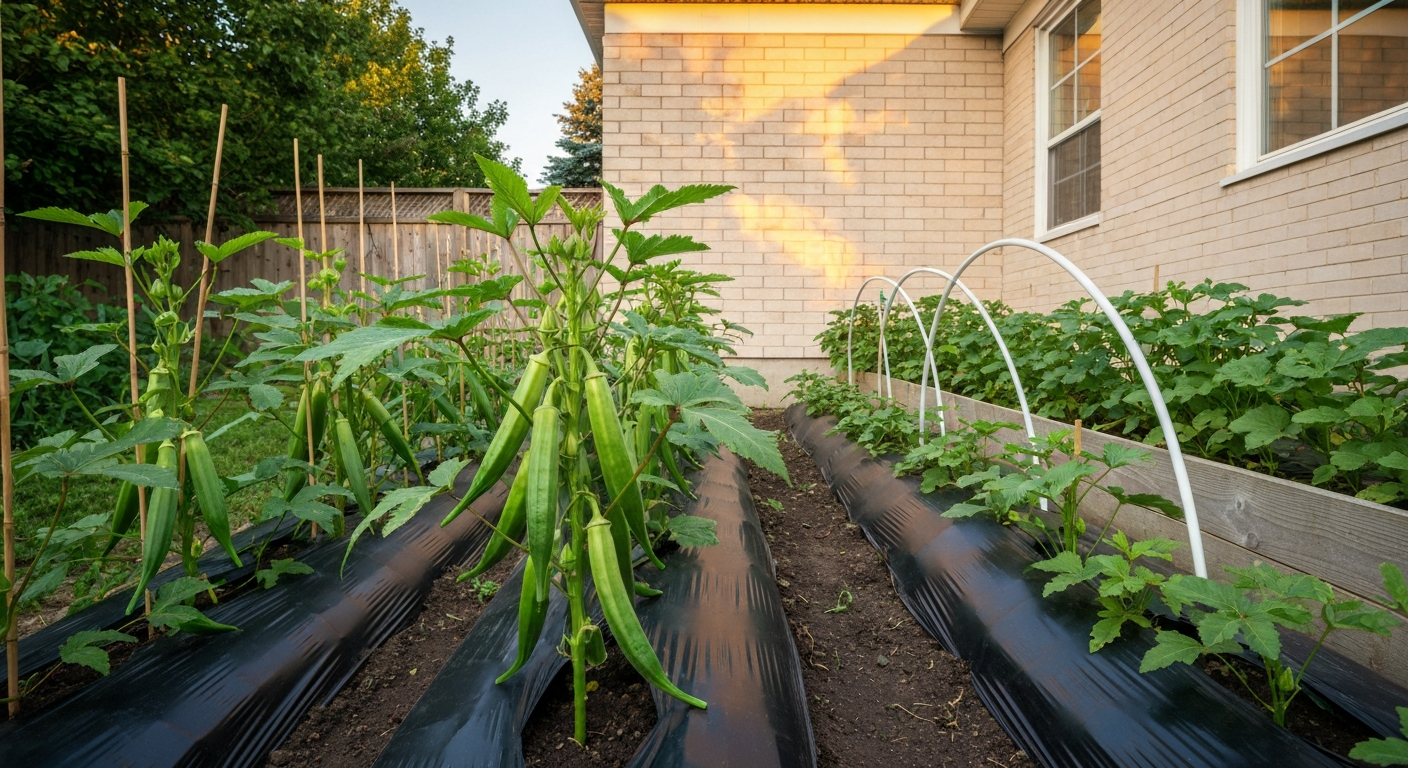
Can you grow okra in Canada? Regional verdict, Ontario-specific steps, varieties, season-extension & harvest tips.
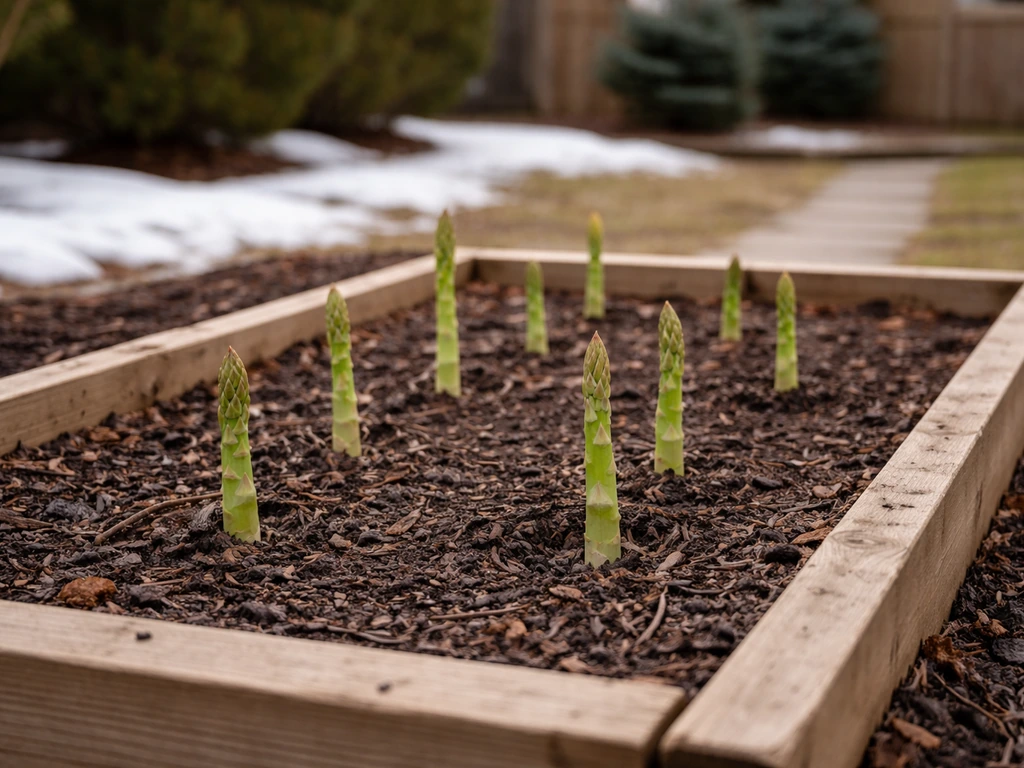
Grow asparagus in Canada by zone: site, hardiness, crowns or seed, planting depth, care, and harvest plus fixes