
Yes, you can grow lentils in Texas, but the timing and location matter a lot. Carrots can also be grown in Texas, but you will need to match the planting season to the heat and provide steady moisture can you grow carrots in texas. Lentils are a cool-season crop that needs temperatures between roughly 18–30°C (64–86°F) to thrive, which means you have to work around Texas's brutal summers and target a narrow planting window in fall or late winter. A study on lentil heat and drought stress found that optimal growth and development occurs around 18, 30°C and that heat stress during flowering and pod filling substantially reduces yield and seed components. In most of the state, that sweet spot exists, but it disappears fast once heat sets in during spring. The Panhandle and West Texas give you the most reliable conditions. South and Central Texas can work with careful fall planting. East Texas and the Gulf Coast are the toughest because of humidity and disease pressure. The bottom line: lentils in Texas are doable, especially on a home-garden or small-farm scale, as long as you respect the calendar and set up your soil correctly.
Can You Grow Lentils in Texas? How to Succeed
Texas lentil suitability: which regions work and when
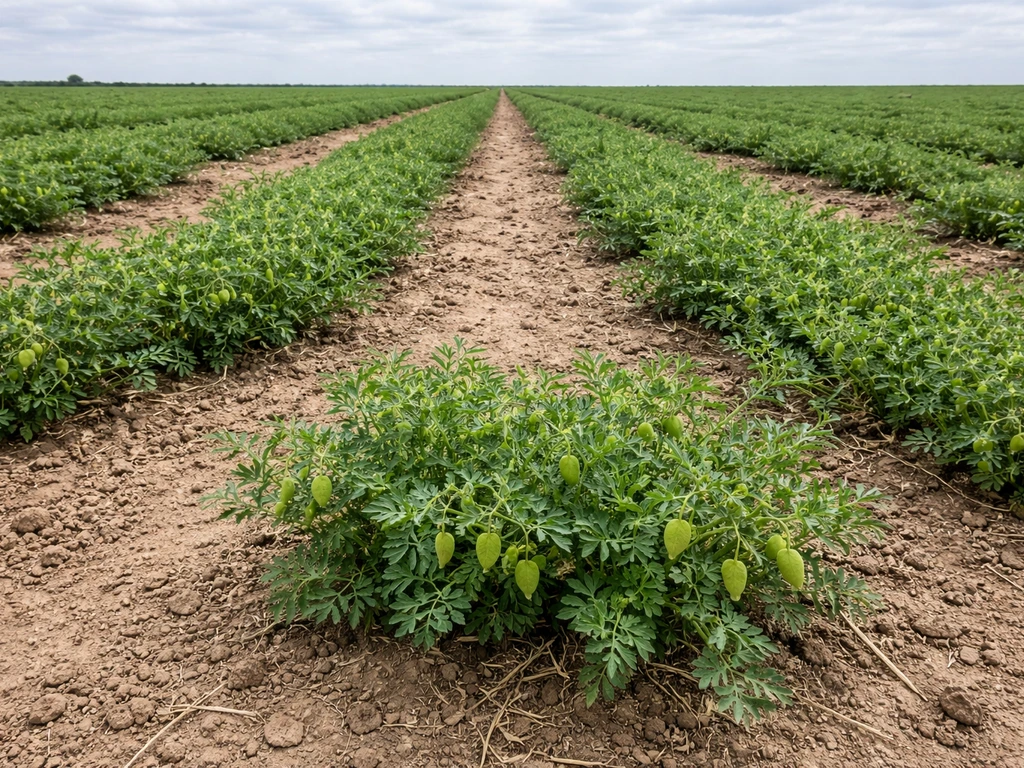
Texas spans USDA zones 6a through 9b, and that range tells only part of the story. What really drives lentil success here is how many cool, frost-free days you can string together before the heat climbs. Lentils need a long enough cool season to flower and fill pods before temperatures consistently push above 30°C (86°F). Heat stress during flowering and pod filling is the single biggest yield killer, with research showing heat during seed filling can cut yield by 38–58% and shorten seed-filling duration by up to 8 days.
Here is how the major Texas regions stack up:
| Region | Best Planting Window | Feasibility | Main Challenge |
|---|---|---|---|
| Texas Panhandle | Late February to mid-March | Best in the state | Late spring frost risk; short season |
| West Texas (High Plains) | Late February to early March | Very good | Dry conditions; wind |
| North/Central Texas | Late October to November (fall) | Good with fall planting | Spring heat arrives quickly |
| East Texas | October to early November | Marginal | Humidity, disease pressure |
| South Texas / Gulf Coast | October to November | Marginal to difficult | Mild winters allow pests; wet soils |
The Panhandle is the standout region. The average last spring freeze in the Amarillo area falls around mid-April, and the region's drier climate reduces fungal disease pressure considerably. You get a genuine spring cool season where lentils can finish flowering and set pods before heat arrives. In North and Central Texas, a fall planting (October into November) lets the crop establish during mild winter conditions and finish before the brutal March-April heat acceleration. The farther south and east you go, the more humidity and unpredictable winter warmth complicate things.
Best lentil varieties for Texas
Early-maturing varieties are the non-negotiable choice for Texas. You need a variety that can flower and fill pods before temperatures spike. Days to flower in lentils can range from roughly 47 to 52 days depending on the variety, so picking an early type buys you real time against the heat clock.
- Small red lentils (Eston-type): Compact, early-maturing, and well-suited to the shorter cool seasons Texas offers. Eston and similar small red types are the most practical choice for home growers in the Panhandle and North Texas.
- CDC Nimble: An early-to-medium maturity small red (CL type) variety that handles tighter windows reasonably well. Widely available from Canadian seed suppliers and worth seeking out if you want a named variety with known performance.
- French green lentils (Puy-type): More heat-sensitive and slower to mature, making them a riskier pick in Texas. They can work in the Panhandle if planted early, but small reds are safer.
- Black lentils (Beluga): Interesting, but tend toward later maturity, which pushes the heat risk higher. Not a first choice for Texas.
- Indianhead (black-seeded type): Later flowering and better suited to longer cool seasons in the northern Great Plains. Skip this one for Texas.
If you are shopping for seed, small red lentil varieties from northern Great Plains suppliers (Montana, North Dakota, Canada) are your most reliable starting point. They are bred for shorter growing seasons, which translates well to the narrow Texas window. Avoid anything marketed as a full-season or late-maturing type.
Planting timeline and getting your soil right
When to plant by region
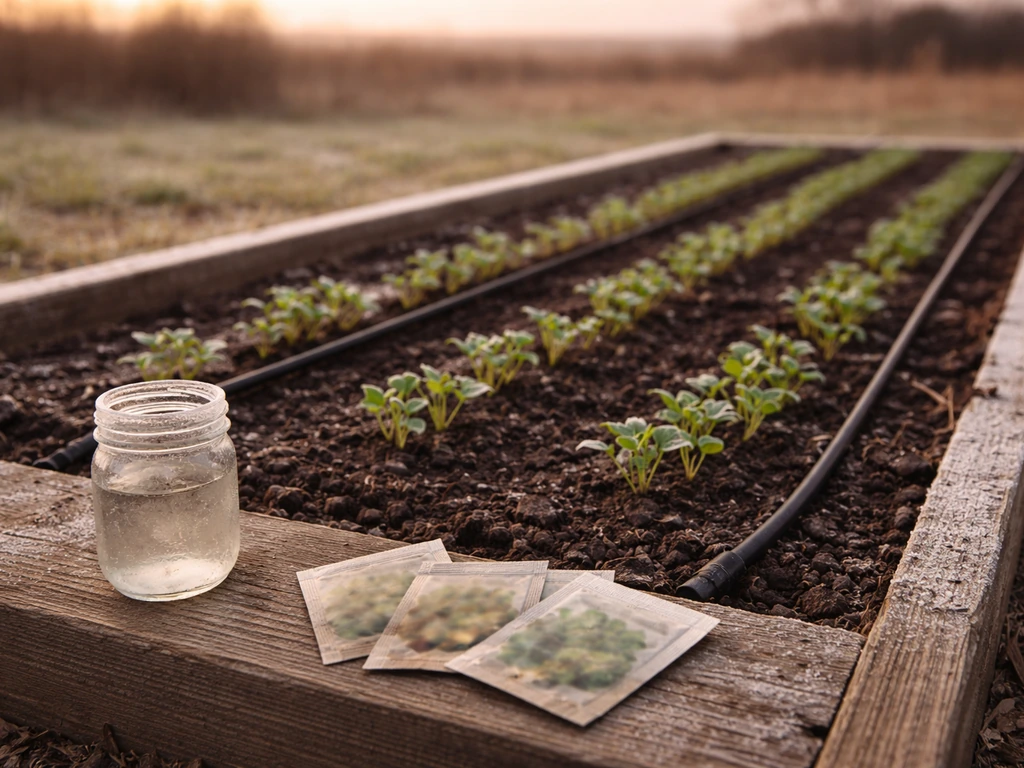
For the Texas Panhandle and West Texas, target late February to mid-March once soils reach at least 7°C (45°F) and the worst freeze risk has passed. For North and Central Texas, a fall planting in late October through November is actually preferable to spring, letting the crop overwinter as a small plant and resume growth in February. South Texas growers who want to try it should plant in October, before nighttime temperatures cool too much for germination. If you are wondering about gooseberries too, the climate and chilling requirements in Texas make choosing the right variety and timing especially important can you grow gooseberries in texas.
Soil prep and pH
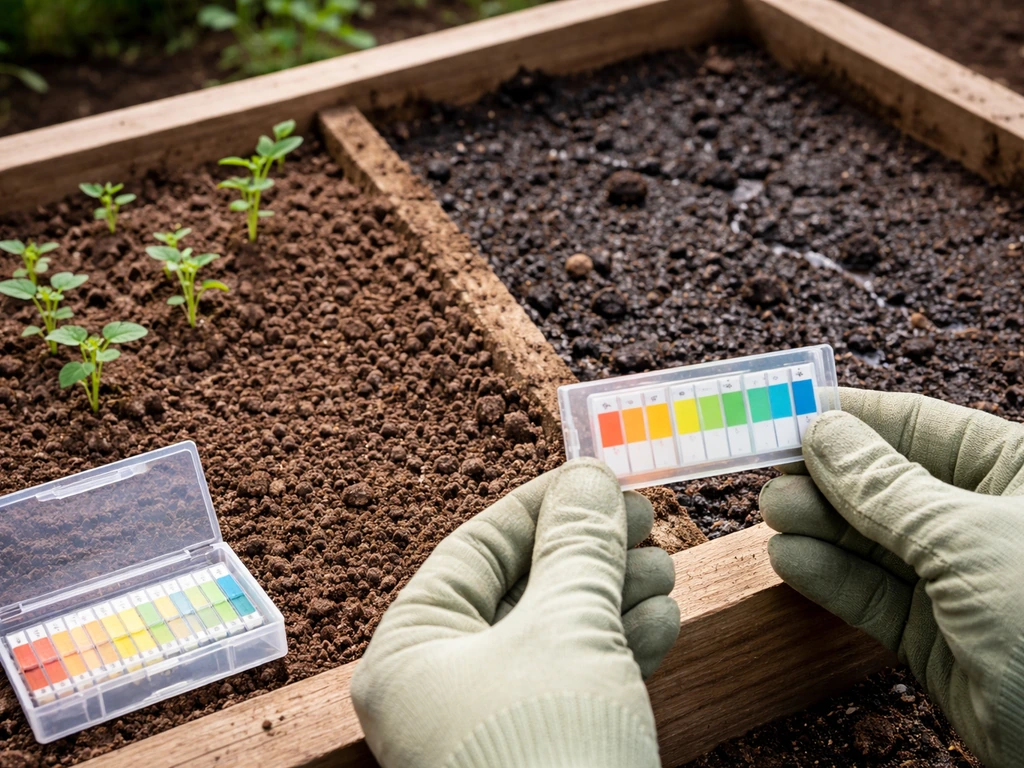
Lentils strongly prefer a soil pH between 6.0 and 7.5. This is not a suggestion, it is critical for two reasons. First, the rhizobia bacteria that fix nitrogen in lentil root nodules do not perform well in acid soils, so nitrogen fixation drops sharply below pH 6.0. Second, root rot disease severity spikes when pH falls below about 5.1 or rises above 7.5. Texas A&M AgriLife Extension makes this point explicitly for winter annual legumes in the state, and it holds true for lentils. Get a soil test before planting. If your pH is low, lime the bed a few months ahead. If you are in the alkaline West Texas soils common above pH 7.5, work in organic matter and monitor for micronutrient deficiencies.
Drainage is equally important. Lentils in waterlogged soil will develop Aphanomyces root rot fast. Low spots in a bed or field that collect water are a serious problem. Raised beds or well-drained garden rows are ideal for Texas home growers. Avoid areas where water pools after rain.
Inoculation: do not skip this step
Unless lentils have been grown in your soil before, you almost certainly need to inoculate your seed with the correct Rhizobium strain, specifically Rhizobium leguminosarum. Using the wrong species produces little or no benefit. Proper inoculation can supply up to about 80% of the crop's nitrogen needs, which matters in Texas soils that have not hosted lentils. Apply the inoculant to moist seed just before planting and get the seed into moist soil quickly. Inoculant bacteria die in heat, drying wind, and direct sunlight, which Texas has in abundance. Shade the inoculated seed, work fast, and do not let it sit in the sun.
How to grow lentils step by step
- Prepare a fine, firm seedbed by tilling or loosening the top 4–6 inches. Lentils establish poorly in cloddy or heavily compacted soil.
- Test and adjust pH to the 6.0–7.5 range. Apply lime if needed at least 6–8 weeks before planting.
- Inoculate seed with Rhizobium leguminosarum immediately before planting. Keep inoculated seed out of direct sun and plant the same day.
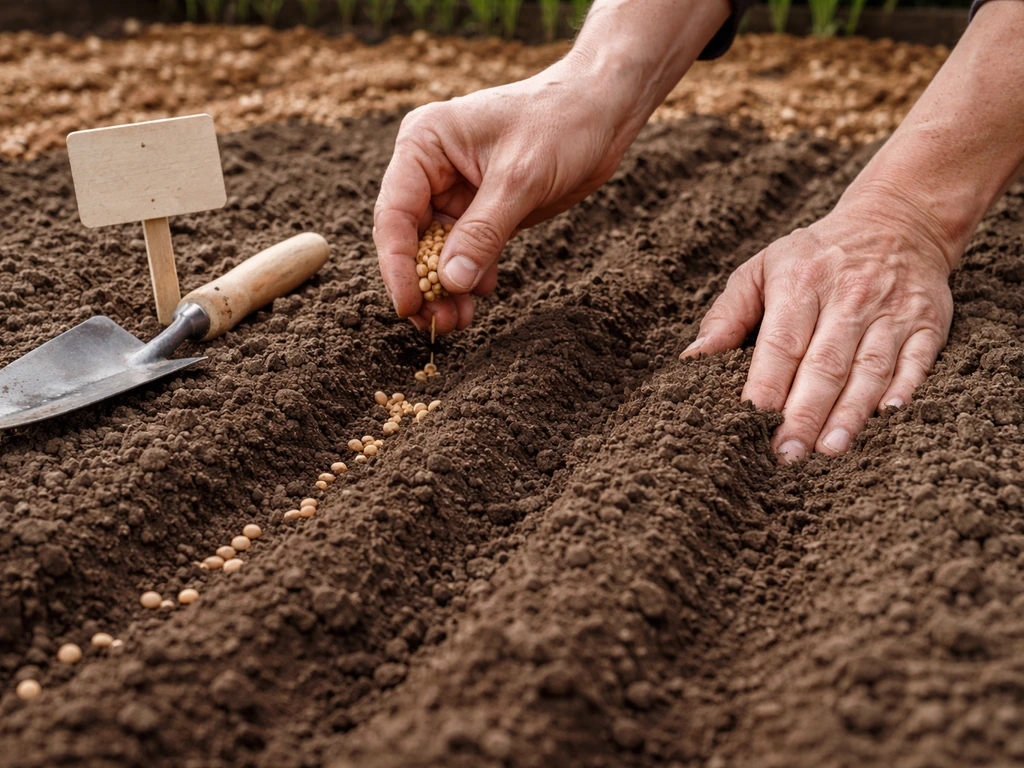
- Sow seed at 1 to 2 inches deep (about 2.5–5 cm). In loose, low-water-holding soils, lean toward the deeper end at 1.5–2 inches to maintain soil moisture contact around the seed.
- Target a plant population of roughly 10–14 plants per square foot. For small red (Eston-type) varieties, that works out to about 30–40 lb of seed per acre in field-scale planting. For home garden rows, sow seed about 1 inch apart in rows 12–18 inches wide and thin to 2–3 inches between plants after emergence.
- Water gently after planting to settle soil around the seed. Germination typically occurs in 7–14 days at soil temperatures of 7–18°C (45–65°F).
- Once established, lentils are relatively drought-tolerant but need consistent moisture during flowering and early pod fill. Water deeply every 7–10 days if there is no significant rainfall, focusing moisture at the root zone rather than overhead watering.
One thing Texas growers often underestimate: lentils are vining plants that sprawl and benefit from some support. A simple trellis or letting them lean on taller border plants keeps the crop off the ground, improves air circulation, and makes harvest easier. This also reduces disease pressure from soil-splash during rain events.
Care, pests, diseases, and the Texas-specific problems to watch for
Weed control
Young lentil plants are poor competitors with weeds because they grow slowly and stay low. Your main weed control window is before planting and in the first few weeks after emergence. Cultivate shallowly between rows once plants are 3–4 inches tall, being careful not to disturb the shallow root system. Mulching around plants in garden beds helps a lot. In field-scale situations, a pre-plant tillage pass to knock out early-germinating weeds before sowing is the most effective approach.
Pests in Texas
- Aphids: The most common problem on Texas lentils, especially during warmer spells. They cluster on new growth and pods. Knock them off with a water spray or use insecticidal soap. Beneficial insects like lady beetles usually help control populations naturally.
- Lygus bugs (tarnished plant bug): Can damage flowers and developing pods. More of an issue in West Texas and the Panhandle. Row covers during flowering help in small garden settings.
- Thrips: Minor issue but worth monitoring in dry conditions. Keep plants well-watered.
- Leafhoppers: Can transmit disease and cause stippling damage. Scout early and often.
Diseases to know
The two most important lentil diseases nationally are Ascochyta blight and anthracnose, and both are relevant in Texas especially in wetter years or in East Texas. Ascochyta shows up as tan to brown lesions on leaves, stems, and pods. Anthracnose creates dark, sunken lesions and can devastate a stand fast in humid conditions. Use certified, clean seed (not saved seed from diseased plants), avoid overhead irrigation when possible, and give plants enough spacing for airflow. Botrytis grey mould and sclerotinia white mould can also appear during cool, wet periods, which can happen in Texas winter plantings after unusual rain events.
Root rot, particularly Aphanomyces, is the real danger in wet or poorly drained Texas soils. It thrives in saturated, low-lying areas and becomes severe fast. The best prevention is picking a site with excellent drainage and never planting in depressions or areas with a history of waterlogging. Once Aphanomyces establishes in a site, it is very difficult to manage, so prevention is everything.
Harvesting, what to expect, and how to store your crop
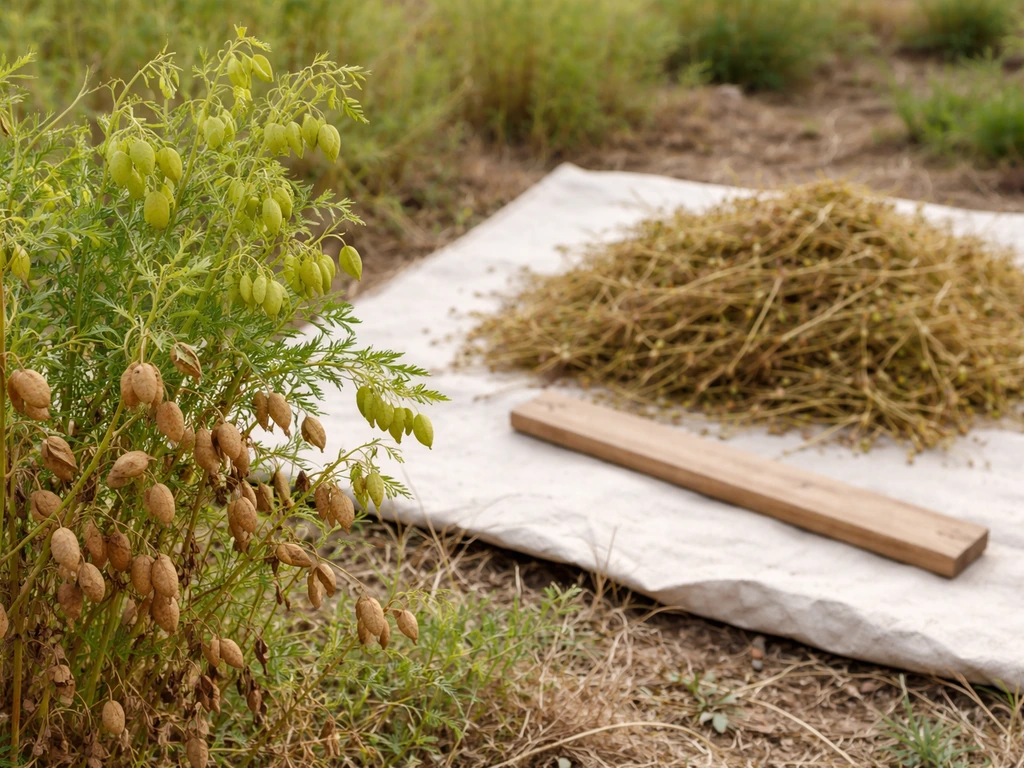
Lentils are ready to harvest when the lower pods turn tan to brown and the upper pods are still yellow-green. The whole plant does not mature uniformly, so you need to harvest slightly early to avoid the lower pods shattering and dropping seed on the ground. For home garden scale, cut the whole plant at the base, then hang or lay the plants on a tarp in a warm, dry spot for a week or two to finish drying.
Once dry, thresh the plants by beating them against the inside of a barrel or bucket, or by rolling them underfoot on a tarp. Winnow out the chaff by pouring the seed between two containers in a light breeze. For small plots, this is easy and satisfying.
Yield expectations for home and small-scale Texas growers are modest. Under good conditions (proper variety, timing, and soil management), a well-managed garden plot can yield around 500–800 lb per acre equivalent, which for a 100 square foot garden bed translates to roughly 1–2 lb of clean lentils. Texas heat stress, even with good timing, tends to hold yields at the lower end compared to northern Great Plains production. Do not plant lentils in Texas expecting a commercial harvest. Plant them because you want homegrown lentils, and the process is genuinely rewarding.
Store cleaned, dry lentils in airtight containers away from moisture and heat. Properly dried lentils (below 14% moisture) keep for a year or more at room temperature, and much longer in a cool pantry or freezer. Label with the harvest date.
When lentils fail in Texas and what to do instead
The most common failure scenario in Texas is planting too late in spring and running straight into flowering-season heat. If your lentils are just starting to flower in April or May in Central or South Texas, the heat will cut yield sharply or kill the crop outright before pods fill. The fix is adjusting your planting window, not your variety. Move the planting date earlier (fall planting for Central and South Texas, late February for the Panhandle) so flowering happens in February through early April when temperatures are still manageable.
The second failure driver is poor drainage leading to root rot. If you have tried lentils and watched them yellow and collapse during or after wet weather, root rot is almost certainly the problem. Raised beds, amended soil, and strict site selection fix this. Do not attempt to save a waterlogged lentil planting. Pull it and improve the bed for next year.
If you are in East Texas or the Gulf Coast and lentils consistently disappoint despite correct timing, it may simply not be worth the effort given the humidity and disease pressure. In that case, consider pivoting to other cool-season legumes that handle Texas conditions better. Sugar snap peas and snow peas tolerate more humidity and have a stronger track record in East Texas gardens. Fava beans are another cool-season legume option that is generally more robust in humid southern climates. And if you are already growing other cool-season vegetables like carrots or asparagus, lentils can fit nicely into the same fall-winter-spring growing window without requiring a completely different infrastructure. If you want to try asparagus in Texas instead, focus on choosing the right planting time and setting up a well-drained bed carrots or asparagus.
The bottom line on lentils in Texas: the Panhandle and West Texas are genuinely good spots, North and Central Texas work with a fall planting strategy, and the wetter eastern and coastal regions require real caution. Pick the right variety (small red, early maturity), inoculate your seed, nail the drainage, and respect the heat deadline. Do all that and a Texas lentil harvest is very achievable. If you are wondering can you grow artichokes in Texas, the same focus on timing, heat tolerance, and well-drained soil will help you plan a successful bed a Texas lentil harvest.
FAQ
Can you grow lentils in Texas if you miss the fall planting window?
You can still try a short spring run only in the Panhandle and West Texas, but you must plant late winter (so flowering stays ahead of mid spring heat). If Central, South, East, or Gulf Coast areas are already near April conditions, the odds drop because heat will hit pod filling, not just germination.
What soil moisture level should lentils have during germination and early growth?
Keep the top few inches consistently moist until seedlings emerge, then avoid ongoing wet feet. After emergence, lentils tolerate mild dryness better than waterlogged conditions, and saturated soil is a fast path to Aphanomyces root rot.
Do I need to inoculate lentils every year in the same Texas garden bed?
If lentils have not been grown there before, assume you need inoculation. If you did grow lentils successfully in prior years, reinoculation can still help, but it is not guaranteed, because the effective Rhizobium population can decline when conditions are unfavorable or after long gaps.
Can I save seed from my Texas lentil crop and plant it again?
Only if you are sure the plants were healthy, because disease can carry on seed. For Ascochyta and anthracnose risks, it is safer to buy certified clean seed each season, especially if you had any suspicious leaf or pod lesions.
How do I choose the right variety besides “early maturity”?
For Texas, prioritize small-seeded types marketed for shorter growing seasons and avoid anything labeled late or full-season. Also check whether the days to flower fits your expected heat arrival date in your region, not just the calendar date.
Is overhead irrigation ever acceptable for lentils in Texas?
It is best avoided during cool, humid periods because leaf wetness increases blight and anthracnose pressure. If you must irrigate overhead, do it early in the day so foliage dries quickly, and do not water when rain-like humidity lingers overnight.
Do lentils need support in Texas, and what kind is practical for small plots?
Yes, some support helps because Texas weather and growth habit can lead to sprawling vines that mat on the soil. A simple low trellis, tomato-cage style supports, or letting plants lean on a fence line usually improves airflow and makes harvest less messy.
How can I tell whether yellowing is nitrogen shortage or root rot?
Nitrogen issues usually show more general pale growth without sudden collapse, while root rot from poor drainage often follows wet spells and includes rapid weakening, especially in low spots. The most reliable fix is site correction (raised bed and drainage), because “fertilizing through” Aphanomyces is not effective.
What is the safest way to manage weeds without damaging lentil roots?
Weed control timing matters more than aggressive cultivation. Only cultivate shallowly when plants are a few inches tall, and lean on mulch and pre-plant weed removal. Lentils grow low early, so pulling by hand or targeting weeds before emergence often prevents root disturbance.
When should you harvest lentils in Texas if the weather is unpredictable?
Harvest when lower pods have turned tan to brown and upper pods are still yellow-green, and plan a dry curing spot. If rain is forecast, cutting slightly earlier helps avoid lower-pod shatter, which can scatter seed on the ground.
Why do lentils sometimes fail in East Texas even when timing seems right?
Humidity and disease pressure can overpower good timing, especially for Ascochyta and anthracnose, and root rot risk rises if beds stay wet after storms. If multiple seasons fail despite clean seed and good drainage, it can be smarter to pivot to legumes with stronger humid-climate performance, like snow or sugar snap peas.
How should I store lentils I grew in Texas to prevent spoilage?
Let them dry to below 14% moisture and use airtight containers. Store away from temperature swings and humidity, label with harvest date, and check periodically for any signs of moisture before long-term storage.
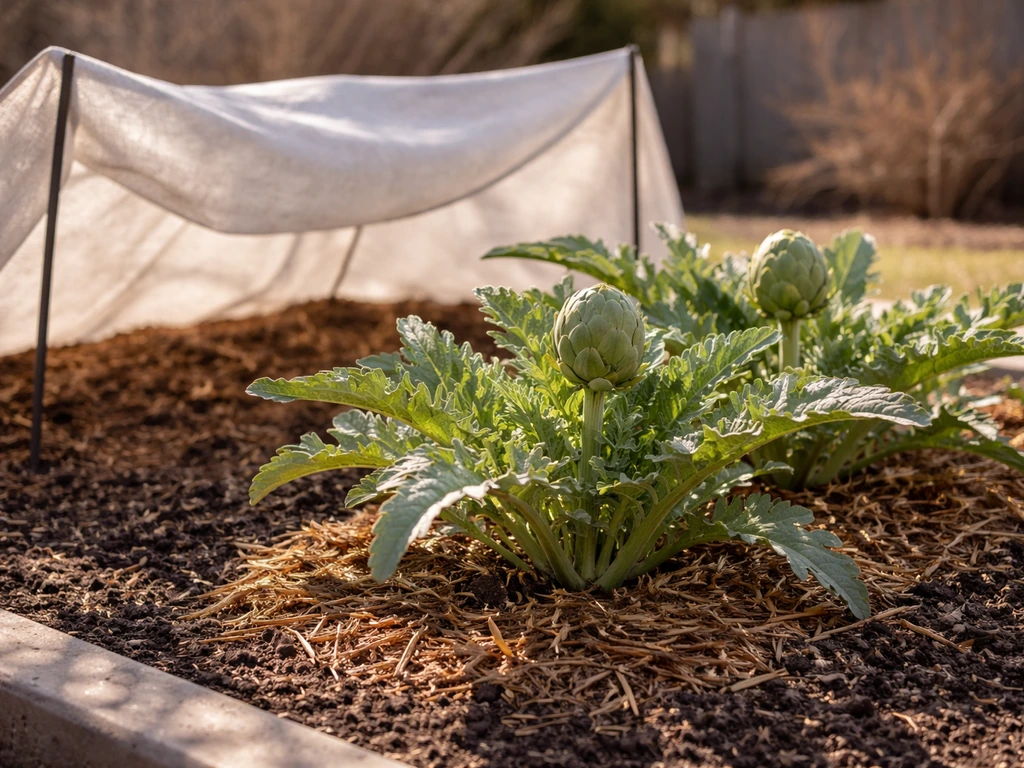
Yes, grow artichokes in Texas by region with the right variety, timing, heat protection, and soil care for buds.
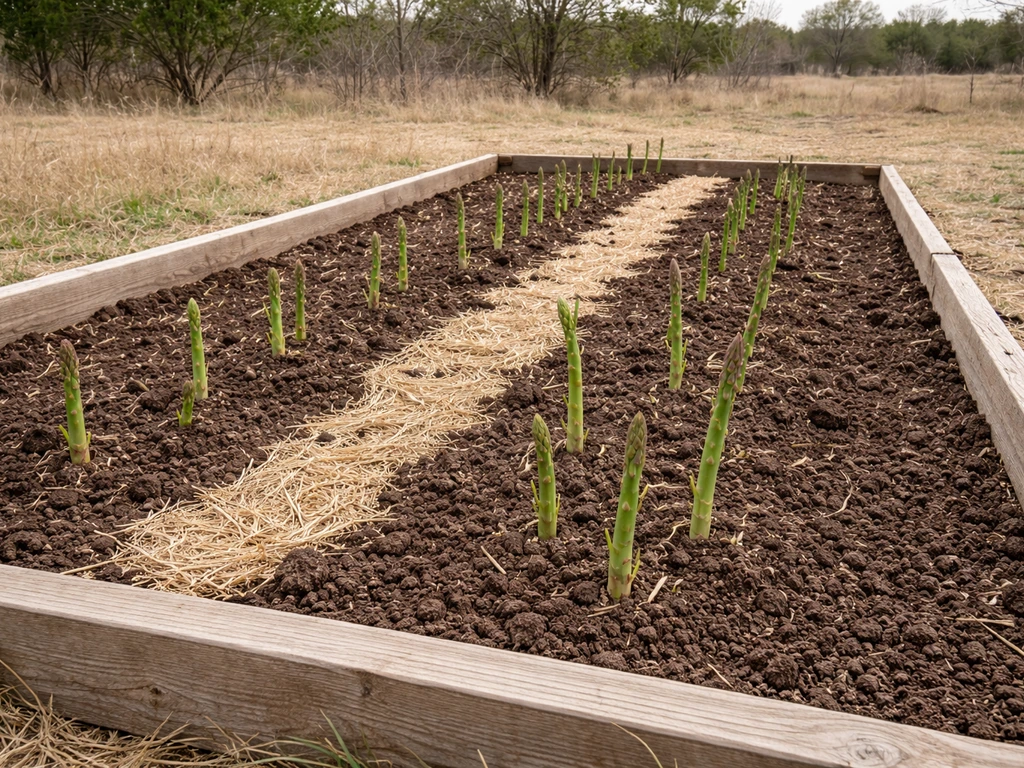
Learn if asparagus grows in Texas and get a step-by-step care plan by region, planting, soil, watering, and harvest timi
Can you grow agave in Canada? Practical region-by-region guide, hardy species, container tips & winter care.