
Yes, you can grow artichokes in Texas, but your success depends heavily on where in the state you are, which variety you choose, and whether you time your planting around Texas's brutal summers. Most of Texas is warm enough that artichokes survive winter just fine, but the summer heat is the real enemy. Reimer Seeds also recommends starting artichoke seeds indoors and then transplanting them outdoors in spring as soon as the soil can be worked and after the last frost start artichoke seeds indoors and transplant after the last frost. With the right variety, a fall planting schedule, and a few protective moves, you can absolutely harvest real edible buds from your Texas garden.
Can You Grow Artichokes in Texas How to Succeed by Region
Marcus Holloway
28 May 2026
What artichokes actually need vs. what Texas provides
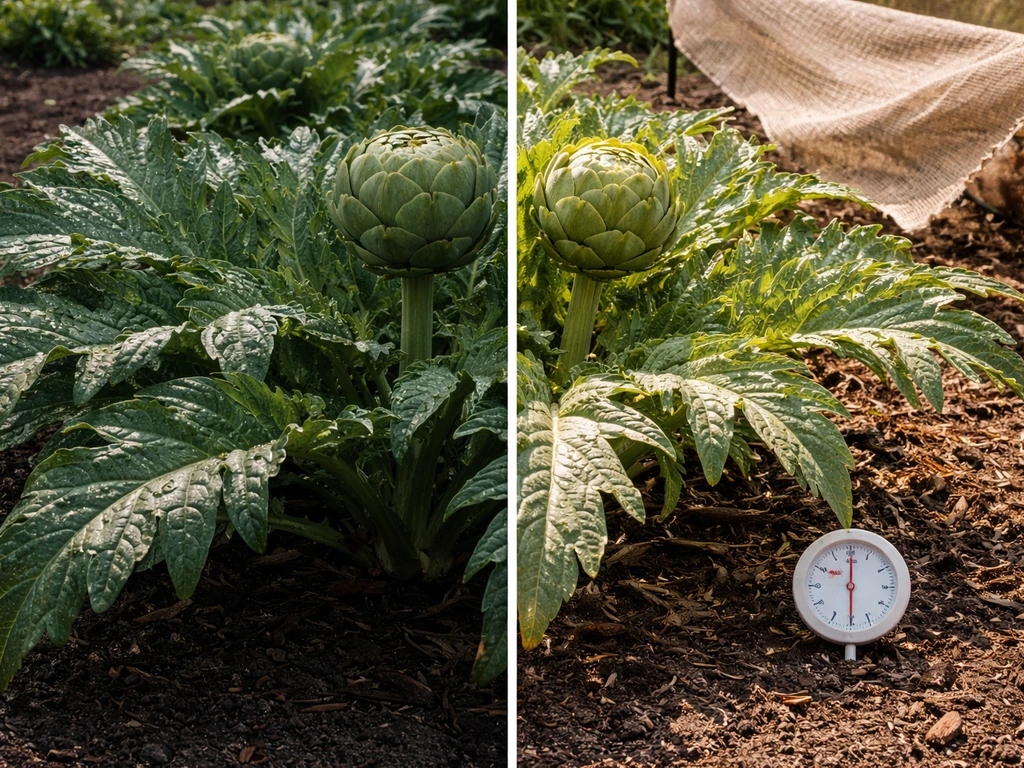
Artichokes are cool-season plants that thrive with daytime temps around 60–70°F and nights between 50–60°F. They also need a cold vernalization period, roughly 10 days of temperatures between 45–50°F, to trigger bud production. That cold snap is what signals the plant to form the edible heads you're after. Texas can deliver that in fall and winter, which is why fall planting is the standard approach here.
The problem Texas presents is summer. A hot, dry climate causes artichoke buds to open too quickly and destroys the tenderness of the edible parts, according to Texas A&M AgriLife Extension. That means you are not growing artichokes through a Texas summer. Instead, you grow them through the cooler months (fall through spring), let them go dormant or cut them back in summer, and either bring them back as perennials the following fall or start fresh each season depending on your region.
| Texas Region | USDA Zones | Main Challenge | Recommended Approach |
|---|---|---|---|
| South Texas (Rio Grande Valley, Corpus Christi) | 9b–10a | Extreme summer heat, mild winters | Treat as annual or cut back hard in summer; fall planting is critical |
| Central Texas (Austin, San Antonio, Waco) | 8a–9a | Hot summers, occasional hard freezes | Fall planting (mid-October transplant); mulch crowns in winter |
| North Texas (Dallas, Fort Worth, Amarillo) | 7a–8a | Harder winter freezes, shorter cool season | Fall planting with heavy mulch protection; perennial possible with care |
| West Texas / Panhandle | 6b–7b | Extreme cold possible, low humidity | Annual treatment safest; heavy protection needed for overwintering |
Picking the right variety and deciding: perennial, annual, or container
Variety selection makes a bigger difference in Texas than almost anywhere else. Texas A&M AgriLife Extension has tested several types specifically for Texas conditions and recommends Green Globe, Imperial Star, Harmony, Madrigal, Emerald, Grand Beurre, Talpiot, and Purple Sicilian. For most Texas gardeners, a few of these stand out.
- Imperial Star: The best choice for annual production. It was bred to produce buds in its first year from seed, with a days-to-maturity around 85 days. Ideal if you want to start fresh each season rather than baby a perennial through summer.
- Emerald: Appears to need little or no vernalization to produce buds, which is a real advantage in South Texas where winters may not get consistently cold enough to trigger other varieties.
- Purple Sicilian: Described as fairly tolerant of both heat and cold, making it a solid all-around pick for Central Texas where temperatures swing in both directions.
- Green Globe: The classic standard variety. Works well in Texas with proper fall timing but does benefit from reliable cold exposure to set buds.
Perennial vs. annual vs. container growing
In Central and South Texas (Zones 8 and above), artichokes are technically perennials. You plant them in fall, harvest in late winter to spring, cut the plants back to ground level after harvest, and let them go dormant through summer. They come back in fall. This is the most productive long-term setup. In North Texas and the Panhandle (Zones 6b–7b), winters can get cold enough to kill crowns that aren't well protected, so many growers treat artichokes as annuals and replant each fall. For gardeners with heavy clay soils or limited space, container growing is also a real option since you can move plants to control drainage, temperature, and sunlight. Use a large container (at least 15–20 gallons) with excellent drainage.
How to plant: timing, starting seeds, transplanting, and site prep
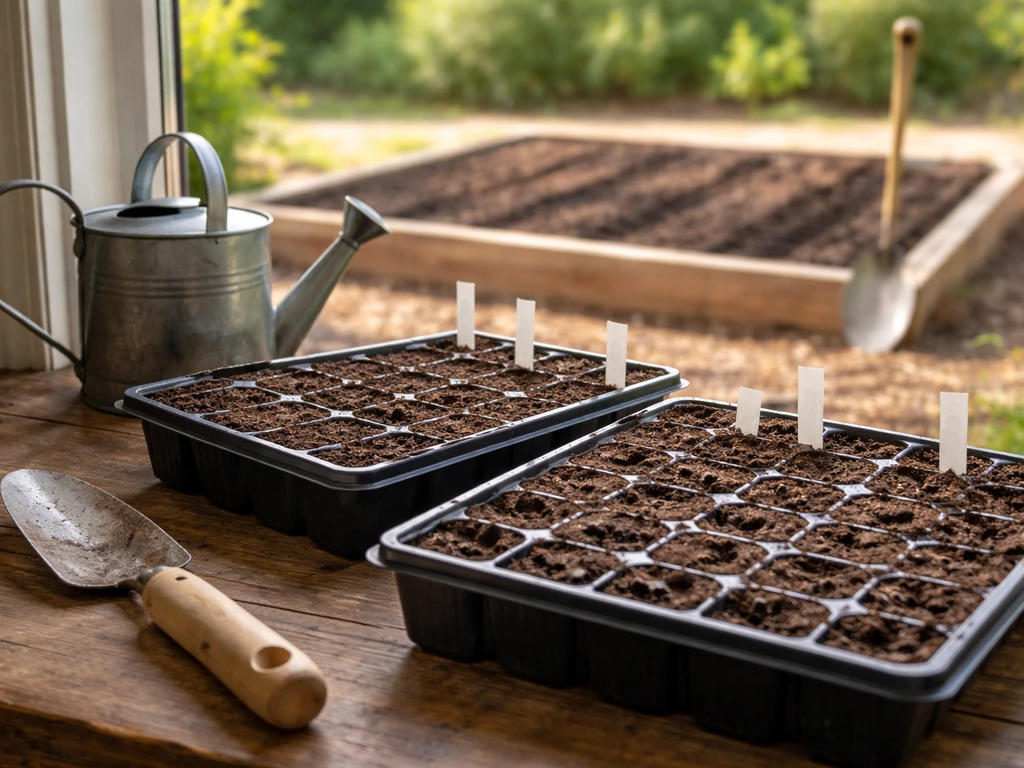
For Central Texas, Texas A&M AgriLife Extension is very specific: transplant artichokes outdoors in mid-October, which means you need to start seeds indoors in mid-August. That is your calendar anchor. Because August in Texas is still extremely hot, start seeds only when temperatures will stay below 85°F. Keep your seed-starting setup in a cool, shaded location or use air conditioning to maintain the right environment. Seeds go about 1/4 inch deep in potting mix.
One important note: plan before fall planting because it can take up to 60 days before seedlings are large enough to transplant outside. Do not wing the timing. If you miss the mid-October transplant window in Central Texas, your plants may not have enough time to establish before the coldest weeks arrive. In South Texas, you can push the transplant date a bit later, into November, since winters there are milder. In North Texas, try to get transplants in the ground by early to mid-October so they can root in before hard freezes hit.
Artichokes produce best in deep, fertile, well-drained soil. Texas A&M explicitly warns against sandy soils with excessive drainage, so if your soil is very sandy, amend it heavily with compost before planting. Target a soil pH of 6.0 to 6.5. Raised beds are a great option in Texas because they improve drainage and warm up faster in fall. Get a soil test if you have not done one recently and amend according to the results. Full sun is non-negotiable: aim for at least 6–8 hours of direct sunlight daily.
Space plants 4–6 feet apart in rows. Artichokes grow into large plants and need that room to perform. If you crowd them, airflow drops and disease pressure goes up, especially in the humid parts of East and South Texas.
Keeping them alive: water, soil, fertilizer, and pest management
Artichokes are thirsty plants, especially during active growth. Keep soil consistently moist but not waterlogged. Moisture stress is a real problem: Texas A&M warns that uneven watering can cause black tip on buds, a cosmetic issue where the tips of the bract scales turn dark. It does not ruin the artichoke but it is a sign your irrigation needs attention. Drip irrigation or soaker hoses work well and reduce foliar disease risk in humid areas.
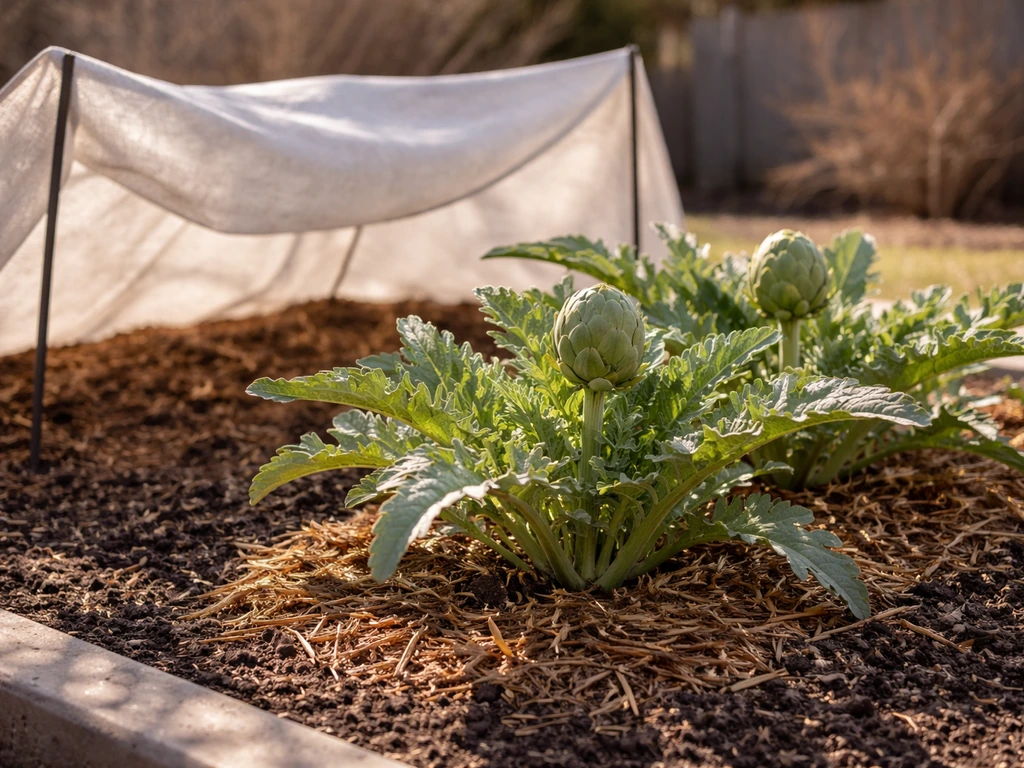
Mulch generously around the base of your plants. Texas A&M emphasizes mulching as a key practice for artichokes in Texas. A 3–4 inch layer of straw or wood chips conserves moisture, moderates soil temperature, and suppresses weeds, all of which matter a lot in Texas's variable climate.
For fertilizing, Texas A&M recommends applying foliar calcium and zinc via liquid fertilizer every two weeks during active growth in early spring. Beyond that, work a balanced fertilizer into the soil at planting and side-dress with nitrogen mid-season to keep growth strong.
Pests and diseases to watch for
Aphids are the most common pest problem on Texas artichokes. Options for control include neem oil, pyrethrins, azadirachtin, or malathion depending on your preference for organic vs. conventional. Spider mites can also be an issue, especially during dry periods. Hit them with strong blasts of water, insecticidal soap, or neem oil, and encourage beneficial insects in your garden. On the disease side, bacterial crown rot is a serious threat: plants may become stunted and the bacterium survives in plant tissue and dead organic matter, so clean up debris and avoid overwatering. Curly dwarf virus is another issue to watch for. Remove and dispose of any infected plants immediately and control aphids since they spread viruses.
What to expect at harvest and how to fix common problems
Artichokes generally take 100–150 days to harvest from transplant, though first-year annual varieties like Imperial Star can come in closer to 85 days. In Texas, you are typically looking at harvest from late January through April, depending on your region and when you planted. Harvest buds when they are still tight and compact, before the bracts begin to open. Cut the main terminal bud first (it is the largest), and the plant will produce smaller side buds after.
The most common failure reasons in Texas are predictable once you know the plant's needs. Buds that open too fast or become tough usually come from heat exposure, either from planting too late in fall or from an unusually warm spring that rushes the season. Poor establishment before winter leads to plants that stall out and never really take off. If your plants look stunted and are not growing, check for bacterial crown rot and drainage issues. Plants that simply do not bud at all often missed their vernalization window, which is more likely with standard varieties in South Texas or if your winter was unusually warm. Switching to Emerald for low-vernalization areas solves this.
Overwintering and protecting your plants by Texas region
Artichoke crowns are generally hardy to Zone 6 with good mulching, and occasionally into Zone 5 during mild winters. That means most of Texas is within range for overwintering, but how much protection you need varies a lot.
Central and South Texas (Zones 8–10)
After spring harvest, cut plants back to just above soil level to push the crown into summer dormancy. Mulch the crown with 4–6 inches of straw or compost to keep it from drying out completely. In most years, the crown will push new growth in fall when temperatures cool. This perennial cycle is what makes artichokes a worthwhile long-term investment in these zones.
North Texas and the Panhandle (Zones 6b–8a)
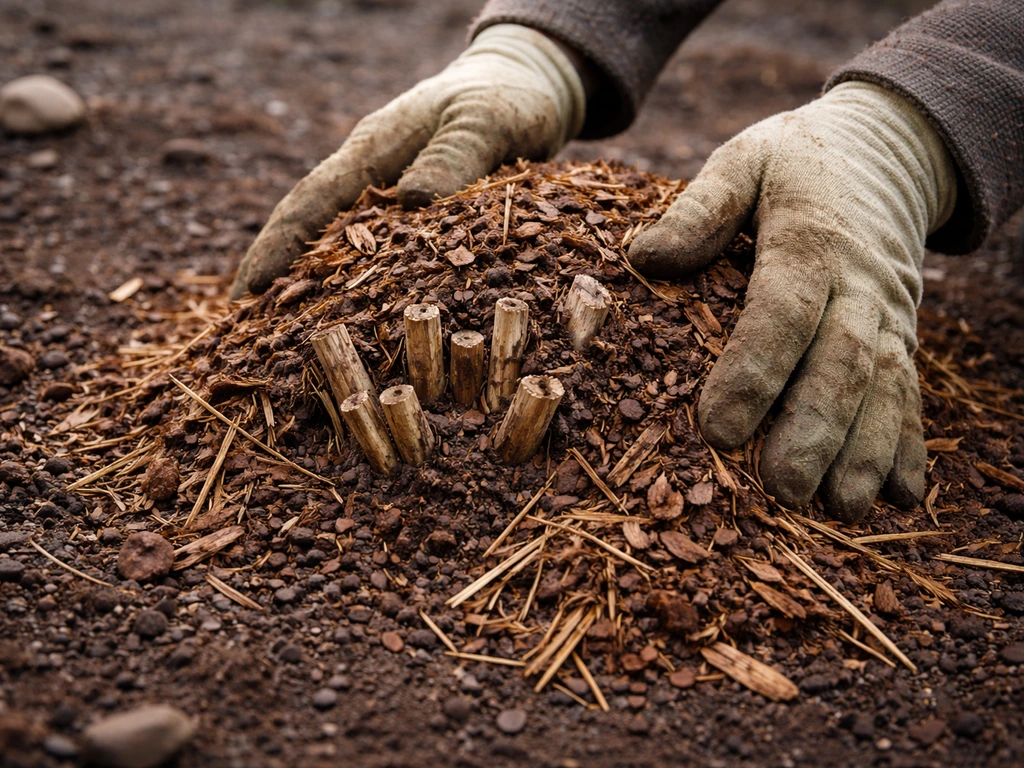
Winter protection is more critical here. After cutting plants back, mound 6–8 inches of mulch over the crown before the first hard freeze. Some growers add a layer of frost cloth or burlap over the mulch mound for added insurance. If you are in Zone 6b or 7a with reliably cold winters, honestly consider treating artichokes as annuals with Imperial Star. Replanting from seed each August is less stressful than hoping a crown survived a January cold snap. That said, with good mulching, perennial success is possible in milder North Texas winters.
Your next steps based on where you are today
If it is late spring or summer right now, you are actually in a good position to plan. You might also wonder, can you grow lentils in Texas, and the answer depends on timing, soil conditions, and local weather patterns. Mid-August is your seed-starting target for Central Texas, which gives you a few months to source seeds or starts. If you are specifically trying to grow gooseberries in Texas, the variety, planting time, and thorn management will matter just as much as your local conditions. Order seeds for Imperial Star, Emerald, or Purple Sicilian from a reputable supplier now. Get your soil tested and start amending your bed or building your raised bed before August. If you are in South Texas, you have a slightly longer window before needing to start seeds, but do not delay past early September or you will be rushing. For North Texas gardeners, decide now whether you want to attempt perennial growing with heavy mulch protection or go the easier annual route with Imperial Star. The annual approach has a lower investment and takes one big variable off the table.
Artichokes take more planning in Texas than a simple spring vegetable like carrots or an easy perennial like asparagus, but they are absolutely doable. If you are also wondering about asparagus, you can grow it in Texas by choosing the right variety, planting at the best time of year, and giving it steady care. The keys are nailing the fall timing, choosing a variety suited to your region, keeping moisture consistent, and protecting crowns through summer dormancy. Get those four things right and you will have fresh artichokes on the table by February or March.
FAQ
Can you grow artichokes in Texas if you missed the mid-October transplant window in Central Texas?
If you miss that transplant window, you usually cannot rely on getting full-size edible buds before the coldest weeks arrive. Your best options are (1) start new transplants for next fall, or (2) switch to a variety and plan that tolerates your timing, such as treating it more like an annual. In the meantime, you can still grow for foliage or harvest only small immature buds if your winter is mild.
What’s the biggest mistake that makes Texas artichokes open too fast or get tough?
Planting too late into fall, or having an unusually warm spring, can push bud development faster than the plant can keep tender tissue. To reduce this, prioritize a fall schedule that lets plants enter winter established, and pick low-vernalization varieties for warmer microclimates. Also shade young transplants briefly during the hottest weeks after transplant to slow stress.
Do artichokes need to be vernalized in Texas even if winters are mild?
Yes, bud production generally needs a cold period, but mild winters can fail the “trigger.” If you repeatedly miss bud formation, try switching to a lower-vernalization type (for example, Emerald) and also ensure your plants are healthy and not stressed, since stunted growth can reduce the plant’s ability to respond once temperatures cool.
Can I grow artichokes in East Texas where summers are humid and winters are variable?
You can, but manage airflow and watering carefully. Use wider spacing (4–6 feet as a baseline), mulch to keep soil moisture even, and prefer drip irrigation over overhead watering to limit foliar disease. If you see rapid leaf yellowing plus wilting, check drainage first, since soggy soil raises crown-rot risk.
Are sandy soils in Texas workable for artichokes?
They can be workable, but you cannot leave them as-is if they drain too fast. The fix is heavy compost incorporation (and often raised beds) to hold moisture and buffer temperature swings. If your soil test confirms very low organic matter, amend at planting and re-amend annually to maintain that improved water-holding capacity.
How do I tell if “black tip” on buds is normal or a serious problem?
Black tip (darkened bract tips) is usually a moisture inconsistency sign, not a complete failure. Correct the irrigation schedule immediately, aim for steady soil moisture, and avoid watering “all at once.” If the rest of the bud stays firm, it is typically a cosmetic issue; if plants also show stunting or crown collapse, investigate crown rot and drainage.
Should I fertilize artichokes in Texas like other vegetables?
Not exactly, because artichokes benefit from a specific approach: balanced feeding at planting, then a mid-season nitrogen side-dress, plus periodic foliar calcium and zinc during early spring active growth. Avoid heavy nitrogen late in the season, since it can encourage soft growth that is more vulnerable when plants need to slow down for dormancy.
What’s the safest pest-control plan for aphids and spider mites in Texas?
Start with prevention and monitoring: check undersides of leaves weekly, blast aphids off with water when populations are small, and use insecticidal soap as an early option. For mite flare-ups during dry stretches, increase watering consistency and consider neem oil or insecticidal soap, since mites often surge when plants are drought stressed.
How should I protect artichoke crowns through Texas summer dormancy?
After spring harvest, cut plants back close to soil level and then mulch the crown heavily (typically 4–6 inches). The goal is to prevent the crown from fully drying out while still allowing drainage. If your yard stays wet after rain, focus on raised beds or add extra drainage so mulch does not turn into a constantly saturated layer.
Can I grow artichokes in containers in Texas year-round?
Container growing can help you control drainage and temperature, but it does not remove the need for cold triggering. In Central and North Texas, you still need a fall-to-winter growing rhythm, and you will likely need to protect or relocate containers during cold snaps. Use large pots (at least 15–20 gallons) with excellent drainage, and plan for consistent moisture, since containers dry faster than in-ground beds.
When harvesting, should I leave the plant to keep producing side buds, or cut it all at once?
Harvest in stages. Cut the main terminal bud first when it is tight and before the bracts loosen, then leave the plant to form smaller side buds. If you cut everything at once, you lose that extended harvest window and reduce total yield.
Next Articles
Can You Grow Asparagus in Texas? Requirements and Care
Learn if asparagus grows in Texas and get a step-by-step care plan by region, planting, soil, watering, and harvest timi
Can You Grow Agave in Canada? Zone Guide & Growing Tips
Can you grow agave in Canada? Practical region-by-region guide, hardy species, container tips & winter care.
Can You Grow Okra in Canada? Ontario Guide & Short‑Season Tips
Can you grow okra in Canada? Regional verdict, Ontario-specific steps, varieties, season-extension & harvest tips.