Quick answer: growing dandelions in your region
Dandelions are frost-hardy perennials that overwinter across virtually their entire US range. Whether you're in Minnesota, Georgia, the Pacific Northwest, or the desert Southwest, dandelions can establish and persist. They're classified as hardy across USDA zones 3–10, which covers the overwhelming majority of US gardeners. The only real limiting factor is extreme heat combined with drought (think low-desert Arizona in July), and even then, established plants usually bounce back. If you're in a temperate or cool region, dandelions will practically grow themselves. If you're in a hot, dry climate, you'll just need to give them a little more water and some afternoon shade.
Seeds vs transplants: which way should you start?
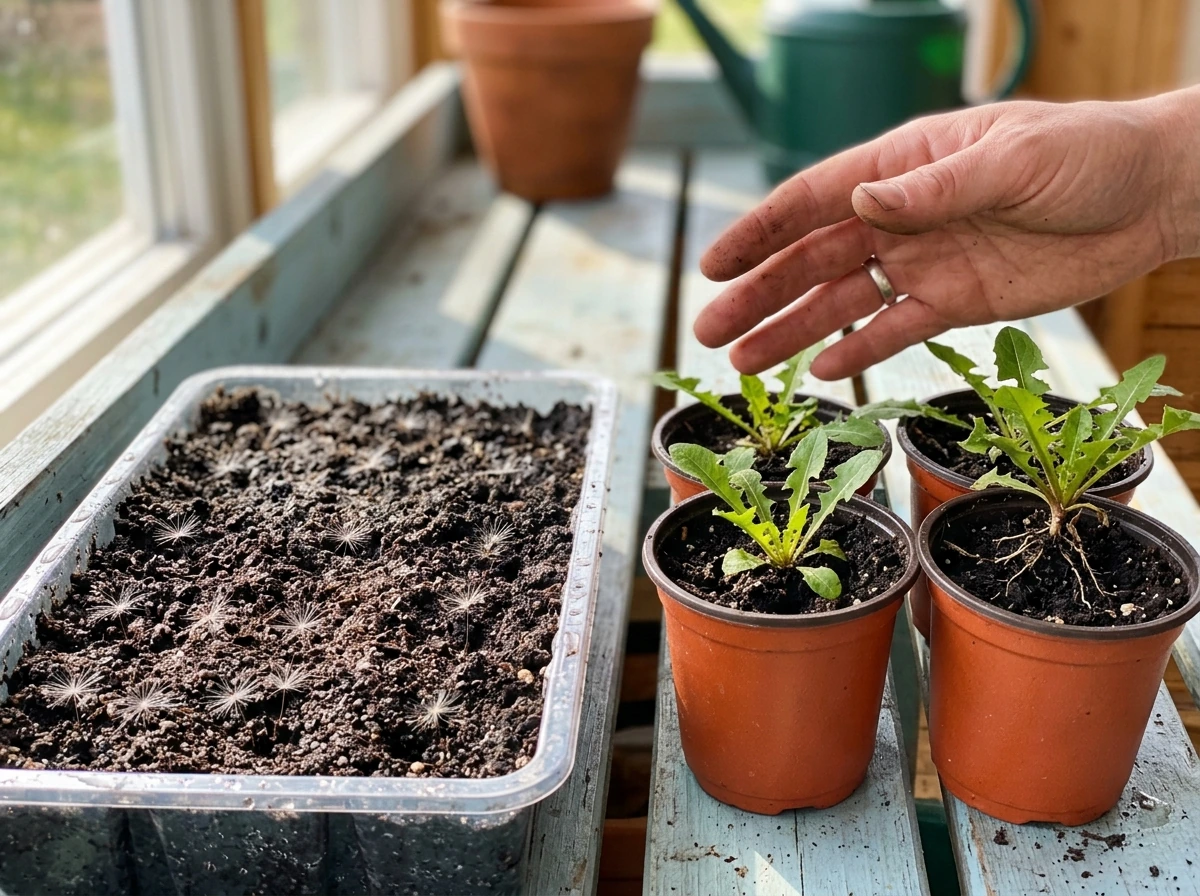
You have two main options for starting dandelions intentionally: direct seeding or transplanting. For most home growers, direct seeding is the better choice. It's cheap, it mimics how dandelions naturally establish, and it works well when you match the timing to your climate. You can buy cultivated dandelion seed online or at garden centers, look for varieties like 'Improved Broad Leaved' or 'Vert de Montmagny' if you want larger, more tender leaves for eating. Wild-type seed also works fine and is sometimes available from foraging or seed-saving suppliers.
Transplanting is worth considering if you want an instant established patch, or if you're digging up plants from a lawn to relocate them. Dandelions have a deep taproot (often 6–18 inches long), so transplant shock is real if you damage that root badly during digging. If you go this route, dig deep and wide, keep as much root intact as possible, and water well immediately after planting. Transplanted dandelions tend to sulk for a week or two before they settle in.
| Method | Best for | Ease | Cost | Notes |
|---|
| Direct seeding | Starting a new patch from scratch | Very easy | Very low | Needs light at soil surface; don't bury deep |
| Transplanting from yard | Relocating existing plants | Moderate | Free | Taproot damage causes stress; water heavily |
| Transplanting purchased starts | Instant established look | Moderate | Low-moderate | Less common; usually unnecessary |
My honest recommendation: start from seed unless you already have plants growing somewhere inconvenient that you want to move. Direct seeding is more reliable and you can start a productive patch for just a few dollars.
Soil and site: what dandelions actually need
Sun and light
Full sun (6+ hours) produces the most vigorous plants with the best leaf and root production. Dandelions also tolerate partial shade (3–6 hours), though you'll get slightly smaller leaves and less robust flowering. They don't do well in deep shade, so avoid spots under dense tree canopies if you want a productive patch.
Soil type and drainage
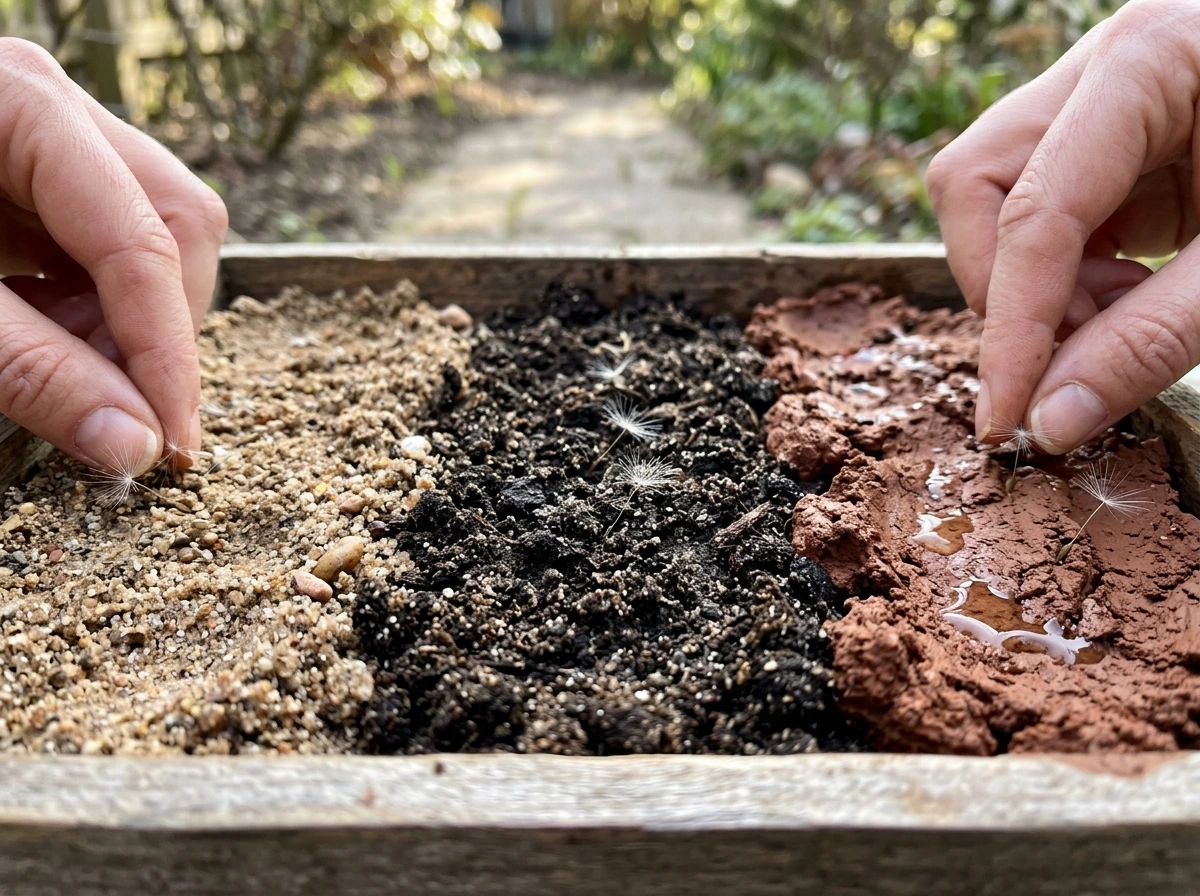
One of dandelion's great strengths is its tolerance for almost any soil type. It grows in clay, loam, sandy soil, and everything in between. Drainage matters more than soil texture, dandelions don't like sitting in waterlogged ground for extended periods, though they handle occasional wet spells fine. For edible production, looser soil with some organic matter will give you larger, more tender leaves and easier root harvesting. But for basic establishment, almost any well-drained spot will work.
pH range
Dandelions are remarkably pH-tolerant. Research from Cornell documents that they can establish at a soil pH as low as 4.0, and growth increases as pH rises toward around 8. That said, the sweet spot for productive growth is roughly 6.0–7.5, which is pretty typical garden soil. If your soil is extremely acidic, adding a little lime before planting will help, but it's not strictly required. Most US garden soils fall right in dandelion's happy range without any amendments.
Moisture
Established dandelions are drought-tolerant thanks to their deep taproots, which mine moisture from well below the surface. During establishment (the first few weeks after seeding or transplanting), consistent moisture helps a lot. Once plants are established, natural rainfall handles most of their needs in most US regions.
When and how to plant dandelions
Timing by region
The best time to direct sow dandelion seed is early spring (as soon as soil can be worked) or fall (about 6–8 weeks before your first hard frost). Spring sowing gives seedlings the whole growing season to establish. Fall sowing works well in zones 5 and warmer, seeds overwinter and germinate naturally in early spring. In hot climates like the Southeast or Southwest, fall sowing actually outperforms spring sowing because young plants establish in mild weather instead of heading straight into summer heat.
| Region | Best Planting Time | Notes |
|---|
| Zones 3–4 (MN, ND, MT, ME) | Early spring (April–May) | Spring planting strongly preferred; short season |
| Zones 5–6 (Midwest, Mid-Atlantic, PNW) | Early spring or early fall | Both windows work well |
| Zones 7–8 (Southeast, Pacific Coast) | Fall (Sept–Oct) or late winter | Fall planting avoids summer heat stress |
| Zones 9–10 (FL, TX Gulf Coast, CA Central Valley) | October–February | Grow as cool-season annual in hottest areas |
Step-by-step planting process
- Choose your site: full sun preferred, well-drained, away from areas where spreading would be a problem.
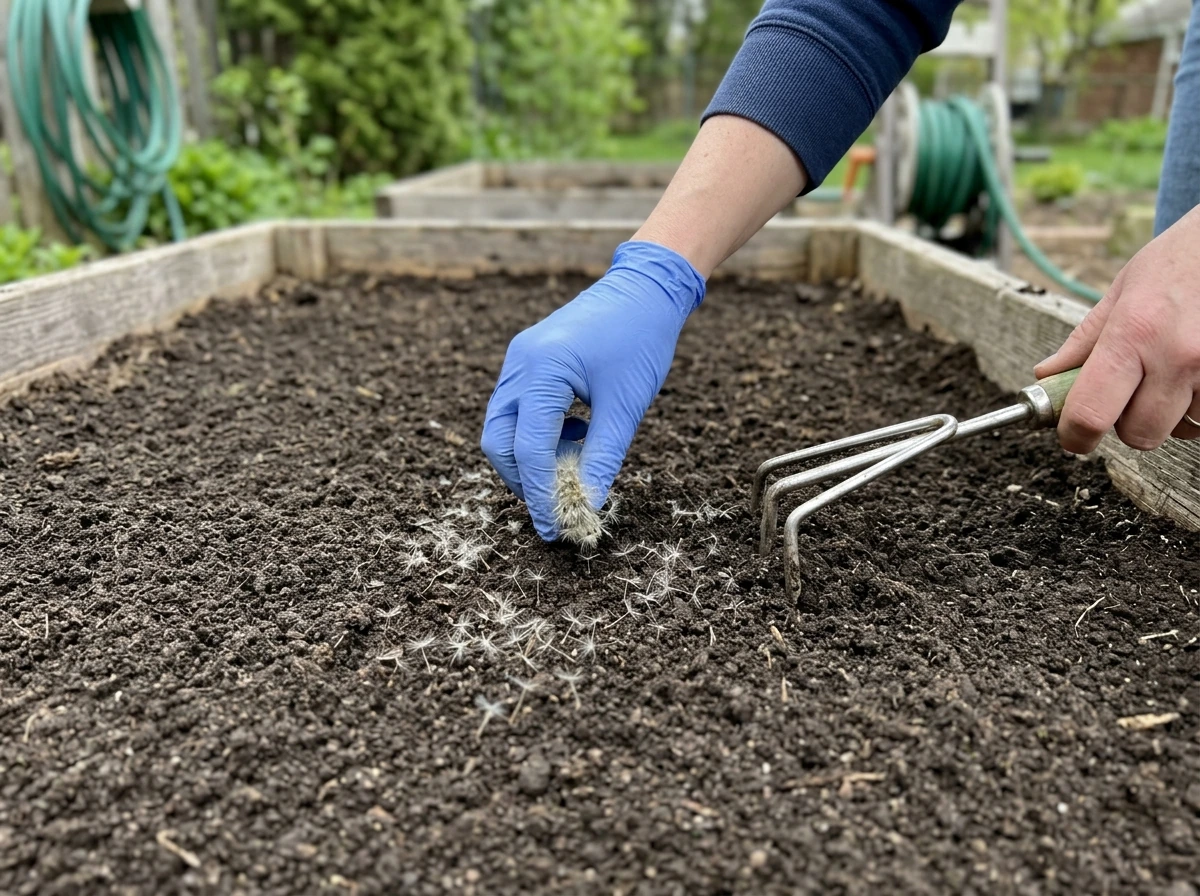
- Loosen the top 4–6 inches of soil and rake smooth. Remove large debris or clods.
- Scatter seeds on the surface or press them very lightly into the top 1/8 inch of soil. Do not bury them deep — dandelion seeds need light near the surface to germinate well.
- Firm the soil gently with your hand or a flat board to ensure good seed-to-soil contact.
- Water lightly with a fine spray. Keep the surface consistently moist (not soggy) until you see germination, usually 7–21 days depending on soil temperature.
- Thin seedlings to 6–8 inches apart once they're 2–3 inches tall if you're growing for large leaves or roots. Skip thinning if you're growing a naturalized pollinator patch.
A quick note on mulching: avoid heavy mulching right after seeding. Because dandelion seeds need light for best germination, a thick layer of mulch over fresh seed will dramatically reduce germination rates. Wait until seedlings are established before mulching around them.
Caring for your dandelions after planting
Watering
Water new seedlings every 2–3 days in dry weather during the first month. Once plants are established (usually by 6–8 weeks), you can cut back to once a week or rely on rainfall in most regions. In the desert Southwest or during drought periods anywhere, weekly deep watering keeps plants productive and prevents premature bolting to seed.
Mowing and harvesting for leaf growth
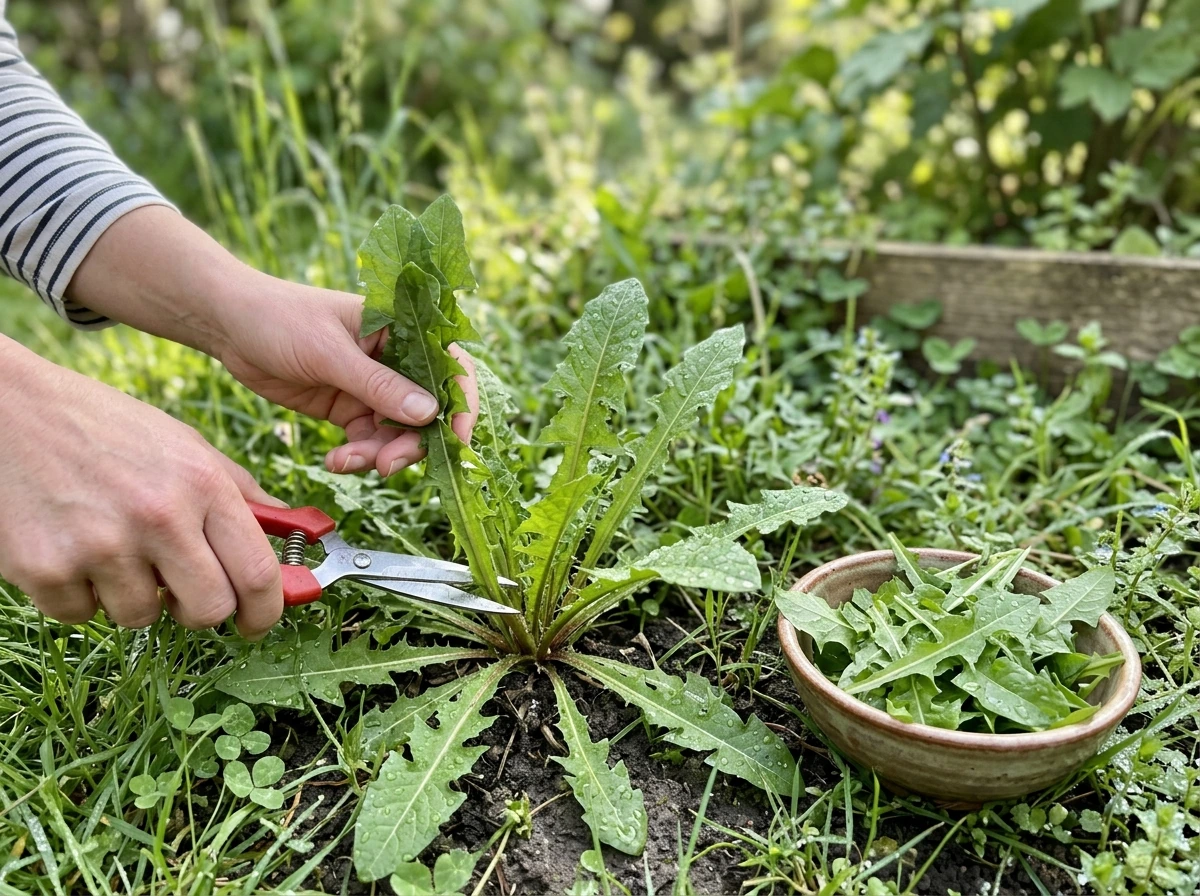
Here's a trick that a lot of people don't realize: mowing or cutting dandelions regularly actually encourages a continuous flush of fresh, tender young leaves. If you're growing them for edible greens, cutting the plants back to about 1–2 inches every few weeks keeps foliage young and less bitter. This is the same principle behind cut-and-come-again lettuce. If you let plants flower and go to seed, leaf quality drops and bitterness increases.
Spacing and spread management
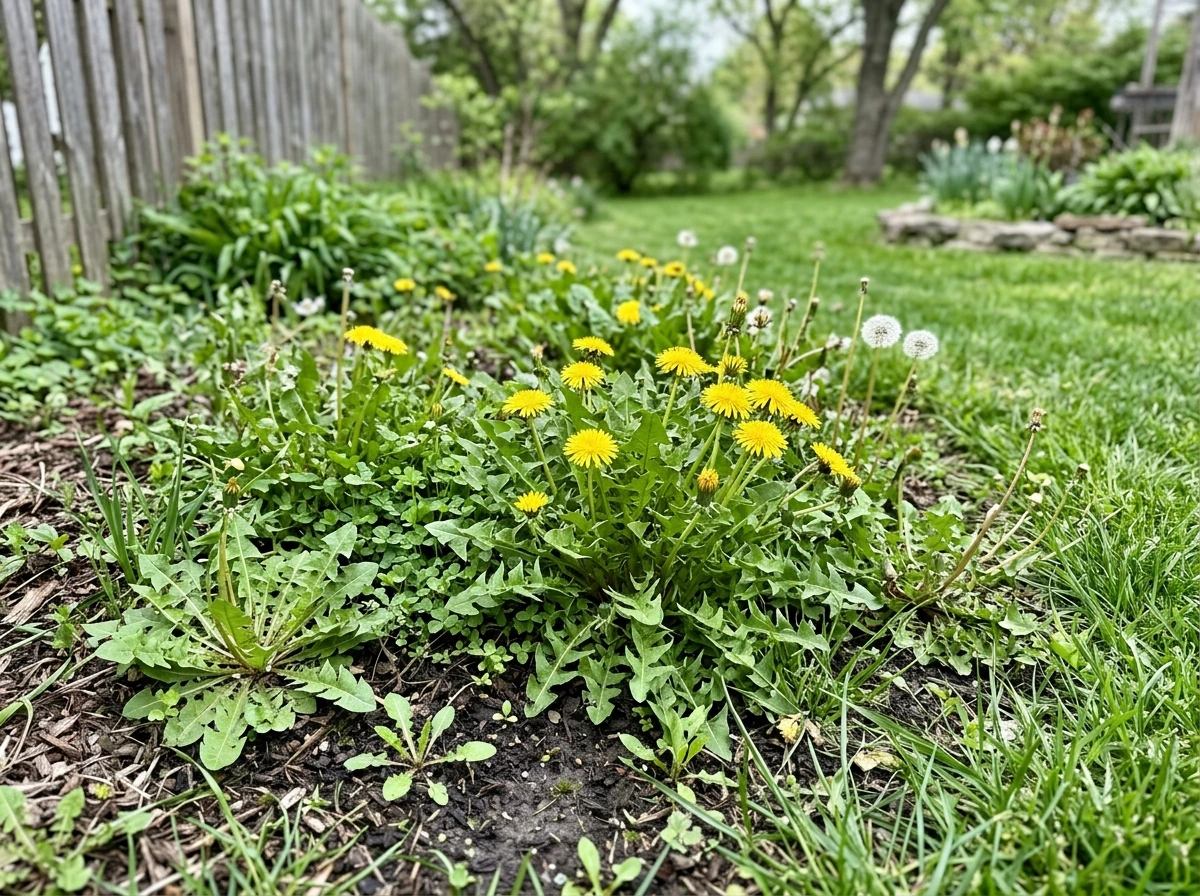
Dandelions spread by seed (those familiar white puffballs, technically called clocks), and each plant can produce hundreds of seeds per season. If you want to contain your patch, deadhead flowers before they go to seed. Cut flower stalks at the base as soon as the yellow petals fade. This is the most important management step if you're worried about spread into neighboring lawns or gardens.
How to harvest and use your dandelions
Harvesting leaves
Young leaves harvested before flowering are the mildest and most palatable, similar in bitterness to arugula or radicchio. Harvest in the morning when leaves are most crisp. Cut outer leaves first to keep the plant producing, or cut the whole rosette at the base. Spring and fall harvests are generally less bitter than summer harvests because heat increases bitterness. If you want very mild leaves, try blanching: cover the plant with a pot or a layer of straw for a week or two before harvest to reduce light exposure and tone down the flavor.
Harvesting roots
Dandelion roots are harvested for roasted dandelion root tea or as a coffee substitute. For the best root mass, harvest in fall of the plant's second year or later, when the taproot has had time to bulk up. Use a garden fork or narrow spade to loosen the soil and extract as much of the root as possible. Roots are typically 6–18 inches deep, so don't be surprised if it takes some digging.
Flowers
Dandelion flowers are edible and can be used in fritters, salads, infused oils, or dandelion wine. Peak flowering in most climates occurs when temperatures are in the 60–70°F range, which typically means late spring and early fall in temperate zones. Harvest flowers in the morning when they're fully open.
Ornamental use
Some gardeners deliberately include dandelions in wildflower or pollinator gardens. They're among the earliest spring flowers and are a critical early food source for bees before most other plants bloom. If you're using them ornamentally, allow some flowers to go to seed to sustain the patch, but keep an eye on spread beyond your intended area.
Common problems and how to fix them
Slow or poor germination
The most common reason dandelion seeds don't germinate is burying them too deep. Seeds pressed too far into the soil don't receive enough light and simply won't sprout. Keep seeds at or just barely below the surface. Soil temperature also matters, germination is fastest between 50–65°F. In cold, heavy soil below 45°F, germination can stall for weeks. If you're sowing in early spring, be patient, or wait until soil warms a bit.
Transplant failure
Transplanted dandelions that wilt and die are almost always victims of taproot damage. If you snapped or lost most of the root during digging, the plant likely won't recover. Water immediately after transplanting and provide shade for a few days using a cloth or upturned pot. If the plant goes limp, it may still come back from root fragments left in the ground, give it a couple of weeks before giving up.
Pests
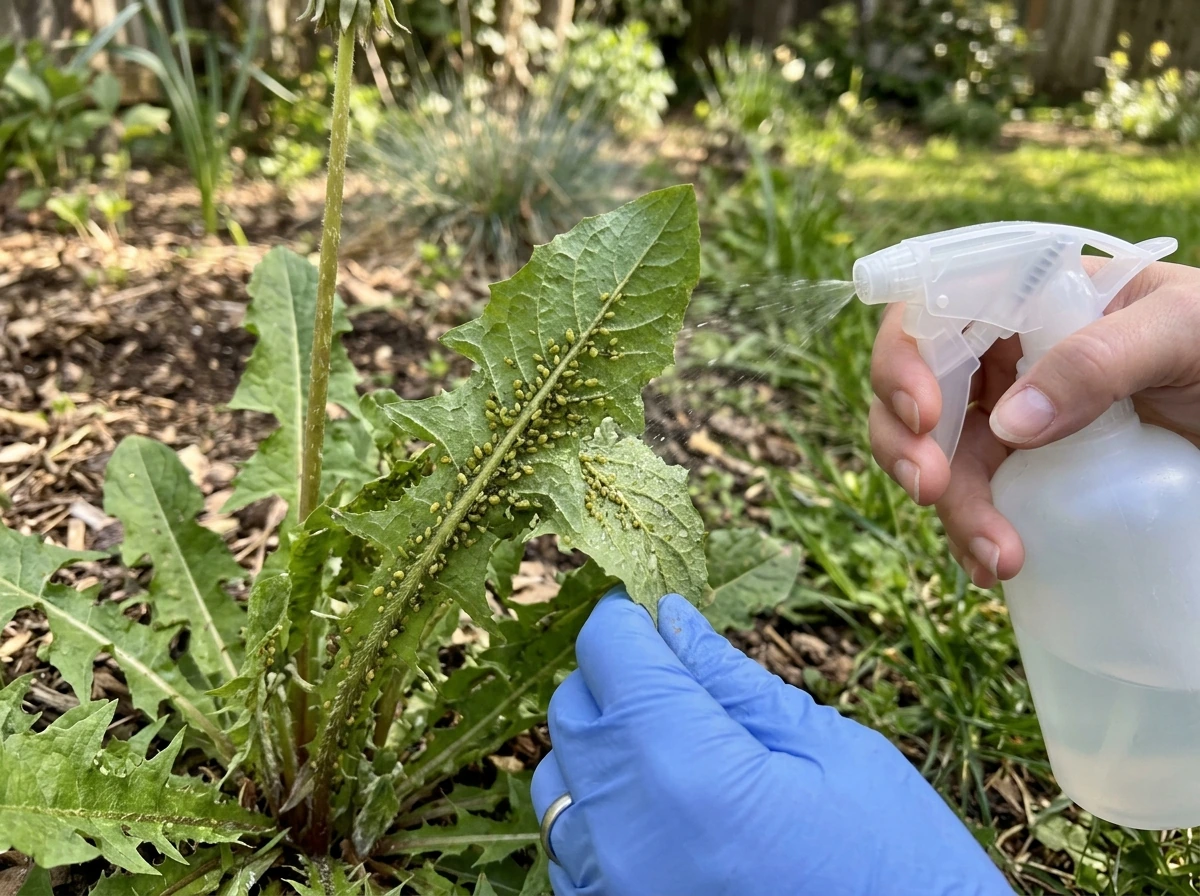
Dandelions have relatively few serious pest problems, which is one of the reasons they're so persistent. Aphids occasionally colonize stems and undersides of leaves, a strong spray of water knocks most of them off. Slugs and snails can damage young seedlings in wet climates (Pacific Northwest, Gulf Coast). Use iron phosphate slug bait or set beer traps around new plantings if slugs are a known issue in your garden.
Invasive spread concerns
Let's be honest about this: dandelions spread aggressively. Each mature plant can produce 200 or more seeds per season, and those seeds travel well. This isn't a reason to avoid growing them, but it is a reason to manage them deliberately. Deadheading before seed set, containing your patch with edging or a raised bed, and harvesting regularly all help keep spread under control. If you share a fence line with a neighbor who keeps a manicured lawn, a conversation about your plans and a commitment to deadheading goes a long way.
Region-specific feasibility across US states and zones
Dandelions are genuinely one of the most geographically flexible plants you can grow. But there are real differences in how you approach them by region, so here's how to think about it for your specific climate.
Northern states (zones 3–5): MN, ND, WI, MI, NY, VT, ME, WY, MT
Dandelions thrive here and are already naturalized everywhere. As a perennial, they'll overwinter without any protection and return vigorously in spring. Plant in early spring as soon as soil is workable, or fall-sow 6–8 weeks before your first frost. Spring leaf harvests here are exceptional, mild temperatures keep leaves tender and less bitter. Root harvests in October are ideal because the plants have had a full season to bulk up.
Mid-Atlantic and Midwest (zones 5–6): PA, OH, IN, IL, MO, KS, VA, NC
Both spring and fall planting windows work well here. You'll get two productive leaf-harvest seasons (spring and fall) with summer heat causing a slowdown in palatability. In the Midwest, fall planting (September) often gives better results than spring because seedlings establish in cool weather and are fully rooted before winter. Roots overwinter reliably in zones 5–6 without any mulching.
Southeast (zones 7–9): GA, AL, MS, SC, FL, TN, AR, LA
In the Southeast, dandelions are best grown as a cool-season crop. Fall planting (September to October) is strongly preferred over spring, because plants establish before heat arrives and produce through the mild winter months. In Florida and the Gulf Coast (zone 9+), plants may decline in summer heat but often re-establish from root crowns in fall. Consider them a fall-through-spring edible in these regions.
Pacific Coast and Northwest (zones 7–10): CA, OR, WA
The Pacific Northwest is excellent dandelion country, mild, moist winters and cool springs are ideal. Plants grow vigorously and can be harvested nearly year-round. In coastal California, fall planting works best. In the Central Valley (zones 9–10), summer heat limits production, so treat them as a cool-season crop from October through April.
Desert Southwest (zones 8–10): AZ, NM, NV, UT desert areas
This is the trickiest region for dandelions, but not impossible. Plant in October through February and harvest through spring. Established plants survive summer with regular deep watering and afternoon shade in the hottest zones. Mulching around established plants (not over new seeds) helps retain moisture in dry summer conditions. Expect a real slowdown from June through September.
Where to go from here
The honest bottom line: dandelions are one of the most forgiving plants you can intentionally grow. If you're in the US, the question is never really whether dandelions can grow where you live, it's about how to grow them productively and keep them where you want them. Grab a packet of cultivated seed (or collect your own from nearby wild plants), pick a sunny, well-drained spot, press the seeds lightly into the surface, keep them moist until they sprout, and you'll have dandelions in a matter of weeks. From there, it's just a matter of harvesting regularly and cutting flowers before they seed if you want to stay in control. If you're wondering how to grow marshmallows, you'll want a different approach than dandelions, since they come from the marshmallow plant rather than the seeds you spread like weed greens.
If you're curious about other easy-to-overlook plants that are simpler to grow than most people expect, it's worth exploring guides on plants like catnip, another perennial herb that thrives in similar conditions and overlaps nicely with a pollinator or edible garden setup.