Yes, you can grow THCA-producing cannabis plants in North Carolina, but the legal path runs through hemp licensing, not recreational cannabis law. North Carolina’s industrial hemp pilot program governance was repealed effective June 30, 2022, and hemp cultivation governance was transferred to USDA AMS for producer information and requirements blank" rel="noopener noreferrer">industrial hemp pilot program governance repealed effective June 30, 2022 and transferred to USDA AMS. The key is keeping your crop's delta-9 THC concentration at or below 0.blank" rel="noopener noreferrer">3% on a dry weight basis, which is exactly how NC defines hemp under Chapter 90 of the North Carolina Controlled Substances Act. Stay under that threshold, work within the state's hemp program, and you're growing legally. Go over it, and you're growing marijuana, which is still a controlled substance in NC. That one number drives every decision in this guide.
Can You Grow THCA in NC? Legality and Grow Guide
North Carolina legality basics for THCA cultivation
North Carolina's hemp program is governed by the NC Department of Agriculture and Consumer Services (NCDA&CS). Under Session Law 2022-32 (as amended by S.L. 2022-73), hemp and hemp-derived products are permanently excluded from the NC Controlled Substances Act as long as delta-9 THC does not exceed 0.3% on a dry weight basis. That's the federal line too, carried over from the 2018 Farm Bill.
To grow hemp legally in NC, you need to register with NCDA&CS as a hemp grower. This applies whether you're planting one raised bed or a half-acre outdoor plot. The registration requires a site plan, GPS coordinates of your grow, a background check, and an application fee. Without registration, any cannabis plant you grow, regardless of THC level, is legally exposed. The state also requires pre-harvest testing within 30 days of your anticipated harvest date, performed by an approved lab or NCDA&CS inspector, to confirm THC compliance.
One more thing worth noting: THCA-specific products exist in a nuanced legal space right now. The FDA has not approved hemp-derived THCA for sale as a food additive or dietary supplement, and NC law doesn't carve out special rules for THCA flower beyond the hemp framework. If you're growing for personal use and staying registered, you're in the clearest legal position. If you're thinking about selling THCA flower, talk to an attorney familiar with NC hemp law before you start.
What THCA actually is (and why it's not the same as THC)
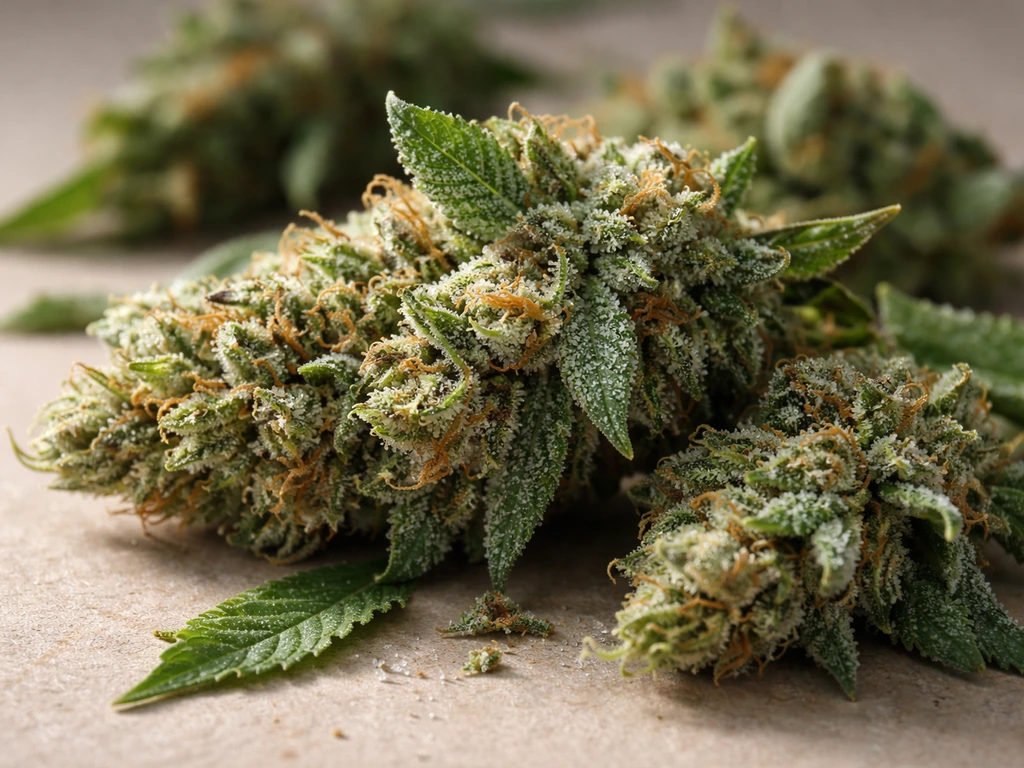
THCA stands for tetrahydrocannabinolic acid. It's the raw, non-psychoactive precursor to THC found in living and freshly harvested cannabis plants. The plant doesn't produce THC directly. It produces THCA, and when you apply heat (smoking, vaping, cooking), a process called decarboxylation converts THCA into delta-9 THC. Until that heat is applied, THCA itself doesn't produce the psychoactive effects associated with marijuana.
This distinction matters enormously for cultivation and compliance. A plant can test very high in THCA while still registering under 0.3% delta-9 THC on a dry weight basis, which means it qualifies as legal hemp under NC and federal definitions. This is why THCA hemp flower has become popular: growers cultivate strains that are high in THCA but technically legal because their delta-9 THC stays below the threshold. When you're selecting strains and monitoring your crop, you're specifically watching the delta-9 number, not the THCA number.
It's also worth understanding that THCA converts to THC naturally over time and with UV light exposure, a process called oxidation or degradation. This is partly why post-harvest handling matters so much, which I'll cover later. Thinking about how to grow delta-8 follows a similar legal framework since delta-8 is another cannabinoid derivative that sits in a comparable regulatory gray zone, but THCA hemp flower is currently the more common cultivation target for NC home growers.
NC's climate: can your growing zone actually support this?
North Carolina spans USDA hardiness zones 5b (far western mountains) through 8b (coastal plain and Outer Banks), so where you are in the state matters quite a bit. The good news is that most of NC falls in zones 7a to 8a, which are genuinely well-suited to outdoor cannabis cultivation. The piedmont and coastal plain regions get long, warm growing seasons with last frost dates typically ranging from late March in the piedmont to mid-February near the coast.
Cannabis is a photoperiod plant, meaning it flowers when day length shortens. In NC, days begin shortening meaningfully after the summer solstice (June 21), and most photoperiod strains will initiate flower by mid-August to early September. That gives you a harvest window of late September through early November depending on strain and location. The piedmont and coastal plain regions are ideal for this timing. The western mountains are trickier because of early frost risk (frost can arrive by late September at higher elevations), shorter seasons, and cooler overnight temperatures during flowering.
Humidity is the biggest climate challenge in NC. The state's summer humidity, particularly east of the Blue Ridge, creates serious risk for botrytis (bud rot) and powdery mildew during flowering. Choose strains with mold resistance, maximize airflow around plants, and consider that your harvest timing may need to move earlier rather than later if you see humidity spiking. Late September through October in the NC piedmont can bring rainy stretches that devastate dense flower if you're not watching closely.
Setting up your grow: what you actually need
Strains and seeds
Start with feminized hemp seeds or clones specifically bred for high THCA expression and delta-9 THC compliance. Strains commonly used by NC hemp growers include Cherry Wine, Special Sauce, Sour Space Candy, and newer high-THCA cultivars specifically bred to stay under 0.3% delta-9 while producing THCA percentages in the 15-25% range. Source seeds from a licensed hemp seed supplier and get the Certificate of Analysis (COA) confirming the genetics are from compliant stock. Don't start with random cannabis seeds, because you have no guarantee where the delta-9 THC will land at harvest.
Indoor vs outdoor
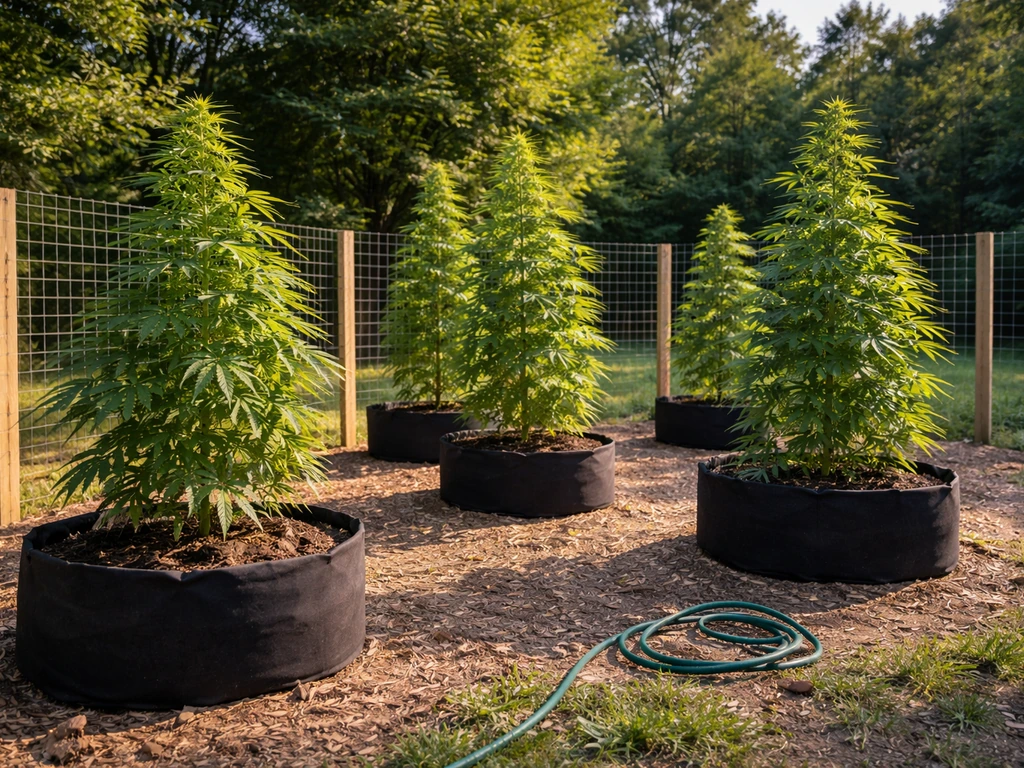
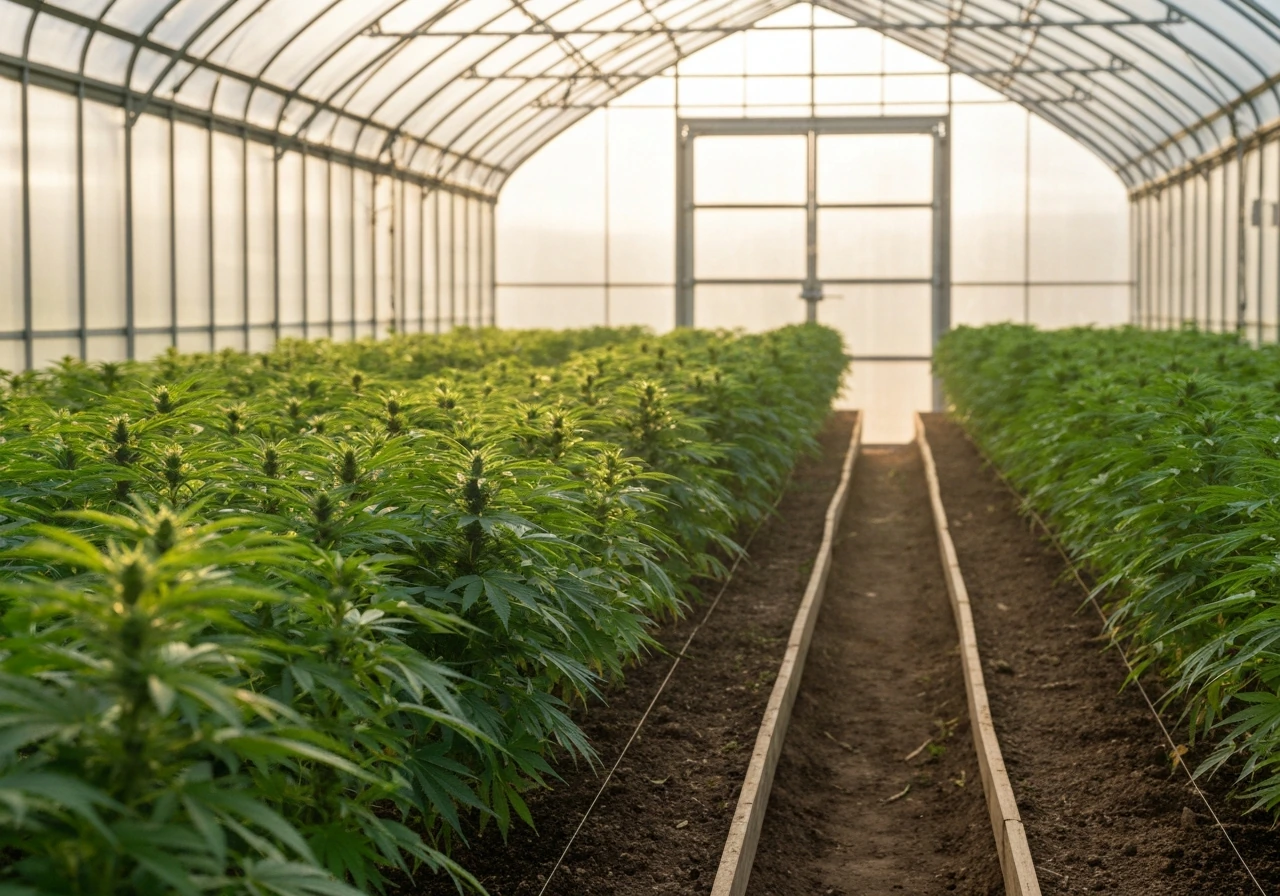
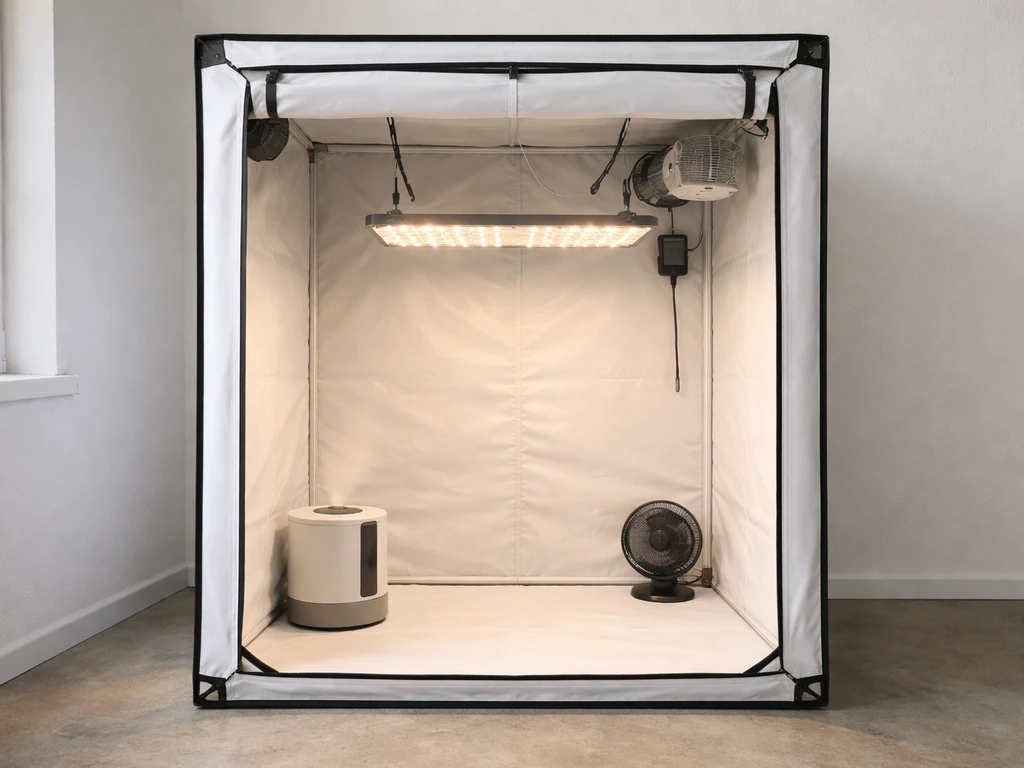
Outdoor growing in NC's piedmont or coastal regions is very viable from May through October. You get free sunlight, lower costs, and plants that can get large (5-8 feet tall) with significant yield potential. Indoor growing gives you year-round control, the ability to run autoflower strains on your own light schedule, and better protection from NC's humidity and mold pressure. If you're a home grower doing a small personal grow, a 4x4 or 5x5 indoor tent with an LED grow light (600-1000W equivalent) is a clean, controllable option. For a small-scale outdoor operation, 10-25 plants spaced 4-6 feet apart is manageable for a first-year grower.
Soil, fertilization, and irrigation
Cannabis thrives in well-draining, slightly acidic soil, with an ideal pH between 6.0 and 7.0. In NC, native clay soils in the piedmont need significant amendment: work in compost, perlite, and aged bark to improve drainage and aeration. A raised bed or large fabric pot (15-25 gallons for outdoor plants) lets you control soil quality precisely. For fertilization, cannabis is a heavy feeder during vegetative growth (high nitrogen) and needs a shift toward phosphorus and potassium during flowering. Organic slow-release fertilizers work well for outdoor grows; indoor growers often use liquid nutrient systems for more precise control. Drip irrigation or soaker hoses reduce foliar moisture and help manage mold pressure, especially important in NC's humid summers.
Spacing and layout
Outdoor plants need at minimum 4 feet of spacing in all directions, and 6 feet is better for larger photoperiod varieties. Good airflow between plants is your first line of defense against the bud rot that NC humidity encourages. Orient rows north-south if possible for even sun exposure, and avoid planting in low spots where cold air and moisture pool. For indoor grows, one plant per square foot is a common density for a sea-of-green setup, or one plant per 4 square feet for larger trained plants.
Step-by-step growing timeline
- Weeks 1-2 (Germination): Germinate seeds in a warm, moist environment, 70-85°F. A seedling heat mat helps. Plant in small starter pots once the taproot shows.
- Weeks 2-6 (Seedling/Early Veg): Keep seedlings under 18+ hours of light indoors or transplant outdoors after last frost (mid-April to early May in the NC piedmont). Water lightly and avoid overfeeding at this stage.
- Weeks 6-12 (Vegetative Growth): Outdoor plants grow rapidly in NC's summer heat. Feed with nitrogen-heavy nutrient regimen, train plants using low-stress training (LST) or topping to increase canopy coverage and future yield.
- Mid-August to Early September (Flower Initiation): Photoperiod plants begin flowering as days shorten. Outdoors, this happens automatically. Indoors, switch your light schedule to 12 hours on / 12 hours off.
- Weeks 8-12 of Flower (Late September to Late October): Trichomes develop and THCA accumulates. Monitor plant health daily for mold. Reduce nitrogen, increase phosphorus and potassium. Watch trichome color under a jeweler's loupe — cloudy trichomes with some amber indicate peak ripeness.
- Harvest Window (Late October to Early November for most NC piedmont grows): Harvest before extended rain or significant cold arrives. Cut plants at the base or harvest branch by branch.
Harvesting, drying, curing, and keeping THCA where you want it
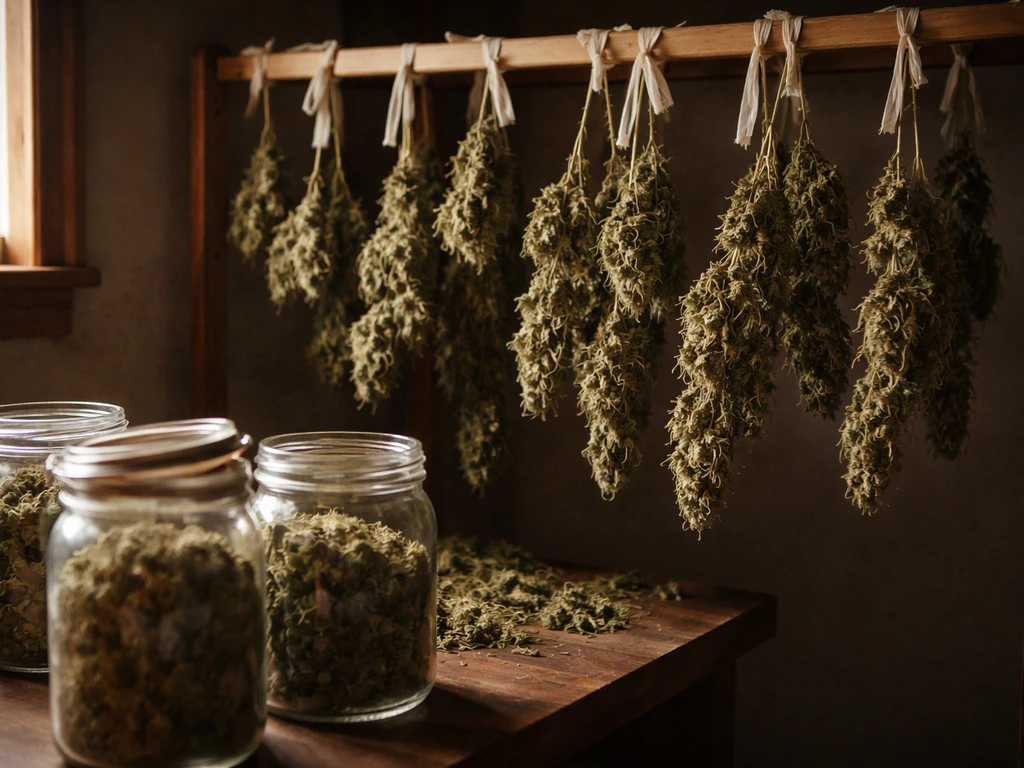
Once you cut the plant, your job is to dry it slowly and keep THCA from converting to delta-9 THC through degradation. Hang whole branches or trimmed buds in a dark, well-ventilated space at 60-70°F with 45-55% relative humidity. NC's fall weather can cooperate here, but watch humidity levels carefully. A small dehumidifier and fan in your drying space often makes the difference. Drying typically takes 7-14 days depending on bud density and ambient conditions. Buds are dry enough to cure when the small stems snap rather than bend.
Curing happens in sealed glass jars. Pack buds loosely, filling jars about two-thirds full. For the first two weeks, open jars twice daily for 10-15 minutes to release moisture (this is called burping). After two weeks, burp once daily, then once every few days for another two to four weeks. A proper cure brings out aroma, smooths the smoke, and stabilizes the cannabinoid profile. Keep curing jars away from light, heat, and temperature swings, all of which accelerate THCA-to-THC conversion and degrade your cannabinoid content.
THCA is most preserved at low temperatures, in the dark, away from oxygen. If you're storing cured flower for more than a few months, vacuum-sealed containers in a cool dark location extend shelf life significantly. Exposure to heat or prolonged UV light will gradually decarboxylate your THCA into THC, which is fine if that's your intent but relevant to your compliance picture.
Comparing indoor vs outdoor for NC THCA hemp growers
| Factor | Outdoor (NC Piedmont/Coastal) | Indoor |
|---|---|---|
| Cost | Low (sunlight is free) | Higher (lights, electricity, equipment) |
| Yield potential | High (large plants possible) | Moderate (space-limited) |
| Mold/humidity risk | High (NC summers are humid) | Low (you control environment) |
| Season flexibility | One outdoor crop per year | Multiple cycles possible |
| THC compliance control | Harder (weather variables) | Easier (stable environment) |
| Best for | Small-scale registered hemp growers | Home growers wanting year-round control |
For most first-time NC growers, starting outdoors in the piedmont or coastal plain with 5-10 registered plants is the most practical entry point. You'll spend less on equipment, learn the plant's natural rhythm, and get a feel for NC's specific climate challenges before investing in an indoor setup.
Risks, compliance testing, and the mistakes that get growers in trouble
The single biggest legal risk for NC hemp growers is a crop that tests over 0.3% delta-9 THC at pre-harvest inspection. This is called a "hot" crop, and under NC rules, it must be destroyed. Strains marketed as THCA hemp can be genetically close to marijuana and can drift over the threshold if environmental stress pushes the plant's cannabinoid expression, if harvest is delayed, or if your seeds weren't what the supplier claimed. To manage this risk, only source seeds or clones from licensed, reputable suppliers with documented COAs. Test your plants yourself at an independent lab 4-6 weeks before your intended harvest, before the mandatory state inspection window. If you catch a problem early, you may have time to harvest before THC climbs further.
Here are the most common mistakes that get NC growers into compliance trouble or just produce poor results:
- Buying seeds without COAs or from unlicensed sources, which gives you no genetic guarantee
- Skipping NCDA&CS registration because the grow is small, which provides zero legal protection regardless of THC level
- Harvesting late because you wanted bigger yields, which allows THCA-to-THC conversion and risks a hot test
- Poor humidity management during flowering and drying, leading to botrytis (bud rot) that ruins harvest
- Not doing an independent pre-harvest lab test before the state inspection window
- Storing dried flower improperly, which degrades THCA and shifts the cannabinoid profile
On the cultivation side, pest pressure is a real issue in NC. Spider mites, aphids, and caterpillars (hemp russet mite is increasingly common in the Southeast) can damage plants significantly. Integrated pest management using neem oil, insecticidal soap, and beneficial insects is your best approach, since many synthetic pesticides are not approved for hemp and will create problems if residues show up in lab testing.
Growing cannabis plants requires patience and attention to detail that's not too different from other demanding specialty crops. If you've ever tried to grow dandelions intentionally for harvest, you know that even plants considered weeds have specific conditions for optimal yield. Hemp is far more demanding, especially when your goal is a specific cannabinoid profile.
Your next steps if you want to start growing in NC
Here's exactly what to do if you're ready to move forward. First, go to the NCDA&CS website and start your hemp grower registration. Budget time: the application, background check, and approval process can take several weeks, so start this now rather than in April when planting season pressure hits. Second, identify 2-3 reputable hemp seed suppliers, confirm they carry high-THCA cultivars with current COAs showing delta-9 THC compliance, and order feminized seeds in the quantity you need plus about 20% extra for germination loss. Third, decide on indoor or outdoor based on your space and risk tolerance, and get your grow setup (soil amendments, containers or raised beds, irrigation) in place before seeds arrive.
If you're growing outdoors in the NC piedmont, your planting window after last frost is typically mid-April to mid-May. That gives you this season to work with if you start your registration now. Line up an independent hemp testing lab in advance so you're not scrambling when pre-harvest test time comes. Good options exist in the Raleigh-Durham research corridor and through several university extension programs in NC.
Growing THCA hemp in NC is genuinely feasible with the right setup. The climate is cooperative for most of the state, the legal framework is clear if you register and stay under the THC threshold, and the cultivation approach is straightforward once you understand what you're managing. The combination of NC's warm growing season, long photoperiod summers, and well-established hemp extension resources makes this one of the better southeastern states for this crop. The work is real, but so is the reward when you pull a clean, compliant harvest in October.
One last thing worth saying: hemp cultivation sits alongside a surprisingly wide range of specialty and unconventional crops that NC growers are exploring. If you're curious about other plants that might seem unusual to cultivate but are worth trying in the right conditions, reading up on whether you can grow catnip or even thinking through growing marshmallow root (the actual herb, not the candy) shows that NC's climate is more versatile than most gardeners realize. The same zone 7-8 conditions that support THCA hemp support a lot of interesting cultivation projects.
FAQ
Can you grow THCA in NC without registering if it will test below 0.3% delta-9 THC?
No. In North Carolina, failing to register exposes your plants to legal risk even if your target cannabinoid profile stays compliant. The state requires hemp grower registration and follows the crop through the pre-harvest testing process, so compliance starts before you plant.
What happens if my crop tests “hot” for delta-9 at the pre-harvest inspection?
If the state inspection finds delta-9 THC above the 0.3% dry-weight limit, the crop is treated as marijuana and must be destroyed under NC rules. Practically, this is why you should do your own independent lab test 4 to 6 weeks before the mandatory inspection window and be ready to adjust timing if results trend upward.
Is THCA the only thing I need to track, or do I still need to manage delta-9 during cultivation?
You still have to manage delta-9 directly. THCA content alone is not what determines hemp status in NC, it is the measured delta-9 THC percentage on a dry weight basis. Because cannabinoid expression can drift (and THCA can degrade toward THC over time), monitor closer to harvest than you would for a crop that only cares about total biomass.
Do I need a specific “THCA flower” strain, or will any hemp cultivar with high THCA work?
To stay safe, use genetics from reputable suppliers that provide documentation (COAs) showing the material is intended to meet the delta-9 compliance target. Also, don’t assume one batch’s past performance guarantees your plants will match, so still plan for your own pre-harvest testing.
Can I grow THCA hemp indoors year-round in NC, and does the legal threshold work the same way?
Yes, indoor cultivation can be done year-round, and the hemp legality still depends on meeting the NC delta-9 threshold on a dry weight basis. The bigger indoor advantage is tighter control of humidity and growth conditions, which can reduce stress-related cannabinoid drift and mold risk during flowering.
How does harvest timing affect whether my THCA crop stays under 0.3% delta-9?
Harvest timing matters because cannabinoid levels can increase with delayed harvest, and post-harvest handling affects how much THCA converts toward THC. If you see early signs of stress, extended flowering, or weather-driven delays, run lab testing earlier than planned so you have options before you reach the state inspection window.
Does drying and curing make THC compliance worse, even if the live plant was compliant?
It can. If your drying or curing conditions are too warm, too humid, or exposed to light and oxygen for too long, THCA can decarboxylate or degrade toward THC. Your best defense is the cool, dark, controlled humidity drying approach described in the article, plus consistent curing habits (including limiting heat and light exposure).
Are seeds different from clones when it comes to staying compliant in NC?
Both can be compliant, but clones tend to be more consistent genetically, while seeds can vary. If you use seeds, variability is a real edge case, so you should treat independent lab testing as non-negotiable and avoid assuming that seed lots will behave identically to marketing claims.
Can I sell THCA flower, or is that where the legal risk jumps?
Selling is much higher risk than personal growing. The article notes that THCA hemp has nuanced rules and that the FDA has not approved hemp-derived THCA for food additive or dietary supplement use, and NC law does not create a broad carve-out just because a product is THCA-focused. If selling is your goal, consult a North Carolina attorney before you invest, especially around labeling, testing, and distribution.
What’s a common reason growers accidentally exceed the delta-9 limit?
One frequent cause is genetics or source quality, such as using random seeds with unknown THC compliance characteristics. Another is cultivation stress or schedule slip, for example letting plants go past the planned harvest window or failing to address humidity and disease issues that can alter cannabinoid expression and timing of degradation.
If I’m doing a small personal grow, what is the safest way to reduce compliance mistakes?
Stay registered, use genetics with current documentation from reputable suppliers, and build a testing plan. A practical approach is to schedule an independent lab test 4 to 6 weeks before your expected harvest so you can decide whether to harvest earlier, rather than relying only on the mandatory state pre-harvest inspection.
Grow marshmallow plant at home: soil, sun, timing, seed vs root steps, harvest for candy, plus US zone feasibility.
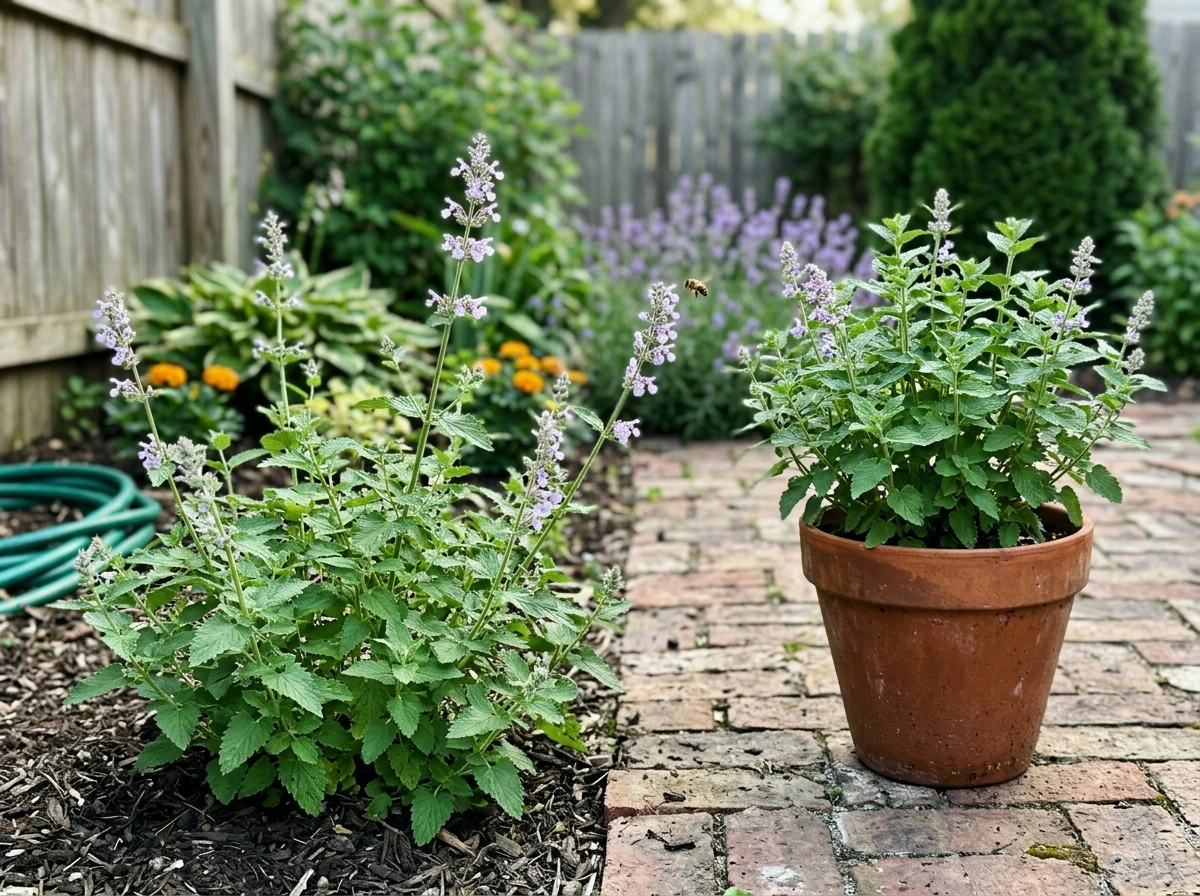
Step-by-step guide to grow catnip indoors or outdoors in the US, with light, soil, watering, and cat-safe harvesting tip
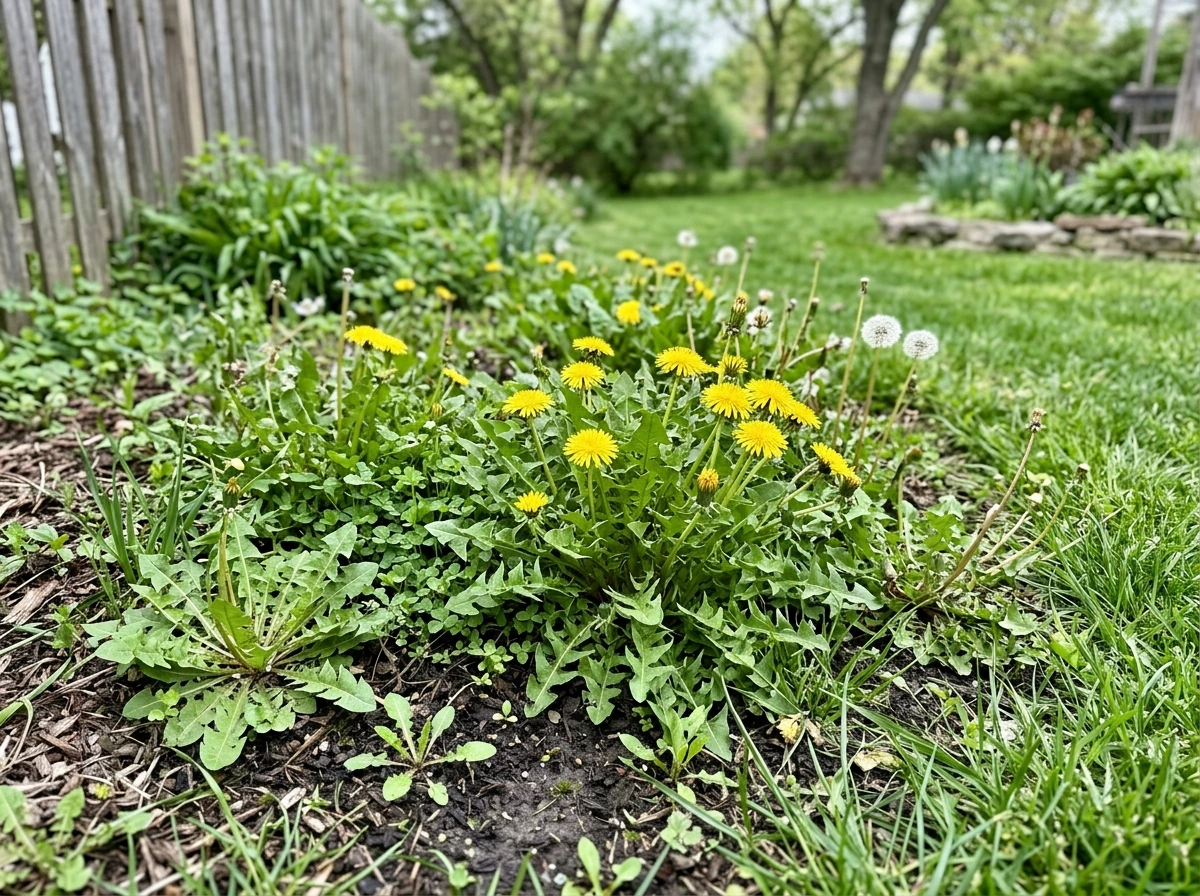
Yes, grow dandelions at home in the US with simple seed or transplant steps, care tips, and harvest guidance.