You cannot grow a plant that produces delta-8 THC the way you grow tomatoes or even hemp flower. Delta-8 THC exists in cannabis plants only in trace amounts, and what's sold as 'delta-8 flower' is almost always regular hemp flower that has been sprayed or coated with a delta-8 distillate made through a chemical conversion process in a lab. So if your question is 'can I grow delta-8 in my backyard,' the honest answer is: not really. You can grow hemp, and hemp can be a starting point for delta-8 production, but the actual delta-8 part happens in a processing facility, not a garden.
Can You Grow Delta-8 at Home? What’s Legal and Possible
Marcus Holloway
13 May 2026
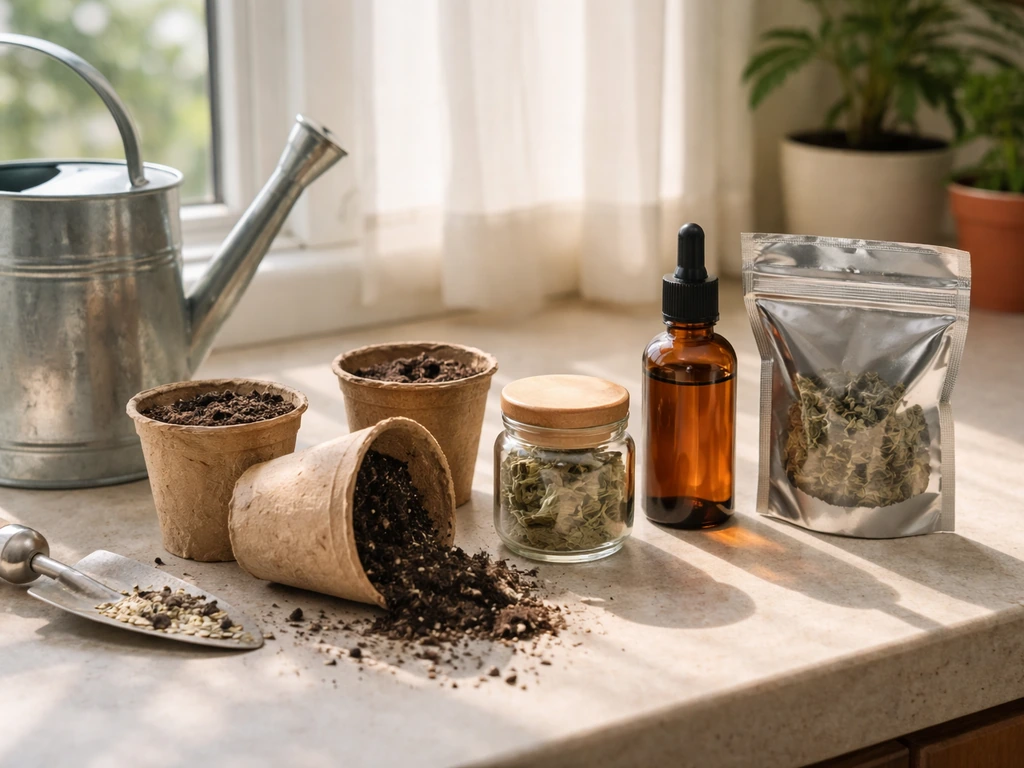
Plants vs. products: what you can actually grow
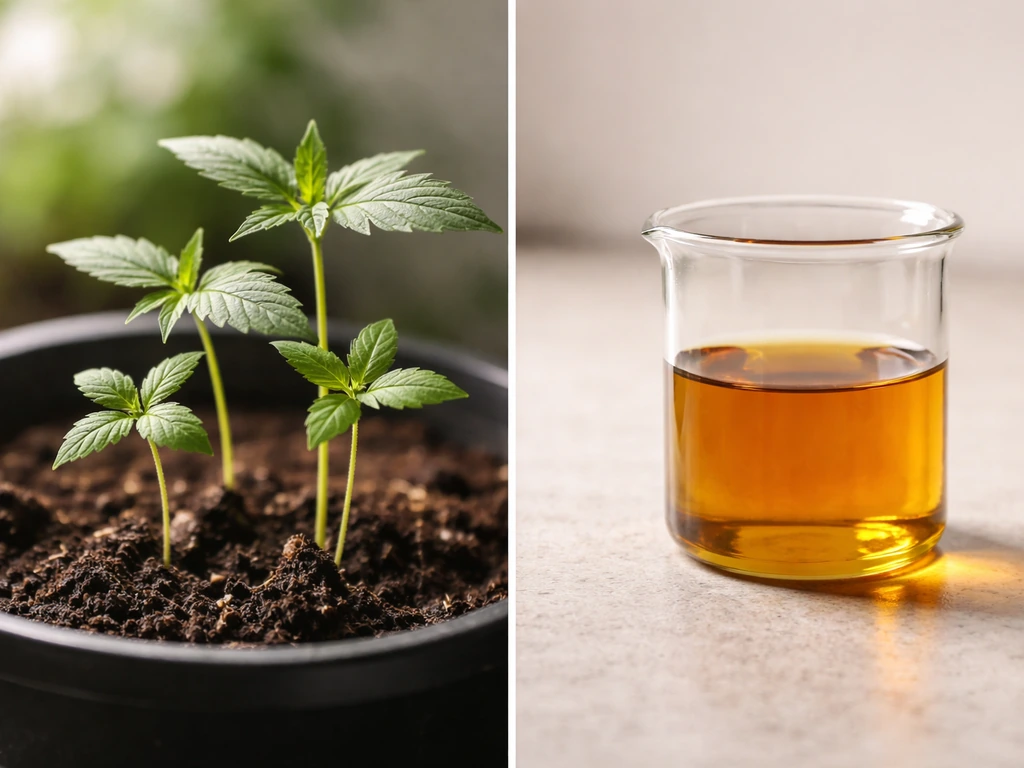
Hemp (Cannabis sativa) is the plant at the root of this. Under the 2018 Farm Bill, hemp is legally defined as cannabis with a delta-9 THC concentration of no more than 0.3% on a dry-weight basis. You can, in principle, grow hemp plants that contain CBD and other cannabinoids that can later be converted into delta-8 THC through a chemical process. But growing the plant is just the first step, and a small one at that.
Delta-8 THC occurs naturally in cannabis at concentrations typically below 1%, often far less. There is no commercially available hemp cultivar that produces meaningful amounts of delta-8 on its own. The delta-8 products you see on shelves are made by taking CBD isolate or CBD-rich hemp extract, then using acid-catalyzed isomerization (a chemical reaction) to convert the CBD into delta-8 THC. That process requires lab equipment, chemical reagents, and technical expertise. It is not something you do in a kitchen or a shed, and attempting it at home carries serious safety and legal risks.
What 'delta-8 flower' actually is
When you see 'delta-8 flower' at a hemp shop or online, it is almost always CBD hemp flower that has been infused or sprayed with delta-8 distillate after harvest. Some products use kief or concentrate mixed in as well. There is no such thing as a 'delta-8 strain' that you plant and harvest with high delta-8 content straight off the plant. So if someone is selling you 'delta-8 seeds' or 'delta-8 hemp seeds' with the implication that you'll grow a high-delta-8 plant, that claim does not hold up to scrutiny. What you'd be growing is hemp, which contains CBD that could theoretically be processed later, not a plant that naturally yields delta-8 flower.
Is it legal? The state-by-state reality
This is where things get complicated fast, and where you really need to know your state's specific rules. Federal law does not explicitly ban delta-8 THC derived from compliant hemp, but the DEA's stance has created ongoing legal ambiguity, and the FDA has stated clearly that delta-8 THC products have not been evaluated or approved for safe use and that their production can introduce potentially harmful contaminants. The FDA has even issued warning letters to companies selling delta-8 distillates and products, flagging them as unapproved under the Federal Food, Drug, and Cosmetic Act.
At the state level, delta-8 rules vary widely. Some states have explicitly banned delta-8 THC, some allow it freely, and others sit in a gray zone with little guidance. Growing hemp itself also requires a license in every state, and producing or extracting cannabinoids for sale involves a separate layer of licensing and compliance.
| Category | Examples | Delta-8 Status |
|---|---|---|
| States that have explicitly banned delta-8 | Alaska, Colorado, Delaware, Idaho, Iowa, Minnesota (as of 2023 law), Montana, New York, Nevada, North Dakota, Oregon, Rhode Island, Utah, Vermont, Washington | Illegal to sell, possess, or produce |
| States with generally permissive delta-8 rules | Alabama, Georgia, Indiana, Kansas, Missouri, New Hampshire, New Mexico, North Carolina, South Carolina, Tennessee, Texas, Wisconsin, Wyoming | Delta-8 products generally available; hemp growing requires a license |
| States with medical/recreational cannabis that address delta-8 separately | California, Illinois, Michigan | Regulations vary; some restrict hemp-derived delta-8 specifically |
| States with unclear or developing rules | Many others | Check your state hemp program for current guidance |
This table is a general snapshot and state laws change. Several states that once allowed delta-8 have since restricted it, and the reverse has happened too. Always verify with your state's department of agriculture or hemp program before making any decisions.
Growing hemp vs. producing delta-8: different rules
Even in states where delta-8 products can be sold, growing hemp legally requires a license under both federal USDA rules and your state hemp program. The USDA's final rule for domestic hemp production covers licensing, recordkeeping, THC testing procedures, and disposal requirements for non-compliant plants. You cannot simply plant hemp in your yard and call it legal cultivation in any US state. Beyond growing, processing hemp into delta-8 distillate involves additional licensing, compliance with state manufacturing or processing rules, and in many cases, third-party lab testing requirements.
Three real pathways for growers
Pathway 1: Licensed hemp cultivation (if you're serious about the supply chain)
If you're a small-scale farmer in a state where hemp cultivation is permitted and delta-8 processing is legal, you can apply for a hemp grower license through your state's department of agriculture (which works within the USDA framework). You'd grow hemp for CBD content, then contract with a licensed processor to extract and convert that CBD into delta-8 distillate. This is a real agricultural and business venture, not a home hobby, and it comes with acreage fees, testing requirements, and the risk of crop disposal if your plants test over the 0.3% delta-9 THC threshold.
Pathway 2: Home growing is not a viable route to delta-8
If you're a home gardener curious about growing delta-8 the way you might grow herbs or specialty crops, this path doesn't work in practice. If what you meant was “can you grow marshmallows,” the answer is very different, since marshmallows come from plants like marsh mallow rather than cannabinoid production home gardener curious about growing delta-8. Even if you grew a beautiful hemp plant legally in a permissive state, converting its CBD into delta-8 at home would require chemicals and equipment that pose real safety hazards, and it would almost certainly put you outside your state's legal framework for delta-8 production. This is categorically different from growing something like catnip or dandelions, where the plant itself is what you want. If your real goal is to grow a safe backyard herb, you can grow catnip instead of trying to grow delta-8. With delta-8, the plant is just a raw material for a chemical process.
Pathway 3: Buy compliant products where legal
For most people reading this, buying third-party tested, lab-verified delta-8 products from a licensed retailer in a state where delta-8 is legal is the practical route. Look for products with a current certificate of analysis (COA) from an accredited lab that confirms both delta-8 content and the absence of harmful residual solvents or conversion byproducts. The FDA's concern about potentially harmful contaminants from the conversion process is real, so skipping lab-verified products is a genuine risk.
What hemp-to-delta-8 production actually involves
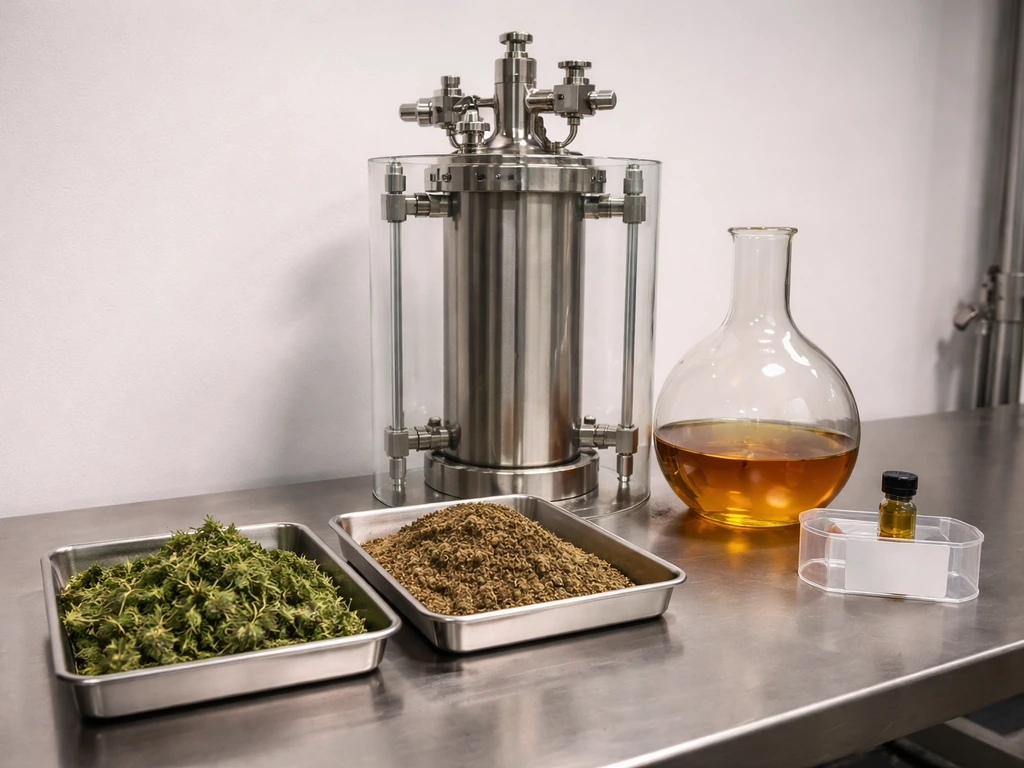
Without going into a step-by-step breakdown (which would be inappropriate outside a licensed commercial context), here is what the process involves at a high level. First, hemp biomass with high CBD content is grown and harvested. CBD is then extracted, typically using CO2 or ethanol extraction, and refined into a CBD isolate or broad-spectrum concentrate. That CBD is then chemically converted to delta-8 THC using an acid catalyst in a controlled lab environment. The resulting distillate is tested, refined further, and then used in products or applied to hemp flower. Each stage requires equipment, expertise, and regulatory compliance. The FDA has flagged that this process can produce harmful byproducts if not done correctly, which is why purchasing from reputable, lab-tested sources matters.
How to check what's actually legal where you live right now
Laws around hemp and delta-8 have been moving fast. A rule that was true in your state two years ago may not be true today. Here is the checklist I'd work through to get a clear answer for your specific situation.
- Go to your state's Department of Agriculture website and search for 'hemp program' or 'industrial hemp.' Every state with an active hemp program has a dedicated page.
- Look for whether your state has a USDA-approved state hemp plan or operates under the federal USDA plan, since this affects what documentation you'd need to grow.
- Search your state legislature's website for any bills or statutes passed after 2020 referencing 'delta-8' or 'hemp-derived cannabinoids,' since many state-level changes have happened since then.
- Check your state's hemp program FAQ or guidance documents specifically for processor and manufacturer licensing if you're interested in any kind of extraction or production.
- If you're in a state that borders others with different rules (like North Carolina, which borders states with stricter laws), verify that transportation and possession across state lines stays compliant with both states' rules.
- For any commercial activity (growing, processing, selling), consult a licensed attorney with hemp or cannabis regulatory experience in your state before spending any money.
If you're in North Carolina specifically, growing hemp for cannabinoid production is an active and evolving space worth digging into with your county extension office and the NC Department of Agriculture's Industrial Hemp Program. Similar research applies if you're in other hemp-friendly Southern states where small-scale hemp farming has picked up traction.
The bottom line for home growers
Delta-8 is not something you grow the way you grow a plant. It's something that gets made from a plant through a regulated chemical process. If you want to be involved in that supply chain, the legal path starts with a hemp grower's license, not a seed packet. If you just want to use delta-8 products, checking whether they're legal in your state and buying from a lab-tested source is the right move. Either way, doing a current check on your state's rules before acting is non-negotiable, because the legal landscape as of mid-2026 is still actively shifting.
FAQ
Can I grow a delta-8 “strain” and harvest delta-8 flower like a normal crop?
If you mean “grow something that will naturally produce a high delta-8 harvest,” the practical answer is no. Delta-8 is present only in trace amounts in the plant, and what retail sells as delta-8 flower is usually hemp flower coated or infused after harvest. That means there is no true backyard cultivation path to “delta-8 strain” results.
If hemp grows legally, why can’t I convert the CBD to delta-8 myself at home?
“Delta-8” is typically made by converting CBD into delta-8 using an acid-catalyzed isomerization step. That step is both hazardous (chemicals and reaction control) and regulated, so trying it at home generally creates safety risks and can put you outside state and federal rules for cannabinoid manufacturing.
What happens if the hemp I grow tests above the 0.3% delta-9 limit?
Be careful with “delta-9 compliant” products. A hemp plant can still exceed allowed THC limits due to genetics, growing conditions, or testing timing. If your crop tests over the 0.3% delta-9 threshold, disposal or seizure can happen under USDA and state enforcement frameworks, even if your intent was legal hemp.
If delta-8 is legal to buy in my state, does that automatically mean I can grow and sell hemp-derived delta-8?
Not necessarily. Even where retail delta-8 is allowed, hemp cultivation usually still requires a hemp grower license, THC testing procedures, and recordkeeping. Separately, selling manufactured cannabinoid products typically requires additional licensing for processing or manufacturing, plus lab testing requirements.
Why is federal legality not enough to determine if I can grow or deal with delta-8 locally?
There is often a gap between what is technically legal at the federal level for compliant hemp and what is legal for delta-8 as a finished product in your state. Because state rules change quickly, you should confirm both (1) hemp cultivation rules and (2) whether delta-8 products are allowed, restricted, or banned.
What should I check on a delta-8 product COA to avoid contaminants?
Watch for missing or outdated COAs. A valid certificate of analysis should match the specific batch you are buying and should address not only potency (delta-8 content) but also residual solvents and potential byproducts from the conversion process. If a COA is not current or doesn’t test what matters, treat it as a higher risk purchase.
Is it just a legal issue, or are there real safety reasons not to attempt delta-8 conversion at home?
Home production methods also raise practical safety issues. Acid-catalyzed conversion reactions can generate unwanted impurities, and improper handling or neutralization can create hazardous waste. Even without detailing a method, the key point is that controlled lab conditions are usually required to reduce byproduct and residual chemical risks.
What is the best first step if I want to pursue legal hemp cultivation (even if I do not process it)?
If you plan to grow hemp for any downstream business, start with your state’s hemp program and county-level guidance, then confirm licensing steps and how testing is done. In many places, you must submit plans, follow cultivation rules, and expect an official THC test window rather than relying on your own estimates.
Next Articles
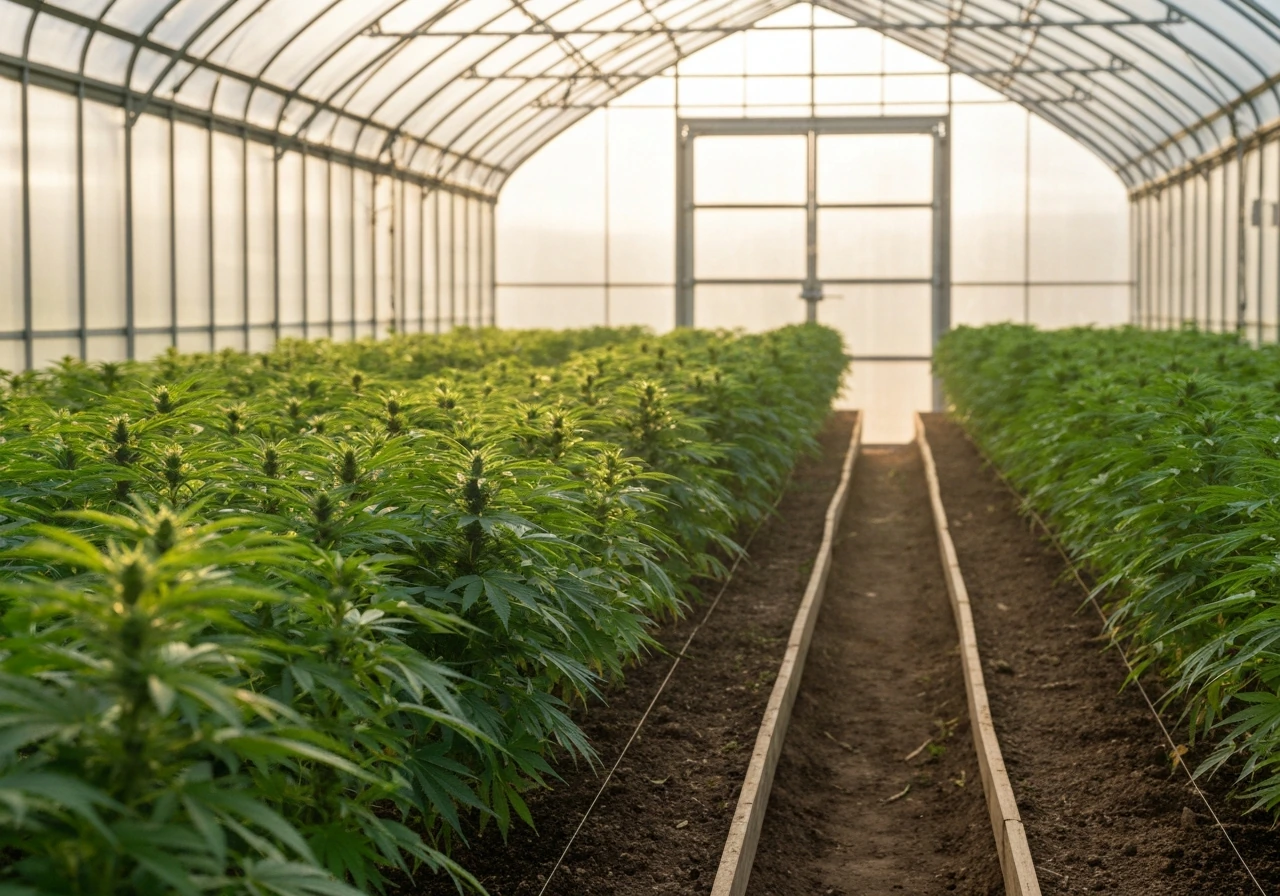
Can You Grow THCA in NC? Legality and Grow Guide
Learn if you can grow THCA in North Carolina, how to stay legal, and a step-by-step indoor or outdoor grow guide.
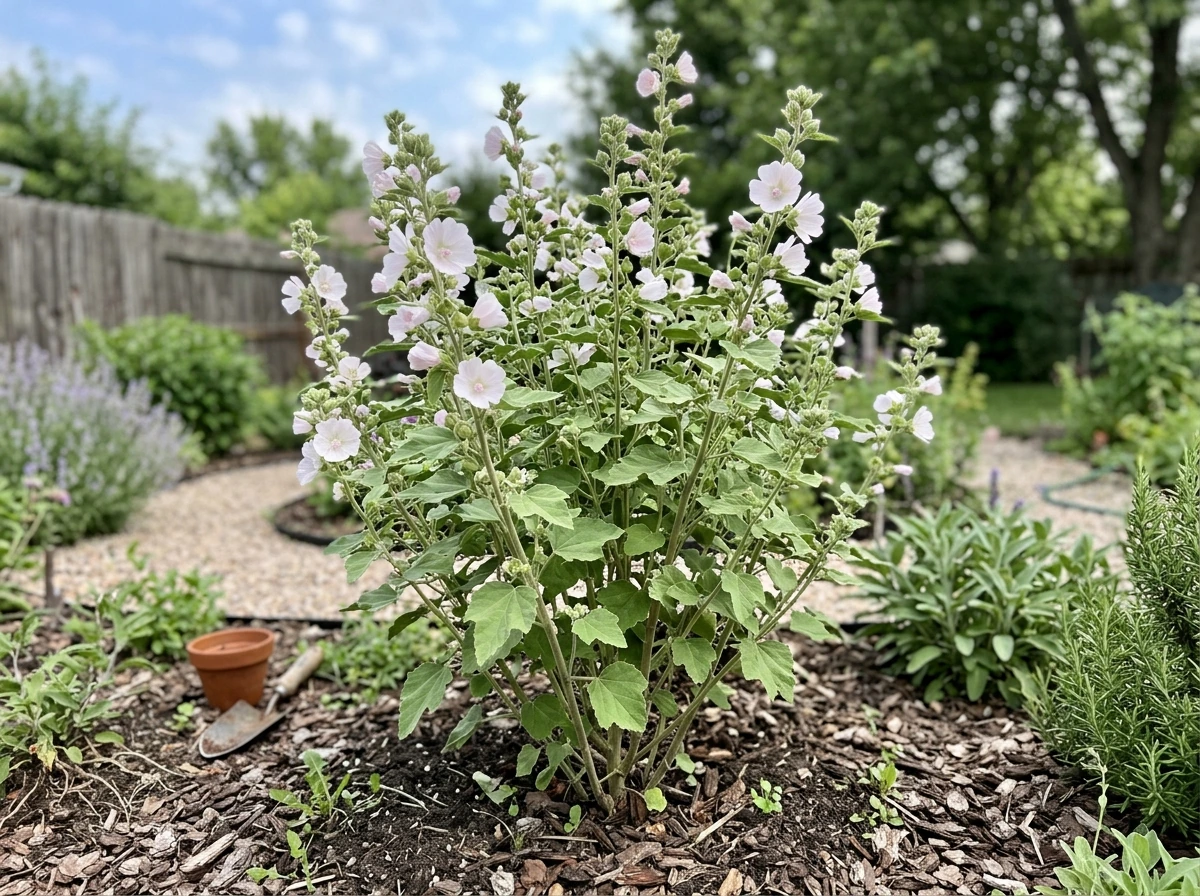
Can You Grow Marshmallows Plant at Home? Guide
Grow marshmallow plant at home: soil, sun, timing, seed vs root steps, harvest for candy, plus US zone feasibility.
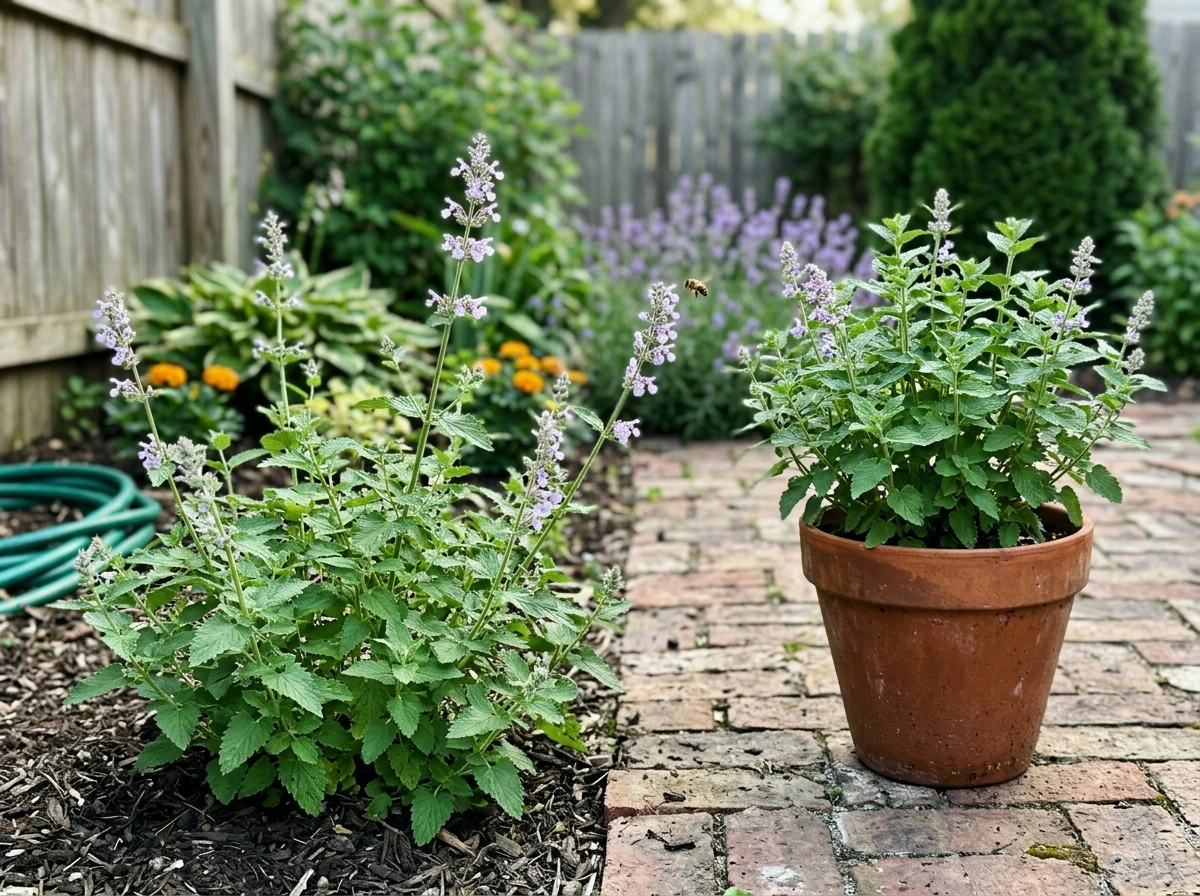
Can You Grow Catnip? Indoor and Outdoor Guide for US
Step-by-step guide to grow catnip indoors or outdoors in the US, with light, soil, watering, and cat-safe harvesting tip