
Yes, you can absolutely grow catnip. It is one of the easier herbs to cultivate, and it works well both indoors and outside across a wide range of US climates.. It is one of the easier herbs to cultivate, and it works well both indoors and outside across a wide range of US climates. Nepeta cataria is hardy in USDA zones 3 through 9, which covers the vast majority of the country, from the cold upper Midwest and New England all the way down through much of the South and West. If you are trying to figure out whether your specific region is a good fit, the short answer is: it probably is.
Can You Grow Catnip? Indoor and Outdoor Guide for US
Marcus Holloway
24 Mar 2026
Quick yes/no and where catnip fits best
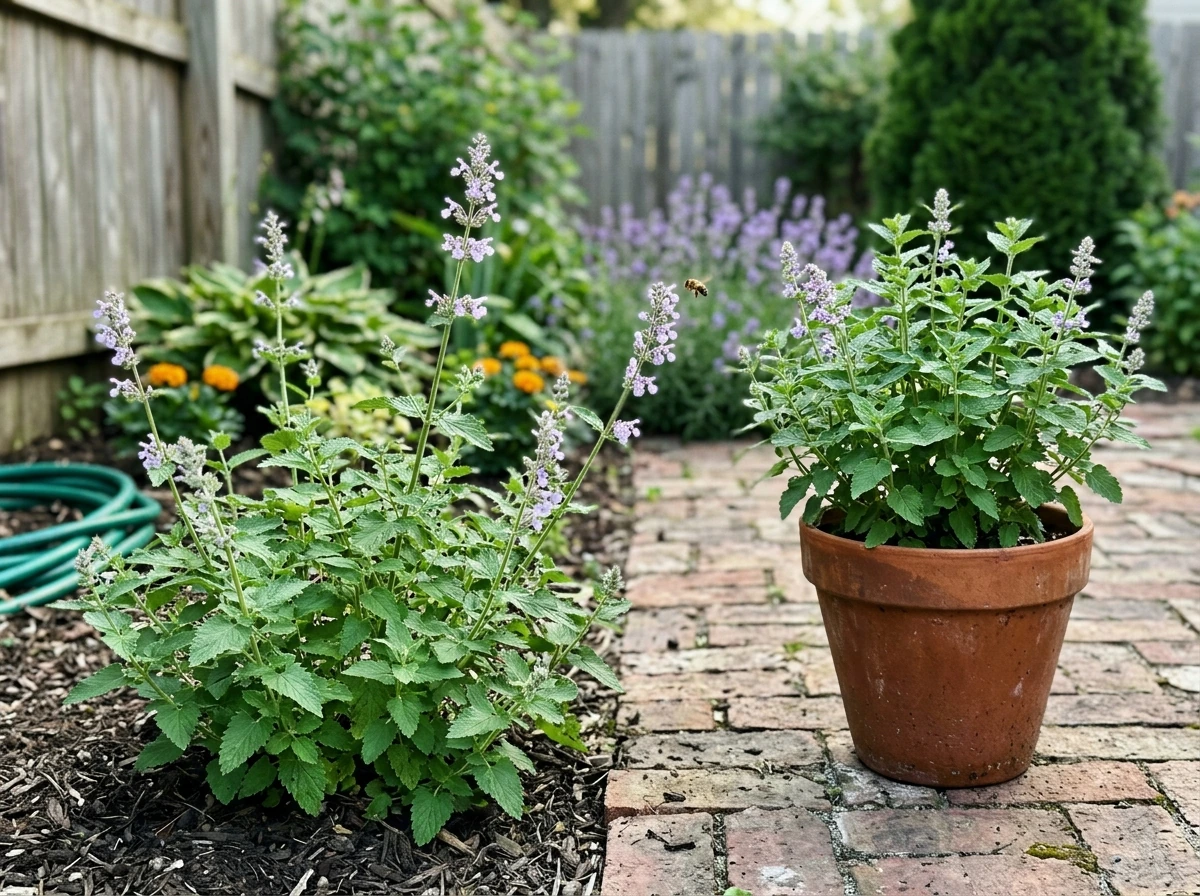
Catnip thrives in zones 3–9, meaning most US gardeners can grow it outdoors as a perennial that comes back every year. If you are in a warmer zone like 10 or 11 (think South Florida, Hawaii, or the low desert of Arizona), catnip can still be grown but it may behave more like an annual and will struggle with intense summer heat. In those regions, you can still grow it indoors or in a shaded outdoor spot during peak heat as a practical workaround, much like people ask, “can you grow delta-8” even when outdoor conditions aren’t ideal.
The plant is a full-sun lover that wants well-drained soil and a soil pH in the 6.5–7.0 range. It tolerates some drought once established, which makes it forgiving compared to many other herbs. If you are in zones 5–8 (covering states like Ohio, Virginia, Oregon, Colorado, and most of the mid-Atlantic and Pacific Northwest), you are in the sweet spot and can expect strong growth with very little fuss.
Growing catnip indoors: light, pot size, soil, watering
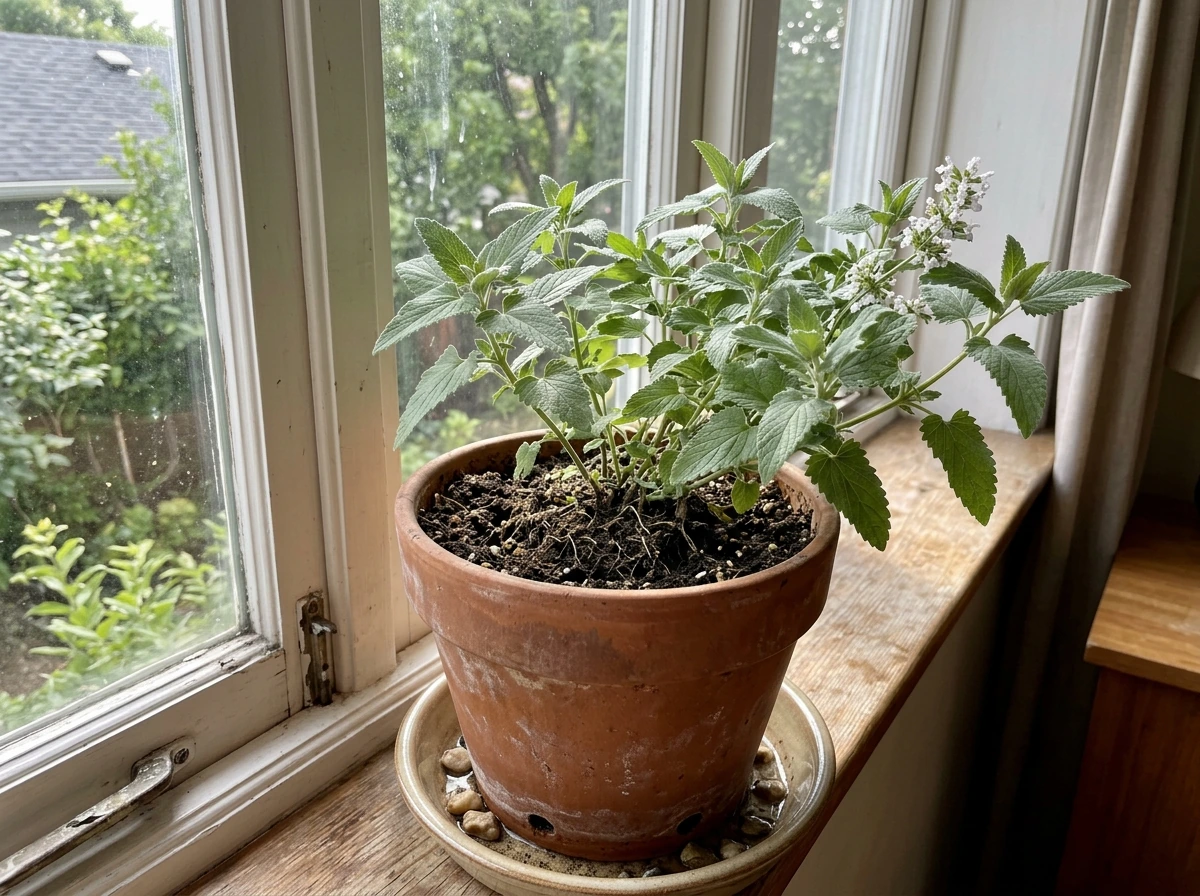
Catnip can absolutely live indoors, but light is the one thing you cannot skimp on. This plant wants full sun intensity, so a bright south-facing window is your minimum. If your windows are north or east-facing, or if you are in a low-light region during winter (think the Pacific Northwest or Upper Midwest from October through March), you will almost certainly end up with leggy, weak plants unless you use a grow light. A full-spectrum LED grow light positioned 4–6 inches above the plant for 14–16 hours a day solves this completely.
For containers, go with at least a 6-inch pot per plant, though an 8-to-10-inch pot gives the roots more room and reduces how often you need to water. Drainage holes are non-negotiable. Catnip does not like wet feet, and one of the most common failure modes indoors is a pot that holds water too long. Use a well-draining potting mix, ideally one with perlite mixed in. You can also use a mix designed for cacti or herbs, or just add about 20–25% perlite to a standard potting mix. Catnip actually does well in sandier, less rich soil, so do not reach for a heavy, moisture-retaining mix.
Water when the top inch of soil feels dry to the touch. That is it. In most indoor setups this works out to every 5–7 days depending on your pot size, humidity, and light level. After watering, make sure no water sits in the saucer for more than 30 minutes. If you are starting from seed indoors, sow 6–8 weeks before your last frost date. Catnip seeds need light to germinate, so press them gently into the surface of the soil and barely cover them, or do not cover them at all. Expect germination in roughly 7–14 days at 65–75°F.
Growing catnip outdoors: location, timing, soil, spacing
Outdoors, catnip is a low-maintenance perennial in zones 3–9. Pick a spot that gets at least 6 hours of direct sun per day. It does fine in average garden soil as long as drainage is good. If your soil is heavy clay, amend it with compost and coarse sand before planting. Target a soil pH of 6.5–7.0. If you do not know your soil pH, an inexpensive test kit from any garden center will tell you in minutes.
For timing, you have two practical options. You can start seeds indoors 6–8 weeks before your last frost date and transplant outside after the last frost has passed, or you can direct sow outdoors either 2–4 weeks before your last frost date (seeds can handle a light frost) or after the last frost in spring. You can also direct sow in early fall to let seeds overwinter and germinate the following spring. If you are buying a transplant from a nursery, just wait until after your last frost and plant it out.
Space plants 18–24 inches apart. Catnip spreads, so give it room. If you are direct sowing, plant seeds about 1/4 inch deep in rows spaced about 20 inches apart, then thin seedlings to 18–24 inches once they are established. Keep in mind that catnip can self-seed aggressively, so if you do not want it taking over a bed, deadhead the flowers before they go to seed or contain it with edging.
Growing catnip for your cat: safety, harvesting, and how to use it
Catnip (Nepeta cataria) is widely considered safe for cats. The main thing to watch for when growing it as a pet herb is pesticide residue. If you are using insecticidal soap or neem oil to manage pests (more on that below), allow several days after the last application before harvesting anything for your cat, and rinse harvested stems thoroughly. Never use systemic pesticides on plants intended for cat use.
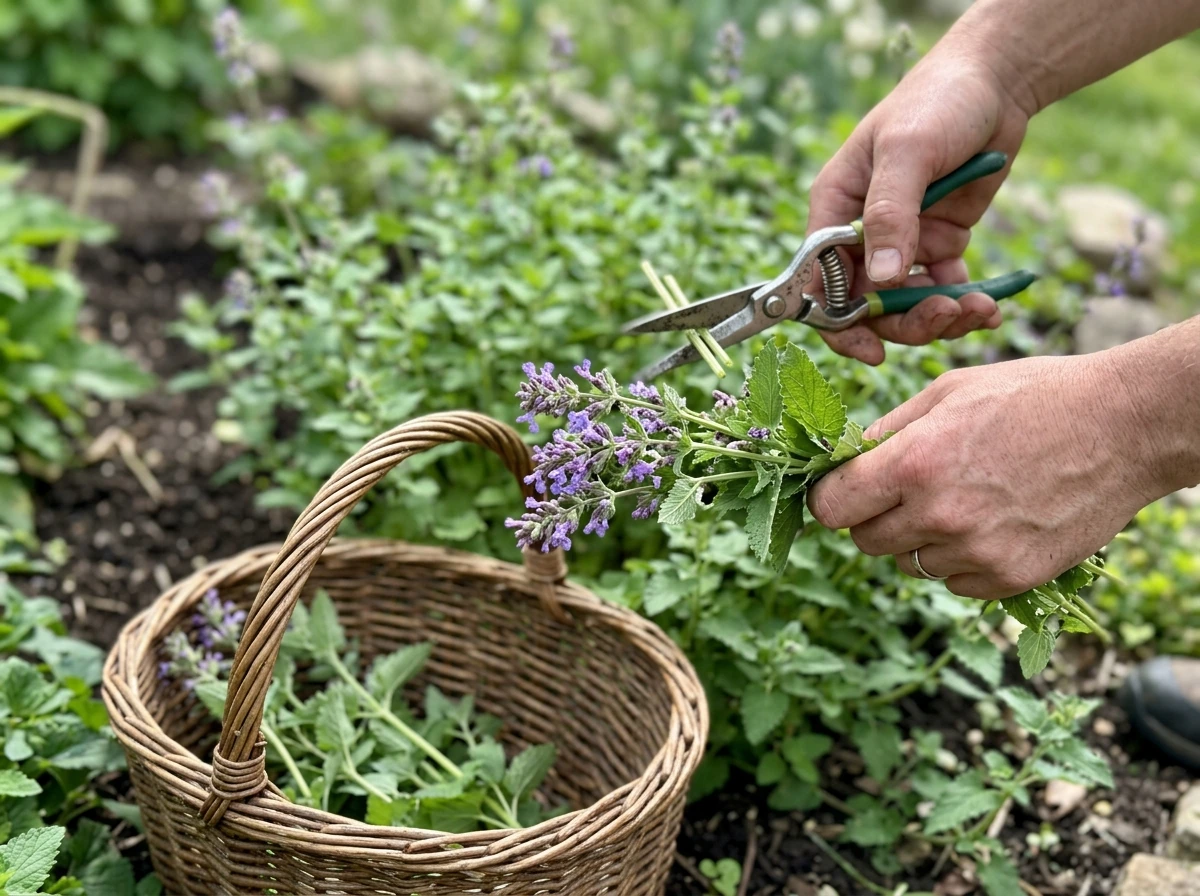
The best time to harvest for your cat is around flowering, typically mid-summer for outdoor plants. That is when the nepetalactone concentration (the compound that triggers the cat response) is highest. To harvest, cut whole stems close to the base rather than picking individual leaves. This gives you a usable amount and encourages the plant to regrow from the base. You can give fresh stems directly to your cat, or dry them by hanging the cut stems upside down in a warm, airy spot for about a week. Dried catnip stores well in an airtight container for several months.
One more practical tip: if you are growing catnip outdoors and you have cats, they will find it. Cats rolling in or chewing on the plant before it is established can kill young seedlings. Use a wire cage or a chicken wire cloche around new plants until they are at least 12 inches tall and have a solid root system. After that, most plants are tough enough to handle some feline attention.
Common problems and how to fix them
Leggy, weak growth
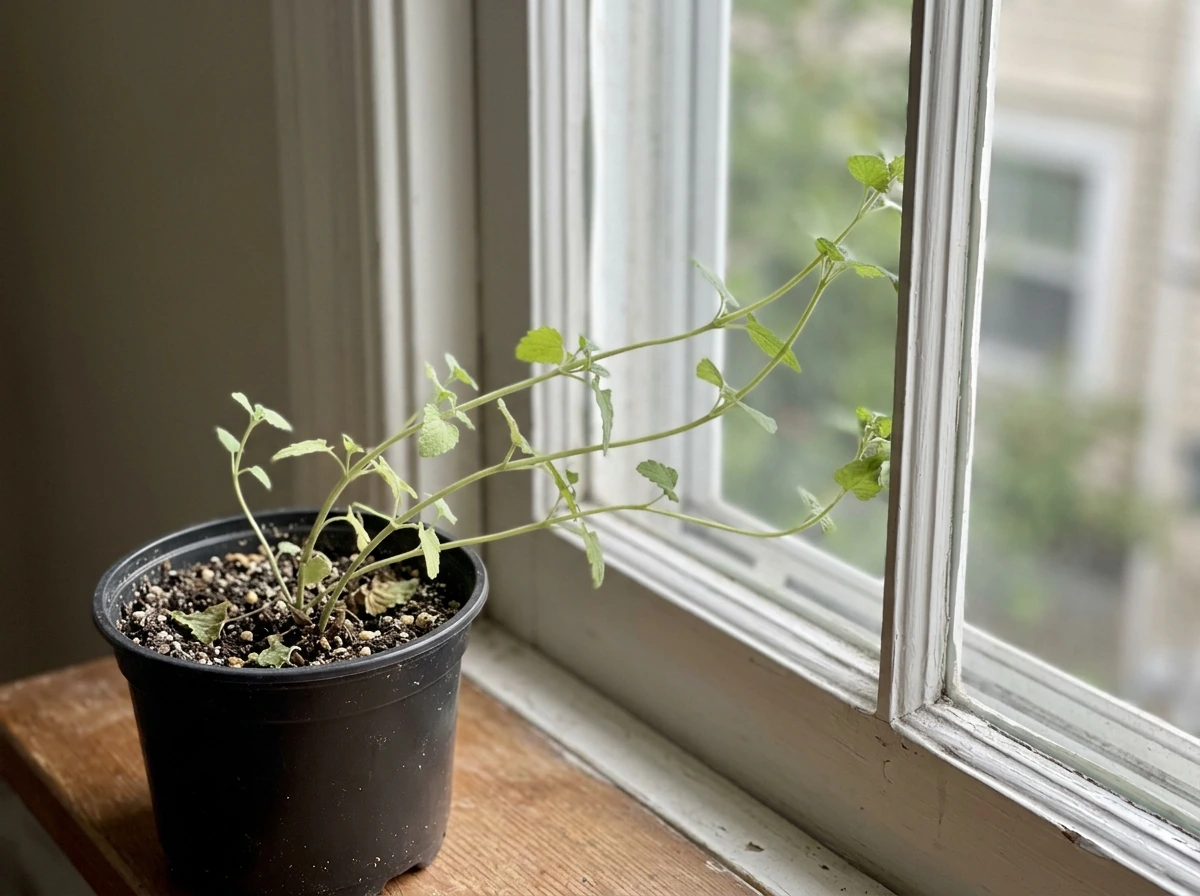
This is almost always a light problem, especially indoors. If your catnip is stretching toward the window, flopping over, or producing pale thin stems, it is not getting enough light. Move it to a brighter spot or add a grow light. Outdoors, leggy growth usually means the plant is in too much shade. Move it or prune nearby plants that are shading it.
Overwatering, mold, and root rot
Catnip wants moist but well-drained soil, not soggy soil. If you see yellowing leaves, wilting despite wet soil, or white mold on the soil surface, you are overwatering. Let the soil dry out more between waterings, improve drainage in your pot or garden bed, and if root rot has set in on a container plant, repot into fresh dry mix and cut away any blackened or mushy roots. Outdoors, make sure the planting area does not collect standing water.
Pests
Catnip can attract aphids, spider mites, and whiteflies, especially on indoor plants or in humid conditions. For soft-bodied insects like aphids and mites, insecticidal soap spray is effective and low-risk. Neem oil (azadirachtin-based) is another option for broader pest control. Apply either product in the evening to avoid burning leaves, and repeat every 5–7 days until the infestation clears. If you are growing catnip for your cat, wait at least 3–5 days after the last application and rinse stems before giving them to your pet.
Seeds not germinating
If your seeds are not sprouting after two weeks, the most likely cause is that you buried them too deep. Catnip seeds need light to germinate and should be surface-sown or barely covered with a thin dusting of soil. Try again with fresh seeds pressed gently into the surface, keep the temperature between 65–75°F, and maintain consistent moisture. Germination should follow within 7–14 days.
Low vigor in established plants
If a mature plant looks tired and is not putting out new growth, it may need to be cut back. After flowering, shearing the plant back by about half encourages a flush of fresh growth. If the plant is in a container, it may also be root-bound and need to be moved to a larger pot. A light feeding with a balanced, diluted liquid fertilizer (like a 10-10-10 at half strength) once in early spring can also help if your soil is notably poor.
Your beginner checklist: start today and know what to expect
Whether you are starting from seed or buying a transplant, here is a clear plan to follow right now. The timeline from seed to first harvest is about 90–120 days, so if you start indoors today (late March), you can realistically be harvesting for your cat by mid-to-late summer.
- Decide: indoors or outdoors? If you are in zones 3–9, outdoors is the easier long-term option. If you are in a high-heat zone or want year-round access, indoors with a grow light is your best bet.
- Gather supplies: catnip seeds or a nursery transplant, a 6–10 inch pot with drainage holes (for indoor), well-draining potting mix or perlite-amended mix, a spray bottle for watering seedlings, and optionally a full-spectrum grow light.
- Sow seeds indoors now (late March): press seeds onto the surface of moist potting mix, barely cover them or leave uncovered, place under a grow light or in your sunniest window, keep at 65–75°F, and expect sprouts in 7–14 days.
- Plan your outdoor transplant: count back from your last frost date. If your last frost is around May 15 (common in zones 5–6), you are right on schedule to start indoors now and transplant in mid-May.
- Harden off transplants: one week before moving seedlings outside, set them outdoors in a sheltered spot for increasing amounts of time each day to acclimate them to sun and wind.
- Transplant or direct sow outdoors after last frost: space plants 18–24 inches apart in a full-sun spot with well-drained soil at pH 6.5–7.0.
- Protect from cats until established: use a wire cloche or cage around young plants until they are at least 12 inches tall.
- Water consistently but do not overwater: check the top inch of soil before watering, whether indoors or out.
- Watch for first flowers (mid-summer, roughly 90–120 days from seed): this is your harvest window. Cut whole stems close to the base for your cat or to dry for storage.
- After harvest, cut the plant back by half to encourage a second flush of growth before fall.
Catnip is genuinely one of those plants that rewards beginners quickly. The most common mistakes (burying seeds too deep, overwatering, and not enough light indoors) are easy to avoid once you know about them. Get started now and you will have a healthy, harvestable plant well before summer is over. If you are wondering can you grow marshmallows, you can, but you will need the right kind of mallow plant and a careful setup to get sweet results.
FAQ
Can you grow catnip from cuttings instead of seeds?
Yes, but it is less consistent than seed. Take a 4–6 inch stem cutting from healthy growth, strip the lower leaves, and root it in a small pot with a lightly moist, well-draining mix. Keep it warm and bright (indirect light at first), and expect rooting to take a few weeks. Avoid starting cuttings in soggy soil, since catnip cuttings rot easily.
How often should you harvest catnip if you want it to keep growing?
If you harvest after flowering, cut whole stems back close to the base but do not remove more than about half the plant at once. This encourages a regrowth flush. For best results for your cat, rotate small harvests across the plant rather than stripping one area completely.
Will catnip survive winter outdoors in colder US regions (below Zone 3)?
It may not. In areas colder than USDA Zone 3, plan to treat catnip as a tender perennial or provide winter protection like a thick mulch layer and a sheltered location. For the most reliable approach, start plants indoors in early spring and move them outside after frost once your local temperature pattern is stable.
Is it normal for catnip to die back after harvest or after flowering?
Some dieback is normal, especially if you cut hard or if there is a hot, dry stretch. What matters is whether you see new shoots from the base within a couple of weeks. If the plant looks hollow, blackened at the base, or stops producing new growth, it could be root stress from excess moisture.
How can I tell if my catnip is getting enough light indoors besides stretching?
Check leaf color and stem thickness. Adequate light usually produces sturdier stems and a more compact shape, while low light often shows pale leaves and slower new growth. If you use a grow light, keep it at the right height and run it long enough, 14–16 hours daily is a practical baseline from the article.
What should I do if my catnip develops yellow leaves?
Yellowing commonly points to overwatering or poor drainage in containers. If soil stays wet beyond the top inch feeling dry, let it dry more between waterings and ensure the pot drains freely, also consider switching to a sandier mix with added perlite. If the plant is dry but still yellow, it may need better light before assuming it is a watering issue.
Can I fertilize catnip, and what type is safest for cat use?
You can, but keep it light. Excess fertilizer can lead to lush growth with less desirable potency. Use a diluted balanced liquid fertilizer in early spring only, and avoid later heavy feeding. Also, if you plan to harvest for a cat, stop feeding well before harvest and do not use any fertilizer close to when you will give stems.
How do I prevent catnip from taking over the garden?
Deadhead flowers before they go to seed, and consider installing physical barriers or using raised beds with edging. If you direct sow outdoors, the plants can self-seed aggressively, so plan for removal of volunteer seedlings the next season if you want to control spread.
Can I use neem oil or insecticidal soap if I want to harvest catnip for my cat right away?
Wait a few days after the last application and rinse harvested stems thoroughly before offering them. Also avoid any systemic pesticides, even if they are labeled for gardens, because residue can persist in plant tissues longer than contact treatments.
Why won’t my catnip seeds germinate even though I kept them moist?
The two biggest culprits are burying too deep and inconsistent temperature or light exposure. Press seeds gently to the surface (or barely cover), keep temperatures in the mid-60s to 70s, and make sure the soil surface stays evenly moist without drying out. If they still fail after about two weeks, try fresh seeds rather than repeatedly burying the same batch deeper.
My cat keeps eating seedlings, what is the best workaround?
Protect young plants until they are established, a wire cage or cloche works well. Place cages early, since cats can find plants quickly. Once seedlings are around 12 inches tall with a strong root system, the plant is usually tougher, though it may still be chewed occasionally.
Next Articles
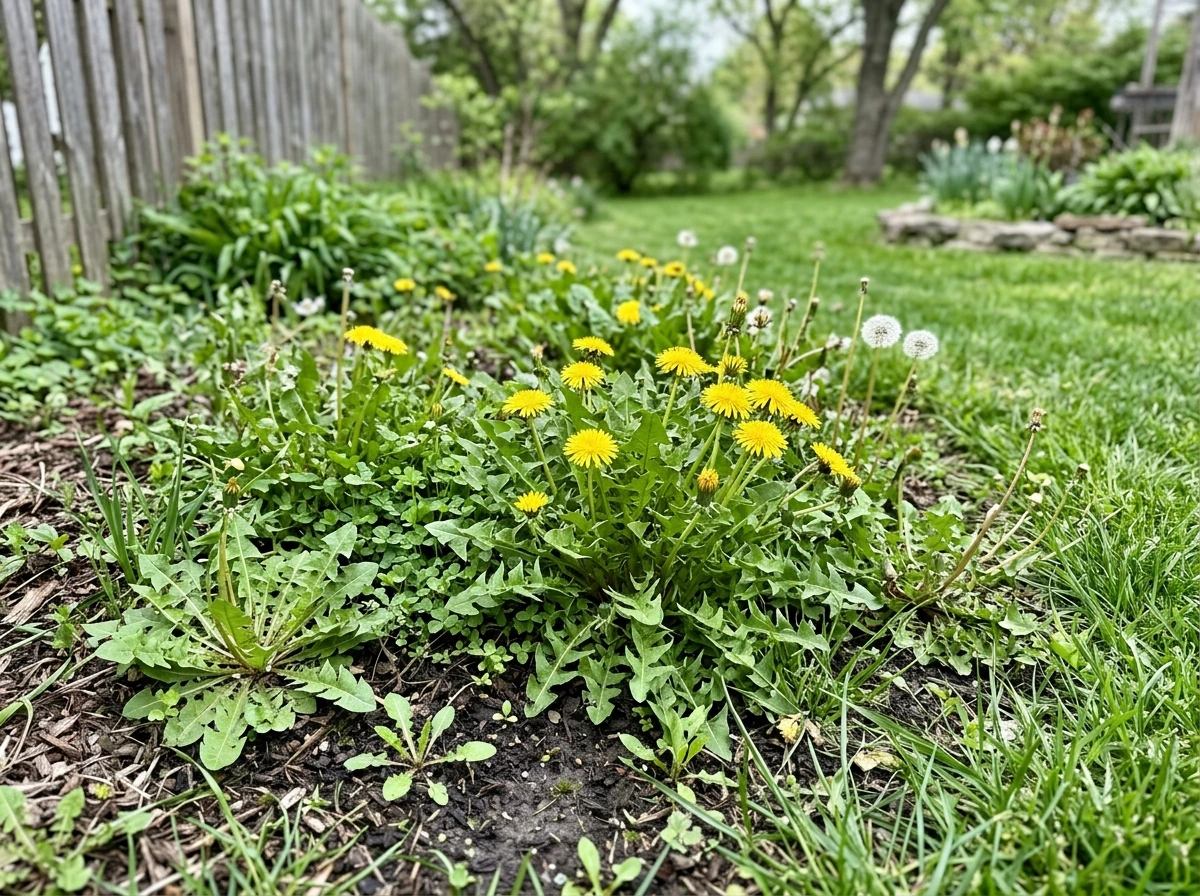
Can You Grow Dandelions? How to Start at Home in the US
Yes, grow dandelions at home in the US with simple seed or transplant steps, care tips, and harvest guidance.
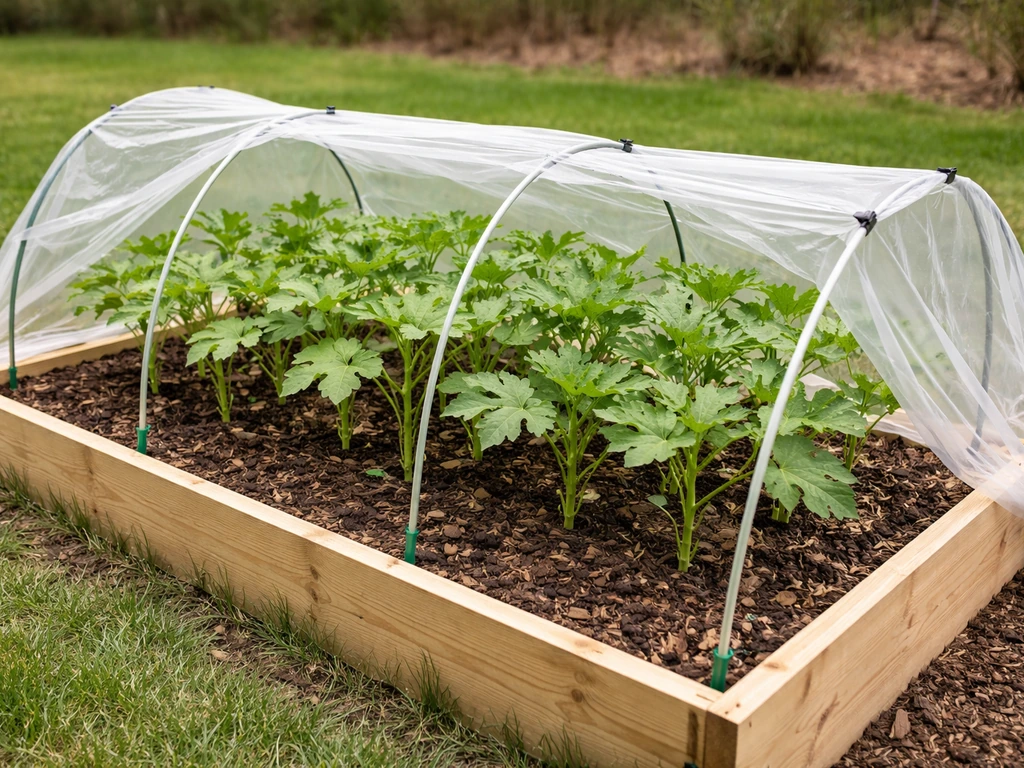
Can You Grow Okra in Michigan? Planting Plan and Tips
Yes, grow okra in Michigan with heat tricks: timing, starting indoors, warm microclimates, soil prep, and pest care.
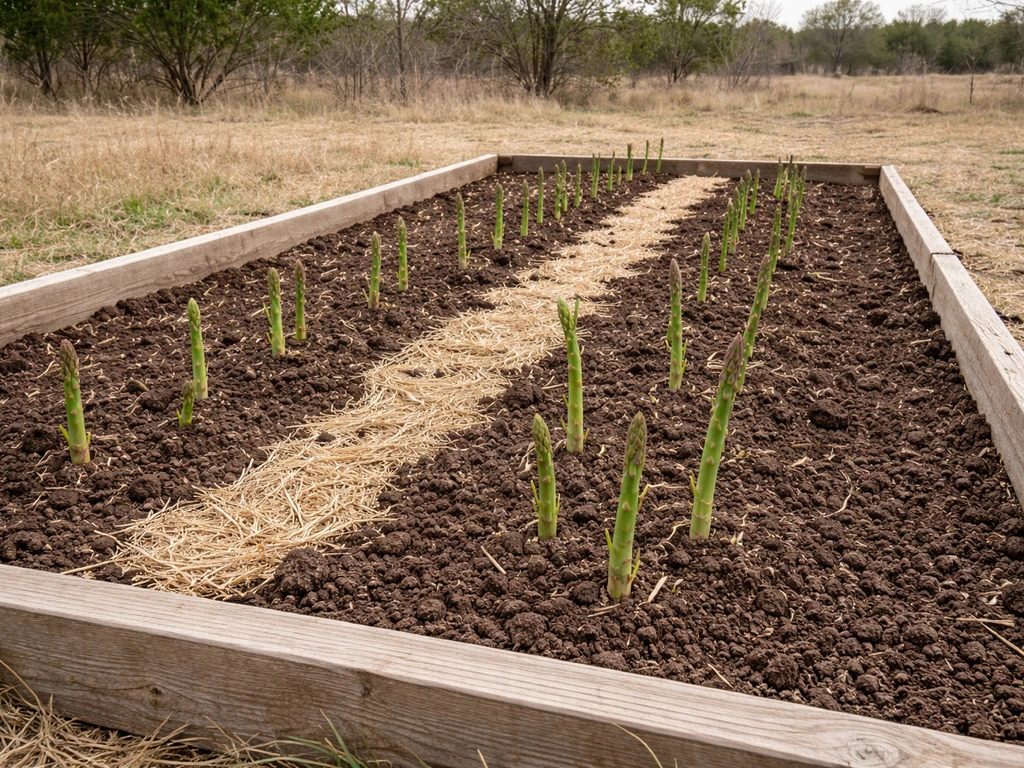
Can You Grow Asparagus in Texas? Requirements and Care
Learn if asparagus grows in Texas and get a step-by-step care plan by region, planting, soil, watering, and harvest timi