You cannot grow delta-8 THC the way you grow tomatoes. Delta-8 is a cannabinoid compound, not a plant variety, so there is no "delta-8 seed" to plant and harvest. If you are trying to start, focus on sourcing compliant hemp seed rather than looking for delta-8 seeds. What you can do in Texas is grow hemp, a Cannabis sativa L. plant that produces cannabinoids including CBD, and then have a licensed processor convert that CBD into delta-8 through a chemical isomerization process. That distinction matters enormously, both practically and legally, and it shapes every step of what follows.
Can You Grow Delta 8 in Texas? What’s Legal and Practical
Marcus Holloway
29 Jun 2026
What 'growing delta-8' actually means
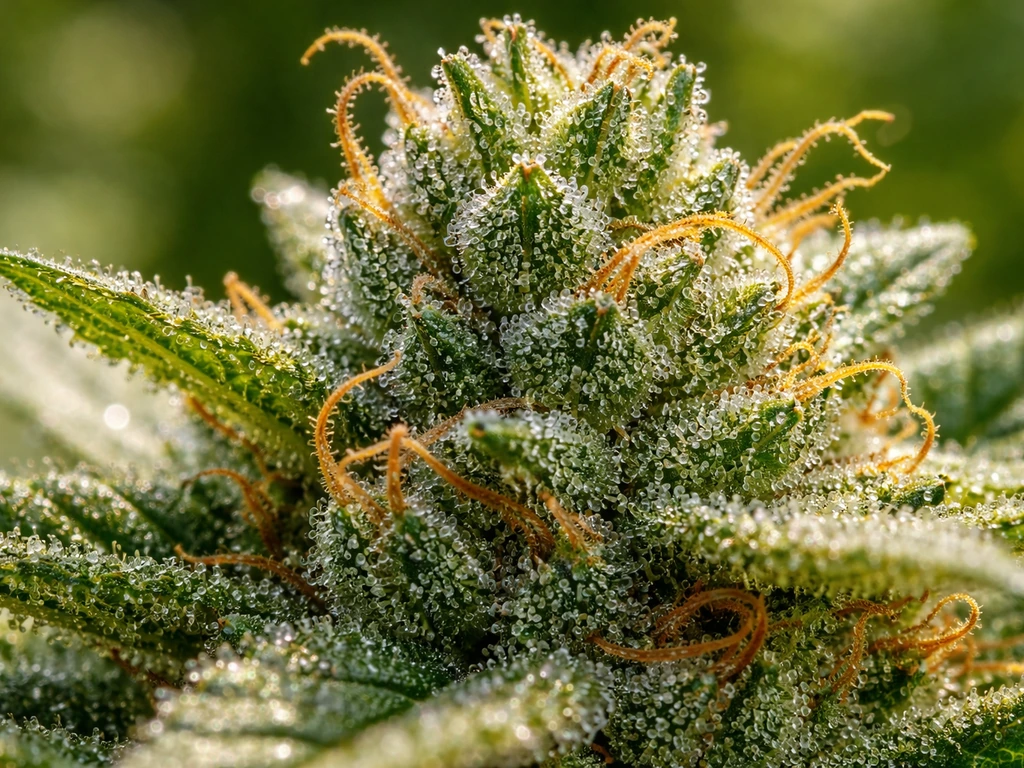
Delta-8 THC (delta-8-tetrahydrocannabinol) is one of many cannabinoids found in trace amounts in Cannabis sativa plants. The concentrations that appear naturally in a hemp plant are so low they are not commercially useful on their own. The delta-8 you see in products at smoke shops and dispensaries is almost always synthesized from CBD through a chemical process involving acid catalysts and solvents.
Peer-reviewed research confirms this: delta-8 is chemically converted from CBD extracted from hemp biomass, not harvested directly from a plant in any meaningful quantity. So when someone asks about "growing delta-8," what they are really asking about is one of two things: (1) growing the hemp plant that serves as the raw material, or (2) doing the full extraction and conversion process themselves. The first part is legally possible in Texas under the right conditions.
The second part is where things get complicated fast.
Hemp in Texas: what the law actually allows
Texas follows both the federal hemp definition and its own state framework. Under Texas Agriculture Code Section 121.001 and the federal definition at 7 U.S.C. § 1639o, hemp is Cannabis sativa L. and all its derivatives and extracts, as long as the delta-9 THC concentration does not exceed 0.3% on a dry weight basis. That 0.3% number is the line between legal hemp and illegal marijuana in Texas. Cross it and your crop is not hemp anymore, it is a controlled substance.
Texas operates its own hemp program through the Texas Department of Agriculture (TDA), approved under the USDA federal hemp framework. The TDA manages licensing, pre-harvest sampling, testing, and disposal of noncompliant crops. The USDA's Hemp eManagement Platform (HeMP) is used for reporting. Texas also has a separate Consumable Hemp Program administered by the Texas Department of State Health Services (DSHS), which governs hemp products intended for human consumption, including anything containing delta-8.
The legal reality check: what you can and cannot do today
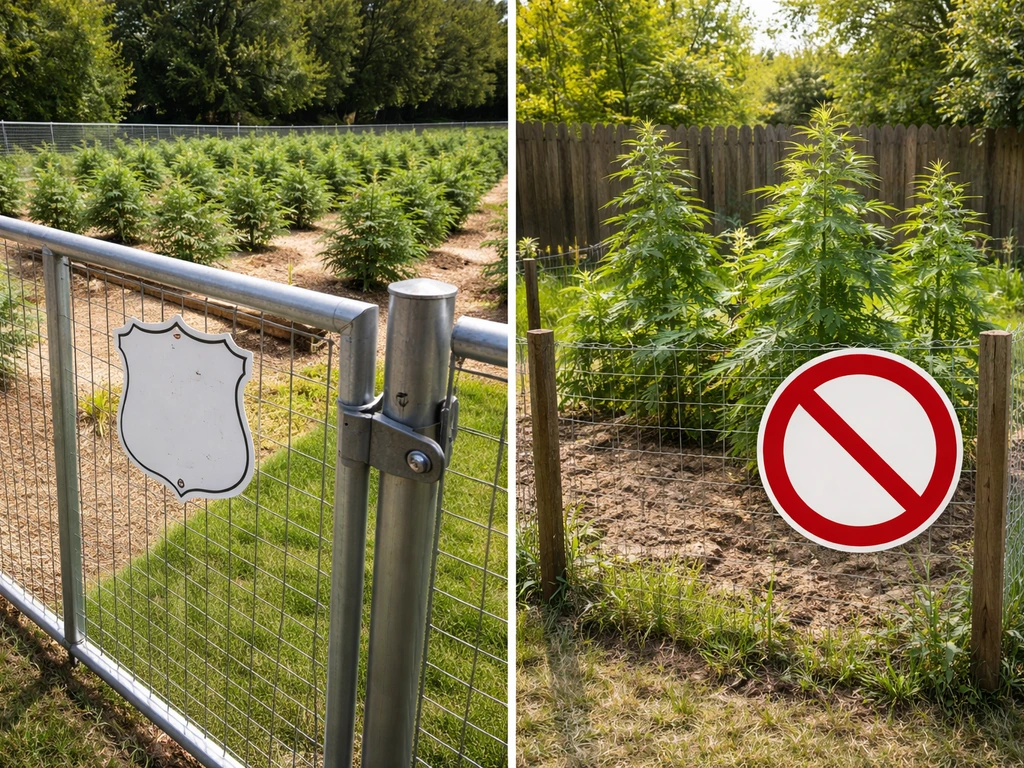
Growing hemp plants in Texas requires a license from the TDA. There is no exemption for home gardeners or small hobby growers. Any person who wants to produce, handle, or sample hemp must submit an annual hemp license application to the Texas Department of Agriculture under Texas Administrative Code Section 24.8. Without that license, growing Cannabis sativa, even a compliant low-THC variety, puts you in legal jeopardy.
On the product side, the delta-8 market in Texas is in a genuinely uncertain place right now. As of June 2026, Texas regulators have been actively restricting delta-8 in the consumable hemp market, and lawmakers advanced legislation that would ban delta-8 in consumable products entirely while allowing lower, non-intoxicating THC levels to remain.
As of Jun 2026, Axios (Houston) reports that Texas regulators have taken actions to restrict delta-8 in the consumable-hemp market and notes ongoing enforcement uncertainty for hemp businesses As of June 2026, Texas regulators have been actively restricting delta-8 in the consumable hemp market. Emergency rules adopted in October 2025 already prohibit sales of consumable hemp products to anyone under age 21.
The FDA has also sent warning letters to companies selling delta-8 THC products, calling them unapproved new drugs in violation of federal law. If you are thinking about producing delta-8 for sale, the regulatory environment is tightening, not loosening.
Retail hemp businesses in Texas need a DSHS registration that runs $5,150 per location per year. That is not a home-grower number. The practical picture is this: growing hemp plants in Texas is legally possible with a TDA license, but producing or selling delta-8 as a finished product involves a separate, increasingly restrictive layer of state and federal oversight that most small growers are not equipped to navigate.
How to source the right seeds and varieties
If you do pursue a TDA hemp license, you cannot just buy any cannabis seeds online. Texas Administrative Code Section 24.44 requires that hemp seed sold, offered, or distributed in Texas must be certified or approved by the Texas Department of Agriculture. The TDA maintains a list of businesses authorized to sell compliant seed. Planting uncertified seed is a compliance violation, and if your crop tests above the acceptable THC level, the TDA requires you to destroy it at your own expense. If a crop exceeds 0.3% THC on two tests, destruction is mandatory with no second chances.
For cannabinoid production (which is the relevant goal if you want a CBD-rich crop as a delta-8 precursor), you want high-CBD feminized varieties optimized for floral biomass rather than fiber or grain. These varieties are bred to produce dense cannabinoid-rich flowers with minimal male pollen risk. Your seed supplier must be on the TDA-approved list, so start there before you pick a variety.
Growing hemp in Texas: timing, climate, and what to expect
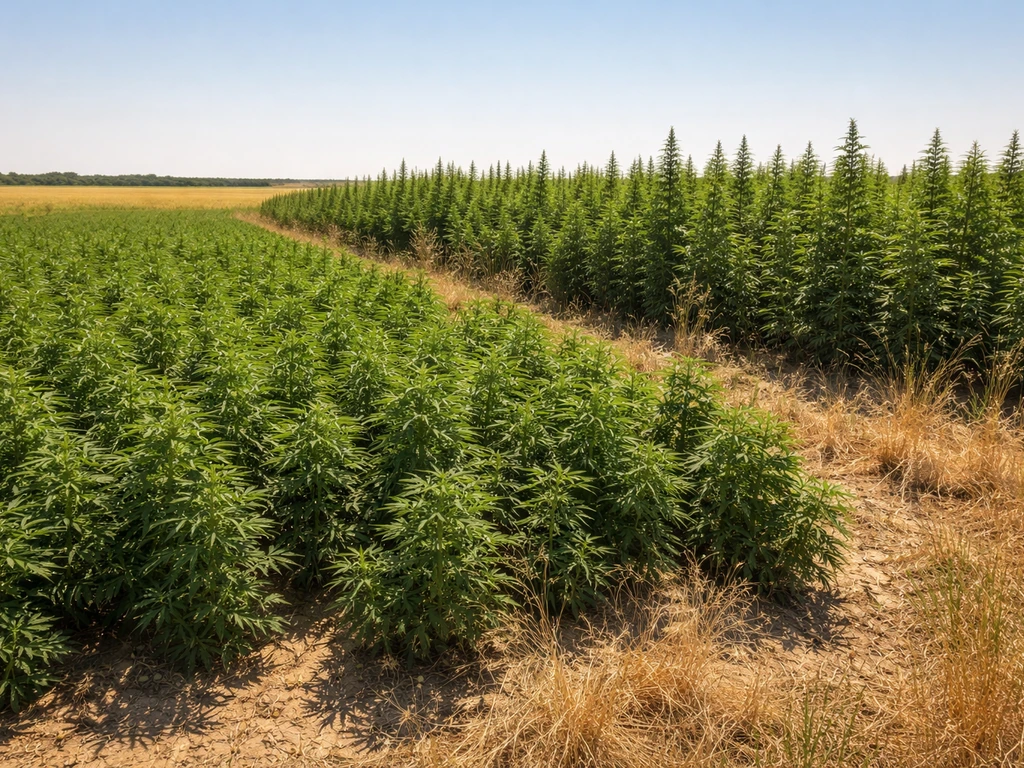
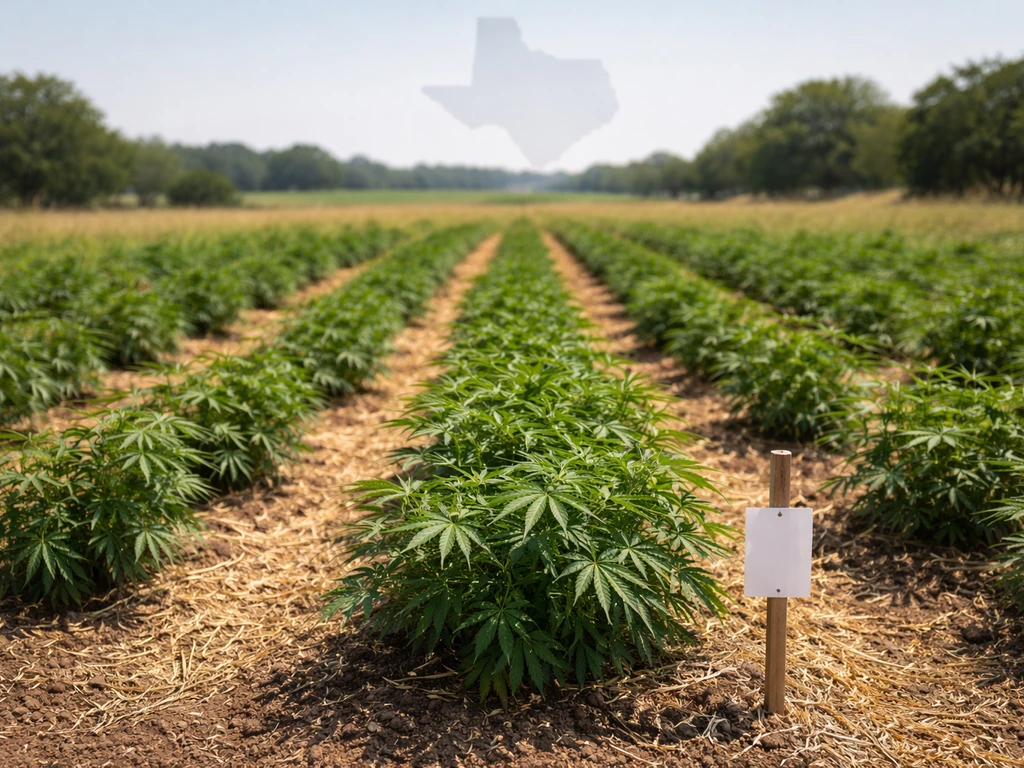
Texas is actually a reasonable place to grow hemp from a pure climate standpoint, but it comes with real challenges. The state spans USDA hardiness zones 6a through 10a, and hemp is warm-season crop that does best when transplanted or direct-seeded after the last frost. In central and south Texas that typically means April through early May. North Texas growers may push toward mid-May to avoid late cold snaps.
The summer heat is hemp's biggest enemy in Texas. Temperatures regularly exceeding 100°F in July and August can stress plants, reduce flower quality, and accelerate THC accumulation, which is the last thing you want when you are trying to stay under 0.3% delta-9 THC at harvest. Pre-harvest timing matters: TDA sampling must occur within a defined window before anticipated harvest, and harvest must be completed within a set timeframe after sampling. If your crop tests hot, you are required to file a Disposal Report Form with the TDA and destroy the lot.
Texas A&M AgriLife Extension has documented that insect pests and diseases are significant concerns for Texas hemp producers. Gray mold (Botrytis), root rot, and a range of foliar diseases are more problematic in humid East Texas conditions. The drier western regions have lower disease pressure but face irrigation demands and intense heat. Aphids, spider mites, and caterpillars are common pest pressures statewide. Yield expectations at a small scale are highly variable, but cannabinoid-focused hemp for biomass can realistically produce 1,000 to 2,000 pounds of dry flower per acre under good conditions, though Texas heat and pest pressure often reduce that.
| Factor | What it means for Texas hemp growers |
|---|---|
| Plant timing | Transplant after last frost: April (south/central TX), mid-May (north TX) |
| Summer heat | 100°F+ temps stress plants and can push delta-9 THC higher near harvest |
| Disease pressure | Gray mold and root rot are real risks, especially in humid East Texas |
| Pest pressure | Aphids, spider mites, caterpillars common statewide; scout regularly |
| Pre-harvest testing | Mandatory TDA sampling window; harvest must follow within a set timeframe |
| Seed sourcing | Must use TDA-certified/approved seed; no exceptions |
From harvest to delta-8: the compliance steps you need to understand
Let's say you have a TDA license, you grow a compliant hemp crop, it passes pre-harvest testing, and you harvest CBD-rich biomass. You now have raw hemp, not delta-8. Converting that biomass to CBD extract and then to delta-8 requires processing steps that involve chemical synthesis, controlled solvents, and laboratory equipment. This is not something you do in a garage. The FDA has been explicit that the processes used to create delta-8 concentrations raise serious safety concerns, and the agency has flagged products from this pipeline as unapproved new drugs.
For any compliant path, your harvested biomass would need to go to a licensed hemp processor who can extract CBD and, if delta-8 production is legally viable at the time, perform the isomerization. Before entering any processing arrangement, get a Certificate of Analysis (COA) confirming your biomass meets the 0.3% delta-9 THC threshold. Texas DSHS requires that consumable hemp products carry a COA showing compliance. Any processor you work with should be operating under their own TDA and DSHS authorizations. Do not attempt extraction or chemical conversion yourself without proper licensing, equipment, and safety protocols.
What to do if delta-8 production is not a realistic option for you
For most people reading this, especially home gardeners and curious growers, the honest answer is that producing delta-8 yourself is not practical or legal at this stage. The licensing costs, regulatory complexity, crop destruction risk, and tightening delta-8 market rules in Texas make this a path built for commercial operators, not hobbyists. Here is what you can realistically do instead. Cattails are a wetland plant, so if you want to grow them in your yard, you typically need a consistently moist spot or a pondlike setup grow cattails in your yard.
- Apply for a TDA hemp license if you want to grow hemp legally and sell raw CBD biomass to a licensed processor, treating it as an agricultural crop rather than a delta-8 production pipeline.
- Focus on CBD-dominant hemp as your crop goal. Hemp has real value as a fiber, grain, or CBD biomass crop in Texas, even if delta-8 conversion is off the table.
- Purchase compliant delta-8 products from licensed retailers while they remain legal in Texas. Check that any product carries a COA from a third-party lab confirming delta-9 THC is at or below 0.3% dry weight.
- Monitor the TDA and DSHS websites for regulatory updates. Given that Texas lawmakers were advancing a delta-8 ban as of mid-2025 and emergency rules were adopted in October 2025, the landscape can shift quickly.
- Contact the Texas Department of Agriculture directly at their Hemp Program line if you want to pursue licensing. They can give you current requirements, the approved seed list, and application timelines.
If your underlying interest is in growing unusual or specialty plants, hemp is genuinely an interesting agricultural crop in Texas with real agronomic challenges worth exploring. It shares some traits with other specialty crops that demand careful climate matching and variety selection. The cultivation side of hemp is achievable with the right license and approach, even if the delta-8 end product is out of reach for most small growers right now. If you meant a different kind of growing, you might be wondering, can you grow toilet paper and whether that is even practical.
The bottom line: you can grow the plant that delta-8 comes from in Texas, but only with a TDA license, certified seed, mandatory pre-harvest testing, and a clear plan for what happens to your crop after harvest. The delta-8 conversion step requires separate licensing and commercial processing infrastructure. For most growers asking this question today, the most practical path is either pursuing hemp as a licensed agricultural crop for CBD biomass, or simply buying delta-8 products from compliant retailers while Texas law still permits their sale.
FAQ
Can I grow delta-8 in Texas at home without a license?
No. Texas requires a Texas Department of Agriculture hemp license for anyone producing, handling, or sampling hemp. Even if you plant a compliant low-THC variety, you are not exempt just because it is a small home garden.
If I grow hemp and it stays under 0.3% THC, can I sell it as delta-8?
Usually not. Growing a compliant hemp crop only gets you the raw biomass. Selling delta-8 as a finished product depends on separate consumable product rules and licensing, which are tightening and may restrict sales even when your crop tests compliant.
Do I need a special license to convert CBD into delta-8 myself in Texas?
Yes, and for most people that is the key blocker. The conversion involves chemical isomerization with controlled solvents and lab-grade equipment. Without appropriate professional authorization and a compliant processing setup, doing this yourself is not a practical garage project and can create legal and safety risk.
What happens if my hemp tests above 0.3% delta-9 THC?
If your crop exceeds the threshold on the required number of tests, Texas requires destruction of the lot at your expense, and you may need to file the associated disposal paperwork. There is no realistic expectation of a “second chance” once a lot is determined noncompliant.
Are “delta-8 seeds” for sale in Texas something I can plant?
Be cautious. There is no legitimate “delta-8 seed” that produces meaningful delta-8 the way an ordinary fruit crop produces fruit. Any product marketed as delta-8 seeds can be legally risky because Texas seed rules require certified or approved hemp seed from authorized sources.
What seed requirements should I follow if I want to grow hemp for CBD that could be used as a delta-8 precursor?
Use only hemp seed certified or approved by the Texas Department of Agriculture, from sellers on the authorized list. Planting uncertified seed can put you out of compliance, and failing to meet THC limits triggers mandatory destruction.
Can I grow hemp outdoors in all parts of Texas, including north Texas?
You can, but timing and stress risk differ by region. North Texas may need later planting to avoid late cold snaps, while summer heat across much of Texas can push plants toward higher THC risk and reduced flower quality if you do not plan irrigation and harvest timing carefully.
How do pre-harvest sampling and harvest windows affect scheduling?
Sampling is not just a formality, it can dictate your harvest date. If you miss the required sampling window or do not harvest within the set period after sampling, you can end up with compliance problems or additional administrative steps.
Can I avoid destruction risk by blending or downgrading a hot crop?
Do not assume you can “fix” a crop after it tests hot. Texas treats noncompliant lots as controlled outcomes, and destruction is required when threshold failures are confirmed. Blending or redirecting material should only be done through a processor and compliance path that matches Texas requirements.
What are the biggest agronomic mistakes new hemp growers make in Texas?
Most problems come from underestimating heat, disease, and pest pressure. Common pitfalls include planting too early for your region, poor irrigation management in hot weather, and not planning for disease control in humid areas where mold and rot are more likely.
If delta-8 sales are restricted, can I still grow hemp and store it for later processing?
Possibly, but you need a processor plan in advance. Your ability to move biomass to a licensed processor later depends on timing, documentation like COAs, and the processor’s acceptance rules at that time.
How can I tell whether a processor is actually legitimate for delta-8 related work?
Ask for current authorizations, and confirm they will handle your biomass under a compliance path that includes required COAs and TDA/DSHS oversight. If they cannot clearly explain their licensing and testing workflow, treat it as a red flag.
Next Articles
Can You Grow Delta-8 Seeds? US Legal Steps and Reality Check
Learn if you can grow delta-8 from marketed seeds, check US legality, and get practical indoor or outdoor steps.
Can I Grow Cattails in My Yard? Requirements and Options
Learn if you can grow cattails in your yard, meet wetland needs, assess your site, and control spread safely.
Can You Grow Fiddleheads in Your Garden Yes and How
Yes, you can grow fiddlehead ferns in many US gardens. Learn feasibility, planting steps, harvesting rules, and troubles