You can grow the hemp plants that 'delta-8 seeds' are marketed from, but you cannot realistically grow delta-8 THC itself. If you are asking can you grow delta 8 in texas, the key point is that you can grow qualifying hemp, but delta-8 is produced mainly through conversion, not by the plant growing it for you grow the hemp plants. Delta-8 THC exists in cannabis plants only at trace levels, far too low to extract economically.
Can You Grow Delta-8 Seeds? US Legal Steps and Reality Check
Marcus Holloway
27 Jun 2026
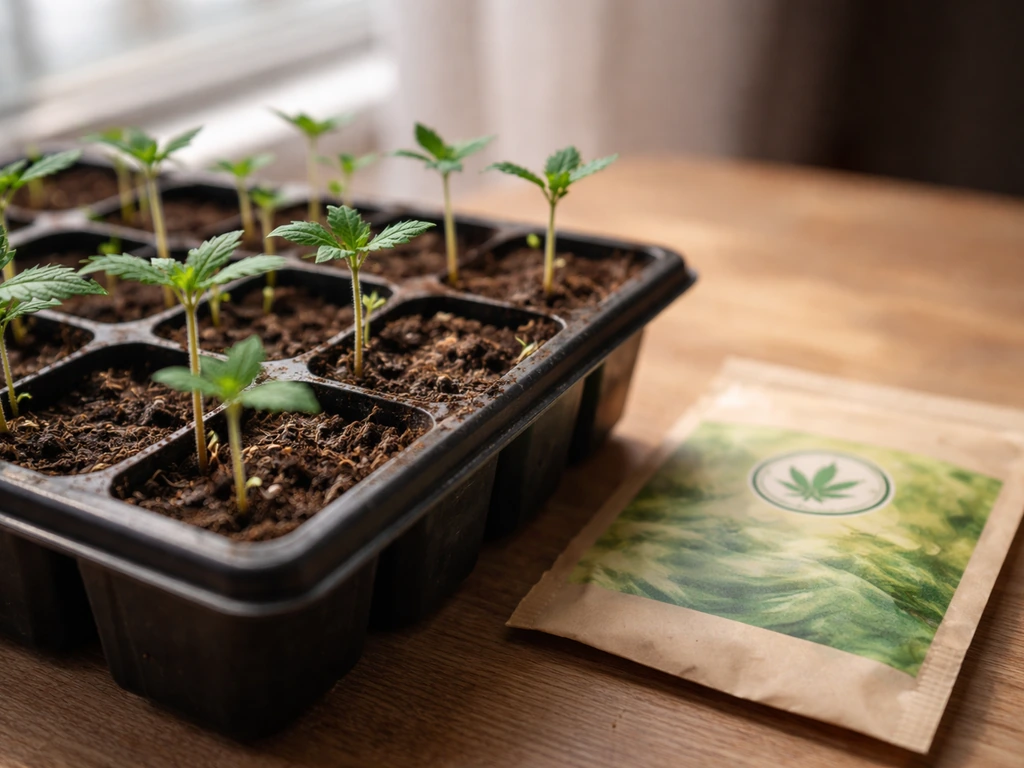
What those seeds actually produce is high-CBD hemp, and virtually all delta-8 products on the market today are made by chemically converting that CBD into delta-8 in a lab. So if your goal is to grow a plant and end up with usable delta-8, you need to understand that distinction before you spend a dollar on seeds.
What 'delta-8 seeds' actually mean
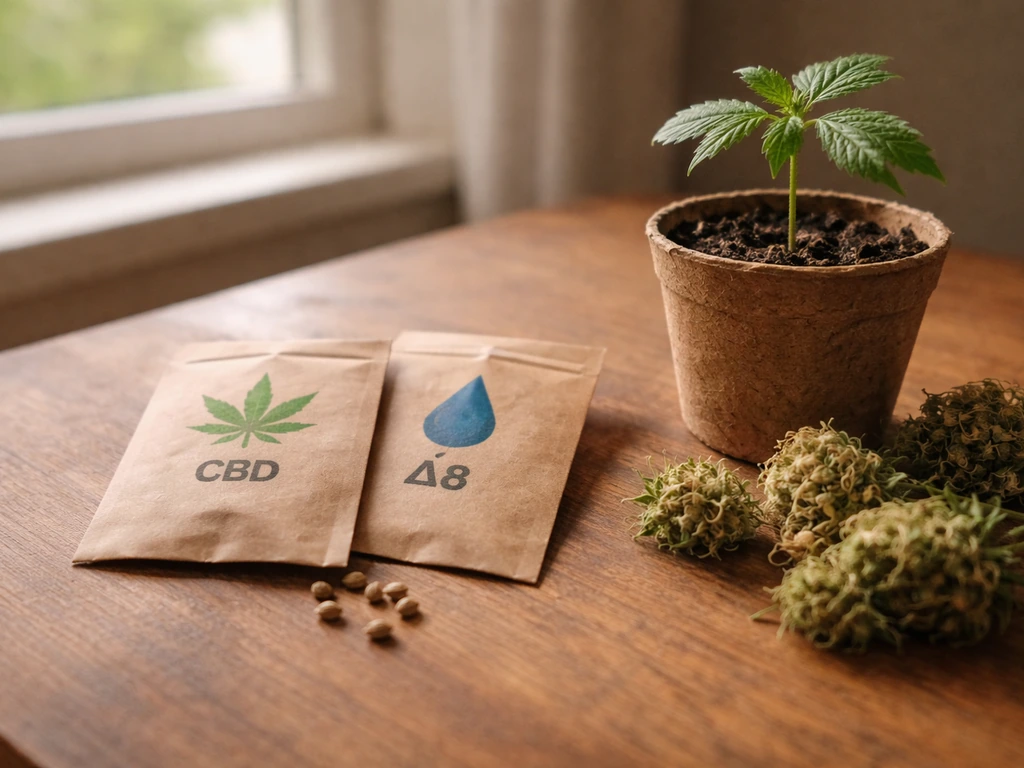
When a seed company markets 'delta-8 seeds,' they're almost always selling high-CBD hemp seeds (Cannabis sativa L.) bred to produce large yields of cannabidiol. The pitch is that once you harvest and dry the plant, the CBD biomass can be converted into delta-8 THC through a chemical process using acid catalysis. The seeds themselves don't contain delta-8, and the mature plant won't produce a meaningful amount of it either. Scientific reviews confirm that delta-8 THC is present only in negligible, trace quantities in cannabis plants, and direct extraction is not economically viable at any scale.
What you're really growing is a hemp plant. The federal definition under the 2018 Farm Bill defines hemp as Cannabis sativa L. and all its derivatives, with a delta-9 THC concentration of no more than 0.3% on a dry-weight basis. So the 'delta-8 seed' you're buying is a hemp seed, and it needs to stay under that 0.3% delta-9 THC threshold to be legal to grow without a DEA registration. The delta-8 end product comes later, in a lab, not in your garden.
Legality: can you legally grow for delta-8 in your state?
Federal law does not require a DEA registration to grow hemp that stays at or below 0.3% delta-9 THC. However, growing hemp is not a free-for-all. Every state that participates in the USDA Domestic Hemp Production Program requires a hemp grower license before you plant a single seed. If your state doesn't have an approved plan, the USDA operates its own program and you apply directly through them. Growing without a license is growing marijuana under federal law, regardless of what the seed bag says.
State rules vary significantly. Washington requires a hemp producer license and prohibits planting any variety the grower knows or has reason to believe will exceed 0.3% delta-9 THC at harvest. Texas requires pre-harvest testing using post-decarboxylation HPLC methods, and the Texas Department of Agriculture has its own approved hemp plan with strict sampling and chain-of-custody procedures. New York distinguishes between a hemp grower license and a processor or retailer license, meaning you can grow legally but cannot process hemp for human consumption without additional authorization. Colorado warns specifically that open-source seeds may have variable THC levels and that buyers are responsible for ensuring seeds are actually hemp genetics.
One more thing worth knowing: the federal definition of hemp is shifting. A change in the federal hemp definition, with an effective date in November 2026, moves toward a 'total THC' standard that accounts for THCA conversion, not just delta-9. That tightens the compliance window for some genetics. If you're planting in fall 2026 or beyond, verify whether your state has updated its plan accordingly. Connecticut and other states are already working through what these changes mean for hemp-derived THC products, and enforcement can tighten quickly, as Texas growers have already experienced with smokable hemp products.
The delta-8 conversion side of this equation adds another layer. The FDA has explicitly stated it has not approved delta-8 THC for safe use in any context. States like Texas have their own licensing for consumable hemp products that contain delta-8. Growing hemp legally is step one; processing or selling delta-8 from that hemp is a separate regulatory category that requires additional licenses in most states.
Sourcing seeds: what to look for and what to avoid
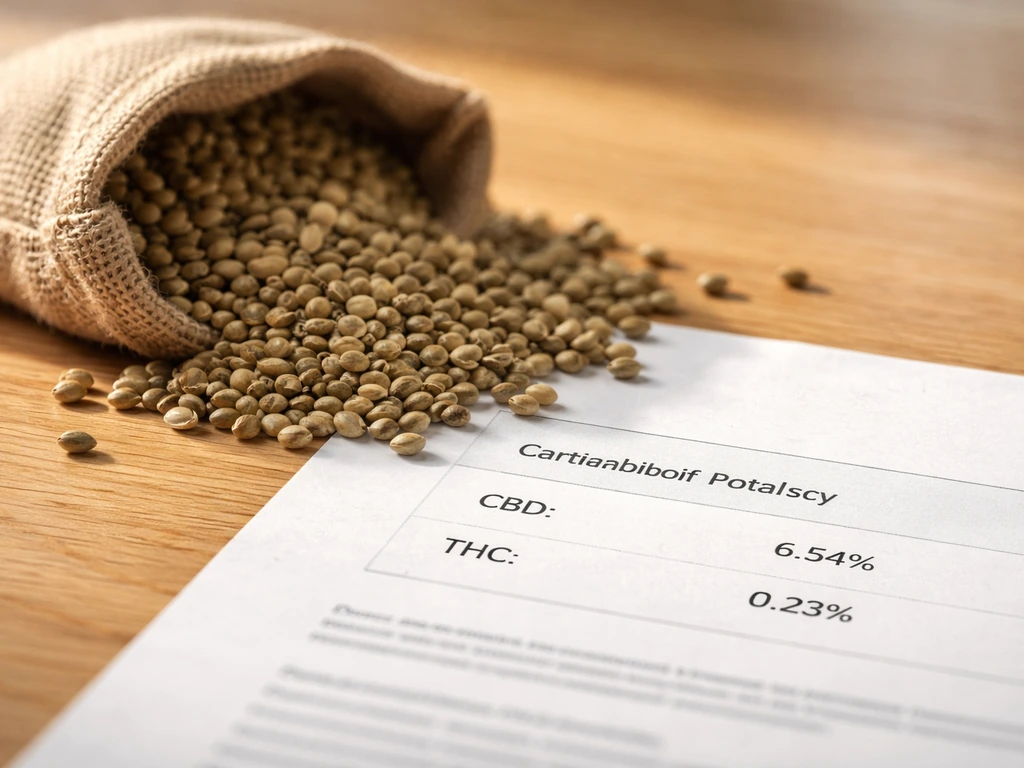
Seed quality is where a lot of first-time hemp growers get burned. The most important document when buying any hemp seed marketed for delta-8 production is the Certificate of Analysis (COA) from a DEA-registered, third-party lab. USDA rules require that labs testing hemp under the Domestic Hemp Production Program be DEA-registered, and states like Colorado and New York maintain their own lists of certified testing laboratories. A COA from a lab not on your state's approved list is not worth the paper it's printed on for compliance purposes.
When reviewing a COA, look specifically at the cannabinoid potency panel. You want to see CBD percentages that match the marketing claims (often 10-20% in high-CBD genetics), and you want delta-9 THC well below 0.3%, with buffer room because plants can drift higher at peak maturity. Also look for contaminant panels: metals, microbiology, mycotoxins, pesticides, and residual solvents. If the seller can't provide a full-panel COA, or if the COA was issued by an in-house lab, that's a red flag.
- Demand a COA from a DEA-registered, independent third-party lab
- Confirm the seed variety is listed on your state's approved hemp variety list (some states maintain these)
- Check that delta-9 THC is clearly below 0.3% with a margin of safety, not right at the limit
- Look for a full contaminant panel, not just cannabinoid potency
- Ask for seed germination rates and generation info (F1 seeds are more consistent than open-pollinated)
- Avoid sellers who market seeds as producing high delta-8 naturally, as this is not botanically possible at useful levels
Growing feasibility by region: outdoor vs indoor
Hemp is a hardy, adaptable plant, but growing it for maximum CBD biomass (which is the point if you're targeting delta-8 conversion) requires matching your genetics to your climate. Hemp is a short-day flowering plant, meaning it begins to flower as day length shortens in late summer. Most high-CBD hemp varieties bred for cannabinoid production have a 60-to-90-day flowering period and are harvested in late September through October in most of the continental US.
| Region | Outdoor Viability | Key Challenges | Notes |
|---|---|---|---|
| Southeast (TX, FL, GA, SC) | High | Humidity, mold pressure late season | Long growing season is a plus; harvest timing is critical |
| Midwest (IL, IN, OH, KY) | High | Frost window is tight in northern zones | Kentucky has deep hemp infrastructure; good soil for biomass |
| Pacific Northwest (WA, OR) | Moderate | Rain/mold risk in September-October harvest window | Washington requires a producer license before planting |
| Northeast (NY, VT, CT, MA) | Moderate | Shorter frost-free window; wet harvest seasons | New York has robust licensing program; indoor extends season |
| Mountain West (CO, MT, WY) | Moderate to Low | Early frost, altitude, UV intensity | Colorado has strong compliance infrastructure |
| Southwest Desert (AZ, NM, NV) | Low to Moderate | Extreme heat stress, irrigation demand | Indoor or greenhouse strongly preferred for quality |
| Great Plains (KS, NE, ND, SD) | High for biomass | Wind, variable moisture | Large-scale outdoor is common; quality control harder |
Indoor growing gives you control over light cycles, humidity, temperature, and harvest timing, all of which directly affect cannabinoid profiles. If you're growing specifically to maximize CBD content for potential conversion, indoor or greenhouse production in a climate-controlled environment consistently outperforms open-field outdoor growing on a per-plant cannabinoid yield basis. The tradeoff is cost: lighting, HVAC, and electricity make indoor growing expensive at any scale beyond a handful of plants.
Cultivation basics: timing, soil, inputs, and harvest targets
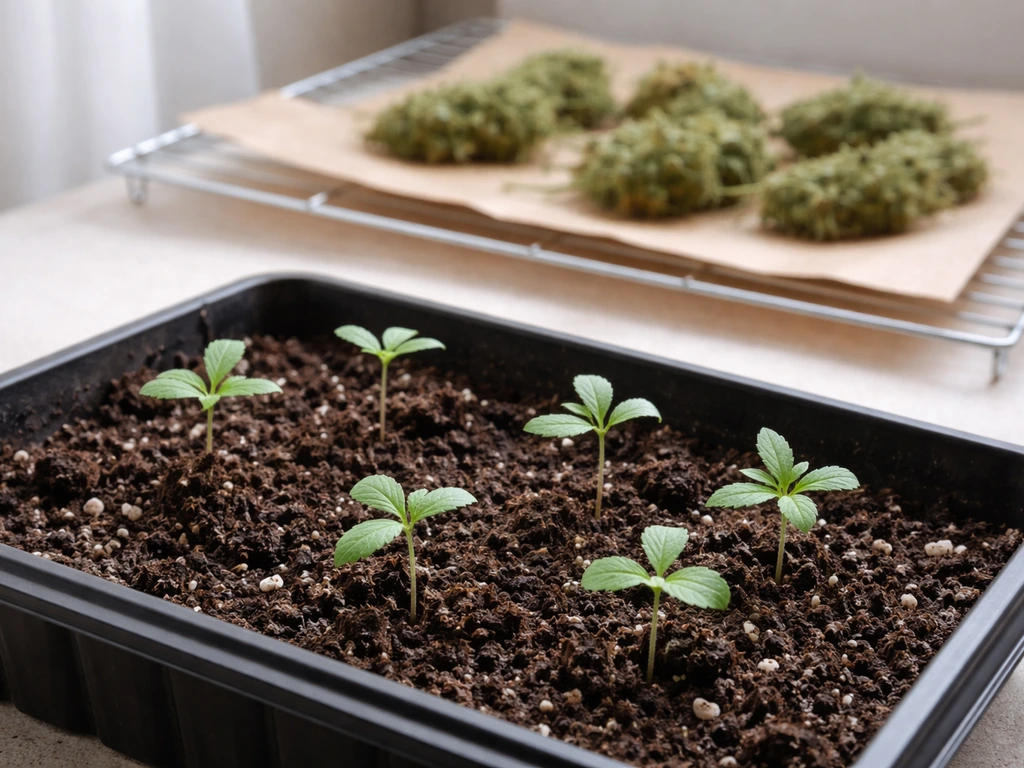
Hemp for cannabinoid production is not the same as industrial hemp grown for fiber or grain. For maximum CBD yield, you want to grow female plants only, either from feminized seeds or by removing males before they pollinate females. Pollinated females divert energy from cannabinoid production into seed production, dropping your CBD percentages significantly.
- Start seeds indoors 4-6 weeks before last frost, or direct seed outdoors once soil hits 50°F (10°C)
- Transplant outdoors after last frost; most of the US targets late May to mid-June
- Hemp prefers well-drained, loamy soil with a pH of 6.0-7.0 and moderate organic matter
- Nitrogen is important in vegetative stage; reduce N and increase phosphorus and potassium during flowering
- Water consistently but avoid waterlogged soil, which invites root rot and mold
- Scout weekly for pests (hemp russet mites, aphids) and mold (botrytis is the main harvest threat in humid regions)
- Watch the trichomes: harvest when most trichomes are milky white to amber for peak CBD and minimum THC drift
- Pre-harvest test required in most states; schedule your state-certified lab 2-3 weeks before planned harvest date
Pre-harvest testing is not optional in most licensed programs. Texas mandates it under state statute. Colorado, Washington, and New York all have formal sampling and chain-of-custody requirements. Budget for testing costs (typically $50-$200 per sample depending on the lab and panel) and build the timeline into your grow plan. Labs can have lead times of 5-14 days.
Delta-8 production reality: natural vs conversion
Here's the honest truth that most 'delta-8 seed' marketing glosses over: you cannot grow enough delta-8 THC from any hemp plant to produce a usable product. The plant simply does not synthesize significant quantities of it. Cattails are typically grown in wet, marsh-like conditions, so you will need to match your yard’s water and sunlight setup if you want success can i grow cattails in my yard. Delta-8 THC is a minor cannabinoid, and what ends up in commercial delta-8 products is almost entirely the result of chemically converting CBD into delta-8 using an acid catalyst process, typically in a licensed manufacturing facility with proper chemistry equipment and quality controls.
What this means practically is that your 'delta-8 grow' is actually a CBD biomass grow. Once you harvest, dry, and cure your hemp, you'd need to extract the CBD, then pay a licensed processor to run the conversion chemistry. That processing step blank" rel="noopener noreferrer">requires its own licensing in most states, and the output (delta-8 concentrate or distillate) has to comply with labeling, testing, and product registration rules before it can legally be sold. Research has also flagged real contamination risks with poorly controlled delta-8 conversion, including residual solvents and reaction byproducts that show up in final products made without rigorous quality controls.
If you're a home gardener who bought 'delta-8 seeds' expecting to harvest a delta-8-rich plant, adjust your expectations now. If you are wondering, can you grow fiddleheads, you can compare your garden expectations here to the kind of limits and licensing issues discussed for hemp and delta-8 grow enough delta-8 THC. What you're growing is high-CBD hemp. That crop has real value as biomass for licensed extractors, or as smokable hemp flower if your state permits it. Treating it that way, and finding a licensed buyer for your biomass, is a realistic and lawful outcome. Trying to convert it yourself at home is not.
Next steps if things aren't going as expected
If your pre-harvest test comes back with delta-9 THC above 0. In a related r/delta8testing discussion, commenters describe how differing lab tests can reveal higher THC than expected after a “legal” pre-harvest result, creating compliance trouble pre-harvest THC result.
3%, don't panic but act immediately. Most state programs have a corrective action framework. Washington, for example, has a tiered response depending on how far over the limit the sample tested. Options can include retesting a second sample, early harvest to catch plants before they drift higher, or in worst cases, destruction of the crop.
Colorado similarly has remediation and reporting requirements for exceedances. The worst thing you can do is harvest and sell biomass that tested hot, because that creates serious legal exposure.
If your plants produced lower CBD percentages than the seed marketing suggested, that's a genetics and environment problem. Variable THC and CBD outcomes are a known risk with open-source or poorly documented hemp seed. Colorado's agriculture department specifically warns about this. Next season, switch to certified seed from a source that provides documented variety performance data and a reliable COA, and consider getting your own pre-purchase germination test done.
If the regulatory path in your state feels too complicated or the processing licensing for delta-8 conversion is out of reach, the most practical alternative is to grow licensed hemp for CBD biomass and sell it to an established hemp processor or extractor. The grow is essentially identical; the difference is just in where the harvested plant ends up. That pathway is more straightforward, doesn't require you to navigate delta-8's complicated and shifting legal status, and still lets you build real skills with hemp cultivation in your specific climate zone. If you're in Texas, the regulatory picture around delta-8 specifically has been particularly volatile, and that's a separate discussion worth digging into before committing to a grow plan with delta-8 as the end goal.
The bottom line is this: hemp plants from 'delta-8 seeds' are real, growable, and legal with the right license in most US states. If you meant “grow toilet paper,” note that you cannot realistically grow toilet paper from hemp or “delta-8 seeds,” even though you can grow hemp for other purposes. What you can realistically control as a grower is the CBD content and compliance of your biomass. The delta-8 part happens downstream, in a lab, under a separate license. Plan your grow around that reality and you'll be in a much better position than if you expect the plant itself to deliver a delta-8 harvest.
FAQ
If I plant delta-8 seeds, will I have delta-8 THC in the flower I harvest?
In most cases, the “delta-8 seeds” you buy are hemp seeds bred for high CBD. Your harvest will be CBD-rich biomass, not a plant that naturally produces meaningful delta-8 THC. To end up with delta-8, the CBD must be extracted and then converted in a licensed process, so growing alone will not get you usable delta-8.
How accurate are “delta-8 seed” labels or potency promises?
You generally should not expect to use the seller’s marketing numbers to predict your exact cannabinoid results. THC and CBD levels can drift with genetics, maturity timing, nutrients, and stress, which is why licensed programs require pre-harvest testing using state-approved methods. Plan for a buffer so you do not end up above the legal delta-9 THC threshold at harvest.
What if my seed seller provides a COA, but it is from a lab I cannot confirm is approved?
No, a COA is not enough by itself if the lab is not recognized under your state’s hemp program rules. The article notes that some states maintain approved testing lab lists, so a COA from an unapproved lab can fail compliance even if the numbers look good. Always verify the lab status for your state before relying on the document.
What should I do if my pre-harvest test shows THC above 0.3%?
If pre-harvest testing comes back above the legal delta-9 limit, the safest move is to follow your state’s corrective action workflow. Options can include retesting, harvesting early to avoid further THC drift, or crop destruction depending on how far over the limit you are. Do not harvest and sell because “it was under the limit earlier” is not a legal defense.
Can I extract CBD and convert it to delta-8 at home?
You usually cannot legally “home-process” delta-8 from your biomass. The article explains that delta-8 conversion is regulated separately from growing hemp, and the FDA has not approved delta-8 THC for safe use in any context. Even if you can technically extract or convert at home, selling products typically requires product-specific compliance, labeling, testing, and additional licenses.
If I get a hemp grow license, does that also cover making or selling delta-8?
If your state allows hemp cultivation, you may still need more than one authorization depending on your end goal. Growing hemp often requires a grower license, while processing for human consumption and retail sales can require separate licenses. So “having a hemp crop” does not automatically mean you can produce or market delta-8 products.
How could the upcoming “total THC” standard affect my delta-8 seed grow?
Yes, and this is a common compliance trap. The article states that some states use different requirements, and a federal definition change moving toward a “total THC” framework (with an effective date in November 2026) could tighten eligibility for some genetics. Before planting in late 2026 or beyond, confirm your state plan has been updated for total THC enforcement.
Why does male pollination change my CBD and THC results?
Female-only cultivation matters because pollination diverts plant energy toward seed production and can reduce cannabinoid percentages. For biomass targeted toward downstream conversion, you typically want to remove males early or use feminized seeds to keep the plant focused on flower development.
Is indoor growing worth it for a hemp biomass crop targeted for delta-8 conversion?
Indoor or greenhouse production can increase control over light, humidity, and temperature, which helps stabilize cannabinoid profiles and harvest timing. However, the tradeoff is cost, especially electricity and HVAC. If you are growing only a few plants, outdoor can still work, but it is harder to keep cannabinoids within the legal range without careful monitoring and testing.
What should I check before buying “delta-8 seeds” so I do not get a surprise THC result?
Seed quality affects both germination and cannabinoid consistency. The article points out that open-source or poorly documented genetics can yield variable THC and CBD outcomes. A practical step is to buy certified seed from a reputable source that can provide documented variety performance information and reliable COA support.
If I cannot legally process delta-8, what is the most realistic path with the seeds?
A realistic alternative is to grow licensed hemp for biomass and sell it to an established extractor or processor, rather than trying to create delta-8 yourself. This keeps you focused on cultivation compliance and reduces the need to navigate downstream conversion licensing and product registration.
Next Articles
Can I Grow Cattails in My Yard? Requirements and Options
Learn if you can grow cattails in your yard, meet wetland needs, assess your site, and control spread safely.
Can You Grow Fiddleheads in Your Garden Yes and How
Yes, you can grow fiddlehead ferns in many US gardens. Learn feasibility, planting steps, harvesting rules, and troubles
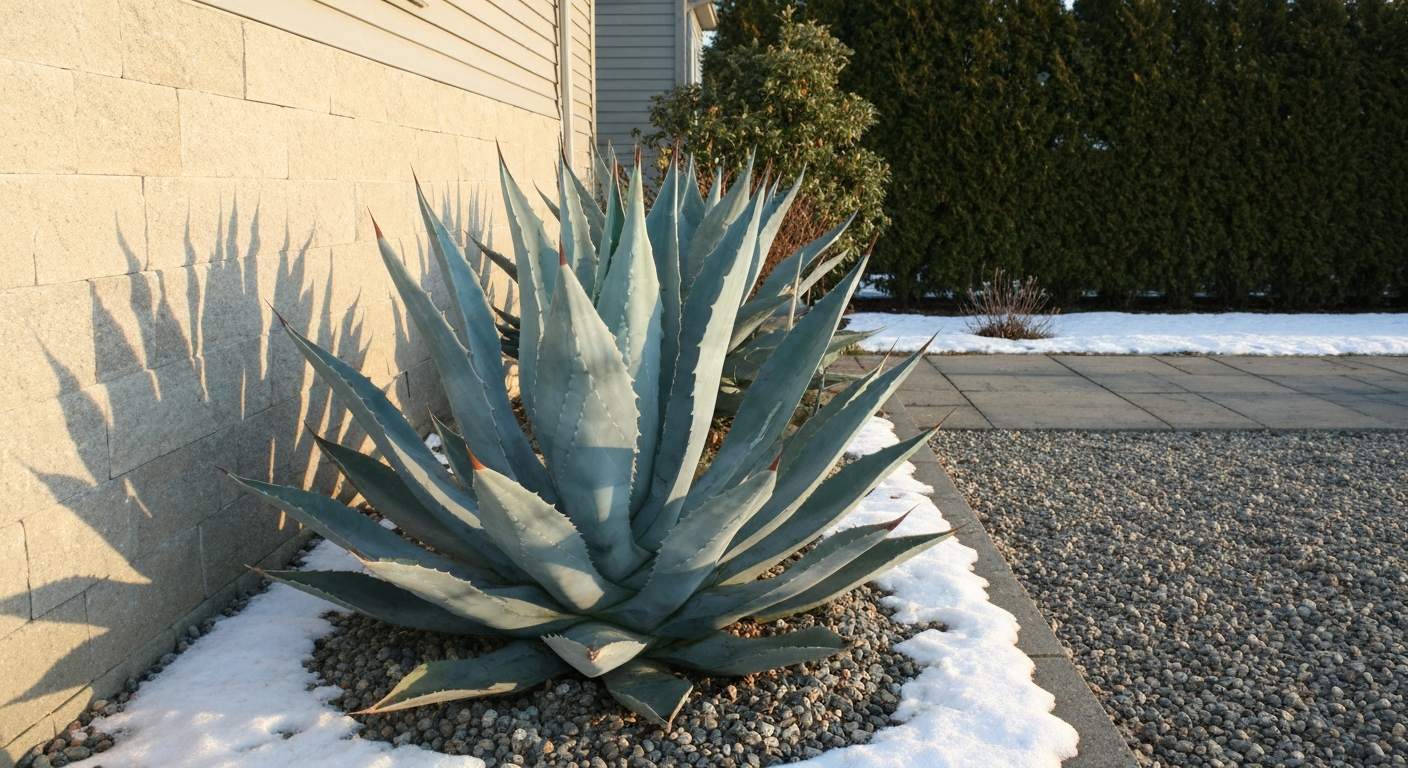
Can You Grow Agave in Canada? Zone Guide & Growing Tips
Can you grow agave in Canada? Practical region-by-region guide, hardy species, container tips & winter care.