
Yes, you can grow fiddlehead ferns at home, and they're surprisingly low-maintenance once established. The key is starting with the right species (ostrich fern, Matteuccia struthiopteris), planting them in a shady, reliably moist spot, and giving them two to three years to bulk up before you harvest heavily. If you're in USDA hardiness zones 3 through 7, you're in the sweet spot. Warmer zones get trickier, but it's doable with the right microclimate.
Can You Grow Fiddleheads in Your Garden Yes and How
Marcus Holloway
24 May 2026
What fiddleheads actually are (and why the species matters)
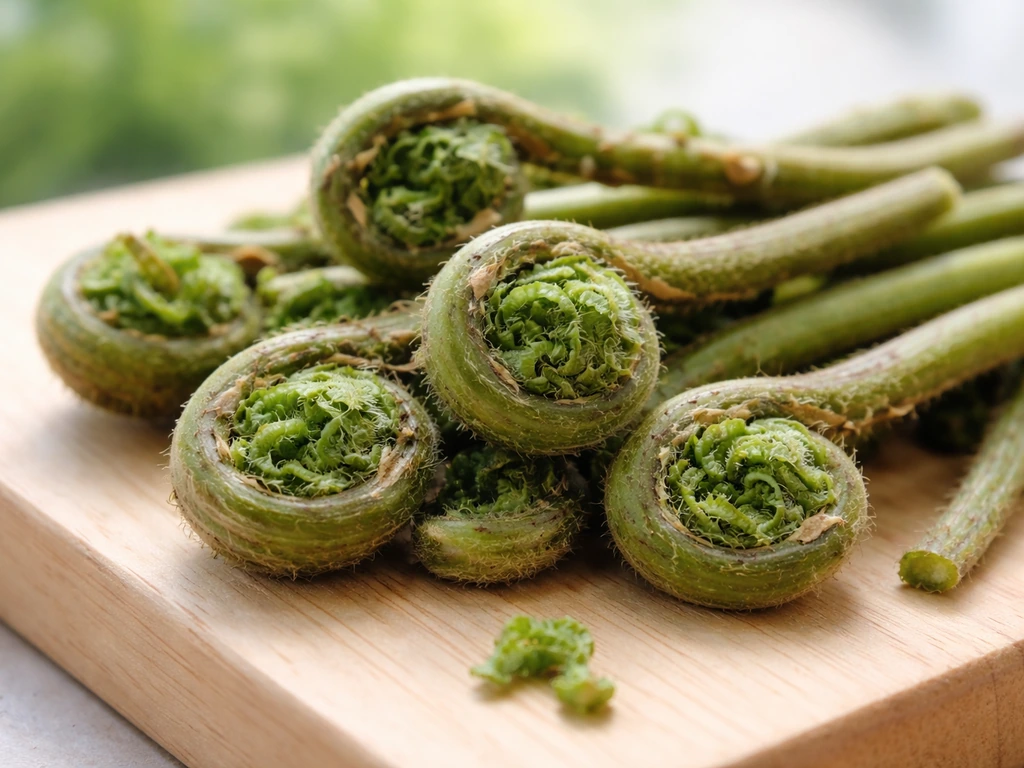
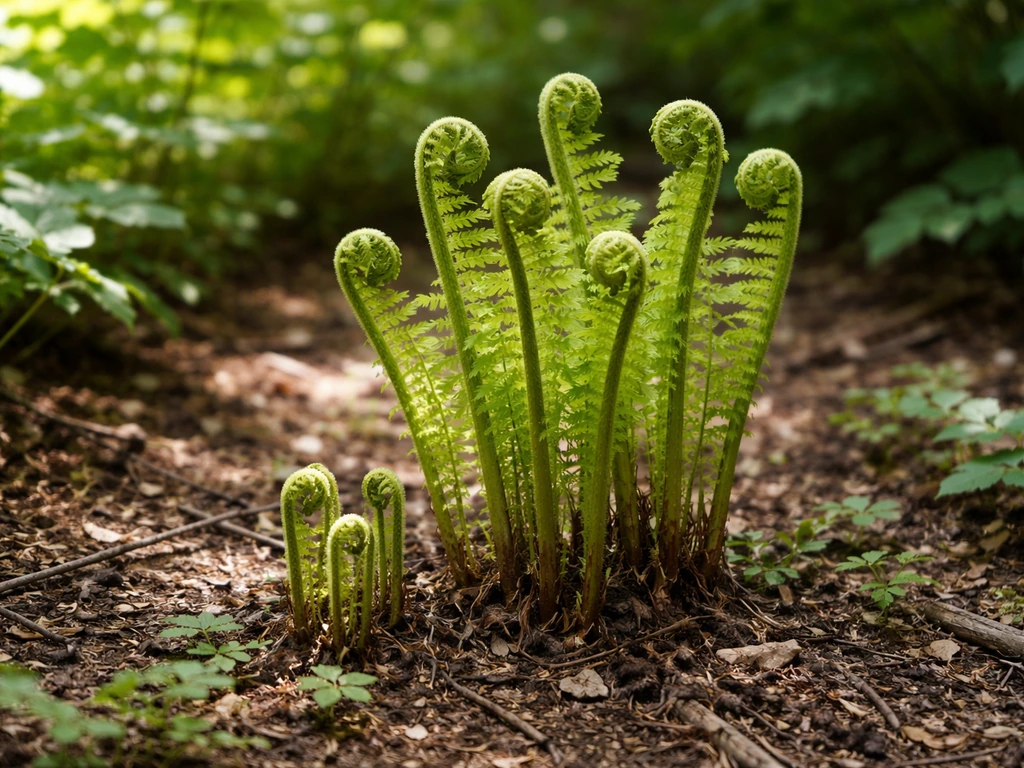
Fiddleheads are the tightly coiled young fronds of certain fern species, harvested before they unfurl in early spring. In US gardening and foraging contexts, the term almost always refers to ostrich fern (Matteuccia struthiopteris), which is the only species consistently recognized as safe to eat. The coiled frond is called a crozier, and it looks exactly like the scroll at the top of a violin, which is where the name comes from.
Identification matters here more than with most garden plants. The safe ostrich fern fiddlehead has a smooth (not hairy or fuzzy) stalk and a distinctive deep U-shaped groove running along the inside of the stem. There's also a thin, papery brown husk wrapped around the coil that you peel off before cooking. Other ferns, including bracken fern (Pteridium spp.
), can look similar at first glance but are not the same thing and have known toxicity issues. In medical literature case reports, common lookalikes such as bracken ferns (Pteridium spp. ) are discussed as a misidentification poisoning risk because they are not the same as ostrich fern [bracken fern (Pteridium spp. )](https://journals.
sagepub. com/doi/pdf/10. 1016/j. wem.
2019. 12. 011). If you're growing your own from a labeled nursery plant, you sidestep most of this risk entirely, since you know exactly what you planted.
Can you grow fiddleheads where you live?
Ostrich fern is native to the northeastern US and Canada, which tells you a lot about what it wants. It thrives in cool, moist conditions with cold winters and mild summers. Here's a practical breakdown by US region. In general, delta 8 cultivation is not something most home growers can or should attempt, especially in a state with strict cannabis-related rules like Texas can you grow delta 8 in texas.
| Region / Zone | Feasibility | Notes |
|---|---|---|
| Northeast (Zones 3-6): NY, VT, ME, NH, MA, PA, MI, MN, WI | Excellent | This is native habitat. Easy to establish, reliable harvests. |
| Mid-Atlantic & Upper Midwest (Zones 6-7): OH, IN, IA, NE, MD, NJ, VA | Good | Grows well with consistent moisture; may need afternoon shade. |
| Pacific Northwest (Zones 7-8): WA, OR, northern CA | Good | Cool temps and natural rainfall are ideal; watch for slugs. |
| Mountain West (Zones 4-6): CO, ID, MT, WY, UT highlands | Good | Works well at elevation; lower elevations may get too dry or hot. |
| Southeast (Zones 7-9): TN, NC, GA, AL, SC, AR | Marginal | Summer heat is the main obstacle; deep shade and extra water can help. |
| South & Gulf Coast (Zones 9-10): FL, LA, TX coast, AZ | Unlikely | Too hot and humid; ostrich fern rarely establishes reliably here. |
| Southwest Desert (Zones 8-11): AZ, NM, southern CA | Not recommended | Wrong climate entirely; consistent moisture and cool temps unavailable. |
The honest version: if you're north of roughly the Tennessee-Virginia line and east of the Rockies, you can almost certainly grow a productive stand. If you're in the Southeast or Southwest, it's a gamble that usually doesn't pay off unless you have a very specific shady, wet microclimate like a creek-side spot in the Appalachian foothills. Hot, humid summers and mild winters don't give ostrich fern the dormancy and cool soil temperatures it needs.
Quick feasibility checklist
- You're in USDA zones 3-7 (or a cool microclimate in zone 8)
- You have a spot that gets partial to full shade, especially from mid-morning onward
- The soil stays reliably moist, or you're near a water source you can use regularly
- Your winters get cold enough for the plant to go fully dormant (below 40°F for several weeks)
- Your summer highs don't consistently exceed 85-90°F in the planting area
If you checked four out of five of those, you're in good shape. Three or fewer, and you'll want to think carefully about site selection or consider whether a different specialty plant might suit your conditions better.
How to set up the perfect fiddlehead bed
Finding the right spot
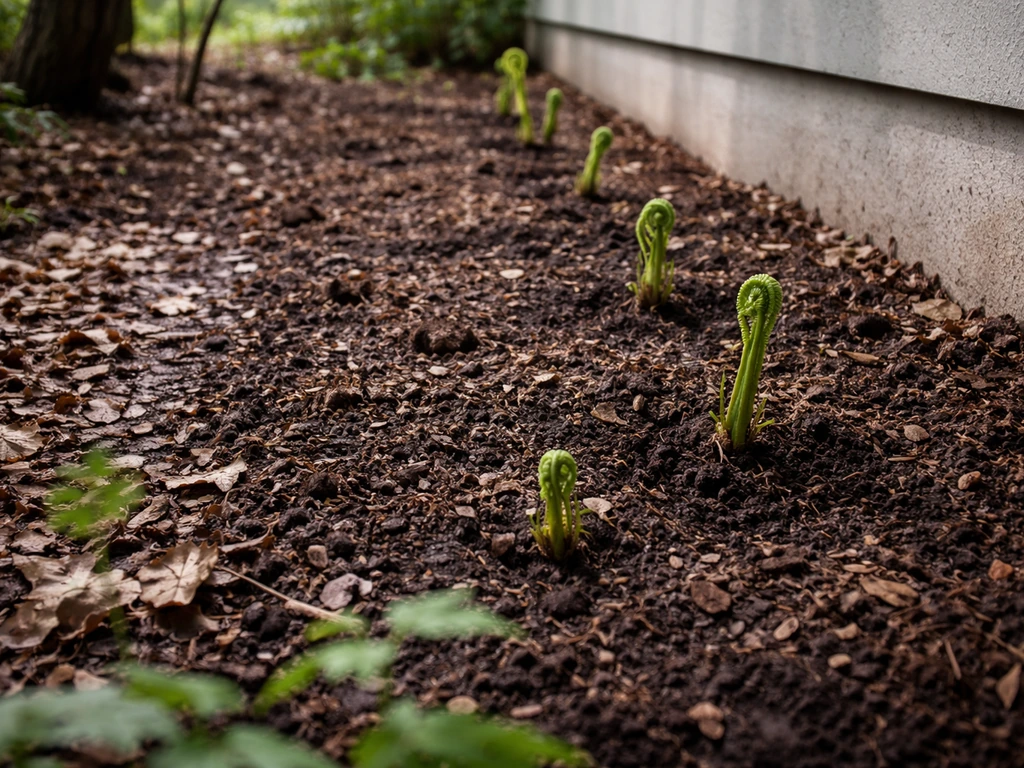
Ostrich fern wants dappled or full shade with consistent soil moisture. Think of the kind of spot where wild ferns naturally appear: north-facing slopes, stream banks, the shaded side of a fence or building, or under deciduous trees. It will tolerate morning sun but needs protection from harsh afternoon light, especially in zones 6 and warmer.
If you have a low spot in your yard that stays a little wet after rain, that's often an ideal location that most other plants reject but ostrich fern loves. If you want to grow cattails in your yard, the basics are similar: focus on getting the right moisture and sun conditions, because cattails spread and thrive where water is consistently available can i grow cattails in my yard.
Soil prep
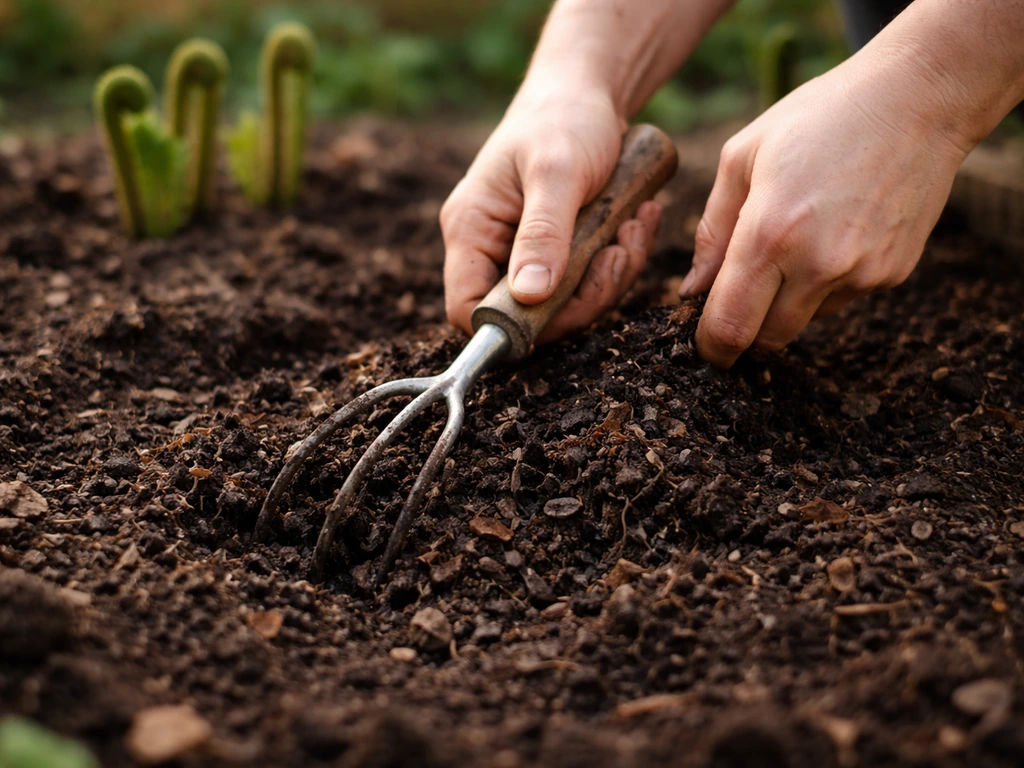
Ostrich fern prefers rich, humus-heavy soil with a slightly acidic to neutral pH, somewhere between 6.0 and 7.0. Work in 3 to 4 inches of compost or leaf mold before planting. Good drainage matters even though the plant wants moisture: it wants consistently moist soil, not waterlogged roots sitting in standing water all season. If your site is naturally wet, make sure it drains within a day or two after heavy rain. If it stays flooded for longer, mound the bed up a few inches.
Spacing and planting depth
Plant crowns or divisions with the growing tip just at or slightly below the soil surface, roughly 1 to 2 inches deep. Space plants 2 to 3 feet apart. Ostrich fern spreads by underground runners (stolons) and will fill in over time to form a nice colony, so give it room. A 3-foot spacing feels generous in year one but looks right by year three when the plants are throwing up full vase-shaped frond clusters that reach 3 to 5 feet tall.
Mulch and moisture
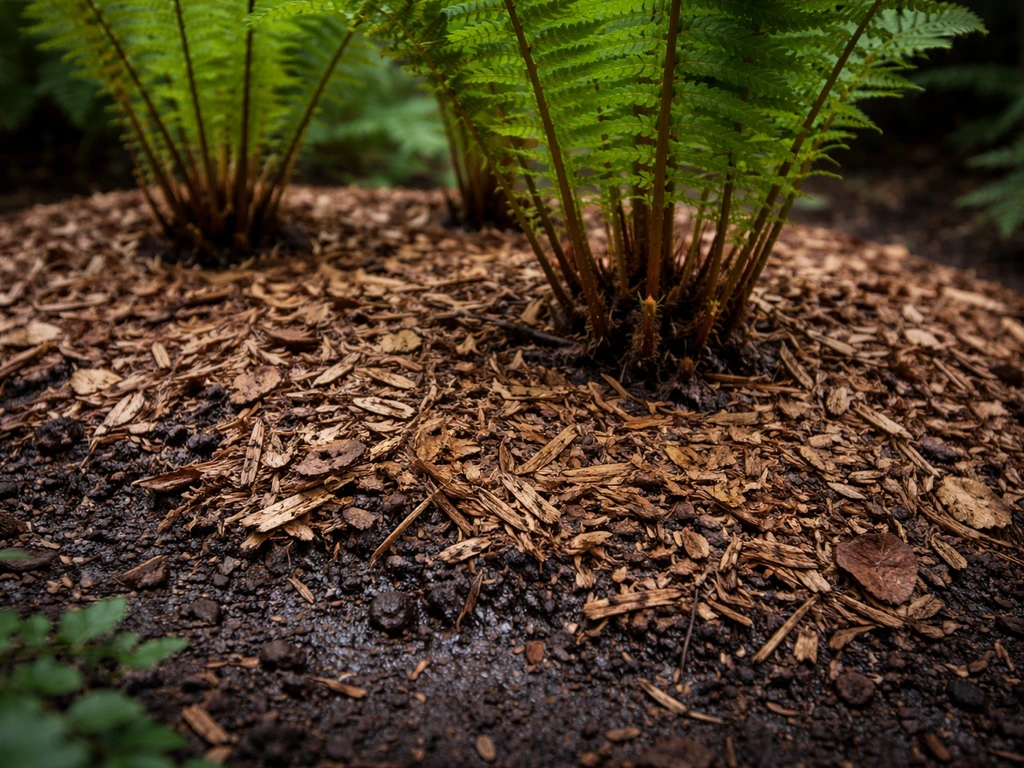
Layer 2 to 3 inches of shredded leaves or wood chip mulch around the base to retain moisture and mimic the woodland floor environment. Water consistently during dry spells, especially in the first two seasons while the plant is establishing its root system. Once it's settled in, an established ostrich fern colony is surprisingly tough, but young plants dry out and stall without consistent moisture.
Starting from seed vs. buying crowns
Here's where most people make the mistake of choosing the hard path when the easy one is right there. Ferns can technically be grown from spores (not seeds, technically, but the principle is similar), but it's slow, finicky, and genuinely not worth it for most home growers. You're looking at a multi-year process before you have anything worth planting out, and the germination conditions (sterile medium, controlled humidity, very specific temperatures) are more effort than most people want to put in.
The right approach for almost everyone is to buy dormant crowns or get divisions from an established plant. Here's how the options compare:
| Method | Time to First Harvest | Cost | Difficulty | Best For |
|---|---|---|---|---|
| Spores (from scratch) | 4-6+ years | Very low | High | Fern enthusiasts only |
| Bare-root crowns (nursery) | 2-3 years | Low-moderate ($5-15/crown) | Low | Most home growers |
| Potted nursery plants | 2-3 years | Moderate ($10-25) | Very low | Beginners wanting convenience |
| Divisions from existing colony | 1-2 years | Free (if you know someone) | Low | Anyone with a local source |
The recommendation: buy bare-root crowns in early spring and plant them as soon as the ground is workable. Native plant nurseries, specialty fern growers, and some local garden centers in the Northeast and Upper Midwest carry them. Online sources like Edible Landscaping, Burnt Ridge Nursery, or Maine-based native plant nurseries ship dormant crowns reliably. If you know someone with an established patch, ask for divisions in early spring or fall. A large colony can spare several divisions without any harm to the parent plant.
When and how to harvest fiddleheads
Timing the harvest
Fiddleheads emerge in early spring, and the window to harvest them is short: roughly one to two weeks per plant, depending on your climate. The exact timing varies by location. In Maine and northern Minnesota, that might be late April to mid-May. In Pennsylvania or Ohio, it's more like early to mid-April. In the Pacific Northwest, expect late March to mid-April. You're watching for the coiled fronds to push up from the ground and reach 2 to 4 inches in height while still tightly coiled. Once they start to unfurl, they're no longer good to eat.
A useful rule of thumb: watch your forsythia. In most of the Northeast, fiddleheads are ready to pick right around when forsythia blooms. Soil temperature reaching 45 to 50°F is another reliable trigger.
How to harvest without killing the plant
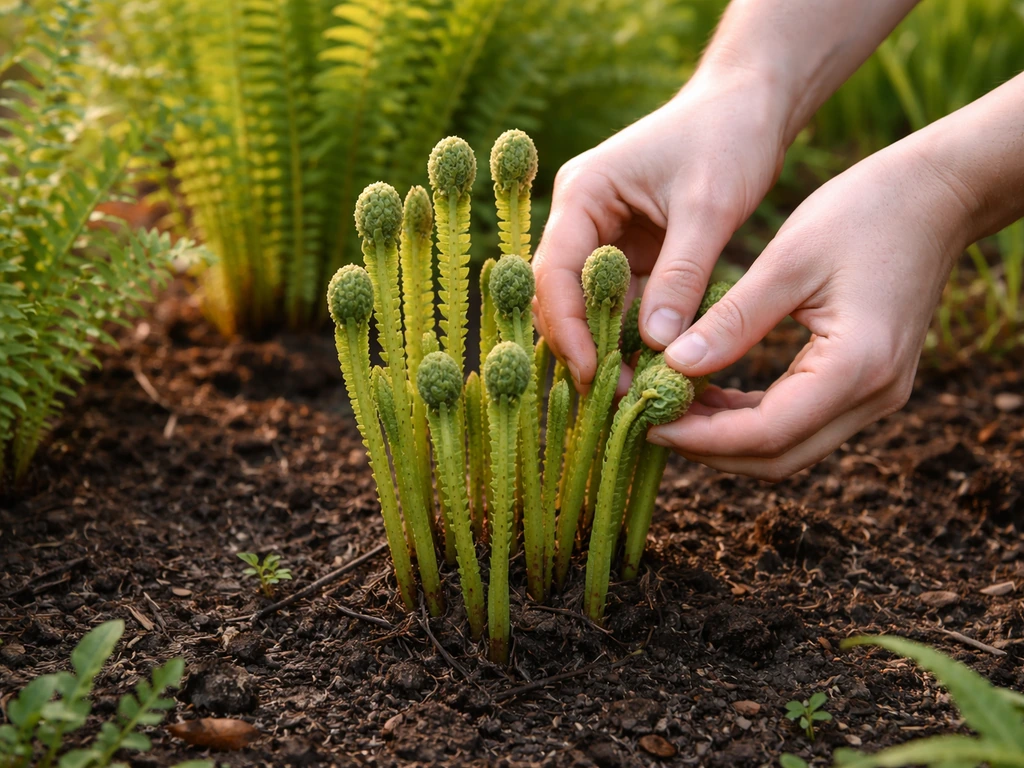
This is the part people get wrong. You cannot take every fiddlehead on a plant without seriously setting it back. The rule is to harvest no more than one-third to one-half of the fiddleheads per plant per season. The remaining fronds unfurl normally, photosynthesize all summer, and rebuild the crown's energy reserves for next year. Snap or cut the fiddlehead at the base of the stem when it's still tightly coiled, and peel off the papery brown husk. Handle gently, as they bruise easily.
In the first year after planting, take nothing. In year two, take very little, maybe one or two per crown just to taste. By year three, with a healthy established colony, you can harvest properly without guilt. A mature stand of a dozen or more plants can produce meaningful quantities for cooking, typically a few pounds across the brief harvest window.
Food safety note
Always cook fiddleheads before eating them. Eating them raw is linked to gastrointestinal illness even when properly identified as ostrich fern. Boil in salted water for 10 to 15 minutes, or steam for a similar time. They're delicious sautéed in butter with garlic after that initial blanching step.
Troubleshooting common fiddlehead problems
Slow growth or poor emergence
If your ferns are barely coming up after planting, the most common culprits are dry soil, too much sun, or a crown planted too deep. Check that you're watering enough, especially in the first season. If the site gets more than four hours of direct afternoon sun, the plant will struggle. Crowns planted deeper than 2 inches can be slow to emerge. Give them one full season before assuming failure.
Fronds unfurling before you can harvest
This usually means you missed the window, which is easy to do in a warm spring. The fronds can go from harvestable to unfurling in just a few days during a warm spell. Next year, check your patch every two to three days once soil temps hit 45°F and you see the first noses pushing up. You cannot slow them down, so stay attentive.
Yellowing or scorched fronds
Yellowing mid-season usually signals either too much sun or dry conditions. Move mulch in to retain moisture and check whether the site is getting unexpected afternoon sun as surrounding deciduous trees leaf out later. Brown, crispy frond edges often mean heat stress or drought. In zones 7 and warmer, this is a signal that your site isn't shady or moist enough.
Pests and disease
Ostrich fern has relatively few serious pest problems in North America. The biggest nuisances are slugs, especially in the Pacific Northwest and any other cool, wet garden. Hand-pick at night or use iron phosphate bait (safe for wildlife and pets). Deer browse ostrich fern fronds enthusiastically, which is worth knowing if you're in a deer-heavy area. A wire cage or deer repellent spray may be necessary in the first year or two before the colony is large enough to sustain some browsing. Fungal issues are uncommon in well-drained soil with good air circulation, but overcrowded colonies in stagnant humid conditions can develop rust or leaf spot. Thin the colony by dividing it if this becomes a problem.
Drainage problems
Consistently waterlogged soil (standing water for more than 48 hours after rain) will rot the crowns. If your low spot is more swamp than moist woodland, raise the planting area with compost or install simple French drain drainage before planting. Moist and wet are not the same thing.
What to do after harvest to keep your patch productive
After the harvest window closes and the remaining fiddleheads unfurl into full fronds, your job is basically to leave the plant alone and keep it comfortable. If you are also thinking about other at-home growing projects, you can grow toilet paper too, but the setup is very different from ferns After the harvest window closes. The fronds photosynthesize through summer and send energy back to the crown and root system. Don't cut them back in summer. Let them stand until they die back naturally in fall after frost.
In late fall or early winter, you can cut back the dead fronds to the ground or simply leave them as mulch. Either way works. Top-dress the bed with an inch or two of compost each fall to maintain organic matter levels in the soil. The plants will naturalize over time, spreading slowly via stolons to create an expanding colony. Every three to five years, if the clump becomes very dense or crowded, dig and divide it in early spring just as the new fiddleheads begin to emerge, or in fall after the fronds die back. Replant the divisions to extend your patch or share them with other growers.
One thing that surprises people: an established ostrich fern colony is genuinely perennial and long-lived. These plants can persist and expand in the same spot for decades with minimal intervention. Get the site right, be patient in the first two or three years, follow the one-third harvest rule, and you'll have a reliable spring crop that comes back on its own every year without replanting.
FAQ
Can you grow fiddleheads from seed, or do you need crowns or divisions?
You can start from spores, but it is slow and delicate, requiring sterile growing media and tightly controlled humidity and temperature. For home gardens, crowns in early spring or spring or fall divisions from an established patch are the practical options.
What is the safest way to know my fiddleheads are from ostrich fern?
Use plants from labeled sources so you know the species, then rely on the ostrich fern traits described in the article (smooth stalk, deep U-shaped groove inside the stem, and the papery brown husk you peel). If you are harvesting wild, don’t guess, get hands-on confirmation from an experienced local expert or a reliable local identification guide.
How deep should I plant the crown, and what happens if it is too deep?
Plant the growing tip just at the soil surface or slightly below, about 1 to 2 inches. If crowns are placed deeper than that, emergence is often delayed and plants can appear to fail for a full season.
How much sun is too much for ostrich fern in warmer zones?
Morning sun is usually tolerable, but protection from harsh afternoon light matters a lot, especially in zones 6 and warmer. If your yard gets more than about four hours of direct afternoon sun, plan on heavy shade (for example, a north-facing slope, tree shade, or a fence/building that blocks midday sun).
Can you grow fiddleheads in a container or raised bed instead of planting in the ground?
Yes, a container can work if you can keep the soil consistently moist and the plant has room to spread, but it is harder to maintain the cool, even moisture they prefer. A larger pot with excellent drainage plus frequent watering during dry spells is usually required, and the harvest will be limited until the fern establishes a dense root system.
How long should I wait before harvesting, especially if my plants are smaller than expected?
In the first year, take no harvest. In year two, harvest very lightly. If crowns still look sparse or fronds are stunted, wait until year three, even if it means missing a season, because stress and overharvesting reduce the next year’s crop.
How much can you harvest per plant without harming future yields?
Keep harvest conservative, no more than about one-third to one-half of the coiled fronds per plant per season. Leave the rest to unfurl so they can photosynthesize and rebuild energy in the crown for next spring.
My fronds started unfurling, can I still cook and eat them?
Once they unfurl, they are no longer in the eating stage described for fiddleheads. Harvest timing can shift quickly during warm spells, so check every two to three days once you see early emergence.
How do I avoid crown rot if my yard stays wet?
Moist is fine, but standing water is not. If the site stays flooded for more than about 48 hours after rain, raise the bed with compost or improve drainage (for example, with a French drain). The goal is consistently moist soil without waterlogged roots.
What is the best mulch for fiddlehead beds, and should I mulch right away?
Use shredded leaves or wood chips, about 2 to 3 inches around the base, to retain moisture and mimic woodland conditions. Apply after planting so moisture stays even through the first two seasons, then top up as the mulch breaks down.
Do slugs and deer mean I should start over if damage happens?
Usually no. Slugs are the most common pest issue in cool, wet areas, and hand-picking at night or using iron phosphate bait helps without harming pets and wildlife. Deer browsing is often worst in the first year or two, so temporary protection like a wire cage or repellents can prevent setbacks until the colony is established.
Should I cut the fronds back after the harvest window closes?
No. Leave the remaining fronds standing through summer so they can rebuild the crown’s energy reserves. Cut back only in late fall or early winter after dieback, or leave dead fronds as mulch.
How do I get more production over time, should I divide right away?
Do not divide early just to increase harvest. Divide every three to five years only if the clump becomes very dense or crowded, using early spring when new fiddleheads begin to emerge or in fall after fronds die back. Replant divisions promptly to keep soil conditions consistent.
Next Articles
Can You Grow Agave in Canada? Zone Guide & Growing Tips
Can you grow agave in Canada? Practical region-by-region guide, hardy species, container tips & winter care.
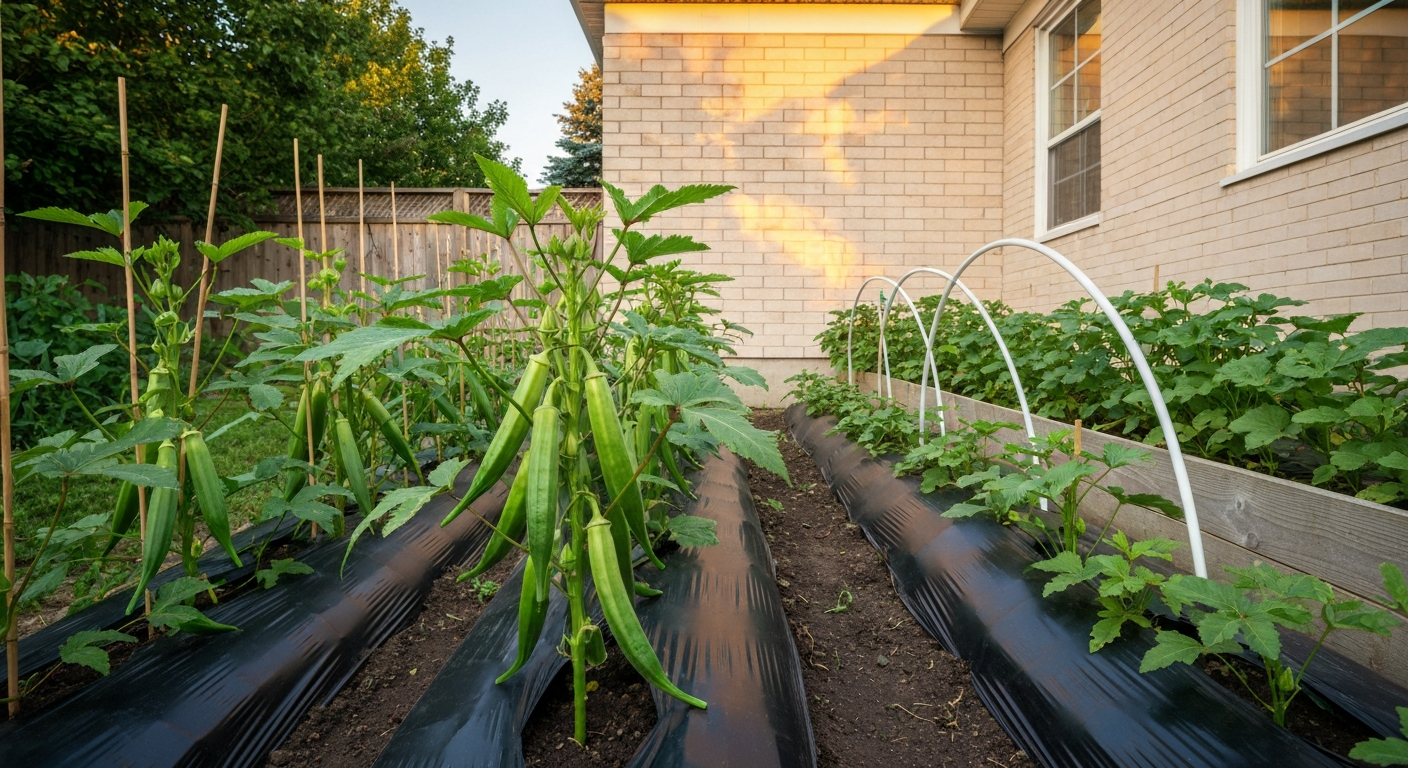
Can You Grow Okra in Canada? Ontario Guide & Short‑Season Tips
Can you grow okra in Canada? Regional verdict, Ontario-specific steps, varieties, season-extension & harvest tips.
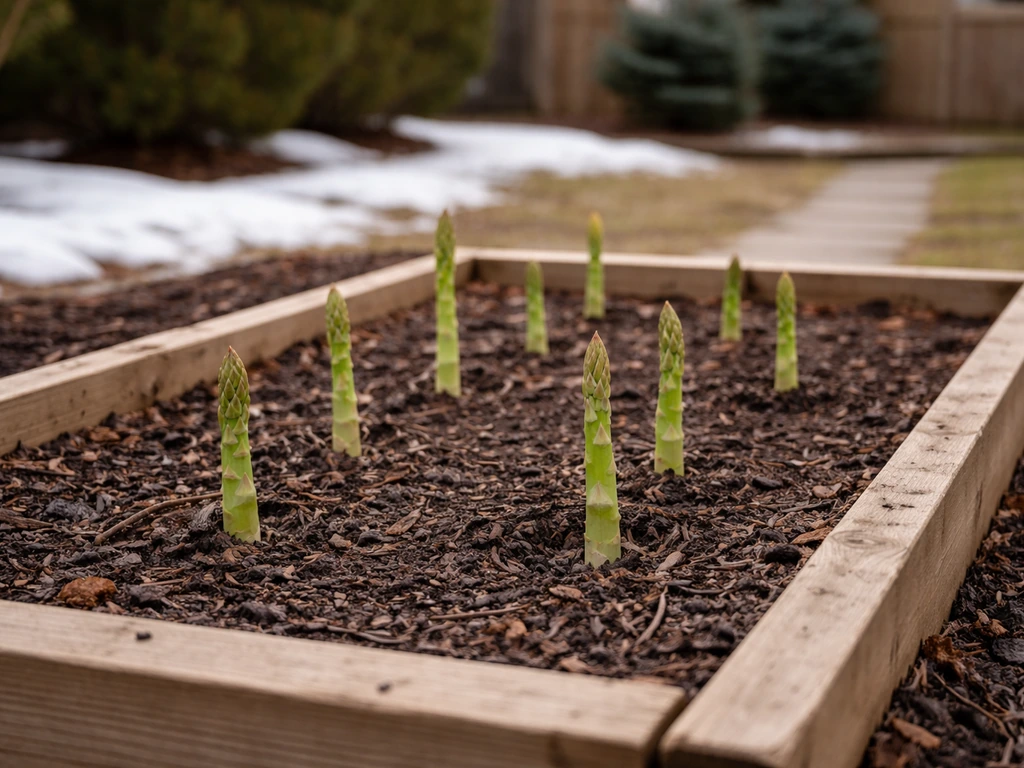
Can You Grow Asparagus in Canada? Planting Guide by Zone
Grow asparagus in Canada by zone: site, hardiness, crowns or seed, planting depth, care, and harvest plus fixes