
Yes, you can grow milk thistle in most parts of the United States, and it's honestly one of the easier specialty herbs to establish. You might also be wondering, can you grow mandrake in your area, and what conditions it really needs? It tolerates poor soils, drought, and a wide range of climates, which is exactly why it has naturalized across so much of the country. The main thing to get right is timing: milk thistle is a winter annual or biennial (Silybum marianum), meaning it wants a cool season to get started and then flowers and sets seed in its first or second summer. Get that lifecycle right for your region, and the plant mostly takes care of itself.
Can You Grow Milk Thistle in Your US Region? Guide

Marcus Holloway
11 May 2026
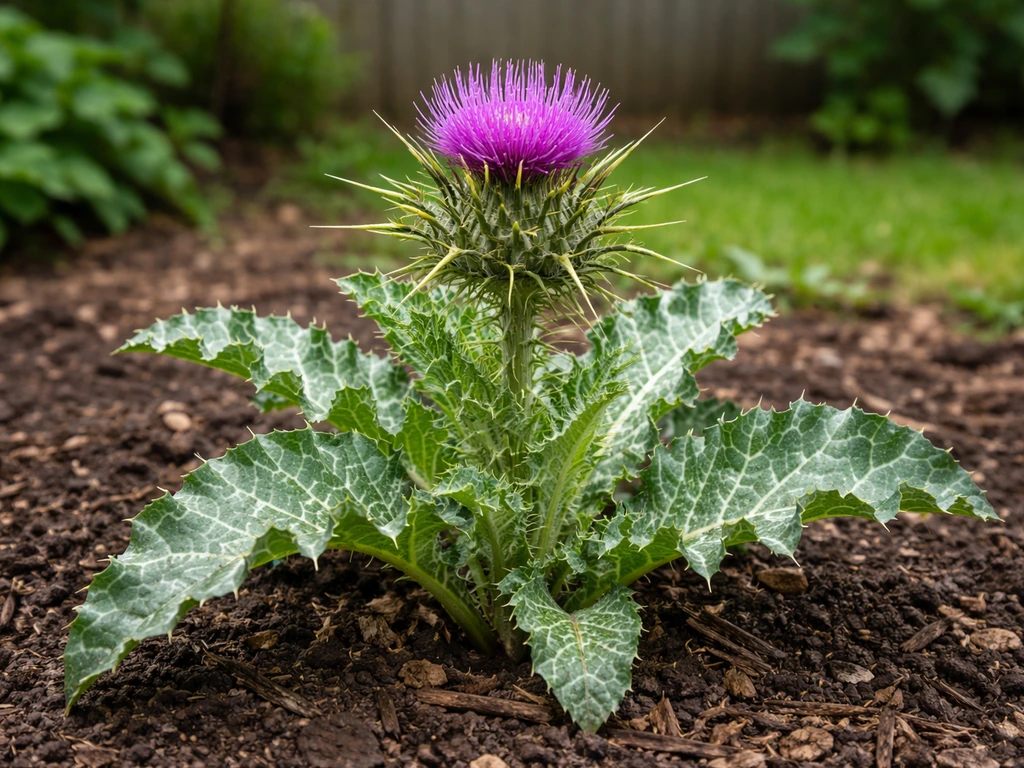
What milk thistle actually is and where it thrives
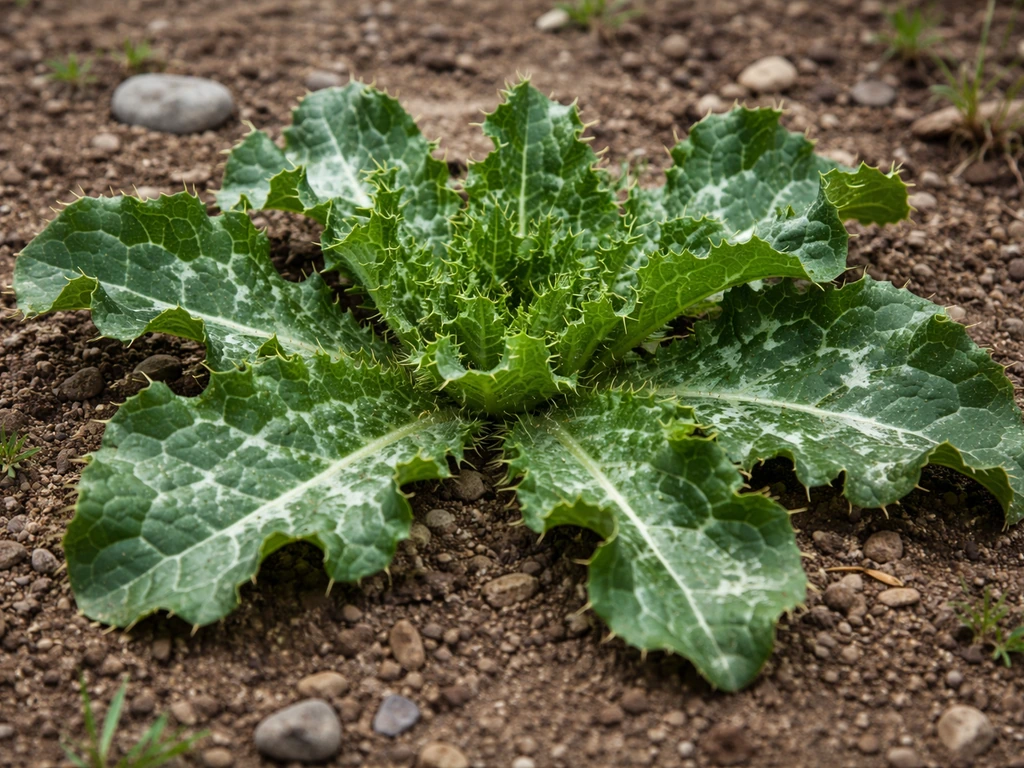
Milk thistle (Silybum marianum) is a taprooted annual or biennial native to the Mediterranean. It produces a dramatic basal rosette of glossy, white-marbled leaves early in its life, then shoots up a branching stem topped with purple, thistle-like flowerheads in summer. Mature plants commonly reach 3 to 6 feet tall (roughly 90 to 180 cm), and the whole plant is built around one end goal: producing seeds. Those seeds are what most growers are after, since they contain silymarin, the compound associated with liver support and supplement use.
In the wild, milk thistle grows in disturbed ground, roadsides, and dry slopes across temperate regions. It has naturalized widely across the western United States, parts of the Southeast, and scattered areas throughout the Midwest and Northeast. That naturalization tells you a lot: this is not a fussy, finicky plant. It handles lean soils, intermittent drought, and temperature swings that would kill more tender herbs. It does not, however, love prolonged waterlogged soil or extreme tropical humidity.
Where in the US you can realistically grow it
The short version is that milk thistle grows well in USDA hardiness zones 5 through 9, which covers the vast majority of the continental United States. Within that range, though, your climate and season length shape how you approach it.
| US Region / Zone | Feasibility | Best Approach |
|---|---|---|
| Pacific Coast (CA, OR, WA) / Zones 8-10 | Excellent | Direct sow in fall; overwintered rosettes flower and seed in late spring or summer |
| Southwest (AZ, NM, NV) / Zones 7-10 | Very good | Fall sow in lower elevations; spring sow at higher elevations; provide occasional irrigation |
| Mountain West (CO, UT, ID, MT) / Zones 4-7 | Good | Early spring sow as soon as soil is workable; short seasons favor biennial treatment |
| Midwest (IL, IA, MN, WI, MO) / Zones 4-6 | Good | Direct sow in early spring or fall where winters are mild enough; mulch for hard freezes |
| Southeast (TX, LA, GA, FL, SC) / Zones 7-10 | Moderate | Fall through early spring planting; summer heat and humidity can cause problems at seed set |
| Mid-Atlantic & Northeast (NY, PA, VA, NC) / Zones 5-7 | Good | Spring sow after last frost; biennial plants overwinter with light mulch and seed in year two |
| Upper Midwest & Northern Plains (ND, SD, MN) / Zones 3-5 | Possible with care | Spring sow only; short growing season may limit seed set in year one |
California, Oregon, and much of the Southwest are genuinely ideal because the Mediterranean-style climate mirrors milk thistle's native habitat. In the Southeast, the bigger challenge is not cold but heat and humidity at the critical time when seeds are maturing, which can lead to mold issues. In the northern tier, a short growing season means you may need to treat it strictly as a biennial, letting plants overwinter and harvesting seed in the second summer.
Soil, sun, water, and spacing
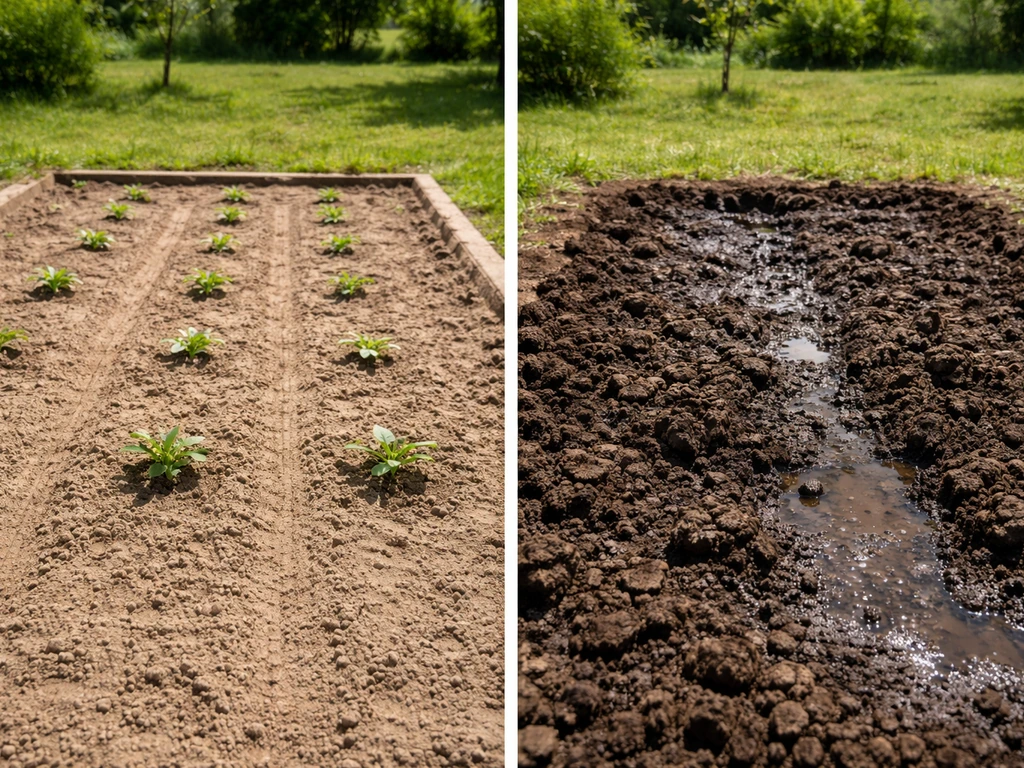
Milk thistle is forgiving about soil quality. It actually prefers blank" rel="noopener noreferrer">well-drained, lean, slightly alkaline soil (pH around 6.5 to 7.5) and performs worse in rich, heavily amended beds where it tends to put energy into lush foliage rather than seeds. If your garden soil is average or even a bit rough, that is fine. Just make sure drainage is reasonable. The RHS also notes that Silybum marianum prefers poor to medium fertile, well-drained soil in full sun reasonable drainage. Standing water will rot the taproot, especially during cool weather.
- Sun: Full sun, at least 6 to 8 hours per day. This is not negotiable for good seed production.
- Soil: Well-drained, average to lean fertility. Sandy loam or loamy soil is ideal. Avoid waterlogged or heavily clay-compacted areas without amendment.
- pH: Slightly neutral to alkaline, roughly 6.5 to 7.5.
- Water: Drought-tolerant once established. Water young seedlings and rosettes regularly, then back off as the plant matures. Deep, infrequent watering suits the taproot.
- Spacing: Give plants at least 24 to 36 inches apart. These are big plants with wide rosettes and tall flowering stems, and crowding them reduces airflow and seed quality.
How to plant milk thistle: seed vs transplants and timing
Direct sowing from seed is the best approach for milk thistle, and most experienced growers strongly prefer it. Because milk thistle develops a deep taproot early, it dislikes being transplanted once established. Transplants started in small cell trays often become rootbound quickly, and any disturbance to the taproot at planting can stall growth significantly. If you do start transplants, use deep pots (4-inch or larger) and transplant when seedlings are still very young, 2 to 3 weeks old at most.
Timing by region
- Mild-winter regions (Zones 8-10, coastal California, Pacific Northwest, deep South): Direct sow in fall, September through November. Plants establish a rosette over winter and flower in spring or early summer.
- Moderate climates (Zones 6-7, mid-Atlantic, mid-South, Intermountain West): Sow in early spring, 4 to 6 weeks before the last frost, or in fall where winters stay above roughly 10°F.
- Cold climates (Zones 4-5, Midwest, Northeast, mountain regions): Sow in early spring as soon as soil can be worked, typically March through April. Expect flowering and seed set in the first summer or treat as a biennial for second-year seed harvest.
Germination tips
Milk thistle seeds germinate relatively easily without special treatment. Sow seeds about 1/4 inch deep directly in the garden or starting container. At soil temperatures between 55°F and 70°F, germination typically occurs within 7 to 14 days. Cold stratification is not required but can speed germination if your seeds are older or stored; a week in a damp paper towel in the refrigerator before sowing works fine. Thin seedlings to your target spacing (24 to 36 inches) once they have their first true leaves, since transplanting later is problematic.
Ongoing care and what goes wrong
Once established, milk thistle is genuinely low-maintenance. The most common issues growers run into are self-seeding aggressiveness, bolting too early, and the occasional aphid problem. Here is what to watch for:
- Self-seeding: Milk thistle spreads prolifically if you let seed heads mature and shatter. In some states it is classified as invasive or a noxious weed, so deadhead any flowers you are not intentionally harvesting. Check your state's regulations before planting, especially in California, Oregon, Washington, and parts of the Southwest.
- Bolting/flowering timeline: Milk thistle that receives a cold period (vernalization) will flower faster in spring. This is normal behavior, not a problem. If you are growing it purely for seeds, this is exactly what you want.
- Aphids: Milk thistle occasionally attracts aphids, especially on young stems. A hard spray of water or an insecticidal soap solution handles most infestations without fuss.
- Root rot: Almost always caused by overwatering or poor drainage. If your plant's lower leaves yellow and the base feels soft, improve drainage and reduce watering immediately.
- Slow germination in cold soil: If you sow too early in very cold soil (below 50°F), seeds can sit dormant for weeks. Wait until soil warms or use cold stratification to help things along.
- Leaf spots and fungal issues: More common in humid climates like the Southeast. Good plant spacing, full sun, and avoiding overhead watering in the evening reduces most fungal pressure.
Harvesting milk thistle seeds and flowers
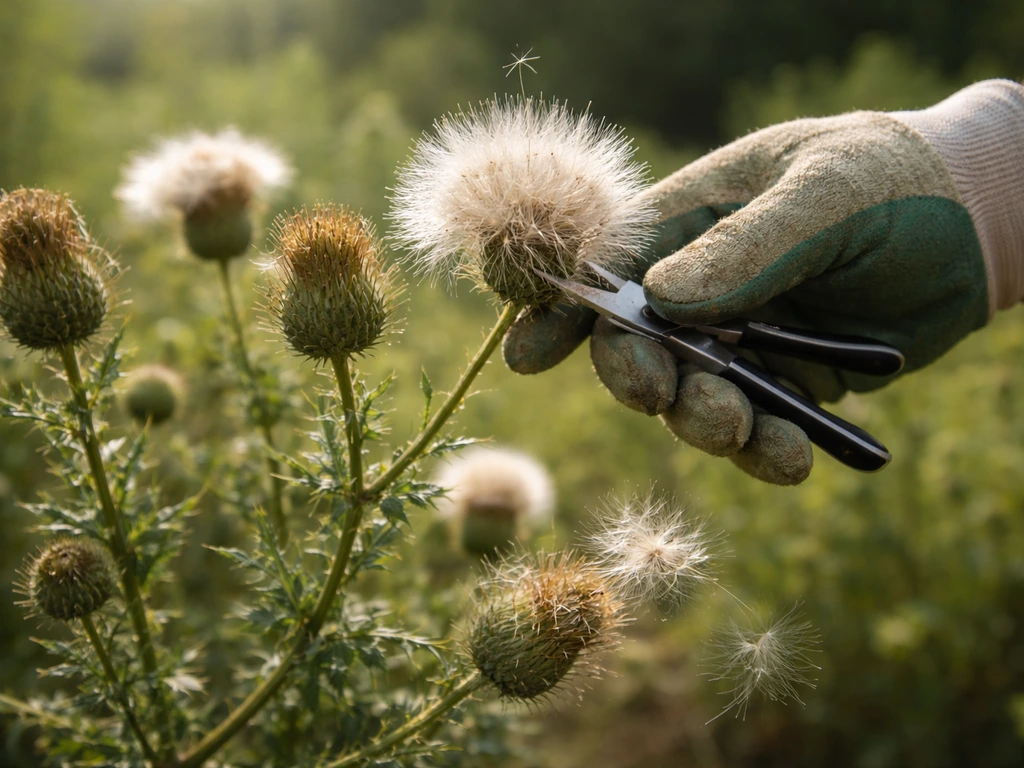
The seeds are the primary harvest for most growers, and timing matters here. Milk thistle flowers sequentially over several weeks, so seed heads do not all ripen at once. You will know a seed head is ready when the feathery white pappus (the fluffy dandelion-like tufts) begins to appear at the top of the flower head and the petals have dried back. At that point, the seeds inside are mature and will disperse quickly if you wait too long.
- Harvest seed heads individually as they ripen rather than waiting to cut all at once. Check plants every few days once flowering is underway.
- Cut the head with a few inches of stem and place it immediately into a paper bag. The bag catches any seeds that release during handling.
- Let cut heads dry further in the bag for 1 to 2 weeks in a warm, dry location.
- Once fully dry, crush or rub the heads to release the seeds, then winnow out the chaff by pouring from one container to another in a light breeze.
- Store seeds in a cool, dry, airtight container. They remain viable for supplemental use or replanting for 2 to 3 years stored properly.
If you want the flowers themselves (which are edible and sometimes used ornamentally), harvest them just as they open for the most visual impact. The leaves are also edible when young and can be used like a prickly spinach substitute, though most home growers focus on the seeds.
Milk thistle is one of those plants that rewards low effort with a solid harvest. If you are already exploring other specialty grows, the same practical zone-matching approach applies whether you are looking at something like mandrake, ephedra, or other herbs that push the edges of typical garden lists. The fundamentals of matching plant lifecycle to your regional climate always come first, and milk thistle is a great place to start because it is genuinely forgiving for beginners and productive for experienced growers. If you are also asking can you grow spaghetti, treat it the same way you would other specialty plants: match the lifecycle to your regional climate and keep the basics consistent. If you are specifically wondering can you grow amethyst, you will want to focus on the right growing conditions and start with disease-free material.
FAQ
Can you grow milk thistle in containers, or does it need a bed?
You can grow it in a container, but you must choose a deep pot to protect the taproot. Use a wide, deep container (at least 12 inches deep), keep soil very well drained, and plan on direct-sowing because moving established seedlings can stall root development.
What’s the best way to prevent mold when it’s hot and humid in the Southeast?
Airflow is your main lever. Space plants toward the wider end of the recommended spacing, avoid overhead watering, water early in the day, and remove any heavily infected seed heads promptly so spores do not spread through the stand.
How do I tell if I should treat it as an annual or a biennial in my region?
If your summers are short or your winters reliably stay cool, plan for a biennial cycle (seed harvest in the second year). If you regularly reach warm temperatures and have long enough cool-to-warm seasonal transition, many gardeners can get a first-year seed set, but the biennial approach is more dependable in the northern tier.
Can I harvest seeds and then plant them again immediately?
You can save the seeds, but don’t expect every fresh seed to perform the same. For best results, let seed heads fully dry, store seeds cool and dry, and if they are older or questionable in age, a short damp-towel refrigeration period before sowing can improve germination.
Is it safe to grow milk thistle if I have pets or kids?
Milk thistle seeds and leaves are the parts people commonly use, but the plant still has defensive spines on foliage and it can self-seed widely. If you have curious pets or small children, consider fencing the bed and deadheading before fluffy tufts appear to limit spread and contact with prickly growth.
Why did my milk thistle bolt too early, and how can I reduce it?
Early bolting usually happens when plants experience stress, especially temperature swings during establishment or insufficient time in the cool growth phase. Starting timing matters, keep drainage consistent, and avoid transplanting once roots are forming since root disturbance can trigger abnormal early flowering.
How can I manage self-seeding without losing your harvest?
Watch the transition point from dried petals to the appearance of pappus tufts. Harvest seed heads as they are ready, then remove or bag any heads you do not intend to save before they fully disperse. After harvest, consider a light cleanup pass to catch dropped seeds.
Do I need to fertilize milk thistle to get good seed production?
Usually no. Because it tends to perform worse in overly rich, heavily amended soil, aim for lean conditions. If growth looks weak, use a light, balanced feeding once early in the season, but avoid high-nitrogen fertilizer that can push foliage at the expense of seed.
What’s the most common pest issue, and what should I do first?
Aphids are the most frequent pest problem. Start with a non-chemical approach, such as hosing plants gently to dislodge aphids and monitoring repeatedly for a week. If infestations explode, focus on spot treatment rather than blanket spraying to protect beneficial insects.
Can I start milk thistle indoors, then move it outside?
Indoor starts can work only if you keep root disturbance to a minimum. Use very deep pots, sow lightly, and transplant while seedlings are very young. If your region’s conditions are reliable, direct sowing is still the safest path because it preserves the taproot from the beginning.
Next Articles
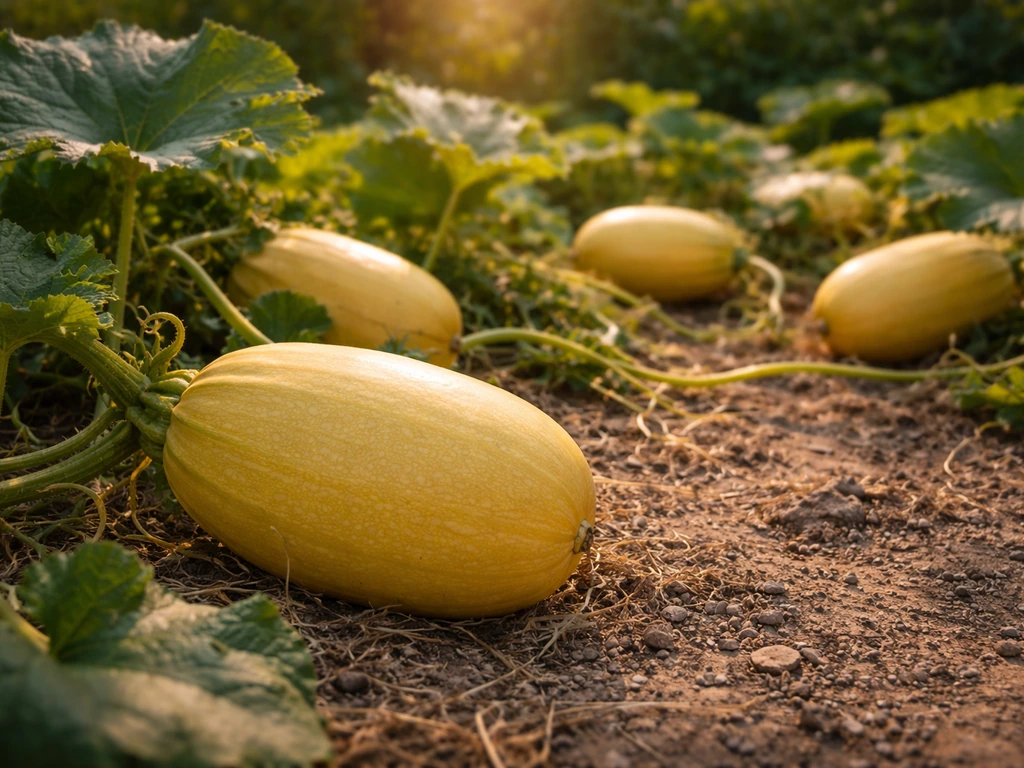
Can You Grow Spaghetti? Growing Spaghetti Squash in the US
Grow spaghetti squash in the US with climate-specific tips, planting to harvest, pest control, and how to make strands.

Can You Grow Amethyst at Home Step by Step Guide
Learn if you can grow amethyst at home, what supplies to use, step-by-step crystal growth, timing, troubleshooting, safe
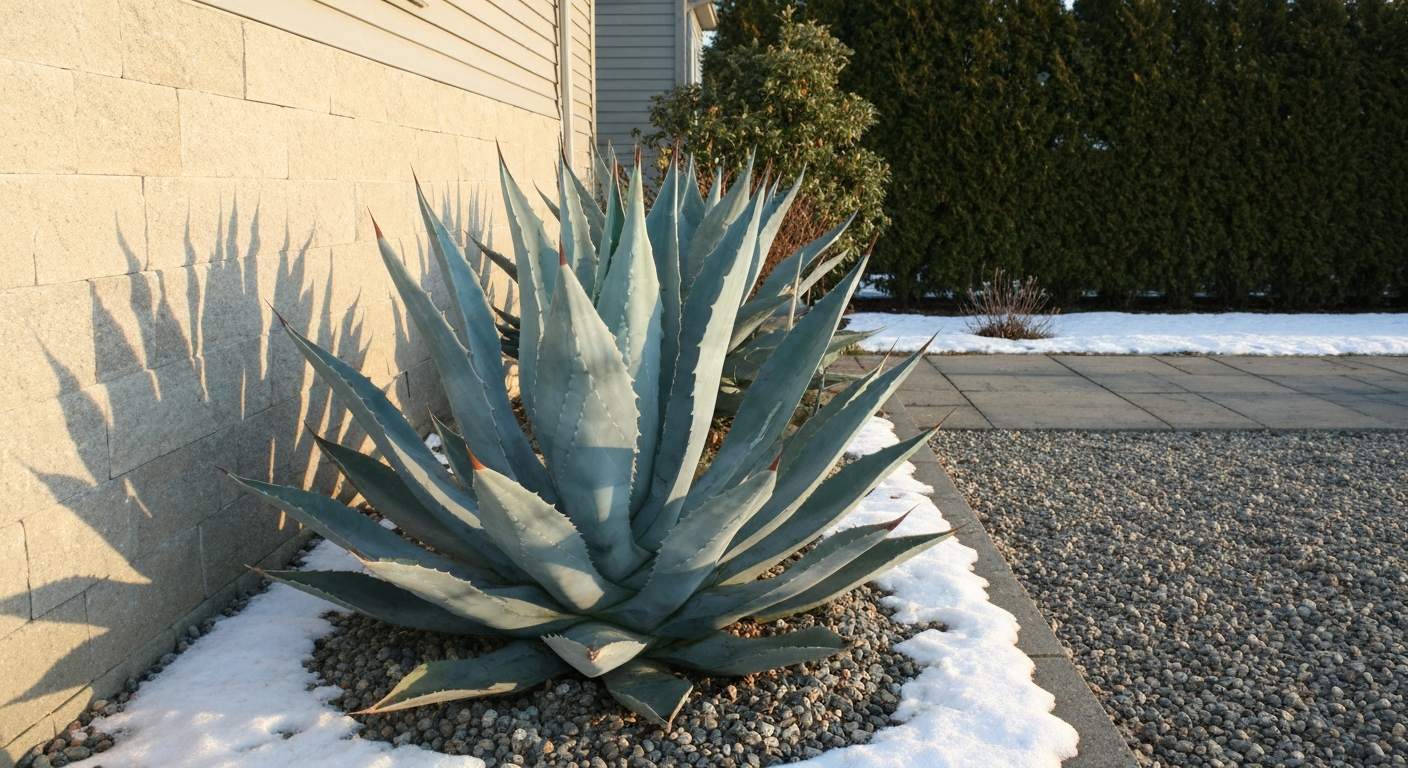
Can You Grow Agave in Canada? Zone Guide & Growing Tips
Can you grow agave in Canada? Practical region-by-region guide, hardy species, container tips & winter care.