
Yes, you can absolutely grow spaghetti in a home garden, but what you're almost certainly looking for is spaghetti squash (Cucurbita pepo), the vining winter squash whose cooked flesh separates into long, noodle-like strands. Amethyst is also a natural option to grow at home, but it requires a different setup and timing than spaghetti squash. It grows well across most of the US with 90–100 days of warm weather, some elbow room for vines, and consistent water. If your season is shorter or cooler, there are real workarounds that make it doable even in northern states.
Can You Grow Spaghetti? Growing Spaghetti Squash in the US
Marcus Holloway
1 May 2026
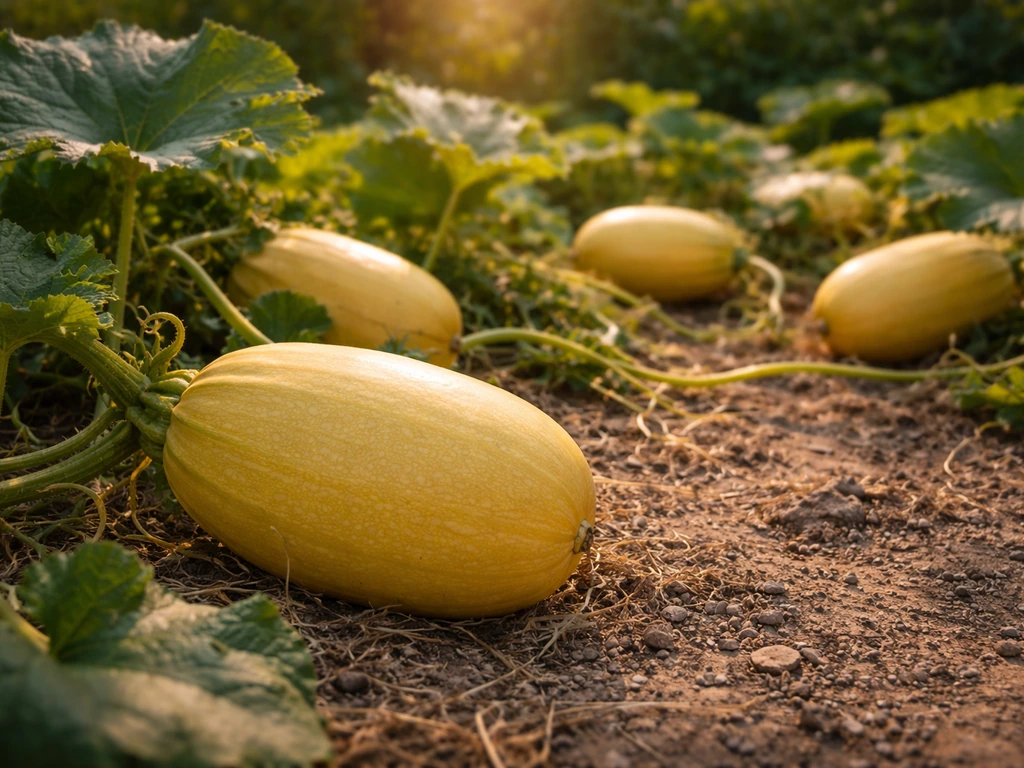
What people usually mean when they search 'spaghetti'
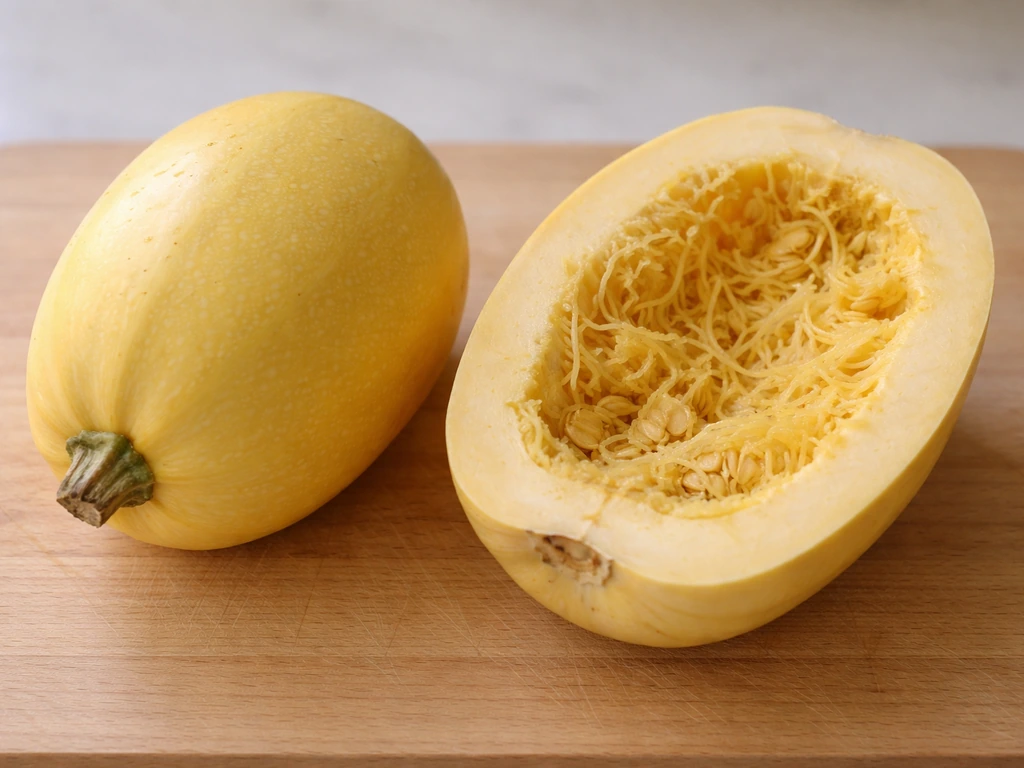
Most people searching this phrase are asking about spaghetti squash, and that's the crop this guide focuses on. It's a cultivar group within Cucurbita pepo, the same species as acorn squash and sugar pumpkins, and it earns its name because the yellowish flesh, once cooked, pulls apart into firm, spaghetti-like strands. It's a legitimate garden vegetable, a vine crop with tendrils just like any other cucurbit, and a perfectly realistic thing to grow at home.
A small note on the other 'spaghetti' plants that sometimes show up in searches: 'spaghetti plant' is occasionally used as a common name for certain ornamental or houseplants, and there are basil varieties sometimes nicknamed for their thin stems or Italian associations. Neither of those is what this article is about. If you're reading this because you want those strange, pasta-like strands on your dinner plate, spaghetti squash is your plant. If you are wondering can you grow ephedra, that is a very different plant with very different growing requirements than spaghetti squash.
Can you grow it where you live? A quick regional check
Spaghetti squash needs 90–100 frost-free days with soil temperatures of at least 65–70°F at planting and daytime highs ideally between 75–85°F through the growing season. Nights below 60°F consistently will slow growth, and temps above 95°F can hurt fruit set. That window covers a big chunk of the US, but it's worth a quick look at your region.
| Region | Feasibility | Notes |
|---|---|---|
| Southeast (FL, GA, AL, SC, MS) | Easy | Long warm season; plant in spring and again in late summer for a fall crop |
| Southwest (CA, AZ, NM, TX) | Easy to moderate | Abundant heat; water carefully and shade in extreme desert zones above 100°F |
| Midwest (OH, IN, IL, MO, KS, NE) | Good | 90–110 frost-free days typical; start transplants indoors for best results |
| Mid-Atlantic & Southeast inland (VA, NC, TN, KY) | Good | Warm summers; direct sow after last frost or start transplants indoors |
| Pacific Northwest (WA, OR) | Moderate | Cool summers can be tight on days; use black plastic mulch and row covers |
| Mountain West (UT, CO, ID, MT) | Moderate to challenging | Plant from early April in southern zones to mid-June in cooler highlands |
| Great Lakes & Upper Midwest (MN, WI, MI) | Challenging but doable | Start indoors 3–4 weeks early; use row covers and early varieties |
| New England (ME, VT, NH, MA) | Challenging | Choose short-season varieties (under 90 days); season extension essential |
| Alaska & high-elevation areas | Very difficult outdoors | Containers or high tunnels strongly recommended |
The bottom line: if you live somewhere with a reliable summer of at least three months, you can grow spaghetti squash. The further north or higher the elevation, the more you'll lean on transplants, row covers, and early-maturing varieties rather than direct sowing and waiting.
How to actually grow it: seeds, transplants, timing, and soil
Seeds vs. transplants
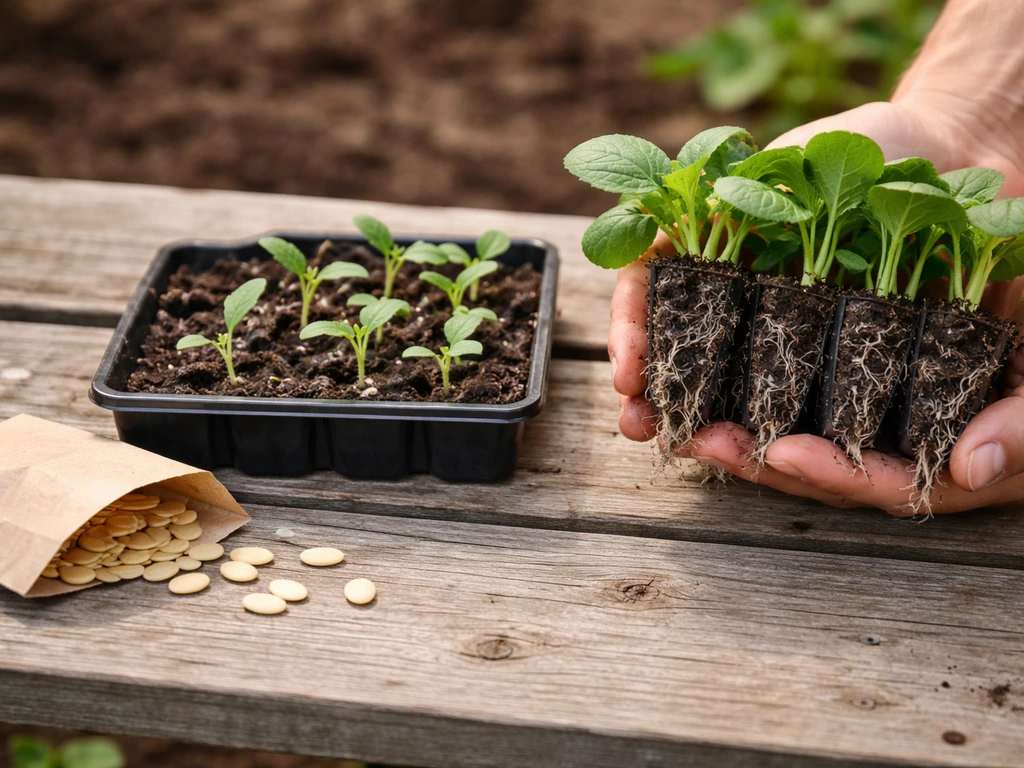
In most of the US, you can direct sow spaghetti squash seeds once the soil hits 65–70°F and the frost danger is past. Plant 4–6 seeds per mound about 1 inch deep, then thin to the 2 strongest seedlings once they have two true leaves. In short-season regions (think Minnesota, Vermont, or high-elevation Utah), start seeds indoors 3–4 weeks before your last frost date and transplant carefully, squash roots don't love being disturbed, so use biodegradable pots if you can.
Planting time by region
In the warmest southern states, direct sow as early as late March or early April. In the middle of the country (Illinois, Kansas, Virginia), late April to mid-May is typical. In cooler northern zones, you might not safely direct sow until late May or even early June, which is exactly why starting transplants indoors pays off. If you're in a place like northern Utah, planting calendars suggest early April in the south of the state and as late as mid-June in the cooler north, that's the kind of range you need to account for.
Spacing and soil prep
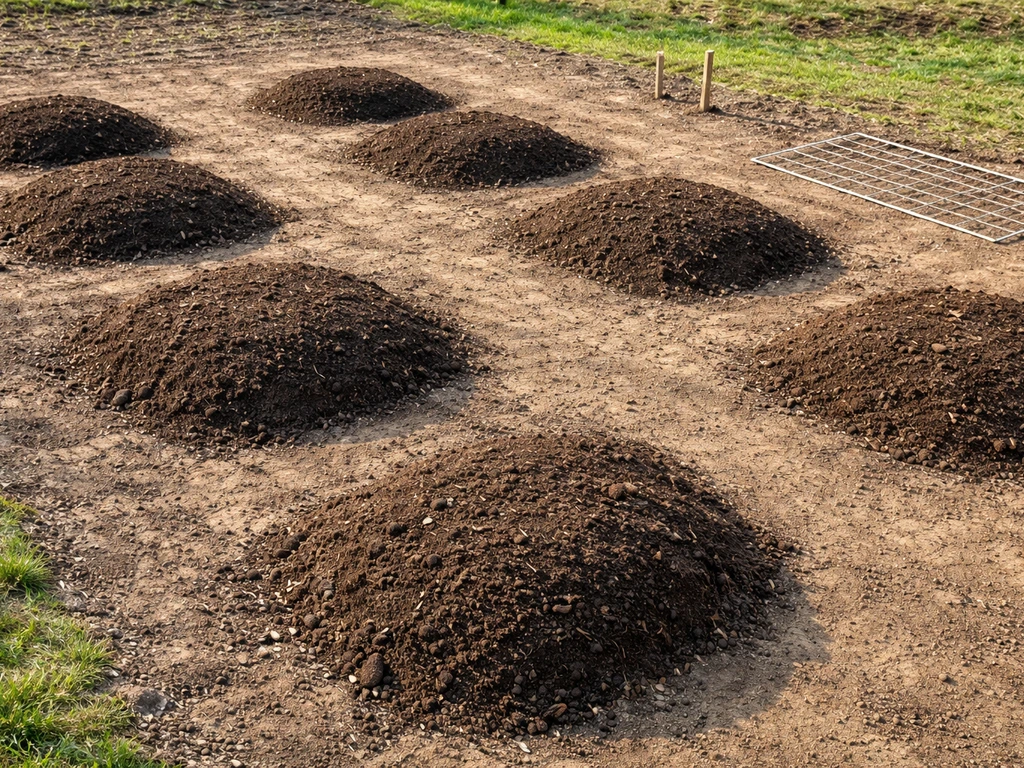
Spaghetti squash vines spread aggressively, budget 4–6 feet in every direction per plant, or plan to train vines along a fence or trellis. Plant in mounds or raised rows for good drainage. Before planting, work in up to 2 inches of compost and apply a balanced all-purpose fertilizer like 10-10-10 or 16-16-8 at roughly 4–6 cups per 100 square feet. Squash likes a slightly acidic to neutral soil pH, ideally 6.0–6.8. Black plastic mulch laid over the bed before transplanting will warm the soil, hold moisture, and get you to harvest faster, it can raise soil temperatures 15–20°F over bare soil, which matters a lot early in the season.
Keeping it alive through the season
Watering
Aim for about half an inch to 1 inch of water per week during early growth, stepping up to 1–2 inches of deep watering as fruit develops. Consistency matters most around flowering and fruit set, erratic watering at that stage leads to misshapen fruits, poor flavor, and blossom-end rot. Water at the base of the plant, not overhead, to reduce disease pressure. Drip irrigation or soaker hoses under mulch are ideal.
Fertilizing
Side-dress with a balanced fertilizer once the vines start running, then switch to a lower-nitrogen formula once you see flowers forming. Too much nitrogen late in the season pushes lush vine growth at the expense of fruit, a common mistake that leaves you with beautiful leaves and no squash.
Vines and space
Spaghetti squash is a full-sized vining plant, not a compact bush type. If space is tight, you can train the vines up a sturdy trellis and support developing fruits with fabric slings (old pantyhose or mesh bags work well). This keeps the squash off the ground and reduces rot risk. If you're growing in open garden rows, just give each plant its space and let the vines wander, trying to cram them together usually causes more disease problems than it's worth.
Pests and diseases to watch for
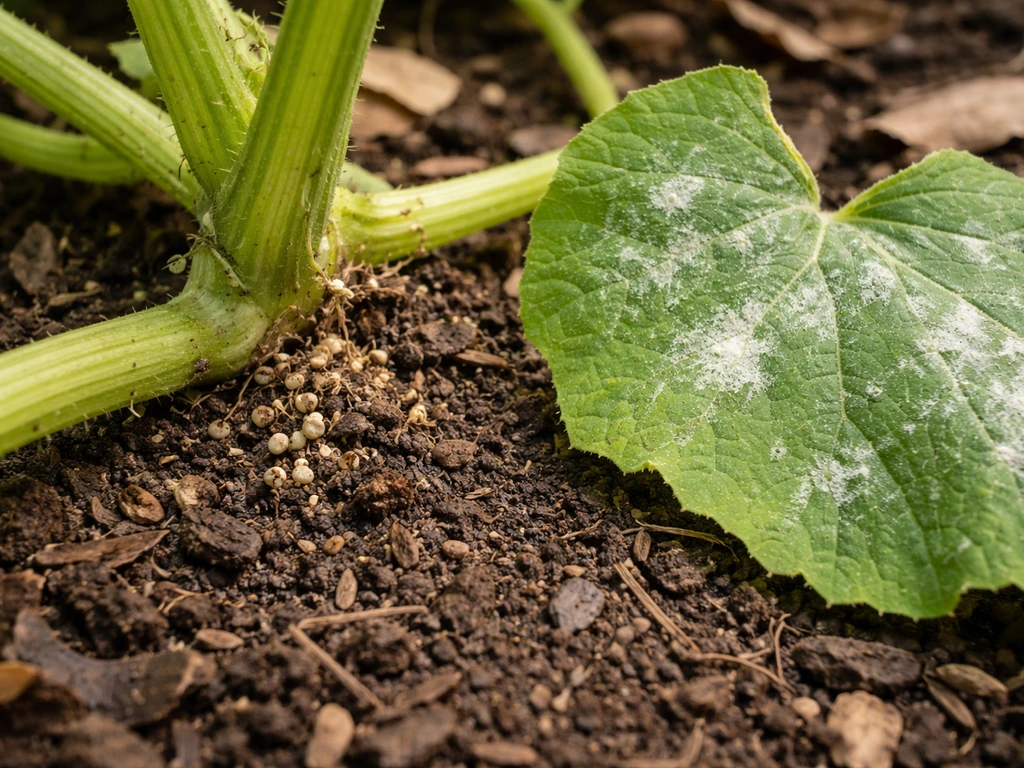
The four biggest threats to spaghetti squash are squash vine borers, squash bugs, cucumber beetles, and powdery mildew. Squash vine borers lay eggs near the base of vines in midsummer; the larvae tunnel inside and can kill a vine quickly. Squash bugs congregate and lay bronze egg clusters on the undersides of leaves, catch them early, before the nymphs hatch. Cucumber beetles spread bacterial wilt and are worth controlling at transplant time with row covers. Remove the row covers once flowers appear so pollinators can get in, which is non-negotiable for fruit set, honey bees and bumble bees do the work here.
Powdery mildew (Podosphaera xanthii) is almost inevitable late in the season, you'll see white powdery patches spreading across leaves. It won't necessarily kill the plant, but it speeds up decline. Downy mildew (Pseudoperonospora cubensis) is a more aggressive foliar disease that appears as yellowish patches on top and fuzzy growth underneath; monitor regional disease forecasting tools if you're in a high-pressure area. Good air circulation, avoiding overhead watering, and not crowding plants are your best prevention strategies.
Harvesting, making the strands, and storing
When to harvest
Spaghetti squash is ready when the rind turns a deep golden yellow and is hard enough that you can't dent it with your thumbnail. The skin should feel tough and dull, not shiny or green-tinged. Harvest by cutting the stem with 2–3 inches attached to the fruit, don't snap it off, because a broken stem shortens shelf life and opens the door to rot. Handle fruit gently to avoid punctures or scratches.
Curing for storage
If you want the squash to last more than a few weeks, cure it first. Place harvested squash in a warm spot (80–85°F) with good airflow for about 5–7 days. This hardens the skin further and heals minor surface abrasions. After curing, move it to a cool, dry location around 45–50°F, a basement, unheated garage, or root cellar. Properly cured and stored spaghetti squash can keep for several months.
Getting the strands
Cut the squash in half lengthwise, scoop out the seeds, and cook it cut-side down in the oven at around 375–400°F for 30–45 minutes (or microwave for a faster option). Once tender, drag a fork across the flesh and it separates naturally into long, spaghetti-like strands. That's it, no special technique required. The strands are most satisfying with squash that was harvested fully mature; underripe squash tends to be mushier and less strand-like.
What to do when things go wrong
- Vines growing but no fruit: almost always a pollination problem. Check that you have both male and female flowers open at the same time (female flowers have a tiny immature squash at the base), and that bees are visiting. Hand-pollinate by transferring pollen from a male flower to a female flower with a small brush or by rubbing them together.
- Flowers dropping without setting fruit: this often happens during heat waves above 95°F or during extended cool spells below 60°F at night. Fruit set should resume once temperatures stabilize — don't panic.
- Slow growth in cool weather: soil temperature is almost certainly the culprit. Use black plastic mulch, row covers, or both to warm things up. Clear plastic warms soil even more than black, though it also encourages weed growth.
- Blossom-end rot: caused by inconsistent watering leading to calcium uptake issues. Improve your watering schedule first before reaching for foliar sprays.
- Fruit rotting on the vine or in storage: usually from a wound, insect damage, or powdery mildew progressing to the fruit. Keep vines off wet soil (trellis or mulch underneath), harvest promptly when ripe, and cure properly before storage.
- Squash vine borer damage: wilting vines mid-season with sawdust-like frass at the base. You can slit the vine, remove the larvae manually, and bury the damaged section under soil — the vine may re-root. Prevention with row covers early in the season is far easier than treatment.
What to try if your climate is too cold or your season too short
If you're gardening in a short-season zone and spaghetti squash feels like a stretch, these are the moves that actually help. First, look for early-maturing varieties bred for 80–85 days rather than 100. Starting transplants indoors 3–4 weeks early gives you a meaningful head start. Laying black plastic mulch before transplanting warms the soil fast. Row covers over young transplants can protect against late cold snaps and keep heat in during cool nights, just remove them once flowers open so pollinators can do their thing.
Container growing is a genuine option for gardeners with limited space or who want to maximize heat on a sunny deck or patio. Use a 15–20 gallon container minimum and expect to water more frequently. High tunnels or cold frames can extend your season by several weeks on both ends, which often makes the difference in zones with summers under 90 days.
If spaghetti squash still won't fit your season, summer squash varieties (zucchini, yellow crookneck) mature in 45–60 days and are far more forgiving in short seasons. They won't give you strands, but they're satisfying to grow. Other specialty crops like milk thistle or certain herbs can fill garden space in climates that don't cooperate with long-season cucurbits. The main takeaway: spaghetti squash is achievable in most of the continental US with the right timing and a bit of season-extension help, even if your summers aren't especially long. Mandrake is a much more unusual and difficult plant to raise than common garden vegetables, so you will want to rely on careful, species-specific instructions before trying to grow it.
FAQ
Can you grow “spaghetti” from seed outside early in the season, or do you need to start indoors?
You can, but treat it like winter squash, not a spring crop. If you plant too early and the soil is under about 65°F, seedlings stall and you may end up with uneven growth, delayed flowering, and smaller fruit. In cold springs, start seeds indoors and wait to transplant until both frost risk is past and the soil has warmed.
How do I tell if my spaghetti squash variety will mature in my short summer?
For spaghetti squash, count your days from transplanting or sowing, not from when you see vines. If your variety is 80 to 85 days, that can work in shorter summers, but you still need enough warm nights to get flowering and fruit set. If nighttime temps stay below roughly 60°F for long stretches, you may not get the payoff even when you “hit the days to maturity.”
Do row covers prevent problems with cold weather, or will they stop pollination?
Row covers help early plants, but they can reduce pollination later if you leave them on during bloom. A good rule is to keep covers on until you first see flowers, then remove the covers long enough for insects to access blossoms. If you must cover for cold snaps, cover only during the risky hours and uncover when flowers are open.
What should I do if my plant is growing huge vines but not making squash?
Spaghetti squash generally needs regular feeding early, then less nitrogen once vines start running and especially after flowers begin. If you see lots of leaves and very few blossoms, it often means too much nitrogen late. Switching to a lower-nitrogen fertilizer after flowering starts (and avoiding extra compost/manure boosts) usually helps redirect energy to fruit.
Can you grow spaghetti squash vertically on a trellis to save space?
Yes, and it’s especially useful for space-limited gardens because it keeps fruit from sitting on wet soil, which lowers rot risk. Use sturdy support and plan on slings for developing fruits, because vines can’t always support the weight once squash fill out. Also, trellising still requires enough root space, so crowding plants can backfire even if vines are up.
Why do my spaghetti squash blossoms drop or my fruit looks wrong?
If you get misshapen fruit or blossoms that fail to set, erratic watering around flowering is a common culprit. Aim for consistent moisture, water at the base, and use mulch if you can. Also avoid letting plants swing between dry and waterlogged, that stress can contribute to poor fruit set and blossom-end rot.
How should I respond when powdery mildew starts showing up?
When you see white powdery patches, you can’t reliably “cure” established mildew, but you can slow it down. Improve airflow by not crowding plants, keep water off the leaves by watering at the base, and remove heavily infected leaves when practical. If you’re in a high-mildew area, consider disease-resistant variety options next season.
What’s the best way to transplant spaghetti squash seedlings without hurting them?
Avoid transplant shock by minimizing root disturbance. Use biodegradable pots or transplant during mild weather, water immediately after setting plants, and keep soil consistently moist for the first week. If roots get damaged, plants may leaf out but then delay flowering, which can cost you your harvest window.
How can I tell my spaghetti squash is truly ready for noodle strands?
Size at harvest matters. Underripe fruit often turns out mushier and won’t strand well, even if it looks close to mature. Wait for a deep golden yellow rind and a hard, tough skin that you can’t dent with a thumbnail, then cure to harden the shell further.
What storage mistakes shorten the shelf life of spaghetti squash?
For storage, keep curing warm and airy for about a week, then move to a cool, dry spot. Don’t store in a damp area, and don’t leave punctured or cracked squash in the same batch because those spots rot faster and can spread decay. Check stored fruit periodically and remove anything that shows softening or mold.
Can you grow spaghetti squash in containers, and what changes should I expect?
Yes, but yields will be lower than in-ground growing because containers dry out faster and roots run out of room earlier. Use a large container (at least 15 to 20 gallons), mulch to reduce evaporation, and expect more frequent watering. Plan for strong sunlight and consider trellising to manage vine growth without crowding the plant’s root zone.
Next Articles

Can You Grow Amethyst at Home Step by Step Guide
Learn if you can grow amethyst at home, what supplies to use, step-by-step crystal growth, timing, troubleshooting, safe
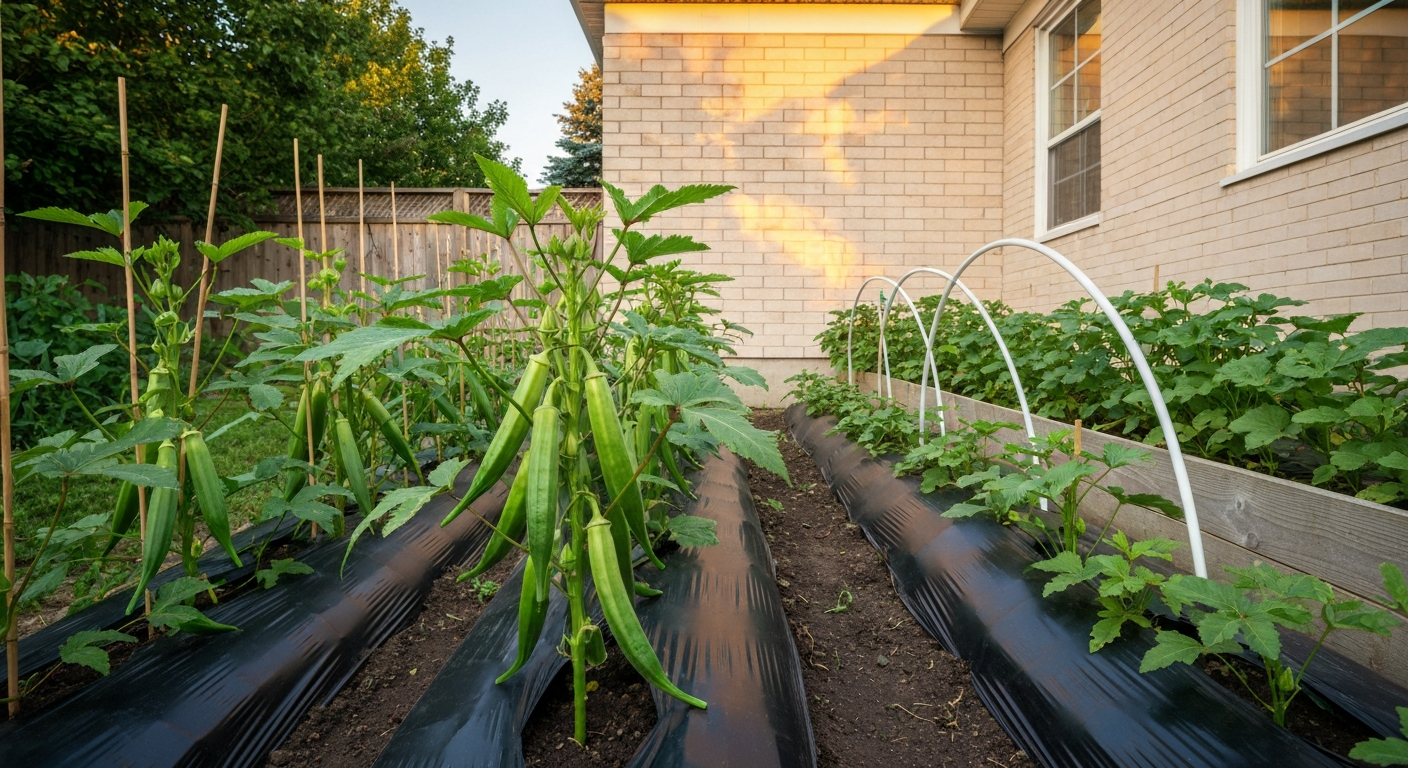
Can You Grow Okra in Canada? Ontario Guide & Short‑Season Tips
Can you grow okra in Canada? Regional verdict, Ontario-specific steps, varieties, season-extension & harvest tips.
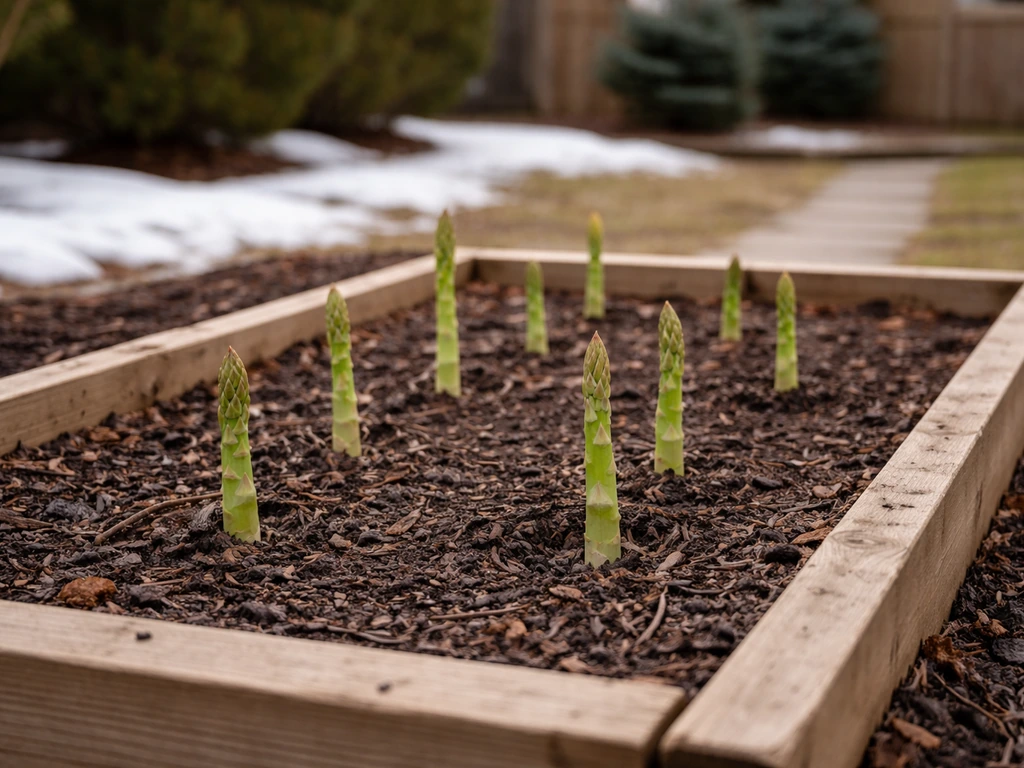
Can You Grow Asparagus in Canada? Planting Guide by Zone
Grow asparagus in Canada by zone: site, hardiness, crowns or seed, planting depth, care, and harvest plus fixes