
Yes, you can grow vanilla beans in California, but it takes some deliberate setup. Vanilla planifolia is a tropical orchid vine that needs warmth, humidity, and frost-free winters, which means outdoor growing only works reliably in the warmest coastal microclimates. For most of California, a greenhouse or a well-managed indoor/patio container setup is the realistic path to actually producing pods. It's not impossible, it's just not plug-and-play. You can apply the same greenhouse-style temperature and humidity control approach to see whether you can grow vanilla beans in Australia can you grow vanilla beans in Australia.
Can You Grow Vanilla Beans in California? How to Start
Marcus Holloway
25 Apr 2026
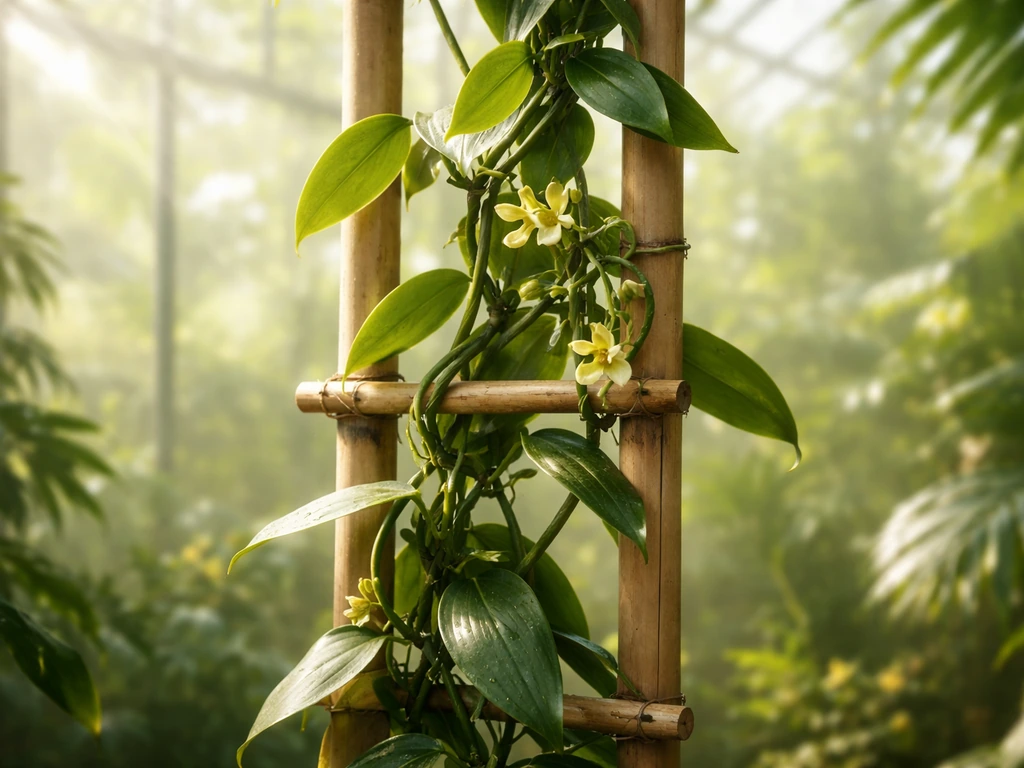
What vanilla actually needs to thrive
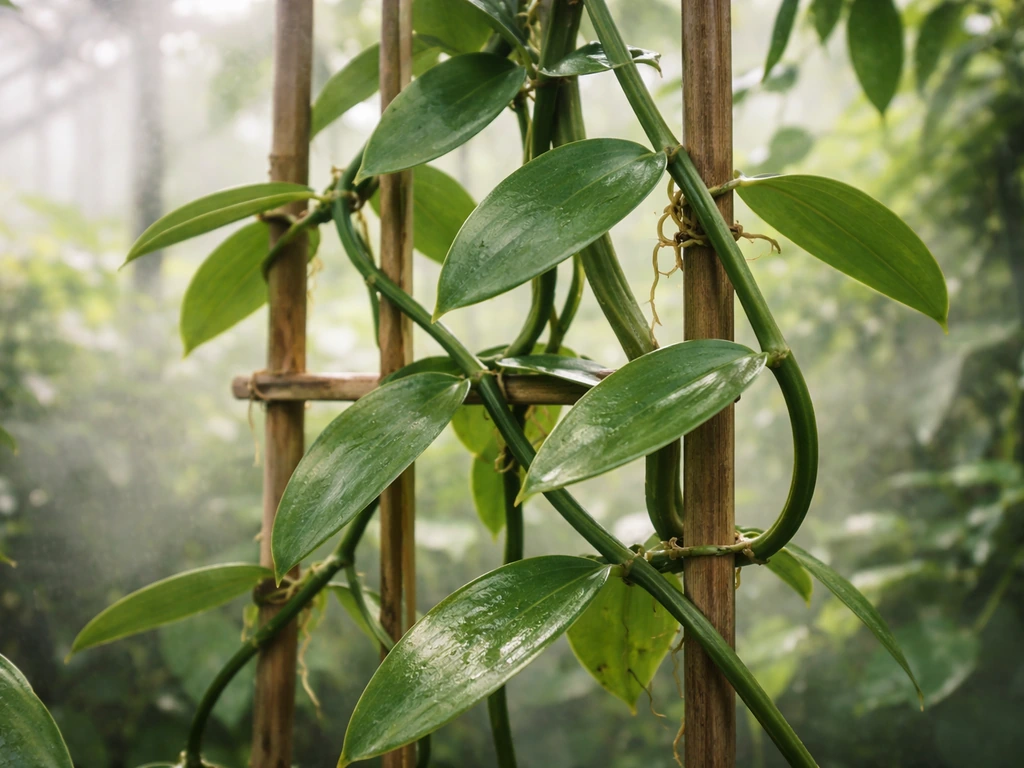
Understanding vanilla's requirements upfront saves a lot of frustration. Vanilla planifolia is native to tropical Mexico and Central America, and it grows naturally in warm, humid rainforest edges where temperatures stay consistently between 60°F and 95°F year-round. UC ANR also notes that vanilla (Vanilla planifolia) does best with about 59, 86°F (15, 30°C) daytime temperatures, 59, 68°F (15, 20°C) nighttime temperatures, and around 80% humidity You Can Grow Vanilla in Solano County?!. Here's what it specifically needs:
- Temperature: Never below 50°F. Even a brief dip to 32°F will kill the vine outright. Ideal daytime temps are 77–95°F with nights staying above 60°F.
- Humidity: 80% relative humidity is the sweet spot. Vanilla will tolerate lower humidity but growth slows and flowering becomes unreliable.
- Light: Bright, indirect light for about 8 hours a day. Direct afternoon sun in hot climates scorches the leaves. In nature, it grows under a forest canopy.
- Support: It's a climbing vine that can reach 30+ feet and needs a trellis, post, or tree to grow up.
- Soil and drainage: Loose, well-draining, organic-rich mix. It grows epiphytically in the wild, so roots need air circulation and hate sitting in wet soil.
- Water: Regular moisture during growing season, drier rest period in winter to trigger flowering.
The humidity piece is where California trips people up the most. Even in Southern California, outdoor relative humidity often drops to 20–40% on inland days, which is far drier than vanilla prefers. That doesn't make it impossible, but it means you'll need to compensate actively if you're growing outdoors or in a greenhouse without a humidifier.
How California's regions stack up for vanilla
California spans USDA Hardiness Zones 5 through 11, and that range makes a huge difference for vanilla feasibility. Here's an honest breakdown by region:
| Region | USDA Zone | Outdoor Vanilla Feasibility | Realistic Approach |
|---|---|---|---|
| Southern Coastal (San Diego, Long Beach, Santa Barbara) | 10a–11 | Moderate — best outdoor chance in CA | Outdoor in protected microclimate or covered patio; still watch for cold snaps |
| Los Angeles Basin | 10a–10b | Moderate with work | Sheltered south-facing wall, container, or patio greenhouse |
| Central Valley (Fresno, Sacramento, Bakersfield) | 9a–10a | Low outdoors — too hot in summer, too cold in winter | Greenhouse only; summer heat and winter frost both problematic |
| San Francisco Bay Area | 9b–10b | Low outdoors — too cool and foggy for reliable flowering | Greenhouse or heated indoor setup recommended |
| Northern Coastal (Humboldt, Mendocino) | 8b–9b | Very low outdoors | Greenhouse only |
| Mountain regions (Sierra Nevada, high desert) | 5–8 | Not feasible outdoors | Controlled indoor or greenhouse environment required |
The warmest, most sheltered spots in San Diego County and the Coachella Valley come closest to vanilla's comfort zone. Even there, a cold January night can damage vines unless they're covered or under an overhang. The Bay Area surprises people because it sounds warm enough, but the cool fog and consistently mild (not hot) summers mean vanilla rarely gets the heat cues it needs to flower well.
Microclimates matter more than you'd think
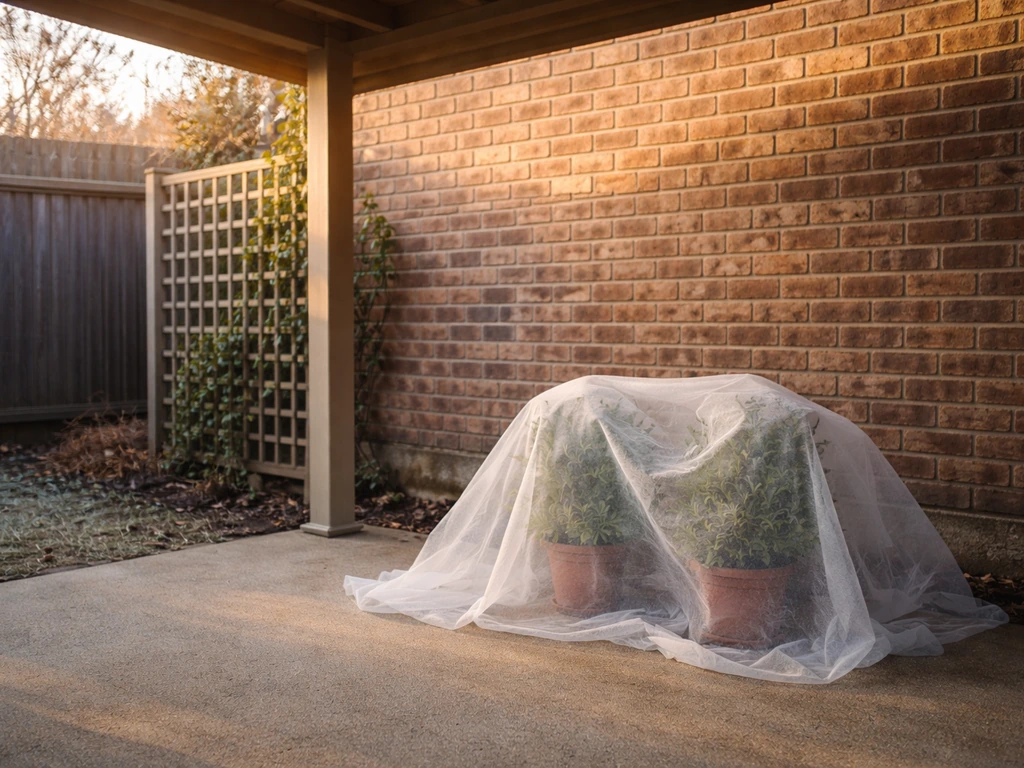
A south-facing brick wall that absorbs heat, a spot tucked between buildings, or a covered patio with a little supplemental heat can push your microclimate 5–10°F warmer than the ambient temperature. If you're in coastal Southern California and you have one of these spots, outdoor growing with some winter protection is genuinely worth trying. If you don't have that kind of sheltered location, a greenhouse is a more predictable investment of your time and money.
Greenhouse, indoor, or outdoor: which setup actually works
For most California growers, a greenhouse or large enclosed space is the most reliable route to vanilla beans. Here's how the main options compare:
| Setup | Best For | Main Advantage | Main Challenge |
|---|---|---|---|
| Outdoor in-ground (coastal SoCal only) | Zone 10–11 growers with a sheltered spot | Low cost, natural conditions, vine can reach full size | Frost risk, low humidity, no temperature control |
| Outdoor container on patio | Coastal zones 9b–10b, moveable protection | Can move indoors in winter, easier to manage humidity | Root-bound risk, limited vine size |
| Backyard greenhouse (heated) | Most of California | Full climate control, year-round growing | Upfront cost, heat and humidity management needed |
| Indoor grow room or sunroom | Any zone | No weather risk, flexible location | Supplemental lighting usually required, space-intensive |
| Lean-to or attached greenhouse | Suburban growers with wall space | Shares heat with house, compact footprint | Limited vertical space for vine growth |
A heated greenhouse with a small humidifier is honestly the gold standard setup for California vanilla growing. You can dial in conditions precisely, protect the vine through winter, and give it the consistent heat it needs to flower. Even a modest 8x10 ft greenhouse will support one or two vanilla vines producing pods within 3 to 5 years.
If a greenhouse isn't in your budget right now, a large container on a covered south-facing patio, moved into a garage or sunroom when temps drop below 50°F, is a workable intermediate step. Use a pebble tray filled with water underneath the pot to boost local humidity, and consider a small ultrasonic humidifier if you move it indoors for winter. This approach won't give you a 20-foot vine, but it can keep the plant alive and occasionally flowering.
Protecting outdoor vines from cold
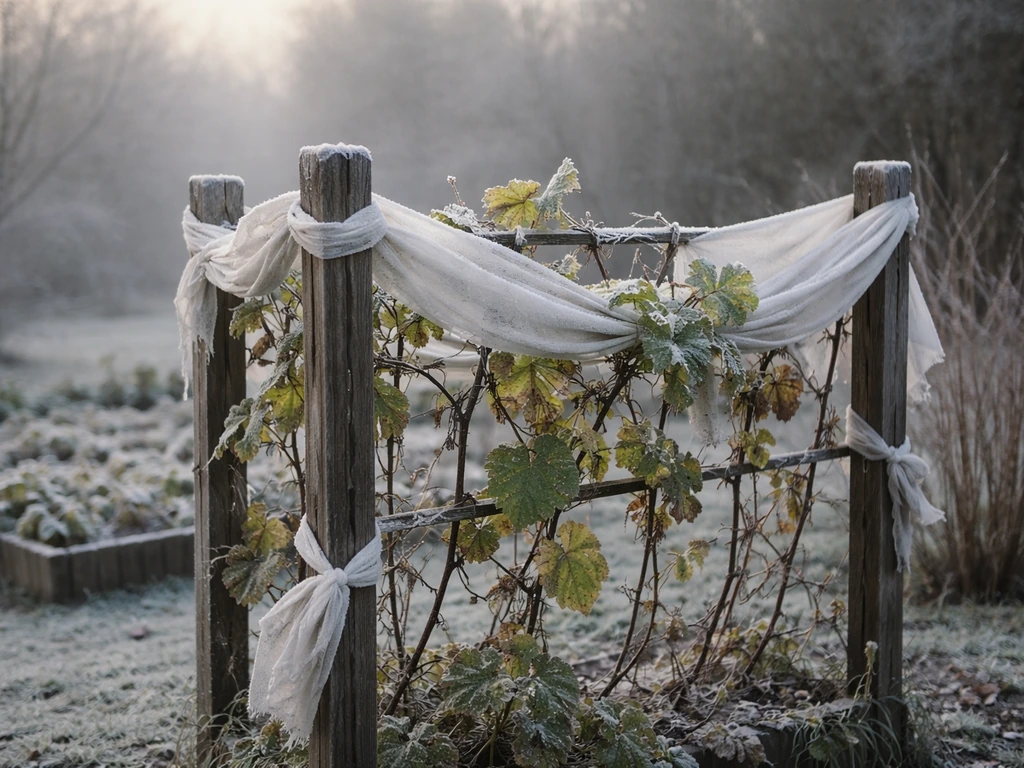
If you're growing outdoors in a borderline zone, a few practical protections can make the difference. Wrap the vine and trellis loosely with frost cloth when temps are forecast below 50°F. Mulch the base heavily with wood chips or bark to protect roots. A string of incandescent holiday lights woven through the trellis provides a few degrees of radiant warmth on cold nights. These measures won't save a vine from a hard freeze, but they're enough for the occasional cool night common in coastal Southern California winters.
Step-by-step: how to grow vanilla beans in California
- Start with a cutting, not seeds. Vanilla seeds require a symbiotic fungus to germinate and are not practical for home growers. Get an 8–12 inch tip cutting from a healthy Vanilla planifolia vine. Make sure it has at least 3 nodes. Let the cut end dry and callous for 24–48 hours before planting.
- Prepare your growing mix. Use a very loose, chunky orchid bark mix blended with perlite and a little coco coir (roughly 60% bark, 30% perlite, 10% coir). Vanilla roots need air more than they need moisture retention. Avoid standard potting soil — it's too dense and will cause rot.
- Plant in a container with good drainage. A 12–14 inch pot with multiple drainage holes works well for a starter vine. As it matures, move up to a 20+ gallon container or plant in a greenhouse ground bed. Position the cutting at the base of your trellis.
- Set up a trellis or support. Vanilla vines grow upward and then ideally hang back down, which triggers flowering along the hanging sections. A vertical post or trellis at least 6 feet tall works for containers; in a greenhouse, run horizontal wires at the top so the vine can grow up and drape over.
- Get temperature and light right. Keep your growing space between 65°F and 90°F. In a greenhouse, use shade cloth (30–40%) to filter harsh afternoon sun. Under grow lights indoors, use full-spectrum LEDs set to 12 hours on per day. Avoid cold drafts and air conditioning blowing directly on the vine.
- Water and fertilize consistently. Water when the top inch of the mix feels dry — usually every 5–7 days in summer, every 10–14 days in winter. Fertilize with a balanced orchid fertilizer (like 20-20-20) at quarter strength every two weeks during the growing season. Back off in winter.
- Manage humidity actively. Aim for 60–80% relative humidity. A small ultrasonic humidifier near the plant in a greenhouse or indoor setup makes a real difference. Misting the aerial roots daily also helps, especially in California's dry air.
- Be patient. Vanilla vines typically need 3 to 5 years of healthy growth before they produce flowers and pods. Vines need to reach a certain size and maturity, and the hanging portion of the vine (the 'drooping' section after the vine crests its support) is where flowers form.
Pollination: the step most people miss
This is the part that surprises almost everyone when they get their first flowers. Vanilla planifolia does not self-pollinate in any meaningful way, and the natural pollinator in commercial growing regions is still not definitively identified. In California, and essentially everywhere outside of a small area of Mexico, you have to pollinate by hand. Every single flower, every time.
Each flower opens in the morning and closes permanently by early afternoon. That's your window. You need to transfer pollen from the anther to the stigma using a small tool like a toothpick or bamboo skewer. Here's how it works:
- Go out in the morning when you see open flowers (usually around 8–11 AM).
- Use a toothpick or thin skewer to gently lift the rostellum (a small flap separating the anther from the stigma) inside the flower.
- With the flap lifted, press the anther cap (the pollen mass) against the sticky stigma. You'll feel a slight stickiness when contact is made.
- Repeat for every open flower. Each successful pollination produces one vanilla bean.
- Mark your calendar: pollinated flowers that take will begin swelling into pods within a week or two. Unpollinated ones drop off.
After successful pollination, vanilla beans take roughly 9 months to fully mature on the vine. You harvest them when they begin to turn slightly yellow at the tip but before they fully split open. The curing process after harvest (blanching, sweating, and drying over several weeks to months) is what develops the familiar vanilla flavor and aroma. Growing the beans is only the first half of the work.
Realistic timeline
- Year 1: Plant cutting, establish roots, begin climbing trellis
- Years 2–3: Vine grows vigorously, no flowers yet
- Years 3–5: First flowering, depending on vine size and care quality
- After first flowering: 9 months from pollination to harvestable beans
- After first harvest: Vine can flower and fruit annually for 10–12 years if well maintained
Your next steps: sourcing, costs, and what to expect
Where to source vanilla cuttings
Vanilla planifolia cuttings are not typically found at local nurseries in California. Your best sources are specialty online vendors who sell tropical and orchid plants. Search for vendors on Etsy, eBay, or specialty tropical plant sites. Expect to pay $15–$40 for a good-sized cutting. Make sure you're buying Vanilla planifolia specifically, not a non-flowering ornamental vanilla relative. Ask the seller if the plant has ever flowered, which is a sign it's a proven, mature-genetics cutting.
Startup costs to budget
- Vanilla cutting: $15–$40
- Orchid bark mix and perlite: $20–$35
- Container (20-gallon): $15–$30
- Trellis or support system: $20–$80 depending on setup
- Small humidifier (if indoors/greenhouse): $30–$60
- Basic greenhouse (if needed): $200–$2,000+ depending on size
- Orchid fertilizer: $15–$25 per season
- Total for a basic outdoor/patio setup in coastal SoCal: under $200
- Total for a starter greenhouse setup: $400–$2,500
Realistic success checklist
Before you commit, run through this checklist to gauge your real probability of success in your specific California location:
- Can you keep your growing space above 50°F every night in winter? (Non-negotiable)
- Can you provide 60%+ humidity, either naturally or with a humidifier?
- Do you have a trellis space of at least 6 feet with indirect bright light?
- Are you prepared to check for flowers every morning during blooming season and hand-pollinate the same day?
- Can you commit to 3–5 years before expecting your first beans?
- Do you have a backup plan (moving indoors or into a greenhouse) for unexpected cold snaps?
If you checked most of those boxes, vanilla growing in California is genuinely doable for you. It rewards patience and attention more than technical skill. Growers in similarly challenging climates, like those trying to grow vanilla beans in Texas or vanilla beans in Arizona, face comparable winter cold and humidity hurdles, and many manage it successfully in greenhouses.
If you’re wondering can you grow vanilla beans in Arizona, plan on the same core challenges and be ready for greenhouse-style temperature and humidity control. A controlled greenhouse environment, as explored in the growing-in-a-greenhouse approach, is the single biggest thing you can do to remove uncertainty from this project. Start with one vine, get your setup dialed in, and you might be curing your own California-grown vanilla beans within 4 to 6 years.
FAQ
Can you grow vanilla beans in California outdoors year-round without a greenhouse?
Only in very sheltered, frost-free microclimates. Even in warm counties, a single winter night near 32-35°F can set vines back or kill them. If you cannot reliably prevent cold exposure and keep humidity elevated, plan for a greenhouse or a winter move indoors.
What’s the biggest mistake California growers make with vanilla?
Underestimating humidity and timing cold protection. Many focus on temperature but let humidity swing too low, then vines stall or fail to flower. Track humidity (not just weather reports) and start winter protection when forecasts dip below 50°F, not after you see damage.
How humid does my growing space need to be for vanilla in California?
Aim for consistently higher humidity than typical inland Southern California, where relative humidity can drop into the 20-40% range. In practice, many growers target a steady humid greenhouse atmosphere and supplement with a humidifier or controlled misting rather than relying on pebble trays alone.
Can I use a pebble tray to replace a humidifier?
Usually not for reliable flowering. Pebble trays can raise humidity slightly right around the pot, but they rarely maintain the stable, higher humidity zone vanilla needs throughout the day. If you are serious about pods, use a humidifier and measure results with a hygrometer.
What temperature should I not let my vanilla drop below in winter?
Try to avoid prolonged periods below the mid-50s°F, because stress accumulates and can reduce flowering later. For borderline areas, combine frost cloth, insulation around the base, and a way to move the plant into a protected space when nighttime lows approach the danger zone.
If my vanilla vine grows, does that guarantee it will flower in California?
No. Many vines stay vegetative for years if they do not receive consistent heat cues and the right humidity stability. Even with good growth, you should expect to manage conditions to support flowering, then commit to hand-pollinating each flower.
Do I have to hand-pollinate every vanilla flower?
Yes. Outside a small area in Mexico, assume you must pollinate by hand to produce beans. Also note the flower window is short, morning to early afternoon, so you need a plan to check flowers daily during bloom.
How many vanilla vines can fit in an 8x10 ft greenhouse?
A common practical target is one or two vines in that size, assuming you can provide strong vertical support and manage humidity and airflow. Crowding reduces airflow and can increase disease risk while also making pollination and training harder.
How long does vanilla take from planting to harvesting pods in California?
Plan on roughly 3 to 5 years for pods once conditions are dialed in, then about 9 months on the vine to mature after successful pollination. Total time to your first cured beans often lands around 4 to 6 years depending on when your cutting becomes mature and productive.
How do I know if my cutting is mature enough to flower?
Ask the seller whether the plant has flowered before, and look for a cutting described specifically as Vanilla planifolia (not a non-flowering ornamental relative). Mature genetics matter, because a healthy vine can still take longer to reach flowering without proven, mature starting material.
What should I do if my flowers appear but the pods never form?
Check two common failure points: missed hand-pollination within the daily window, or inadequate humidity stability after pollination. If pollination happened correctly, keep humidity and temperature steady for the following months and avoid letting the vine dry out or chill.
Can I start vanilla from seed instead of cuttings in California?
It’s possible but usually impractical. Seed-raised vanilla often takes longer to reach flowering compared with mature cuttings, and you still must hand-pollinate. For most California growers, cuttings are the faster route to testing whether their microclimate and setup can support pods.
Is it worth trying in a sunroom or garage first if I don’t have a greenhouse?
It can be a good intermediate test, but you need environmental control, not just “some warmth.” If you can maintain heat above the stress range and raise humidity reliably during winter, you can keep the vine alive and sometimes flower, but it is less predictable than a dedicated heated greenhouse with monitoring.
Next Articles
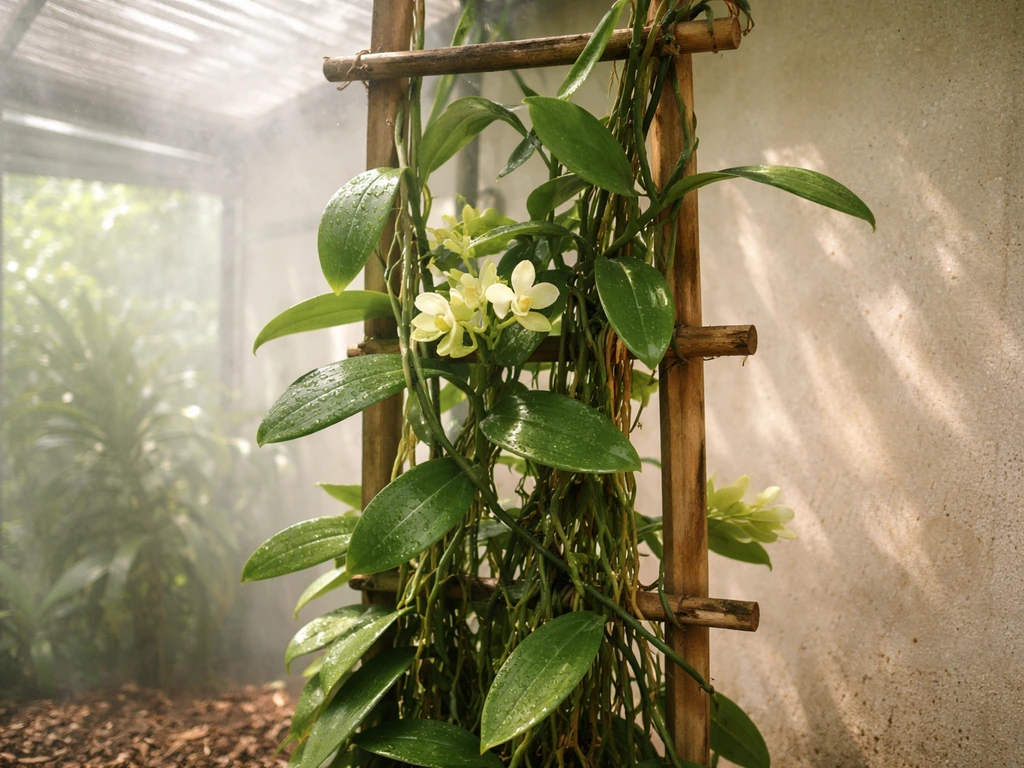
Can You Grow Vanilla Beans in Texas? How to Succeed
Learn if you can grow vanilla beans in Texas and follow step-by-step for orchid care, hand pollination, and curing.
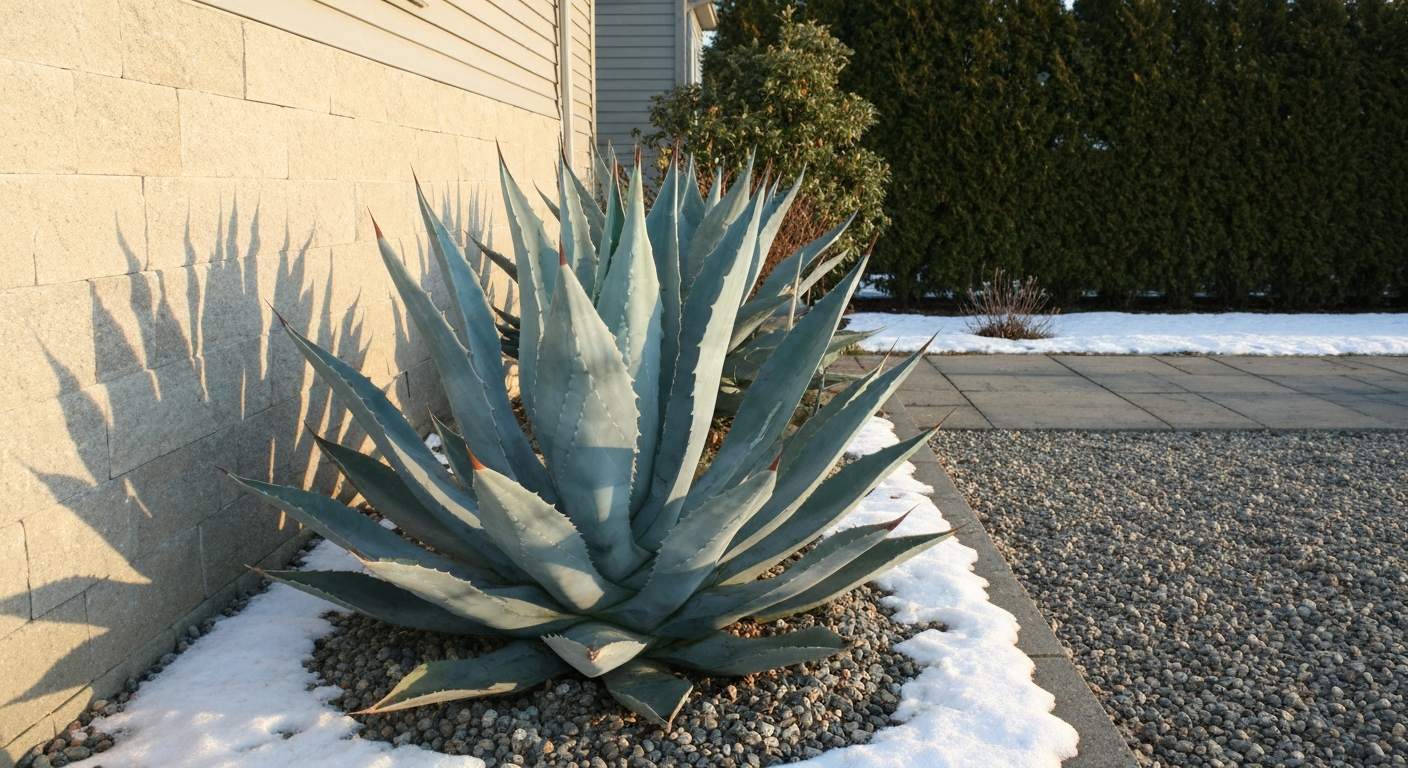
Can You Grow Agave in Canada? Zone Guide & Growing Tips
Can you grow agave in Canada? Practical region-by-region guide, hardy species, container tips & winter care.
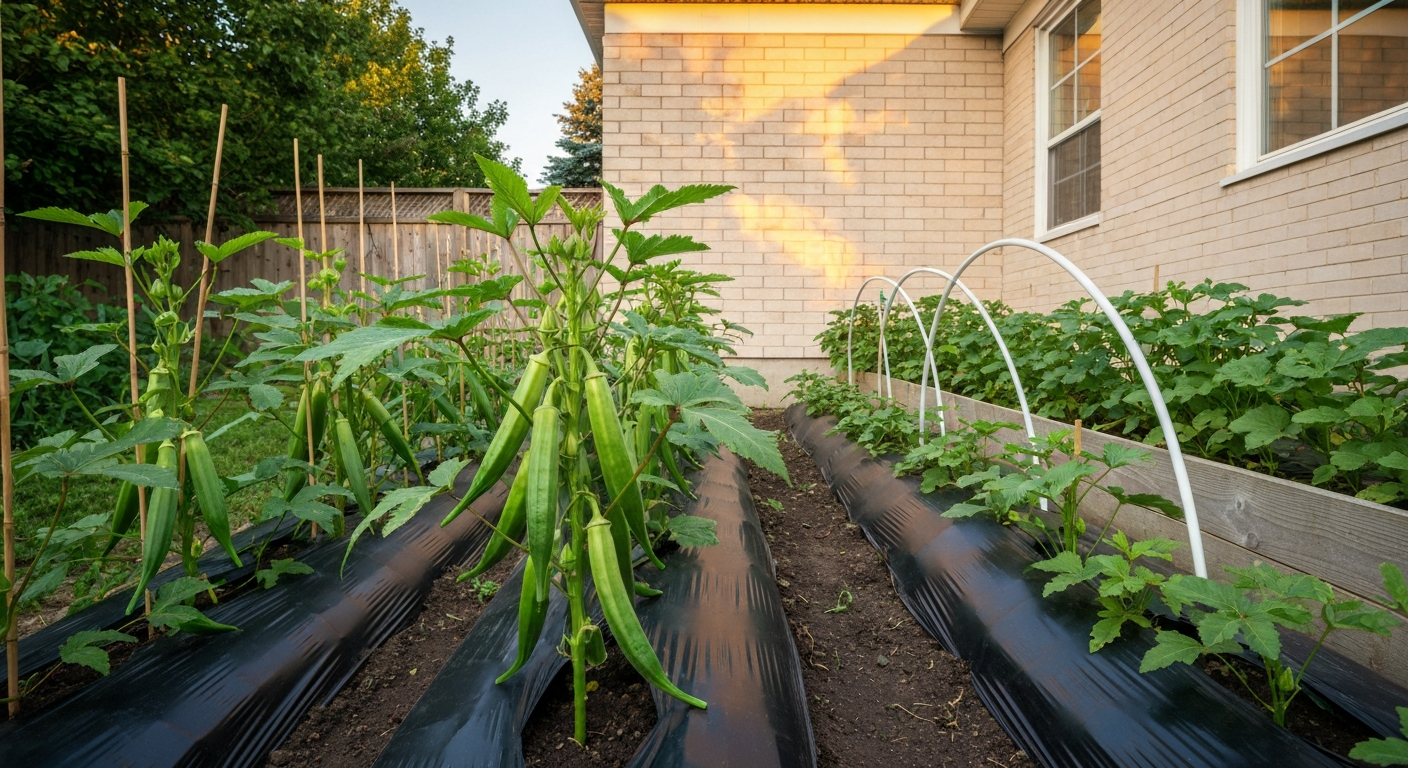
Can You Grow Okra in Canada? Ontario Guide & Short‑Season Tips
Can you grow okra in Canada? Regional verdict, Ontario-specific steps, varieties, season-extension & harvest tips.