
Yes, you can grow vanilla beans in Michigan, but not outdoors and not without serious climate control. Michigan's winters regularly drop into the teens and single digits Fahrenheit, and vanilla (Vanilla planifolia) cannot survive any frost or nighttime temperatures below about 55°F (12.7°C). So the short answer is: grow it indoors or in a heated greenhouse, manage the humidity, hand-pollinate every flower the morning it opens, and be ready to wait a few years before you see a single bean. It's a committed project, but it's absolutely doable.
Can You Grow Vanilla Beans in Michigan? Indoor Setup Guide
Marcus Holloway
15 Apr 2026
Michigan's climate and what it means for vanilla
Michigan spans USDA hardiness zones 4b through 6b depending on where you are. The Lower Peninsula's southern tier sits around zones 6a and 6b, where average annual extreme minimum temperatures run between -10°F and 0°F. Move north or into the Upper Peninsula and you're looking at zone 5b territory, meaning lows of -15 to -10°F are on the table. To put that in context, vanilla is a tropical orchid that evolved in the rainforests of Mexico and Central America. It wants year-round warmth, humidity, and zero frost. Michigan's outdoor climate is about as far from that as you can get.
The takeaway for Michigan growers is simple: vanilla is not an outdoor crop here, not even in the mildest corners of the state near Lake Michigan's moderating influence. You need a controlled environment. That means a heated indoor space, a sunroom, or a proper greenhouse. Once you accept that, the question shifts from "can I grow it?" to "can I set up the right environment?" and the answer to that is yes.
If you're curious how this compares to neighboring states, the calculus is similar across the Midwest. Growing vanilla beans in Illinois faces essentially the same outdoor impossibility, with growers there also pushed toward indoor setups or heated greenhouses.
What vanilla actually needs to thrive
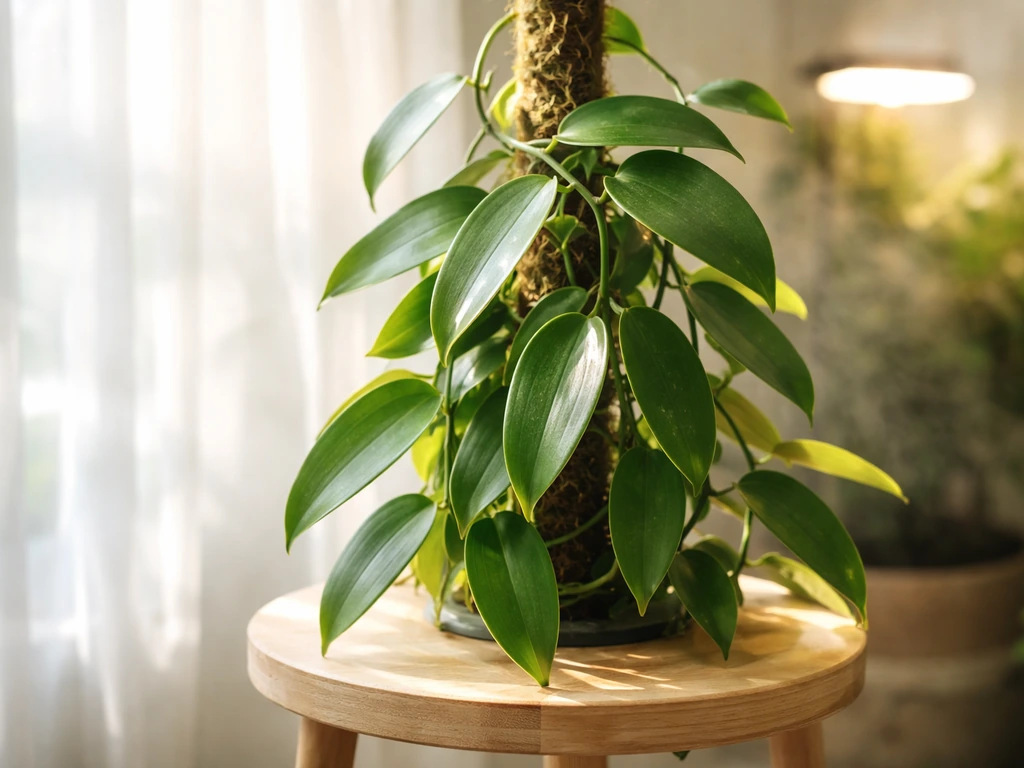
Vanilla planifolia is a climbing orchid vine, and its requirements are specific. Getting all of these dialed in is the core challenge for any Michigan grower.
Temperature
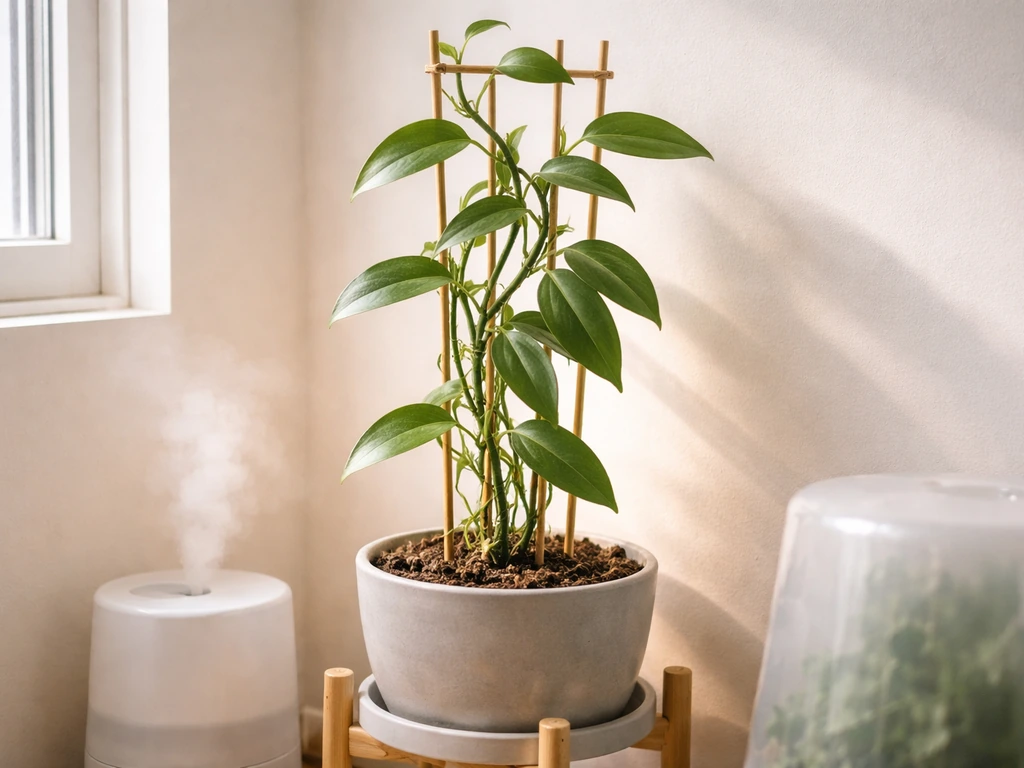
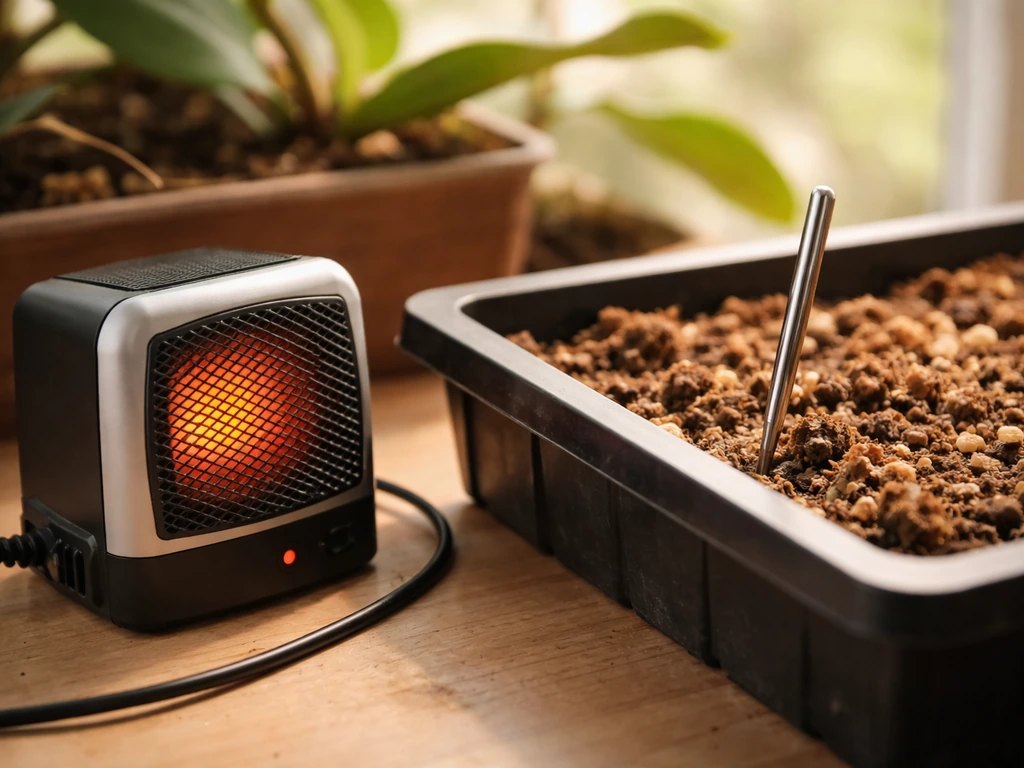
Vanilla does best between 70°F and 90°F (21 to 32°C) during the day and should not drop below the mid-60s at night. Temperatures in the 60s are acceptable for short periods, but anything below about 55°F starts causing stress and eventual decline. In Michigan, this means your growing space needs to maintain nighttime minimums year-round, especially from November through April.
Humidity
Vanilla wants high humidity, around 85 to 90% for most of the year. Some growers allow a slight dip during winter months, which can actually help trigger flowering. If you're growing indoors in a Michigan home during winter, you'll know firsthand how dry the air gets with forced-air heat running constantly. A humidifier or misting system is essentially non-negotiable.
Light
Vanilla needs bright filtered light, roughly 25,000 to 40,000 lux. Direct harsh sun will scorch the leaves, but too little light means no flowering. An east-facing window with supplemental grow lights, or a greenhouse with shade cloth, works well. In Michigan's dark winters, supplemental lighting isn't optional if you want the plant to grow actively.
Growing medium and support
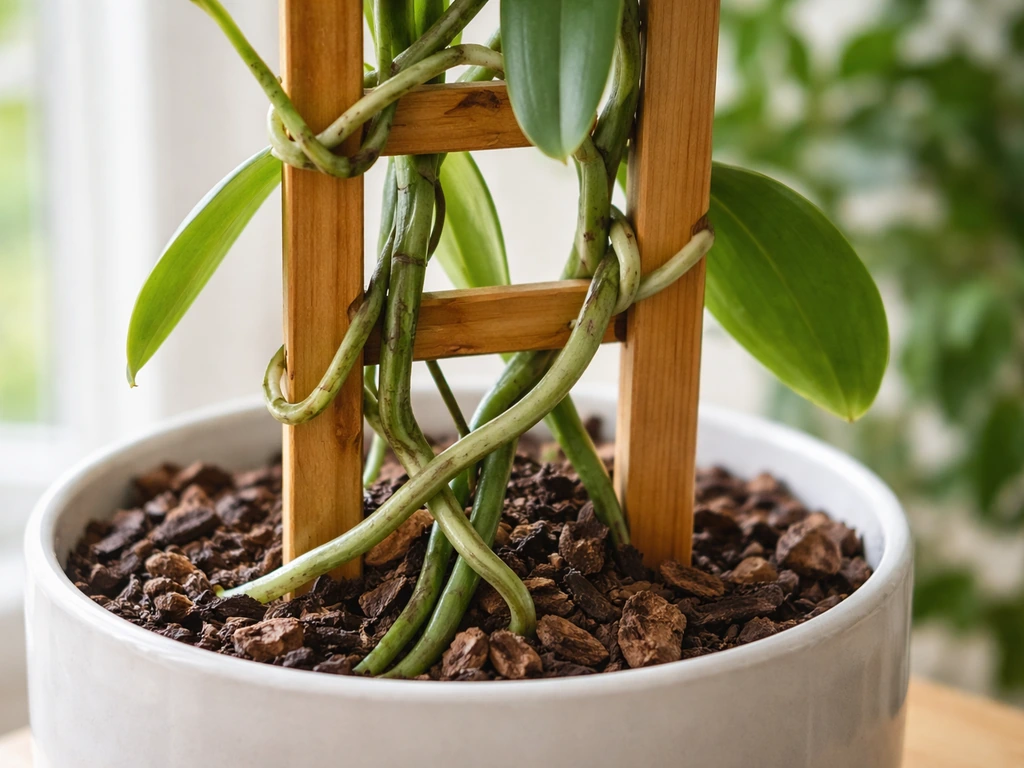
Vanilla is a semi-epiphytic climber. The roots that anchor it to a trellis or support are aerial roots, and the plant also sends roots into a growing medium. The ideal setup uses a shallow container with a fluffy, airy mix, often sphagnum moss, or a bark-based orchid blend with good drainage. Vanilla prefers a soil pH between 6.0 and 7.0. Once the vine reaches four feet or more in length, it needs a sturdy trellis, stake, or support structure to climb. Plan for this from the start because rerouting an established vine is a headache.
Outdoors vs. indoors: the honest breakdown
Let's be direct here. Growing vanilla outdoors in Michigan is not realistic. Even if you planted it in late spring and gave it a summer outdoors in a protected spot, you'd need to bring it inside before any risk of frost, which in many parts of Michigan means September or October. The plant would never have enough time to establish, grow to flowering size, and actually bloom in a single season. Repeated transplanting between indoors and outdoors also stresses the plant significantly.
A heated greenhouse is the gold standard for serious vanilla growing in Michigan. You get more consistent humidity, better light distribution, and room for the vine to climb. The conditions described for greenhouse vanilla production are essentially the same as those used for phalaenopsis orchids, with vertical trellising and larger containers as the main additions. A well-managed greenhouse setup gives you real control and the best odds of eventually getting beans.
An indoor room grow is the more accessible option for most Michigan gardeners. A dedicated sunroom, a south or east-facing spare room with grow lights, or even a large grow tent can work. The tradeoffs are managing humidity without damaging your home and giving the vine enough vertical space to climb (these plants can get very long). For growers in nearby states facing similar winters, the indoor-only reality is the same: vanilla growers in Missouri are working with identical constraints when it comes to outdoor impossibility and indoor climate control requirements.
| Factor | Outdoor Michigan | Indoor Room | Heated Greenhouse |
|---|---|---|---|
| Temperature control | None (fails in winter) | Moderate (heater needed) | Excellent (climate-controlled) |
| Humidity control | Impossible | Challenging (needs humidifier) | Easiest to manage |
| Light availability | Good in summer only | Needs supplemental lighting | Shade cloth + natural light |
| Space for vine growth | Unlimited but seasonal | Limited by ceiling height | Ample with trellising |
| Feasibility for beans | Not realistic | Possible with effort | Best option |
| Cost to set up | Low (but won't work) | Moderate | High upfront, lower per-yield |
Recommendation: if you have the budget and space, a small heated greenhouse is worth it. If not, a dedicated indoor room with grow lights and a humidifier will get the job done for a plant or two.
How to get started: sourcing plants and propagation
Most growers start with cuttings or rooted liners rather than seeds, and for good reason. Vanilla seed germination is extremely difficult and requires sterile lab conditions. Cuttings and tissue-cultured starts are far more practical. Look for rooted liners with at least four to six nodes (12 to 18 inches is a good starting size). Specialty orchid nurseries like Logee's Greenhouses offer tissue-cultured Vanilla planifolia liners that arrive rooted in sphagnum with phytosanitary certificates, which matters for shipping live plants across state lines. Plant Delights Nursery is another option that ships orchid and specialty tropical plants in containers designed to survive transit.
When your cutting or liner arrives, plant it in pre-moistened sphagnum moss or a bark-based orchid mix. Place the bottom-most aerial roots across the surface of the media and cover them lightly with more damp moss. Do not bury the recently cut end of the stem. Keep the media on the dry side for the first month while the plant establishes new roots. Use clean, sterilized cutting tools for any trimming to avoid introducing disease at vulnerable root tips.
If you're propagating from an established plant, take a cutting of at least 12 inches with multiple nodes, let the cut end callous for a day, then pot it as described above. Vanilla propagates readily from cuttings once you have a parent plant.
The part that actually makes vanilla beans: hand pollination
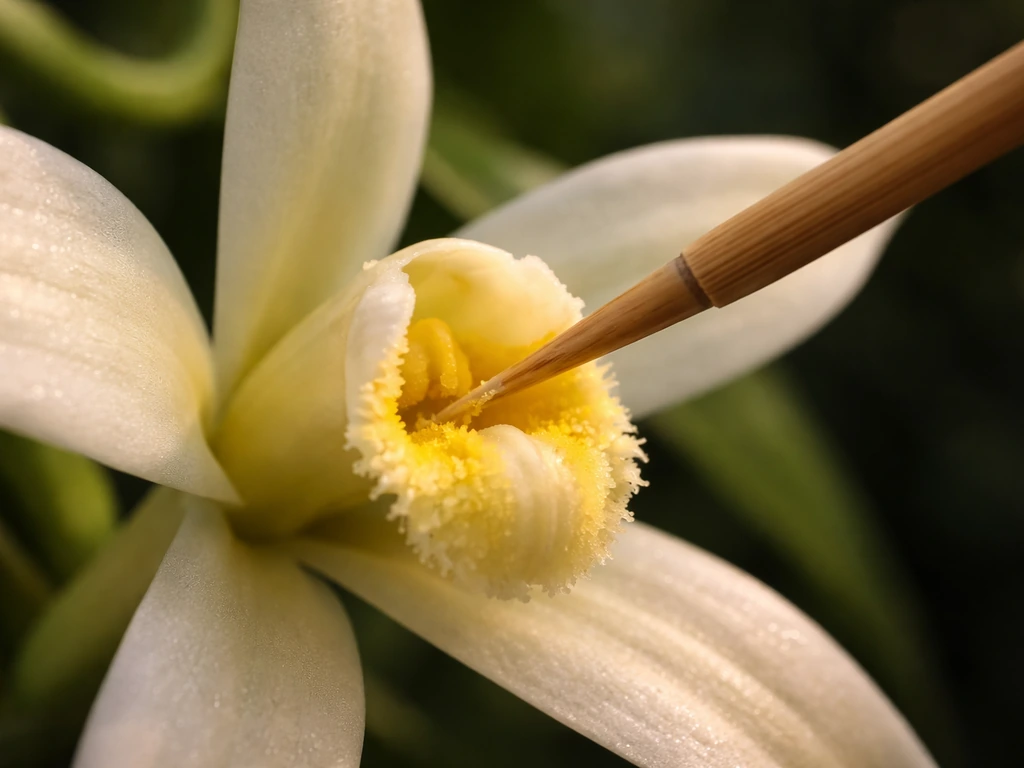
Growing a healthy vanilla vine is only half the battle. Getting beans requires successful pollination, and in Michigan (or anywhere outside of vanilla's native range where Melipona bees are present), that means doing it yourself by hand, every single flower, on the exact morning it opens.
Vanilla flowers open early in the morning and last less than one day. The window for successful hand pollination is roughly 6:00 AM to 1:00 PM, with stigma receptivity lasting up to about 24 hours. If you miss the window, that flower is done. Here is the process step by step:
- Check your plant each morning during the blooming period. Flowers that are ready will be open and slightly fragrant.
- Use a small toothpick or a similar thin tool. Gently lift the thin flap of tissue called the rostellum, which sits between the anther cap (containing pollen) and the stigma (the receptive surface).
- With the rostellum lifted, press the pollen-bearing anther directly against the sticky stigma so pollen transfers.
- Release the rostellum. The contact needs to hold for pollination to take.
- Mark the date on the pollinated flower with a small tag. You'll want to track timing for harvest.
This process sounds fiddly, and it is at first. But after a few flowers you get a feel for it. The main thing is being present and paying attention during the bloom period, which can last several weeks. A single vine can produce a cluster of flowers, and each pollinated flower that takes will produce one vanilla bean.
For growers in nearby states who are dealing with the same indoor setup, the hand pollination process is identical regardless of location. If you want another perspective on managing this in a comparable climate, it's worth looking at how vanilla bean growers in Ohio approach the hand pollination challenge in their own indoor setups.
Timeline and realistic expectations
Vanilla is a long game. Here is what a realistic timeline looks like starting from a rooted liner:
| Stage | Approximate Timeframe | What's Happening |
|---|---|---|
| Establishment | Months 1–3 | Roots anchor, new leaf nodes emerge, slow growth |
| Active vine growth | Year 1–2 | Vine extends, nodes multiply, no flowers yet |
| First flowering (if conditions are right) | Year 2–4 | Vines 10+ feet long may begin to bloom at nodes |
| Bean development after pollination | 8–9 months | Bean grows and matures; glucovanillin builds from week 20 to week 40 |
| Harvest and curing | After ~9 months | Beans are picked green-yellow and cured for 3–6 months |
Beans are commercially mature about 8 to 9 months after a successful pollination, with the key flavor compound glucovanillin accumulating from roughly 20 weeks to a peak around 40 weeks post-pollination. In humid conditions like those you'd maintain in a Michigan indoor grow, expect the longer end of that range, around 9 months. The curing process after harvest takes additional months and involves alternating sun exposure and sweating in cloth to develop the characteristic vanilla flavor and aroma.
Yield expectations for a home grower should be modest. A single vine producing 10 to 20 beans in a good year is a realistic target. More is possible with a larger setup, but the main bottleneck is always the same: how many flowers you can successfully hand pollinate and how many of those pollinations take.
Keeping your plant healthy: care, pests, and problems
Watering and fertilizing
Keep the growing medium damp to the touch but never waterlogged. During winter in a Michigan indoor setup, when growth slows and light is low, pull back watering significantly. Overwatering in low-light, cooler conditions is one of the fastest ways to lose a vanilla plant to root rot. Water in the morning so the plant can dry somewhat before nighttime. A diluted balanced orchid fertilizer (quarter to half strength) every two weeks during the active growing season is sufficient.
Fungal and bacterial disease
High humidity combined with poor airflow is a recipe for fungal and bacterial rots, which are the most common serious problems in vanilla cultivation. Botrytis can show up when conditions are cool and very humid. Root rot presents as soft, brown roots and yellowing or wilting leaves. Prevention is simpler than treatment: water in the morning, keep air circulating with a small fan, remove any soft or discolored roots promptly when repotting, and avoid letting water sit on leaves or in the crown of the plant overnight.
Pests to watch for
Mealybugs are the most common orchid pest and vanilla is not immune. They appear as white cottony clusters at nodes and leaf bases, leave a sticky honeydew residue, and can eventually vector viruses. Check the plant regularly, especially at nodes and where leaves meet the stem. A rubbing alcohol wipe-down works for light infestations. For heavier problems, insecticidal soap or a systemic treatment may be needed. Spider mites and scale can also show up, particularly in dry indoor conditions, so maintain that humidity and inspect regularly.
Overwintering your vanilla in Michigan
If you're growing in an indoor room, your main tasks in winter are: keep temperatures from dropping below 60°F at night (set your thermostat accordingly and consider a backup space heater for the grow space), run your humidifier but reduce overall watering frequency, and supplement light with grow lights for at least 10 to 12 hours per day. Do not fertilize during the darkest months (December through February) when growth essentially stalls. A slight reduction in humidity and watering during a 2 to 3 month winter period can actually help trigger the plant to initiate flower spikes, which is something growers in warmer states like Georgia attempting vanilla cultivation sometimes replicate artificially to encourage blooming.
Your setup checklist and next steps
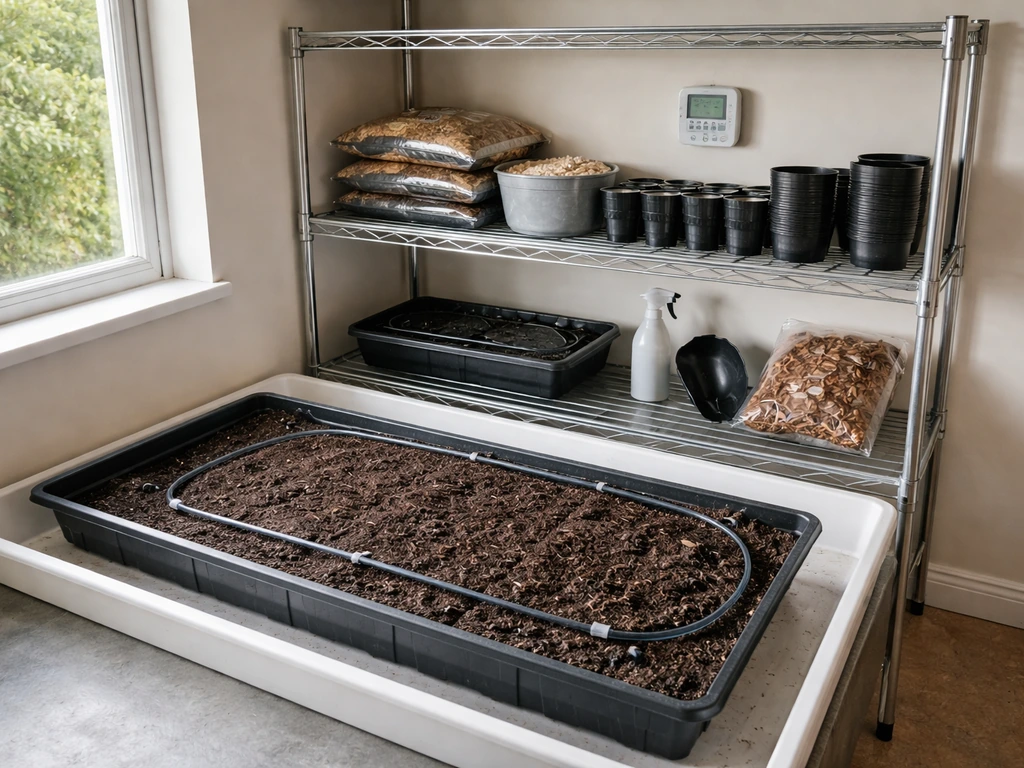
Here is a practical checklist for getting started. Work through this before you order your first plant so you're not scrambling after it arrives.
Environment setup
- Choose your grow space: dedicated indoor room, sunroom, or heated greenhouse
- Install a thermometer and hygrometer to monitor temperature and humidity in real time
- Set a minimum nighttime temperature of 62–65°F, targeting 70–85°F daytime
- Install a humidifier capable of maintaining 80–90% relative humidity in the space
- Add a small oscillating fan for airflow to reduce fungal risk
- Set up supplemental grow lights (full-spectrum LEDs work well) for at least 10–12 hours daily in winter
- Prepare a trellis, bamboo pole, or PVC frame that can reach at least 6–8 feet for the vine to climb
Planting materials
- Order a rooted Vanilla planifolia liner with 4–6 nodes from a reputable specialty nursery
- Prepare a shallow container (8–10 inch is fine to start) with a mix of chunky bark, perlite, and sphagnum moss for drainage
- Pre-moisten your growing medium before planting
- Have clean scissors or pruning shears, sterilized with rubbing alcohol
Ongoing care calendar
- Spring and summer: water when medium is nearly dry, fertilize every two weeks at quarter strength, check for pests monthly
- Fall: begin reducing watering and fertilizing as days shorten, ensure your heating setup is operational before first cold snap
- Winter: minimal watering, no fertilizer, keep temperatures stable, run grow lights, allow slight humidity dip to potentially trigger flower initiation
- When flowering begins: check plant every morning during bloom period, hand pollinate each flower between 6:00 AM and 1:00 PM, tag each pollinated flower with the date
Bean harvest and curing
- Harvest beans 8–9 months after pollination when they begin to turn yellow-green at the tip
- Blanch harvested beans briefly in hot water to stop enzyme activity, then begin the curing process (alternating sun and shade wrapping for several weeks to months)
- Fully cured beans are dark, flexible, and fragrant, ready to use or store in an airtight container
One last thing worth knowing before you dive in: the vanilla growing community is fairly small and surprisingly helpful. Connecting with other growers in the Midwest can save you a lot of trial and error. And if you're weighing whether it's worth the effort compared to states with slightly more forgiving climates, look at how feasibility compares in places like North Carolina, where vanilla growers still largely depend on indoor setups despite milder winters, or Missouri, where the vanilla feasibility picture is nearly identical to Michigan's. The bottom line: Michigan growers can absolutely produce vanilla beans with the right indoor setup, a willingness to hand pollinate, and the patience to wait for this long-season crop to deliver.
FAQ
Can you grow vanilla beans outdoors anywhere in Michigan, like near the Lake Michigan coast or in a sheltered microclimate?
Not reliably. Even the warmest Michigan outdoor corners still see frost and nighttime temperatures that can fall into the stress range for vanilla. A brief summer outdoors is usually not enough to build the plant to flowering size, and any accidental frost or cold snap can damage the vine. If you try it, plan to treat the outdoor spot as a temporary summer placement with a strict bring-in deadline before your first cold nights.
What is the minimum night temperature that won’t keep setting my vanilla back in Michigan?
Aim to keep nighttime lows at or above about 60°F. Your article already notes the stress threshold near the mid-50s, but the practical difference is that frequent dips below 55 to 58°F tend to slow growth and can push the plant into decline. If your indoor room can’t reliably hold that, a small backup heater dedicated to the grow area is often the difference between stable growth and repeated resets.
Do I need 85 to 90% humidity year-round, or can I compromise during winter in a home setup?
You can often ease humidity slightly in winter, but don’t let it swing so far that leaves dry out or mites move in. A practical approach is to target the high 70s to mid-80s for most winter weeks, then return to higher humidity when light levels improve. Also prioritize airflow during these high-humidity periods, because the real failure mode is rot from stagnant air, not only low humidity.
How much light is enough for vanilla in Michigan when days get short?
Use the lux targets as a guide, but the real-world indicator is whether you see active, steady leaf growth. In winter, many growers underestimate how long supplemental light needs to run. A common setup is 10 to 12 hours per day of grow lighting, and if growth stalls, increase duration or intensity rather than turning the lights off earlier.
Can I use a standard potting mix, or does vanilla really require sphagnum or bark?
Vanilla does better in a mix that stays airy and drains fast, because constant moisture with poor oxygen leads to rot. Standard peat-heavy potting mixes can stay too wet. The article mentions sphagnum or bark-based orchid mixes, and the added decision aid is to avoid mixes that hold water for days. If you use sphagnum, keep it just damp, not wet, and ensure the pot and media can drain immediately after watering.
How should I water when humidity is high, so I don’t trigger root rot?
Water in the morning as described, then adjust frequency based on how fast the mix dries and how much light the plant is getting. In winter, let the mix approach “barely moist” before watering again, instead of watering on a calendar. A helpful check is to feel the media at root depth, not just the surface.
What kind of airflow setup works best for preventing fungal problems?
A small, gentle fan that constantly moves air across the plant is usually enough. Avoid blasting one spot directly on the vine, which can dry leaves unevenly. The goal is to prevent still, saturated air pockets around the crown and nodes, especially when humidity is near the upper end of your target range.
If my vine flower spikes but I miss the pollination window, will it still produce beans later?
Usually no. The flowers are brief and depend on successful pollination during the short receptivity window. If you miss, that specific flower will not turn into a bean. The plant may produce additional flowers over coming weeks, so missing one batch mainly reduces your yield for that cycle, not your chance long term.
Is it worth growing from seeds in Michigan, or should I stick to cuttings and liners?
Stick to cuttings or rooted liners. Seeds are impractical for most home growers because germination is extremely difficult and typically requires sterile conditions not available in a typical indoor room. Rooted liners also let you focus on climate control and bloom management rather than fighting a low-probability germination process.
What should I do if my vanilla is putting out long vines but no flowering yet?
First confirm you are meeting the temperature, light, and humidity targets consistently. Then check whether your vine is long and mature enough, and make sure it is climbing with proper support so energy goes into growth rather than constantly repairing poor positioning. If everything else is steady, a slightly reduced humidity and watering period during winter can help encourage flowering initiation, but do it carefully and continue airflow to avoid rot.
How many beans can a home grower realistically expect in Michigan, and what limits yield most?
A single vine producing roughly 10 to 20 beans in a good year is a reasonable expectation. The main bottleneck is not the plant’s ability to grow foliage, it’s how many flowers you successfully hand pollinate and how many take. Improving your workflow, for example keeping pollination tools ready and checking flowers early each morning, often increases yield more than any single adjustment to fertilizer.
What are the most common early signs I should treat pests or disease before it gets worse?
For pests, look for cottony clusters at nodes or sticky residue from mealybugs, and inspect underside leaf areas for mites or scale. For disease, soft brown roots, yellowing, and wilting despite adequate humidity are red flags for root rot. The practical step is to inspect weekly, and if you repot, remove any soft roots promptly and ensure the new mix is airy and drains quickly.
Next Articles
Can You Grow Vanilla in the US? Requirements and Steps
Can you grow vanilla in the US? Learn US requirements, setups, and hand pollination steps for beans, often years later.
Can You Grow Vanilla in the US? Practical Guide by Region
Can you grow vanilla in the US? Regional feasibility, greenhouse setup, care needs, and years to pods via hand pollinati
Can You Grow Vanilla Beans in Texas? How to Succeed
Learn if you can grow vanilla beans in Texas and follow step-by-step for orchid care, hand pollination, and curing.