
Yes, you can grow a vanilla plant in Ohio, but let's be direct about what that actually means: you almost certainly cannot grow it outdoors year-round, and producing actual vanilla bean pods at home is genuinely difficult. It is possible, but it requires a serious indoor setup, years of patience, and a willingness to hand-pollinate flowers that are open for exactly one day. If you're okay with that, this guide will walk you through exactly what it takes.
Can You Grow Vanilla Beans in Ohio? Indoor Guide
Marcus Holloway
16 Apr 2026
Ohio's climate is a hard no for outdoor vanilla
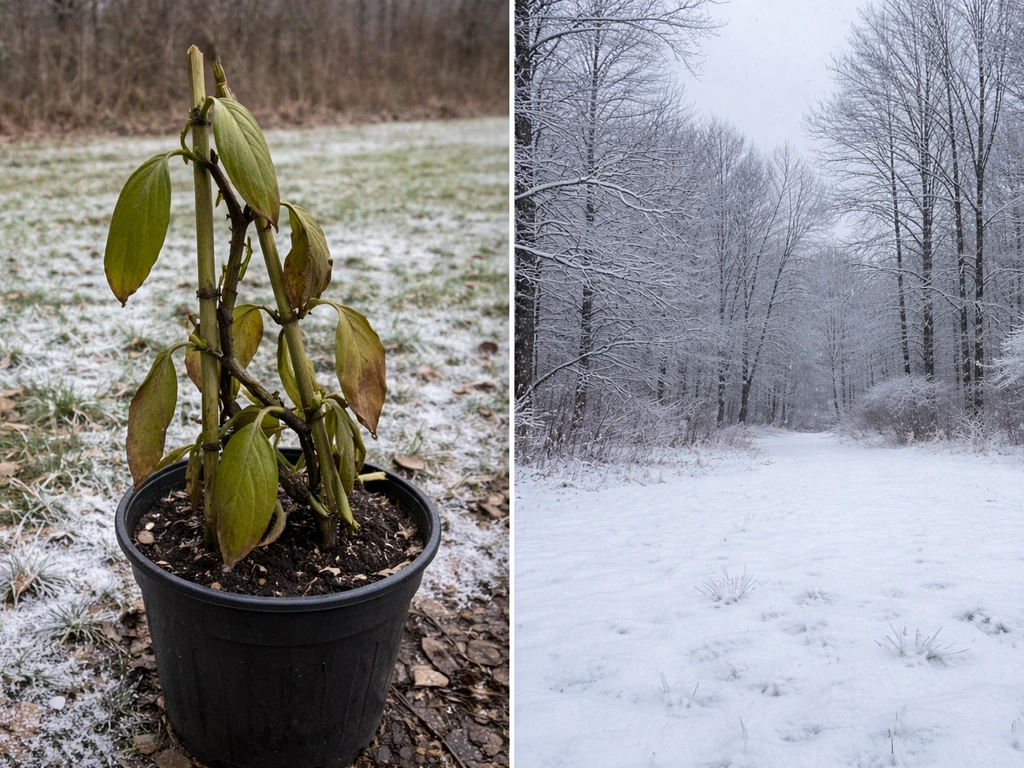
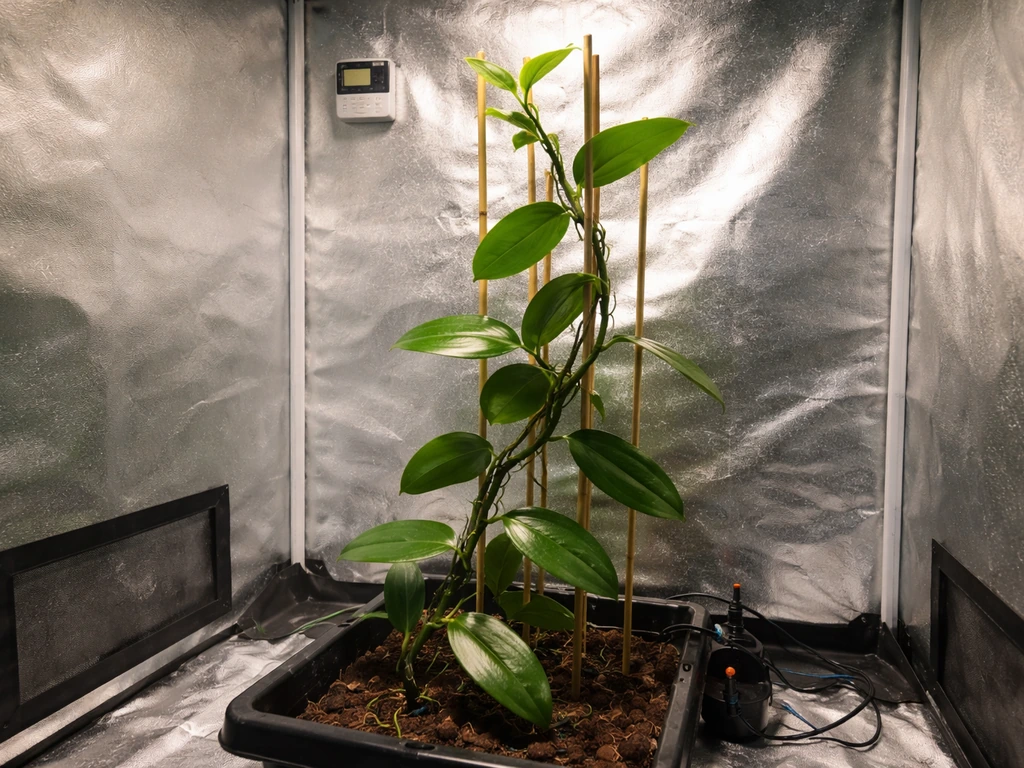
Vanilla planifolia is rated for USDA hardiness zones 11 to 12, meaning it needs average minimum winter temperatures above 40°F to survive. Ohio sits solidly in zones 5b to 6b depending on location. Cleveland's average last spring frost falls in early-to-mid May, and the first fall frost arrives around early October, which gives you roughly a five-month window of frost-free weather. That window is not nearly enough for a plant that demands year-round tropical warmth. Ohio has historically recorded extreme lows near -39°F in the coldest events, and even in mild winters, hard freezes are routine. Vanilla orchids are killed by a single freeze, not just damaged. You would lose the plant every single winter without substantial, heated protection.
Ohio summers do have something going for them: humidity. Dew points regularly climb into the muggy range during July and August, and that warm, sticky air actually mimics some of the humidity vanilla enjoys in tropical growing regions. But summer is only a few months long, and vanilla is a multi-year project. The rest of the year, especially those long Ohio winters, will end the plant fast if it's outside or in an unheated space. The short answer is that outdoor vanilla cultivation in Ohio is not a realistic option without a heated greenhouse.
Which vanilla species are you actually growing?
When people say 'vanilla beans,' they almost always mean Vanilla planifolia, the species that produces the pods used in cooking. It is a tropical climbing vine in the orchid family, and it grows in a way that surprises a lot of gardeners: it is a long, sprawling, somewhat succulent vine that needs something to climb up. It is not a compact herb or a tidy pot plant. Under ideal conditions, these vines can reach 20 to 30 feet long. The vanilla bean pods come from flowers that bloom on mature sections of the vine, typically after the plant is at least three years old and has reached a certain length and maturity.
There are a few other Vanilla species sometimes grown ornamentally, including Vanilla pompona and some hybrids, but if your goal is producing actual edible pods, V. planifolia is what you want. It is the same species you'd find at a vanilla growing operation in Michigan or in university greenhouse collections. That said, all vanilla species have essentially the same climate requirements: warm, humid, and frost-free at all times.
Setting up a real indoor growing environment in Ohio
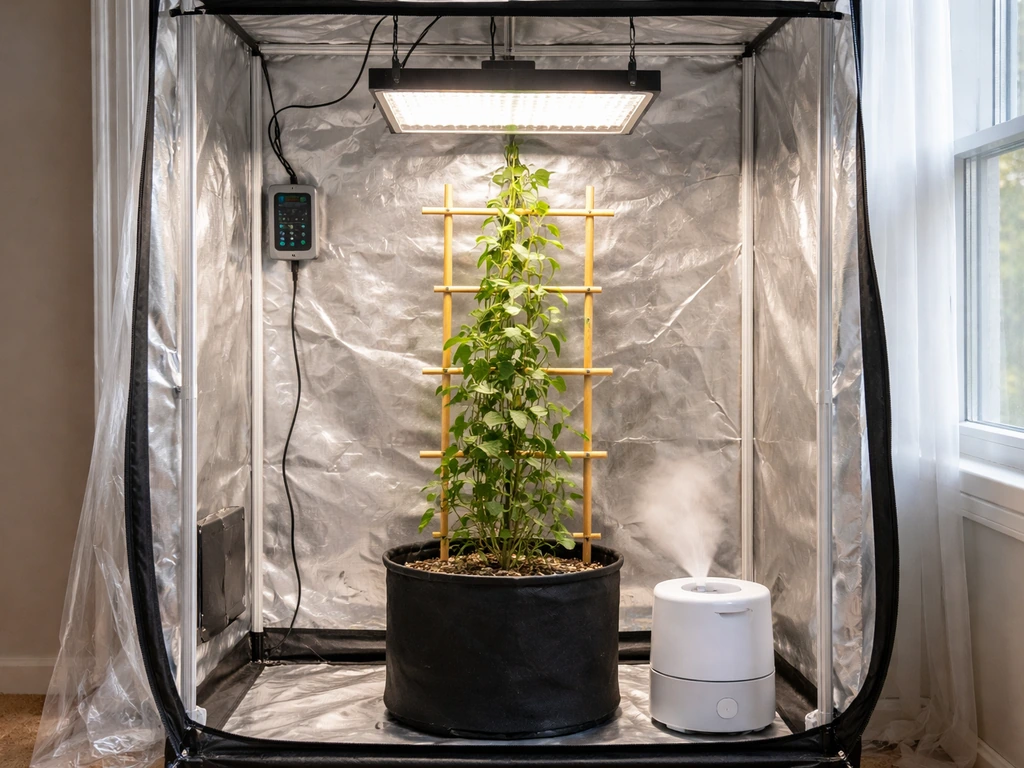
If you want to take this seriously, you need to think about four things: temperature, humidity, light, and the physical support structure for the vine. Get all four right and you have a fighting chance at a healthy plant. Miss on any of them and you'll end up with a slow, stressed vine that never flowers.
Temperature
Vanilla planifolia wants daytime temperatures between roughly 80 and 90°F (27 to 32°C) and nights between 60 and 70°F (15. The American Orchid Society provides culture-sheet temperature framing for orchids, including day and night ranges, which can help you think through temperature targets for indoor setups temperature framing for orchids (for example, day/night ranges). 5 to 21°C). The UC ANR guidelines cite an ideal range of 59 to 86°F with about 80% relative humidity, noting that exposing plants to cool or rainy conditions hurt pod set in their trials. The takeaway for Ohio growers is simple: your grow space needs active heating in the fall, winter, and spring. A spare bedroom or sunroom that gets into the 50s at night in January will not work. A greenhouse with a reliable propane or electric heater, or a dedicated grow tent with a space heater and thermostat, is what you're after.
Humidity
Target 80% relative humidity inside your grow space. Ohio's heated indoor air in winter is extremely dry, often dropping below 20 to 30% humidity, which will stress the plant significantly. You will need a humidifier running consistently near the plant. A hygrometer (they cost under $15) is essential for monitoring. The challenge is that high humidity combined with poor airflow creates rot and fungal problems, so pair your humidifier with a small circulation fan that keeps air moving without blasting the plant directly.
Light
Vanilla needs bright, indirect light, roughly the equivalent of a filtered canopy environment. In Ohio, natural light in November through February is genuinely inadequate, even in a south-facing window. Supplemental grow lighting is not optional if you want the plant to stay healthy through winter. Full-spectrum LED grow lights set on a 12 to 14 hour daily cycle will keep the vine growing. Avoid direct hot sunlight, which can bleach and damage the leaves.
Potting, watering, and vine support
Use a very well-draining orchid bark mix, not regular potting soil. Vanilla roots want wet-dry cycles, not constant moisture. The American Orchid Society is emphatic about this: roots sitting in soggy medium will rot. Water thoroughly, then let the top inch or two of the medium dry out before watering again. A terracotta pot helps with this because it breathes and dries faster than plastic. For the vine itself, set up a trellis, a wooden stake, or a horizontal wire system along a wall or ceiling. The plant needs to grow horizontally or in a curve at some point to trigger flowering, so plan your structure with that in mind.
Pollination: the part most people don't see coming
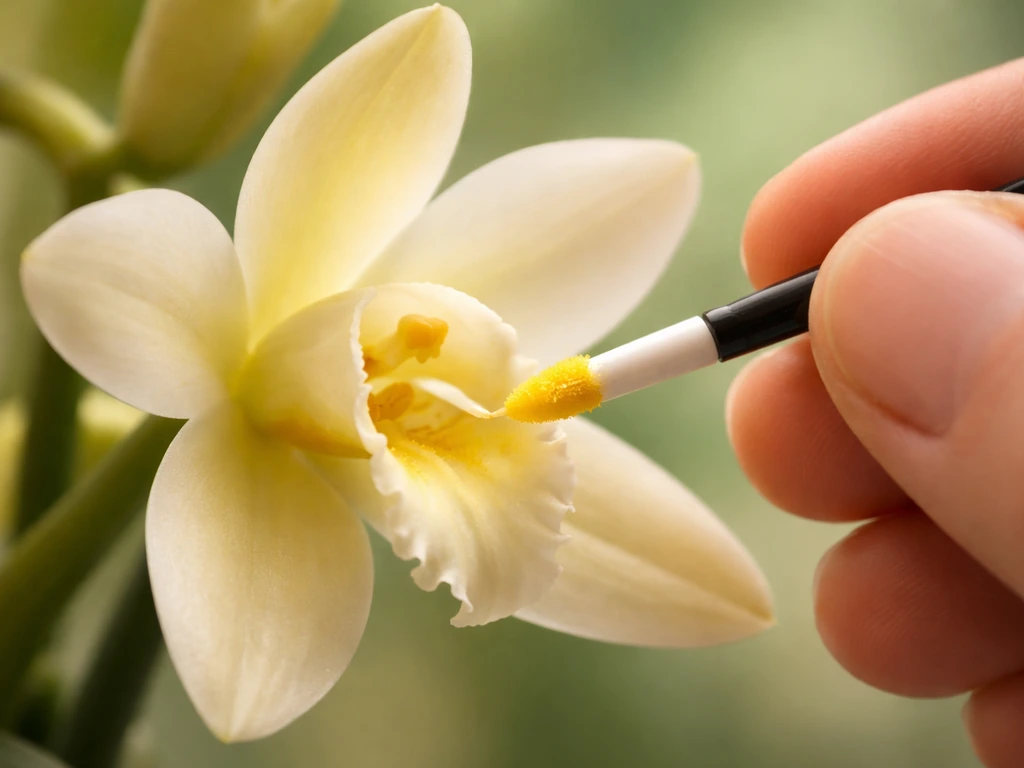
This is where vanilla bean production gets genuinely tricky. In the wild and in commercial vanilla-growing regions like Madagascar, a specific bee and hummingbird species do the pollination work. Outside those regions, vanilla flowers almost never set pods on their own. You have to pollinate by hand, and here is the catch: each vanilla flower is open for only a single day. You need to spot the blooms in the morning, act fast, and do it correctly.
Hand-pollination involves transferring pollen from the anther to the stigma inside the same flower using a small toothpick or thin tool to push aside the rostellum (a small flap that naturally separates the male and female parts). It sounds fussy, but research comparing pollination methods found that traditional hand-pollination resulted in over 80% of pollinated flowers successfully setting pods. The technique works very well when done correctly. The American Orchid Society has detailed guidance on the specific mechanics, which is worth studying before your plant ever reaches the flowering stage so you're ready when the day comes.
Flowering typically happens in clusters called racemes, with multiple buds opening over the course of days to weeks. Each bud opens on a different day, so you often get several pollination opportunities per flowering event. Do not miss them: the flower closes the same evening it opens and will not reopen.
How long until you actually have vanilla beans?
This is the part that separates the committed growers from the curious ones. Vanilla planifolia does not flower until the plant is mature, typically at least three years after starting from a cutting, and sometimes longer from seed (which is impractical anyway). Once the plant is old enough and conditions are right, it will flower, but there is no guarantee of exactly when. Then, after successful hand-pollination, the pods take roughly six to nine months to mature on the vine before harvest. Some sources cite a tighter eight to nine month window from pollination to a harvestable pod.
After harvest, the work is not done. Fresh vanilla pods are green and odorless. The characteristic vanilla aroma and flavor develops through a curing process that takes months on its own. So from starting a cutting to holding a cured vanilla bean you grew yourself, you are realistically looking at four to five years minimum. This is not a weekend project.
What does success look like along the way? A healthy, actively growing vine with new leaf nodes every few weeks during the growing season. After two to three years, you might see your first flower bud cluster. After successful pollination, you will watch narrow green pods slowly thicken and lengthen over the following months. It is genuinely rewarding if you stick with it, but the timeline needs to be clear going in.
Is the cost and effort actually worth it for Ohio growers?
Let's be honest about the investment. A starter vanilla cutting or small plant runs $15 to $40. That's the cheap part. A proper grow tent, full-spectrum LED lighting, a space heater with thermostat control, a humidifier, and a hygrometer will together cost anywhere from $200 to $600 or more depending on the setup size. A proper heated greenhouse, if you want to go that route, starts in the thousands. Then there are the ongoing electricity costs for heating and lighting through Ohio's long winters.
| Approach | Upfront Cost | Realistic Pod Production | Difficulty |
|---|---|---|---|
| Outdoor garden (unprotected) | $15–40 for plant | None, plant will die | N/A |
| Indoor grow tent with heating and lighting | $250–600+ | Possible after 3–5 years | High |
| Heated greenhouse | $2,000+ | Most realistic path to pods | Medium (once built) |
| Ornamental houseplant only (no pods) | $15–40 for plant | None expected | Moderate |
If the goal is the experience of growing a tropical vine and you're okay never seeing a pod, vanilla makes a genuinely interesting houseplant with its thick, waxy leaves and climbing habit. But if you want actual vanilla beans for baking, the honest truth is that purchasing high-quality vanilla beans or extract is far more cost-effective for most Ohio home growers. Growing your own is a passion project, not a practical food production strategy for most people in this climate.
If you're drawn to growing unusual spice crops at home, it helps to see how growers in similar climates handle the same challenge. Growers exploring vanilla cultivation in Missouri deal with nearly identical winter constraints, and the indoor setup approach works the same way. Growers in warmer states have a notably different situation: someone asking about growing vanilla beans in Georgia, for instance, is looking at at least partial outdoor growing in the warmest southern parts of the state, which is a different feasibility picture entirely. The same goes for vanilla in North Carolina, where coastal regions offer a slightly more forgiving climate. For Midwestern growers, the indoor route is the only real path, and that's also the exact situation facing anyone researching vanilla growing in Illinois, just across the border.
Your realistic next steps as an Ohio grower
If you want to try this, here is what I'd actually recommend doing, in order:
- Source a healthy vanilla cutting or small starter plant from a reputable orchid or tropical plant supplier. Look for Vanilla planifolia specifically.
- Set up your grow space before the plant arrives. Have your grow tent or dedicated room, LED grow lights, thermostat-controlled space heater, humidifier, and hygrometer ready to go.
- Pot into an orchid bark mix in a terracotta pot with excellent drainage, and set up your trellis or climbing structure from day one.
- Maintain 80–90°F daytime and 60–70°F night temperatures with humidity at or near 80% year-round. Monitor with your hygrometer daily until you know the patterns of your space.
- Be patient for the first two to three years. Focus on vine health and length. The plant needs to mature before it will ever flower.
- When flowers appear, be ready to hand-pollinate that same morning. Study the technique ahead of time so you're not scrambling when your first raceme opens.
- After pollination, monitor pods for six to nine months, then plan for a curing process of several additional months post-harvest.
If you go through all of that and produce even a handful of homegrown, hand-cured vanilla beans from an Ohio grow room, that is a genuine accomplishment that most gardeners never pull off. It is hard, slow, and expensive relative to just buying vanilla. But if you love the challenge of growing something unusual in an unlikely place, vanilla is one of the more interesting plants you can attempt. Just go in knowing exactly what you are signing up for.
FAQ
What’s the difference between keeping vanilla alive indoors and actually getting vanilla beans in Ohio?
You can keep vanilla alive as a houseplant in Ohio, but producing pods usually requires a stable warm, humid microclimate and consistent flowering age. If your indoor nights drop below about 60°F or humidity routinely falls well under your target, you may get leaves and slow growth with no pods.
Can I use a regular sunroom or space heater instead of a greenhouse?
Yes, but it helps to use a thermostat-controlled heating source and insulate the grow space so the temperature does not swing. A simple oil-filled radiator with a thermostat is often more reliable than a manual heater, because vanilla is sensitive to cold drafts even if the average temperature looks okay.
What water should I use for vanilla in an Ohio indoor setup?
Avoid using tap water with heavy chlorine or very hard water if possible, because long-term buildup can stress roots in bark-based mixes. If your water is hard, letting it sit overnight or using filtered water can help, and you should still remove excess runoff so the medium never stays saturated.
How often should I water vanilla, and how do I avoid root rot?
Aim to keep the medium lightly drying between waterings, not constantly wet. A simple rule is to water thoroughly until it drains, then wait until the top section feels dry before watering again, then adjust based on how quickly your specific mix dries in your room.
Is a south-facing window enough for vanilla in Ohio winter?
Light needs to be bright enough to sustain growth through winter, not just “a little sun.” If you do not have grow lights, expect slow, weak growth and fewer chances of reaching flowering maturity, even if temperature and humidity are on target.
How do I manage hand-pollination when multiple flower buds open over several days?
Yes, flowering can happen in multiple buds over time, so you should check daily once buds or early racemes appear. Flowers open in the morning and must be pollinated the same day, so having your tools ready in advance is the main practical way to avoid missed blooms.
What should I do if I miss pollinating a vanilla flower on the day it opens?
If you miss a bloom day, that particular flower will not reopen, but the plant may still produce new racemes later. The best move is to stay consistent with temperature, humidity, and light so you maximize the total number of future pollination opportunities.
If I hand-pollinate but no pods form, what are the most common causes?
Normal fruiting failures can come from cold stress, low humidity, inadequate light, or improper pollination mechanics. However, if your plant is not mature enough, you can pollinate and still get no pods, so first confirm vine age and maturity before assuming pollination technique is the issue.
How do I keep humidity high without causing mold or rot?
A hygrometer is helpful, but you also need to avoid localized “microclimates” where humidity is high and airflow is poor, which can drive rot. Using a small circulation fan for gentle, indirect airflow, and measuring humidity near the plant, usually prevents common fungal problems.
Do I need to cure vanilla differently when I grow it indoors in Ohio?
Concentrate on getting pods on your first viable flowering cycle, because trial-and-error on curing is easier once you have a reliable harvest. For storage and curing, keep pods in a stable, low-humidity environment and turn them periodically, then let them fully cure before slicing or grinding.
Should I buy multiple starter plants or focus on one to reduce risk and cost?
A basic approach is starting with one cutting or one mature plant rather than multiple small ones, because your cost driver is the heated, humid, lit space. Once you have a setup that can keep conditions stable, adding a second plant can spread your risk and increase the odds of seeing flowers.
Next Articles
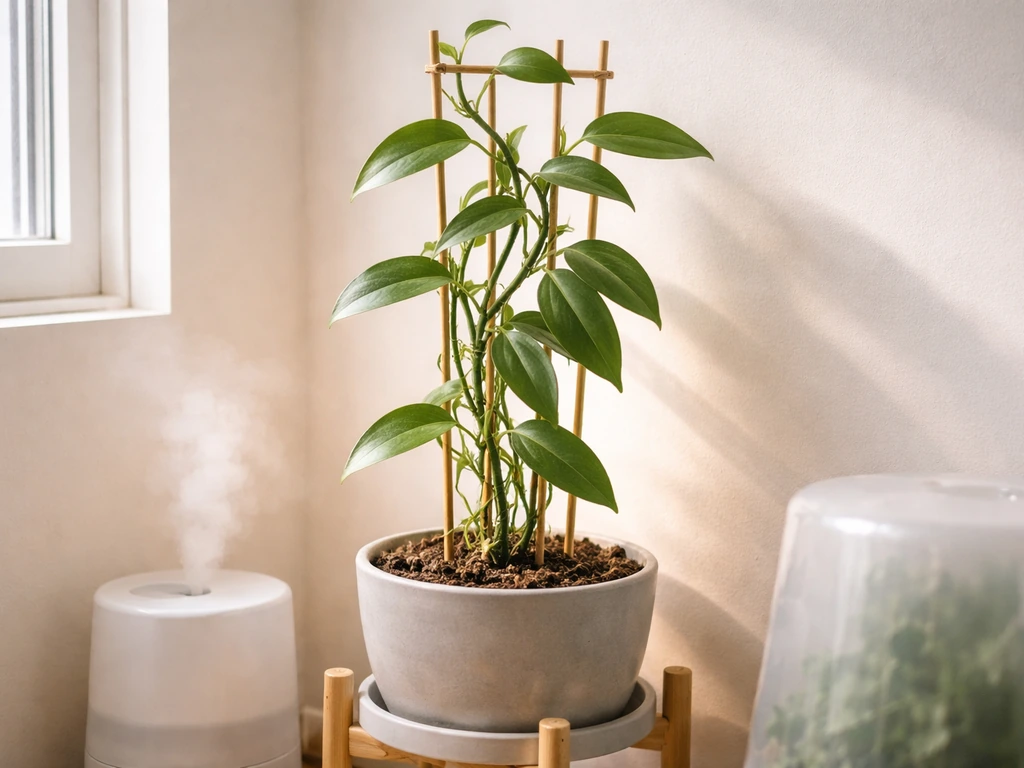
Can You Grow Vanilla Beans in Michigan? Indoor Setup Guide
Learn if vanilla beans can grow in Michigan indoors, with climate targets, trellis care, pollination, and a setup checkl
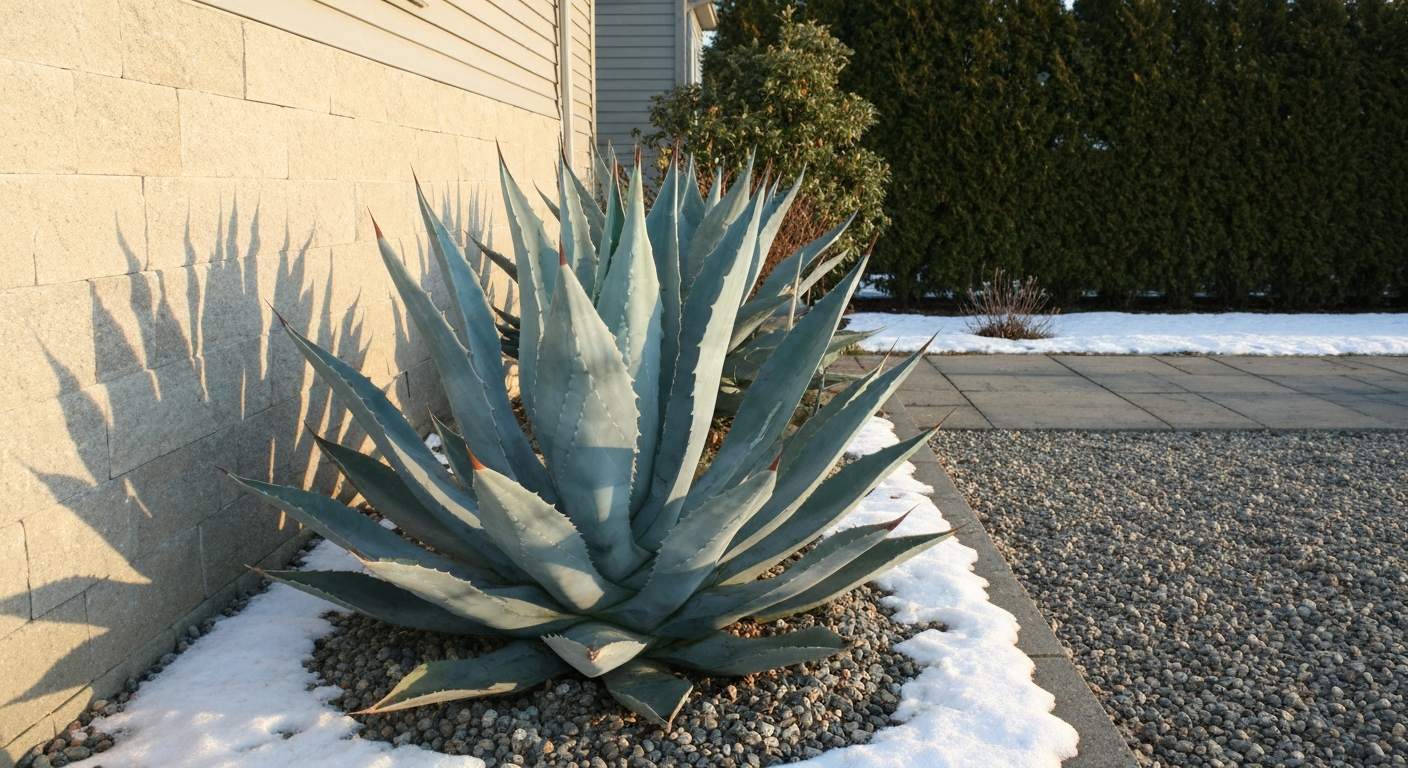
Can You Grow Agave in Canada? Zone Guide & Growing Tips
Can you grow agave in Canada? Practical region-by-region guide, hardy species, container tips & winter care.
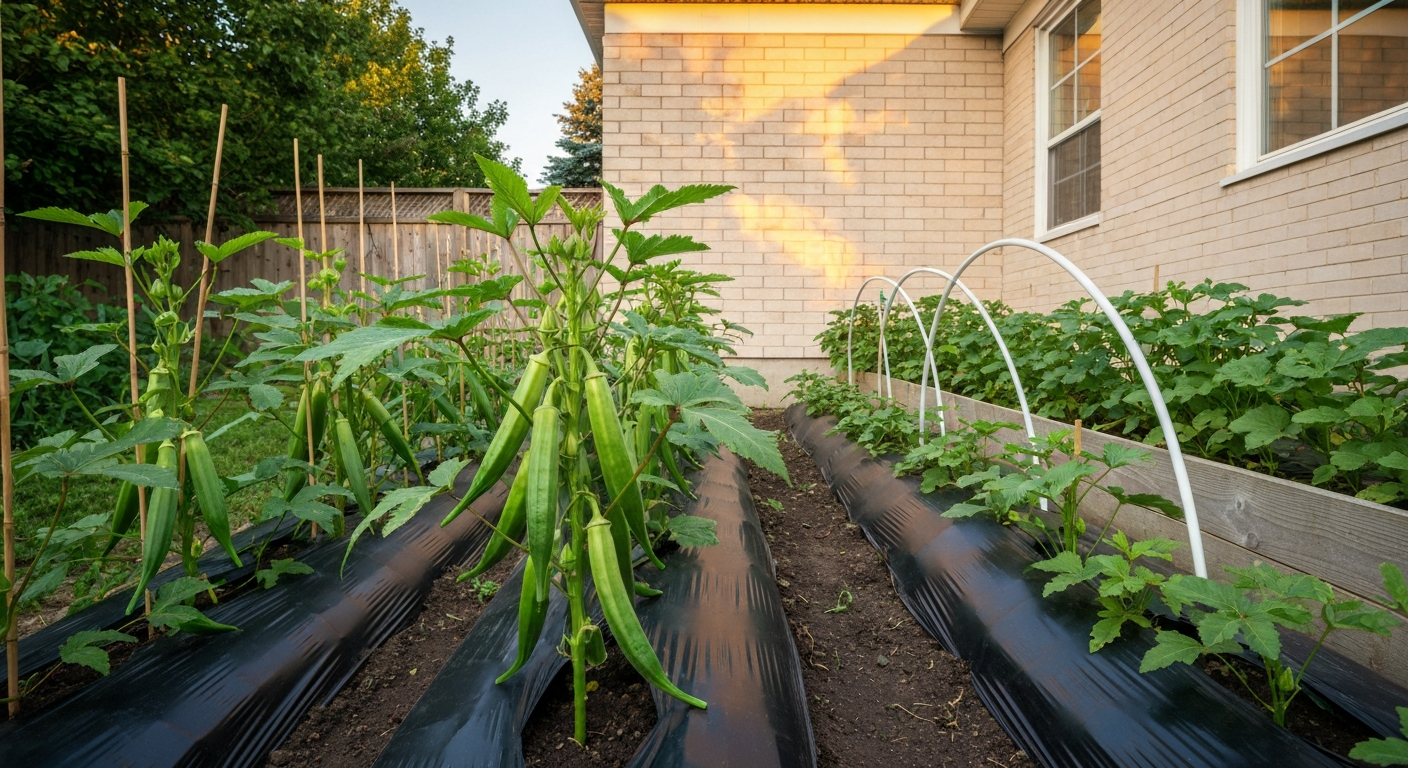
Can You Grow Okra in Canada? Ontario Guide & Short‑Season Tips
Can you grow okra in Canada? Regional verdict, Ontario-specific steps, varieties, season-extension & harvest tips.