
You can grow vanilla (Vanilla planifolia) in Georgia and Tennessee, but not easily outdoors year-round, and not without serious commitment. Both states sit in USDA zones 6b–8b for most of their land area, and vanilla needs zone 10a–11a conditions to thrive without frost protection. That means unless you're doing this in a greenhouse or a well-managed indoor setup, you're going to lose your vines the moment temperatures drop below 50°F (10°C). The honest answer is: yes, it's possible, but outdoor production in these states is marginal at best, and getting to actual harvestable beans takes years of consistent warm, humid conditions. If you're serious about it, a greenhouse is the realistic path. If you want the practical details for a North Carolina setup, you will need to lean heavily on a greenhouse or indoor system to avoid frost damage can you grow vanilla beans in nc.
Can You Grow Vanilla Beans in Georgia and Tennessee
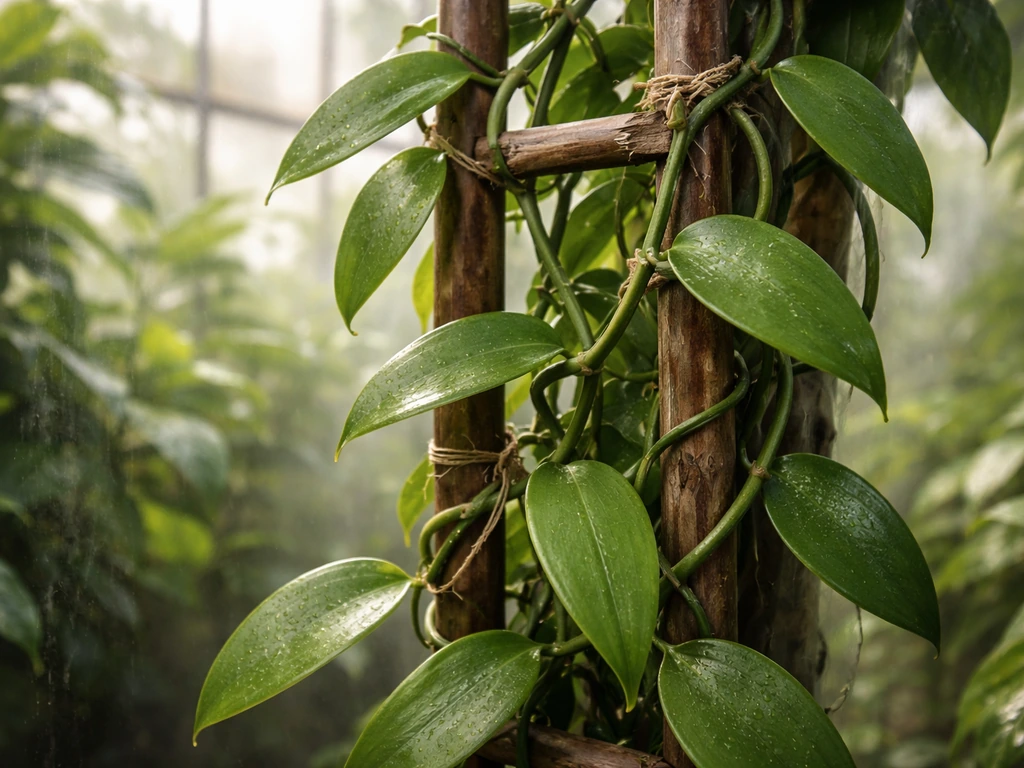
Vanilla vs the reality of Georgia and Tennessee climates
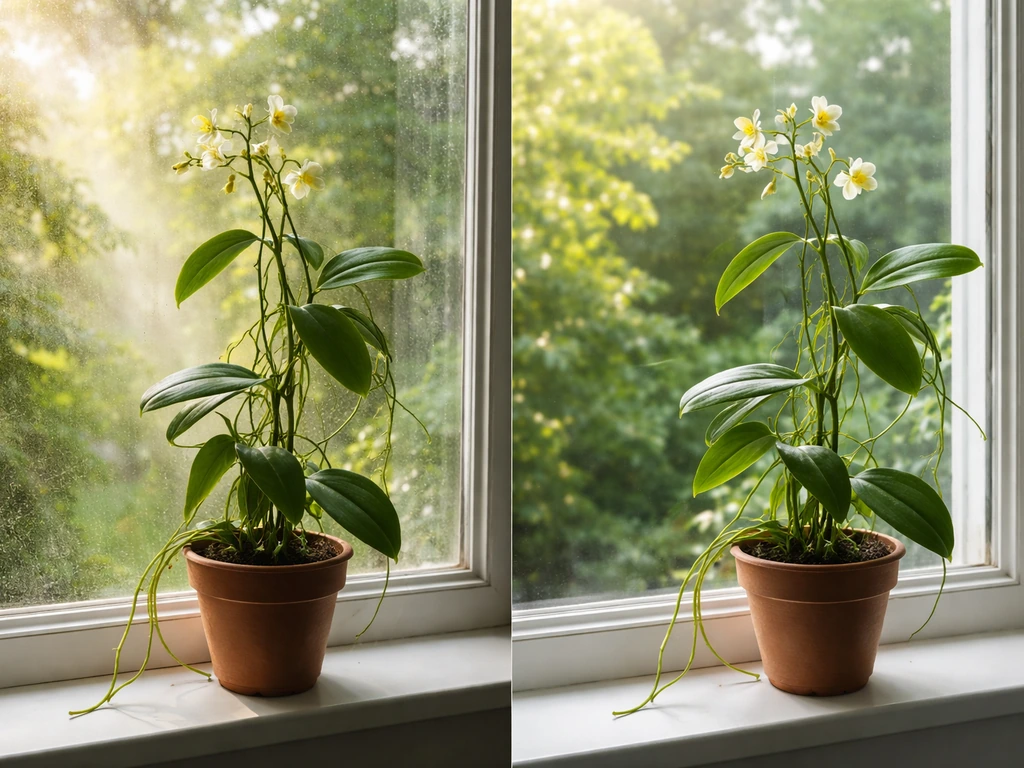
Vanilla planifolia is a tropical orchid native to Mexico and Central America. It wants daytime temperatures around 80–85°F (26–29°C), nighttime lows of 60–65°F (15–18°C), high humidity, and it absolutely cannot tolerate frost or prolonged temperatures below 50°F. Compare that to Atlanta, Georgia, which has an average January low around 34°F, or Nashville, Tennessee, where January lows routinely hit the mid-20s°F. Even coastal and southernmost Georgia (Savannah, Brunswick) sees occasional freezes. These aren't technical obstacles you can talk your way around, a single hard frost kills vanilla vines.
In summer, Georgia and Tennessee actually deliver on the heat side. Atlanta regularly hits 88–92°F in July and August, and the humidity in both states is genuinely tropical at times. Southern Georgia (zones 8a–8b) can have 250+ frost-free days per year, which is closer to what vanilla needs. But "closer" isn't the same as "sufficient." The moment you hit November, temperatures in most of both states become hostile to unprotected vanilla plants. That's the core tension: great summers, brutal winters.
Compare this to states like North Carolina (which shares some of Georgia's coastal zone 8 characteristics) or even more northern states like Ohio, Michigan, Missouri, and Illinois, where the climate challenge is even steeper. If you want to try vanilla in Ohio, plan for a heated greenhouse or an indoor setup because winters are the limiting factor outdoors. Georgia and Tennessee are actually among the more favorable states outside of Florida and Hawaii for outdoor vanilla attempts, but that still means you're working against the plant for roughly 4–5 months of the year.
Growing vanilla outdoors vs in a greenhouse or indoors
Let's be direct about what your options actually look like in practice.
| Setup | Feasibility in GA/TN | Main Challenge | Best For |
|---|---|---|---|
| Outdoor in-ground (no protection) | Low — viable only in zone 9+ microclimate | Winter frost kills vines; unpredictable freeze events | Extreme south Georgia coastal spots only, with heavy mulching |
| Container outdoors (moved inside in winter) | Moderate — works with consistent winter care | Heavy vines are hard to move; container size limits root growth | Hobbyists with space to overwinter indoors |
| Attached or detached greenhouse | Good — most realistic path to bean production | Upfront cost, heating bills in winter, humidity management | Serious growers committed to multi-year production |
| Indoor grow room or sunroom | Moderate — achievable if conditions are right | Supplemental lighting often needed; space for tall/vining plant | Home growers with south-facing space or grow lights |
For outdoor attempts in Georgia, you'd need a true microclimate: a south-facing wall, good thermal mass, heavy mulch, and a location that rarely dips below freezing. Southern coastal Georgia is the only part of either state where outdoor year-round growing is even worth trying, and even there you should have a frost cloth plan ready. Tennessee outdoor growing without winter protection is not realistic for vanilla. The greenhouse or indoor route, while more work to set up, is what actually gets you to bean production.
Climate requirements and what to check at your specific location
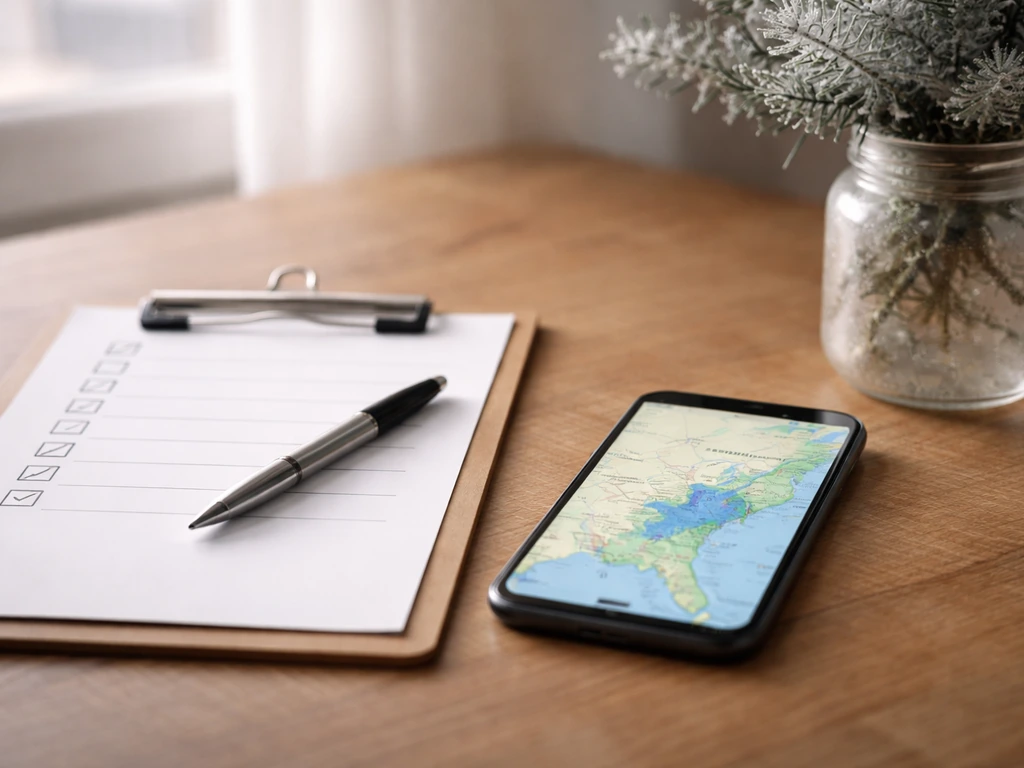
Before you invest in plants and infrastructure, check your actual location's numbers. NOAA publishes 1991–2020 Climate Normals for stations across both states, these give you monthly average minimum temperatures that tell you exactly how cold your area gets in a typical year. Look up the nearest NOAA station to your property and check January and February average lows. If you're seeing lows in the 30s°F, outdoor vanilla is off the table without serious protection. Even the 40s°F make it borderline.
Here's what vanilla actually needs, in concrete terms, so you can compare against your local numbers:
- Year-round minimum temperature: never below 50°F (10°C), ideally staying above 60°F (15°C) at night
- Optimal daytime growing temperature: 80–85°F (26–29°C)
- Humidity: consistently high, ideally 80%+ relative humidity
- Light: bright indirect light, not harsh direct afternoon sun — roughly 50% shade from full sun
- Dry period: about 2 months of reduced watering per year to trigger flowering
- Frost-free days: 365 ideally; at minimum, complete protection during any sub-50°F period
If you're in Atlanta, Chattanooga, or Nashville, you're looking at 3–4 months where outdoor temperatures are inhospitable for vanilla. Savannah and the Georgia coast are better, but still not worry-free. Run your numbers, then decide how much infrastructure you want to build. If you're wondering can you grow vanilla beans in Illinois, the climate challenge is even bigger than in Georgia and Tennessee because Illinois winters regularly dip far below what vanilla can tolerate without serious protection.
How long before you actually get beans, and what success really looks like
This is the part that surprises most people. Vanilla is not a plant that rewards impatience. From a stem cutting, you're looking at 3–5 years before the vine flowers for the first time, and 3–4 years is the general benchmark under good conditions. Maximum production typically doesn't happen until 7–8 years after planting. If you buy a young plant today, you're realistically looking at 2026 as a planting year and 2029–2031 before you see your first flowers, assuming everything goes right.
Once the vine does flower, the window to act is tiny. Each vanilla flower lasts exactly one day. In its native range, a specific bee and hummingbirds handle pollination. In Georgia and Tennessee, you're doing it by hand, every single morning during the bloom period. Miss a day, and those potential beans are gone, the flowers wither and drop within 1–2 days without pollination.
If pollination is successful, the beans take approximately 9 months to mature on the vine. Once pollination is successful, Missouri Botanical Garden notes that fruit pod development continues for months and that pods stay on the vine before maturation and then curing successful pollination. Then comes curing, which adds another 3–6 months before you have finished vanilla with the flavor and aroma you're used to. The full process from planting a cutting to tasting your own cured vanilla beans is realistically 4–6 years. That's the timeline you're committing to.
How to start: sourcing, cuttings, and propagation
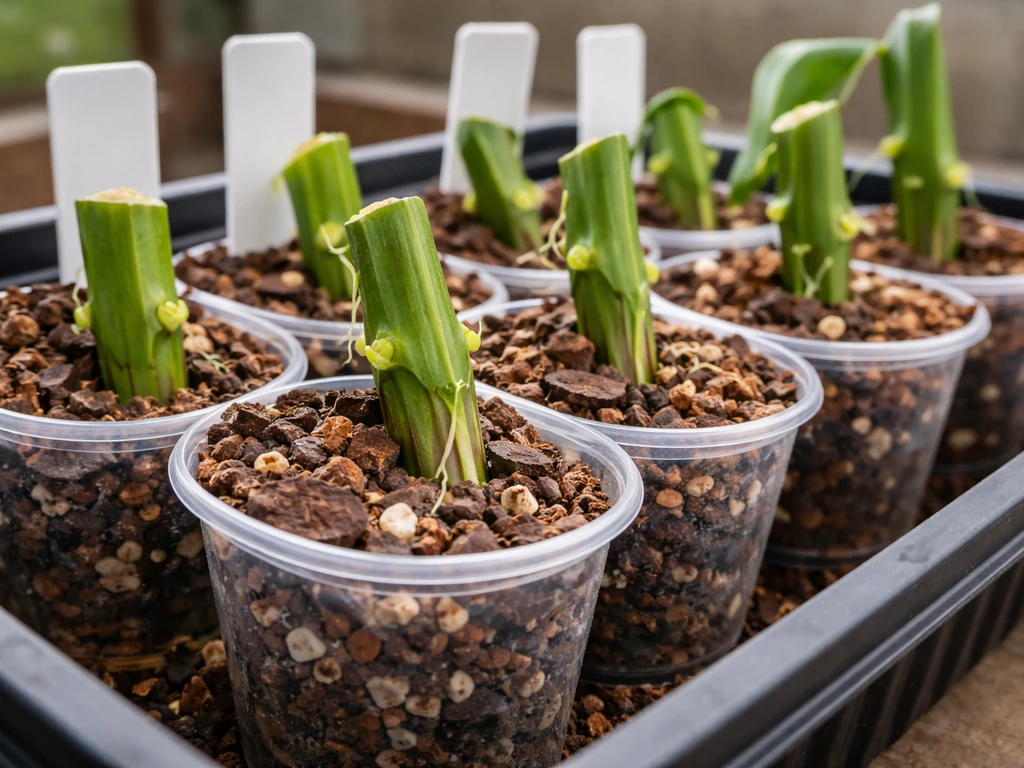
Vanilla is propagated from stem cuttings, not seed. Growing from seed is so slow and unreliable that it's not done commercially, and there's no reason to do it as a home grower either. You want cuttings or young rooted plants, and sourcing quality material matters.
Look for Vanilla planifolia specifically, not ornamental vanilla relatives that don't produce usable beans. Reputable orchid nurseries, specialty tropical plant vendors, and some online sellers offer rooted cuttings or young plants. When buying cuttings, aim for stems that are at least 30 cm (about 12 inches) long and have several nodes. Longer, more mature cuttings from vines that have already reached flowering maturity will get you to beans faster than tiny starter cuttings.
Once you have a cutting, let the cut end dry and callous for 1–2 days at room temperature before planting. This reduces the risk of rot at the base. Plant into your prepared growing medium and keep it warm and humid from day one. New root growth typically appears within 30–40 days. Don't rush it, vanilla establishes slowly.
Day-to-day care: light, mix, water, fertilizer, trellising, and pests
Light and temperature
Vanilla grows as an epiphyte under forest canopy in the wild, so it wants bright but filtered light. In a greenhouse or indoors, aim for about 50% shade from full direct sun. A south-facing exposure with shade cloth works well. In Georgia and Tennessee summers, unfiltered afternoon sun will scorch the leaves and stress the plant. Temperatures should stay between 60–90°F at all times, below 50°F triggers stress and eventual vine death.
Soil and growing mix
Don't use regular potting soil. Vanilla roots rot quickly in dense, moisture-retaining mixes. Use a well-draining orchid-style mix: coarse bark, perlite, and some coco coir works well. The mix should drain fast and allow air to the roots. In a container, choose something wide and shallow rather than deep, since vanilla roots tend to spread laterally and also climb aerial roots up the trellis.
Watering and humidity
Water thoroughly, then let the mix dry out somewhat before watering again. Vanilla hates sitting in wet medium. In a greenhouse, you'll also want to maintain high ambient humidity, ideally above 80%. A humidity sensor is worth having. During the deliberate dry period you'll use to trigger flowering (about 2 months), reduce watering significantly but don't stop entirely. Good air circulation matters here too, stagnant humid air invites fungal disease.
Fertilizing
Feed with a balanced, diluted orchid fertilizer during active growing season. One thing to watch: too much nitrogen pushes lush vegetative growth but actively discourages flowering. Back off on nitrogen, especially as the vine matures and you want it to start producing blooms. A fertilizer with higher phosphorus and potassium relative to nitrogen is better for a vine approaching flowering age.
Trellising
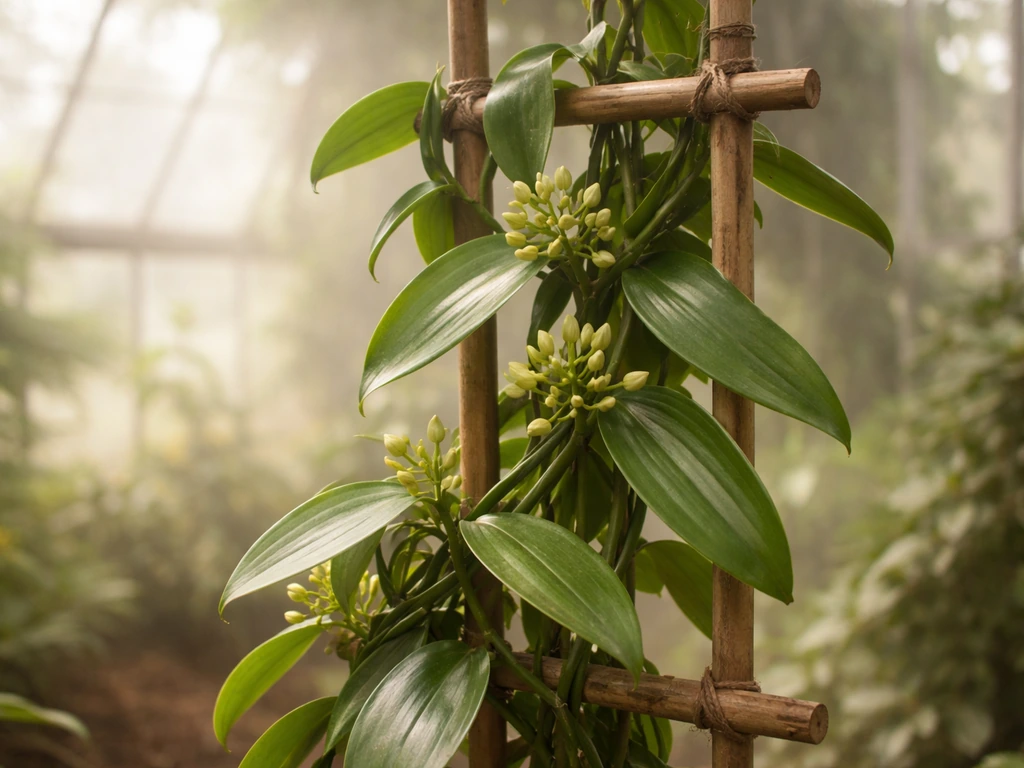
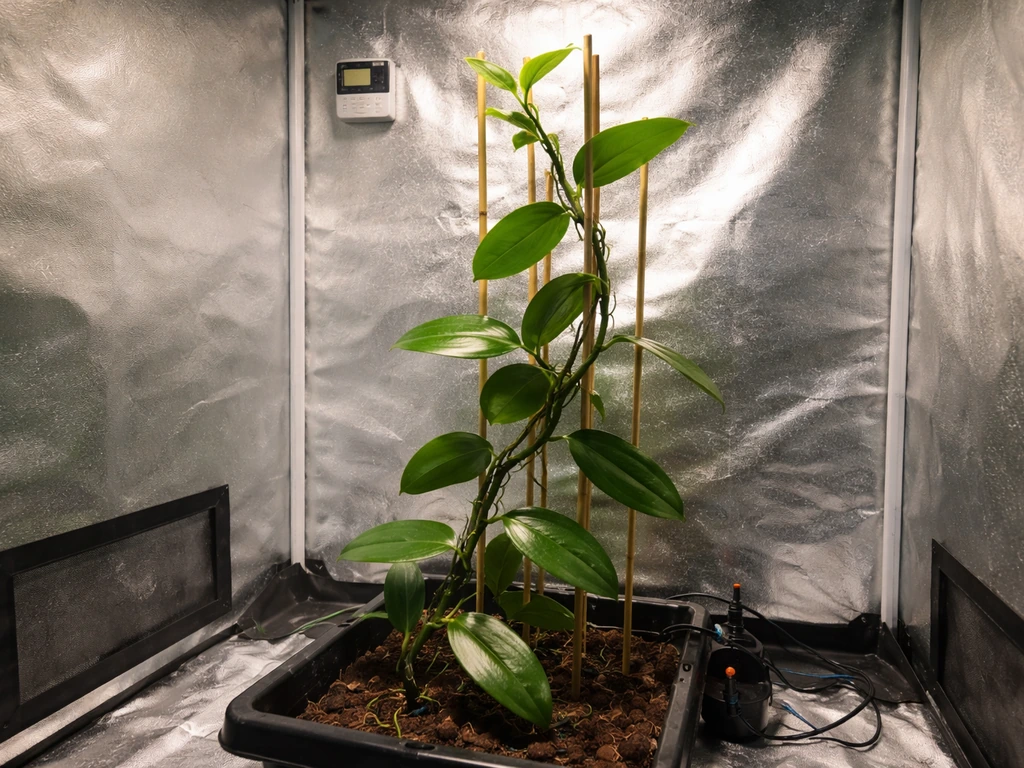
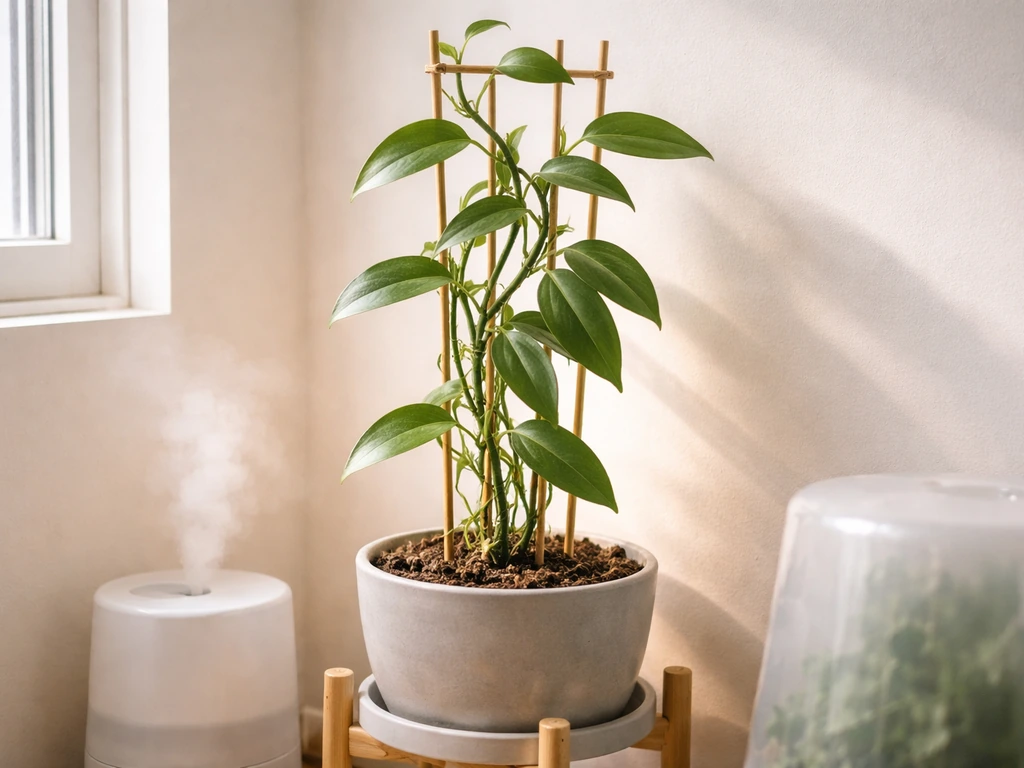
Vanilla is a vigorous climbing vine that needs support. In commercial production, it's trained up poles and then looped back down to keep it manageable and encourage flowering at accessible heights. In a greenhouse or indoors, install a sturdy trellis, wire frame, or wooden poles. The vine produces aerial roots along the stem that will naturally cling and anchor. Training the vine horizontally or in a looping pattern (rather than straight up) helps stimulate flowering.
Pests and diseases
The most serious disease threat is Fusarium oxysporum f.sp. vanillae, which causes root and stem rot. It's a soil-borne fungus that can devastate a vine quickly, especially in warm, moist conditions. Phytophthora root rot is also a concern. Prevention is everything here: excellent drainage, good air circulation, and avoiding waterlogged medium. Spider mites and mealybugs are the most common insect pests in greenhouse settings. Check under leaves regularly and treat early with neem oil or insecticidal soap.
Hand pollination and curing: getting usable vanilla flavor
When your vine finally flowers, this is the moment everything depends on. Each flower opens once and lasts one day. Hand pollination has to happen every day during the bloom period, every single morning. Here's how it works: use a small toothpick or thin stick to transfer pollen from the anther (the male part) to the stigma (the female part) within the same flower. The rostellum (a small flap) separates these two parts and has to be lifted or moved aside to make contact. It takes practice but becomes straightforward once you've done it a few times.
Successfully pollinated flowers develop into the familiar long green bean pods over the next 9 months. Harvest when the pods are fully developed but before they turn yellow and split, usually around 6–9 months after pollination. Don't wait too long or the beans begin to split on the vine.
Curing is what transforms green, nearly odorless beans into the fragrant vanilla you're used to. The process has four stages: killing (brief heat treatment to stop the beans' own biological processes), sweating (wrapping warm beans to promote enzymatic reactions that develop vanillin), slow drying (sun and shade drying over several weeks), and conditioning (months in closed boxes for full aroma development). The full curing process takes anywhere from 3–6 months, during which the beans lose 70–80% of their original water weight. Home growers have successfully completed this process using ovens, blanching in hot water, and then careful sun-and-shade drying cycles followed by long conditioning in sealed containers.
Your realistic next steps as a Georgia or Tennessee grower
Here's how to make an honest decision about whether to move forward and what setup makes sense for you.
- Check your winter lows first. Pull up NOAA climate normals for the nearest station to your property. If your average January minimum is below 40°F, you need a heated greenhouse or reliable indoor setup — there's no workaround.
- Decide on your setup before buying plants. A container-based approach that moves indoors in November is the lowest-cost entry point. A small heated greenhouse is the most reliable path to beans. Don't buy vines and then figure out where they'll go in winter.
- Source a quality cutting from a reputable vanilla specialist. Look specifically for Vanilla planifolia. Expect to pay $15–40 for a rooted cutting or young plant, more for a larger, more mature vine.
- Build your trellis system before the plant arrives. Vanilla grows fast once it's happy and you want the structure ready.
- Set your expectations for the long game. If you're not willing to commit 4–6 years to reach a meaningful harvest, vanilla is not your crop. That's not a criticism — it's just the biology.
- Consider the alternative: buy high-quality vanilla extract or whole beans from growers in Madagascar, Tahiti, or Hawaii while you grow your vine as an ornamental/hobby project. Many growers find genuine satisfaction in the growing process itself even before they reach bean production.
If full bean production isn't your goal, vanilla still makes a beautiful, fragrant houseplant and greenhouse specimen. If you're committed to beans, a small heated greenhouse in Georgia (especially south of the I-16 corridor) gives you a genuinely good shot. Tennessee growers face a steeper hill but can absolutely get there with a reliable heated space. The plant rewards patience, attention, and the right setup, and Georgia's hot, humid summers are a real asset during the growing season. This same approach is what answers the question can you grow vanilla beans in Missouri, since you typically need protected warm, humid conditions.
FAQ
What is the minimum indoor or greenhouse temperature I should aim for in Georgia or Tennessee?
Keep the vine out of sustained cold, ideally never letting the growing area drop below about 55°F. Short dips may not kill a healthy vine, but repeated nights in the low 50s°F can stall growth and raise the chance of rot in humid conditions.
Can I grow vanilla outdoors in summer and move it inside for winter, instead of keeping it fully greenhouse-managed?
You can try a seasonal move, but it is still risky because vanilla can lose vigor quickly when nights cool in fall, and relocation can stress the plant. If you do this, move it in before nighttime temperatures consistently fall into the 50s°F, and keep lighting and humidity stable after moving.
Do I need night heating, or is day warmth in a greenhouse enough?
Night conditions matter because vanilla’s health and flowering depend on staying in its comfortable range around warm temperatures. A greenhouse that is hot during the day but cools sharply at night often leads to weak vines and delayed or missing flowering.
How much humidity is actually “enough” for vanilla in a greenhouse in these states?
Above 80% ambient humidity is a good target, but watch for condensation on leaves and poor air movement. Very high humidity combined with stagnant air can worsen fungal issues, so use ventilation and a fan to keep air gently moving.
What’s the best container size and shape for vanilla indoors?
Choose a wide, shallow pot or grower box rather than a tall one, because vanilla tends to send roots laterally and wants fast drainage. Ensure there are multiple drainage holes and consider adding a trellis at planting time so you do not disturb roots later.
Can I use a heat mat, grow lights, or both to replace a heated greenhouse?
You can partially compensate, but lights do not supply the humidity and night temperature stability vanilla needs. Heat mats may warm the root zone, but you still need warm air and moisture control, otherwise the plant can grow unevenly and struggle to flower.
Is it possible to get beans without manually pollinating every flower day?
In Georgia and Tennessee, you should assume hand pollination is required. Even if insects visit, you can’t rely on them for consistent daily pollination, because each flower only lasts about one day.
When hand pollinating, what are common reasons flowers fail to turn into pods?
The most common issues are missed daily pollination, pollinating too late in the day, not making contact past the rostellum, and flowers dropping due to cold stress or uneven watering during the bloom window.
How should I adjust watering during the flowering trigger period mentioned for vanilla?
Reduce watering gradually rather than stopping suddenly. The goal is to slightly dry the medium so the plant is not sitting constantly wet, but you still need enough moisture that new growth and flowers do not abort.
What drainage medium details help prevent Fusarium and Phytophthora problems?
Use an orchid-style mix with coarse bark and added perlite for structure, and keep the medium light so it dries faster between waterings. Also avoid water splashing on the base of the stem and do not reuse contaminated soil or bark.
How do I tell if a cutting is too small to succeed on a realistic timeline?
Tiny starter cuttings can work, but expect much longer delays before flowering. If you want the best chance of a practical timeline, prioritize cuttings with several nodes and stems long enough to support healthy establishment without taking years to bulk up.
Does nitrogen-heavy fertilizer cause more leaves but fewer flowers, and how should I change feeding as the vine matures?
Yes. Too much nitrogen often pushes vegetative growth and can delay flowering. When the vine is approaching its first potential bloom period, shift to a fertilizer with relatively higher phosphorus and potassium and reduce overall nitrogen concentration.
How long after the first successful pods should I expect improved production?
First harvests are often smaller and irregular. With good pollination consistency and stable warm, humid conditions, many growers see more reliable set in subsequent seasons, but full vigor typically takes multiple years.
What should I do if I start seeing leaf scorch even in summer greenhouse conditions?
Reduce direct afternoon intensity with more shade cloth or move to brighter filtered light. Leaf scorch can also be a sign the greenhouse is overheating, so monitor temperatures during sunny days and use ventilation to prevent spikes.
Learn if you can grow vanilla beans in NC and SC, and get indoor or greenhouse steps for humidity, hand pollination, and
Learn if you can grow vanilla beans in Ohio indoors, with setup, humidity, care, pollination, and pod timeline.
Learn if vanilla beans can grow in Michigan indoors, with climate targets, trellis care, pollination, and a setup checkl