
You can grow rhubarb in Alabama, but it takes some honest expectation-setting. In the northern parts of the state (zones 7b–8a), rhubarb can work reasonably well as a perennial. As you head south toward Mobile and the Gulf Coast (zones 8b–9b), the summers are simply brutal for rhubarb, and you are better off treating it more like a cool-season annual or container plant than a long-lived perennial. It is doable across the state with the right variety and a few smart adjustments, but Alabama is not prime rhubarb country, and knowing that upfront saves you a lot of frustration. USDA hardiness zone guides summarize Alabama as spanning roughly zones 7b to 9b based on the updated 2023 USDA map USDA hardiness zones 7b to 9b across Alabama.
Can You Grow Rhubarb in Alabama? Yes, Heres How
Marcus Holloway
3 Jul 2026
How Alabama's climate actually lines up with what rhubarb needs
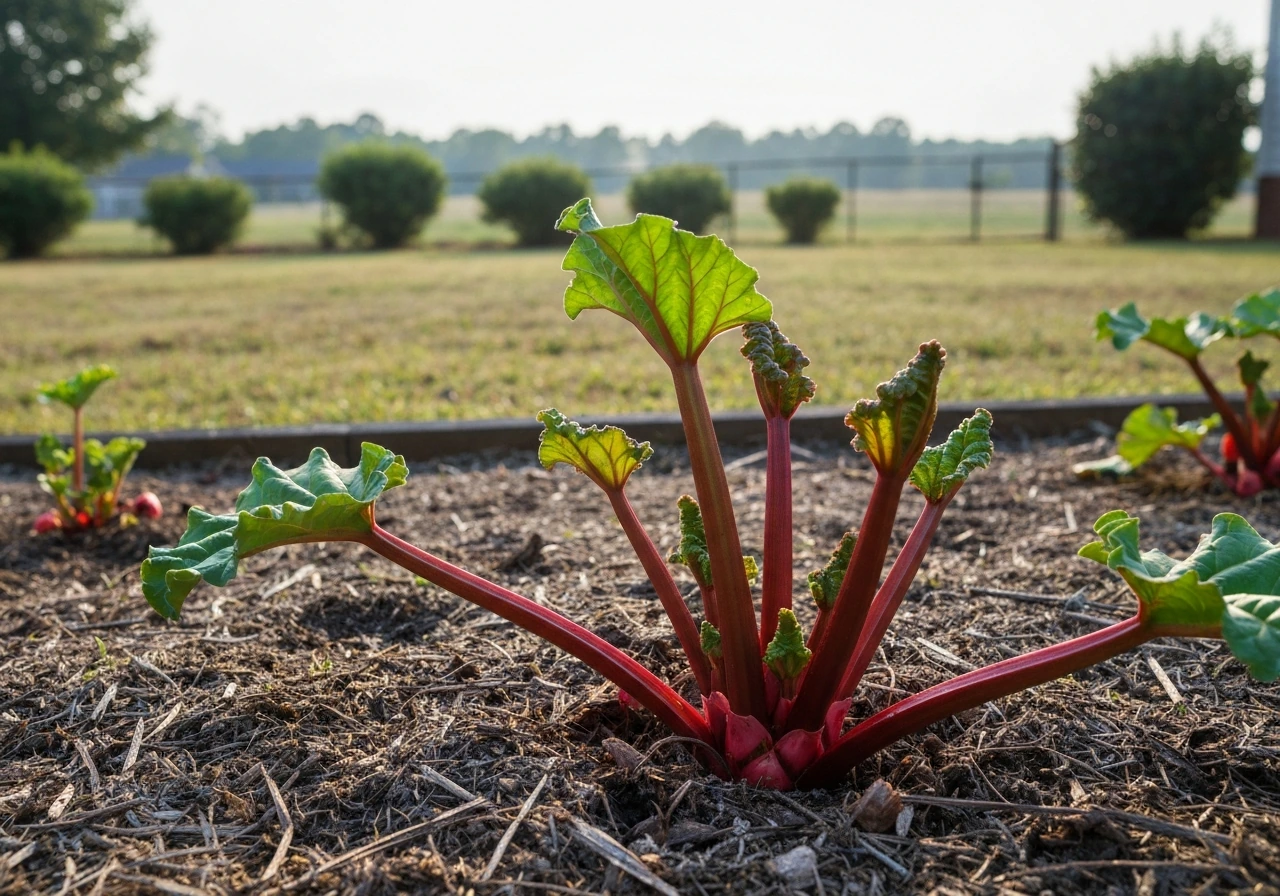
Rhubarb is a cold-climate plant at heart. It needs a true dormancy period each winter, triggered by sustained exposure to temperatures between roughly 28–50°F for around 7–9 weeks. That cold exposure is what resets the plant and drives vigorous spring growth. Without it, plants gradually weaken and may stop producing worthwhile stalks altogether.
Northern Alabama, including Huntsville and the Appalachian foothills, sits in zones 7b to 8a and typically gets enough winter cold to satisfy that requirement most years. Birmingham and central Alabama (zone 8a–8b) are more borderline, some winters deliver enough chill hours, others fall short. Southern Alabama and the Mobile area (zones 8b–9b) consistently struggle to give rhubarb the cold it needs, with January lows often staying well above freezing. The hot, humid summers compound the problem everywhere in the state: rhubarb goes dormant or into serious heat stress by late May or June, which is much earlier than growers in cooler states experience.
The bottom line on climate: northern Alabama can support rhubarb as a real perennial with good management. Central Alabama is workable but less reliable year to year. Southern Alabama is a serious challenge, and you should go in with a contingency plan.
Best varieties to plant in Alabama
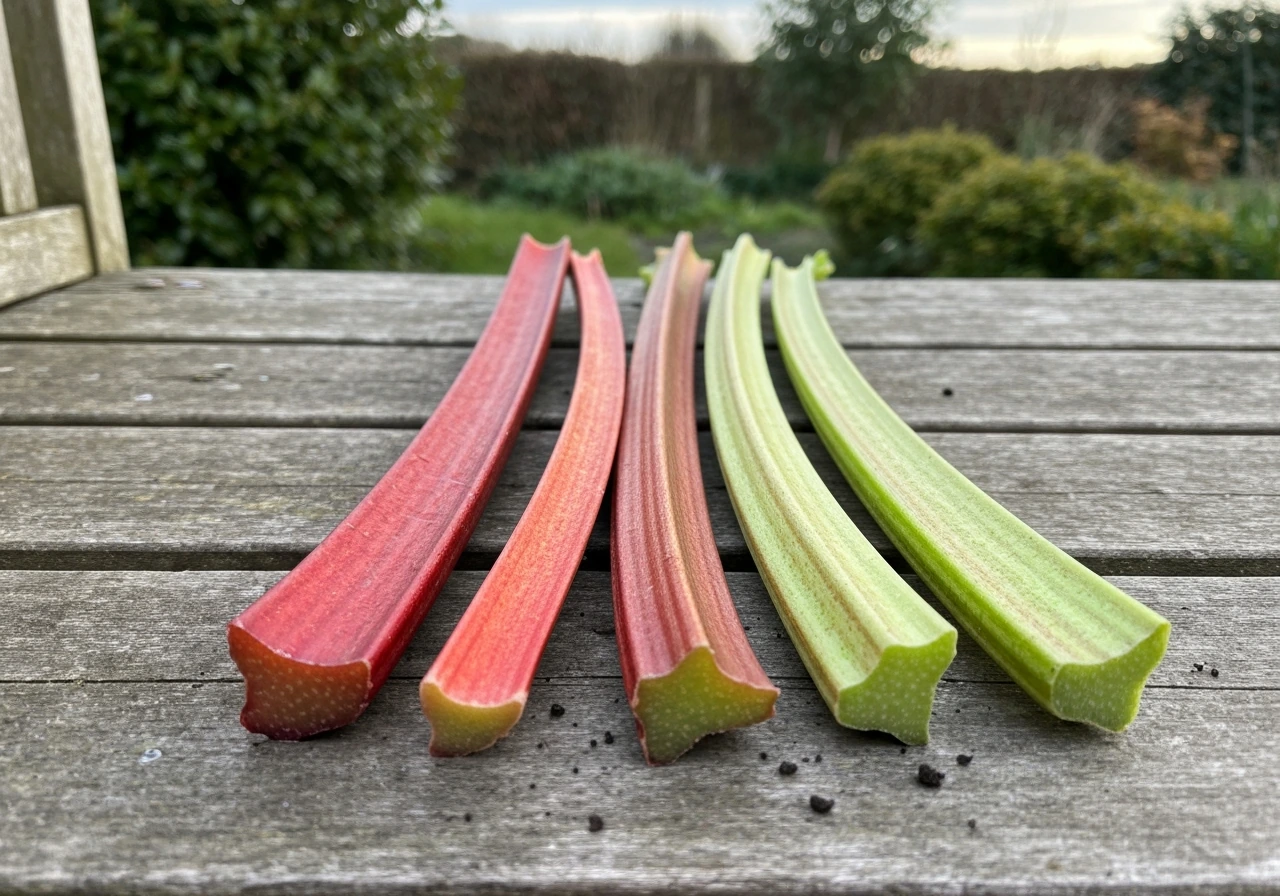
Not all rhubarb varieties handle heat and marginal winters equally well. For Alabama, you want cultivars that are known to be vigorous and productive even in shorter, warmer winters. Avoid more cold-demanding specialty types and stick with proven performers.
- Valentine: One of the best choices for the South. It produces deep red stalks and shows decent tolerance for warmer conditions compared to older heirloom types.
- Strawberry: A popular, widely available variety that tends to establish well and handles heat reasonably if given afternoon shade and consistent water.
- MacDonald (sometimes listed as MacDonald's Canadian Red): A reliable red-stalked variety. Available as crowns from many suppliers and performs well in zone 7–8 conditions.
- Victoria: A green-stalked variety that is vigorous and easy to find. Green stalks are just as edible as red ones despite the color difference. Worth considering in marginal zones because of its strong growth habit.
For northern Alabama, any of the above are solid picks. For central Alabama and south, blank" rel="noopener noreferrer">Valentine and Strawberry are your best bets because they tend to manage marginal chill hours better than some of the older varieties. If you are in Georgia's similar climate zone, the variety guidance there follows much the same logic. If you are wondering about Georgia, the key questions are the same: winter chill, variety choice, and whether you need to grow it as a cool-season crop.
When and how to plant rhubarb in Alabama
Crowns, not seeds
Always plant from crowns (also called divisions or starts), not seeds. Rhubarb cultivars are hybrids, and seeds will not produce plants that are true to the parent variety. You can end up with weak, unproductive plants or poor stalk color and quality. Buy dormant crowns from a reputable nursery or supplier and you know exactly what you are getting.
Planting timing by region
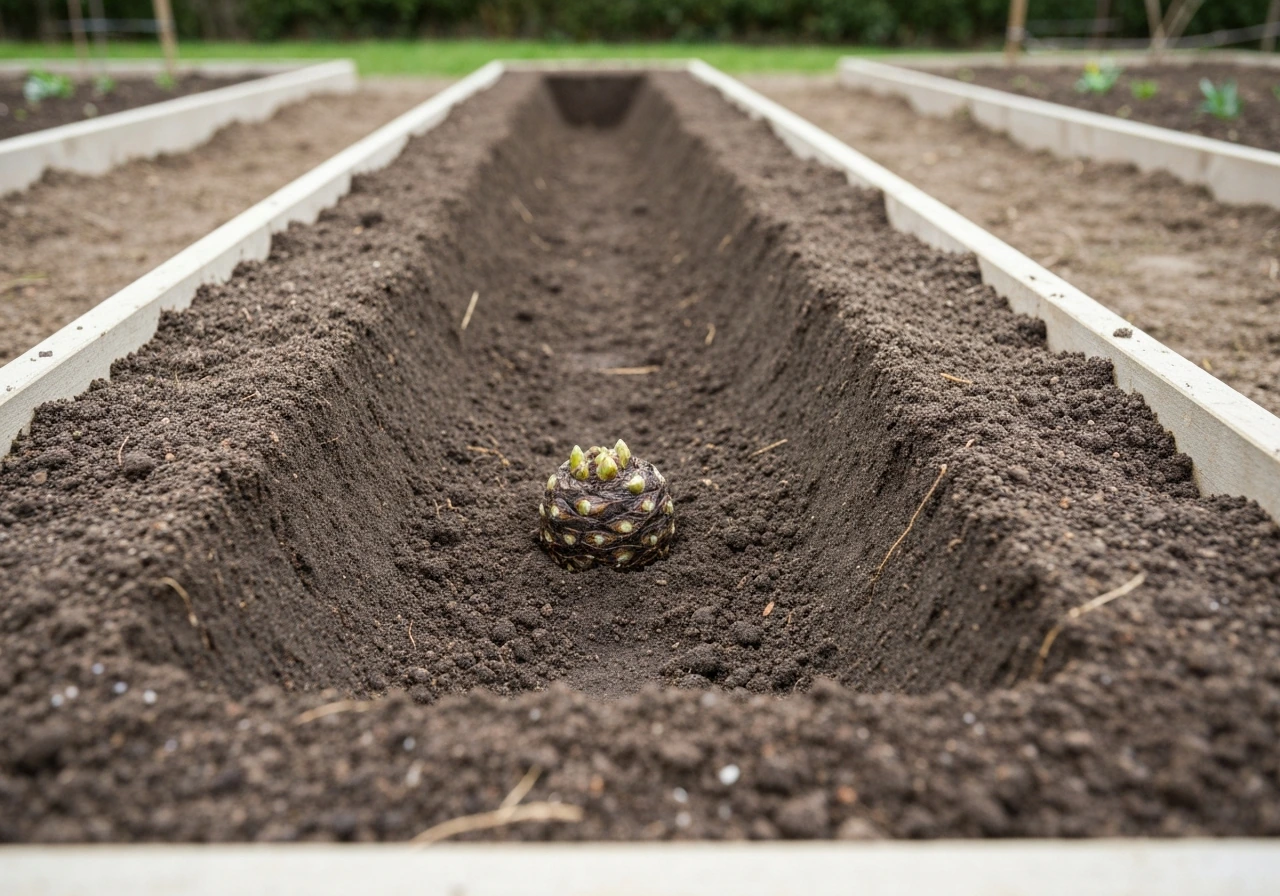
In northern Alabama, plant dormant crowns in early spring as soon as the ground is workable, typically February through mid-March. You want roots settling in before the heat builds. In central and southern Alabama, you have two realistic windows: early spring (February into March) or a fall planting in October to November. The fall window works well in warmer zones because it lets crowns establish during the mild fall and winter before facing summer heat. Some warm-climate growers actually prefer fall planting for this reason, treating rhubarb almost like a cool-season vegetable that harvests in early spring.
Planting depth and spacing
Set crowns so the growing buds (eyes) are about 1 to 2 inches below the soil surface. Too deep and you risk crown rot; too shallow and buds can dry out or get frost-heaved. Give each plant 4 to 6 square feet of space. Rhubarb has big root systems and does not like crowding, especially in Alabama's humid summers where air circulation matters for disease prevention.
Setting up the site: sun, soil, and drainage
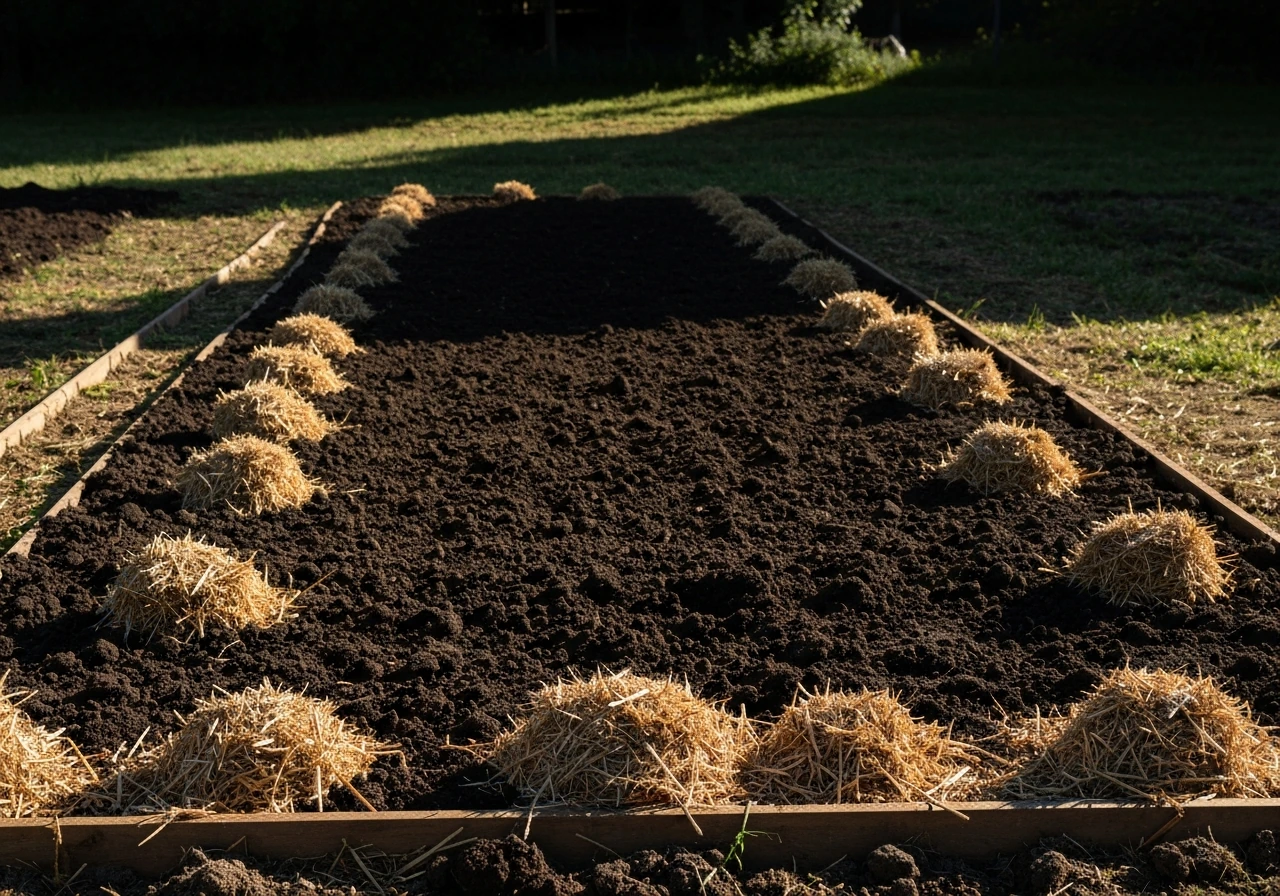
Site selection is arguably the single most important decision you make for Alabama rhubarb. Get this wrong and no amount of care will compensate for it.
Sun exposure
Rhubarb prefers full sun in cooler climates, but in Alabama you want to give it morning sun and afternoon shade, especially in central and southern parts of the state. Afternoon shade reduces heat load during the hottest part of the day and can meaningfully extend the productive spring season. Avoid spots with reflected heat from walls, fences, or pavement, rhubarb handles direct sun poorly when ambient temperatures are already high.
Soil prep and drainage
Rhubarb demands well-drained soil. Standing water around the crown, even briefly, is a fast track to Phytophthora crown rot, which is a major killer in humid climates like Alabama's. If your soil is heavy clay, raise the bed 6 to 8 inches or amend aggressively. Work in 2 to 4 inches of well-composted organic matter before planting to improve both drainage and moisture retention. Aim for a soil pH of 6.0 to 6.8 for best yields, get a soil test if you have not done one recently, since Alabama soils can be quite acidic and may need lime to bring pH up into range.
| Soil Factor | Target for Alabama Rhubarb | Notes |
|---|---|---|
| pH | 6.0 to 6.8 | Tolerates down to about 5.0, but yields suffer below 6.0 |
| Drainage | Excellent, no standing water | Raised beds recommended in clay soils |
| Organic matter | 2–4 inches worked in before planting | Improves both drainage and moisture retention |
| Spacing | 4 to 6 sq ft per plant | Wider spacing improves air circulation in humid summers |
Caring for rhubarb through an Alabama growing season
Watering
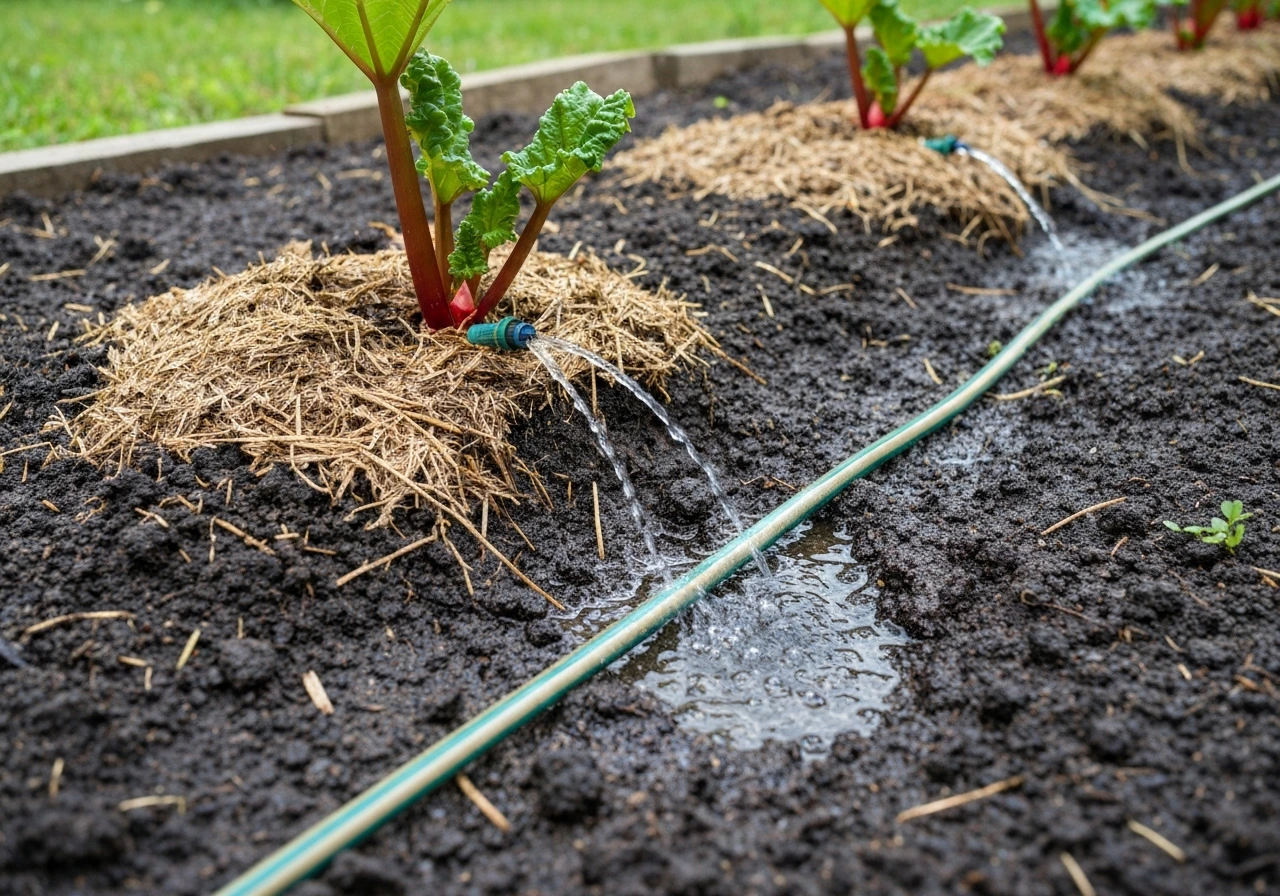
Rhubarb needs consistent soil moisture, but the crown and roots should never sit in wet soil. Water deeply rather than frequently, deep watering encourages roots to grow down where they stay cooler and access moisture more reliably during Alabama's dry spells. During hot, dry stretches, water more often and check soil moisture at depth rather than just at the surface. Drip irrigation is ideal because it keeps water off the crown and foliage, reducing disease risk. If you use overhead watering, water in the morning so foliage dries before evening.
Mulching
Mulch is your best friend in Alabama. Apply 2 to 3 inches of straw, wood chips, or shredded leaves around plants to regulate soil temperature, retain moisture, and suppress weeds. The critical rule: keep mulch a few inches away from the base of the crown. Mulch piled against the crown traps moisture and warmth right where you do not want it, creating conditions that invite crown rot.
Fertilizing
Feed rhubarb in early spring as new growth emerges, using a balanced fertilizer or a side-dressing of compost. After the harvest season wraps up in late May or June, give plants a second application with a nitrogen-emphasis fertilizer to help them rebuild energy reserves for dormancy and next spring's growth. Avoid heavy fertilizing in midsummer heat when plants are stressed, it does more harm than good.
Pests and disease to watch for
The biggest threat in Alabama is crown and root rot caused by Phytophthora species. It typically shows up as sudden wilting, collapsed stalks, and dark, mushy tissue at the crown. The cause is almost always waterlogged soil or poor drainage. Prevention through site selection and raised planting is far more effective than treatment, once a crown rots, it rarely recovers. Remove and discard affected plants and do not replant rhubarb in the same spot without addressing the drainage issue first.
On the pest side, rhubarb curculio (a beetle that bores into stalks) and aphids can show up, but neither is typically devastating in a home garden. Remove any dock plants nearby since they host rhubarb curculio. Slugs can be an issue in wet springs, they chew holes in young leaves. A light application of iron phosphate bait around plants handles them without risk to pets or wildlife.
Flower stalks
Cut flower stalks off at the base as soon as they appear. Letting the plant go to seed diverts energy away from producing the edible stalks you actually want. This matters especially in Alabama where the productive window is already shortened by heat, every bit of plant energy should go toward leaf and stalk growth, not reproduction.
When and how to harvest in Alabama
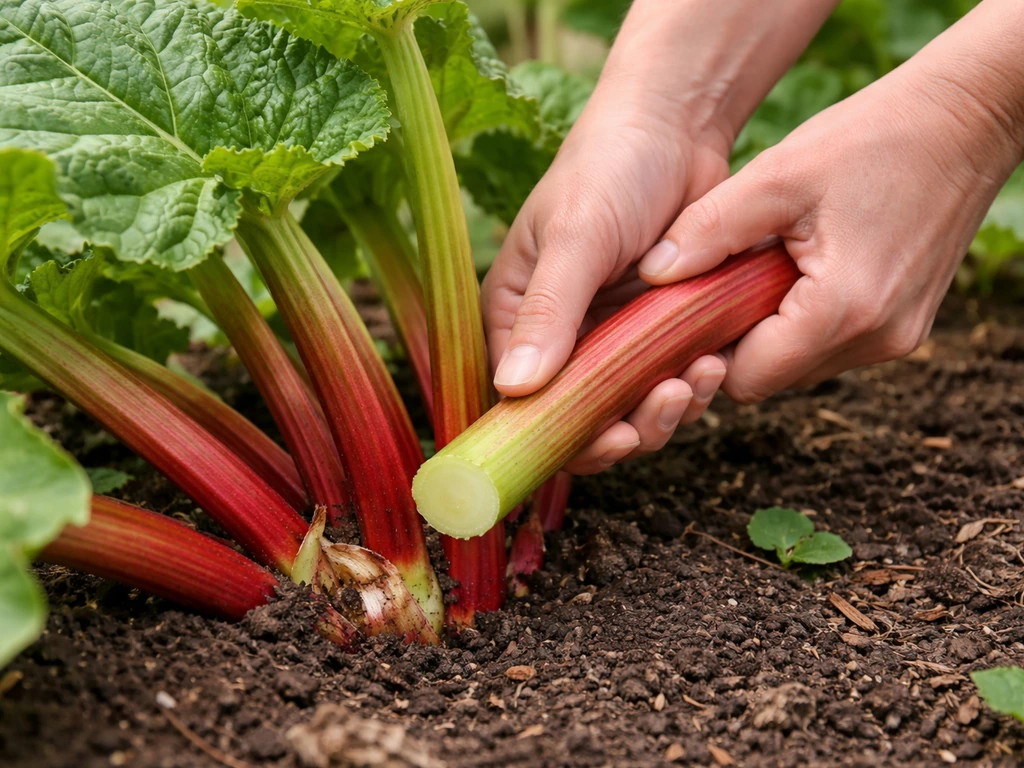
Alabama's rhubarb harvest window runs roughly from early March through late May, sometimes into early June in northern areas before heat shuts growth down. That is a shorter window than growers in Minnesota or Oregon experience, so take it seriously and harvest when the plant is producing.
In the first year, do not harvest at all or pull only one or two stalks at most. The plant needs to put energy into root development, not replace harvested foliage. Harvesting heavily in year one weakens plants and dramatically reduces long-term productivity. By the second year you can take a light harvest. By year three, plants should be established enough for a full harvest, where you take stalks in batches and always leave at least one-third of the plant intact at any one time.
To harvest, grasp a stalk near the base and pull with a gentle twisting motion, or cut cleanly with a knife. Stalks are ready when they reach 10 to 15 inches long and have good color and firmness. Never eat the leaves, rhubarb leaves contain oxalic acid and are toxic.
What to do when Alabama conditions fight you
If you are in central or southern Alabama and finding that rhubarb just will not thrive as a perennial, here are your practical options: If you are also trying different crops in hot climates, you might be wondering can you grow broccoli in arizona.
- Try container growing: Large containers (15 gallons or more) let you control drainage and move plants to a shaded, cooler spot during peak summer heat. In very hot zones, some growers even bring containers into a garage or shed during the coldest winter weeks to ensure the crown gets enough chill hours—essentially simulating the dormancy it needs.
- Pick the coldest microclimate on your property: North-facing slopes or spots shaded by deciduous trees in summer (but open to winter sun) give rhubarb the best chance. Even a few degrees of difference in average winter low can matter for chill hour accumulation.
- Use fall planting as your primary strategy: In zones 8b and warmer, plant in October or November rather than spring. This gives crowns a full cool season to establish and produces a harvest in the following spring before summer heat arrives. Think of it as a seasonal crop rather than a permanent planting.
- Source quality crowns locally when possible: Look for crowns at local feed stores, garden centers, or from gardeners who are already growing rhubarb in your region. Locally-sourced crowns that have already adapted to your climate zone tend to perform better than those shipped from northern nurseries. Online suppliers like Stark Bros. or Gurney's also carry named varieties and ship dormant crowns in late winter.
If you are already researching warm-climate rhubarb challenges, it is worth knowing that growers in comparable zones like Arizona and Georgia face very similar issues, and the same variety choices and planting strategies apply across the board. Arizona growers also face similar rhubarb limits, so choose varieties and plant timing carefully. The fundamental trade-off is the same: less reliable perennial performance in exchange for a real (if short) spring harvest window with good management.
The best first step right now is to get a soil test, identify the coldest, best-drained spot on your property with morning sun, order Valentine or Strawberry crowns for a fall planting, and set realistic expectations. With that setup, even in Alabama's challenging climate, you have a genuine shot at fresh rhubarb in spring. If you are also planning a fall or spring vegetable garden, it helps to know when to grow broccoli in Georgia so you can line up harvest timing with local temperatures.
FAQ
How much winter cold do I really need in Alabama for rhubarb to come back each year?
Use temperature history from your closest weather station. If the average winter frequently stays above freezing for long stretches, expect weak crowns or missing harvests, especially in central and Gulf areas. In those spots, treating rhubarb as a cool-season crop (plant for spring harvest and replant as needed) is usually more reliable than forcing perennial goals.
What should I do if my rhubarb crowns came up but stalks are thin and growth is stunted?
First check drainage and planting depth, 1 to 2 inches over the buds is the target. Then pause heavy feeding, instead provide even moisture and morning sun with afternoon shade. Thin stalks after marginal winters often means the plant did not fully reset, so plan on an extra year of establishment and a lighter first harvest.
Can I grow rhubarb in a container in Alabama so it survives summers?
Yes, but plan for both heat and cold needs. Use a large, well-drained pot, keep the crown from sitting in wet saucers, and provide morning sun plus afternoon shade. To protect roots in summer, maintain consistent deep watering and use mulch or insulation around the pot, but do not trap moisture against the crown. For dormancy, containers still need genuine winter chill, so in southern Alabama you may still need a cool-season-only approach.
Is fall planting in Alabama better than spring planting?
Often, yes for central and southern areas, because crowns establish during mild weather before the brutal summer heat. Fall planting is especially helpful when spring soils dry out quickly or when you want to avoid planting into cooling-to-freezing swings. The key is to plant early enough that roots start growing before cold slows everything down.
How do I tell if my rhubarb problem is crown rot versus winter damage?
Crown rot typically looks like sudden wilting with dark, mushy tissue near the base, and it is closely linked to wet, poorly drained soil. Winter damage usually shows up as blackened or dead leaf stalk bases but the crown may still feel firm and not mushy. If the crown base is soft or smells bad, remove the plant and improve drainage before replanting.
Should I remove mulch during very wet seasons to prevent rot?
You can leave mulch in place for rot prevention, but keep it a few inches away from the crown at all times. During prolonged rains, verify the crown area stays dry, if mulch has shifted and touches the crown, pull it back. Avoid compacting mulch against the crown, trapped warmth and moisture can worsen rot risk.
What is the best way to manage watering in Alabama without overwatering?
Water deeply, then wait until moisture drops at depth, not just the surface. Drip irrigation helps because it keeps water off the crown and reduces disease pressure. If you have overhead watering, only water early morning and stop if soil remains wet for multiple days, persistent sogginess is what triggers Phytophthora problems.
Can I save stalks and still keep my plant productive if I miss the harvest window?
Rhubarb stalk quality drops as heat advances, and letting the plant go into heavy seed production wastes energy. If you miss the prime window and growth stalls, stop harvesting when stalks become smaller or fibrous, then focus on restoring leaf growth with good light and moisture. Next season, plan earlier harvest timing, the Alabama window is short.
Why do my leaves look fine but I am not getting good edible stalks?
That pattern often points to insufficient cold reset, poor siting, or overcrowding that causes energy to go into leaves with weak stalk development. Check that the crown received enough winter chill, confirm morning sun with afternoon shade, and ensure spacing of 4 to 6 square feet. If plants are too close, thinning or relocating can make the biggest difference.
What should I do with rhubarb after the first year if I pulled only a couple stalks?
Year two should be a light harvest, but still not a full “eat all spring” schedule. Aim to take stalks in small batches while leaving at least one-third of the plant intact, and keep fertilizing in early spring and again after the main harvest window. Consistent care during year two helps the roots build reserves so year three can support heavier harvesting.
Is it safe to compost rhubarb leaves and stalk waste in Alabama gardens?
If plants show signs of crown or root rot, do not compost affected crowns or mushy tissue, dispose of them instead. Composting healthy leaf material is usually fine, but when rot pathogens are involved, adding infected plant parts back into the soil can spread problems.
Next Articles
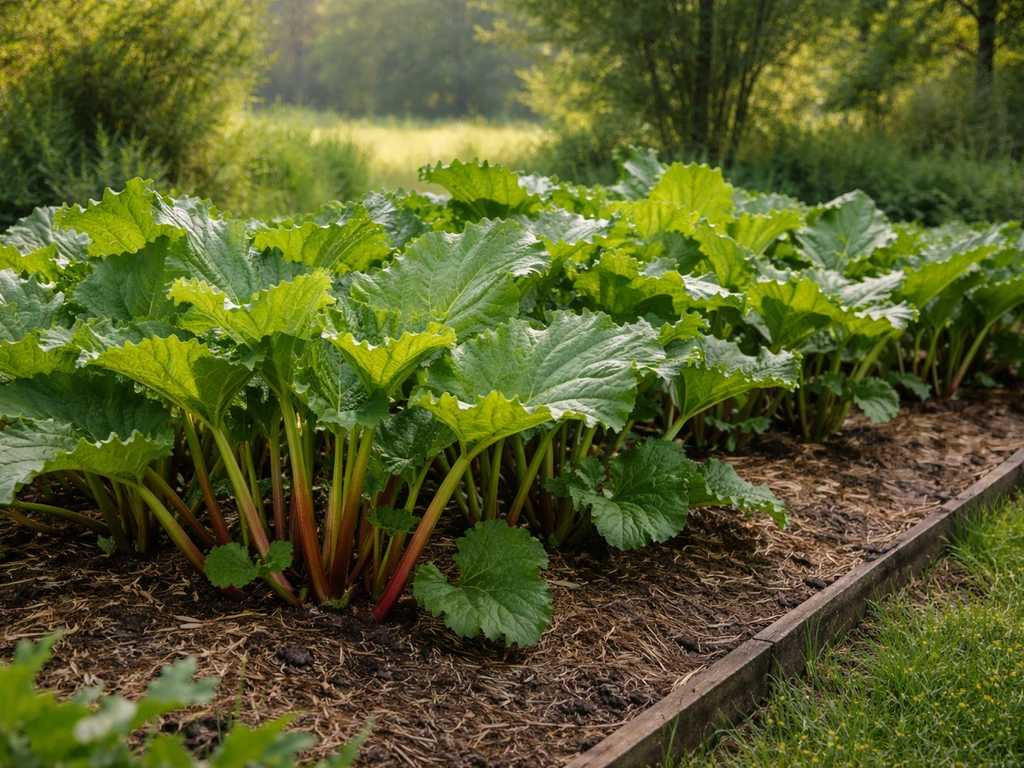
Can You Grow Rhubarb in Georgia? A Practical Guide
Yes, but only with the right Georgia zones, cold-chill, and heat management. Planting, varieties, timing, care, fixes.
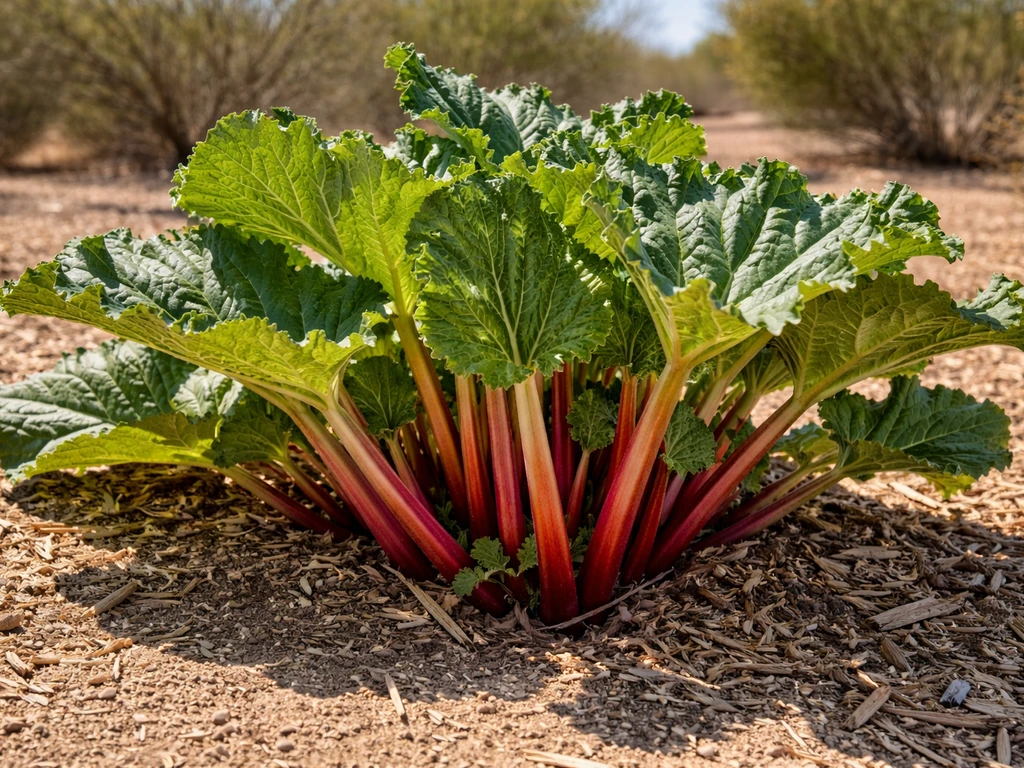
Can You Grow Rhubarb in Arizona? Guide by Region
Yes. Regional Arizona guide to grow rhubarb, choosing cold-hardy varieties, planting, watering, winter protection, and f
Can You Grow Agave in Canada? Zone Guide & Growing Tips
Can you grow agave in Canada? Practical region-by-region guide, hardy species, container tips & winter care.