
In Georgia, you grow broccoli twice a year: once in spring and once in fall. For spring, start seeds indoors in early February and transplant in March. For fall (usually the better season here), count back 70–80 days from your first expected frost and set transplants out anywhere from mid-August through early October depending on where in the state you live. Broccoli hates heat, so your entire timing strategy revolves around getting heads to mature before temperatures consistently push past 80°F.
When to Grow Broccoli in Georgia and How to Do It
Marcus Holloway
10 Jul 2026
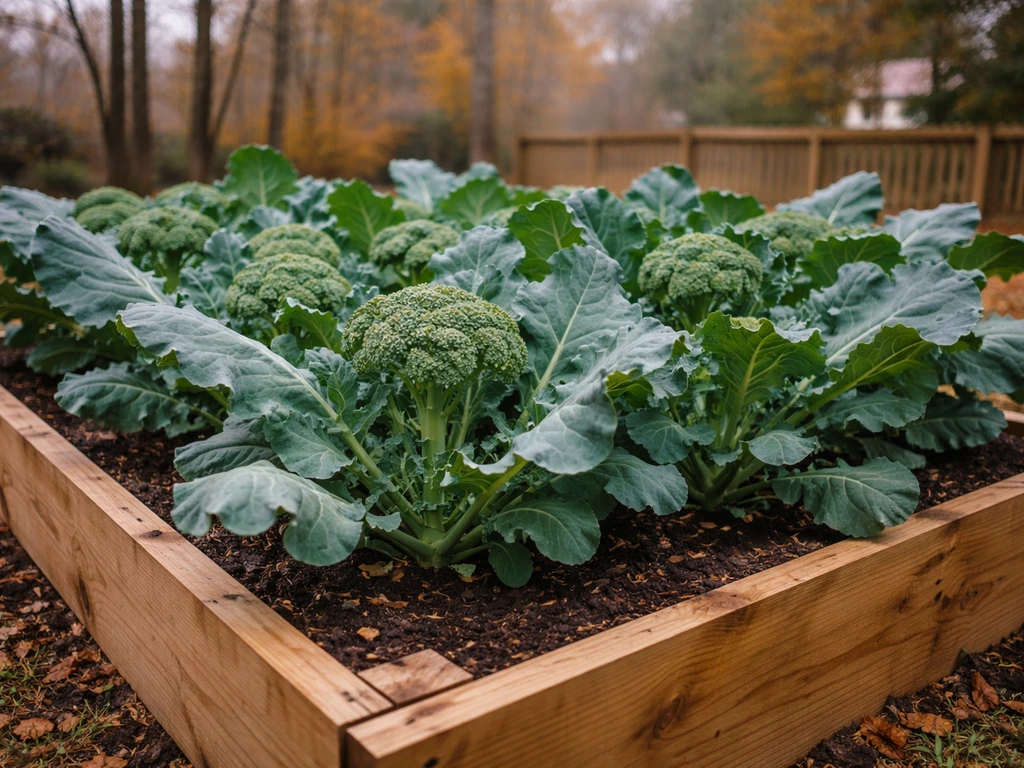
Georgia's two broccoli seasons: spring vs fall
Georgia gardeners have a real advantage with broccoli because the mild winters and moderate shoulder seasons create two solid planting windows. That said, the two seasons are not equal. Fall is generally more reliable in Georgia. Spring planting is a race against the heat, and if March or April runs warm, you can end up with small or bitter heads that bolt before you get a good harvest. Fall planting gives you a longer, more forgiving cool period, and the flavor actually improves as heads mature in cooler weather.
Location within the state matters more than most people realize. North Georgia (think Blue Ridge, Gainesville, Rome) sits about two weeks behind middle and south Georgia in spring warmth, and freezes arrive earlier in fall. Central Georgia (Macon, Augusta) and metro Atlanta sit in between. South Georgia warms up fast in spring and has milder winters. UGA Extension notes that north Georgia planting dates shift roughly two weeks later in spring and two weeks earlier in fall compared to middle Georgia, so adjust accordingly.
| Region | Spring Transplant Window | Fall Transplant Window | Avg First Freeze |
|---|---|---|---|
| North Georgia | Mid-March to early April | Mid-August to mid-September | Mid-October |
| Metro Atlanta / Central GA | Early to mid-March | Late August to late September | Nov 13 (Atlanta avg) |
| South Georgia | Late February to mid-March | September to early October | Late November |
How to pick your planting dates using frost and temperature
Broccoli grows best between about 41°F and 77°F. Once daytime temps regularly exceed 80–86°F, heads start to bolt, yellow, or just refuse to form properly. That narrow window is your target zone, and everything else you do with timing is about landing in it.
For spring planting, your goal is to get transplants in the ground in March so they have 60–80 days to mature before Georgia's heat sets in. Count forward from your transplant date and check whether harvest falls before your area typically sees consistent highs above 80°F. Most of Georgia starts hitting those temps reliably in May, so an early-March transplant targeting a May harvest works. A late-March or April transplant is a gamble.
For fall planting, work backward from your first expected freeze date. Atlanta averages a first freeze around November 13, but northeast Georgia can see it as early as mid-October. Take that date, subtract 70–80 days (broccoli's days to maturity from transplant), and that gives you your target transplant date. UGA’s Circular 1258 fall crop planning table lists broccoli days to harvest values around 70, 80 days for setting transplant timing blank" rel="noopener noreferrer">broccoli days to harvest values around 70–80 days. If you're in Atlanta and using 75 days as your benchmark, transplanting around August 28 puts harvest right at the freeze window, which is tight but workable. Going out a week or two earlier gives you more cushion and allows for succession planting.
Seed starting vs direct sowing: what actually works in Georgia
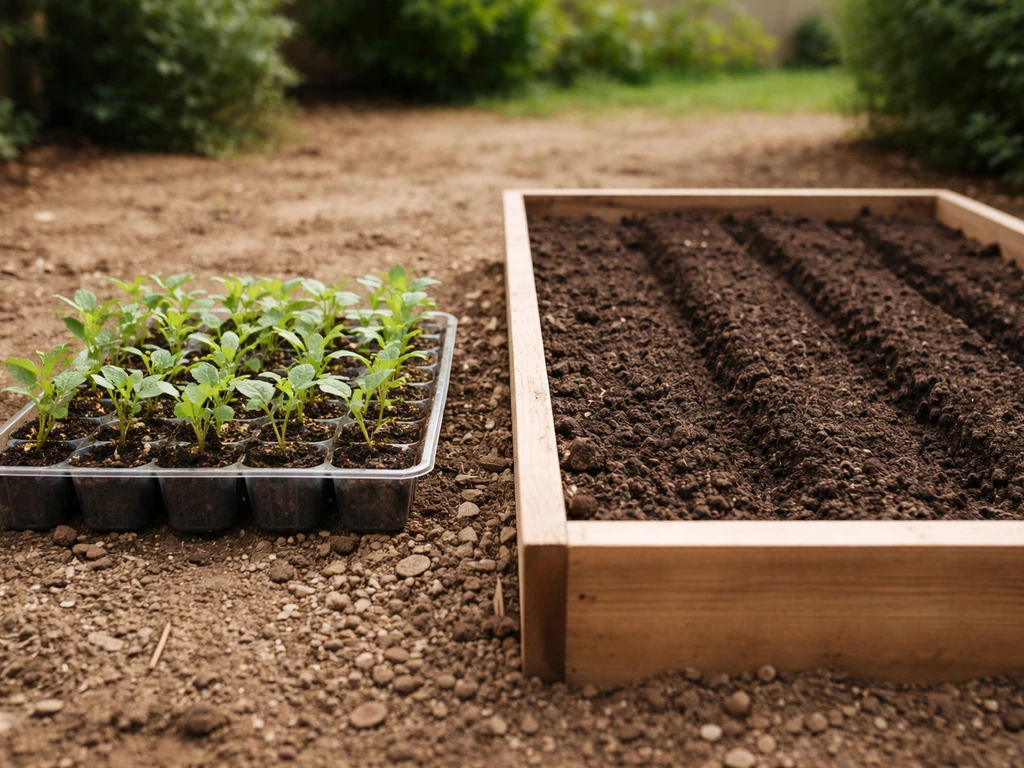
UGA Extension recommends starting broccoli as transplants rather than direct sowing, especially for the fall garden. I'd follow that advice for spring too. Direct sowing works in theory, but Georgia's spring windows are too narrow to waste time on slow germination outdoors. Transplants give you a 4–6 week head start and put you in full control of timing.
Starting seeds indoors for spring
- Start seeds indoors at the beginning of February (UGA recommends this for a late spring harvest).
- Sow seeds about 0.5 inches deep in small cells or a seed tray. As a general rule, plant seeds roughly twice as deep as their size.
- Keep soil consistently moist and warm (around 65–75°F) for germination, which usually takes 5–10 days.
- Thin to one strong seedling per cell once true leaves appear.
- Begin hardening off gradually 7–14 days before your planned transplant date. Set seedlings outside for a few hours each day, increasing exposure over that window.
- Transplant to the garden in March once seedlings are 4–6 inches tall with 2–3 sets of true leaves.
Starting seeds for fall planting
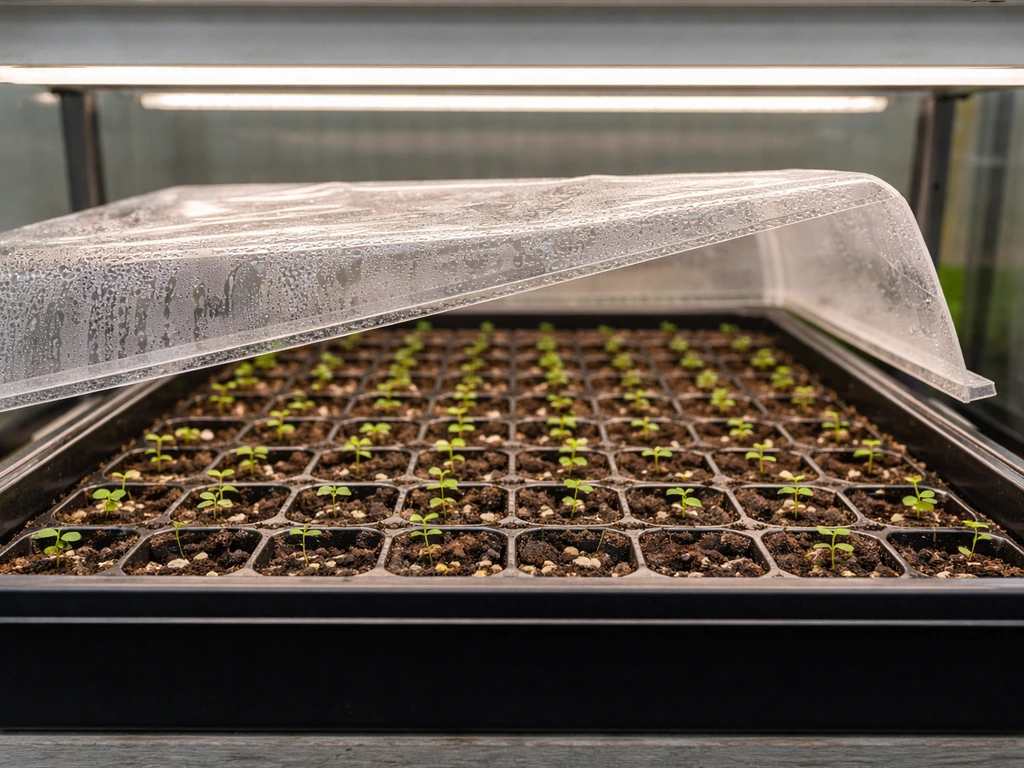
For fall, start seeds indoors in mid-July to early August depending on your region. The challenge here is heat, not cold. You're germinating seeds and raising seedlings in the hottest part of summer, so keep trays in a cool spot indoors or use shade cloth if you're starting them in a greenhouse. Give them the same 4–6 weeks of indoor time before hardening off and transplanting into the garden in August or September.
Soil, sunlight, and spacing for strong heads
Broccoli wants full sun, at least 6–8 hours a day. Don't try to grow it in partial shade expecting acceptable heads. In fall, when the sun angle is lower, this is rarely a problem. In spring, just make sure your bed isn't shaded by nearby trees that have leafed out.
For soil, till your bed 8–10 inches deep before planting. Broccoli is a heavy feeder and needs loose, fertile ground to develop a good root system. Get a soil test through your local UGA Extension office before you plant. UGA consistently recommends this step because Georgia soils vary widely. Broccoli does best at a soil pH of 6.0–7.0. If your soil is too acidic (which is common in Georgia), lime will need time to work, so test and amend a few weeks ahead if possible.
For spacing, plant transplants 18–20 inches apart within the row. UGA's home garden guidance is 18–20 inches between plants, and the fresh market production guidelines also land at around 18 inches in-row. Rows themselves should be at least 30 inches apart to give you walking room and good airflow. Crowding broccoli is a common mistake that leads to smaller heads and more disease pressure.
Watering and fertilizing through the season
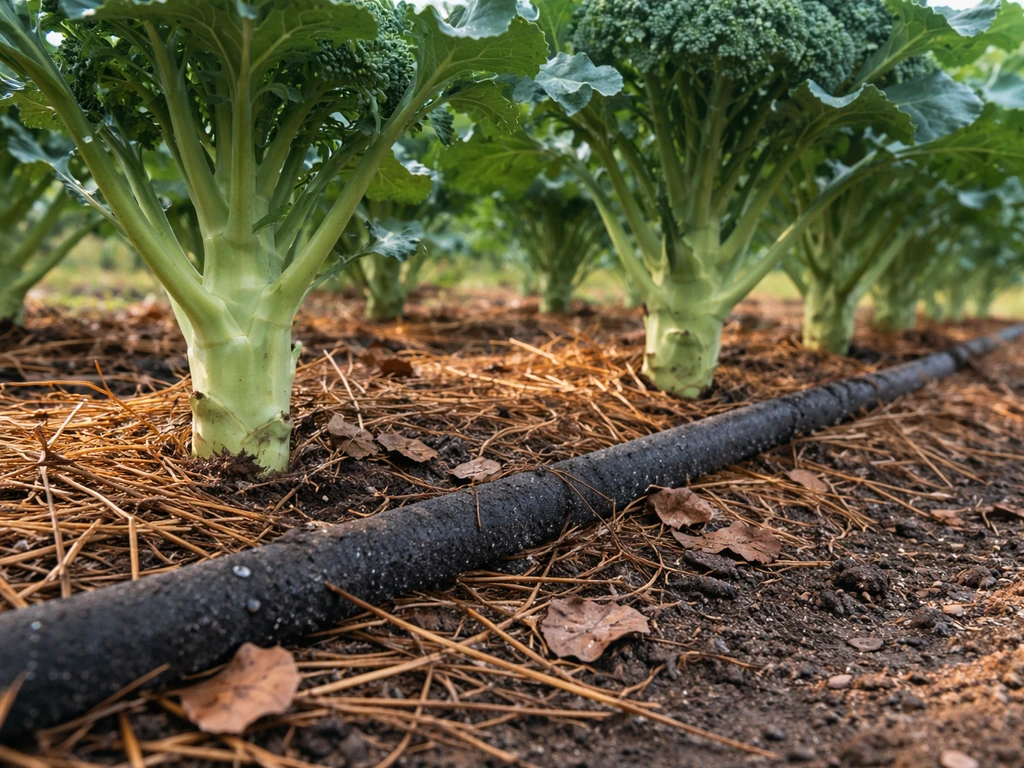
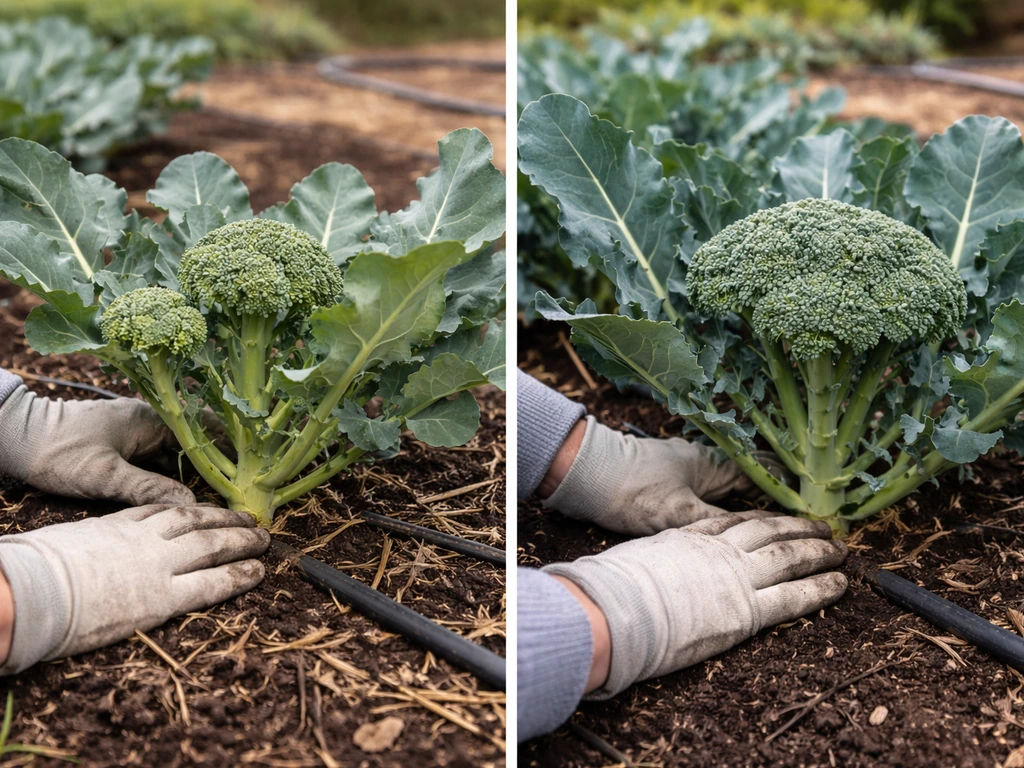
Water broccoli every four to five days as needed, according to UGA Extension. Broccoli needs consistent moisture, especially as heads are developing. Inconsistent watering leads to hollow stems and loose, poorly formed heads. Drip irrigation is ideal if you have it, but overhead watering works fine as long as you avoid leaving foliage wet overnight, which invites fungal problems.
Mulch with pine straw or leaves around the base of plants. This preserves moisture, evens out soil temperature, and cuts down on weeding. Georgia's sandy or clay soils both benefit from mulching, and broccoli's shallow roots appreciate the buffer.
For fertilizing, work compost into the bed before planting, then side-dress with a balanced nitrogen fertilizer (like 10-10-10) about three weeks after transplanting. Broccoli is nitrogen-hungry, especially in the first half of its growth. Back off heavy nitrogen once heads start forming or you'll get lush foliage but loose, leafy heads.
Pest and disease problems to watch in Georgia
Georgia's warm, humid climate means pest and disease pressure is real for broccoli. The most common insects you'll fight are imported cabbageworms, cabbage loopers, and aphids. Harlequin bugs can also be a problem in fall. Check the undersides of leaves regularly. For caterpillar pests, Bacillus thuringiensis (Bt) is an effective organic option that UGA recommends as part of an IPM approach. Floating row covers at planting time prevent most butterfly and moth pests from laying eggs in the first place.
On the disease side, black rot, clubroot, and downy mildew are the main concerns in Georgia. Black rot thrives in warm, wet conditions and shows up as yellowing V-shaped lesions on leaf edges. Clubroot causes root distortion and plant wilting. Both are soil-borne, so crop rotation is your best prevention: don't plant broccoli or any other brassica in the same spot two years running. Downy mildew is triggered by cool, humid nights, which makes it especially relevant during fall planting. Keep plants well-spaced for airflow and avoid overhead watering late in the day.
Harvest timing and how to get more than one cutting
blank" rel="noopener noreferrer">Broccoli is ready to harvest 60–80 days from transplanting (or from direct seeding). Don't wait until the head starts to loosen or turn yellow. Harvest when the main head is deep green, tight, and compact, but before any yellow flower buds open. Cut the stem at an angle with a sharp knife, leaving about 6 inches of stem attached to the plant.
Here's the part a lot of people miss: after you cut the main head, most broccoli varieties will produce side shoots that give you a second and third harvest. These smaller florets won't match the main head in size, but they're just as good to eat, and you can keep harvesting them for several weeks as long as temperatures stay cool. Varieties like Packman and Marathon, which UGA lists in their recommended cultivar list, are known for good side shoot production.
To extend your total harvest window, practice succession planting. Instead of putting all your transplants in at once, stagger plantings two to three weeks apart. For fall in Georgia, this means one planting in mid-August and another in early September. The earlier planting gives you a main head harvest in late October, and the later planting carries into November. This approach smooths out feast-or-famine harvests and makes better use of your garden space.
What to do right now based on today's date
Today is July 10, 2026. You're right in the window to start planning your fall broccoli season, and in some parts of Georgia you should already be starting seeds indoors. If you are wondering about rhubarb instead of broccoli, the growing timeline and climate preferences are different for Alabama gardeners. If you're in north Georgia, you have a couple of weeks before you need to start seeds for an August transplant. If you're in central Georgia or metro Atlanta, start seeds this week or next so they're ready to go in the ground around late August to early September. South Georgia gardeners can wait until late July to start seeds for a September transplant.
Here's a practical checklist for this week: can you grow broccoli in arizona.
- Look up your county's average first freeze date using UGA Extension's frost date resources or NOAA's freeze data for your region.
- Count back 75 days from that date to set your target transplant date.
- Order or buy seeds now: look for heat-tolerant, bolt-resistant varieties recommended for the South, such as Packman, Marathon, or Patriot.
- Start seeds indoors this week if you're in central or south Georgia; north Georgia gardeners have until around July 20–25.
- Prepare your bed: till 8–10 inches deep, pull a soil sample, and work in compost.
- Plan at least two staggered plantings for succession harvest.
Broccoli is one of the most rewarding cool-season crops you can grow in Georgia, and fall is genuinely the better season to do it. The heat of summer passes, temperatures drop into that sweet spot broccoli loves, and you're harvesting into November when most of the garden has wound down. If you're also exploring other cool-season crops for Georgia, broccoli pairs well in rotation with leafy greens and is a natural companion to a fall garden plan. And if you've ever wondered how Georgia compares to states like Arizona for growing brassicas, the difference in fall windows is significant, since Arizona's desert climate creates a very different set of timing challenges. If you’re wondering can you grow rhubarb in Arizona, you can, but you’ll need the right variety and a plan for winter chill and summer heat states like Arizona.
FAQ
What’s the safest time to grow broccoli in Georgia if I don’t know my exact first frost date?
Use the fall window first, and aim to transplant in two chunks: one around mid-August and a second in early September. This reduces your risk if frost comes earlier than expected, and it still keeps your plants maturing in the cool temperatures broccoli prefers.
Can I transplant broccoli in late September in Georgia?
In most of Georgia, late September transplants are a gamble because you may not get enough cool, day-length stability for a good main head. If you try it, choose a variety that matures closer to the 60-day end and be ready to protect plants with row covers during sudden cool spells.
What should I do if spring planting is too warm and my broccoli starts bolting?
If you see early bolting or rapidly loosening heads, switch your focus to harvesting side shoots if they form, and plan a new fall planting using the first-frost reverse calculation. Avoid replanting immediately in the same spot, because disease pressure and soil nutrient depletion can catch up fast.
How do I tell whether I’m harvesting at the right moment?
Harvest when the main head is tight and deep green, before any yellow buds open. If the head is already spreading or the texture looks “cloudy” and loose, it’s usually past peak and will be more bitter and less tender.
Does broccoli in Georgia still produce side shoots if the main head gets cut too late?
Side shoots are more reliable when the main head is harvested at peak tightness. If you wait until the head begins flowering, the plant often redirects energy to seed production, so you may get fewer or smaller secondary harvests.
Should I start broccoli seeds indoors longer than 4 to 6 weeks for fall?
Longer is usually not better. Overgrown transplants can stall in the garden or take longer to recover, which can push maturity into warmer or colder weather than you planned. Keep indoor time within the usual 4 to 6 week range and focus on hardening off before planting.
Is direct sowing ever practical in Georgia?
Direct sowing is only worth considering if you can reliably keep the seedlings growing through mild weather and you’re prepared for slower germination outdoors. For most Georgia gardeners, especially in fall heat or spring warmth, transplants give more control and a higher success rate.
How much shade can broccoli tolerate if my bed gets partial shade in spring?
Broccoli really wants full sun (about 6 to 8 hours). Light morning shade can be fine, but if trees cast longer midday shade, you risk weaker head formation and delayed maturity, which makes timing against heat harder.
What’s the best spacing if my goal is disease prevention as well as head size?
Stick to 18 to 20 inches between plants and at least 30 inches between rows. Wider airflow matters in Georgia’s humidity, and it helps reduce conditions that favor downy mildew, particularly during cool, damp fall nights.
How should I water differently once heads start forming?
Keep moisture steady, but aim to avoid wet foliage late in the day. If using overhead watering, water earlier so leaves dry quickly. Once heads form, irregular watering is more likely to cause hollow stems or loose heads.
Can I grow broccoli continuously in the same bed each fall?
Avoid planting brassicas in the same spot two years in a row. Rotate out of broccoli (and related crops like cabbage, kale, and cauliflower) to reduce soil-borne risks like clubroot and black rot.
Do I need row covers in Georgia even in fall?
Row covers are most helpful at planting time because they block eggs from moths and butterflies before larvae hatch. In fall, this can meaningfully reduce caterpillar pressure, and you can remove covers later once risk decreases or when plants need more airflow.
What should I do if the weather stays hot longer than expected in late summer?
If daytime temperatures are persistently above the broccoli comfort range, delay transplanting within your fall schedule rather than forcing it into peak heat. Use succession planting so you always have a back-up transplant date that lands your harvest in cooler weeks.
Next Articles
Can You Grow Rhubarb in Alabama? Yes, Heres How
Yes. Learn if rhubarb grows in Alabama, best varieties, planting timing, site setup, heat care, and harvest tips.
Can You Grow Rhubarb in Georgia? A Practical Guide
Yes, but only with the right Georgia zones, cold-chill, and heat management. Planting, varieties, timing, care, fixes.
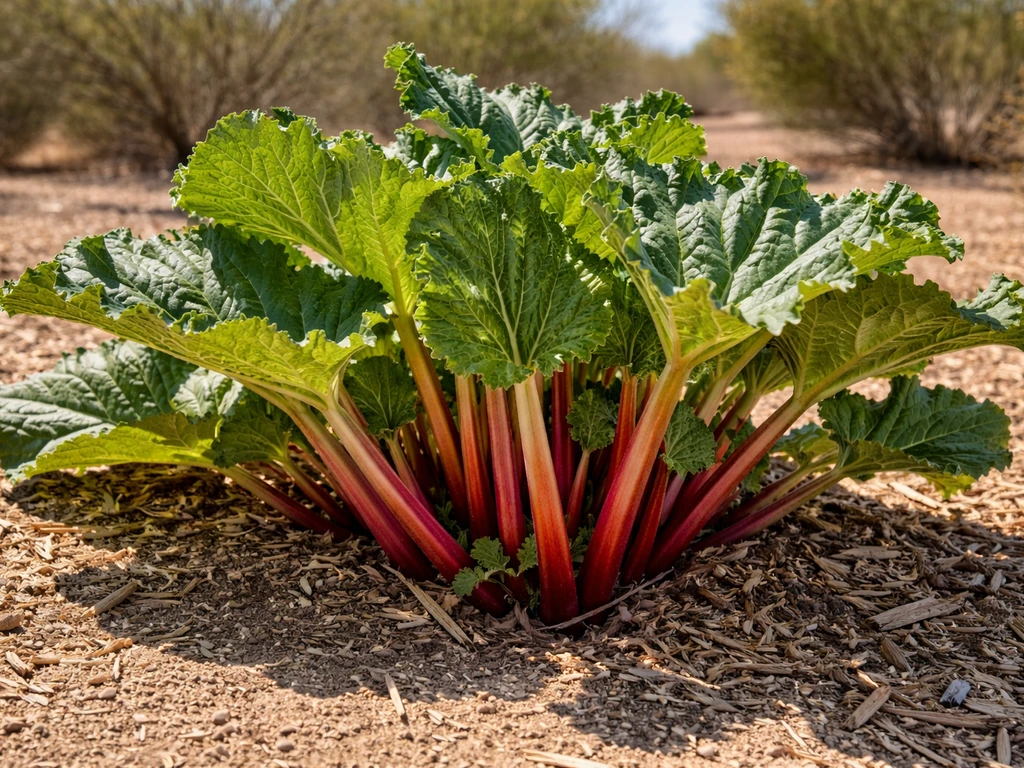
Can You Grow Rhubarb in Arizona? Guide by Region
Yes. Regional Arizona guide to grow rhubarb, choosing cold-hardy varieties, planting, watering, winter protection, and f