
Quenepas can technically be grown in New York, but fruiting outdoors in the ground is not realistic for most of the state. If you are wondering can you grow cranberries in Ohio, the answer depends mostly on your local winter chilling, soil moisture, and whether you can mimic bog-like conditions. The honest answer is this: if you're in a warm microclimate on Long Island or the NYC metro area, you have a slim shot at keeping one alive in the ground with serious cold protection, but you are unlikely to see fruit without years of effort and some luck with winters. For everyone else in New York, including upstate growers, the only workable path is container growing with a solid overwintering plan indoors. That's not a consolation prize, plenty of people grow tropical trees this way and actually get fruit eventually. It just requires commitment.
Can Quenepas Grow in New York? Indoor and Outdoor Guide
What quenepas need to survive and fruit
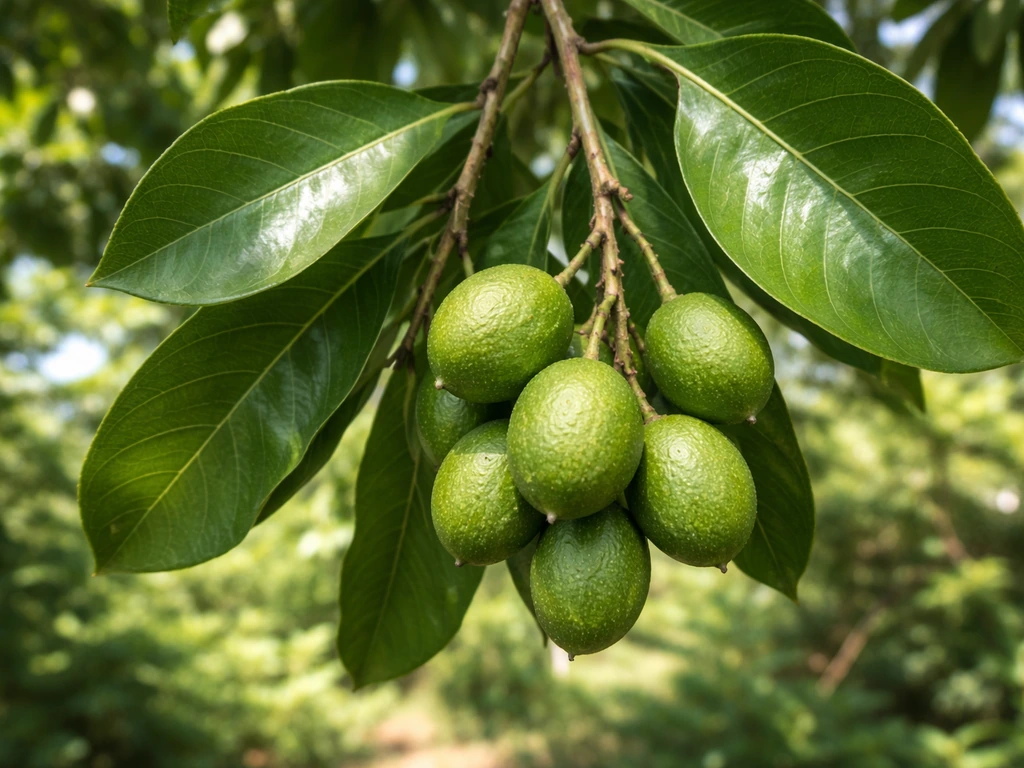
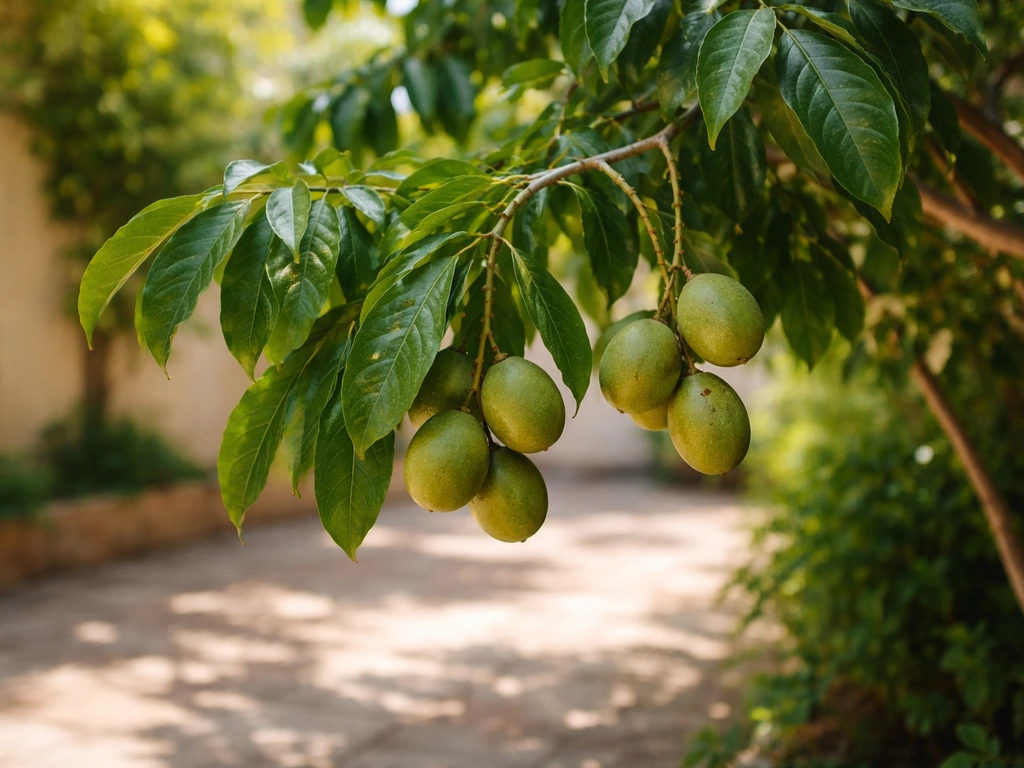
Quenepa (Melicoccus bijugatus), also called Spanish lime or mamoncillo, is a tropical tree native to the Caribbean and warm parts of the Americas. It has very specific climate needs, and understanding them upfront saves a lot of frustration.
- Temperature: Foliage starts taking damage at 32°F (0°C). Serious damage occurs at around 25°F (-6°C). Any hard frost is a threat to young trees, and a sustained deep freeze can kill one outright.
- Sunlight: Full sun, ideally 8 or more hours per day. This is non-negotiable for fruiting.
- Soil: Well-draining soil with tolerance for dry spells. pH can range roughly from 5.5 to 8.7 depending on conditions, so it's relatively adaptable on that front. Waterlogged roots are a fast path to problems.
- Water: Moderate and consistent when actively growing, but the tree can handle some drought. Avoid soggy conditions year-round.
- Pollination: This is a big one. Quenepa is frequently dioecious, meaning male and female flowers are on separate trees. To get fruit, you generally need both a male and a female plant, or a grafted/vegetatively propagated tree known to fruit. If you grow from seed, there's a real chance you end up with all males.
- Time to fruit: From seed, you are looking at many years before fruiting, potentially 8 years or more. Vegetatively propagated trees fruit significantly faster. This timeline matters a lot when planning a container setup in New York.
New York climate reality check: zones and winter kill risk
New York spans a wide range of USDA hardiness zones, from around zone 4b in the Adirondacks to zone 7b in parts of New York City. The 2023 USDA Plant Hardiness Zone Map (the current standard) assigns zones based on the average annual extreme minimum winter temperature. Long Island and the NYC metro area sit in zones 7a to 7b, meaning average winter lows in the 0°F to 10°F range. That is well below the 25°F threshold where quenepas suffer serious damage, and even colder than the 32°F point where foliage damage begins.
To put it in concrete terms: Central Park has recorded daily low extremes well below 0°F going back to 1869. For historical context, NOAA's NWS Central Park climate extremes (1869 to present) document daily low temperature ranges far below 0°F, which helps quantify winter low risk for freeze-damage planning. Even in the warmest pockets of New York City, unprotected tropical trees face real kill risk every single winter. Upstate New York, which falls into zones 4b through 6a, is flatly incompatible with outdoor quenepa survival without heavy infrastructure like a heated greenhouse. The zone and temperature numbers are clear: quenepas are tropical trees suited to zones 10 and 11, and New York's warmest spots are zone 7 at best.
Best chances outdoors in NY: microclimates and where it might work
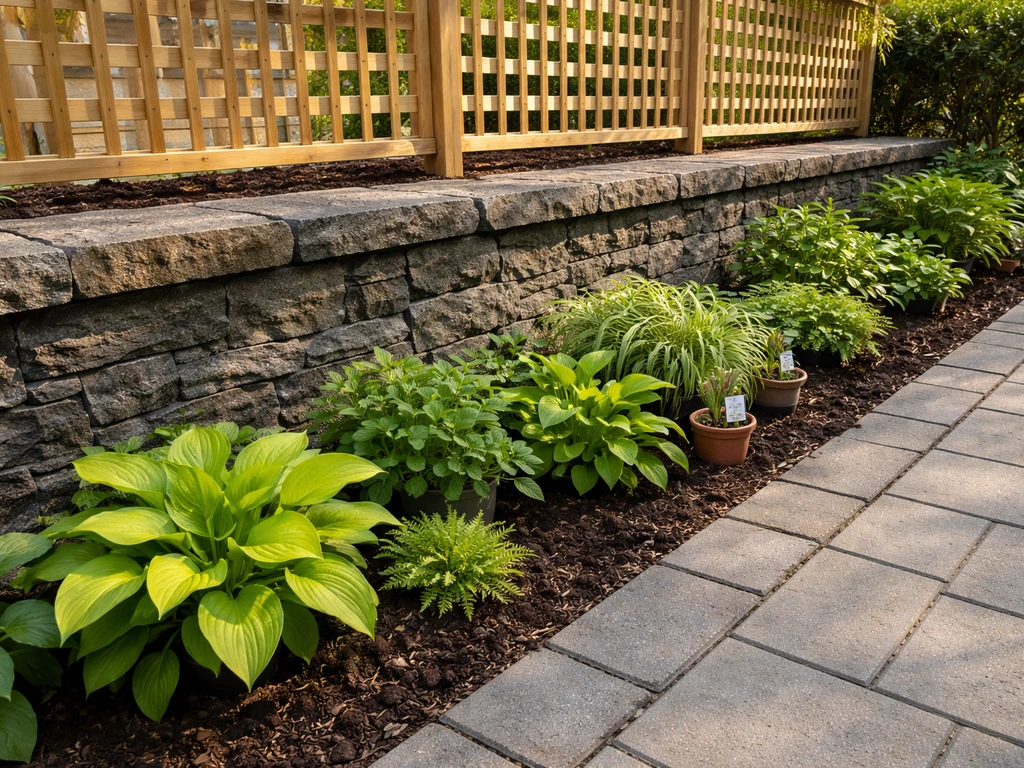
If you're determined to try an in-ground planting, your best geographic bets are the south shore of Long Island, Staten Island, and the most sheltered urban spots in Brooklyn or Queens. Islip on Long Island sits in zone 7a, which is the warmest general area of New York outside of Manhattan's urban heat effect. Microclimates within these zones can push conditions slightly warmer: south-facing walls that absorb heat, urban pavement that re-radiates warmth at night, spots sheltered from north winds by buildings or hills.
Even in these spots, in-ground quenepas need to be heavily mulched, wrapped in frost cloth or burlap during cold snaps, and ideally planted against a south-facing masonry wall. You'd be treating it like a borderline-hardy fig or citrus experiment, not a reliable fruit tree. Expect foliage dieback most winters and a long recovery period each spring. Fruiting from an in-ground tree in New York, even in the best microclimate, would be an exceptional outcome rather than an expectation.
Container growing and overwintering: the realistic New York approach
For most New York growers, containers are the only practical way to attempt quenepas. The strategy is straightforward: grow the tree in a large pot outdoors during the warm months, then bring it inside before cold weather hits. The Chicago Botanic Garden recommends moving tropical container plants indoors when temperatures drop to around 50°F to prevent cold damage. In New York, that means watching the forecast in late September or October and not waiting for a frost warning.
Once indoors, the goal shifts from growth to survival. Keep watering minimal, just enough to prevent the soil from drying out completely. Don't fertilize during the dormant indoor period because new growth triggered in low winter light will be weak and prone to problems. A sunny south-facing window works, but a heated sunroom or attached greenhouse is significantly better because it provides stronger light and more consistent warmth.
Quenepas can get large in the tropics, up to 85 feet in ideal conditions. In containers, aggressive pruning keeps them manageable. Plan on a container at least 15 to 25 gallons for a mature container specimen, and be prepared to repot every few years as roots fill the pot. The size limit imposed by container growing actually helps with moving the tree each season, but you need to start thinking about logistics early. A tree in a 25-gallon pot with wet soil is very heavy.
Getting started: seeds vs. seedlings, care basics, and timelines
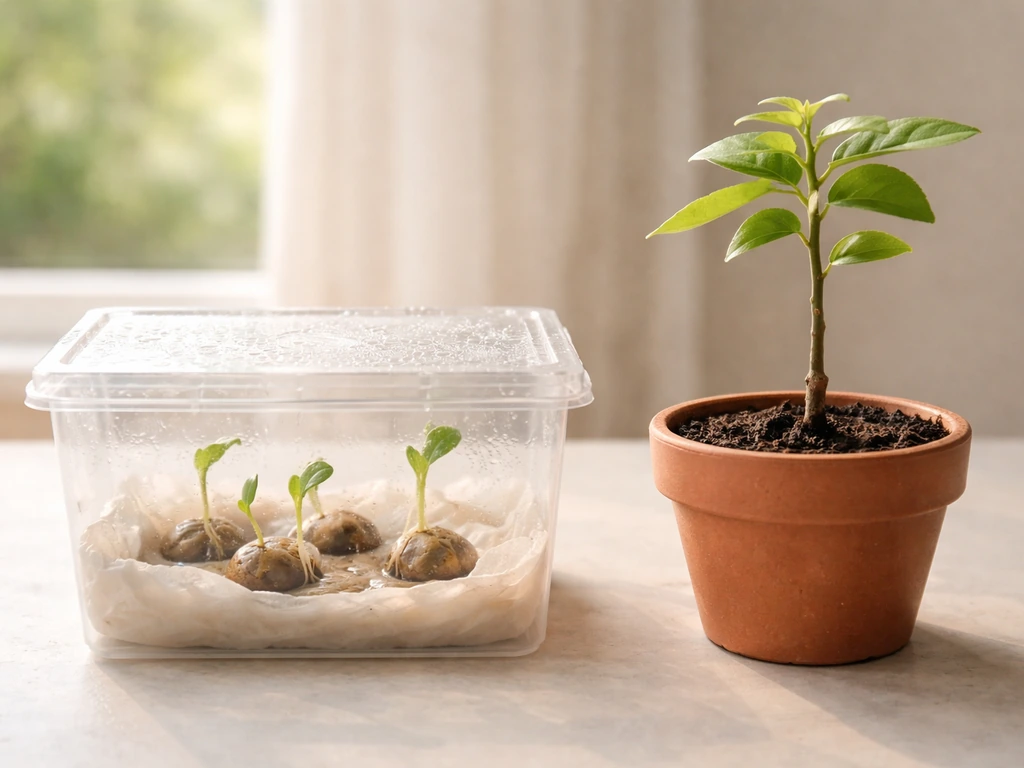
Propagation from seed is the most common starting point because fresh quenepa seeds are accessible (you can sometimes find fresh fruit in Caribbean grocery stores in NYC and start seeds from them). Can you grow celery in Indiana? The key is choosing the right planting time and varieties that handle local temperatures well fresh quenepa seeds. Germination typically happens in 2 to 8 weeks under warm, moist conditions. However, seed-grown trees carry two significant downsides for New York growers: the long time to fruiting (potentially 8 or more years) and the dioecious problem, where you may end up with only male plants. If you want to hedge your bets, start multiple seeds and plan to keep at least two trees long-term to improve the odds of having both sexes.
If you can find a grafted or vegetatively propagated specimen from a specialty tropical nursery, that's a better starting point for anyone serious about fruit. These trees fruit faster and are of known sex. Specialty tropical fruit nurseries in Florida sometimes ship, and it's worth searching for one that can confirm the plant is female or self-fertile.
Basic care during the growing season is fairly simple. Full sun outdoors from late May through September, regular watering when the top inch of soil dries out, and a balanced slow-release fertilizer every 6 to 8 weeks during the growing season. Use a well-draining potting mix, not straight garden soil. Bring the plant in by early to mid-October in most of New York, earlier in upstate areas. If you're wondering can you grow celery in Michigan, the process is totally different and depends mostly on cool-season timing and frost dates.
Common problems when growing quenepas in a cold climate
- Cold kill: The most common failure. Even a brief dip below 32°F outdoors damages foliage, and temps below 25°F can kill the tree. Don't leave the plant outside too late in fall — one unexpected early frost can set you back years.
- Low light indoors: Most homes don't have enough winter light for active growth. The tree will look sad and drop leaves. This is usually okay as long as the plant stays alive. Don't panic and over-water or over-fertilize in response.
- Overwatering in winter: The second most common failure after cold kill. Indoor overwintered tropicals sitting in wet soil develop root rot fast. Minimal water means minimal water.
- Slow growth and no fruit: From seed, this is a multi-year project. Impatience leads people to give up before the tree gets anywhere. Set realistic expectations from the start.
- Pollination failure: If you only have one tree and it happens to be male (or vice versa), you'll never see fruit regardless of how well you grow it. This is why starting multiple seeds or sourcing a known female/grafted tree matters.
- Pests: The citrus fruit borer (Gymnandrosoma aurantianum) is one documented pest of quenepas, with pupation occurring mostly in soil at the base of the tree. In a container setup, monitoring the soil surface and repotting into fresh mix periodically can help reduce pest pressure. Spider mites and scale insects are also common on tropical trees overwintered indoors in dry conditions — inspect regularly and treat early.
- Container size constraints: A rootbound plant in too small a pot will stall growth. Repot into the next size up every 2 to 3 years when roots start circling the bottom.
How to compare: outdoor vs. container approach in New York
| Factor | Outdoor in-ground (NYC/Long Island only) | Container with overwintering |
|---|---|---|
| Who it's for | Zone 7a/7b growers in sheltered microclimates | Any NY grower with indoor space |
| Winter survival odds | Low to very low without heavy protection | Moderate to good with proper setup |
| Fruiting potential | Very low — exceptional outcome only | Possible but requires years and correct sex ratio |
| Effort level | High (annual cold protection rituals) | High (annual moving, light management) |
| Tree size management | Difficult to control long-term | Controlled by container and pruning |
| Startup cost | Low (seed or small plant) | Moderate (containers, dollies, grow lights help) |
| Best starting material | Vegetatively propagated known-female tree | Same — but seed works if time is not urgent |
Practical next steps for your specific New York location
The first thing to do is confirm your exact USDA hardiness zone using the 2023 USDA Plant Hardiness Zone Map at the USDA ARS website. Enter your zip code and you'll get your specific zone. If you're in zone 6 or below, skip outdoor in-ground attempts entirely and go straight to the container plan. If you're in zone 7a or 7b (southern Long Island, Staten Island, parts of NYC), you can experiment in-ground in a protected microclimate, but go in with low expectations. If you're wondering whether you can grow chickpeas in Wisconsin, the key variables are timing, winter risk, and whether you can give the plants cool-season conditions.
- Check your USDA hardiness zone by zip code on the USDA ARS 2023 map. Know exactly what zone you're in before making any planting decisions.
- Decide on your overwintering space now, before you buy a plant. Do you have a heated sunroom, an attached garage that stays above 45°F, a basement with a grow light setup, or a south-facing window that gets real winter sun? The quality of your indoor space directly determines whether this works.
- Source your starting material thoughtfully. A fresh quenepa seed from a Caribbean grocery store in NYC costs almost nothing to try. A grafted female tree from a Florida tropical nursery costs more but gets you to fruit much faster and removes the sex guessing game.
- If starting from seed, plant 3 to 5 seeds to improve your odds of getting at least one female tree. Germinate in a warm spot (75 to 85°F soil temperature) in a small pot with well-draining tropical mix.
- Plan your outdoor season around a hard indoor move-in date. In the NYC metro and Long Island, target October 1 as your move-in deadline. In upstate New York, move the plant in by mid-September.
- Set up a tracking note for each winter. Record when you moved it in, what the indoor conditions were, how the plant looked in spring, and when you moved it back out. This data helps you improve the process each year.
- If you're serious about fruiting, research whether you can source a second tree of the opposite sex, or look specifically for a nursery offering self-fertile or grafted quenepa varieties. Growing two container trees is more work but dramatically improves your odds of ever seeing fruit.
Quenepas in New York are a project for patient, resourceful growers, not a casual backyard fruit tree. But with a container setup, a reliable overwintering space, and realistic expectations about timelines, it's genuinely doable. The same general idea applies if you're wondering can you grow chickpeas in Pennsylvania, where climate and timing matter just as much. The approach is similar in spirit to what growers do with other borderline-tropical crops in northern climates: work with the plant's needs rather than against them, and give it the conditions it actually requires during each season.
FAQ
What is the easiest way to maximize the chance of fruit on quenepas in New York?
Your best lever is sex and maturity. Start with multiple seedlings only if you cannot get a grafted or verified female/self-fertile tree, then keep at least two long-term to reduce the chance you end up with only males. Even with the right sex, fruiting usually takes years, so plan for patience and multi-year indoor overwintering.
Can I keep a quenepa outside year-round on Long Island if I use frost cloth?
Frost cloth helps with short cold snaps, but it usually does not prevent root-zone freezing during sustained cold periods or cold swings. If lows commonly drop near or below the tree’s damage range, you still need a container you can move indoors or an expensive setup like a heated greenhouse. Treat frost cloth as emergency protection, not a full solution.
Do quenepas need a lot of fertilizer in winter indoors?
No. During the dormant or near-dormant indoor period, avoid routine feeding. Light levels are typically too low for strong new growth, and fertilizer can push weak, pest-prone shoots. Resume balanced feeding once you see active growth in spring and stable, strong light.
Should I water quenepas less in winter, or keep them consistently moist?
Aim for “barely moist,” not swampy. Too much water in winter, especially in lower light, increases root stress and fungal risk. A practical approach is to water only when the top layer dries out, and make sure the pot has excellent drainage and a dry, unblocked saucer routine.
What indoor light setup works if I do not have a heated sunroom?
A south-facing window can work temporarily, but many New York growers rely on supplemental grow lights to keep the tree from stalling. If you notice leaf drop or slow recovery after bringing it in, increase light duration with a grow lamp and keep temperatures as steady as possible.
How early should I bring the container inside in upstate New York?
Use the forecast, but as a rule, shift earlier than you think. Upstate cold events can arrive well before October, and repeated nights near freezing can set the tree back even if it survives. Many growers begin indoor transition when nighttime temperatures start hovering around the low 50s to reduce shock and cold damage risk.
What container size is realistic, and when should I repot?
Start with at least a 15 to 25 gallon container if you want a mature-size plant later, but repot gradually rather than jumping sizes all at once. Repot when roots visibly fill the pot and growth resumes, and avoid repotting right before overwintering because disrupted roots plus low winter light is a common failure point.
Is seed-starting worth it in New York, given the long wait and sex uncertainty?
It can be, but only if you are prepared for the downsides. Seed-grown trees can take many years to fruit, and dioecy means you may never get female fruiting trees if you get only males. If you want faster and more certain outcomes, prioritize grafted or verified female/self-fertile nursery plants.
If I have only one tree, is there any way to get fruit anyway?
Possibly, but only if your tree is female and self-fertile, which is not something you should assume with seed-grown specimens. The safest route is to obtain a nursery plant with sex verification. If you are growing from seed, the more reliable plan is keeping at least two trees long-term to improve the odds of having both sexes.
What pests or diseases should I watch for after bringing the tree indoors?
Indoor transitions often trigger scale insects, mealybugs, and spider mites, because conditions change and pests concentrate on stressed growth. Inspect leaves and stems closely in the first weeks indoors, quarantine if possible, and treat early rather than waiting for a heavy infestation.
Can I grow a quenepa outdoors in a pot but keep it in the garage during winter instead of a bright indoor room?
A cool, bright space is better than a dark one. A garage or basement may protect from cold but can drop light too low, leading to leaf loss and weak regrowth. If you must use low-light storage, keep temperatures stable and reduce watering further, then move to brighter conditions as spring returns.
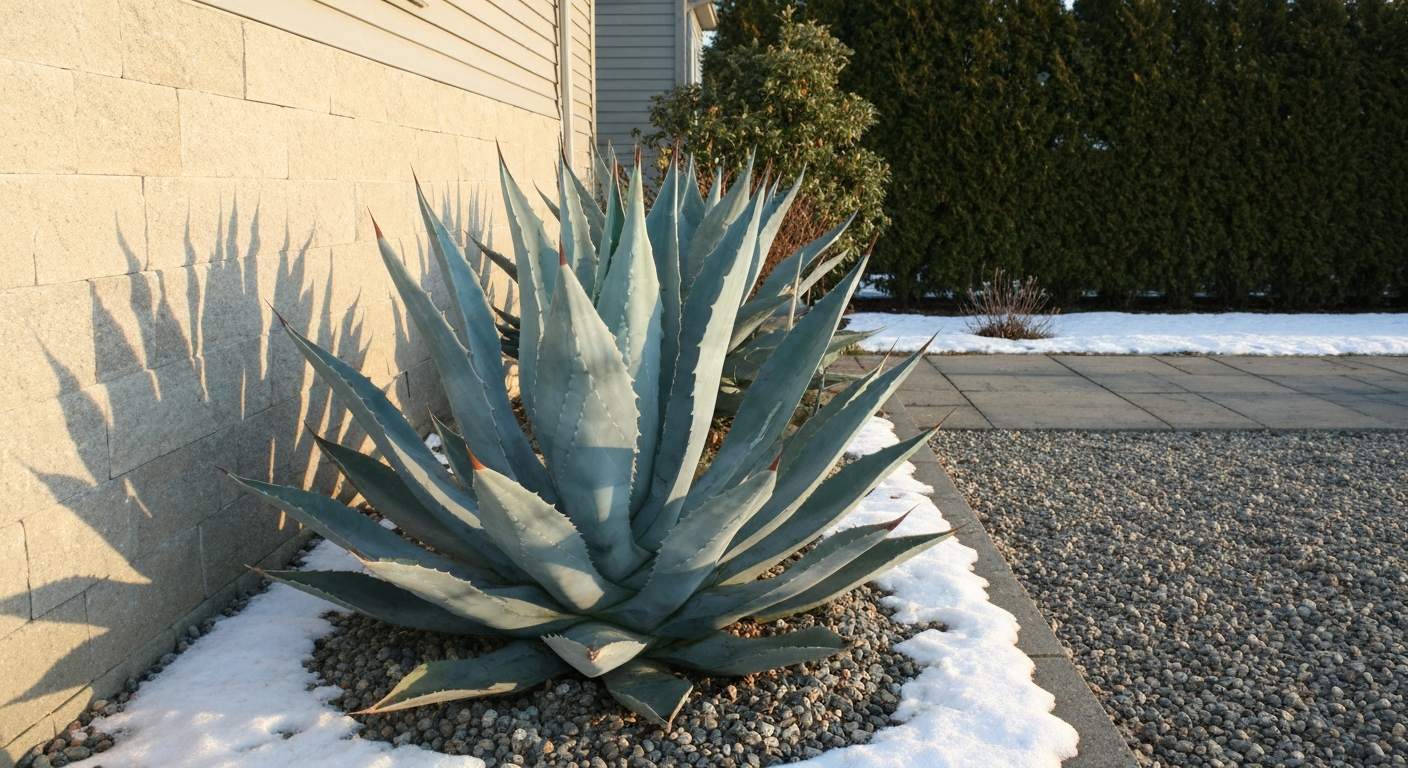
Can you grow agave in Canada? Practical region-by-region guide, hardy species, container tips & winter care.
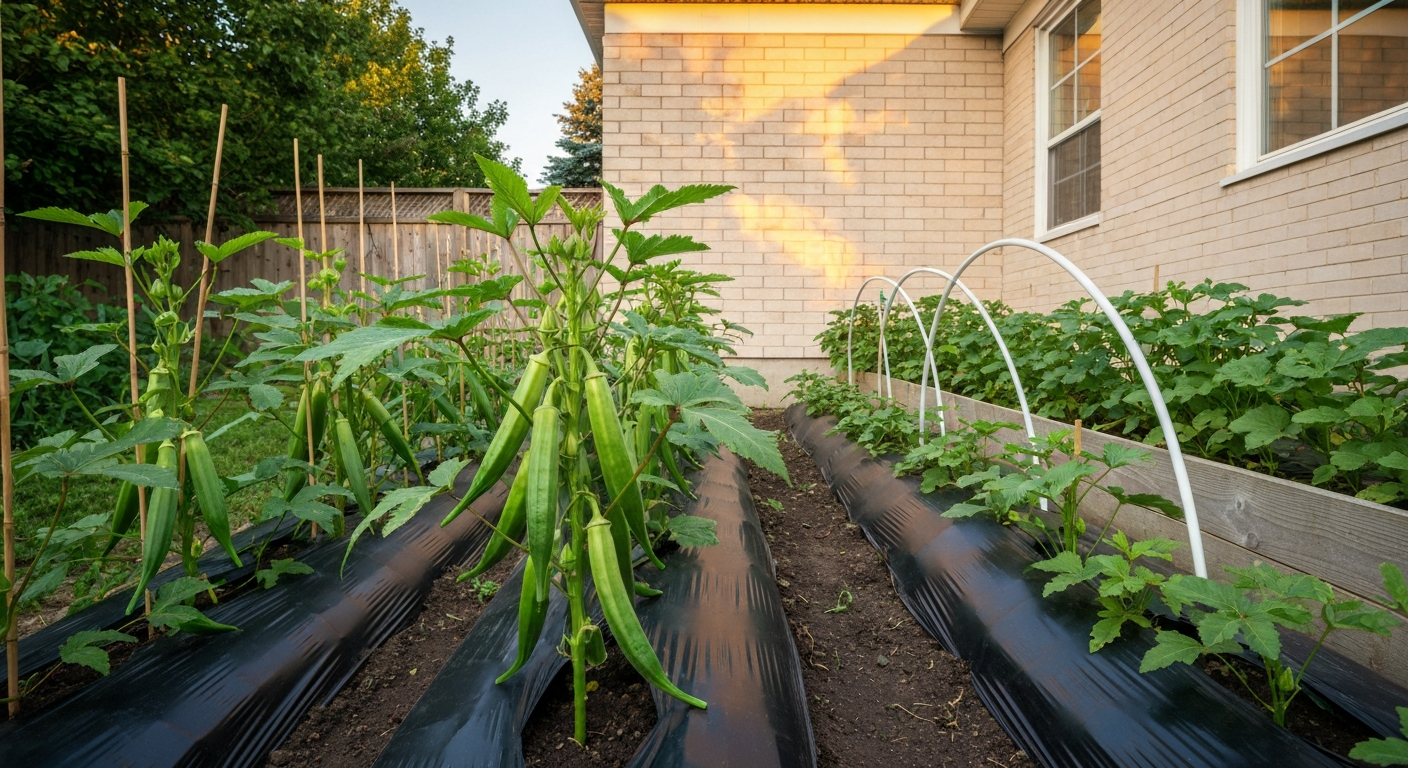
Can you grow okra in Canada? Regional verdict, Ontario-specific steps, varieties, season-extension & harvest tips.
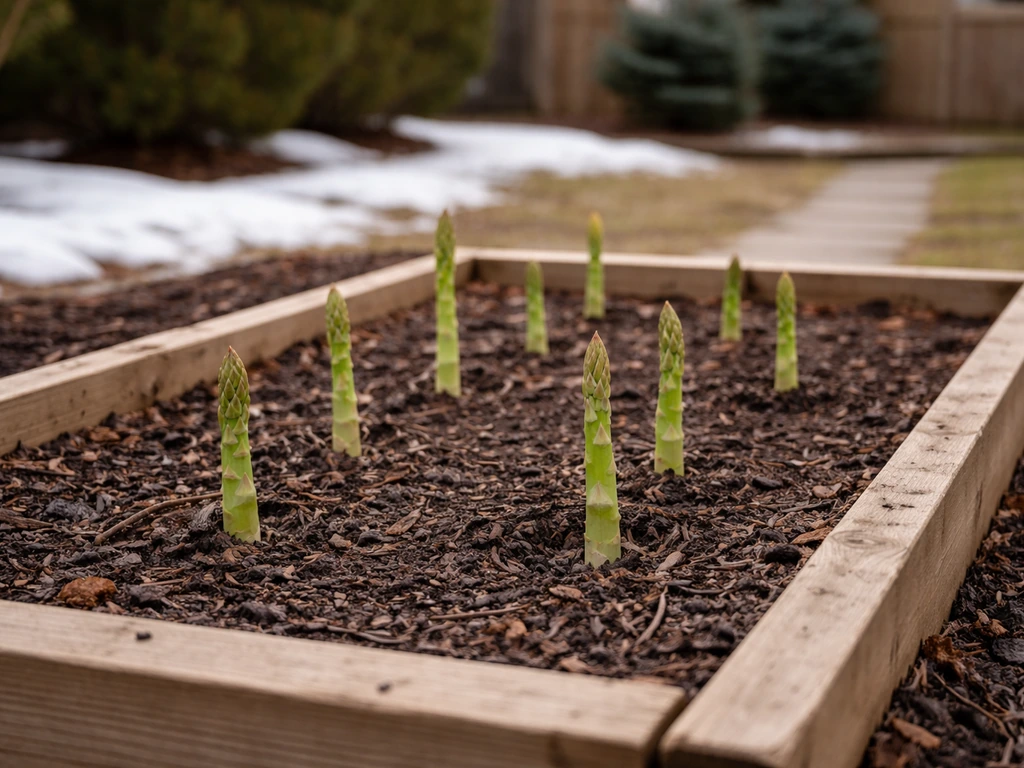
Grow asparagus in Canada by zone: site, hardiness, crowns or seed, planting depth, care, and harvest plus fixes