
You can grow a date palm in Missouri, but you almost certainly won't get edible fruit from it outdoors, and keeping it alive through winter requires real effort. The question becomes even more specific when you wonder can you grow dates in Virginia, since Virginia winters can be closer to the cold damage threshold than Missouri’s. Missouri's winters routinely push below the 20°F threshold where date palm leaves start burning, and temperatures can drop to single digits or lower in a bad year. That means growing dates here is a container game with a solid overwintering plan, not an in-ground landscape situation. If you go in with that mindset, a date palm is an achievable and interesting project. If you're picturing rows of Medjool clusters ripening in your backyard, Missouri isn't going to cooperate.
Can You Grow Dates in Missouri? Cold-Hardy Options and How-To
Missouri's climate and what it means for date palms
Missouri spans USDA hardiness zones 5b through 7a, depending on where you are. St. Louis, in the southeast corner of the state, sits around zone 6b and is the warmest spot you'll find. Kansas City is zone 6a. Springfield and the Ozarks run 6a to 6b. Northern Missouri drops to zone 5b. None of these zones match what date palms (Phoenix dactylifera) actually need, which is zone 9 or warmer for comfortable outdoor survival.
Here's the cold damage picture in concrete terms: date palm leaves start burning at around 20°F. Plants may be killed outright at 10°F. The crown, which is the growing point at the top of the trunk, is the most vulnerable part, and if it dies, the plant doesn't recover. Kansas City has recorded a record low of -23°F. Springfield has hit -22°F. Even St. Louis, the warmest city in the state, regularly sees lows in the teens and single digits during bad cold snaps. Any winter in Missouri can produce multiple nights below 20°F, which means repeated leaf burn is essentially guaranteed outdoors. A single severe cold event below 10°F can kill the plant entirely.
Beyond cold survival, fruiting is a separate challenge. Date palms need long, hot, dry summers to ripen fruit properly. The fruit development window from pollination to harvest in commercial regions runs roughly 6 to 7 months, and it requires sustained high temperatures with low humidity. Missouri summers are warm but humid, and the heat accumulation (growing degree days) falls well short of what desert-climate date regions provide. NOAA CPC describes the growing degree-days approach for quantifying heat accumulation so you can compare local conditions to crop heat requirements. Even if a plant survives the winter, the humid Missouri summer is not ideal for fruit set and ripening. Think of Missouri as a climate where you might keep a date palm alive and growing, but where fruiting is a long shot rather than an expectation.
Which cultivar to try: Medjool, Deglet Noor, or cold-hardier options
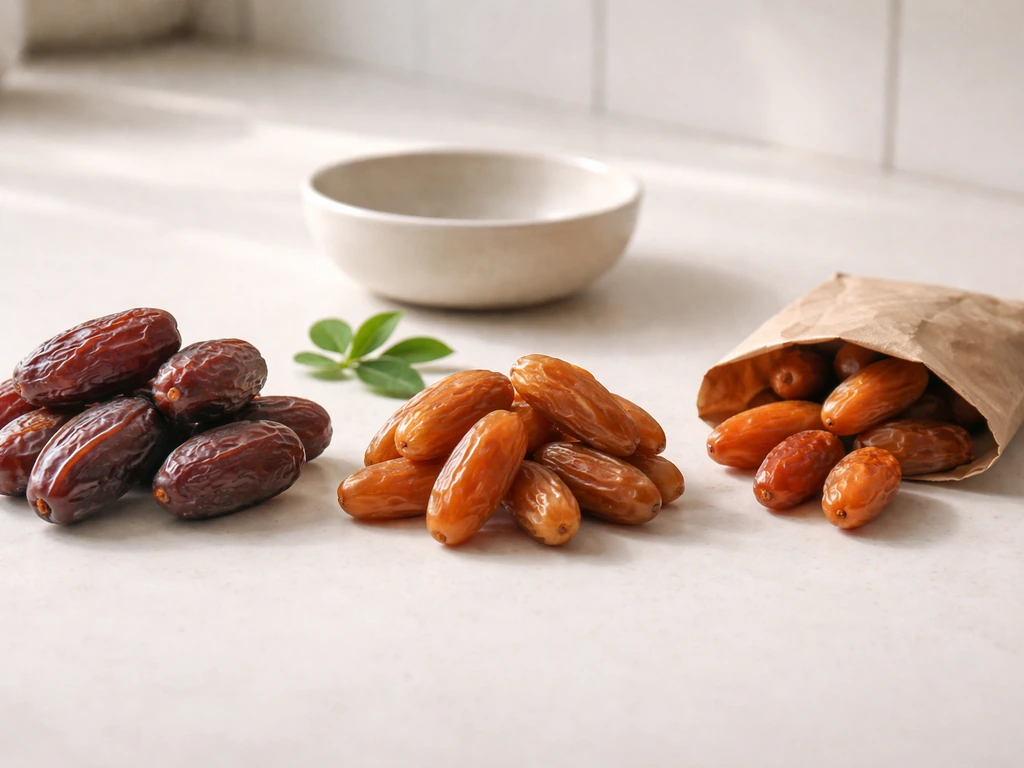
The two cultivars most people know, Medjool and Deglet Noor, are also the two most widely sold at nurseries. Neither is well suited to Missouri winters. Medjool is rated cold hardy to roughly zone 9, meaning it's comfortable with lows down to about 20-25°F but not below. Deglet Noor is similar. Both will take repeated leaf damage in Missouri winters and risk crown death in hard freezes. That said, if you're growing in a container and bringing the plant indoors or into a heated space for winter, the cultivar matters less because you're controlling the temperature. In that case, Medjool is a reasonable choice because it's widely available and produces the best fruit if you ever do get to harvest.
The Barhee cultivar is worth mentioning because it's sometimes cited for slightly better adaptability to humid conditions and is considered one of the easier date varieties to ripen at lower heat accumulations. It still needs zone 9 conditions outdoors, but as a container plant with good indoor overwintering, it may give you a slightly better shot at fruit than Medjool in a marginal climate. However, Barhee is harder to source than Medjool or Deglet Noor, so factor in availability.
There are no true cold-hardy date palm cultivars that will sail through a Missouri winter unprotected and fruit reliably. If someone is selling you a 'cold-hardy date palm' that they claim will work in zone 6 without protection, be skeptical. What you sometimes see marketed that way are Sylvester palms or Canary Island date palms (Phoenix sylvestris or Phoenix canariensis), which are related species and more cold-tolerant but do not produce the same edible dates. They're interesting ornamentals, but they're not Phoenix dactylifera and won't give you Medjool-style fruit.
| Cultivar | Cold Hardiness | Fruit Quality | Missouri Feasibility |
|---|---|---|---|
| Medjool | Zone 9 (20-25°F min) | Excellent, large fruit | Container only, needs indoor overwintering |
| Deglet Noor | Zone 9 (similar to Medjool) | Good, drier texture | Container only, same winter limitations |
| Barhee | Zone 9, slightly humid-tolerant | Very good, ripens easier | Container only, harder to source |
| Canary Island date palm (P. canariensis) | Zone 8b (15-18°F) | Ornamental only, not edible dates | Marginally better cold tolerance, not the fruit crop |
How to start: seed, seedling, or nursery stock
Growing from seed is the slowest route, but it's cheap and surprisingly easy to get germination going. Plant a fresh Medjool date pit (from a store-bought date) in a mix of potting soil and sand, keep it at around 70-80°F, and expect germination in 4 to 8 weeks. The catch is that seed-grown date palms are genetically variable, so you don't know what you're getting in terms of fruit quality or cold tolerance, and you'll wait 7 to 10 years or more before any fruit is possible. Seeds are a fun experiment but not the practical starting point if your goal is fruit.
Offshoots, called pups or suckers, are how commercial date growers propagate palms and are the only way to guarantee you're getting a true copy of a named cultivar like Medjool. A pup taken from a mature female Medjool will produce Medjool dates. These are harder to find for home gardeners and cost more, but they give you a head start and known genetics. If you can source an offshoot from a reputable palm nursery, that's the best starting point.
Nursery-grown seedlings are the middle ground and the most practical option for most Missouri growers. You'll find 1- to 5-gallon container plants at specialty nurseries and online retailers. Buy the largest, most established plant your budget allows, because bigger plants tolerate transplant stress better and are closer to fruiting age. Whatever you start with, plant it in a container from day one rather than in-ground in Missouri. That decision makes every future overwintering strategy available to you.
Overwintering and frost protection: the make-or-break step
This is the section that determines whether your date palm survives in Missouri. The core principle is simple: get the plant somewhere that won't drop below 20°F, and ideally somewhere that stays above 32°F all winter. Everything else is a variation on achieving that goal.
Container growing is non-negotiable
Keep your date palm in a container. An in-ground date palm in Missouri will need extraordinary measures to survive, and even then the odds are against it in most parts of the state. A container palm can be moved. Use a heavy-duty pot with wheels or a plant caddy from the start, because a date palm in a large container gets heavy fast. Use the lightest container material that's still durable, such as a resin or fiberglass pot, to make moving easier.
The indoor overwintering approach
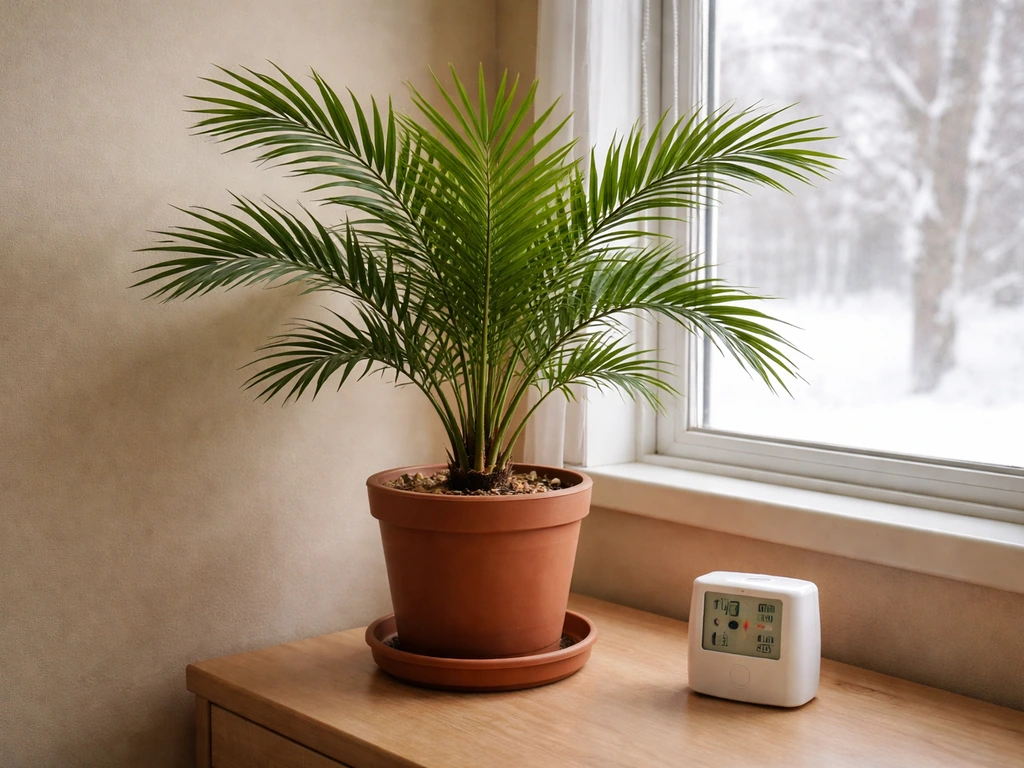
The most reliable strategy for Missouri is to move the plant indoors before the first hard frost, typically by mid-October, and keep it inside until nighttime temperatures are consistently above 40°F in spring, usually late April or early May. Indoors means a heated garage, basement with grow lights, sunroom, or any space that stays above freezing. Date palms need a lot of light, so a sunny south-facing window works for a small plant, but larger plants will need supplemental grow lighting to avoid serious decline over a long Missouri winter. Reduce watering significantly indoors in winter since growth slows and overwatering in low-light conditions is a fast way to kill the roots.
One thing to keep in mind from container overwintering research: roots in pots are exposed to ambient air temperatures and are more vulnerable than in-ground roots. Container overwintering guidance from Illinois Extension emphasizes preventing the soil mass from freezing and maintaining appropriate winter moisture for container plants. If you leave the pot in an unheated space like a cold garage, insulate the pot itself with bubble wrap, burlap, or foam to buffer temperature swings in the root zone. Even if the aboveground part of the palm can take brief cold, frozen roots will kill the plant.
Using microclimates and temporary protection
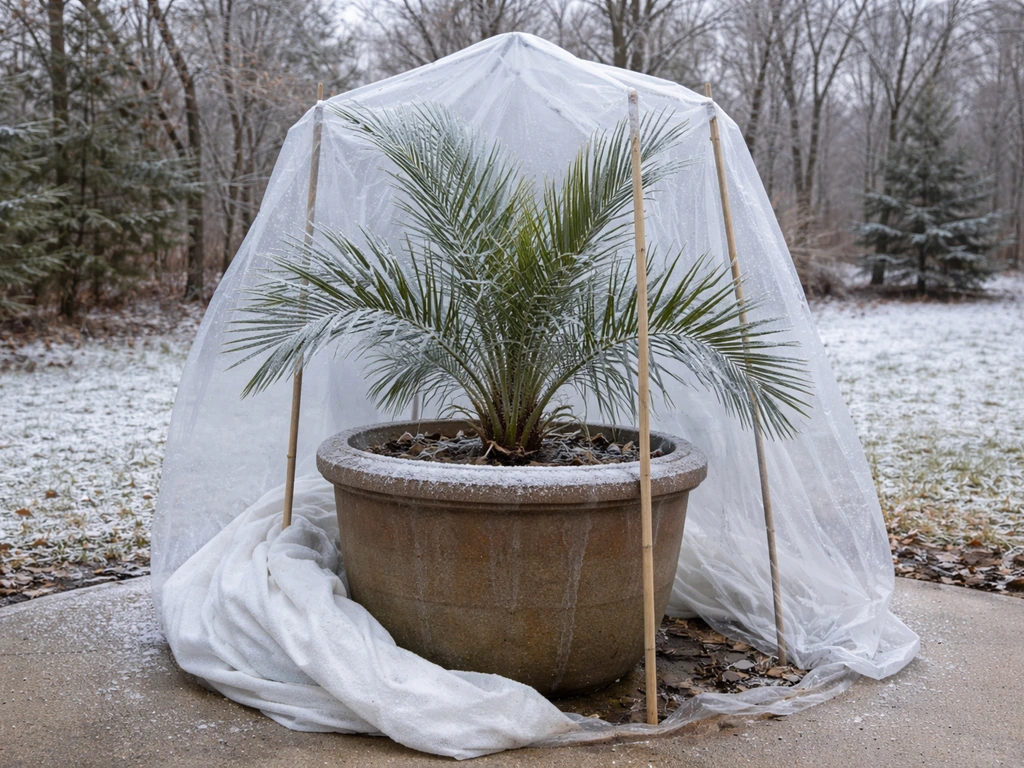
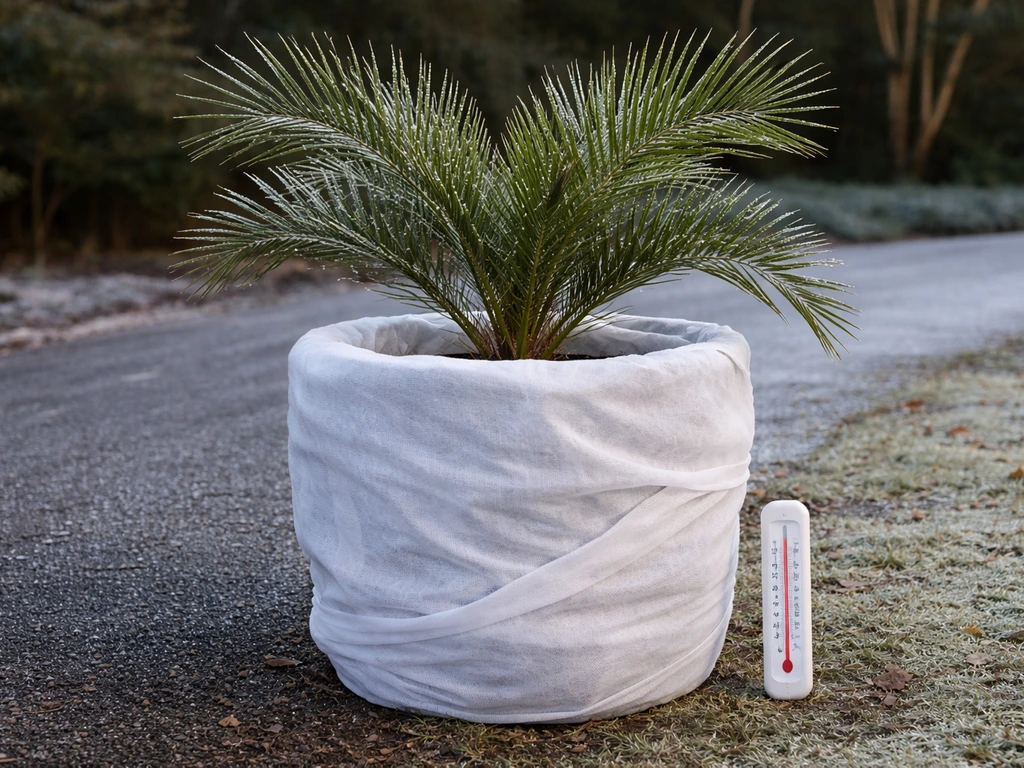
If you're in a warmer part of Missouri like south St. If you are wondering can you grow dates in Louisiana, the same container and overwintering principles apply because date palms need long, hot, dry conditions to ripen fruit. Louis city or the Missouri Bootheel, you can push the season a bit using microclimate positioning. A spot against a south-facing brick or stone wall, under a roof overhang, or in a sheltered courtyard can stay 5 to 10 degrees warmer than open yard temperatures. This extends your outdoor season but does not replace indoor overwintering for hard winter events. Frost cloth or horticultural fleece provides protection down to roughly 26-28°F and is worth using during mild frost events in fall and spring when you're transitioning the plant. For temperatures in Missouri's mid-winter range, fleece alone isn't enough. A small greenhouse or cold frame can help for early spring hardening off, but for sustained winter protection in most of Missouri, the plant needs to come fully inside.
Sun, soil, water, and pollination
Light and soil
Date palms want full, direct sun for as many hours as possible, ideally 8 or more hours per day. In Missouri, put the plant in the sunniest spot you have outdoors from May through October. Use a well-draining potting mix with added coarse sand or perlite (aim for roughly 30-40% amendment by volume) to prevent the wet conditions that kill roots. Date palms are native to desert regions and are exceptionally intolerant of soggy roots. Standard garden soil or heavy potting mixes hold too much moisture. Repot every 2 to 3 years as the plant grows, always maintaining excellent drainage.
Watering schedule
During the outdoor growing season in Missouri (May through September), water when the top 2 inches of soil are dry. Missouri summers bring humidity and rain, so be careful not to assume the plant needs more water just because it's hot. Check the soil, don't just water on a schedule. In winter indoors, water sparingly, roughly once every 2 to 3 weeks, and let the soil dry significantly between waterings. Overwatering in winter is the single most common way to kill an indoor date palm.
Fertilizing
Feed during the active growing season with a balanced slow-release palm fertilizer that includes micronutrients, especially magnesium and potassium. Fertilize in spring when you move the plant back outside, again in midsummer, and stop by late August. Do not fertilize indoors in winter. Over-fertilizing a stressed or indoor plant accelerates salt buildup in the container soil and can cause leaf tip burn.
Pollination realities in Missouri
Date palms are dioecious, meaning you need both a male and a female plant to get fruit. In commercial date production, growers hand-pollinate female flowers using pollen collected from male flower clusters, because the timing of male and female flowering has to be synchronized deliberately. For a home grower in Missouri, that means you'd need at least two plants (one male, one female) and you'd need to hand-pollinate during the brief window when both are flowering. The flowering and fruit set window also needs sustained heat, and Missouri's humid summers are not favorable for the dry conditions dates need to ripen properly. The practical upshot: plan for ornamental growth and treat any fruit as a bonus, not an expectation.
How long until fruit, and what to realistically expect
Date palms grown from seed typically take 7 to 10 years or more before producing any fruit at all. Palms started from offshoots of a known female cultivar may fruit in 3 to 5 years, which is closer to the commercial timeline. In Missouri's climate, though, the annual stress of overwintering, reduced light indoors, and suboptimal summer humidity will slow that timeline further. A realistic estimate for a container-grown Medjool in Missouri, even with excellent care, is 8 to 15 years before fruiting is possible.
Even if your plant does flower, getting fruit to ripen to the soft, sweet Medjool stage you're used to from the store requires sustained temperatures above 95°F with low humidity for months. Missouri summers get hot but stay humid. Fruit may develop but not ripen to full sweetness, or may rot on the cluster before reaching the khalal or rutab stage. Barhee is slightly more forgiving on heat requirements, which is part of why it sometimes gets recommended for marginal climates. If fruiting is your primary goal, compare Missouri's situation honestly against warmer, drier states. Growing dates in places like Georgia, South Carolina, or Louisiana is still challenging but the climate math is closer to workable than in Missouri.
Common problems and how to fix them
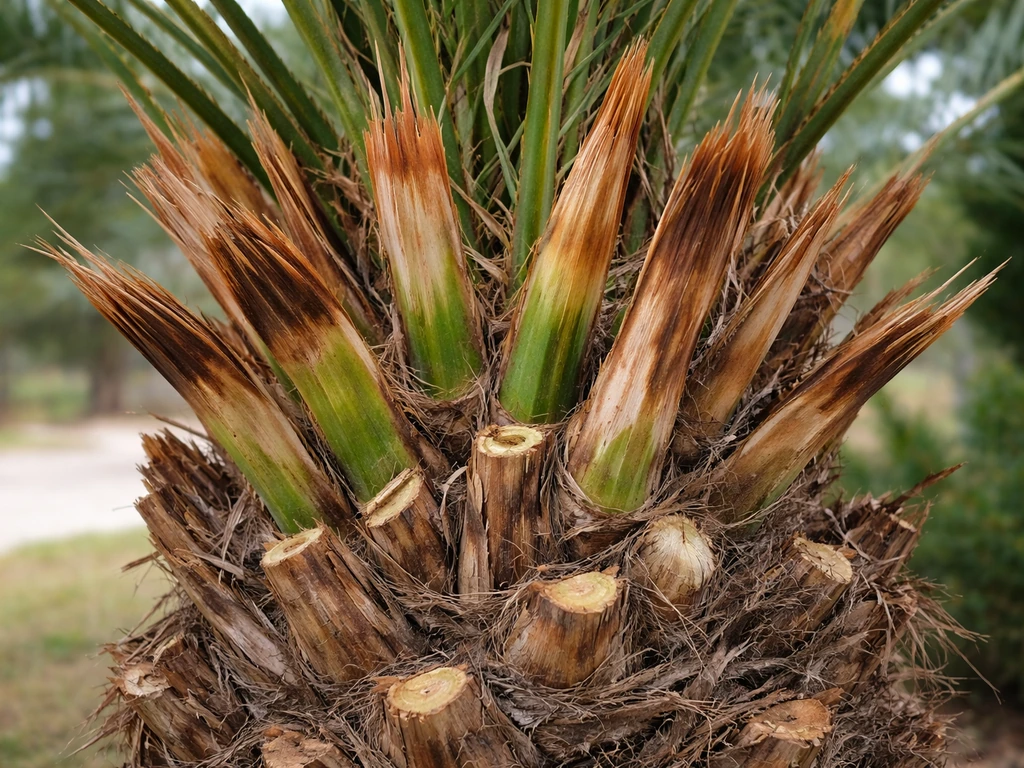
- Leaf burn from cold: Brown or orange leaf tips and fronds after any night below 20°F. Trim dead fronds back to the trunk but leave green tissue. This is cosmetic as long as the crown is undamaged. If the spear leaf (the newest growth from the center) is brown and mushy, the crown may be dead.
- Crown death: If the growing tip is killed by a hard freeze (below 10°F), the palm won't recover. This is the worst-case outcome and why indoor overwintering is non-negotiable in most of Missouri.
- Root rot from overwatering: Yellowing older fronds, soft trunk base, and foul smell from the soil are warning signs. Let the soil dry out completely, repot into fresh fast-draining mix if needed, and cut back any black or mushy roots before repotting.
- Salt buildup in container soil: White crust on the soil surface or leaf tip burn that isn't cold-related. Flush the container thoroughly with water two or three times per year to leach out excess fertilizer salts.
- Spider mites indoors: Common when palms overwinter in dry indoor air. Look for fine webbing and stippled, pale fronds. Increase humidity around the plant and treat with insecticidal soap or neem oil.
- Scale insects: Hard, waxy bumps on fronds and stems. Treat with horticultural oil or by wiping affected areas with rubbing alcohol on a cotton swab. Repeat weekly until clear.
- Slow or no new growth: Normal during indoor winter months. If growth is still stalled in summer outdoors, check for root binding, nutrient deficiency (especially magnesium), or insufficient sunlight.
- Frond yellowing in summer: Often a potassium or magnesium deficiency in container palms. Use a palm-specific fertilizer with potassium and magnesium included.
Your next steps: making the yes/no call for your specific Missouri location
Start by being honest about your setup. Do you have a place indoors that stays above freezing all winter and gets reasonable light, or can you set up grow lights? Do you have the patience for a 10-plus year project that may never produce commercial-quality fruit? If the answer to both is yes, Missouri date growing is a legitimate project worth attempting. If you want fruit in the near term or can't commit to annual indoor overwintering, a date palm is probably not your best fit for Missouri. Can you grow dates in North Carolina? The short answer is that success still depends on keeping a date palm warm through winter and providing enough hot, dry conditions to ripen fruit.
- Check your exact USDA hardiness zone at the USDA Plant Hardiness Zone Map using your zip code. St. Louis growers in zone 6b have the best baseline; northern Missouri gardeners in zone 5b face significantly harder winters.
- Scout your property for microclimates: south-facing walls, sheltered corners, and spots near heated structures can give you 5-10°F of buffer during mild cold snaps.
- Decide on your container plan before you buy. Choose a large resin or fiberglass container on wheels, and map out where the plant will live indoors from October through late April.
- Source your plant. Start with a nursery-grown Medjool or Barhee seedling in a 3- to 5-gallon pot from a reputable palm nursery. Avoid bare-root plants if possible.
- Set up grow lighting for the indoor overwintering space if natural light is limited. Full-spectrum LED grow lights on a 12-hour timer will keep the plant from declining severely over winter.
- Connect with Missouri gardening communities, including the Missouri Botanical Garden's community forums, local Facebook gardening groups, and any palm enthusiast groups, to find others who have already attempted this in your region. Real local experience is worth more than any general guide.
The honest bottom line: Missouri is on the outer edge of where date palm growing is feasible, and it's a container-and-indoor project, not a landscape one. It's doable, it's interesting, and it will teach you a lot about what these plants actually need. Just don't count on a Medjool harvest anytime soon. If you're curious how Missouri compares to neighboring states, growing dates in places like Alabama, Louisiana, or Georgia involves similar humidity challenges but meaningfully warmer winters, which shifts the survival math closer to viable territory without as much intervention. If you are thinking about South Carolina instead, the climate and winter lows are the key factors that determine whether date palms can survive and fruit can you grow dates in south carolina.
FAQ
Can I leave a date palm outside in Missouri if I cover it with blankets or use a small greenhouse setup?
Full winter protection in Missouri usually requires moving the plant to a space that stays above about 20°F. Simple covers, even if they help with leaf burn, often fail during hard freezes because the crown is still exposed and container roots cool rapidly. A cold frame or small greenhouse can work only as a short buffer in mild winters, not as a substitute for indoor overwintering after temperatures threaten the low teens.
What is the biggest container mistake people make with date palms in Missouri winters?
Overwatering in low light is the most common killer. In winter, even if the palm looks fine, roots can rot when the pot stays wet and temperatures are cool. Water only after the mix dries well below the surface, and choose a fast-draining mix with plenty of coarse material (sand or perlite) so excess water can leave quickly.
How warm does my indoor space need to be for overwintering a container date palm?
Aim for above freezing at night, and ideally keep the palm in the warmest spot you can manage. Growth slows indoors, so you do not need tropical heat like summer, but you do need to avoid prolonged dips near freezing. If your indoor area drops close to freezing, add a second layer of pot insulation and consider a heated garage rather than an unheated space.
Do I need both a male and female date palm in Missouri if fruit is my goal?
Yes, dates require male pollen for female flowers to set fruit. Missouri container growing means you must also manage pollination timing, which depends on when both plants flower. If you only have one palm, plan for ornamental growth, any fruit you see would be unlikely or very inconsistent without a male nearby.
Can I pollinate a date palm indoors when I bring it inside for winter?
It can be done, but only if flowers actually open indoors, which often depends on timing and light. The more reliable approach is to keep plants in conditions that allow proper flowering and then hand-pollinate during the brief window when both male and female blooms are ready. If flowering happens outside the timeframe you can manage, expect the plant to stay ornamental.
How much light do I need indoors in Missouri, and what happens if I do not provide it?
A south-facing window can work for small plants, but larger palms often decline without supplemental grow lights because winter days are short and light intensity is lower. Without enough light, you can see slowed growth, leaf drop, or weak regrowth in spring. If leaves start looking dull, pale, or sparse, it usually indicates the light is not sufficient.
What should I do with the pot if I move my date palm indoors, but my home is drafty or the floor is cold?
Cold drafts and cold floors can chill the root zone even if the room air feels warm. Place the pot on an insulated stand or cart to reduce direct heat loss from below, and keep the base away from exterior doors, vents, or uninsulated windows. Root-zone stability is critical, because root damage can occur even when leaves are protected.
Is it worth buying the largest date palm nursery plant I can afford in Missouri?
Usually yes. Bigger container plants tolerate transplant stress better, establish faster, and are closer to the age where flowering becomes possible. They still will not flower quickly in Missouri due to overwintering stress and suboptimal ripening conditions, but they reduce one major early setback (poor establishment).
Can I grow dates from store-bought pits in Missouri and still get edible fruit?
You can germinate pits fairly easily, but edible fruit is uncertain because seed offspring vary genetically. Even if your plant survives and eventually flowers, fruit quality and cold tolerance may not match the parent date. Also, fruiting from seed is typically many years away, commonly 8 to 15 years in Missouri-like conditions.
What about “cold-hardy” date palms sold for lower zones in Missouri, will those produce edible dates?
Be skeptical of claims that a Phoenix dactylifera will reliably survive Zone 6 winters outdoors with no protection. Some sellers are actually describing related palm species or hybrids, such as ornamental canary or sylvestris types, which typically do not give the same edible Medjool-style dates. If the product is not explicitly Phoenix dactylifera and not clearly tied to realistic winter protection, assume fruiting is not guaranteed.
My date palm gets leaf burn in winter even though I moved it indoors. Is that normal and will it recover?
Some leaf burn can happen from temperature swings or low-light stress during the move and return. If only older leaves are damaged, the plant can push new growth when you resume warmer outdoor conditions. If the crown (the growing point) shows damage or stops producing new spear-like growth, recovery may be limited. The crown is the decision point, not the appearance of outer leaves.
If fruit sets, why might it rot before ripening in Missouri?
Missouri summers can be warm but humid, and dates need sustained hot, dry conditions for ripening. In humid air, clusters can stay wet longer and are more prone to fungal issues or failure to progress to the sweet stages. Even with good flowering, fruit may develop but not reach full sweetness, or it may fail midway.
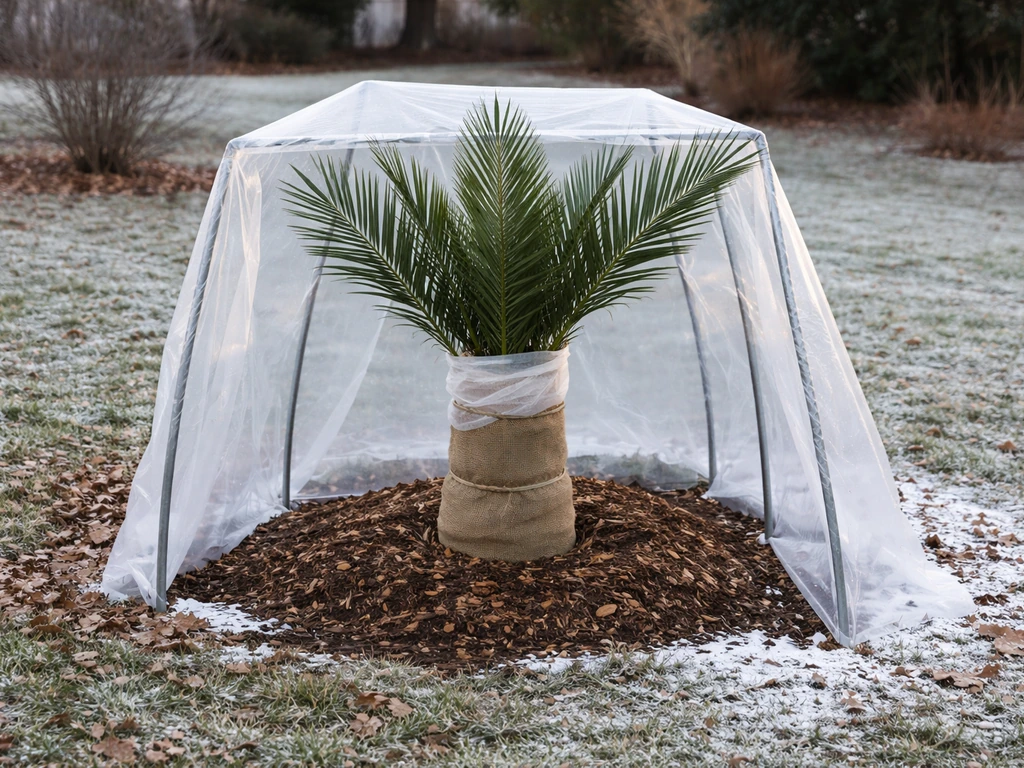
See if date palms can survive Virginia winters, how to plant, protect, and whether edible fruit is realistic.
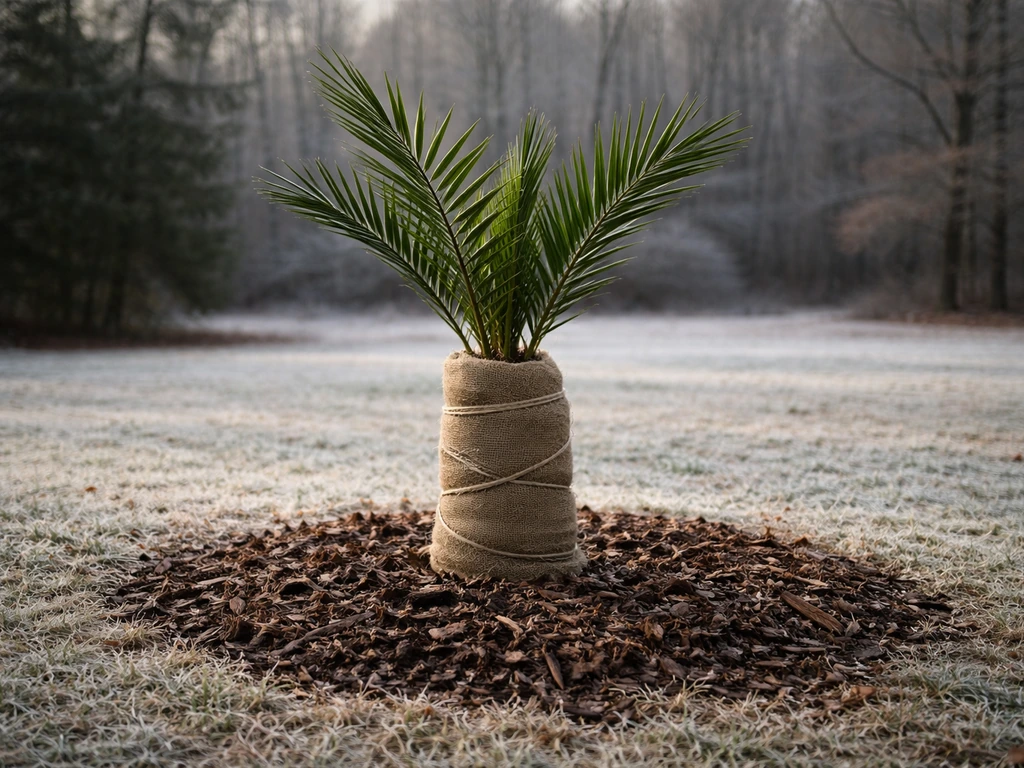
Learn if you can grow date palms in Georgia, where they survive, setup steps, and cold protection for fruiting.

Can you grow date palms in North Carolina? Winter limits, where it might work, and seed vs plant options.