
Yes, you can grow edamame in Wisconsin, and it works better than most people expect. For more on general soybean suitability and growing conditions, see can you grow soybeans (e87a6e97-ae4f-4426-9a02-c1705c353489). The key is choosing early-maturing varieties (think 75–85 days to harvest) and timing your planting carefully around your local last frost date. Southern Wisconsin gardeners in Kenosha, Dane County, or the Milwaukee suburbs have the easiest time of it, with 160–190 frost-free days that comfortably fit most garden edamame varieties. Northern growers in areas like Bayfield or Iron County are working with tighter windows of 125–135 days, but with the right early cultivar and a few season-extension tricks, a harvest is absolutely achievable.
Can You Grow Edamame in Wisconsin? Practical Guide
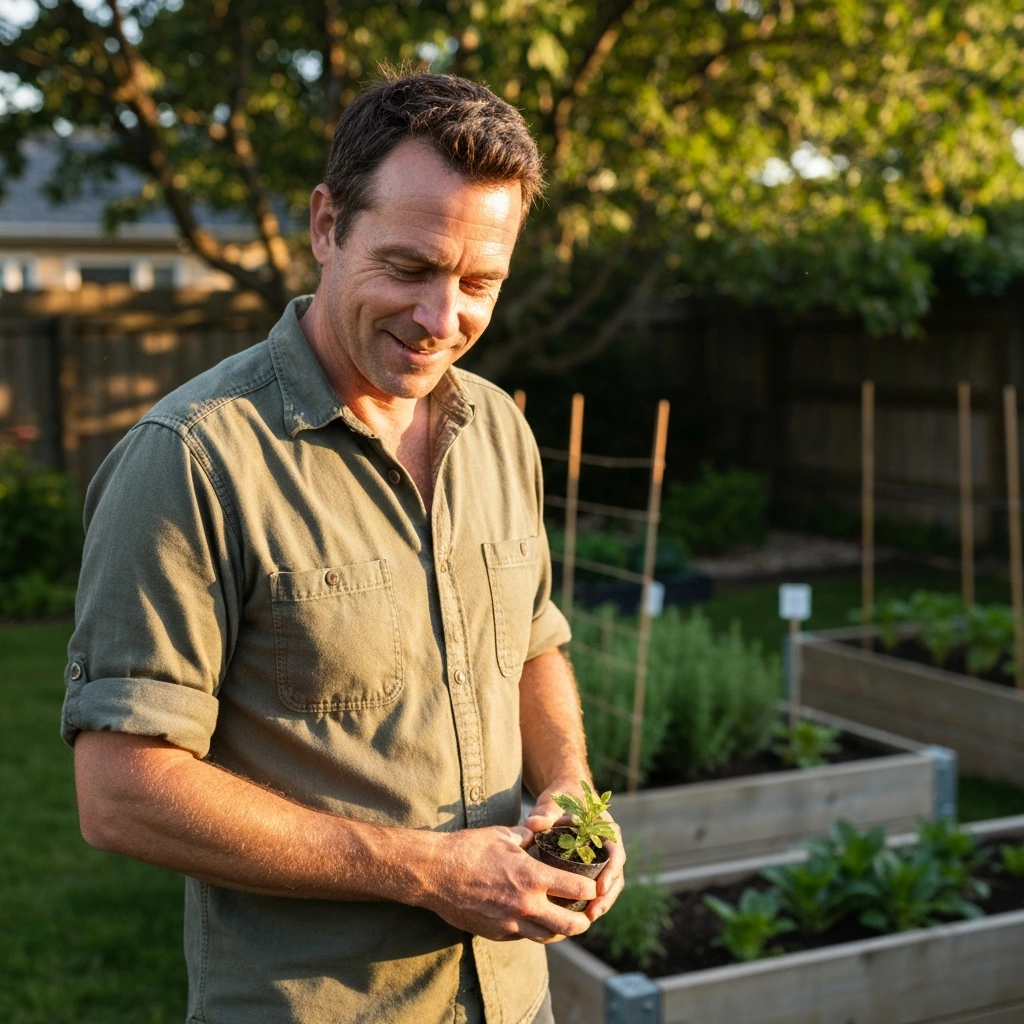
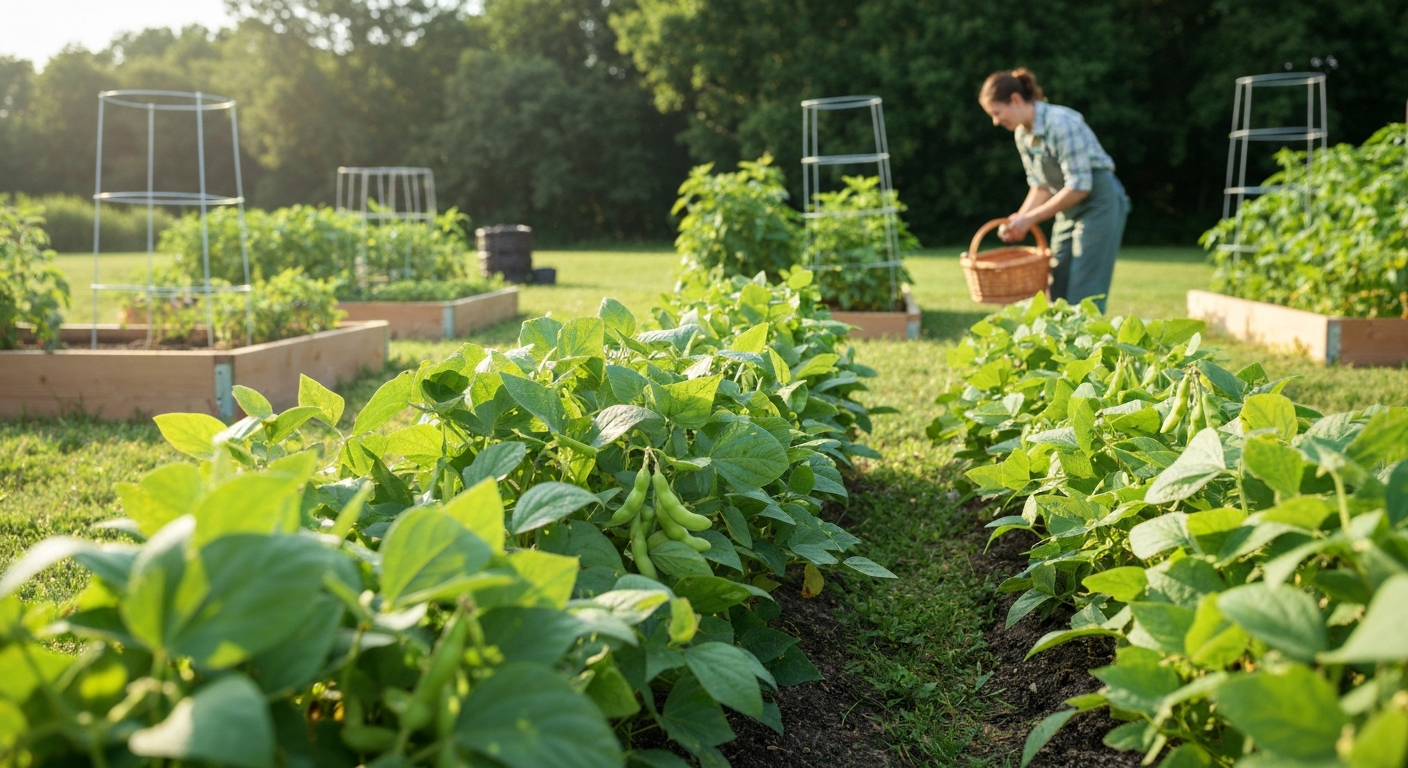
Wisconsin's climate and why it suits edamame better than you'd think
Wisconsin spans USDA plant hardiness zones 3b through 6a according to the 2023 updated map. That is a wide range, from the cold northern highlands around Bayfield and Iron River (zone 3b–4a) to the warmer Lake Michigan shoreline counties in the southeast (up to zone 6a). For edamame specifically, winter hardiness is irrelevant since it is grown as a warm-season annual, so the zones matter mainly as a proxy for how quickly your summers heat up and how long you have between frosts.
Edamame is essentially a fresh-harvest soybean, and soybeans are photoperiod-sensitive plants, meaning they need a certain day-length signal to trigger flowering. Varieties bred for northern latitudes (low maturity groups, roughly MG 000 through MG 0) are adapted to flower quickly once they reach a useful vegetative size, even under the long summer days Wisconsin experiences. Choosing those northern-adapted varieties is the single most important decision you will make as a Wisconsin edamame grower.
Summer heat accumulation also matters. UW Extension's PRISM-derived growing degree day (GDD, base 50°F) data shows that by late May, southern Wisconsin can be running at roughly twice the accumulated heat units of the far north. That means southern growers have more flexibility on variety selection and can push into slightly longer-season types, while northern growers need to stick with the earliest lines and cannot afford a late start.
How to read your local frost dates and growing season
Before you buy seed, look up the NOAA 1991–2020 climate normals for your specific county or ZIP code. The table below shows representative examples across Wisconsin that illustrate just how different the state feels from south to north.
| Location | Avg Last Spring Frost | Avg First Fall Frost | Frost-Free Days |
|---|---|---|---|
| Kenosha (ZIP 53143) | April 19 | October 26 | ~190 days |
| Dane County (ZIP 53529) | May 1 | October 10 | ~162 days |
| Sheboygan (ZIP 53001) | May 1 | October 12 | ~164 days |
| Bayfield (ZIP 54839) | May 20 | October 1 | ~134 days |
The takeaway is straightforward: Kenosha has nearly two months more growing season than Bayfield. If you are in the Fox Valley, Chippewa Valley, or anywhere in between, your dates will land somewhere in that range. A 75-day edamame variety planted two weeks after last frost fits comfortably into even the shorter northern windows, while an 87-day variety is better reserved for central and southern Wisconsin where you have the heat units to finish it before September nights get cold.
If you are growing in Minnesota-adjacent northwestern Wisconsin or comparing notes with growers in Minnesota's Twin Cities corridor, the growing conditions are quite similar. The same logic applies across the border: early varieties, prompt planting, and awareness of your first fall frost date.
Best edamame varieties for Wisconsin gardens
Not every edamame variety you see in a seed catalog will perform in Wisconsin. Avoid anything labeled 90 days or longer if you are north of Highway 29, and be cautious with those in the mid-80s range if you are in zone 4 territory. These are the varieties with the best track record in northern gardens.
| Variety | Days to Harvest | Notes | Best For |
|---|---|---|---|
| Envy | ~75 days | Very early; compact bushy plant; popular for short seasons | Northern WI (zone 3b–4b), all regions |
| Midori Giant | 75–82 days | Large pods with 2–3 beans; widely available; determinate habit | Central and northern WI; good all-rounder |
| Chiba Green | 75–82 days | Early-maturing; available in organic seed lots; good pod fill | All WI zones; organic growers |
| Tohya | ~78 days | Japanese heritage variety; excellent flavor; performs well in cooler summers | Central/southern WI |
| Besweet 292 | ~87 days | Larger-seeded, excellent eating quality; needs more heat units | Southern WI (zone 5–6a) only |
Envy is my go-to recommendation for anyone in zones 3b through 4b, including the Northwoods and the Apostle Islands region. Midori Giant and Chiba Green are solid choices for most of Wisconsin and are the varieties you are most likely to find at local garden centers or in seed catalogs that serve the Midwest. Besweet 292 has outstanding fresh-eating quality but really needs the heat accumulation of southern Wisconsin to finish properly before October.
Planting schedule: working around Wisconsin's frost dates
Edamame seed will rot in cold, wet soil, so patience pays off here. Do not rush. Wait until soil temperature at 2-inch depth hits at least 60°F, and 65°F is better. That usually means planting 1–2 weeks after your average last frost date, not on it. Below is a practical planting window by region.
| Wisconsin Region | Recommended Planting Window | Expected Harvest Window |
|---|---|---|
| Southeast (Kenosha, Racine, Milwaukee) | May 1–May 20 | Late July – early September |
| South-central (Madison, Janesville, Beloit) | May 5–May 20 | Late July – mid-September |
| East-central (Sheboygan, Green Bay, Appleton) | May 10–May 25 | Early August – mid-September |
| Central (Wausau, Stevens Point) | May 15–June 1 | Mid-August – late September |
| North (Rhinelander, Ashland, Bayfield) | May 25–June 5 | Late August – late September |
For northern Wisconsin, that June 1–5 planting cutoff is real. Plant later than that with a 75-day variety and you are gambling that the first fall frost holds off past October 1, which it often does not in Bayfield-area counties. If you miss the ideal window, consider a row cover to get two extra weeks of warmth at the season's end rather than planting late and hoping for the best.
You can also do a second succession planting in southern Wisconsin about two weeks after your first, which staggers your harvest and extends the fresh-eating window into early September. This is not worth attempting north of Highway 8 given the compressed season.
Soil and site prep: what edamame actually needs
Edamame wants full sun, meaning at least 6–8 hours of direct sunlight daily. In Wisconsin's shorter summer days, shading even for part of the afternoon will noticeably slow pod development. Pick your sunniest bed.
Soil pH is critical. UW Extension's nutrient application guidelines (A2809) recommend a target pH of around 6. Nutrient Application Guidelines for Field, Vegetable, and Fruit Crops in Wisconsin (UW–Madison Extension A2809) lists a recommended soybean target soil pH of about 6.3 and provides the state's nutrient application tables appropriate for soybean/legume cropping. 3 for soybean production in Wisconsin. That is slightly acidic, which is where most Wisconsin garden soils naturally land. If you have not tested your soil recently, a county UW Extension office can send you to a certified lab for a basic test, or you can use a mail-in service. Lime to raise pH if you are below 6.0; avoid planting in soils above 7.0 without amendment.
Drainage matters more than most people realize. Edamame seeds and early roots are susceptible to root rot in waterlogged conditions, which is a real concern in Wisconsin's clay-heavy soils common in glacial till areas. Raised beds or even a slight grade in your planting area makes a meaningful difference. Work in 2–3 inches of compost to improve both drainage and soil structure if you are dealing with heavy clay.
On fertility: edamame is a legume and fixes its own nitrogen when properly inoculated, so you do not need to pre-load nitrogen into the bed. In fact, excessive nitrogen fertilizer at planting will push leafy growth at the expense of pods. A moderate phosphorus and potassium level (confirmed by a soil test) is all you need going in. Avoid fresh manure, which can cause excessive vegetative growth and disease issues.
One step that is easy to skip but genuinely improves results in Wisconsin: inoculate your seed with Bradyrhizobium japonicum before planting, especially if soybeans or edamame have not grown in that bed in the past three years. Soybean inoculant is not the same as pea or bean inoculant, so buy the right product. If you are also using a chemical fungicide seed treatment, apply the chemical treatment first, let the seed dry completely, and then apply the inoculant last to preserve live bacteria viability.
Where to buy edamame seed for Wisconsin gardens
Edamame seed is not always easy to find at local garden centers in Wisconsin, especially in northern counties where demand is lower. Your most reliable options are mail-order seed companies that specialize in vegetable crops for northern climates.
- Johnny's Selected Seeds (Maine-based; strong northern adaptation listings, historically stocks Envy and Midori Giant)
- Territorial Seed Company (stocks Midori Giant and similar early varieties; ships to the Midwest)
- Burpee (offers Chiba Green in organic-certified seed lots; widely available and ships quickly)
- Kitazawa Seed Company (specialty Asian vegetable varieties including Japanese edamame lines)
- Park Seed / TomorrowSeeds (organic Midori Giant listings available)
- Local farm-supply co-ops in Wisconsin (occasionally stock soybean/edamame seed in bulk for small growers)
For home gardeners, small packets of 25–50 seeds are standard and sufficient for a 10–20 foot row. If you are planning a quarter-acre or more, look for pound-quantity options from seed companies that serve small commercial growers, or contact the UW Extension vegetable specialist in your county for regional supplier recommendations. Order early, as edamame varieties sell out at popular online retailers by late April.
Direct-sow vs. transplanting: which method works better in Wisconsin
Most edamame guidance recommends direct-sowing, and in southern and central Wisconsin that is solid advice. But for northern Wisconsin's short season, starting transplants indoors can buy you 2–3 weeks, which may be the difference between a full harvest and a near-miss.
Direct-sowing step by step
- Wait until soil temperature is at least 60°F at 2-inch depth (use a soil thermometer, not the calendar).
- Apply B. japonicum inoculant to seed per package instructions on the day of planting.
- Sow seeds 1 inch deep, spacing seeds 3–4 inches apart in the row.
- Space rows 18–24 inches apart.
- Water in gently and keep the soil consistently moist but not saturated until germination (7–14 days).
- Thin to final spacing of 4–6 inches between plants once seedlings reach 3 inches tall.
Indoor transplanting step by step (northern Wisconsin)
- Start seeds 2–3 weeks before your planned outdoor planting date, no earlier (soybeans dislike root disturbance from being overgrown in cells).
- Use individual 3-inch cells or small biodegradable pots to minimize root disturbance at transplant time.
- Sow 1–2 seeds per cell at 1-inch depth; keep soil at 70–75°F for germination.
- Grow under strong light (a south window or grow light 14–16 hours per day) to prevent leggy seedlings.
- Apply inoculant to roots just before transplanting outdoors by dipping roots in a slurry of inoculant and water.
- Harden off seedlings for 5–7 days before transplanting, starting with a few hours of outdoor shade.
- Transplant at the same 4–6 inch in-row spacing as direct-sown seeds; water in well.
The trade-off with transplanting is that soybeans can set back if roots are disturbed, so the shorter head start you give them in a pot, the less transplant shock you will see. Two weeks indoors is the sweet spot. If you are in zone 5–6a in southern Wisconsin, do not bother with transplanting. Direct-sow and spend your energy on soil prep instead.
Spacing, watering, fertility and daily care through pod fill
Final in-row spacing of 4–6 inches produces the best combination of yield per plant and per square foot. Edamame plants grow bushy to around 18–24 inches tall and do not need staking. Rows spaced 18–24 inches apart allow good airflow, which matters for disease prevention in Wisconsin's humid summers.
Watering
Edamame needs consistent moisture but not waterlogged soil. Target roughly 1 inch of water per week through vegetative growth. Flowering and pod-fill are the two most moisture-sensitive stages, typically occurring 45–65 days after planting depending on variety. A moisture deficit during pod-fill will directly reduce the number of beans per pod and overall yield, so if rainfall is short during July and August, supplement with drip irrigation or soaker hoses rather than overhead watering, which can promote fungal disease.
Fertilizing
If you inoculated properly, edamame will meet most of its own nitrogen needs through fixation. What you do need to monitor is phosphorus and potassium, particularly on sandy soils common in central Wisconsin's Central Sand Plain. A starter application of a balanced fertilizer (something like 5-10-10) at planting is fine, but hold off on additional nitrogen side-dressing. Excess nitrogen at flowering delays pod set and pushes leafy growth. If plants are a deep, healthy green and setting flowers by day 40–50, your fertility program is working.
Weed control
Edamame is slow to canopy in the first 3–4 weeks and is a poor competitor against weeds during that window. Hand-cultivate shallowly (no deeper than 1 inch to avoid disturbing root nodules) once a week until the plants close canopy around week 5–6. A 2-inch layer of straw mulch laid around seedlings after thinning suppresses weeds, retains soil moisture, and keeps soil temperatures more stable during cool June nights in northern Wisconsin.
Pests and diseases to watch for in Wisconsin
Wisconsin edamame growers deal with a handful of recurring pest and disease issues, most of which overlap with general soybean production in the Upper Midwest.
Common pests
- Bean leaf beetles: chew irregular holes in foliage; hand-pick on small plots or use row cover during establishment; rarely fatal to mature plants
- Soybean aphids: cluster on new growth and undersides of leaves; heavy infestations reduce yield; knock off with a strong water spray or apply insecticidal soap early
- Japanese beetles: skeletonize leaves in mid-summer; hand-pick into soapy water in the morning when beetles are sluggish; traps are rarely worth using near the garden
- Spider mites: thrive during hot, dry stretches; keep plants well-watered; treat with a miticide or neem oil if population explodes
- Deer and rabbits: in rural Wisconsin these can be significant; a simple wire fence or row cover pays for itself quickly
Common diseases
- Phytophthora root rot: most damaging in poorly drained soils; prevention through drainage and raised beds is far more effective than fungicides
- White mold (Sclerotinia): favors cool, wet summers; improve airflow with proper spacing and avoid overhead irrigation
- Brown stem rot: more common in commercial fields than home gardens, but relevant in wet years; rotate crops and avoid replanting in the same bed more than once every 3 years
- Bacterial pustule and frogeye leaf spot: typically cosmetic on garden-scale plantings; manage by watering at the base and maintaining good airflow
Harvest timing and what to expect from your plants
Edamame has a narrow harvest window of about 5–7 days, so you need to watch the plants closely. The sweet spot is when pods are plump and filled with beans that feel firm under your thumb, but before the pods turn yellow. On most varieties the pods will be a bright, deep green with a slight sheen. Shake a branch gently: if the pods rattle, you are past peak. If you press a pod and feel firm resistance but no rattle, you are right on time.
For a typical 10-foot row of edamame at 5-inch in-row spacing (about 24 plants), expect roughly 2–4 pounds of fresh pods at peak harvest. Yield varies considerably by variety, growing conditions, and how well pod-fill went. Midori Giant tends toward the higher end of that range when moisture was adequate through August. Northern Wisconsin growers with a compressed season may see slightly lower yields per plant, but the flavor at fresh harvest is outstanding regardless of where you are in the state.
Harvest the entire plant at once by pulling or cutting it at the base, then strip all pods. This is faster and more efficient than picking individual pods, and since edamame is determinate, all pods on a plant are usually ready within a day or two of each other.
Blanching, freezing and storing your harvest
Edamame loses sweetness rapidly after harvest as sugars convert to starch, so process your beans the same day you pick them if at all possible. Blanch in-pod: bring a large pot of salted water to a rolling boil, add pods, blanch for exactly 4–5 minutes, then transfer immediately to an ice bath. Once cooled completely, drain well and either eat fresh or freeze in zip-lock freezer bags with air pressed out. Frozen edamame blanched this way holds excellent quality for 8–12 months.
If you want to shell the beans before freezing, blanch first then shell after cooling. Shelled frozen edamame takes up far less freezer space and is faster to use in cooking, which I find more practical when I have a 3–4 pound harvest to process on a weeknight.
Season extension: row covers, containers and greenhouse options
For northern Wisconsin growers, a floating row cover (lightweight spunbond fabric rated to 2–4°F of frost protection) deployed at planting and removed once daytime temperatures are consistently above 70°F can give you 10–14 extra days of growing warmth at the start of the season. That window is meaningful when your last frost date is May 20.
At the season's end, the same row covers can protect pods from an early light frost in late September, buying you another week of pod-fill time. A hard frost below 28°F for several hours will damage pods, but a light frost of 30–32°F covered with fabric is often survivable.
Container growing is viable for edamame in Wisconsin, particularly on urban decks and patios in Milwaukee or Madison where heat radiating from pavement and buildings can bump your effective microclimate up by half a zone. Use containers at least 12 inches deep and 12 inches wide per plant, and go with compact varieties like Envy. Container plants dry out faster than in-ground beds, so daily watering during pod fill in July and August is not unusual. A cold-frame or unheated high tunnel extends the season meaningfully at both ends and is worth the investment if you are growing on a small market scale.
Wisconsin resources for edamame and vegetable soybean growers
UW-Madison Extension is one of the better land-grant resources in the Midwest for home and small-scale vegetable production. Their nutrient application guidelines (publication A2809) are the authoritative source for soil pH and fertility recommendations specific to Wisconsin. County Extension offices can connect you with local soil testing labs, frost date records, and occasionally regional seed trial data.
Wisconsin DATCP publishes statewide growing degree day summaries that are particularly useful for timing your first planting and for tracking crop progress once plants are in the ground. These GDD maps and tables are updated regularly during the season and draw on PRISM and Midwestern Regional Climate Center data. For growers who want to get more precise about timing than a calendar allows, tracking GDD accumulation from planting is a practical upgrade.
If you are comparing experiences with growers in similar climates, the guidance for growing edamame in Minnesota is highly applicable to northern Wisconsin given the overlapping USDA zones and frost windows. Can you grow edamame in Minnesota? offers specific tips and direct comparisons for growers across the border. For readers in Canada, see our guide titled can you grow edamame in Canada for climate- and variety-specific advice. Conversely, growers in Pennsylvania and the mid-Atlantic are working with a longer season and warmer summers, so their variety recommendations skew toward later-maturing types that would not finish in Wisconsin's north. For more region-specific guidance, see Can you grow edamame in Pennsylvania which covers variety and timing recommendations for the mid-Atlantic. Keep that latitude filter in mind when reading edamame guides aimed at a national audience. For gardeners wondering about similar questions, such as "can you grow black beans in Canada", regional climate comparisons help determine whether warm-season beans will mature.
FAQ
Can you grow edamame (fresh soybean) reliably in Wisconsin?
Yes — home gardeners and small-scale growers across much of Wisconsin can grow edamame successfully if they choose early-adapting varieties and match planting to local frost windows. Southern and central Wisconsin (longer, warmer growing seasons) have the highest reliability; northern counties with short seasons require the earliest-maturing, cold-tolerant lines and sometimes season extension (row covers/greenhouse).
What determines whether edamame will mature here?
Two main constraints: (1) heat accumulation (growing-degree days) so plants can reach flowering and pod fill, and (2) frost-free window length. Soybean is photoperiod-sensitive, so varieties bred for northern latitudes or with very early maturity groups are essential where the season is short. Match variety days-to-maturity to your local last-spring and first-fall frost dates (local frost-free days in WI range roughly 125–190).
Which edamame varieties are recommended for Wisconsin and short seasons?
Choose varieties marketed as early/for northern climates or specifically listed as edamame. Common garden recommendations: Midori Giant (early-to-mid, often listed ~70–95 days), Chiba Green (~75–82 days), Envy (very early), and other low-maturity/’early’ lines. For the shortest-season northern sites, seek varieties described as bred for high latitudes or ‘extra early’ maturity. Always check supplier days-to-maturity and compare to your local frost window.
When should I plant edamame in Wisconsin (direct-sow vs transplant)?
Direct-sow after the danger of hard frost has passed and soil temperature is at least ~55°F–60°F — generally mid/late May in many parts of WI but earlier in the south. For areas with late spring frost or cold soils, start transplants indoors 3–4 weeks before last frost and transplant after soils warm; however, soybeans transplant poorly relative to direct-sown beans, so transplants are mainly useful for season extension in the far north or protected systems.
How do I choose planting dates based on my local frost dates?
Calculate your frost-free window (last spring frost to first fall frost). Subtract the variety’s days-to-maturity plus a cushion (7–14 days) from your first fall frost to get latest safe planting; plant as soon as soil and air conditions permit after last frost for maximum yield. Example: for a 75‑day edamame in a location with ~160 day window, planting in late May–early June is generally safe; in a 130‑day window, you’ll need an earliest-maturing variety and possibly season extension.
What soil and site preparation do edamame plants need?
Site: full sun, well-drained soil. Aim for soil pH ~6.3 (UW recommendation). Prepare a weed-free seedbed with good tilth and organic matter. Incorporate any needed lime or phosphorus/potassium per soil test and UW nutrient guidelines for soybean. Avoid waterlogged or very compacted sites.
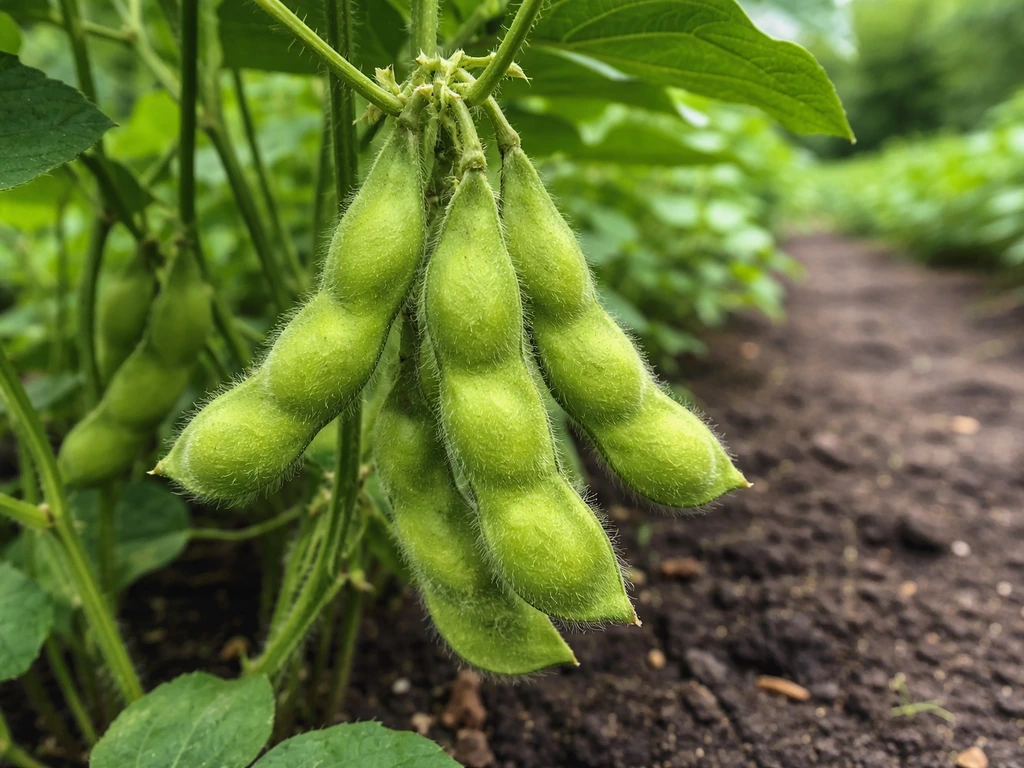
Learn if you can grow edamame in Minnesota, choose short-season varieties, plant dates, care tips, and harvest timing fo
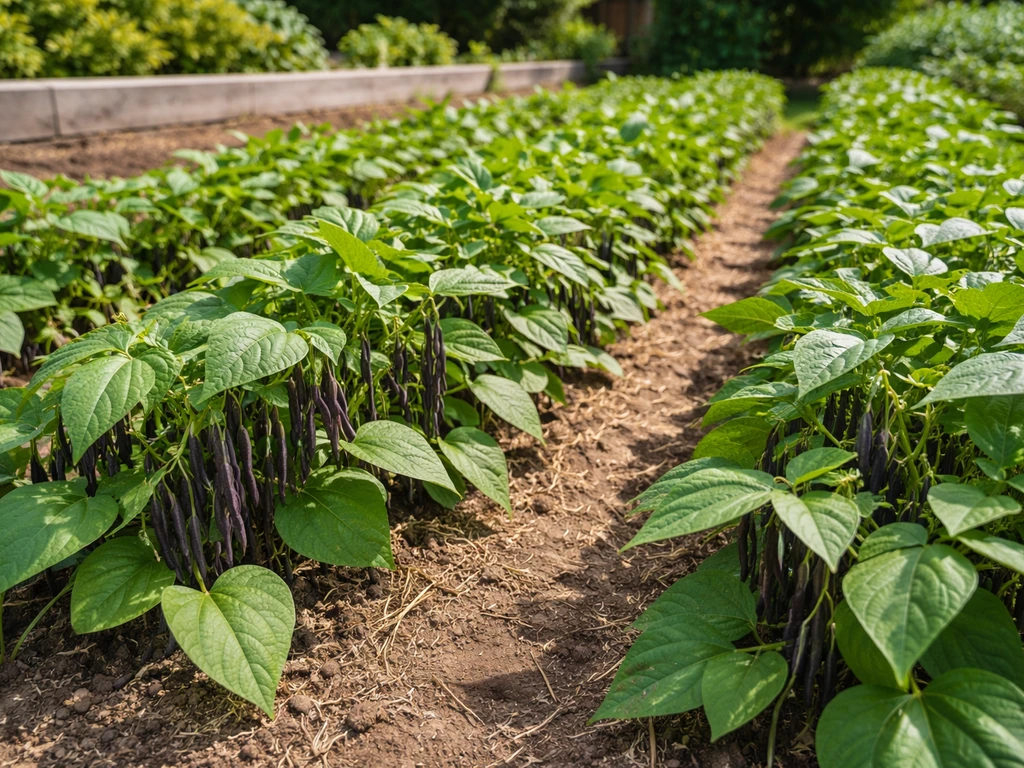
Yes. Learn when and how to grow black beans in Canada, with timelines, planting tips, and pest and harvest guidance.
Yes in many US regions: soybean growing guide for grain or edamame, with climate checks, planting, inoculation, harvest.