
Yes, you can grow black beans in Canada, but your success depends heavily on where you live and how quickly you act on timing. Black beans need roughly 85 to 100 days of frost-free, warm weather to reach dry bean maturity, so growers in southern Ontario, British Columbia's Lower Mainland, and parts of Quebec and the Prairies can pull it off with the right short-season variety. Growers in shorter-season zones farther north will find it much harder to get fully dry beans off the vine before first frost, though they can still harvest for fresh use. You can apply the same Canada-specific timing and short-season approach to growing edamame, too can you grow edamame in canada.
Can You Grow Black Beans in Canada? Planting Guide
Marcus Holloway
15 Jun 2026
How Canada's climate actually affects black bean growing
Black beans are a warm-season crop that hate cold soil and frost at both ends of the season. They need soil temperatures of at least 15°C before they'll germinate reliably, and they accumulate growing degree-days (GDD) above a base temperature to develop and mature. The challenge in Canada is that blank" rel="noopener noreferrer">bean varieties typically require 100 to 120 days to reach full dry maturity, and most of the country simply doesn't have that long a frost-free window at consistent warmth.
Environment and Climate Change Canada tracks the freezing-free period as days between the last spring frost (on or before July 15) and the first fall frost (after July 15), using 0°C as the threshold. In practice, some agricultural regions in Canada may not accumulate enough heat units for warm-season crops to fully mature. Statistics Canada’s frost free days dataset defines frost-free days for warm season crops (>0°C) as the number of days in the forecast period when the minimum temperature stays above the frost threshold, and notes that some Canadian agricultural regions may not have sufficiently long growing seasons for crops to reach maturity may not accumulate enough heat units for warm-season crops to fully mature. That's the honest reality you have to work with.
Here's a rough breakdown by region to help you figure out where you stand:
| Region | Approx. Frost-Free Days | Black Bean Feasibility |
|---|---|---|
| Southern Ontario (Windsor, Niagara, Hamilton) | 150–180+ days | Excellent — full dry bean harvest is realistic |
| BC Lower Mainland and Vancouver Island | 180–200+ days | Excellent — one of Canada's best spots |
| Quebec (Montreal corridor) | 130–160 days | Good — short-season varieties work well |
| Southern Alberta and Saskatchewan (Lethbridge, Regina) | 110–130 days | Possible — requires earliest short-season varieties |
| Manitoba (Winnipeg area) | 115–130 days | Marginal — tight timing, choose 85-day varieties |
| Northern Ontario, interior BC, Maritimes | 90–120 days | Difficult — fresh harvest is more realistic than dry beans |
| Northern Canada (AB/SK/MB north, territories) | Under 90 days | Not recommended for dry bean production |
If you're in BC, southern Ontario, or the Montreal corridor, you're in the best position. If you're on the Prairies, you can still do it with careful variety selection and timing. The Maritimes are trickier because of cooler, wetter summers even where frost-free days are adequate.
Best types of black beans to grow in Canada
The most important decision you'll make is picking a variety with a short enough maturity window. Forget heirloom varieties that need 110 or 120 days unless you're in Windsor or the Okanagan. For most of Canada, you want a bush-type black bean that matures in 85 to 95 days.
Bush vs. pole black beans
Bush black beans are the clear winner for Canadian conditions. They mature faster than pole types (typically 85 to 95 days vs. 100 or more for pole varieties), they don't need trellising, and they put their energy into producing pods quickly rather than growing upward. Pole black beans are better suited to longer, warmer seasons. If you're in a marginal zone, bush types aren't just more convenient, they may be the only option that actually works.
Recommended varieties for Canadian seasons
- Black Valentine (55–60 days for snap, 85–90 days for dry): One of the best short-season choices, widely available in Canada.
- Black Turtle (90–100 days): The classic dry black bean. Works in southern Ontario and BC. Tight but doable.
- Midnight Black (around 60 days snap, 90 dry): Good cold-soil tolerance relative to other varieties.
- Condor (85–90 days): A bush-type dry black bean bred for shorter growing seasons, popular with Prairie growers.
- Any open-pollinated variety labeled 'short-season' or 'early' with a dry bean maturity of 85–95 days.
Check seed catalogues from Canadian suppliers like William Dam Seeds, West Coast Seeds, or Prairie Garden Seeds. They stock varieties specifically selected for Canadian climate windows, which takes the guesswork out of maturity dates.
When to plant black beans in Canada
Timing is everything with black beans. Sow too early and the seeds rot in cold soil. Miss the window and first frost catches you before the pods dry down. Here's the approach that works.
Direct sowing outdoors
Wait until after your last frost date AND until soil temperature at 5 cm depth consistently hits 15°C. In most of southern Canada, that lands somewhere between mid-May and early June. Soil temperature matters more than the calendar date. A soil thermometer (cheap and worth every cent) is more reliable than any planting chart. If you sow when soil is below 15°C, germination is slow, patchy, and seeds are vulnerable to soil-borne rot.
| Region | Approximate Last Frost | Target Sowing Date |
|---|---|---|
| Southern Ontario, BC Lower Mainland | Late April – Early May | Mid-May to late May |
| Quebec (Montreal area) | Early to mid-May | Late May to early June |
| Southern Prairie provinces | Mid-May | Late May to early June |
| Maritimes (New Brunswick, NS, PEI) | Late May | Early to mid-June |
Starting indoors (worth it for short-season zones)
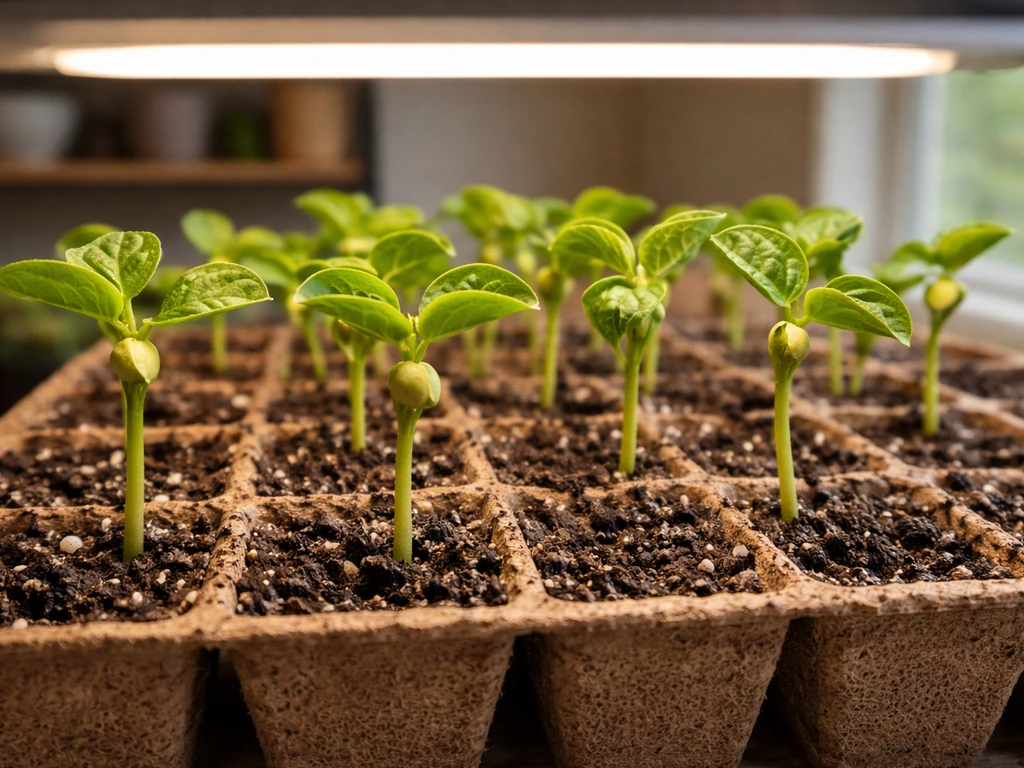
Beans don't love being transplanted because their roots are sensitive. That said, if you're in a marginal zone like Manitoba or the Maritimes, starting seeds indoors 2 to 3 weeks before your last frost date can buy you the growing window you need. Use biodegradable pots you can plant directly into the ground to minimize root disturbance. Harden seedlings off carefully over 5 to 7 days before transplanting, and don't rush them out if nights are still cold.
Soil, light, and water: what black beans actually need
Soil
Black beans want well-drained, moderately fertile soil with a pH of 6.0 to 7.0. They're legumes, meaning they fix their own nitrogen with the right soil bacteria (Rhizobium), so you don't need to load up on nitrogen fertilizer. In fact, too much nitrogen pushes leafy growth over pod production. Work compost into the bed before planting, but skip the heavy nitrogen feeds. If you've never grown beans in a particular spot, consider inoculating seeds with a bean-specific Rhizobium inoculant, it's inexpensive and can measurably improve yield, especially in new garden beds.
Light
Full sun is non-negotiable. Black beans need at least 6 to 8 hours of direct sunlight per day. In Canada's already short warm season, partial shade will delay maturity and reduce yield. Pick your sunniest spot, ideally with a south-facing orientation and some wind protection to retain warmth.
Watering
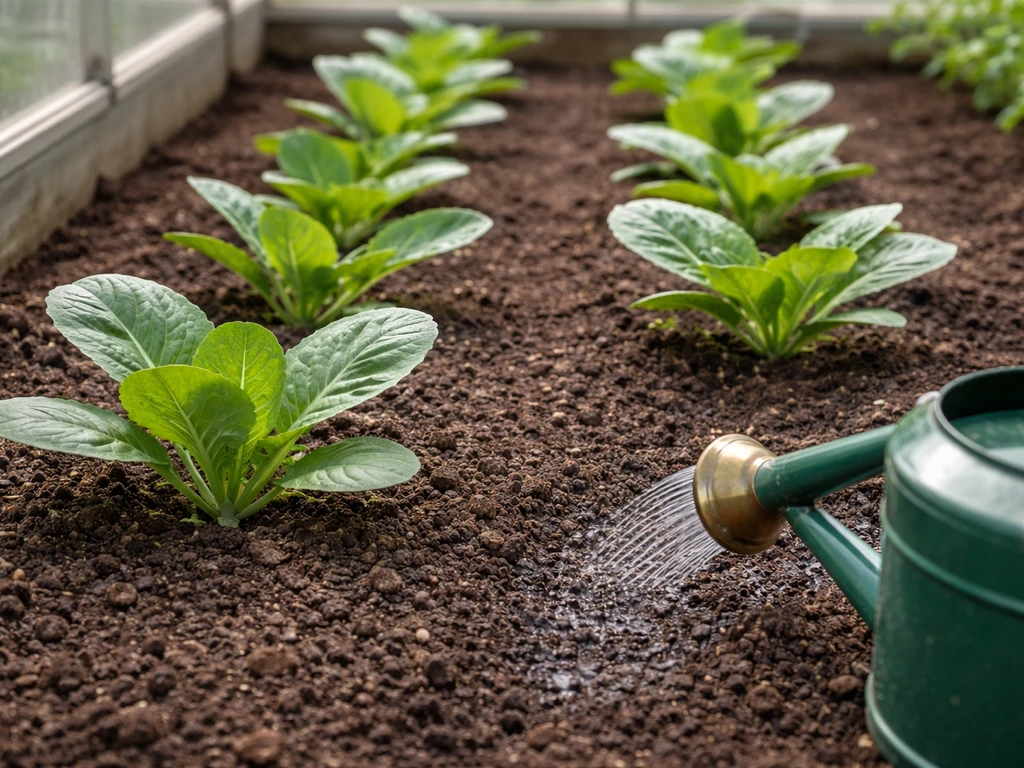
Black beans need consistent moisture during germination and flowering, but they don't like waterlogged roots. Aim for about 2.5 cm (1 inch) of water per week. Drip irrigation or soaker hoses work better than overhead watering because wet foliage promotes fungal disease. Once pods are filling and starting to dry down, back off the water. Too much moisture at the pod-drying stage causes mold and splitting.
Container growing vs. in-ground: spacing and setup
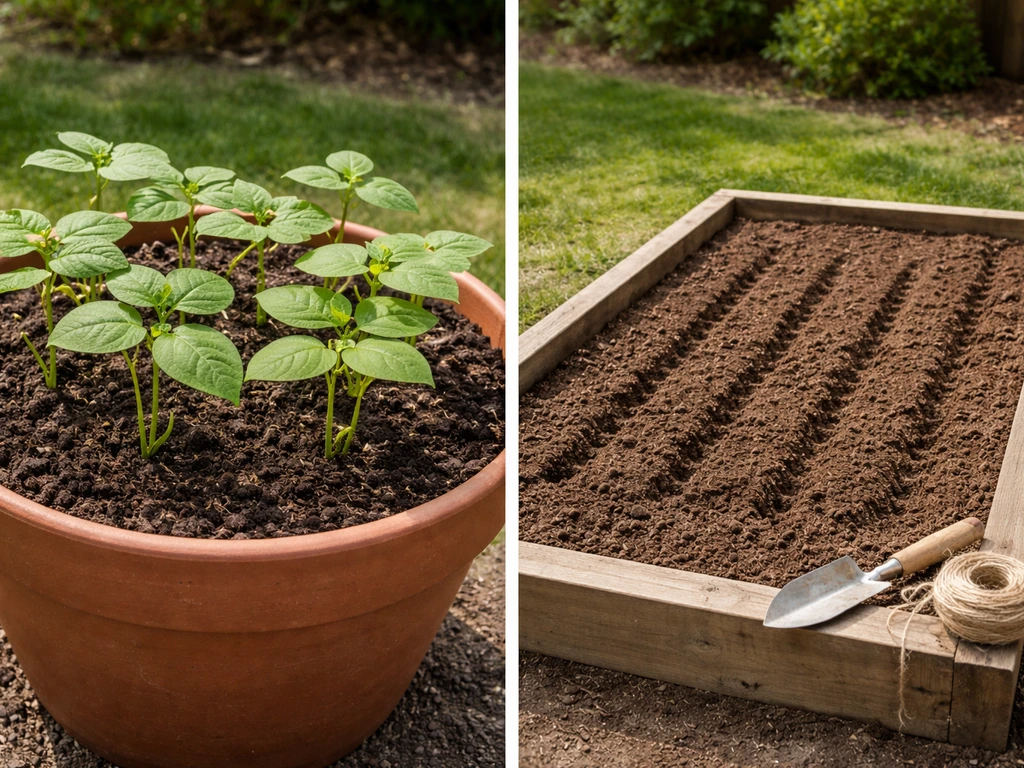
Black beans can absolutely be grown in containers, which is especially useful for growers in cooler microclimates who want to move plants to maximize heat. For containers, use a pot that's at least 30 cm (12 inches) deep and wide, with good drainage. Bush varieties work best in containers. You can fit 2 to 3 plants per 12-inch container or one plant per 6-inch container. Use a dark-colored container to absorb more heat, and place it on a south-facing balcony, patio, or deck. The extra heat absorption helps in Canada's cooler shoulder seasons.
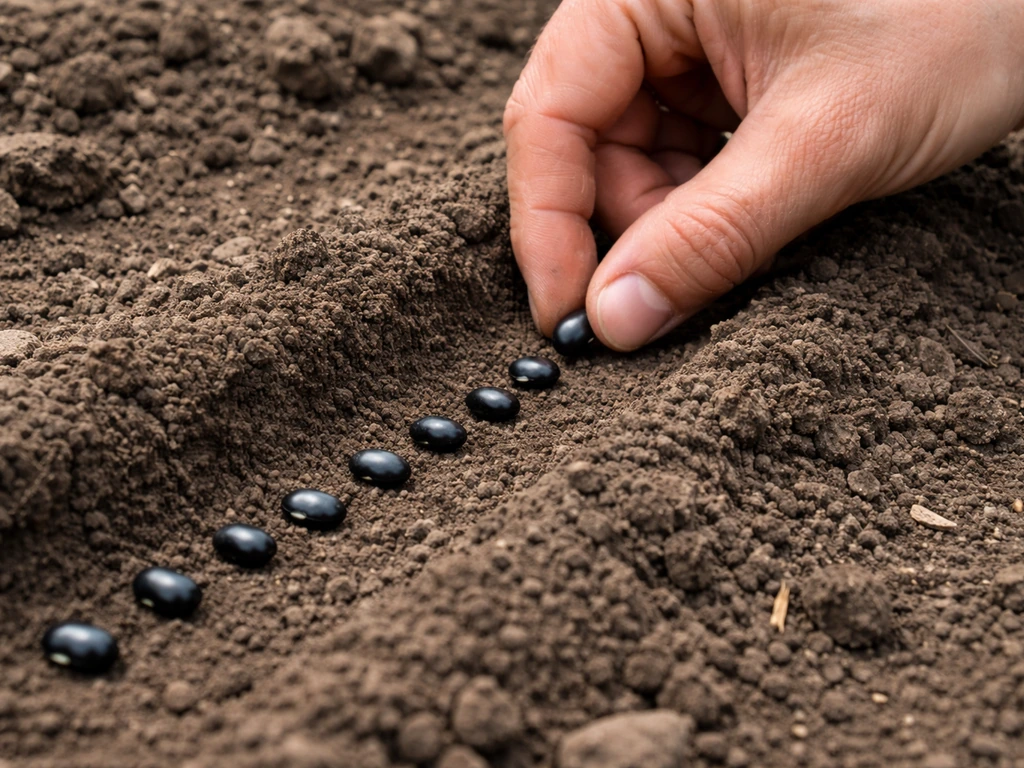
For in-ground growing, plant seeds 5 cm (2 inches) deep and space them 10 to 15 cm (4 to 6 inches) apart within rows, with rows 45 to 60 cm (18 to 24 inches) apart. Bush black beans don't need staking, but they grow more upright and easier to manage if not overcrowded. Pole varieties, if you're growing them in a long-season zone, need a trellis or poles at least 1.5 to 1.8 metres tall.
Pests, diseases, and problems to watch for in Canada
Common pests
- Mexican bean beetle: Look for yellow larvae and skeletonized leaves. Hand-pick and use row covers early in the season.
- Aphids: Cluster on new growth and undersides of leaves. Knock off with a strong water spray or use insecticidal soap.
- Slugs: Especially a problem in wetter regions like BC and the Maritimes. Use iron phosphate bait or diatomaceous earth around the base of plants.
- Seed corn maggot: Damages seeds in cool, wet soil — another reason not to plant too early. Delay sowing until soil is warm.
Common diseases
- White mold (Sclerotinia): A serious issue in humid parts of Canada. Improve airflow by not overcrowding plants and avoid overhead watering.
- Bean common mosaic virus: Spread by aphids. Control aphid populations early and remove infected plants immediately.
- Bacterial blight: Shows as water-soaked lesions on leaves. Avoid working around plants when they're wet. Rotate crops — don't grow beans in the same spot two years in a row.
- Root rot: Usually caused by planting in cold, wet soil. Wait for proper soil temperature before sowing.
The best defense in Canadian conditions is timing and airflow. Plants stressed by cold soil or crowded spacing are far more vulnerable. Crop rotation every 2 to 3 years is also worth doing to avoid buildup of soil pathogens.
Harvesting, drying, and storing your black beans
Knowing when to harvest
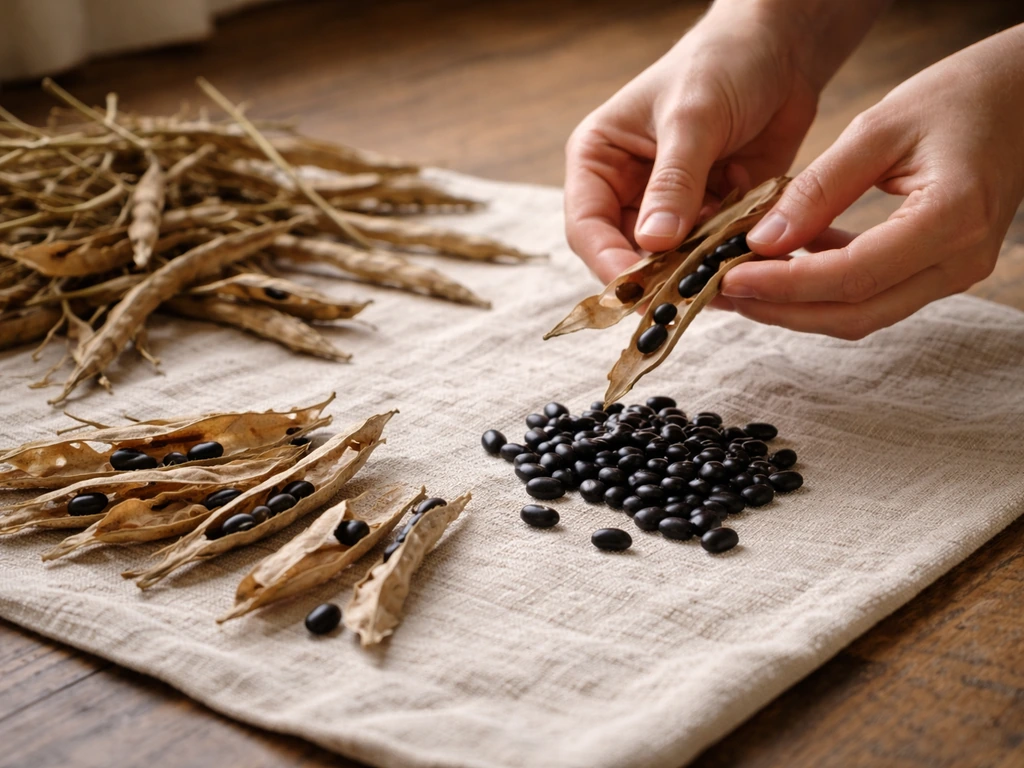
For dry black beans, you want to leave pods on the plant until they're fully dry and papery, and you can hear the beans rattle inside. The beans themselves should be hard and fully black. In Canada, you're racing the first fall frost to get to this stage. If frost is coming and pods aren't fully dry yet, pull the entire plant out of the ground and hang it upside down in a warm, dry, well-ventilated space like a garage or porch. The pods will finish drying off the plant.
Threshing and cleaning
Once pods are fully dry and crackly, thresh the beans out. The simplest method: put the dried plants in a pillowcase or large cloth bag and beat it against a hard surface, or just shell pods by hand for smaller harvests. Winnow out the chaff by pouring beans between two buckets in a light breeze, or use a fan on low setting. Your beans should be clean, hard, and fully black.
Drying before storage
Before storing, spread beans in a single layer on a tray and let them air dry for another 1 to 2 weeks indoors. Beans need to be down to about 14 to 16% moisture content for safe long-term storage. A simple test: if a bean dents when you press it hard with a fingernail, it's still too moist. If it's rock-hard, you're good.
Storage
Store dried black beans in airtight glass jars or sealed food-grade containers in a cool, dark location. Properly dried and stored beans will stay good for 1 to 2 years for cooking, and up to 4 to 5 years if stored in ideal conditions (cool, dark, and dry). For seed-saving, store a portion separately and aim to use saved seed within 2 to 3 years for best germination rates.
A quick word on black beans vs. other legumes in Canada
If you're exploring legume growing in Canada more broadly, it's worth knowing that edamame and soybeans face similar climate constraints, especially in shorter-season zones. Soybeans face similar climate limits as black beans, so you still need enough heat units and frost-free time to reach maturity can you grow soybeans. Like black beans, they're warm-season crops that need heat accumulation and a solid frost-free window. Yes, the same general timing and heat requirements apply if you're wondering can you grow edamame in Pennsylvania. The variety-selection and timing advice here applies broadly to most bean and legume crops in Canadian gardens. Edamame is another warm-season soybean, and you generally need a long enough frost-free stretch and heat to grow it successfully, so it helps to choose short-season varieties if you're in Minnesota can you grow edamame in minnesota.
Your action plan for this season
- Find your last frost date and count forward to estimate your frost-free window. If you have 90 or more days, you're in play.
- Order a short-season bush black bean variety (85 to 95 day maturity) from a Canadian seed supplier now if you haven't already.
- Pick your sunniest, most sheltered garden bed or container spot.
- Wait until soil hits 15°C at planting depth before sowing — check with a thermometer, not just the calendar.
- If you're in a marginal zone, start seeds indoors in biodegradable pots 2 to 3 weeks before last frost.
- Water consistently during flowering, back off as pods dry, and be ready to pull plants before first fall frost if pods aren't fully dry.
- Hang and finish-dry if needed, thresh, clean, and store in airtight containers.
FAQ
Can you grow black beans in Canada for dry beans, or is it only possible for fresh pods?
You can do both. For dry beans, the key is getting pods fully dry and crackly before fall frost, which usually means southern regions and short-season bush varieties. In cooler or very short-season areas, many gardeners harvest before full dryness and treat it as a fresh shell bean or snap-like crop rather than true dry storage beans.
What happens if I plant black beans before the soil reaches 15°C, is it safe to experiment?
It often leads to slow, uneven germination and higher seed-rot risk. If you want to experiment, consider using black plastic mulch or cloches to warm the soil, then recheck with a soil thermometer. Planting early without warming is the most common reason Canadian gardeners end up with patchy stands.
Do I need to inoculate black bean seeds with Rhizobium in Canada?
Not always, but it helps most when you are growing beans in a bed where legumes have not been grown recently. If you are replanting after beans or peas, the bacteria may already be present. For new beds or long gaps in bean rotation, inoculation can measurably improve yield even in Canada’s climates.
Should I fertilize black beans for maximum yield?
Avoid heavy nitrogen. Because beans fix nitrogen, extra nitrogen commonly increases vines and leaves while reducing pod set. A light boost from compost before planting is usually enough, and if you amend at all, focus on general soil fertility rather than a nitrogen-heavy feed.
How can I tell whether my plants are getting enough water without promoting disease?
Use the plant stage as your guide. Keep soil evenly moist during germination and early flowering, then reduce watering as pods start filling and especially as they begin drying down. If you see wet foliage for long periods or persistent fungal issues, switch to drip or soaker irrigation and water earlier in the day so leaves dry quickly.
What spacing should I use in a Canadian garden to avoid mold and improve airflow?
Aim for the recommended row spacing and avoid overcrowding in-row. Tight spacing reduces airflow and increases fungal pressure, which is particularly risky when nights are cool during pod filling. If you had disease issues before, consider slightly wider spacing and prune or thin only if your variety tends to get very dense.
Can I grow black beans in containers in Canada, and what changes compared with in-ground?
Yes. Use bush varieties, because they are more manageable and compact. Container depth and width matter for heat retention and root development, at least about 30 cm deep, and place containers in the warmest south-facing spot. Also, container soil dries faster, so check moisture more frequently, but stop heavy watering once pods begin to dry.
Should black beans be trellised in Canada?
Bush black beans usually do not need trellising. If you grow pole types in a longer-season microclimate, trellising is important for vertical growth and easier harvest. In marginal zones, trellising a pole bean can increase stress and reduce the chance of reaching full dry maturity before frost.
How do I know when to pick for dry beans versus letting them keep drying outside?
For dry beans, harvest when pods are fully dry and papery and you can hear beans rattle inside. If fall frost is approaching and pods are not dry enough, pull the whole plant and hang it upside down in a warm, dry, ventilated space to finish drying. This frost-risk step is often the difference between usable dry beans and moldy pods.
What’s the best way to store black beans so they stay safe and don’t spoil?
Store only after they are truly dry, roughly when they are hard and do not dent easily with a fingernail. Air-dry a final 1 to 2 weeks indoors if needed, then keep them in airtight sealed containers in a cool, dark place. If you live in a humid area, check the container seals and inspect periodically for any moisture change.
Can I save seed from my Canadian crop, and how long will it stay viable?
Yes, but store seed separately from eating beans. Use only fully mature, hard black beans, then keep them cool and dry. For best germination, use saved seed within about 2 to 3 years, because viability declines faster if moisture is high or storage conditions fluctuate.
Can I use the same approach for other legumes like soybeans or edamame in Canada?
In general, yes: variety maturity and heat units matter more than the calendar date. Soybeans and edamame are also warm-season crops, so choose short-season varieties for your frost-free window, then base planting timing on soil warmth and timing your harvest before first frost. However, pod-drying and harvest targets differ, so adjust the “when to pick” timing for each crop.
Next Articles
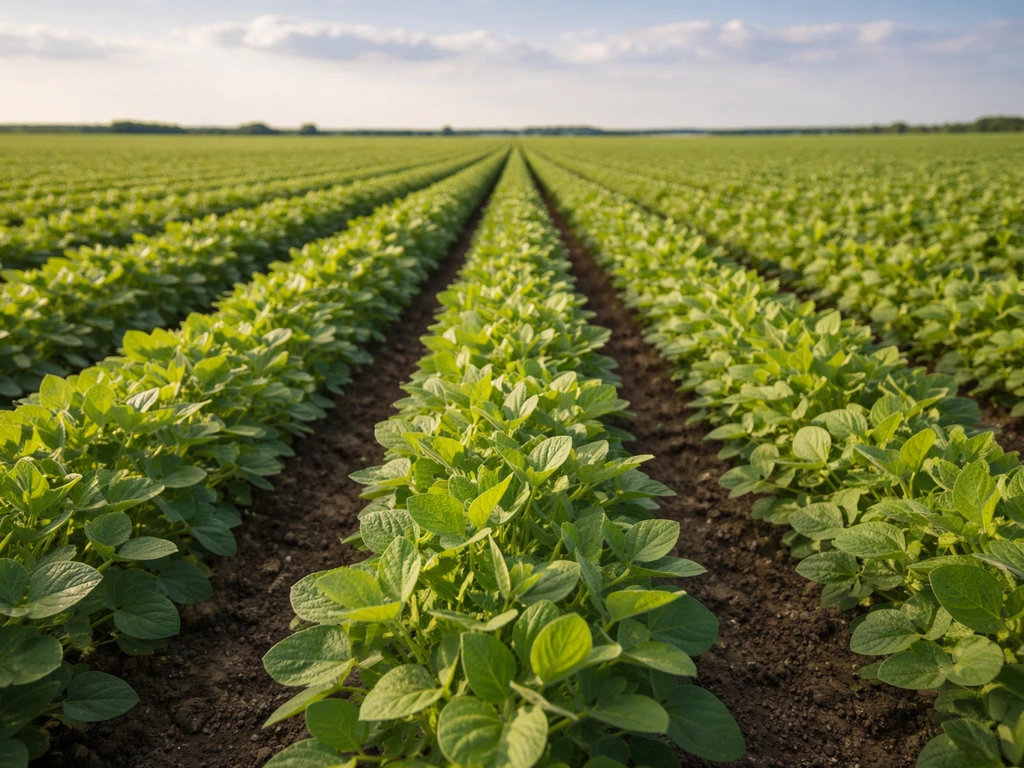
Can You Grow Soybeans in the US? Planting Guide
Yes in many US regions: soybean growing guide for grain or edamame, with climate checks, planting, inoculation, harvest.
Can You Grow Okra in Canada? Ontario Guide & Short‑Season Tips
Can you grow okra in Canada? Regional verdict, Ontario-specific steps, varieties, season-extension & harvest tips.
Can You Grow Asparagus in Canada? Planting Guide by Zone
Grow asparagus in Canada by zone: site, hardiness, crowns or seed, planting depth, care, and harvest plus fixes