
Yes, you can grow soybeans in most of the continental US, and a surprising number of home gardeners can pull it off with a standard vegetable garden setup. The key variables are whether your warm season is long enough, whether your soil drains reasonably well, and whether you're growing them for mature grain or as edamame (harvested green). If you're in the Midwest, South, or most of the mid-Atlantic and Northeast, you almost certainly have the climate for it. The Pacific Northwest and far northern states need short-season varieties but can still get there. Black beans are a different bean crop than soybeans, but Canada gardeners can still grow them in suitable warm-season areas with the right variety and a long enough frost-free window home gardeners.
Can You Grow Soybeans in the US? Planting Guide
Quick yes/no: can soybeans grow where you are
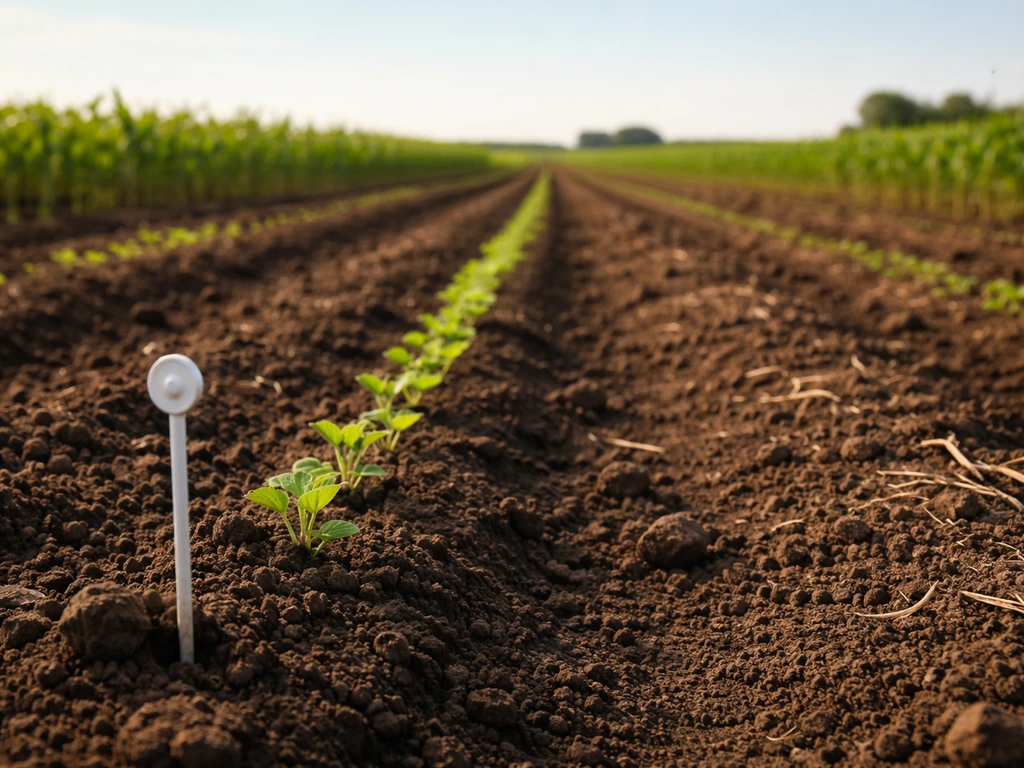
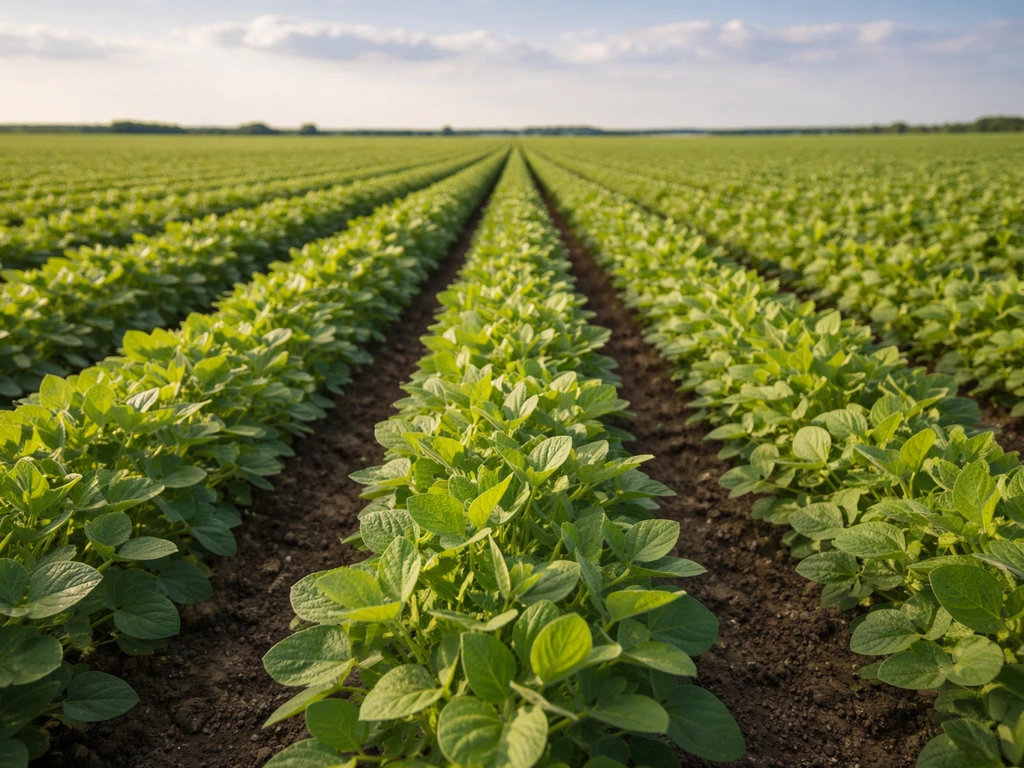
Soybeans are a warm-season crop that need frost-free temperatures for around 90 to 150 days depending on the variety. They need soil temperatures at or above 60°F to germinate reliably, and they want summer heat to set pods and fill seed. That rules out very few places in the lower 48, but it does change your strategy significantly depending on where you live.
| US Region | Feasibility | Key consideration |
|---|---|---|
| Midwest (IA, IL, MN, WI, OH, IN) | Excellent | Prime soybean country; full-season and short-season varieties both work |
| South/Southeast (TX, GA, NC, AR) | Excellent | Long season; heat and humidity can bring disease pressure |
| Mid-Atlantic (PA, VA, MD) | Good | Match variety maturity group to your frost dates |
| Northeast (NY, NE, MA, CT) | Good with short-season varieties | Stick to early-maturity groups; edamame especially reliable |
| Northern Plains (ND, SD, NE) | Good | Use short-season varieties; plant promptly after last frost |
| Mountain West (CO, UT, ID) | Moderate | Altitude and short seasons limit options; edamame is the safer bet |
| Pacific Northwest (WA, OR) | Marginal to moderate | Cool summers restrict dry-bean soybean; edamame works better |
| Far North (AK, extreme northern MN/ME) | Difficult | Very short seasons make grain soybeans unreliable; focus on edamame |
The fastest way to check your own feasibility is to look up your last spring frost date and your first fall frost date. If you have at least 90 frost-free days and reliable summer temperatures in the 70s and 80s°F, you can grow edamame. If you want a Minnesota-specific plan, you’ll want to pay close attention to frost timing and pick the right edamame varieties for your season length. If you have 110 to 150+ frost-free days with warm summers, grain soybean production is very achievable. Most of the continental US qualifies for at least edamame.
Choose your goal: grain soybeans vs edamame (green soybeans)
Soybeans are the same plant, but how you grow and harvest them depends entirely on what you want out of them. Grain soybeans are left on the plant until the pods dry down and the beans reach maturity, which takes 100 to 150 days from planting. Edamame is just soybeans harvested young, when the pods are plump and bright green, typically 70 to 95 days from planting. Edamame varieties are bred specifically for flavor and tenderness at that green stage, while grain varieties are selected for yield and oil/protein content at full maturity.
If you're a home gardener in a northern state like Wisconsin or Minnesota, edamame is almost always the smarter choice. The season fits more reliably, you get to eat them fresh, and the eating quality is genuinely excellent. If you're in Iowa, Illinois, or the South and want to process your own dry soybeans for tofu, soy milk, or cooking, grain-type varieties in the right maturity group will give you far better yields per square foot. There are also sibling topics on growing edamame specifically in states like Wisconsin, Minnesota, and Pennsylvania if you want a deeper regional drill-down.
Climate fit: frost dates, warm-season length, heat needs
Soybeans are day-length sensitive, meaning they begin flowering in response to shortening days in late summer. This is why maturity groups exist, ranging from Group 000 (extreme north) to Group VIII or IX (deep South). The maturity group system is your single most important decision tool: match your maturity group to your frost-free window and you'll be fine. Plant a Group V variety in Minnesota and it won't mature before frost. Plant a Group 000 in Georgia and you'll get a tiny crop by midsummer.
Soil temperature at planting matters more than calendar date. The target is 60 to 70°F for reliable germination and emergence. Rushing soybeans into cold, wet soil below 55°F dramatically increases disease risk, particularly sudden death syndrome, which thrives in cool, wet early conditions. In practical terms, this means waiting until your soil has truly warmed, even if that pushes you a week or two past your last frost date.
In northern states (Minnesota, Wisconsin, the Dakotas), full-season varieties planted by the first week of May tend to outperform short-season varieties planted later, but only if soil conditions are genuinely ready. Short-season varieties can be planted as late as late June in northern growing regions and still produce a crop, making them a solid backup if spring is slow.
Soil and site requirements: sun, pH, drainage, nutrients
Soybeans want full sun, at least 6 to 8 hours a day with more being better. They are not a shade crop. On soil, the biggest factors are pH and drainage. Target a pH between 6.5 and 7.0 for best results. Soybeans fix their own nitrogen through root nodules, but those nodules are formed by Bradyrhizobium bacteria, and those bacteria are sensitive to soil pH. Below pH 6.0, nodulation can fail, meaning your soybeans will be nitrogen-starved even if the soil bacteria are present. The optimal range for the Bradyrhizobium bacteria themselves is pH 6 to 7, so getting your soil pH right is not optional if you want good nodulation.
Drainage is equally important. Soybeans do not tolerate waterlogged roots. They'll survive brief wet periods but will struggle on heavy clay that stays saturated. If your garden or field tends to pond after rain, either build raised beds, install drainage, or choose a different site. A well-drained sandy loam or loam soil is ideal.
On nutrients, soybeans are notably self-sufficient on nitrogen if properly inoculated (more on that below), but they do respond to phosphorus. If a soil test shows your phosphorus in the low or very low range, adding phosphate fertilizer before planting can meaningfully increase yield. Get a soil test before your first season if you haven't already; it takes the guesswork out of amendment decisions.
Planting plan: variety choice, inoculation, planting time, spacing, depth
Picking the right variety
Match your maturity group to your frost-free days. A rough guide: Group 000 to 0 for the far north (under 100 frost-free days), Group I to II for the northern Midwest and Northeast, Group III to IV for the central Corn Belt, and Group V and above for the South. For edamame, look for varieties labeled specifically as edamame types such as Envy, Midori Giant, or Beer Friend. These are bred for taste at the green stage, not just early maturity.
Inoculation: do you need it?
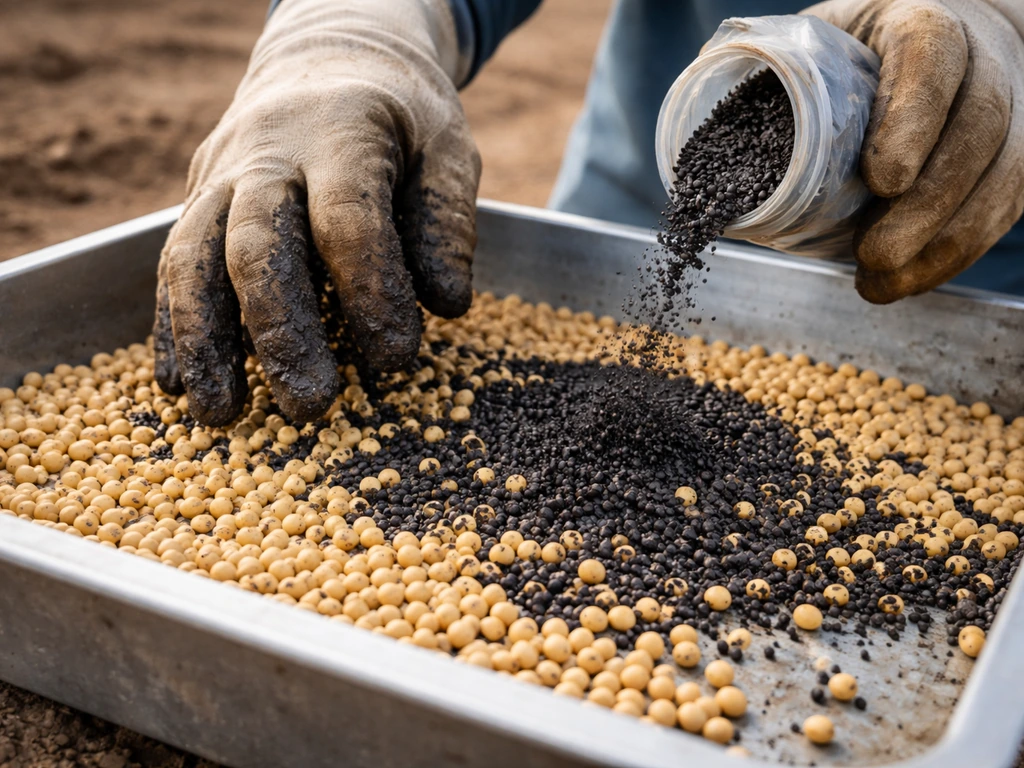
If soybeans have never been grown in your soil before, inoculate your seed with Bradyrhizobium japonicum inoculant before planting. This is cheap insurance available at most farm supply stores and many seed suppliers. If you're growing in a garden that has had soybeans or other legumes recently, native populations may already be present, but re-inoculating in that first season costs almost nothing and removes doubt. Inoculant coats the seed; just follow the package directions and keep the treated seed out of direct sunlight before planting.
Planting time, depth, and spacing
Plant when soil temperature at 2-inch depth hits 60°F or higher, ideally 65 to 70°F. Soybean seed is delicate, so plant at 1.5 inches deep, no deeper, into a firm, moist seedbed. In a home garden, rows spaced 10 to 15 inches apart will maximize yield per square foot since research shows roughly a 5% yield advantage for every 10-inch reduction in row spacing, down to about 10 inches. In wider-row settings (30 inches), plants compensate somewhat by branching, but narrow rows consistently outperform. Within the row, aim for seeds every 2 to 3 inches, which translates to about 6 to 8 plants per foot once you thin for stands.
Care through the season: watering, weed control, pests and diseases basics
Watering
Soybeans are reasonably drought-tolerant once established but need consistent moisture during two key windows: germination and pod fill. From planting until emergence, keep the soil evenly moist but not saturated. The critical period for water stress is during flowering and pod fill (roughly R1 through R6 in growth staging terms). UMN Extension defines soybean growth stages such as R1 for beginning bloom and explains that stage timing helps interpret crop development and manage the season roughly R1 through R6 in growth staging terms. A week of severe drought during pod fill can noticeably cut your yield. Aim for about 1 inch of water per week during those stages, supplementing with irrigation if rain is short.
Weed control
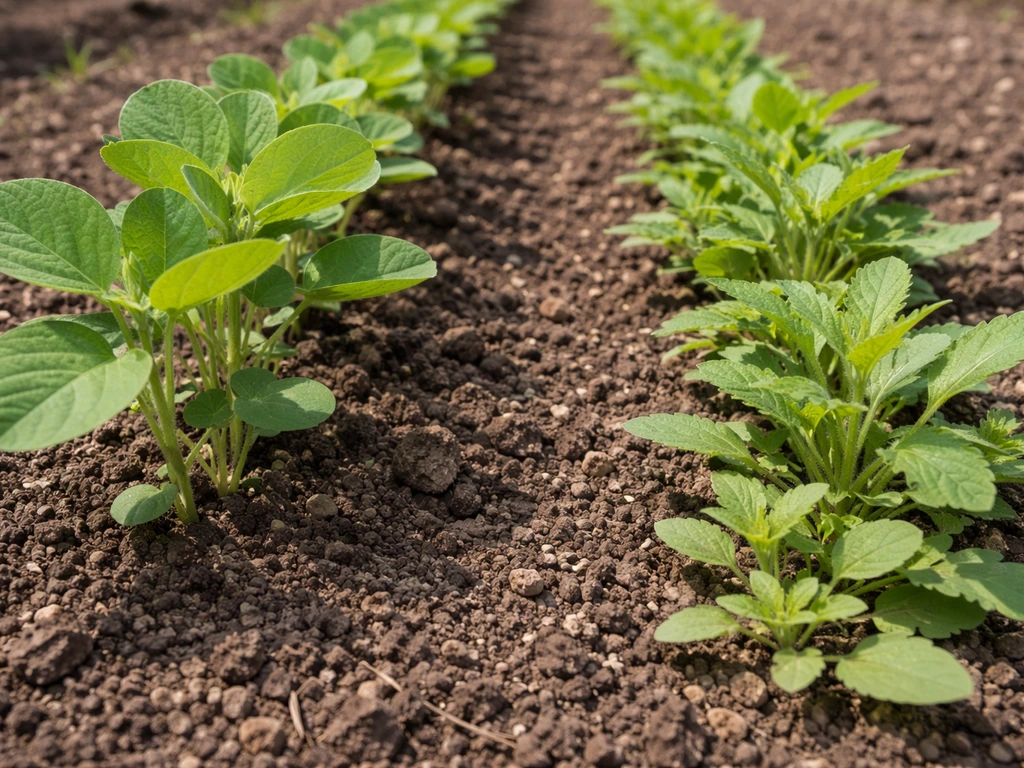
Early-season weed competition is where soybeans are most vulnerable. The critical period of weed control runs roughly from emergence through the first 4 to 6 weeks of growth. Weeds that establish during that window can significantly reduce yield. In a home garden, cultivating shallowly between rows every 1 to 2 weeks during that early period handles most problems. Once soybeans canopy and shade the soil, weed pressure drops substantially. Mulching between rows after plants are 4 to 6 inches tall is a good practical strategy for home gardeners.
Pests and diseases to watch for
At the home garden scale, deer and rabbits are often the biggest threats. A simple fence handles them. On the insect side, soybean aphids, bean leaf beetles, and Japanese beetles are the most common visitors. Most healthy plants tolerate moderate pressure without significant yield loss; intervene if you see heavy defoliation or thick aphid colonies on growing tips.
For diseases, sudden death syndrome (SDS) and brown stem rot (BSR) are the two most common serious issues in northern growing regions. SDS is triggered by early planting into cold, wet soil combined with soybean cyst nematode pressure. BSR causes similar foliar symptoms and is widespread across the northern Midwest. Both are best managed by avoiding cold soil planting, rotating crops, and selecting resistant varieties when available. If you see yellowing between leaf veins in midsummer with green veins remaining (interveinal chlorosis), those two diseases are the first suspects.
Harvest and what to do after: timing, handling, storage
Harvesting edamame
Harvest edamame when pods are plump and still bright green, just before the pods start to fade or yellow. This is typically 70 to 95 days from planting depending on variety. The window is short, about 5 to 7 days, so check plants daily once pods look full. Pull or cut whole branches and strip pods immediately. Refrigerate edamame right away at around 32°F with high humidity (about 95%). Used within 2 to 3 days, the flavor is at its peak. If properly refrigerated, edamame can hold up to two weeks before quality declines significantly, but fresh really is noticeably better. For longer storage, blanch and freeze within a day of harvest.
Harvesting grain soybeans
For dry grain soybeans, leave pods on the plant until they rattle when shaken and the beans are hard, typically when moisture content drops to around 13 to 15%. In a home garden, you can hand-harvest whole plants when most pods have turned tan and the leaves have dropped. Hang plants in a dry, well-ventilated space to cure, then thresh by beating plants against the inside of a large barrel or tub. Winnow out the chaff with a fan or breeze.
For storage, dry soybeans at 13% moisture stored at below 60°F will generally keep for about 6 months without mold problems. For longer storage through summer, aim for temperatures between 40 and 60°F. Sealed containers in a cool basement work well for home-scale quantities. If you're storing through warm months, keep an eye on temperature because heat and moisture are the two things that will spoil a stored soybean crop fastest.
The bottom line is that soybeans are genuinely accessible for most US growers, including home gardeners with a standard sunny plot. Get your variety match right, don't rush planting into cold soil, inoculate if it's a new planting site, and your biggest challenge will probably be keeping deer out rather than managing the crop itself.
FAQ
Can you grow soybeans in containers or buckets at home?
Yes, but you need a large container (often at least 10 to 15 gallons per plant) with excellent drainage and full sun. Space is a limiting factor, so most container growers do better with fewer plants and edamame than with full grain production. Use a firm, warm seedbed in spring, and be extra careful not to let container soil dry out during flowering and pod fill.
If I planted too early into cool soil, will my crop still come up?
It might, but cold, wet planting increases emergence failure and raises the odds of disease. If you notice poor stands, don’t assume you can replant later in the same week, because maturity timing can get tight. Your best move is to check soil temperature at 2 inches, wait until it is consistently in the target range, and replant to maintain enough plants per foot.
Do I need to inoculate soybeans if I already grow beans in the area?
Not always, but for a first-time field or a new garden bed, inoculation is still the safest approach. Even if legumes were grown there before, native Bradyrhizobium populations can be uneven, and pH or past management may reduce effective nodulation. Inoculating in that first season costs little insurance and helps prevent nitrogen-starvation symptoms.
What soil pH is “good enough,” and can I fix it quickly?
Aim for roughly pH 6.5 to 7.0 for best nodulation and performance. You generally cannot fix pH instantly once you are ready to plant, so do amendments based on a soil test ahead of the season. If pH is near 6.0, expect nodulation risk and consider addressing it before committing to a full crop plan.
How do I choose the right maturity group if I don’t know my local frost dates?
Start with your frost dates if you can, because maturity group choice depends on a frost-free window. If you lack that data, use conservative guidance: treat your site as shorter-season than you think and pick a group that matures earlier (edamame types for green harvest). When in doubt between two groups, choose the earlier group, because missing frost is much harder to correct than harvesting a little smaller.
Can I grow soybeans in a raised bed, and does drainage matter as much there?
Raised beds work well because they warm faster and drain better, which helps with germination and disease avoidance. However, soil can still stay too cool early in spring, so you still need to plant based on soil temperature at depth, not only on calendar dates. Keep beds evenly moist during emergence and pod fill, since raised beds can dry out faster than fields.
How close together should I plant, and do row spacing changes matter for home gardens?
Row spacing matters, but stand density also matters. A practical target is about 6 to 8 plants per foot once thinned, with rows commonly around 10 to 15 inches for higher yield per square foot. If you go much wider, plants may branch more, but you should still aim for the same in-row plant count rather than relying on branching to compensate.
What’s the biggest watering mistake once soybeans start flowering?
Letting the soil swing from wet to very dry during flowering and pod fill. A week of severe drought during pod fill can noticeably cut yield. Use a simple schedule tied to rainfall, and check soil moisture below the surface, since surface dryness can hide moisture deeper in the root zone.
Will mulch help with weeds, and when should I add it?
Mulch helps after the plants are big enough to shade the soil, typically when they are around 4 to 6 inches tall. If you mulch too early, you may slow soil warming and complicate seedling emergence. For best results, weed early, keep rows clean through the first several weeks, then mulch to reduce later weed pressure.
How can I tell the difference between nutritional issues and common diseases?
Look for pattern and timing. Interveinal yellowing with green veins later in the season points toward disease suspects like sudden death syndrome or brown stem rot in northern areas, while overall pale growth can also relate to poor nodulation. If you inoculated and pH is in range, disease becomes more likely than nitrogen deficiency, but it helps to compare symptoms across sections of your bed.
When should I harvest edamame, and how strict is timing?
Timing is fairly strict because the harvest window is short. Edamame is best when pods are plump and still bright green, and quality drops quickly as pods fade or yellow. Check daily once pods look full, and plan to harvest a bit earlier rather than later if you are unsure, since overripe pods become tougher.
What’s the best method to store edamame so it stays sweet?
Cool it immediately after stripping pods, around refrigerator temperature with high humidity, and use it soon for peak sweetness. If it sits at room temperature even briefly, flavor declines faster. For longer storage, blanch and freeze within about a day of harvest to preserve texture and taste.
How do I know when dry soybeans are ready to thresh?
Wait until pods rattle when shaken and beans are hard, then aim for moisture around the mid-teens (roughly 13 to 15%). If you thresh too early, you may end up with beans that do not store well due to residual moisture. In a home garden, you can hand-harvest when most pods are tan and leaves have dropped, then cure plants in a dry, ventilated area before threshing.
What’s the safest storage routine to prevent mold in home-dried soybeans?
Keep moisture down and storage cool. The article guidance targets about 13% moisture and temperatures under about 60°F for around six months at home scale. If your storage area warms during summer, check for condensation or musty odors and consider moving containers to a cooler space, since heat and moisture are the fastest spoilage drivers.
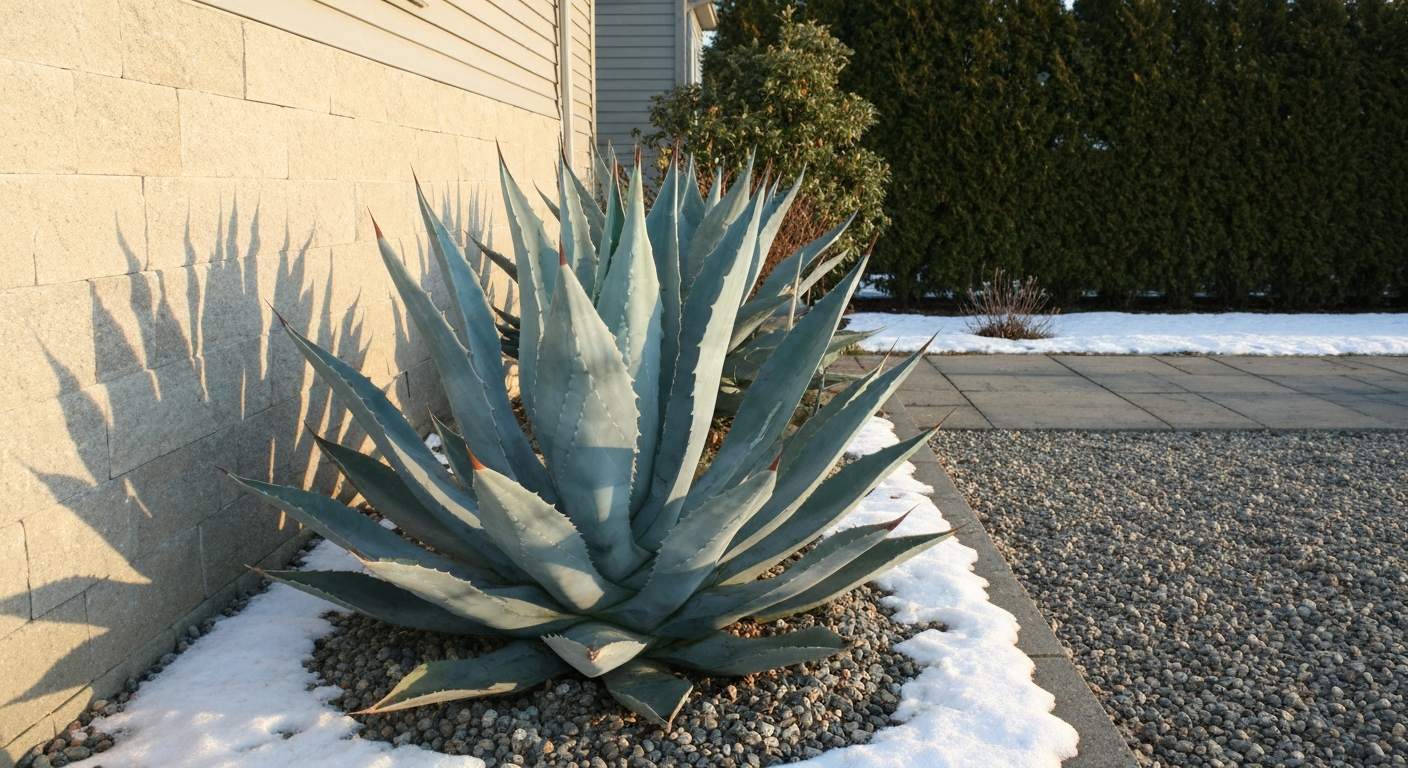
Can you grow agave in Canada? Practical region-by-region guide, hardy species, container tips & winter care.
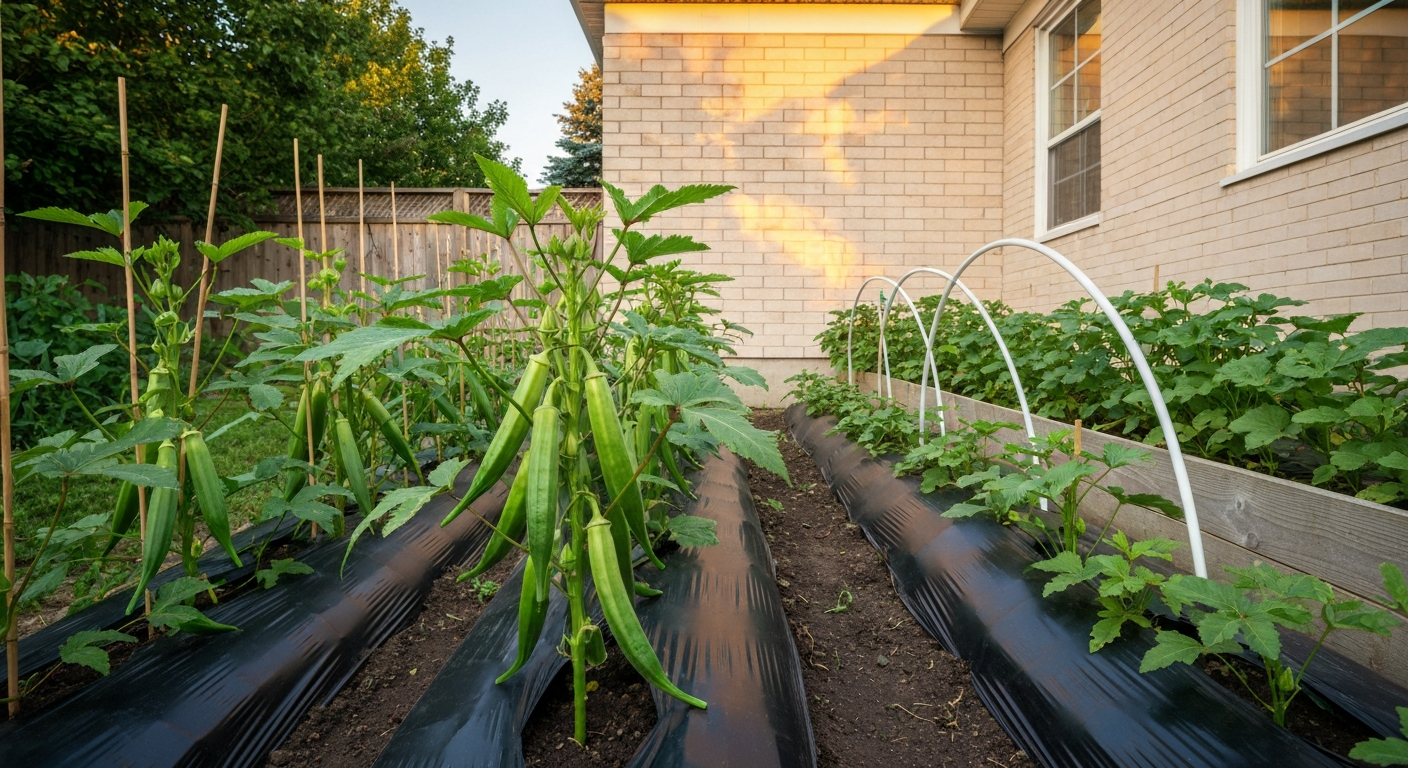
Can you grow okra in Canada? Regional verdict, Ontario-specific steps, varieties, season-extension & harvest tips.
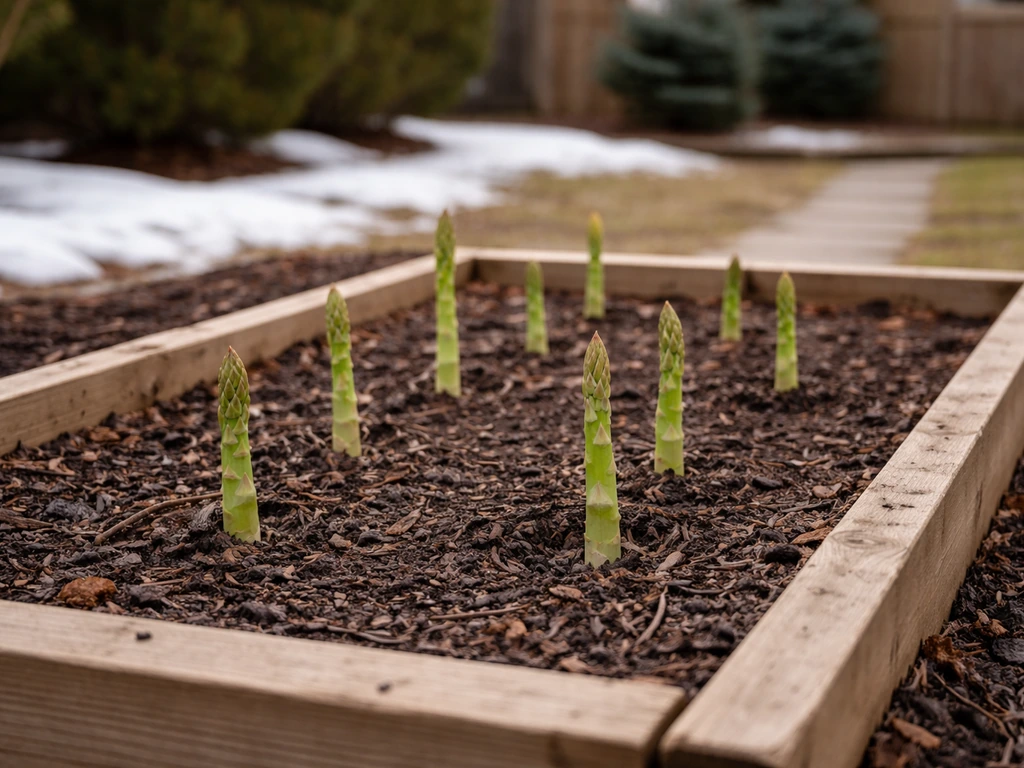
Grow asparagus in Canada by zone: site, hardiness, crowns or seed, planting depth, care, and harvest plus fixes