
You can grow jicama in Minnesota, but you need to go in with realistic expectations: getting a truly large, harvestable tuber is genuinely difficult, and most Minnesota gardeners will end up with small roots rather than the fat, baseball-sized jicama you see at the grocery store. If you are wondering can you grow figs in Michigan, the short version is that success depends heavily on choosing cold-hardy varieties and protecting them during winter realistic expectations. That said, with a long indoor head start, the right site, and some cold protection at season's end, it is doable enough to be worth trying, especially if you enjoy experimenting with unusual crops.
Can You Grow Jicama in Minnesota? Conditions and Steps
Marcus Holloway
4 Jul 2026
Jicama basics and why climate matters so much
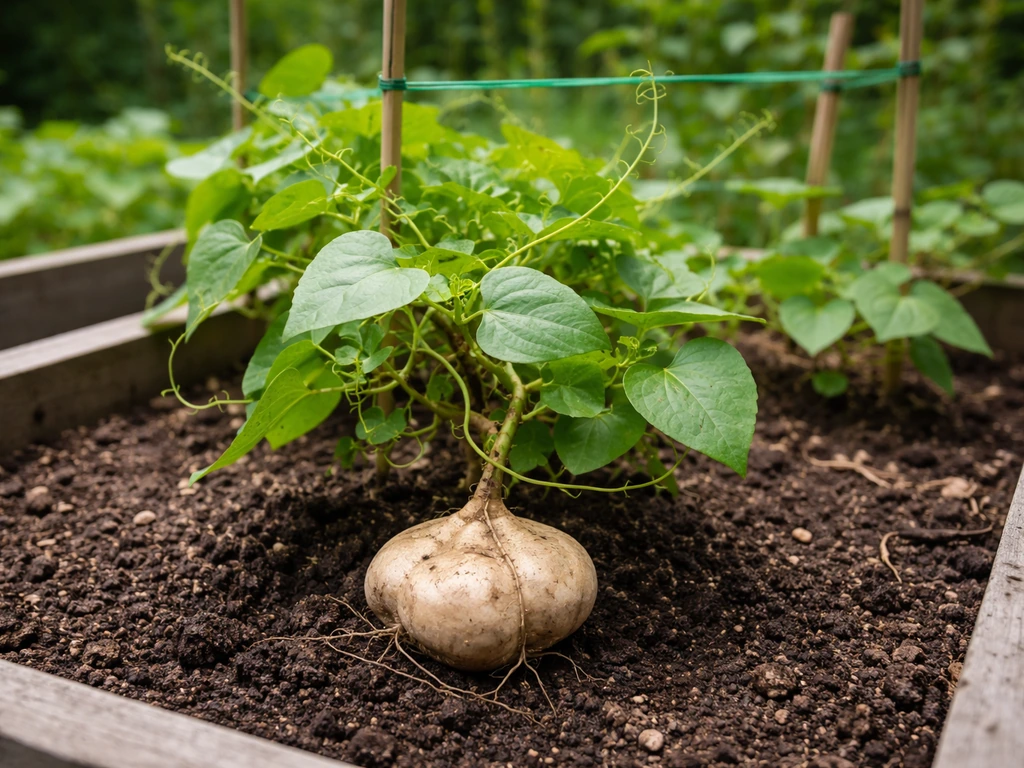
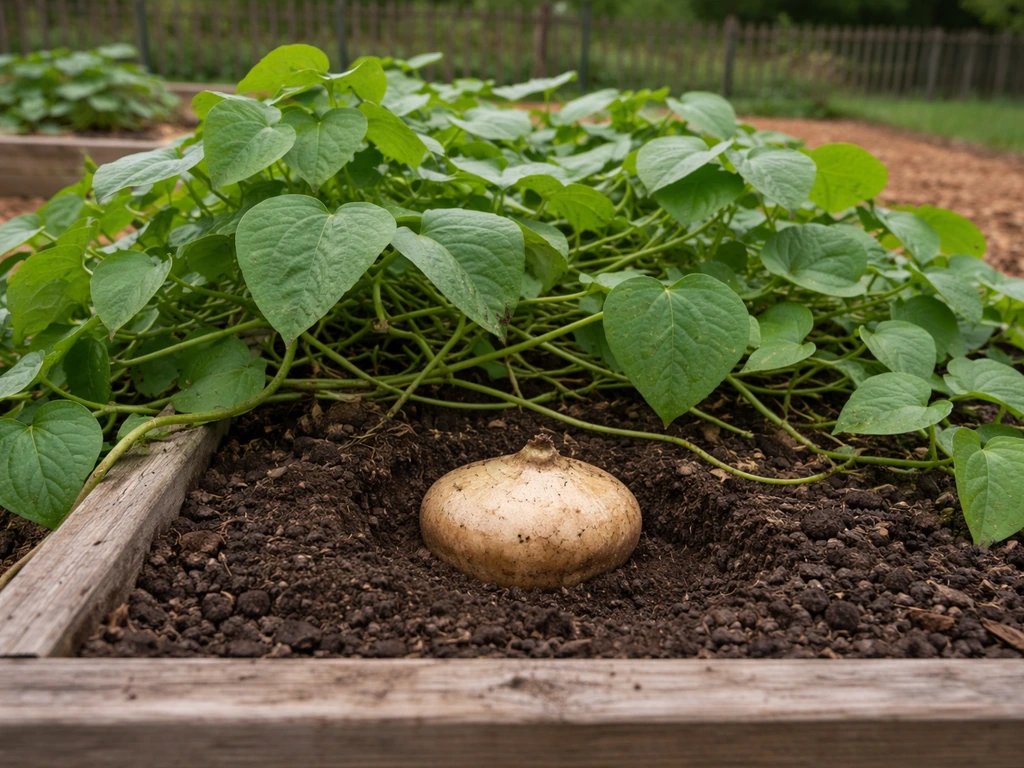
Jicama (Pachyrhizus erosus) is a tropical vine grown for its starchy, crisp underground tuber. Above ground it looks like a sprawling bean vine, which makes sense because it is a legume. The edible part is the root, and that root takes a long time to size up. According to both UF/IFAS Extension and ECHO's jicama resources, field production of edible roots requires blank" rel="noopener noreferrer">roughly 5 to 9 months of warm weather. That window is longer than Minnesota's frost-free season in almost every part of the state. In Wisconsin, the same basics apply, but timing and warm-season length are what determine whether you can reliably harvest mature tubers.
There is another wrinkle specific to jicama: it is a short-day plant. It blank" rel="noopener noreferrer">needs around 11 to 13 hours of daylight to trigger tuber production. In Minnesota, those shorter day lengths don't arrive until late summer, which means the plant spends the bulk of the growing season putting energy into vines and foliage, and only shifts to tuber development just as temperatures are beginning to drop. That timing conflict is the core challenge for northern growers. Jicama thrives in places like southern Mexico, Central America, and coastal California. If you are wondering can you grow jicama in California, coastal areas are often the easiest place to start because temperatures stay warm long enough for tuber development coastal California. Growing it in Minnesota means fighting both the short season and the photoperiod calendar at the same time.
Growing jicama in Minnesota: what the numbers actually look like
Minnesota spans USDA Hardiness Zones 3b through 5b, though hardiness zones are less relevant here than frost dates and total warm-season length. The frost-free window ranges from roughly 100 days in the northern counties around International Falls to about 160 days in the southern Twin Cities metro and along the Iowa border. That's the ceiling you're working with.
| Region | Approximate Zone | Last Spring Frost | First Fall Frost | Frost-Free Days |
|---|---|---|---|---|
| Northern MN (International Falls area) | 3b–4a | Mid-May | Late September | ~100–120 days |
| Central MN (St. Cloud, Brainerd) | 4a–4b | Early–Mid May | Early October | ~130–145 days |
| Twin Cities Metro | 4b–5a | Late April–Early May | Mid October | ~150–160 days |
| Southern MN (Rochester, Mankato) | 5a–5b | Late April | Mid–Late October | ~155–165 days |
Even in the most favorable southern Minnesota locations, 165 frost-free days falls well short of jicama's 5 to 9 month (roughly 150 to 270 day) requirement for full tuber development under field conditions. Southern Minnesota growers have the best shot at harvesting anything worth eating. Northern Minnesota growers above the Twin Cities should consider jicama more of a novelty or experiment than a reliable food crop, unless they have access to a greenhouse or high tunnel.
Variety choice and whether to start from seed or tuber
Most jicama sold commercially comes from a single species, Pachyrhizus erosus, with limited named variety selection available to home gardeners in the US. A few seed suppliers offer varieties labeled as 'Early' or 'Bush' types that are bred or selected for faster tuber development, and those are worth seeking out for Minnesota conditions. If you can find them, prioritize anything described as maturing in under 6 months.
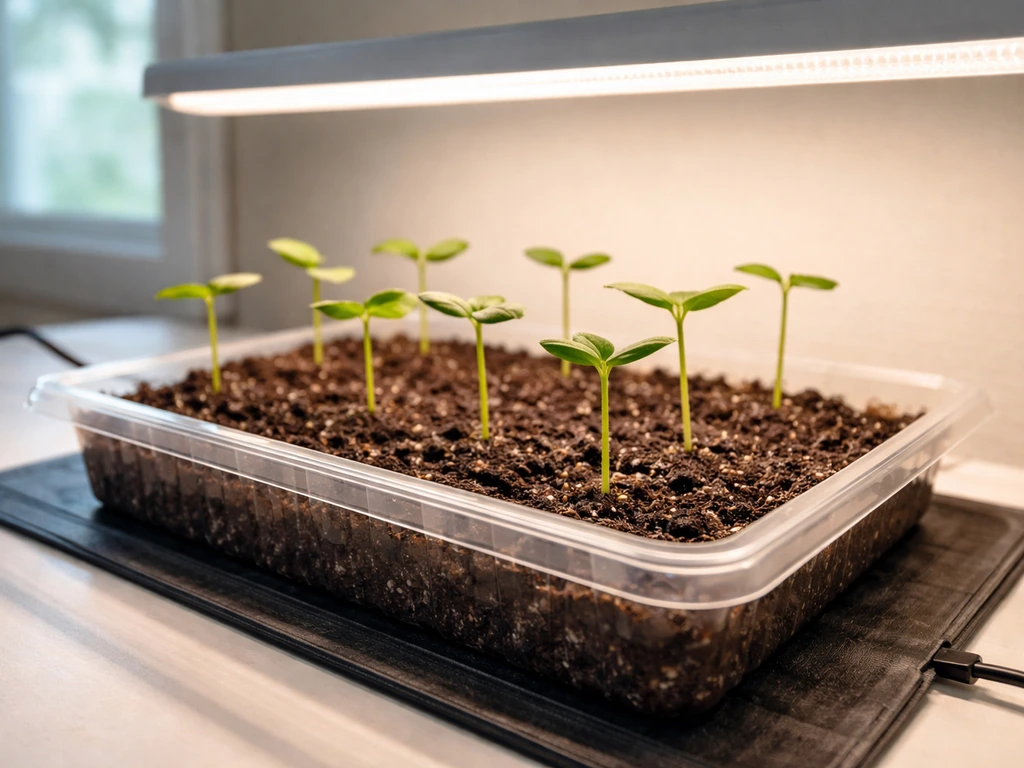
For Minnesota, starting from seed is your only realistic strategy, but you need to start those seeds much earlier than most warm-season crops. Aim to start seeds indoors 10 to 12 weeks before your last expected frost date. For the Twin Cities, that means starting seeds in mid-to-late February. For southern Minnesota, late February to early March works. This gives the plant a significant head start so that by the time it goes out into the garden, it already has established roots and is ready to push into tuber development as soon as day length shortens in late summer.
Soak seeds in warm water for 24 hours before planting to improve germination. Jicama seeds are hard-coated and germination can be patchy without that soak. Plant into 4-inch or larger pots, as jicama develops a taproot early and dislikes cramped conditions. Keep soil temperatures at 75 to 85°F for germination, which typically takes 7 to 14 days. A heat mat is useful here. Pot up as needed so roots don't circle before transplant time.
Site and soil setup
Jicama needs excellent drainage above almost everything else. Waterlogged soil will rot the developing tuber, especially during the cooler late-season weeks when tuber growth is peaking. Raised beds are ideal for Minnesota growers because they warm up faster in spring and drain freely. A raised bed or mounded row gives you 3 to 4 degrees of extra soil warmth compared to flat ground, which matters a lot in a short-season climate.
Aim for loose, sandy loam or amended garden soil with good organic matter. A pH between 6.0 and 7.0 is fine. Because jicama is a legume, it fixes its own nitrogen, so go easy on nitrogen fertilizer once the plant is established. Too much nitrogen pushes leafy vine growth at the expense of tuber development, which is the last thing you want when you're already racing the calendar. A balanced starter fertilizer at transplant is fine, but hold off on nitrogen-heavy feeds after that.
Black plastic mulch is one of the best investments you can make for jicama in Minnesota. Lay it over your bed before transplanting. It warms the soil, suppresses weeds, conserves moisture, and extends your effective warm season by a couple of weeks on both ends. Cut holes to plant through, and leave it in place all season.
Light, temperature targets, and watering
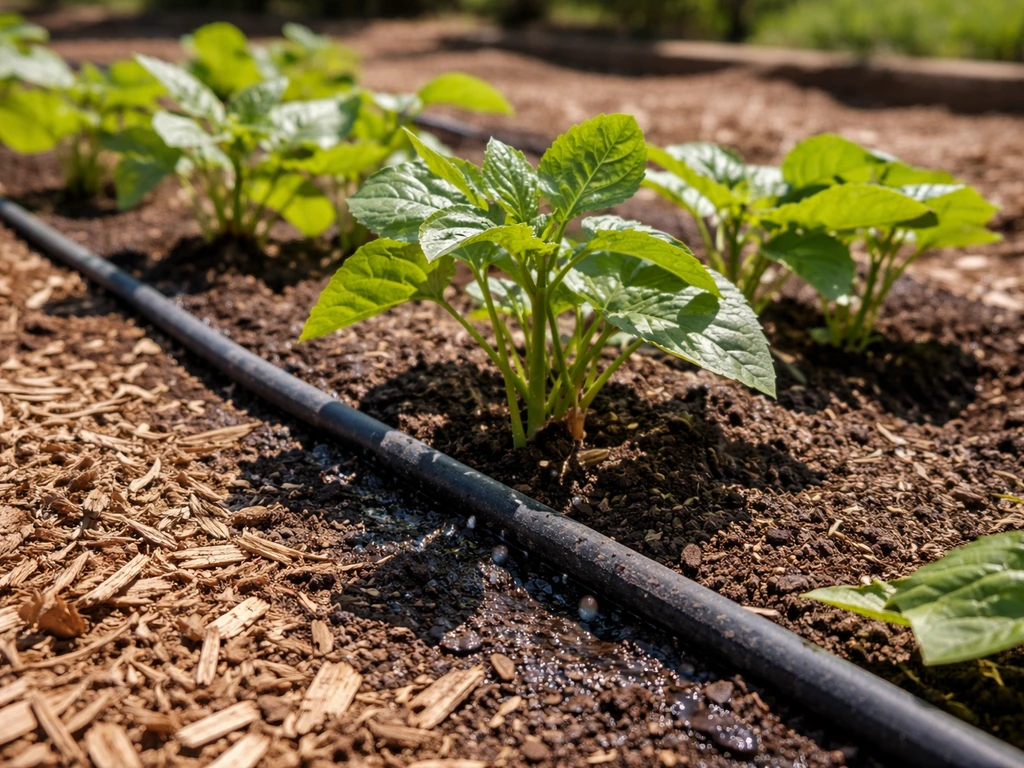
Jicama needs full sun, minimum 8 hours per day. There's no compromise on this in Minnesota because you need every calorie of solar energy to keep soil temperatures high enough for the plant to thrive. Choose the sunniest, most south-facing spot in your garden. Walls, fences, or structures that reflect heat are a bonus.
The plant grows best when air temperatures are consistently between 75 and 95°F and soil temperatures are above 65°F. It is frost sensitive at any stage: even a light frost will kill the vines. UC Davis postharvest research notes that jicama is also sensitive to chilling injury at temperatures of 50°F (10°C) or below, which matters both for the living plant in the garden and for tubers in storage after harvest. Don't transplant seedlings outdoors until nighttime temperatures are reliably above 55°F, which in the Twin Cities typically means late May to early June.
Watering should be consistent but not excessive. Jicama tolerates short dry spells better than wet feet. During the main growing season, water deeply once or twice a week depending on rainfall and heat. As you approach harvest time in late September and October, cut back on watering to encourage the tuber to tighten up and finish rather than continuing to bulk up with moisture.
Jicama vines can reach 15 to 20 feet in optimal conditions. In Minnesota, growth is usually more modest, but provide a trellis or fence for support. Here's a counterintuitive tip for Minnesota growers: pinch off flowers as soon as they appear. Allowing the plant to set seed diverts energy away from the tuber. In a warm climate with a long season, you might let a few flowers go, but in Minnesota, every week of plant energy needs to go into the root. Pinch every flower bud you see from midsummer onward.
Pests, disease, and Minnesota-specific challenges
The good news is that jicama doesn't have many serious pest problems, and in Minnesota's climate, you're unlikely to encounter the tropical pest pressure that affects jicama in warmer regions. The main issues Minnesota gardeners deal with are shared with other warm-season crops.
- Aphids: Common on the tender new growth of jicama vines. A strong spray of water knocks them back, or use insecticidal soap if populations build up.
- Cucumber beetles: These can feed on foliage. Row cover early in the season provides protection, but remove it once the plant is large enough to handle light feeding.
- Root rot (Phytophthora and Pythium species): The biggest disease risk in Minnesota's often cool, wet springs. Raised beds and good drainage are your best defense. Avoid overwatering.
- Slow tuber development: This is the number-one 'problem' in Minnesota and it's really just the climate. The fix is everything in this article: early indoor start, warm site, black plastic mulch, flower pinching, and patience.
- Vine dieback before tuber maturity: A cold snap in September can kill the tops before the tuber has finished. Have frost cloth or row cover ready to extend the season by 2 to 3 weeks when needed.
One challenge specific to Minnesota that doesn't get talked about enough is the photoperiod issue mentioned earlier. Because jicama won't shift energy to tuber formation until days shorten to around 11 to 13 hours, and Minnesota's days don't hit that range until late August and September, the plant may produce dense, aggressive vine growth all summer with minimal tuber development. This is normal and not a sign something is wrong. The tuber push happens late in the season, which is exactly why you need that long indoor head start and every possible trick to keep the soil warm deep into fall.
Harvest timing, handling cold at season's end, and storage
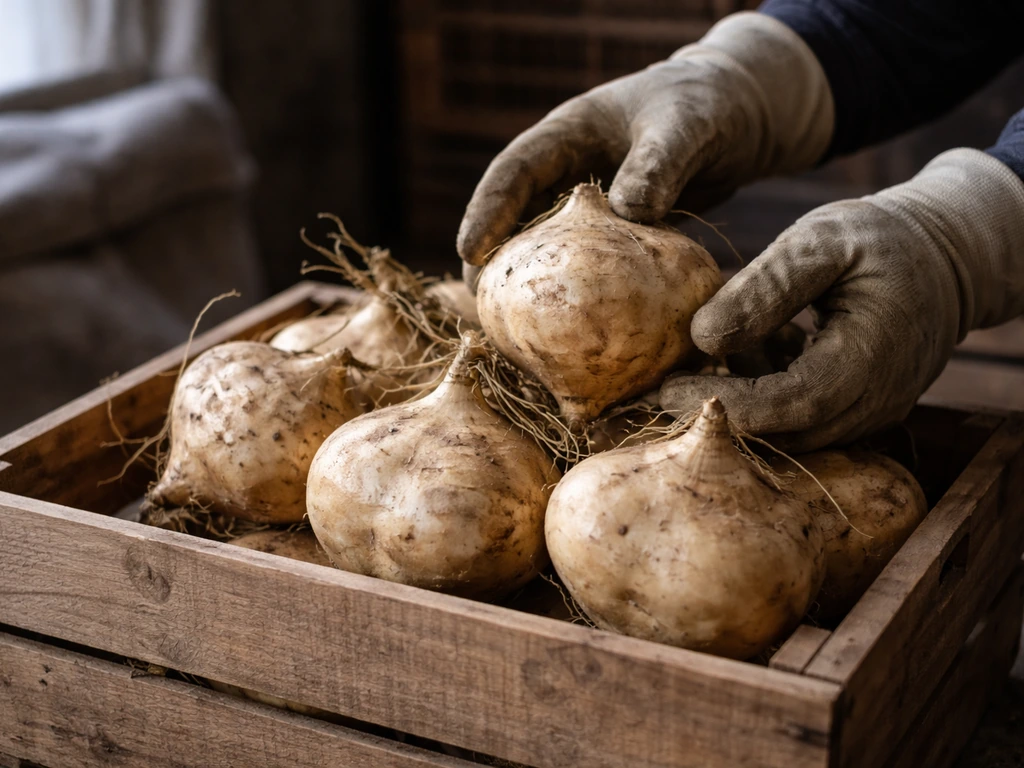
In Minnesota, plan to harvest jicama in late September to mid-October, before the first hard frost. You won't be waiting for a classic sign of maturity like skin color change or vine dieback (as you might with sweet potatoes). Instead, you're racing the frost. Once nighttime temperatures start regularly dropping toward 40°F, it's time to dig, regardless of tuber size.
To check progress before full harvest, gently probe around one plant with a trowel and feel for tuber size. In a good southern Minnesota season with an early indoor start, you can expect tubers in the 0.5 to 1.5 pound range, sometimes more. Northern Minnesota growers should expect smaller results. Dig carefully because the skin is thin and cuts reduce storage life.
If frost threatens but your tubers still have a few weeks to go, cover the plants with frost cloth or heavy row cover. This can protect down to about 28 to 30°F and may buy you 2 to 3 more weeks of tuber development. Remove covers during warm days to prevent heat buildup and moisture problems. This is often the difference between a marble-sized root and an actually edible harvest.
Once harvested, cure jicama briefly at room temperature for a day or two to let the skin dry slightly, then store at 55 to 65°F. Keep in mind that UC Davis postharvest research identifies 50°F (10°C) as a chilling injury threshold, so don't store jicama in a refrigerator or an unheated Minnesota garage in October. A cool basement corner around 55 to 60°F is ideal. Properly stored, jicama holds for several weeks to a couple of months. Once you cut into it, refrigerate the cut surface and use within a week.
Is it worth the effort in Minnesota?
Honestly, jicama is not an easy win in Minnesota the way it is in California or the Gulf Coast states. If you are wondering can you grow figs in Minnesota, the same basic idea applies: success depends on matching the plant to your length of warm season and protecting it from cold. If you've looked at growing jicama in a warmer state, the comparison is stark: California growers in the Central Valley or Southern California have the long warm season jicama actually wants, and results are much more predictable. Wisconsin growers face similar challenges to Minnesotans, and if you're in the southern tier of either state, the approach is essentially the same. The bottom line for Minnesota: treat jicama as a rewarding challenge crop rather than a reliable staple. With an early start, a warm raised bed with black plastic mulch, diligent flower pinching, and a frost cloth ready in the fall, you have a real shot at a small but genuine harvest. Go into it knowing the tubers will be modest in size, and you'll likely end the season satisfied.
FAQ
Can I grow jicama in a Minnesota greenhouse or high tunnel to get bigger tubers?
Yes, but only as an insurance policy. If you have a high tunnel or unheated greenhouse, you still need long warm conditions plus protection from photoperiod timing. Use it mainly to extend soil warmth and keep air above frost risk, not to solve the day-length requirement by itself.
Which jicama varieties should I choose for Minnesota, and how early do they need to mature?
Look for the listed “days to maturity” or any label that suggests an early or fast tuber set, and start those seeds even earlier than you would for standard types. In practice, Minnesota gardeners often need the earliest options plus extra soil warming (raised bed, plastic mulch) to have a chance at edible size.
How much fertilizer should I use for jicama in Minnesota, especially nitrogen?
Avoid fertilizing for leaf growth. Since jicama fixes its own nitrogen, heavy nitrogen feeds typically increase vines and reduce tuber development. A common approach is a light balanced starter at transplant, then no nitrogen-heavy feeding after establishment unless soil testing shows a real deficiency.
My jicama is making lots of vines, but no tubers yet. Is something wrong?
If you get lush vines all summer, that usually means the plant is waiting for day length, not that it failed. The fix is timing and temperature, not more nitrogen or more water. Keep sun full, keep soil warm (mulch helps), pinch flowers, and plan to dig by the frost window.
What cover should I use in fall when frost threatens, and will it actually extend harvest?
Yes. Thin, tight-cover rows or frost cloth can help when nighttime temps drop, but only if you vent during sunny afternoons to prevent overheating and moisture issues. Expect that you may gain a couple of weeks, which is why it can turn an inedible marble root into something harvestable.
How can I test for tuber size without damaging the roots?
Probe gently and only once per plant if you can. Jicama skin is thin, and repeated digging increases cuts and storage losses. If you must check, do it early in the decision window, then commit to a full harvest if size looks promising before hard frost.
When should I harvest in Minnesota if the tubers are still small?
Harvest when nights are starting to drop toward the 40°F range, even if tubers are small. Waiting for a more obvious maturity sign usually costs you in Minnesota because frost risk is the real limiting factor. Think “dig by temperature,” not “dig by skin color.”
Where should I store harvested jicama in Minnesota to prevent chilling damage?
Storage success depends on not chilling the tubers. Keep them around 55 to 65°F in a cool basement or similar space, and do not refrigerate whole or uncut roots. If you are unsure of temperatures, use a thermometer in the storage spot for at least a few days before relying on it.
Is it better to sow seeds directly outside, or should I always start indoors in Minnesota?
Starting in pots is fine, but plan to pot up before roots get crowded, and transplant only when nights are consistently warm (above about 55°F). Root crowding can lead to circling or slower establishment, which matters because you are already constrained by the short season.
If my plant wilts or looks unhealthy, what common problem should I rule out first in Minnesota?
Jicama is generally low pest pressure in colder climates, but the practical problems tend to be rot from poor drainage, uneven watering, or soil staying too cool. The fastest way to diagnose trouble is to check moisture and soil temperature around the plant base, not to look for insect causes first.
Next Articles
Can You Grow Figs in Minnesota? Varieties and Care Guide
Yes, grow figs in Minnesota with cold-hardy varieties, proper sun, drainage, and winter protection for fruit.
Can You Grow Figs in Michigan? Yes With These Steps
Yes. Learn which fig varieties survive Michigan winters, best planting spots, protection methods, and how to ripen fruit
Can You Grow Agave in Canada? Zone Guide & Growing Tips
Can you grow agave in Canada? Practical region-by-region guide, hardy species, container tips & winter care.