
Yes, you can grow figs in Minnesota, and you can get edible fruit too, but it takes real effort and the right setup. You can also use similar container and winter-protection strategies to figure out whether you can grow jicama in Wisconsin grow figs. Can you grow figs in Michigan too? The same cold-hardy varieties and winter protection strategies are usually the deciding factors. The cold winters are the main obstacle. Most of the state sits in USDA zones 3b through 5b, and figs are not naturally hardy in those temperatures. The good news is that cold-hardy varieties like Chicago Hardy can survive down to around -10°F, and a container-growing strategy works even in the coldest parts of the state. Whether you get consistent fruit outdoors depends heavily on your zone, your site, and how seriously you take winter protection.
Can You Grow Figs in Minnesota? Varieties and Care Guide
Figs in Minnesota: feasibility by zone
Minnesota spans a wide range of USDA hardiness zones, and that matters a lot when it comes to figs. The Twin Cities metro sits around zone 5a, the southern tier of the state reaches zone 5b in some spots, and much of central and northern Minnesota is solidly zone 4 or colder. Zone 3 areas in the far north are genuinely challenging for any in-ground fig planting.
| Minnesota Zone | Typical Region | In-Ground Feasibility | Best Approach |
|---|---|---|---|
| Zone 3a/3b | Northern MN (Bemidji, International Falls) | Very low | Container only, overwinter indoors |
| Zone 4a/4b | Central MN, parts of St. Cloud area | Low to marginal | Container preferred; in-ground with heavy protection |
| Zone 5a | Twin Cities metro, Rochester | Moderate | In-ground possible with cold-hardy varieties and protection |
| Zone 5b | Southeast MN (parts of Winona area) | Best in-state odds | In-ground with cold-hardy varieties and site selection |
UMN Extension notes that some fruit crops simply may not fruit reliably in zones 3 and 4 without protective measures, and figs are a prime example of that. If you are in zone 4 or colder, a container strategy is genuinely your best path to actually eating homegrown figs. If you are in zone 5, in-ground is worth attempting with the right variety and protection, but you should still have a plan for bad winters.
Fig varieties that can handle Minnesota winters
Variety selection is probably the single most important decision you will make. A fig bred for Kansas City or the Mid-Atlantic is not a fig for Minnesota, and that mismatch is why a lot of Minnesota growers end up frustrated. Stick to the cold-hardiest options available.
Chicago Hardy
Chicago Hardy is the top pick for Minnesota. It is rated hardy to around -10°F, which puts it in a workable range for zone 5 and even protected zone 4 sites. The big advantage is that it fruits on new growth, so even if winter kills the top of the plant back to the ground, it can still push new shoots and produce fruit later the same season. In warmer years, it can produce a small early crop (called a breba crop) on previous-season wood, plus a main crop in late summer on new growth. For most Minnesota gardeners, you are primarily counting on that main crop.
Brown Turkey
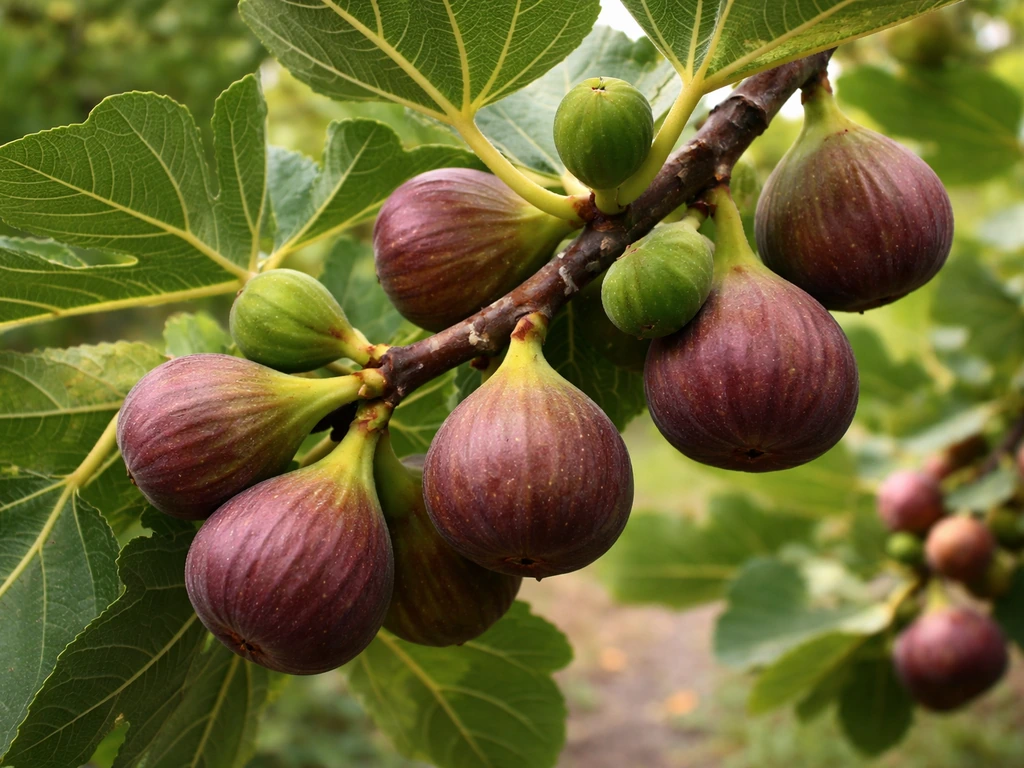
Brown Turkey is widely available and produces well, with two potential harvests: a small early crop in July and a main crop in late summer to early fall on new wood. The catch is that it needs protection below about 10°F, which means it is only realistic for zone 5 sites in Minnesota with solid winter protection in place. It is a step down in cold tolerance compared to Chicago Hardy, but it's worth considering if you are in a mild microclimate.
Olympian
Olympian is a less common but promising option for cool-climate growers. It is rated to around 0 to -5°F with protection and is considered robust for its class. It is generally recommended for zone 6 as a baseline, so think of it as a container candidate or a zone 5 in-ground option with good site selection and protection.
Best site, sun, and soil for Minnesota figs
If you are planting in the ground, site selection can make or break your results. Figs want at least 8 hours of full sun per day and warm soil. The south or southwest side of a building is ideal because you get reflected heat from the wall, some wind protection, and the most sun exposure. This kind of microclimate can push your effective growing conditions a zone or half-zone warmer, which is meaningful in Minnesota.
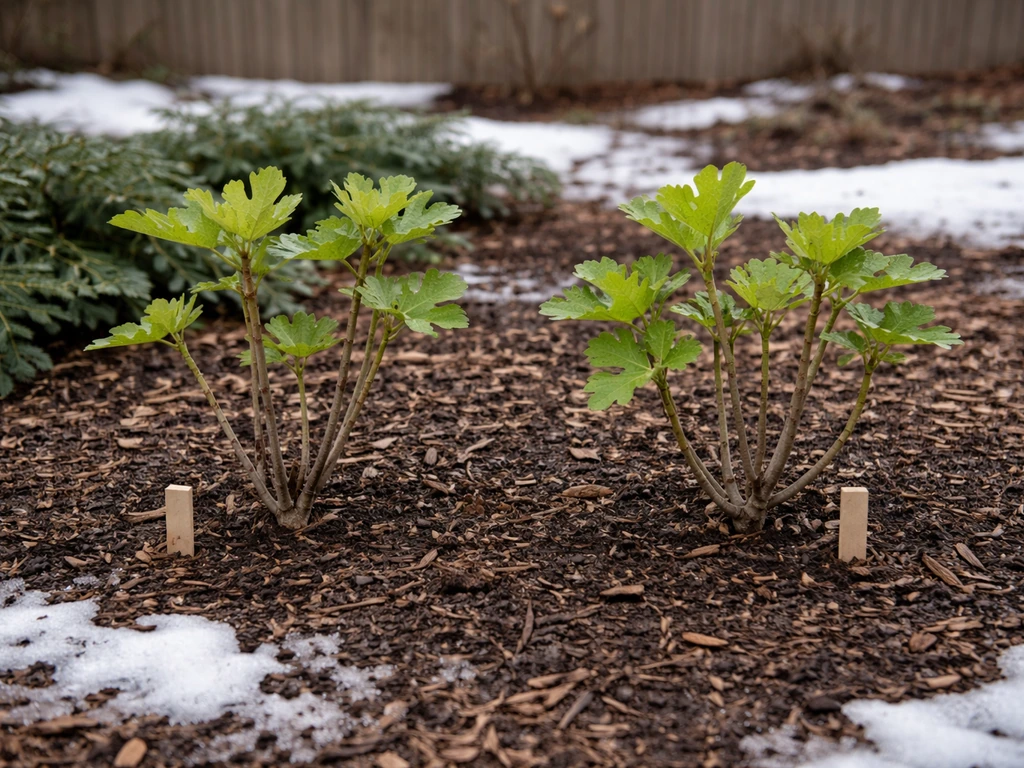
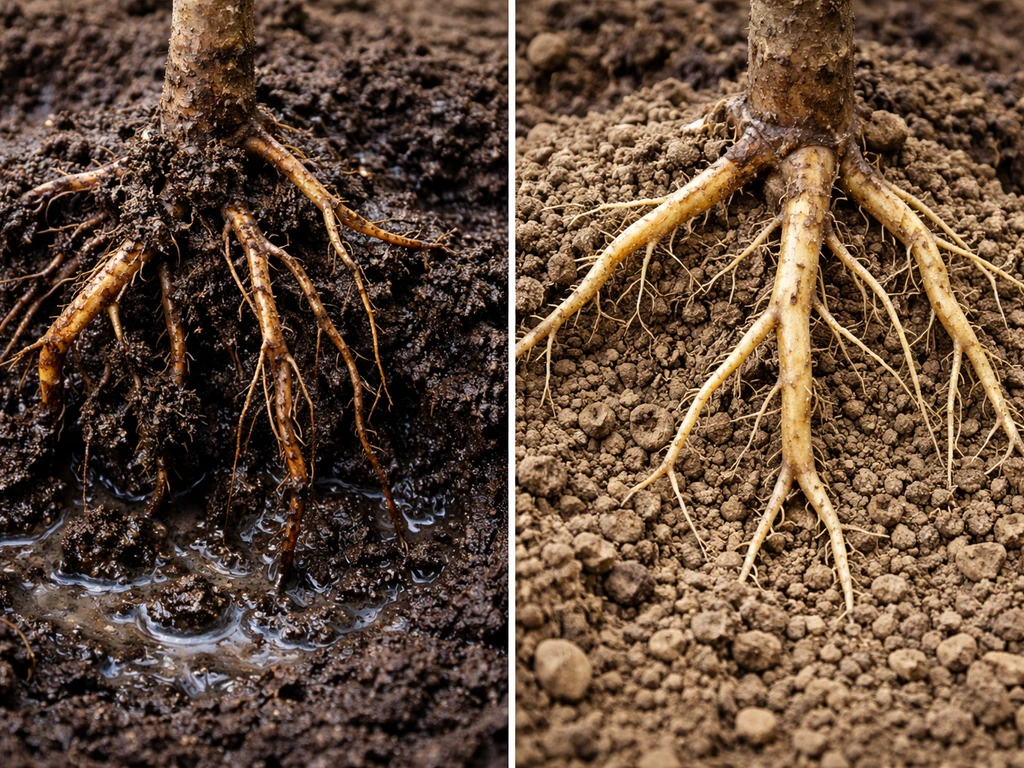
Soil drainage is non-negotiable. Figs sitting in wet, poorly drained soil will struggle in a normal summer and almost certainly die over winter. UNF’s botanical garden also emphasizes that figs do best when planted in well-drained soil and given appropriate light and watering conditions. If your soil is clay-heavy, amend it with compost and consider raising the planting area slightly to improve drainage. Figs are actually not heavy feeders, so you do not need rich soil. A slightly lean, well-drained loam is better than a dense, amended bed that holds water. Penn State Extension and UC IPM both recommend managing in-ground figs as a shrub form rather than a single-trunk tree in cold climates, which helps the plant recover and push new growth after winter dieback.
Winter protection strategies: containers vs in-ground
This is where Minnesota fig growing either works or falls apart. You need a plan before the first hard freeze, not after.
Container overwintering (recommended for zone 4 and colder)
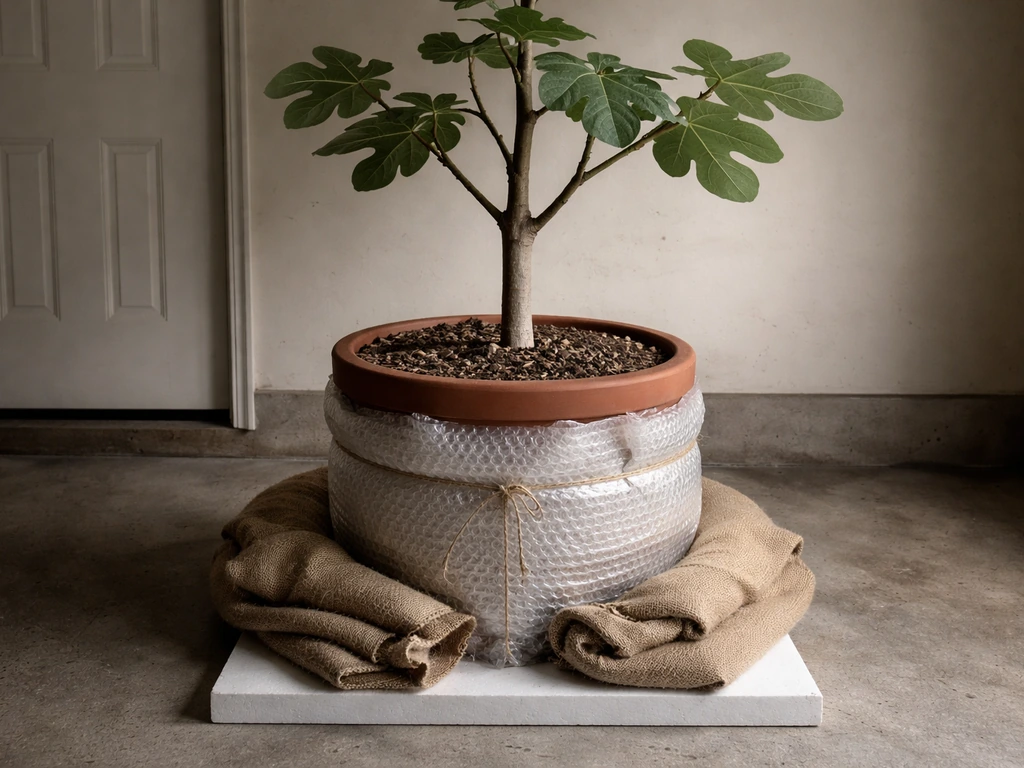
Growing in a container and moving the tree indoors for winter is the most reliable method in Minnesota's colder zones. Use a container that is at least 5 gallons, though 15 to 25 gallons gives the roots more room and produces a more vigorous tree. Before hard freezes arrive (typically late October in the metro, earlier farther north), move the pot to an unheated but insulated space like a garage or shed. The key temperature range to maintain is above about 20 to 30°F so the roots do not freeze but the tree stays dormant. Brooklyn Botanic Garden specifically recommends an unheated garage or shed where temperatures stay above roughly 30°F. The tree will drop its leaves and go dormant. Water it very occasionally over winter, just enough to keep the roots from drying out completely.
In-ground overwintering (zone 5, protected sites)
For in-ground plants in zone 5, you have a couple of approaches. The most effective is the bend-and-bury (trench) method, where you carefully bend the plant's branches down toward the ground after the first frost triggers dormancy, lay them into a shallow trench, and cover everything with soil and a layer of mulch. This protects the wood from the worst cold. A Connecticut Extension fact sheet documents this exact method and it works well in climates comparable to Minnesota winters.
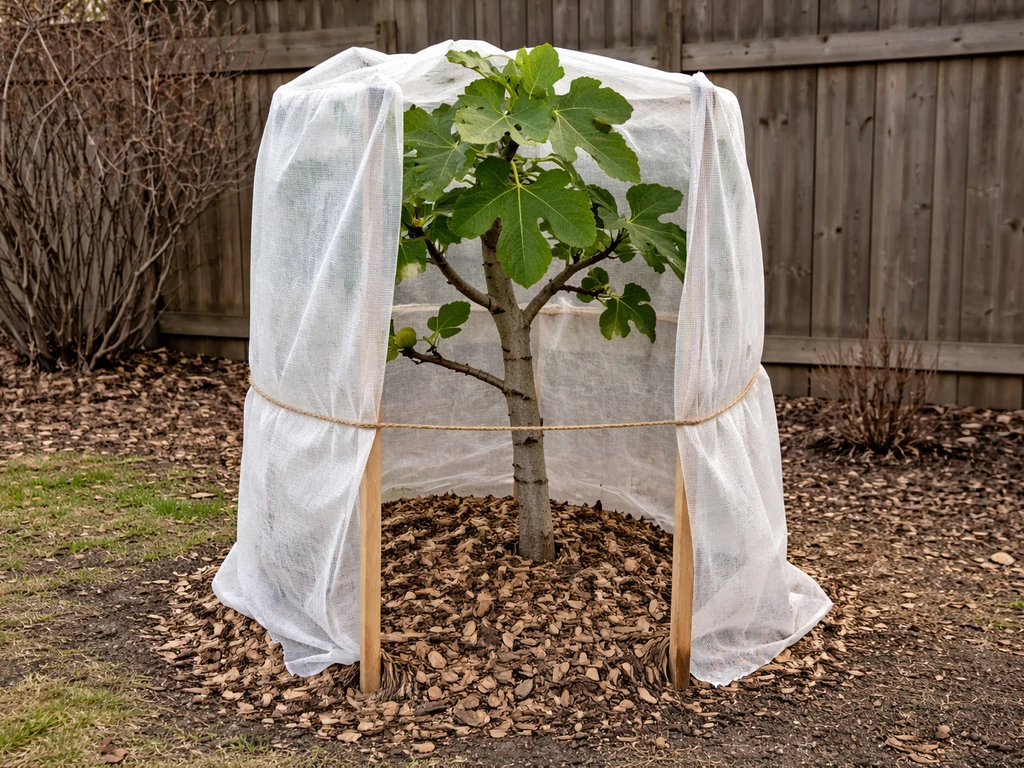
If your plant is too large or stiff to bend, you can wrap the entire plant with burlap, then surround it with a wire cage stuffed with straw or leaves. Add a layer of mulch over the root zone, at least 4 to 6 inches deep. Research from UNH found that plants with additional protection like double-layer row covers or low tunnels significantly outperformed unprotected plants in terms of survival, growth, and fruit yield in cold-climate conditions. The more layers of insulation you can provide, the better the outcome.
- Stop fertilizing by late July to help the plant harden off before frost
- After the first light frost triggers leaf drop, begin the wrapping or burying process
- Use straw, dry leaves, or burlap for insulation, not plastic which traps moisture and causes rot
- Mulch the root zone heavily (4 to 6 inches) regardless of which above-ground method you use
- Remove wrapping gradually in spring once nighttime temps stay reliably above 30°F
Growing timeline: pruning, bloom, and harvest
Figs have a fairly simple seasonal rhythm once you understand how they fruit. Unlike many fruit trees, figs do not bloom in a showy way. The fruit develops directly on the wood, with the main crop forming on current-season shoots and ripening in late summer or fall. This is why winter dieback is not always a total loss: new shoots pushed in spring can still produce fruit before frost.
- Late winter (March in southern MN, early April farther north): Prune just before bud break. Remove any clearly dead or damaged wood. If the plant died back significantly, cut to healthy tissue. UMN Extension recommends late-winter pruning for dieback-prone woody plants in Minnesota.
- Spring (April to May): Remove winter protection gradually as overnight temps stabilize above 30°F. Container plants can move back outside once frost risk drops.
- Late spring to early summer (May to June): New growth pushes from surviving or pruned stems. Small fruit begins forming on new shoots.
- Midsummer (July): If previous-season wood survived, a small breba crop may ripen. Do not count on this in most Minnesota years.
- Late summer to early fall (August to October): Main crop ripens on new wood. Harvest when fruit softens, develops full color, and starts to droop slightly on the stem.
- Fall (after first frost): Begin winter protection process for in-ground plants or move containers inside.
One important caveat for Minnesota: your growing window is short. Figs need a long warm season to fully ripen a main crop, and in zone 4 or a cool zone 5 summer, you may find the fruit does not ripen before the first fall frost. Choosing Chicago Hardy (which fruits on new growth and has a reputation for ripening faster) and planting in the warmest possible microclimate helps push the odds in your favor.
Common cold-climate problems and how to fix them
Severe winter dieback
If you uncover your fig in spring and the branches are dead all the way down, do not panic and do not yank the plant. Scratch the bark near the base with your fingernail. If you see green tissue underneath, the plant is alive and will push new growth. Cut off the dead wood, mulch the base well, and be patient. Chicago Hardy in particular is known for recovering from dieback and still fruiting on new growth in the same season.
No fruit (or fruit that does not ripen)
This is the most common frustration for Minnesota growers. If the plant survived but produced no ripe fruit, the likely causes are a short growing season, insufficient heat, or the plant spending too much energy recovering from winter damage. Solutions: plant in the hottest south-facing microclimate you can find, use black plastic mulch to warm the soil in spring, and choose Chicago Hardy specifically for its ability to produce on new wood quickly. UC IPM notes that truly hot conditions (think 90 to 100°F) are needed for drying figs, but fresh eating figs ripen at more modest temperatures, which is a more realistic goal for Minnesota.
Root rot from poor drainage
If your fig is struggling with yellowing leaves, poor growth, and soft or mushy roots, drainage is almost certainly the problem. Improve the planting site with raised beds or grit amendment, and do not overwater container plants during dormancy. This is an easy mistake to make in winter when the plant is sitting inside and you assume it needs regular water.
Borers and trunk damage
Fig borers can damage exposed or stressed wood, especially on plants that have experienced winter injury. UC IPM recommends applying a whitewash or diluted paint mix to exposed trunks to deter borers on vulnerable wood. Keeping your plant healthy and minimizing winter damage is the best long-term prevention.
Mold and rot under winter coverings
Plastic wraps and airtight covers trap moisture and create conditions for fungal problems. Always use breathable materials like burlap, straw, or loose leaves. If you use a cold frame or tunnel for additional protection, monitor it during warm winter days and ventilate when temperatures rise above 40°F to prevent excess moisture buildup.
What to do if outdoor fruiting is not working for you
If you are in zone 3 or zone 4, or you have tried outdoor figs and are not getting reliable fruit, a dedicated indoor or greenhouse container plan is actually the most practical route to eating homegrown figs in Minnesota. You can grow jicama in Minnesota too, but it usually requires a warm start indoors and careful attention to frost dates. It is not a consolation prize. Plenty of serious growers choose this approach intentionally.
Grow your fig in a 15 to 25 gallon container using a well-draining potting mix. Keep it outdoors in full sun all summer, bringing it inside before the first frost. Over winter, store it in a cool but frost-free space to let it go dormant. In spring, move it back outside as soon as overnight lows are reliably above freezing. This cycle gives the tree a full Minnesota summer of heat and sun, which is often enough for Chicago Hardy or Brown Turkey to produce a solid main crop before fall. A sunroom, heated greenhouse, or large south-facing window can even allow year-round growth if you want to push the tree harder.
If you have a small unheated greenhouse or high tunnel, even better. UNH research found that high tunnel protection significantly improved fig survival and yield compared to outdoor unprotected plants, and a similar setup in Minnesota could allow you to grow figs more like a zone 6 or 7 gardener would. The investment in a basic hoop structure or cold frame around a container fig is worth it if you are serious about consistent fruit production. Minnesota growers tackling other challenging crops like jicama face similar season-length constraints, and the container-plus-protection approach is the same practical solution across all of them.
FAQ
What should I expect for fig fruit ripening in Minnesota (will late-summer figs always mature)?
In most of Minnesota, you should expect frost to be the limiting factor for a full main-crop harvest, so treat fall ripening as uncertain. Even with the right variety, if your first hard frost arrives before the figs have time to dry and fully ripen, you may only get small, immature fruit. Planning to harvest green but edible-ripe fruit quickly (or overwinter the plant for next season) reduces disappointment.
When should I bring a container-grown fig indoors for winter in Minnesota?
For containers, the most reliable timing is to move the pot indoors when hard freezes are likely, not when you first see chilly nights. Late October in the Twin Cities is a good ballpark, but farther north you may need to start earlier. If you wait until the soil freezes solid, root damage can set back next season’s growth and fruiting even if the top looks alive.
Can I leave an in-ground fig outside through winter if I add more mulch or wrap it later?
Yes, but it is usually a setup change, not just a little extra protection. If you keep the plant outdoors past hard freezes, you risk killing active buds and damaging new-growth wood. The “bend-and-bury” or wrapped-and-caged approach is designed specifically for the period after dormancy begins, so start after the first frost triggers dormancy, then insulate before temperatures plunge.
My fig looks weak with yellow leaves, could it be something other than cold damage?
Poor drainage is the most common cause of sudden fig decline, and it can show up as soft, mushy roots plus yellowing leaves. Fixes that help immediately include raised planting or adding coarse grit to improve flow, and avoiding any low spot that holds water after rain. In containers, confirm that water drains freely and that the pot is not sitting in a saucer.
Which variety decision matters most for getting figs every year, not just occasionally?
If you want a chance at fruit every year, choose a variety that fruits on new growth and plan your protection around winter dieback. That means Chicago Hardy is typically the most dependable option for colder Minnesota sites, because it can restart and still fruit on the same season’s new shoots. Brown Turkey can work in milder microclimates, but it is less forgiving if winter protection slips.
What winter-covering mistakes commonly ruin Minnesota fig plants?
Do not rely on a trunk wrap that traps moisture tightly, because that can increase fungal issues during warm winter spells. Use breathable materials like burlap and ventilate if you add covers that can warm up above roughly 40°F. Also keep insulation focused on critical wood and the root zone rather than sealing everything airtight.
If my fig looks dead in spring, how do I tell if it can still recover?
Scratching the base and looking for green tissue is a good first check, but also inspect smaller branch sections, not only the main trunk. If the base is alive, cut back to where you see living tissue, then mulch and wait for new shoots before pruning aggressively. With Chicago Hardy, recovery can happen after significant dieback, so the plant may look dead longer than you expect.
Should I fertilize my Minnesota fig heavily to help it fruit?
You can overdo fertilizer. Because figs are not heavy feeders and Minnesota winters limit growth time, extra nitrogen often produces leafy growth at the expense of fruiting readiness. In-ground, stick to modest compost if needed, and for containers use a balanced approach, then reduce feeding in late summer to avoid soft growth that is more winter-sensitive.
What temperature range should I target for a container fig during indoor dormancy?
If you are using a cold space for container overwintering, avoid letting temperatures drop below freezing at the root zone. A cool but frost-free area is the goal, and leaving the pot somewhere that freezes solid can lead to delayed spring growth or poor fruit set. Aim for a dormancy-friendly range where the tree stays dormant and the roots do not freeze.
What are practical ways to extend the warm season for figs in Minnesota?
Yes, and it is especially helpful when you want a head start on the ripening window. A south-facing wall helps, black plastic mulch warms soil faster in spring, and a temporary low tunnel or cold frame on the container (or near the in-ground site) can add useful heat early. Just remember to ventilate during warm days to prevent moisture buildup.
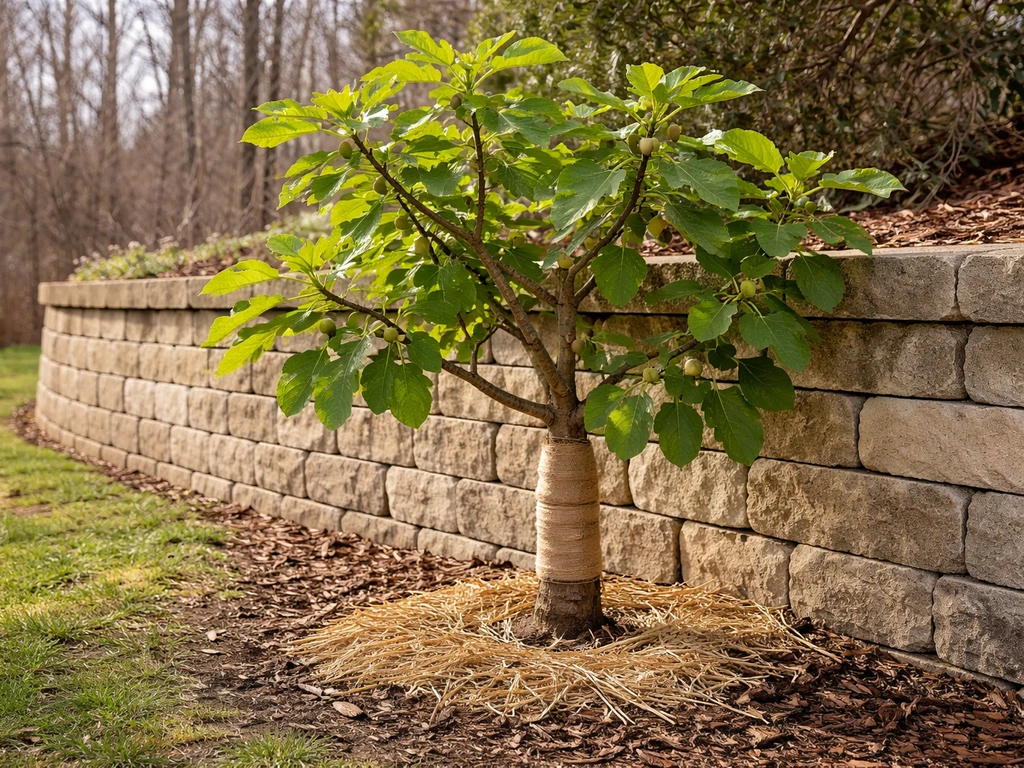
Yes. Learn which fig varieties survive Michigan winters, best planting spots, protection methods, and how to ripen fruit
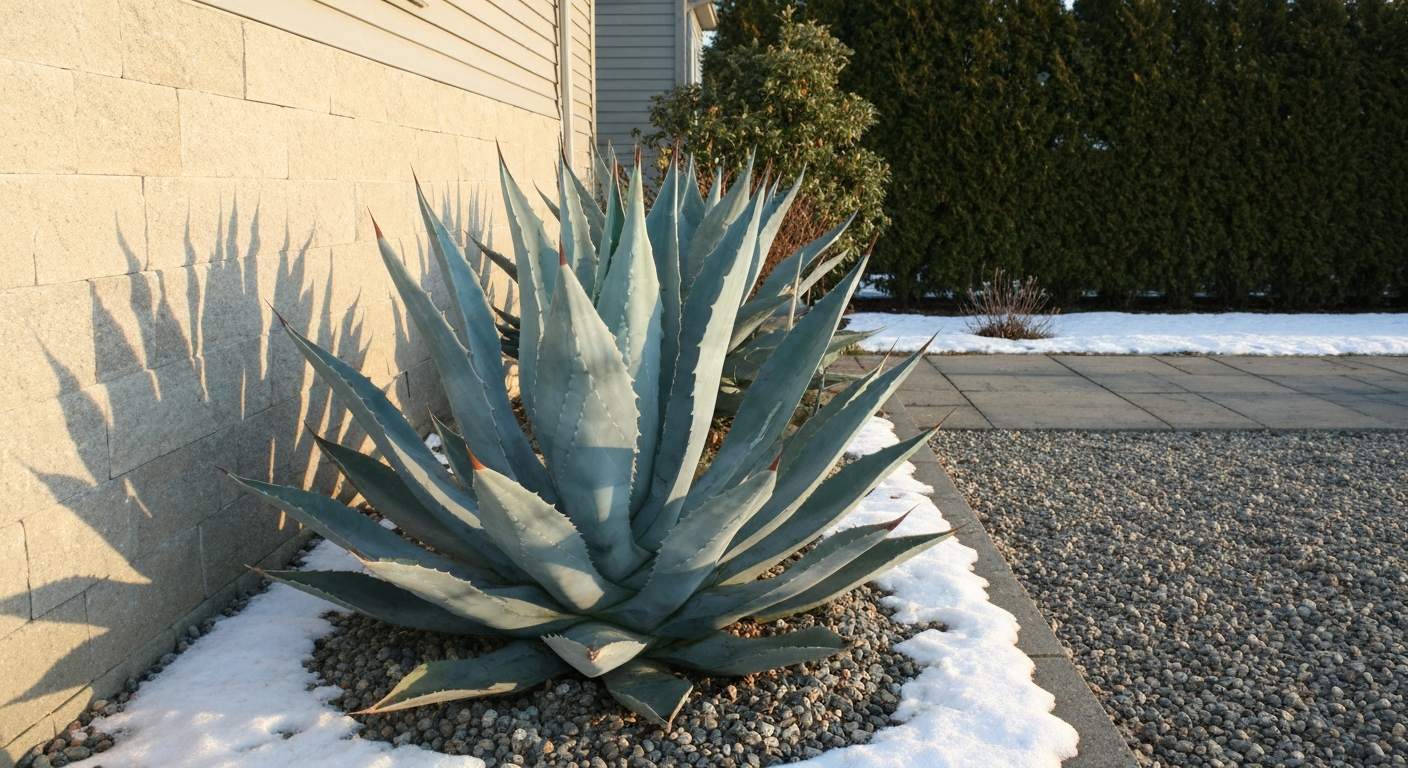
Can you grow agave in Canada? Practical region-by-region guide, hardy species, container tips & winter care.
Can you grow okra in Canada? Regional verdict, Ontario-specific steps, varieties, season-extension & harvest tips.