
You can grow jicama in Wisconsin, but you need to go in with realistic expectations. For California, the bigger question is whether your heat and season length line up with jicama's need for several months of warm weather can you grow jicama in California. It's a genuine challenge. Jicama wants 5 to 9 months of warm weather to develop large, harvestable tubers, and Wisconsin's frost-free window runs roughly 150 to 180 days depending on where you are in the state. That gap is the whole problem. You're not going to pull up dinner-plate-sized roots like you'd find at a Mexican grocery, but with an aggressive indoor start, good heat management, and maybe a hoop house or warm patio setup, you can absolutely get small-to-medium tubers worth harvesting. Think of it as growing jicama on hard mode, not as something impossible.
Can You Grow Jicama in Wisconsin Yes But How to Do It
The honest Wisconsin verdict
Southern Wisconsin, including the Madison and Milwaukee corridor, has the best shot. Waukesha County UW-Extension pegs Southeastern Wisconsin's average last frost at May 7 and first fall frost at October 7, giving you about 153 frost-free days. That's thin for a crop that technically wants 150 to 270 days of warm weather. Northern Wisconsin is tougher still, with shorter seasons and colder nights that will stunt tuber development even if plants survive. If you're in Green Bay, La Crosse, or anywhere north of Highway 29, plan on using a hoop house or unheated greenhouse to have any realistic chance. If you're in Milwaukee, Madison, Racine, or Kenosha, you can attempt it outdoors with a strong indoor start and some season-extension tricks. If you want to know whether the same approach can work for you specifically, yes, you can grow jicama in Minnesota with an indoor start and strong season-extension. blank" rel="noopener noreferrer">The UC Small Farms Network is blunt about this: with currently available cultivars, jicama is unlikely to produce good-quality roots across most of the United States. Wisconsin sits squarely in that difficult zone. You're growing this as an enthusiast project, not a reliable food crop.
Why jicama fights you in cold climates
There are two separate biological hurdles stacked against Wisconsin growers, and understanding both helps you game the system a little.
The first hurdle is raw season length. Jicama needs 5 to 9 months of consistently warm weather before it directs energy into building large roots. Even in southern Wisconsin's best-case scenario, you're working with about five months from safe transplant date to first hard frost. That puts you right at the absolute minimum, and any cold snap, late spring, or early fall can shave that down further.
The second hurdle is photoperiod. Jicama is a short-day plant. It only initiates tuber production when day length drops to roughly 11 to 13 hours. ECHO’s jicama fact sheet similarly notes that short-day conditions are required for tuber production. In Wisconsin, day length doesn't reliably fall below 13 hours until late August or September, which means your plants spend most of the growing season putting energy into vines and foliage instead of roots. Then, just as tuber development kicks in, the first frost arrives. This photoperiod dependency is also why Texas A&M notes that plants exposed to 14 to 15-hour days don't produce tubers at all. Wisconsin summers routinely hit 15 hours of daylight. You're essentially racing the calendar from both ends.
Starting jicama seeds indoors in Wisconsin
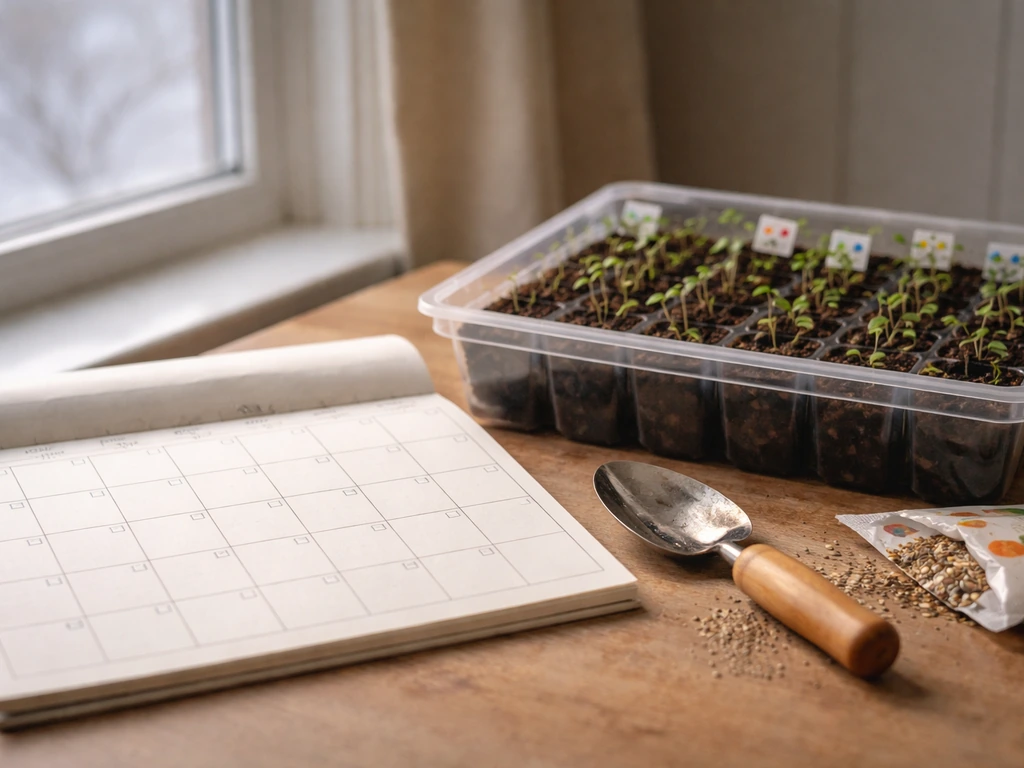
Starting early is the single most important thing you can do. Pinetree Garden Seeds recommends sowing jicama indoors 12 to 14 weeks before last frost. For Southeastern Wisconsin with its May 7 last frost date, that means starting seeds in early to mid-February. Northern Wisconsin gardeners targeting a late May transplant should start seeds in late January or early February. Yes, that feels early, but you genuinely need every week you can get.
Before you plant, prep your seeds. Jicama seeds have a tough seed coat that slows germination. Lightly scarify them with sandpaper or a nail file, then soak them in warm water overnight. This one step can shave a week or more off germination time, and faster germination means less time for damping-off fungus to attack vulnerable seedlings.
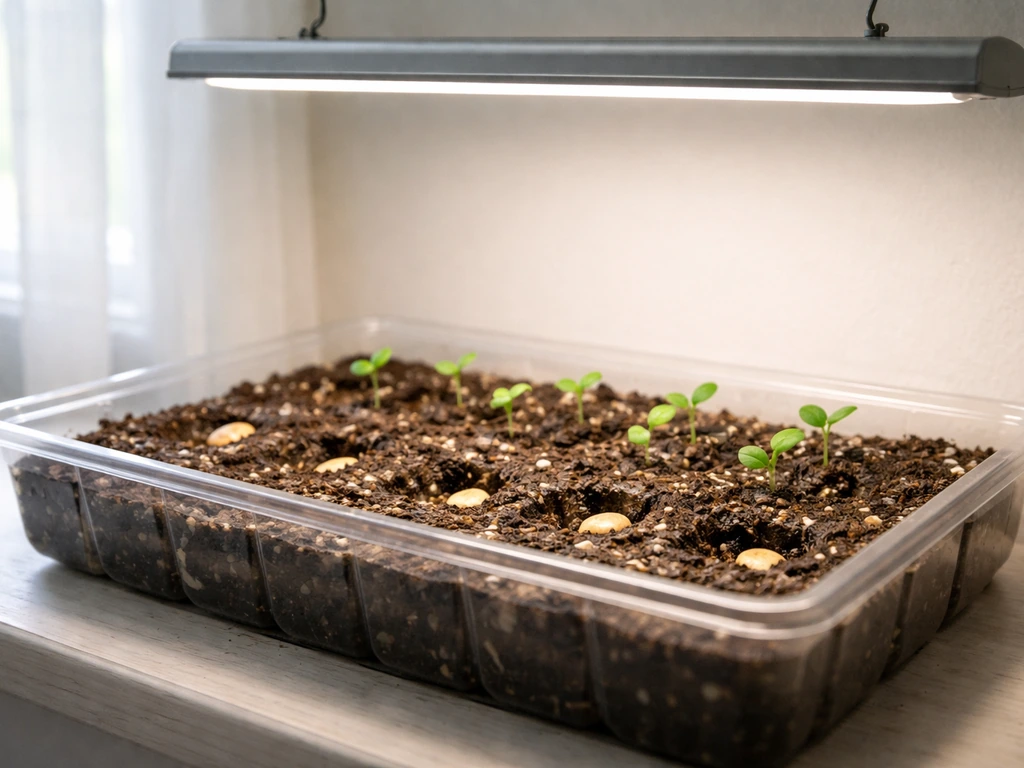
Sow seeds about an inch deep in a well-draining seed-starting mix. Use 4-inch pots or deep cells rather than shallow trays because jicama starts building a taproot early and resents crowding. Keep soil temperature between 75°F and 85°F. A heat mat is not optional in a Wisconsin February. Without consistent bottom heat, germination stalls or fails. Expect sprouts in 7 to 14 days under warm, moist conditions. Once seedlings emerge, give them as much light as possible. A south-facing window alone usually isn't enough in February at Wisconsin latitudes. Supplement with a full-spectrum grow light running 14 to 16 hours a day to keep seedlings stocky and strong.
Getting plants in the ground (or into containers)
When to transplant
Don't rush this. Jicama is frost-sensitive, and a cold snap will set plants back badly or kill them outright. Wait until nighttime temperatures are consistently above 55°F and all frost risk has passed. In Southeastern Wisconsin, that's typically mid-May at the earliest, and many years early June is safer. Harden off your seedlings for at least 10 to 14 days before transplanting, moving them outside for a few hours each day and gradually increasing their exposure.
Ground planting
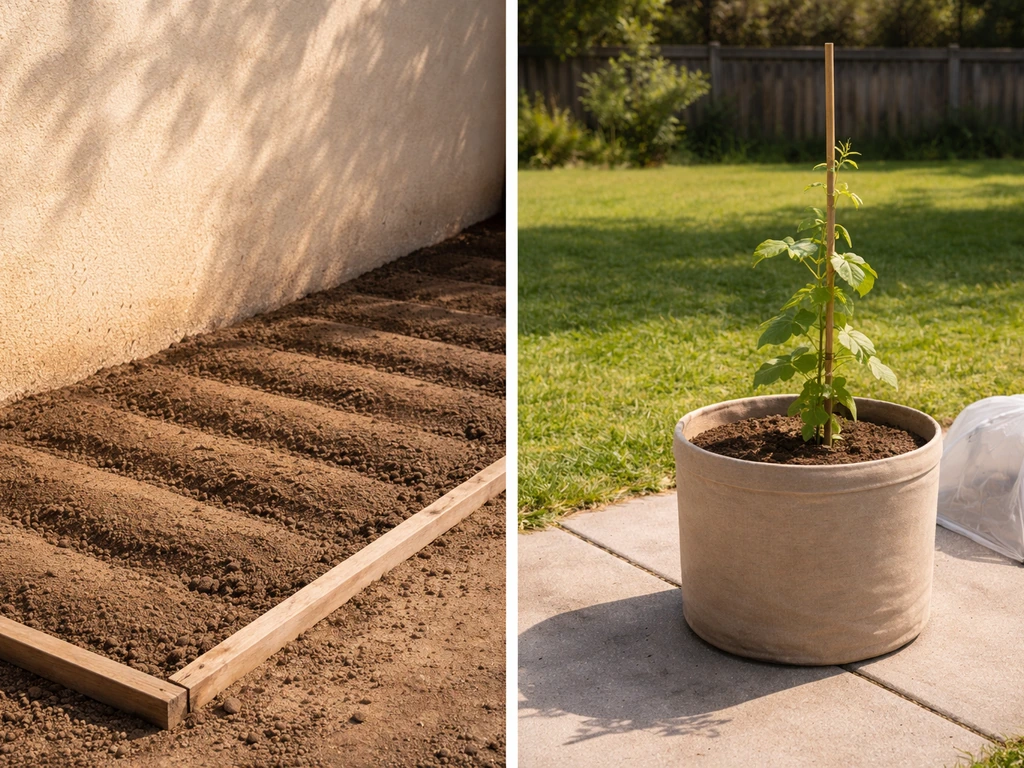
Pick the warmest, sunniest spot in your yard: a south-facing bed that gets 8-plus hours of direct sun, ideally with a wall or fence reflecting extra heat. Jicama wants sandy loam with excellent drainage. Heavy clay soil, which is common in many Wisconsin yards, will produce misshapen, rot-prone roots. Amend heavily with coarse sand and compost before planting. Aim for a raised bed if you can, since raised beds warm up faster in spring and drain better than flat ground. Soil pH around 6.0 to 7.0 is fine.
Container growing
Containers are actually a smart strategy in Wisconsin because you can move plants indoors or onto a protected porch when temperatures dip. Use a container that's at least 15 to 20 gallons and at least 18 inches deep to give the taproot room to develop. Fill with a well-draining potting mix and add perlite for drainage. Dark-colored containers absorb more heat, which helps. Place on a south-facing deck or patio where the concrete or pavers create an urban heat island effect. This can add a few degrees of effective growing temperature compared to an in-ground bed.
Watering and feeding
Water consistently but never let the soil become waterlogged. Soggy soil in cool Wisconsin conditions is a fast track to root rot. Let the top inch of soil dry out between waterings. For fertilizer, go light on nitrogen (it encourages vine growth at the expense of roots) and emphasize phosphorus and potassium once plants are established and flowering. Jicama is a legume and fixes some of its own nitrogen, so you don't need to push it hard. A balanced 5-10-10 or similar low-nitrogen formula every three to four weeks works well. One other critical step: pinch off flower spikes as they appear. This redirects the plant's energy from seed production into tuber development and genuinely makes a difference in root size.
Managing the growing season in Wisconsin
Your main job all summer is keeping the plants as warm as possible and protecting them from cold on both ends of the season. can you grow figs in michigan. Jicama wants daytime temperatures above 75°F for good growth, and growth slows significantly below 65°F. Wisconsin's July and August typically deliver this, but June and September can be borderline.
In June, if temperatures are running cool, use black plastic mulch over the soil to hold warmth. This helps in-ground beds especially. For container plants, just move them to the warmest microclimate you have.
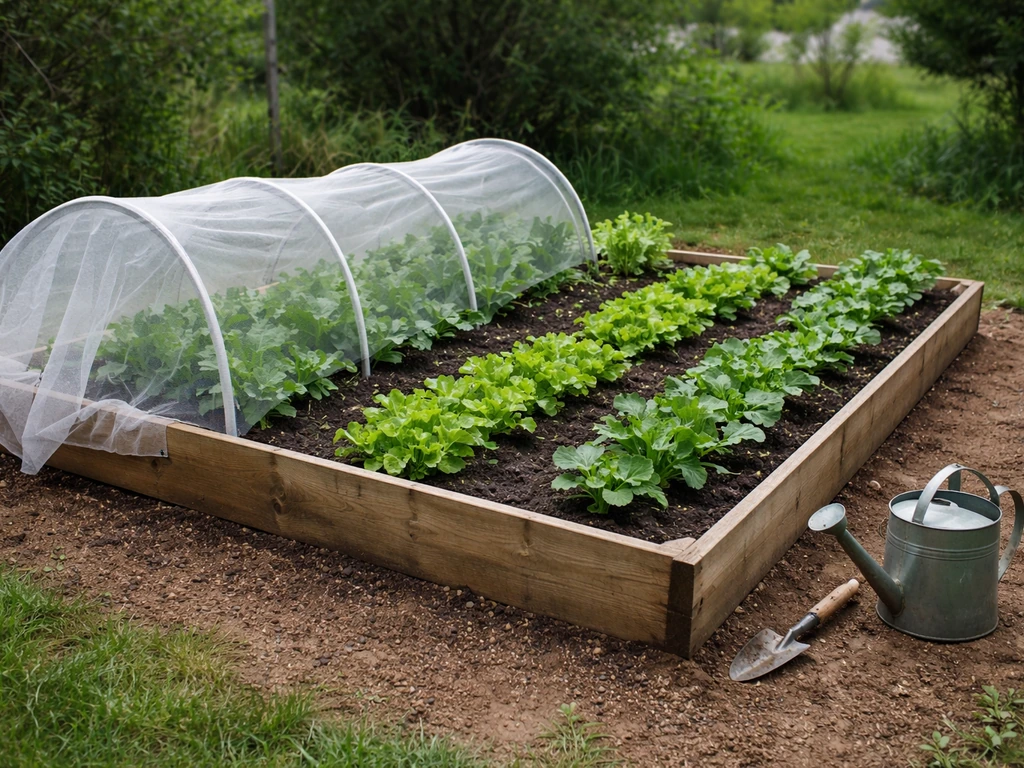
As August transitions to September and the risk of early frost creeps in, low tunnels and row cover become your best friends. WVU Extension recommends securing row covers in the evenings when frost threatens and removing them during warm daytime periods to allow ventilation. A standard row cover (about 1.5 oz weight) can protect plants from light frosts in the 28°F to 32°F range and also traps solar heat during the day, extending your effective season by two to three weeks. For more serious cold protection or if you're in northern Wisconsin, an unheated hoop house or small plastic tunnel is the better tool. It can keep interior temperatures 10°F to 20°F warmer than outside on clear nights, which can mean the difference between live plants and dead ones in early October.
Jicama vines get long. Plan on 8 to 15 feet of spread or more. You can trellis them vertically to save space and improve air circulation, or let them sprawl. Either way, don't let them shade their own root zone or neighboring crops excessively.
Tuber formation and when to harvest
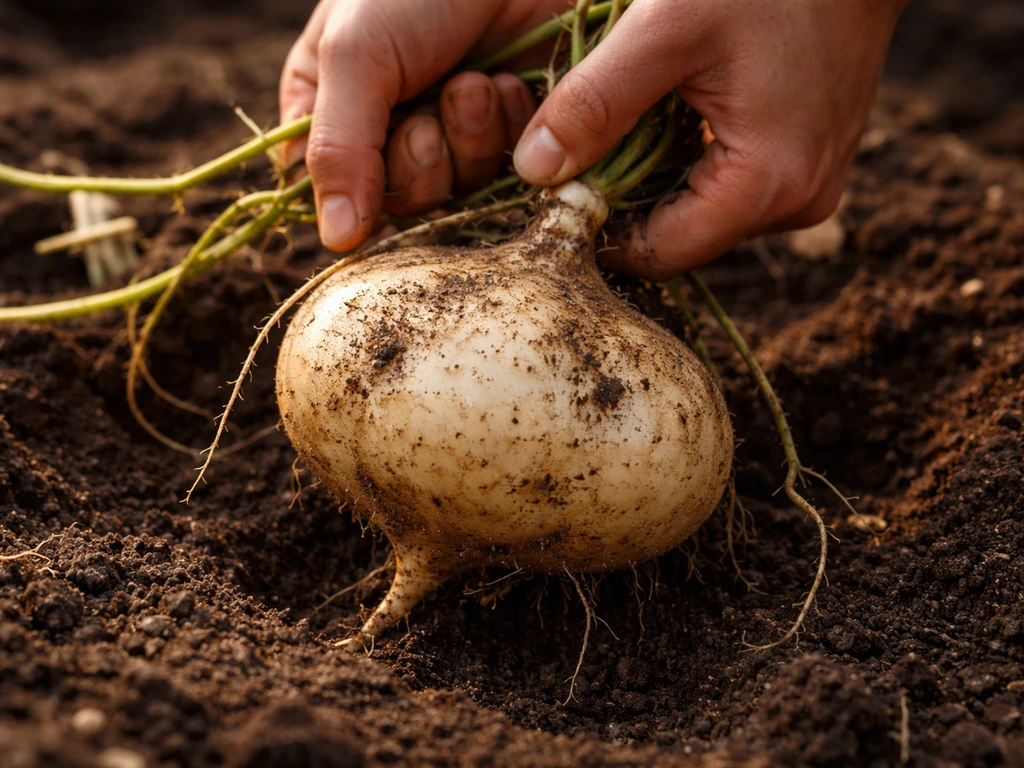
Here's the honest timeline: tuber initiation in Wisconsin typically starts in late August or September when day length drops below 13 hours. That means plants have maybe four to eight weeks to bulk up roots before frost ends things. What you're likely to harvest in Wisconsin is small-to-medium tubers, perhaps 0.5 to 2 pounds each, rather than the 5- to 10-pound monsters you see commercially. For a home gardener, those smaller tubers are still delicious and absolutely worth the effort.
Harvest before the first hard frost. Don't wait for frost to kill the vines: once plants are hit by frost, the roots can suffer chilling damage, which accelerates decay in storage. Watch the vines for when they start to yellow and die back naturally in fall, or simply harvest before your local expected first frost date. Dig carefully with a fork or shovel, working wide around the plant to avoid nicking the skin. Even small cuts to the outer periderm (the papery skin) increase the chance of rot during storage.
For storage, UC Davis recommends keeping jicama roots at 55°F to 59°F (12.5°C to 15°C) with moderate humidity around 70 to 80 percent. A basement corner or unheated garage that doesn't freeze fits this profile well for Wisconsin falls. Don't refrigerate them: jicama is chilling-sensitive and will deteriorate below 50°F. Stored properly, roots keep for several weeks to a couple of months.
Common problems Wisconsin growers run into
Leggy, weak seedlings
The most common indoor-start failure is leggy seedlings that flop over and never establish well outdoors. This almost always comes down to insufficient light. A grow light running 14 to 16 hours per day, positioned 2 to 4 inches above the seedlings, fixes this. If you're relying on a window, move to supplemental lighting. Leggy transplants struggle to develop well once they go outside and often produce less root mass.
Slow or stalled growth mid-season
If your plants look healthy but aren't putting on much size, the culprit is usually temperature. Check your overnight lows. If they're consistently dipping into the low 60s or below, growth will stall. Container plants can be moved to a warmer spot or brought inside at night. For in-ground plants, use black plastic mulch and consider temporarily covering with a low tunnel during cold stretches. Also make sure you've been removing flower spikes: a plant spending energy on flowers is not spending it on roots.
Root rot
Root rot is one of the most serious threats in Wisconsin's sometimes wet, cool growing conditions. It's caused by water molds and fungi like Pythium, Phytophthora, and Rhizoctonia. Prevention is far easier than cure. The keys are well-draining soil or potting mix, raised beds over flat clay ground, and careful watering that lets soil dry slightly between sessions. UW-Madison Vegetable Pathology notes that accurate diagnosis matters because treatments differ between true fungi and oomycetes like Pythium. If you see yellowing, wilting, and mushy stem bases at soil level, dig up and inspect the roots. Affected tissue should be removed, and the remaining plant moved to drier conditions. Preventive use of a well-draining medium and good sanitation goes much further than any fungicide after the fact.
Aphids and whiteflies
Jicama can attract aphids and whiteflies, especially in the warm, sheltered conditions of a hoop house. These aren't usually catastrophic but can weaken plants and spread mosaic-type viruses. Check the undersides of leaves regularly. A strong spray of water knocks aphid colonies off effectively. For persistent infestations, insecticidal soap or neem oil applied in the evening works well. Don't spray in direct midday sun, as it can burn foliage.
How Wisconsin compares to other northern states
Wisconsin sits in a similar situation to Minnesota, where the even shorter season makes outdoor jicama even harder. California growers, by contrast, especially in Southern California and the Central Valley, have the warm, long seasons that give jicama its best chance in the US. If you've looked at growing jicama in Minnesota, you'll recognize almost all of the same challenges, though Wisconsin's slightly warmer south gives it a modest edge. The fundamentals are the same across northern latitudes: maximize heat, start indoors aggressively early, use season extension, and harvest small-to-medium tubers before frost. In general, figs are also challenging in cold-weather states, but with the right variety and serious protection you may be able to grow them can you grow figs in minnesota.
Your Wisconsin jicama game plan at a glance
| Step | Timing / Detail |
|---|---|
| Scarify and soak seeds | Night before sowing; soak in warm water 12–24 hours |
| Start seeds indoors | Early to mid-February (12–14 weeks before last frost) |
| Indoor setup | Heat mat at 75–85°F, full-spectrum grow light 14–16 hrs/day, 4-inch deep pots |
| Germination | 7–14 days with consistent warmth |
| Harden off seedlings | 10–14 days before transplanting |
| Transplant outdoors | Mid-May to early June; nights consistently above 55°F |
| Soil / container | Sandy loam or well-draining potting mix; raised bed or 15-20 gal container |
| Remove flower spikes | All season; redirect energy to roots |
| Apply row cover / low tunnel | Late August onward; remove during warm days |
| Tuber initiation | Late August to September as day length drops below 13 hours |
| Harvest before | First hard frost (around October 7 in SE Wisconsin) |
| Storage conditions | 55–59°F, 70–80% humidity; do not refrigerate |
FAQ
What jicama variety should I choose for Wisconsin if I want the best odds of tubers?
In Wisconsin, prioritize cultivars marketed for cooler or shorter-season production and avoid those described as needing very long warm stretches. If your seed packet lists days to harvest, treat it as a minimum, not a promise, and plan to extend your season with a low tunnel or hoop house because Wisconsin’s tuber window can be only a few weeks after day length triggers tubering.
Can I grow jicama outdoors in Wisconsin without a hoop house or row cover?
You can try outdoors in southern Wisconsin only if you have a protected microclimate, reliably warm days, and enough time to avoid early cold. Even then, use at least black plastic mulch and a low tunnel plan for late-season nights, because one frost hit before tubers bulk up can significantly reduce root size or cause storage rot.
When is it too late to start jicama from seed in Wisconsin?
If you are starting seeds later than your local last-frost timing minus 12 to 14 weeks, you are likely to miss the tuber bulking window that Wisconsin relies on (late August into September). Once you see that day length is not yet dropping and nights are cooling, you can still grow foliage, but tuber formation may stall before frost.
How do I know my jicama plants are likely forming tubers versus just making vines?
Expect most tuber initiation only when day length trends shorter (often late August to September in Wisconsin). If the plant stays lush and continuously pushes vines before then, it usually means it is not yet in tuber mode, so focus on warmth and consistent moisture rather than adding more nitrogen.
Should I fertilize jicama more if it looks pale or slow growing?
Avoid boosting nitrogen. Jicama can look less vigorous when nights are cool, and extra nitrogen mainly increases vine growth. If you need to correct nutrition, use a low-nitrogen approach (phosphorus and potassium emphasis) after plants are established, and correct soil drainage and temperature first, since those often limit root development more than fertility.
Is container gardening the safest way to grow jicama in Wisconsin?
Containers are often the easiest way to manage warmth because you can move plants to shelter quickly during cold spells. Use deep containers (about 18 inches or more) since jicama builds a taproot early, and ensure the pot drains freely. Do not let containers sit in saucers with runoff, which can create the same root-rot risk as in-ground wet soil.
What temperatures actually kill jicama or damage tubers in Wisconsin?
Jicama is frost-sensitive, so aim to keep plants away from freezing conditions and harvest before the first hard frost date. For protection, row covers can help with light frost but are not a substitute for real insulation in prolonged cold snaps. A single freeze event can chill roots and shorten storage life even if the vines later regrow.
How can I prevent root rot if my yard stays wet or has clay soil?
Use a raised bed or at minimum a raised mound with very well-draining amended soil. Water to keep growth steady, but let the top layer dry slightly between waterings. Also avoid repeatedly disturbing seedlings and roots during wet periods, since wounds plus damp conditions increase the odds of rot.
Can I tell whether I have a true fungus versus oomycete root disease?
You can’t reliably diagnose at a glance, but you can act like the likely case is water-driven. Remove affected plants or affected portions, improve drainage immediately, and stop heavy watering. The fresh air and drier medium matter regardless, and getting an exact ID is most important if you plan to use targeted treatments rather than prevention-focused fixes.
Do I need to pinch off flowers every time, and what if I miss some?
Pinching flower spikes helps redirect energy toward tubers. If you miss some early blossoms, don’t panic, just remove new spikes as soon as they appear and focus on warmth and consistent (not soggy) moisture. Flowering earlier and more heavily can correlate with smaller tubers, so prevention matters more than perfection.
How should I harvest and cure jicama in Wisconsin for storage?
Harvest before hard frost and handle roots gently to avoid cuts in the papery skin. After digging, keep roots in a cool area with moderate humidity, rather than drying them out completely, because storage rot often starts at damaged spots. If you see any soft or nicked areas, store those separately and use them first.
Can I refrigerate harvested jicama to make it last longer?
No, refrigeration is risky for jicama because it is chilling-sensitive. Keep roots around the mid-50s Fahrenheit range with moderate humidity, and avoid letting them drop below about 50°F. A stable basement or unheated garage is usually better than a fridge in Wisconsin.
What should I do if my seedlings are leggy before transplanting?
Legginess is usually a light problem. Use a grow light on a timer (roughly 14 to 16 hours daily) and place it close enough to prevent stretching, then transplant when the weather is warm enough for nights above about 55°F. If seedlings are already weak and stretched, harden off gradually but do not delay, because cool outdoor conditions will further stall establishment.
Do pests like aphids or whiteflies meaningfully affect tuber size?
They usually do not outright destroy tubers, but heavy infestations reduce leaf health and can lower the energy available for root bulking. Check leaf undersides often, knock off colonies with a water spray, and use insecticidal soap or neem in the evening if needed. In a hoop house, controlling airflow and weeds nearby also reduces pest pressure.
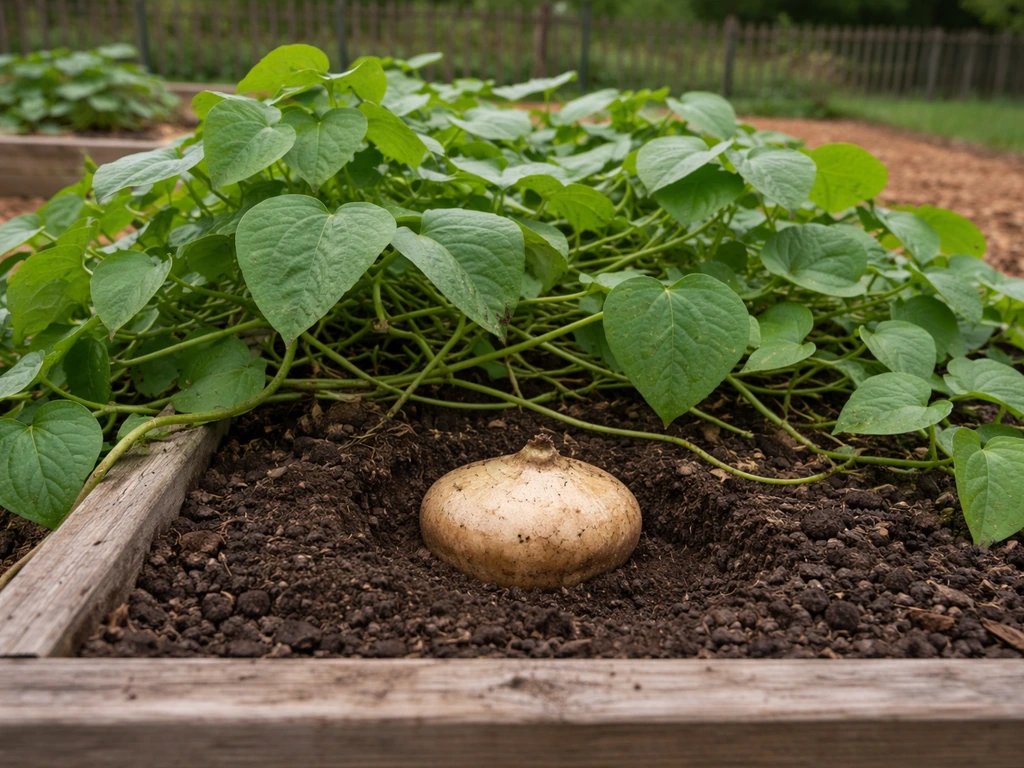
Can you grow jicama in Minnesota? Learn timing, varieties, indoor starts, care, troubleshooting, and storage for tubers.
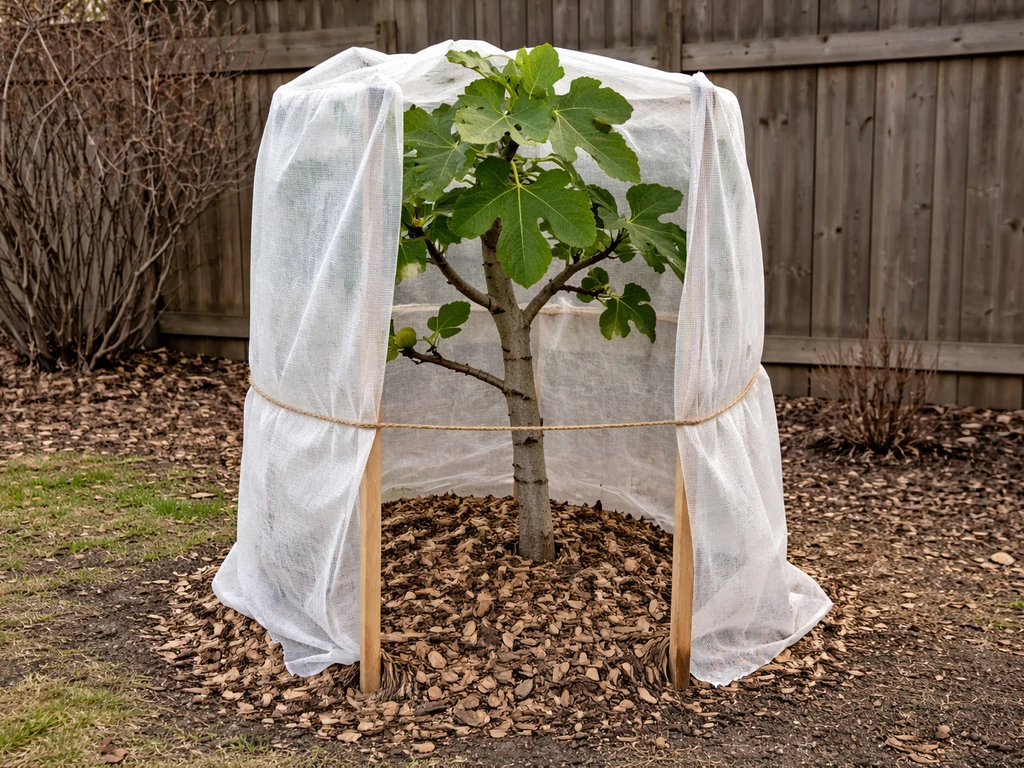
Yes, grow figs in Minnesota with cold-hardy varieties, proper sun, drainage, and winter protection for fruit.
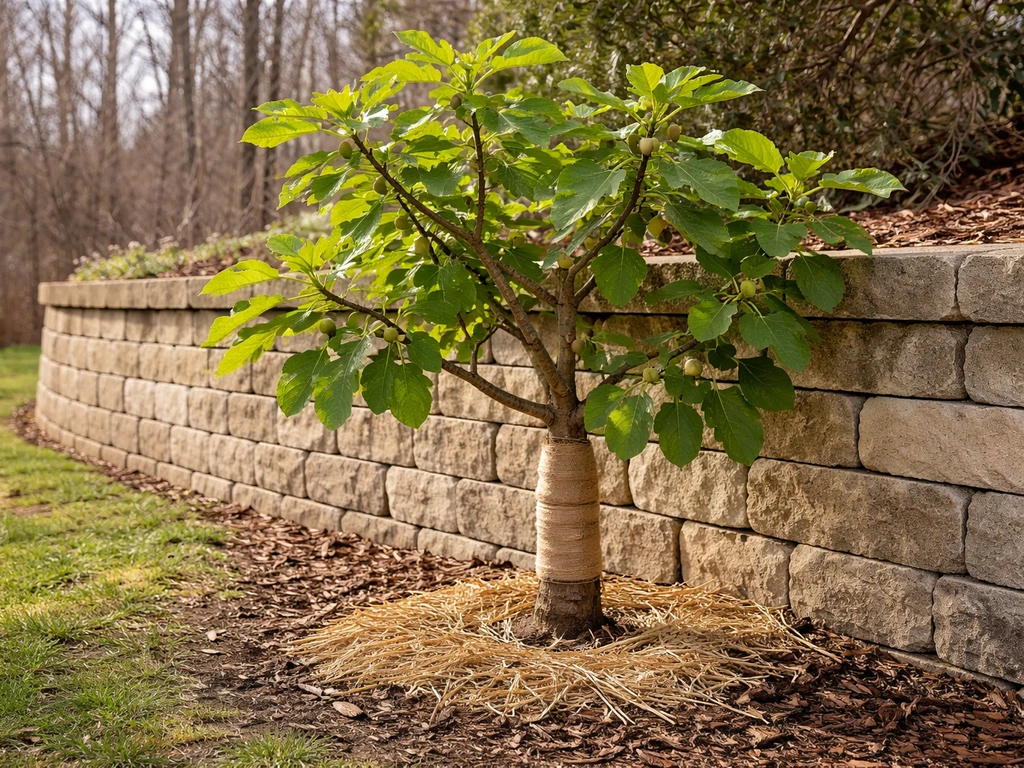
Yes. Learn which fig varieties survive Michigan winters, best planting spots, protection methods, and how to ripen fruit