
Yes, you can absolutely grow poppies in Michigan. In Oregon, you can grow poppies too, but you will still need to match their cool-season timing and ensure the soil drains well can you grow poppies in oregon. In Texas, the main challenge is the hotter summer temperatures, so success depends on choosing the right planting time and cool-season conditions grow poppies in Texas.
Can You Grow Poppies in Michigan? How to Succeed

Marcus Holloway
27 Apr 2026
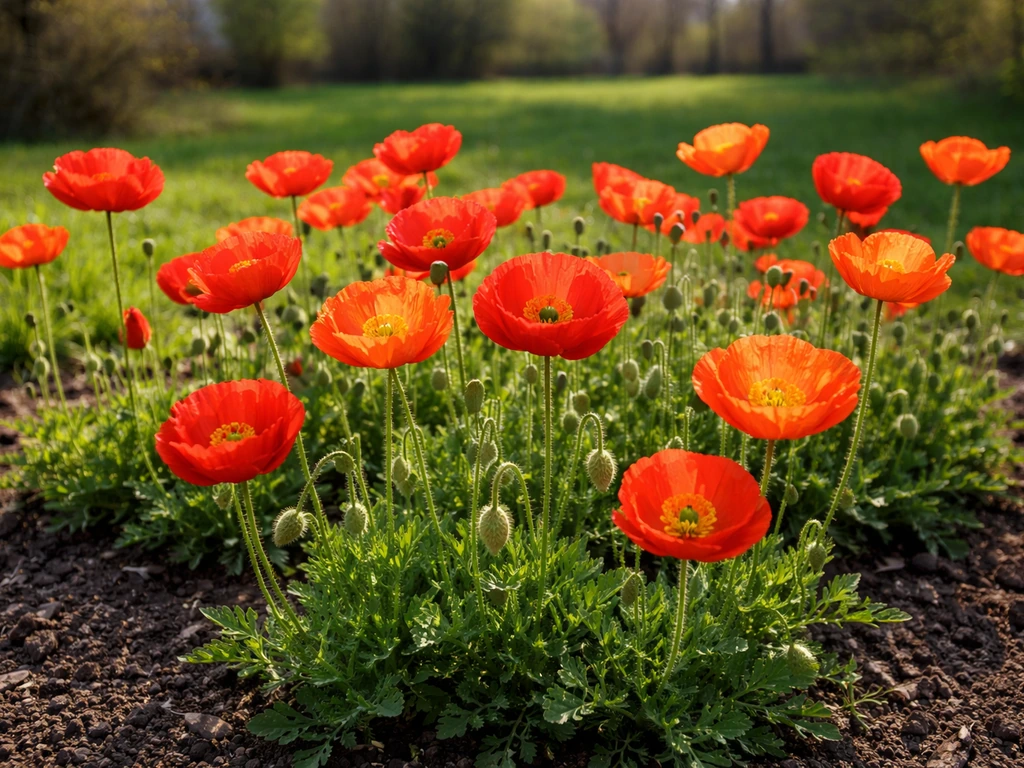
Most of the state falls in USDA hardiness zones 5a through 6b, and several poppy species thrive in exactly that kind of cold-winter, cool-spring climate. In Georgia, you can still grow poppies, but timing and cool-season conditions matter most for success can you grow poppies in georgia. Corn poppies (Papaver rhoeas), Oriental poppies (Papaver orientale), and Iceland poppies (Papaver nudicaule) all perform well here. Michigan State University Extension even lists Papaver rhoeas and Papaver spp.
in its Michigan landscape plant recommendations. The main thing to get right is timing and direct sowing: poppies hate being transplanted, and Michigan's shoulder seasons are perfectly suited to their cool-weather germination window.
Which poppies actually work in Michigan
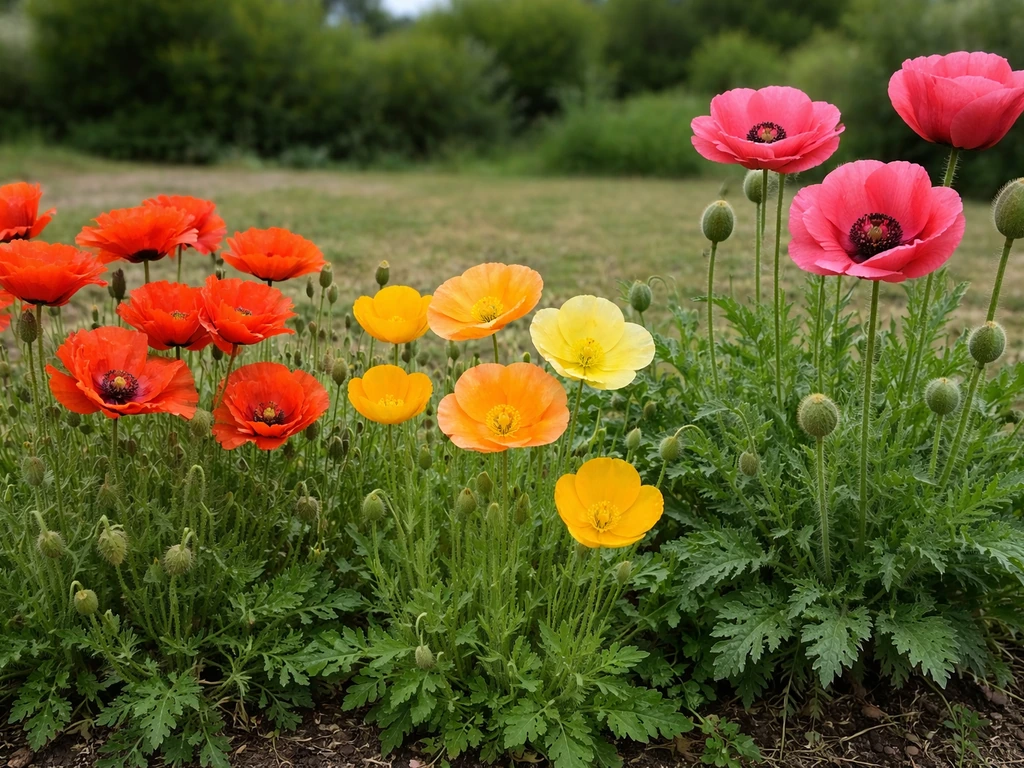
Not every poppy is equally well suited to Michigan, but you have solid options across both annual and perennial types. Here's a quick breakdown of what works and why.
| Poppy Type | Species | Annual or Perennial | Michigan Fit | Notes |
|---|---|---|---|---|
| Corn / Shirley / Flanders poppy | Papaver rhoeas | Annual | Excellent | Direct sow in early spring or late fall; germinates 7–12 days at 60–75°F |
| Iceland poppy | Papaver nudicaule | Short-lived perennial / treat as annual | Excellent | Loves cool temps below 70°F; germinates 14–21 days at 65–75°F; direct sow in fall, winter, or early spring |
| Oriental poppy | Papaver orientale | Perennial | Good | Hardy to zone 4; needs well-drained soil; goes dormant in summer heat |
| California poppy | Eschscholzia californica | Annual | Good | Technically a different genus but often grouped with poppies; very easy direct-sow annual for Michigan |
Corn poppies and Iceland poppies are the easiest starting point for most Michigan gardeners. Both prefer the cool conditions that Michigan's spring and fall naturally provide. Oriental poppies are a great perennial choice if you want something that comes back every year, especially in zones 5 and 6 where they're reliably cold-hardy. Just note that Oriental poppies go dormant and disappear by midsummer, so plan neighboring plants accordingly.
Site and growing conditions to get right
Sun
All the poppies mentioned above want full sun, meaning at least 6 hours of direct sunlight per day. In Michigan's relatively short growing season, this is non-negotiable. Shaded spots lead to weak, leggy plants that tip over and rarely flower well.
Soil and drainage
Poppies develop deep taproots, and those roots rot fast in soggy ground. Whether you're growing corn poppies or Oriental poppies, the soil needs to drain well. A moist, well-drained loam is ideal. Slightly acidic to slightly alkaline pH (roughly 6.0 to 7.5) suits them fine. If your Michigan garden sits in a low spot that stays wet in spring (which is common after snowmelt), either amend with compost to improve drainage or pick a raised bed location. Avoid heavy clay without amendment. Over-watering is one of the most common reasons poppies fail in home gardens.
Temperature
This is where Michigan actually shines for poppies. Corn poppies germinate best at soil temperatures of 60–75°F, and Iceland poppies prefer it even cooler (below 70°F at the soil surface). Michigan's April and May soil temps hit that range almost perfectly. The challenge is that midsummer heat above 80°F will shut down Iceland poppies and stress annual types, so most of the flowering happens in May through early July before temperatures climb.
How to grow poppies in Michigan: step by step
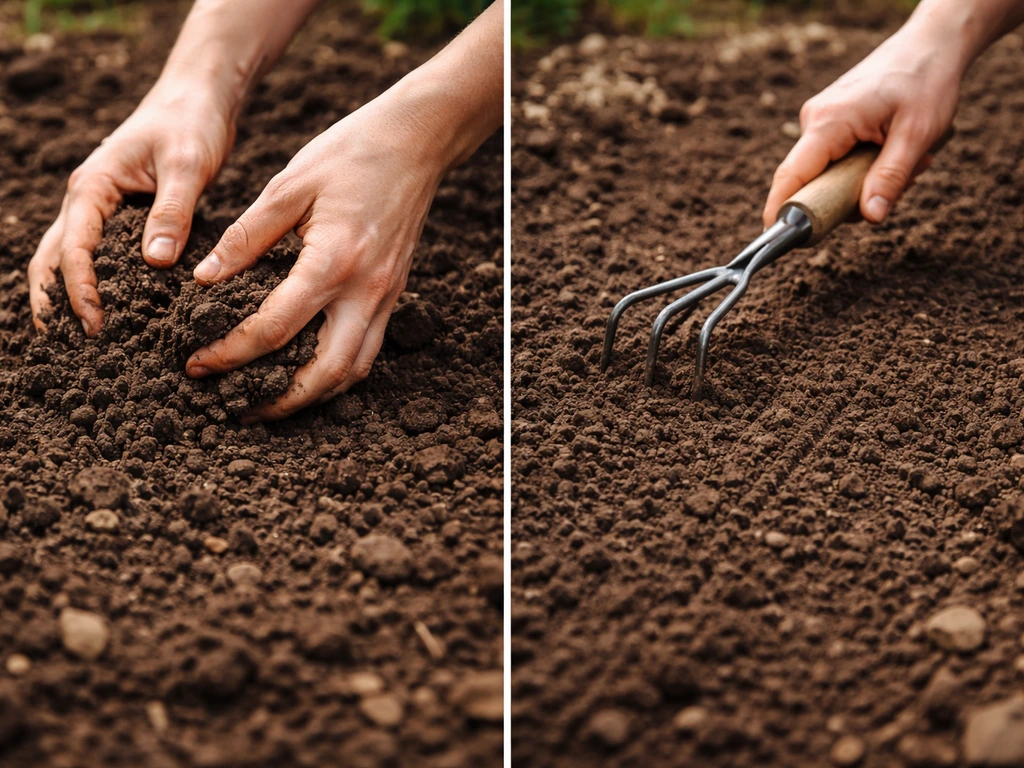
- Choose your site: Full sun, well-drained soil. Avoid low-lying spots that hold snowmelt or spring rain.
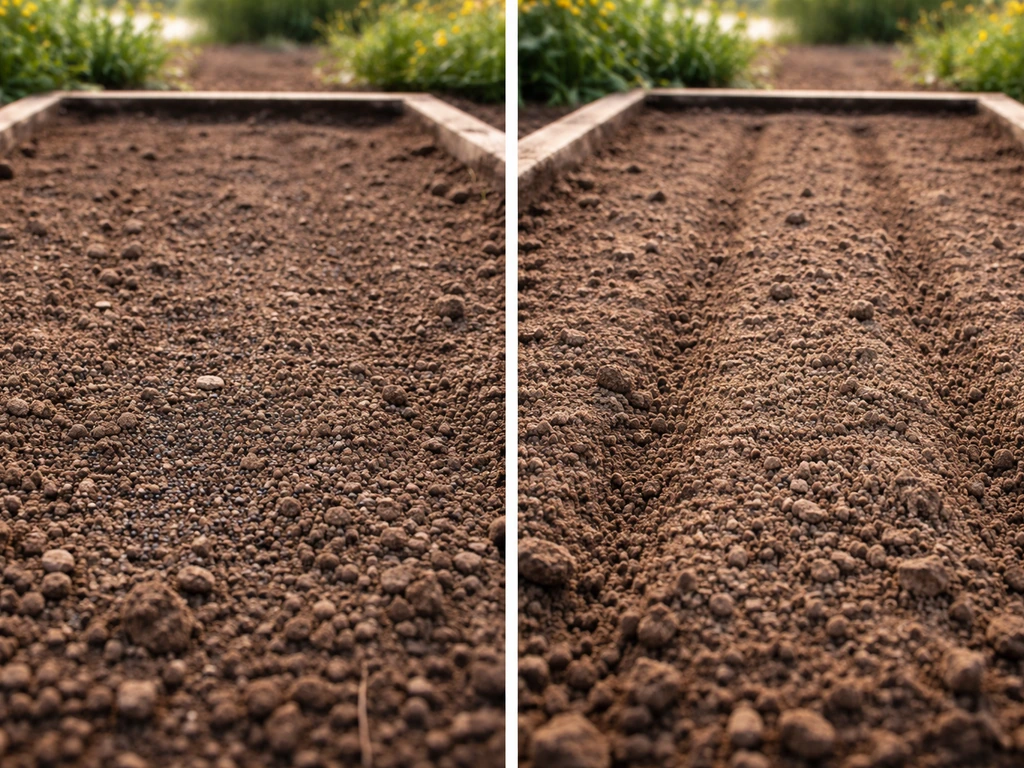
- Prep the seedbed: Loosen the top 2–3 inches of soil and rake it smooth. Remove stones and clumps. Poppies need good seed-to-soil contact for germination.
- Sow seeds directly: Do not start poppies in trays for transplanting — their taproots resent disturbance. Scatter seeds on the prepared surface and lightly rake or rub them into the top 1/4 inch of soil. For corn poppies, the key fact from Johnny's Seeds is that they require darkness to germinate, so seeds must be covered (about 1/4 inch deep), not left on the surface.
- Keep the seedbed moist: Until germination, water gently and consistently. Don't let the surface dry out, but don't waterlog it either. A fine mist nozzle or drip line works better than a hard spray that displaces seeds.
- Thin seedlings: Once plants reach 2–3 inches tall, thin to about 6–12 inches apart depending on variety. Corn poppies can be closer (6 inches); Oriental poppies need more room (12 inches or more).
- Water carefully after establishment: Once poppies are established, ease off the watering. Overwatering triggers root rot in the taproot. Water deeply but infrequently, letting the top inch of soil dry between sessions.
- Skip the fertilizer: Poppies prefer lean soil. Heavy fertilizing produces lots of foliage and few flowers. If your soil is very poor, a light application of balanced slow-release fertilizer at sowing time is fine, but less is more.
- Deadhead or let go to seed: If you want continuous blooms, deadhead spent flowers. If you want poppies to self-seed and return next year (corn poppies are great self-seeders), leave some seed heads to mature and drop naturally.
Timing and season planning for Michigan
Timing is everything for poppies in Michigan, and fortunately the state's climate offers two ideal sowing windows: early spring and late fall. Michigan last frost dates range roughly from late April in the southern Lower Peninsula (zones 6a and 6b) to mid-May in the Upper Peninsula and northern zones (zones 4b and 5a). Plan your sowing around these anchors.
Early spring sowing (most common)
For corn poppies and Iceland poppies, direct sow as soon as the soil can be worked in spring, typically late March to mid-April in southern Michigan and mid-April to early May in northern Michigan. The soil doesn't need to be warm yet; both species germinate well in cool conditions. A light frost after sowing won't kill the seeds.
Fall sowing (often overlooked but excellent)
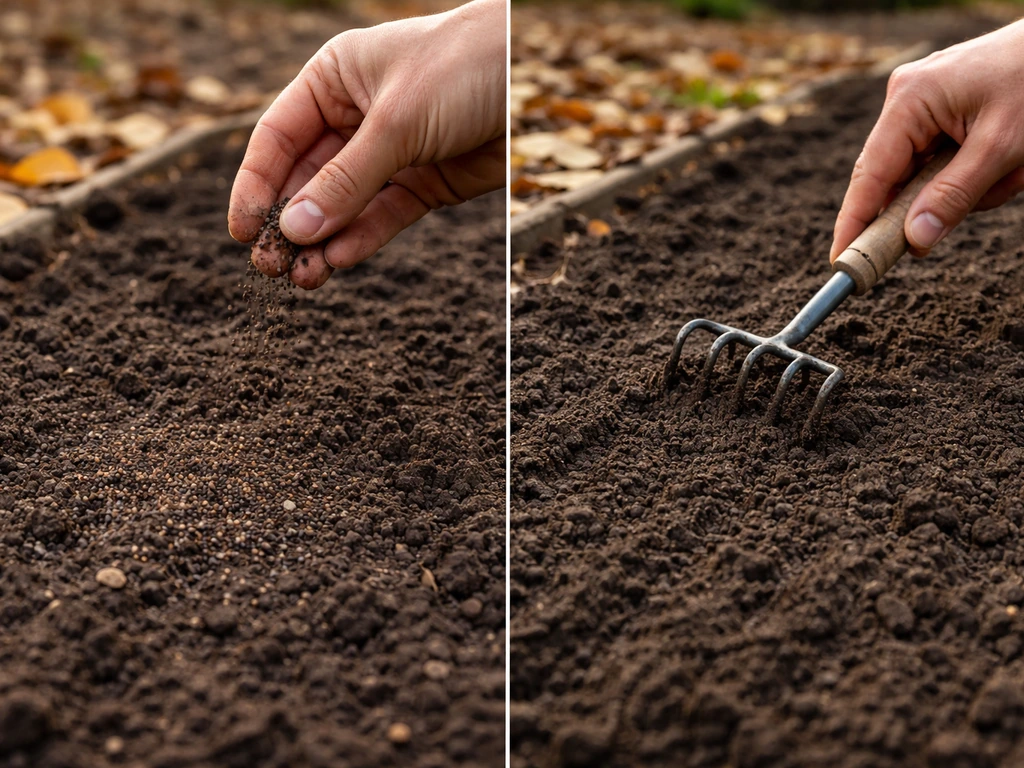
Sowing corn poppies and Iceland poppies in late October or November is a great strategy in Michigan. Seeds sit dormant through winter and germinate naturally in early spring, often producing stronger plants that flower earlier than spring-sown seeds. This mimics how poppies self-seed in nature. The seeds are hardy enough to handle Michigan winters. For Iceland poppies specifically, Johnny's Seeds explicitly recommends fall and winter direct seeding as an option.
Oriental poppies
Oriental poppy seeds or bare-root divisions can be planted in early spring or early fall. Some gardeners also discuss Oriental poppy blank" rel="noopener noreferrer">sowing timing and the risk from frost or freeze-thaw cycling in threads like the r/gardening post on planting Oriental poppies. As perennials, they establish over the first season and really hit their stride in year two. In Michigan, blank" rel="noopener noreferrer">fall planting (September) gives them time to root before freeze-up, while early spring planting works fine too. The Chicago Botanic Garden recommends planting after the danger of hard frosts has passed for seedlings, which in Michigan means late April to mid-May depending on location.
Common problems and how to fix them
Seeds not germinating
The most common germination failure with corn poppies is leaving seeds on the soil surface without covering them. These seeds need darkness to germinate, so rake them in to about 1/4 inch depth. If you're seeing zero germination after 2–3 weeks, check whether the seedbed dried out or whether seeds were washed away by heavy rain. Re-sow shallowly and keep evenly moist. Soil temperature also matters: if the soil is still very cold (below 50°F), germination will be sluggish. Wait a week or two more into spring before giving up.
Damping off
Damping off is a fungal problem where seedlings suddenly collapse at the soil line. It's associated with warm, wet, poorly drained conditions. In Michigan's cool spring, this is less of an issue than in warmer states, but it can still happen if seeds are sown too thickly or if the soil stays waterlogged. Prevention is straightforward: don't overwater, don't sow in poorly drained areas, and thin seedlings so air circulates. If you're starting any poppies in containers, use fresh potting mix rather than garden soil to avoid introducing pathogens.
Pests and disease
Poppies are relatively pest-resistant, but powdery mildew can appear on foliage later in summer, especially when days are warm and nights are cool with high humidity (a classic Michigan late-summer pattern). MSU Extension IPM describes powdery mildew as a disease characterized by white-to-gray powdery growth on green tissues blank" rel="noopener noreferrer">powdery mildew can appear on foliage later in summer. The best fix is prevention: good air circulation from proper spacing, avoiding overhead watering in the evening, and removing affected leaves early. Aphids occasionally cluster on stems; a strong spray of water knocks them off. Overall, poppies rarely have serious pest issues in Michigan gardens.
Short bloom season due to heat
Annual poppies in Michigan typically bloom from late May through June, then decline as temperatures climb into the 80s. This is normal. If you want a longer show, sow in two waves: once in early spring and again 3–4 weeks later. That staggers blooms across a longer window. For a garden that competes with states like California or Oregon where poppies sometimes bloom nearly year-round, Michigan's window is shorter but can still be spectacular for 4–6 weeks.
Your next steps: seeds, plants, and getting started
The easiest first move is to order seeds now if it's late winter or early spring, or to collect them for a fall sowing. MIgardener, a Michigan-based seed company in Luna Pier, sells both Iceland poppy plants (Papaver nudicaule) and a Papaver Poppy Mix specifically aimed at Michigan gardeners, which makes variety selection and shipping timing easy. Johnny's Selected Seeds carries both corn poppy and Iceland poppy with detailed germination data. Wildseed Farms also offers Iceland poppy seed if you want another reputable source.
When choosing a variety, start with corn poppies (Papaver rhoeas) or a mixed annual poppy blend if you're a first-timer. They're the most forgiving, germinate quickly (7–12 days), and self-seed readily so you may never need to buy seeds again. If you want something that returns every year without replanting, add one Oriental poppy plant or two to a sunny, well-drained border. Iceland poppies are the pick if you want the most vivid color range and can handle their slightly longer germination window.
For a simple first-season plan: pick a full-sun spot with decent drainage, loosen and rake the soil in late March or early April (or late October for fall sowing), scatter corn poppy seeds and rake them in 1/4 inch, water gently, and thin to 6 inches once seedlings are 2 inches tall. That's genuinely all it takes. Michigan's climate does most of the heavy lifting for you in the cool spring window when poppies want to grow.
If you're wondering can you grow poppies in the US, the same basics apply: pick varieties suited to your climate, then direct sow and time it for your cool-season window. Poppies can also do well in Illinois, so you can use the same cool-season, direct-sowing approach and adjust for your local frost dates grow poppies in Illinois. Ohio gardeners can use the same overall approach, focusing on cool-season timing and well-drained soil grow poppies in ohio.
If you're wondering can you grow poppies in California, the same focus on sunny site selection and well-drained soil will matter most.
FAQ
When is the best time to plant poppy seeds in Michigan for blooms?
For Michigan, aim for full sun and temperatures that stay cool during germination. Corn poppies and Iceland poppies do best when you can sow early spring or late fall, then expect the main bloom wave in May to early July before midsummer heat slows them down.
Can you start poppies indoors and transplant them in Michigan?
Yes, but only if you use true direct-sowing conditions. Poppies generally do poorly when moved because of their deep taproot, so if you must start indoors, keep disturbance to a minimum and avoid transplanting whenever possible.
Is fall sowing better than spring sowing for poppies in Michigan?
Fall sowing works especially well if you can keep the seedbed from washing out. Rake seeds in shallowly (about 1/4 inch), then water only enough to settle the soil, not enough to leave it soggy through winter.
What should you do if poppy seeds do not germinate in Michigan?
If you get zero germination after 2 to 3 weeks, first confirm you didn’t leave seeds uncovered (they need darkness), then check for seedbed moisture and whether heavy rain displaced seeds. Also consider soil temperature, if it is still very cold (below about 50°F), wait longer before concluding failure.
How often should you water poppies when growing them in Michigan?
Poppies prefer even moisture during germination, but once established they should not sit in constantly wet soil. Overwatering is a common failure point, especially in low spots that stay wet after snowmelt.
What if my Michigan soil stays wet after snowmelt?
Avoid heavy clay unless you improve drainage first, because poppies rot quickly with waterlogged conditions. Raised beds, added compost, and careful site selection in well-drained areas help prevent taproot problems.
Why do my Oriental poppies disappear in midsummer in Michigan?
If Oriental poppies appear to vanish by midsummer, that is normal dormancy. Plan companion plants nearby that can fill the space after foliage dies back, so the area does not look bare.
What are the most common diseases or problems for poppies in Michigan?
Yes, powdery mildew is the most common late-season issue. Improve airflow with proper spacing, avoid evening overhead watering, and remove infected leaves early. Catching it early usually prevents it from getting out of hand.
Will poppies self-seed in Michigan, and can you control it?
Corn poppies and Iceland poppies will often self-seed if conditions are right, but you can increase control by leaving seed heads only where you want volunteers. If you want fewer volunteers, remove spent blooms before seeds fully mature.
How can you extend poppy blooming longer than May to June?
For a longer color window, sow in two waves spaced about 3 to 4 weeks apart (early spring, then a second sowing later). This staggers flowering so the display lasts longer before heat shuts growth down.
Which poppy type is the best choice if I want something perennial in Michigan?
Michigan can support perennials, but the key is matching cold-hardy varieties to zones 5 to 6 conditions and planting in well-drained sun. Oriental poppies are the most practical perennial option discussed for Michigan success, because they tolerate cold but still need drainage.
Next Articles
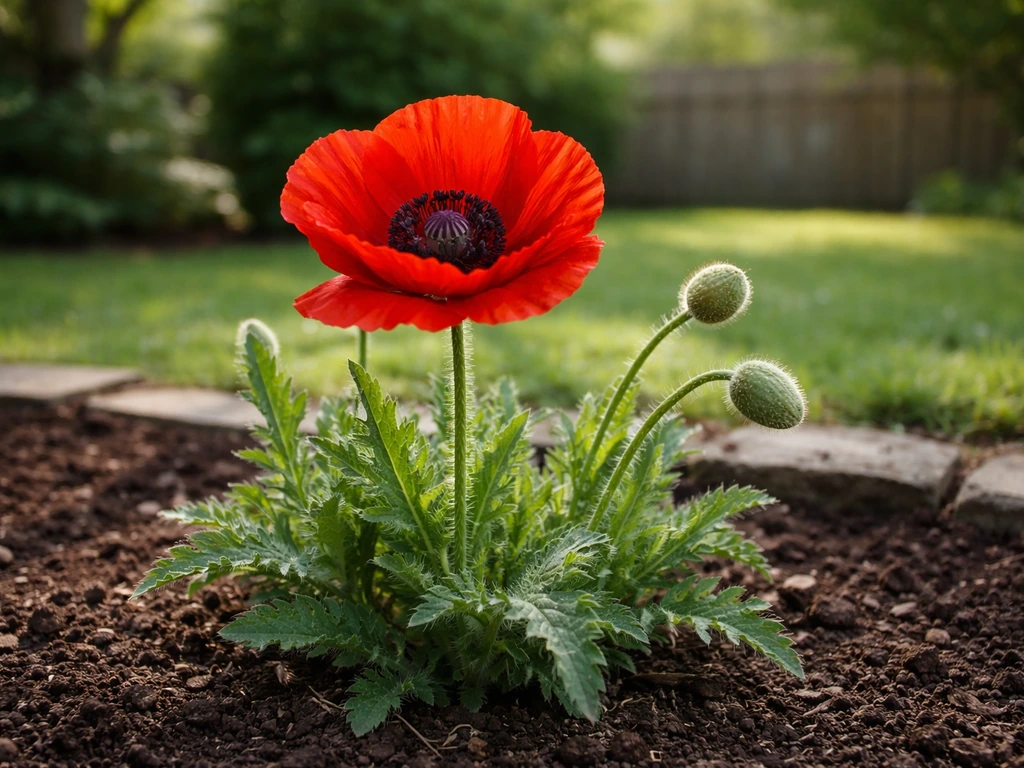
Can You Grow Poppies in Ohio? Legal and Growing Guide
Find out if growing poppies in Ohio is legal, then get tips to grow ornamental poppies from seed in Ohio conditions.
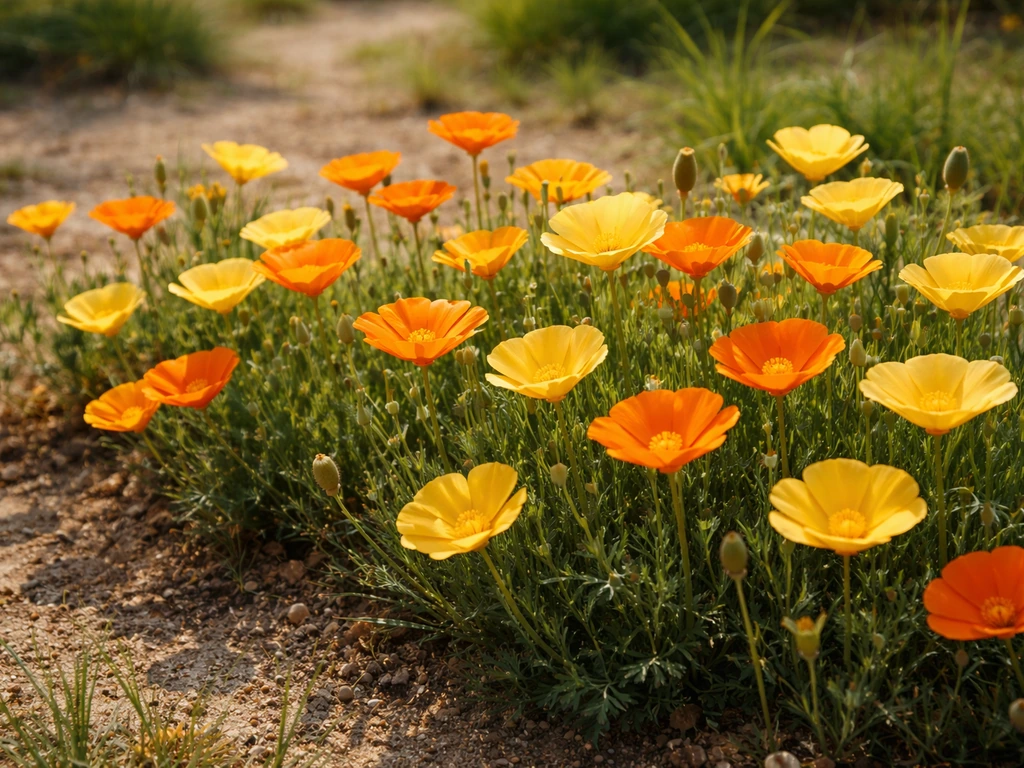
Can You Grow Poppies in Texas? How to Grow Them
Yes, with the right poppy and timing. Learn which types work in Texas, when to sow, and how to grow them.
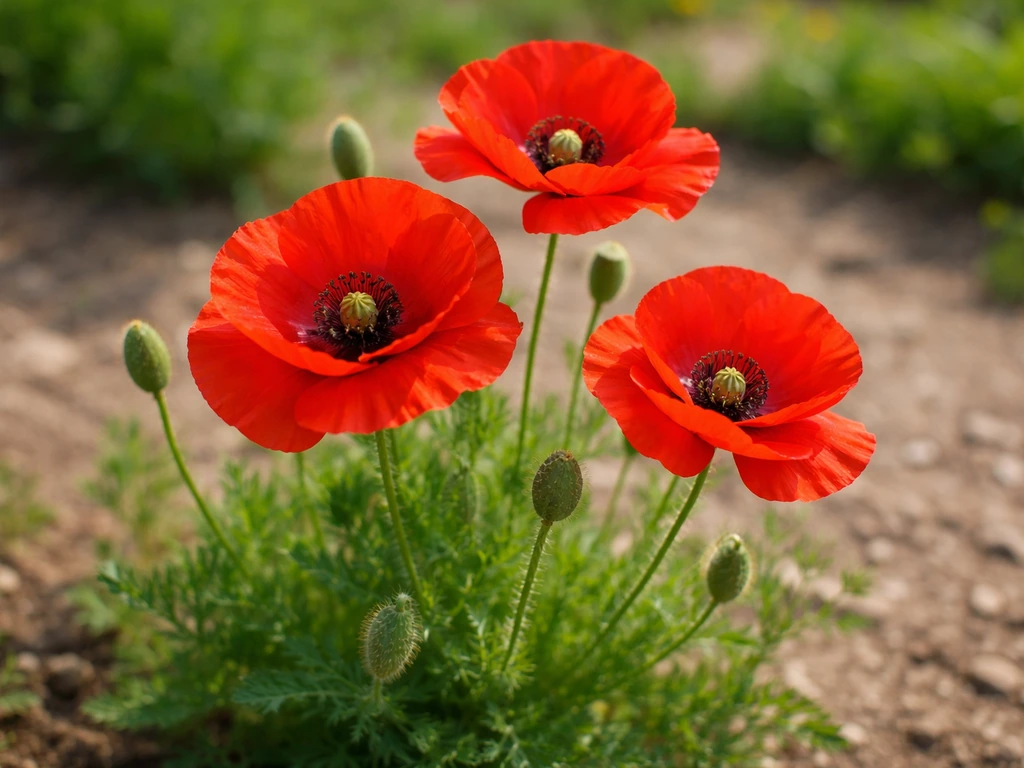
Can You Grow Poppies in the US Where and How to Plant
Learn where poppies grow in the US and how to plant seeds, plus legal safety for ornamental vs restricted types.