
Yes, you can grow poppies in the US, and most gardeners across the country can pull it off with the right type and the right timing. If you want a quick, Ohio-focused check of which poppy types fit your conditions and timing, see can you grow poppies in ohio. The catch is that "poppies" covers a wide range of plants with very different growing requirements, legal statuses, and regional suitability. Once you know which poppy you're dealing with and what your climate demands, the actual growing process is pretty straightforward.
Can You Grow Poppies in the US Where and How to Plant
Marcus Holloway
6 Apr 2026
Which poppies people actually mean
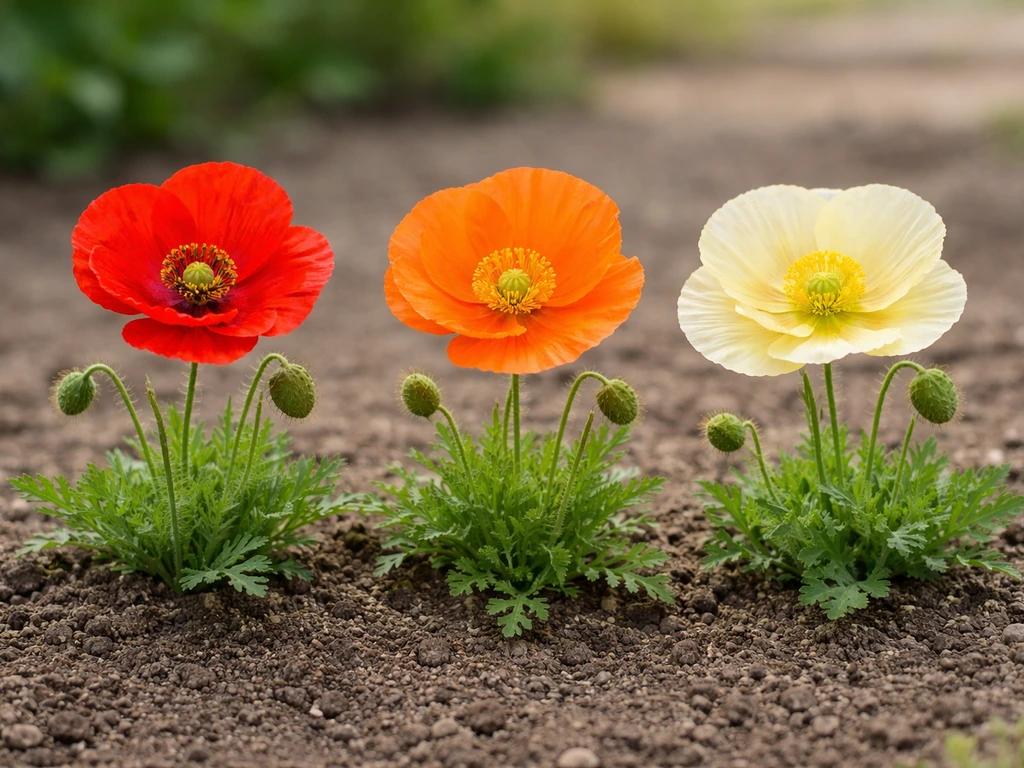
When most home gardeners say "poppies," they mean one of a few common ornamental species: Papaver rhoeas (the corn poppy, Flanders poppy, or Shirley poppy), Papaver nudicaule (Iceland poppy), Eschscholzia californica (California poppy, technically in the broader Papaveraceae family), or Papaver somniferum (opium poppy). Each is visually distinct and has a different status in the eyes of the law and in the garden.
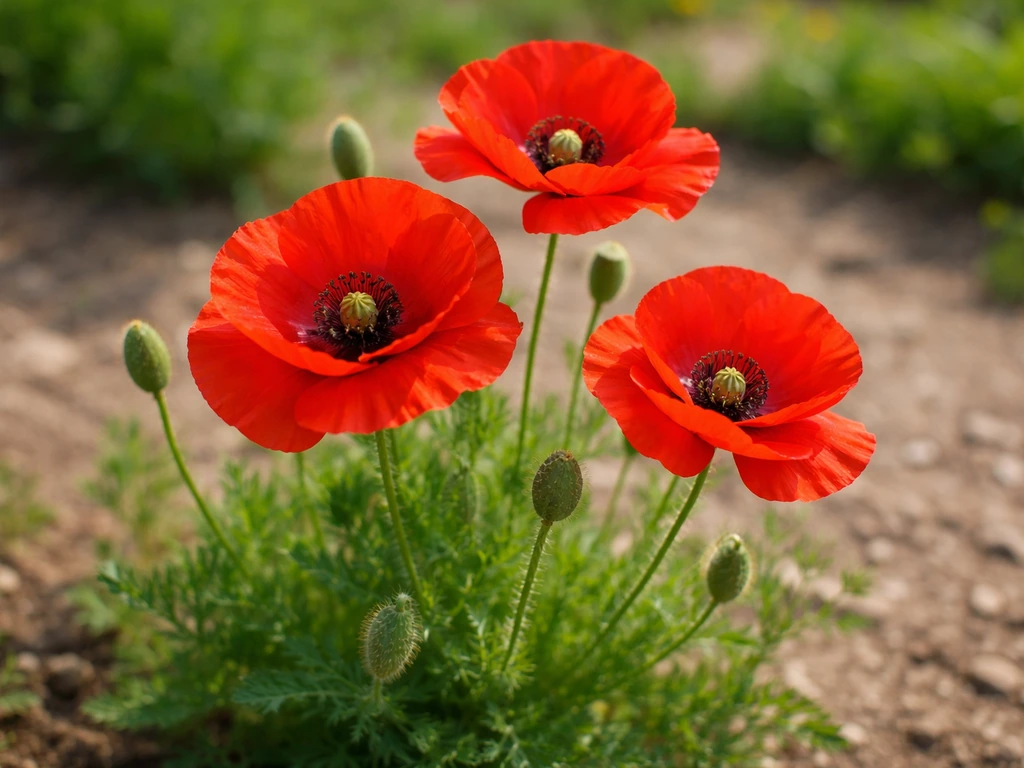
Papaver rhoeas is the classic wildflower poppy with vivid red four-petal flowers, often with a black spot at the base of each petal. It's the one you picture in a meadow or cottage garden. Iceland poppies are the ruffled, multi-colored blooms sold as cool-season bedding plants. California poppy is the orange wildflower you see blanketing roadsides across the West. These three are the workhorses of US ornamental poppy gardening.
Papaver somniferum is the one that requires a separate conversation. It produces opiate alkaloids in its plant tissue (not in the seeds themselves, but in the stems, pods, and latex), and it sits in a complicated legal space that I'll cover later. For the growing guide portion of this article, I'm focused primarily on ornamental types like Papaver rhoeas and Iceland poppy, with notes on P. somniferum where relevant to growing practice.
Where poppies actually grow well in the US
Ornamental poppies are cool-season plants. They want mild temperatures to germinate and grow, and they don't like sitting in summer heat for long. That shapes everything about where they succeed and fail across the country.
Corn poppies (Papaver rhoeas) are adaptable across a wide range of US hardiness zones. They thrive in the Pacific Northwest, the Upper Midwest, New England, and much of the Mountain West where spring stays cool long enough for them to bloom before summer heat sets in. In the South and Southwest, they can still work but need to be sown in fall for a late winter or early spring bloom before temperatures spike. States like Oregon and much of the Pacific coast are nearly ideal for this type.
Iceland poppies are even more cold-tolerant and are often grown as cool-season annuals in USDA zones 8 and higher, similar to how you'd treat a pansy or snapdragon. In Southern California, the Gulf Coast, and mild-winter zones, they're planted in fall and bloom through winter into early spring. In colder zones (5 and below), they're typically treated as spring bloomers started early indoors.
California poppy, while native to the West, has naturalized across a huge swath of the country. It tolerates poor soil and heat better than most poppies, making it one of the easier options in drier, warmer climates including parts of Texas, the Southeast, and the intermountain West.
Growing conditions that make or break your results
Sun
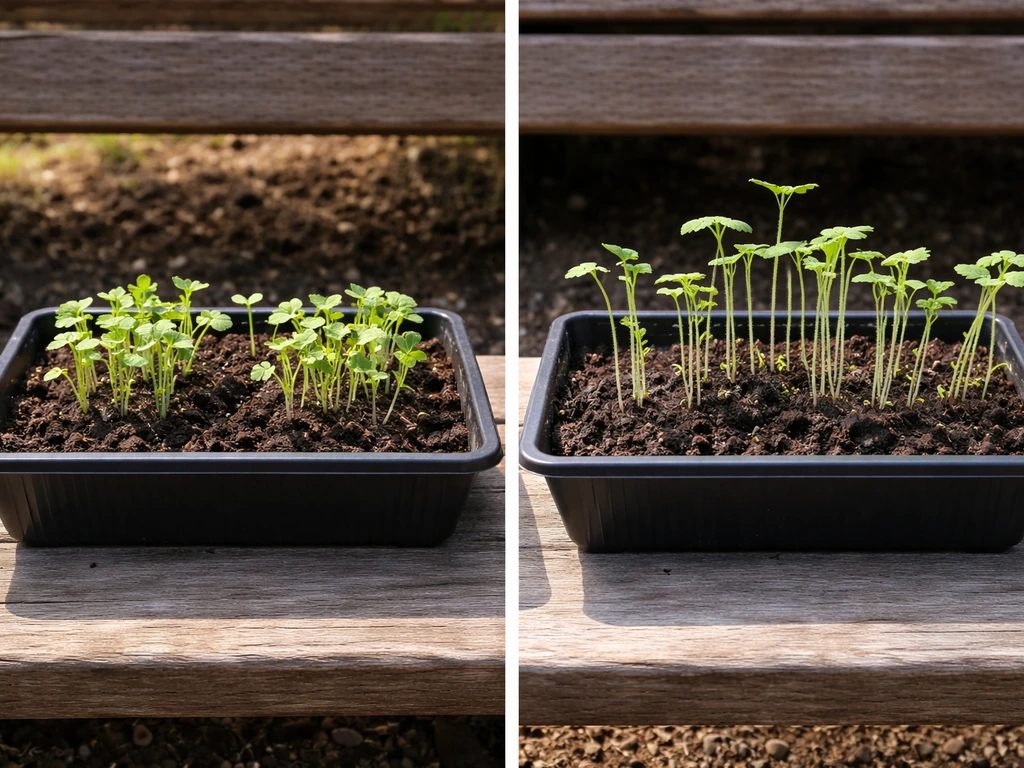
All common garden poppies want full sun, meaning at least 6 hours of direct light per day. Partial shade will produce taller, floppier stems and fewer flowers. If you're in a hot climate, light afternoon shade can extend blooming time slightly, but don't sacrifice morning sun to get it.
Soil
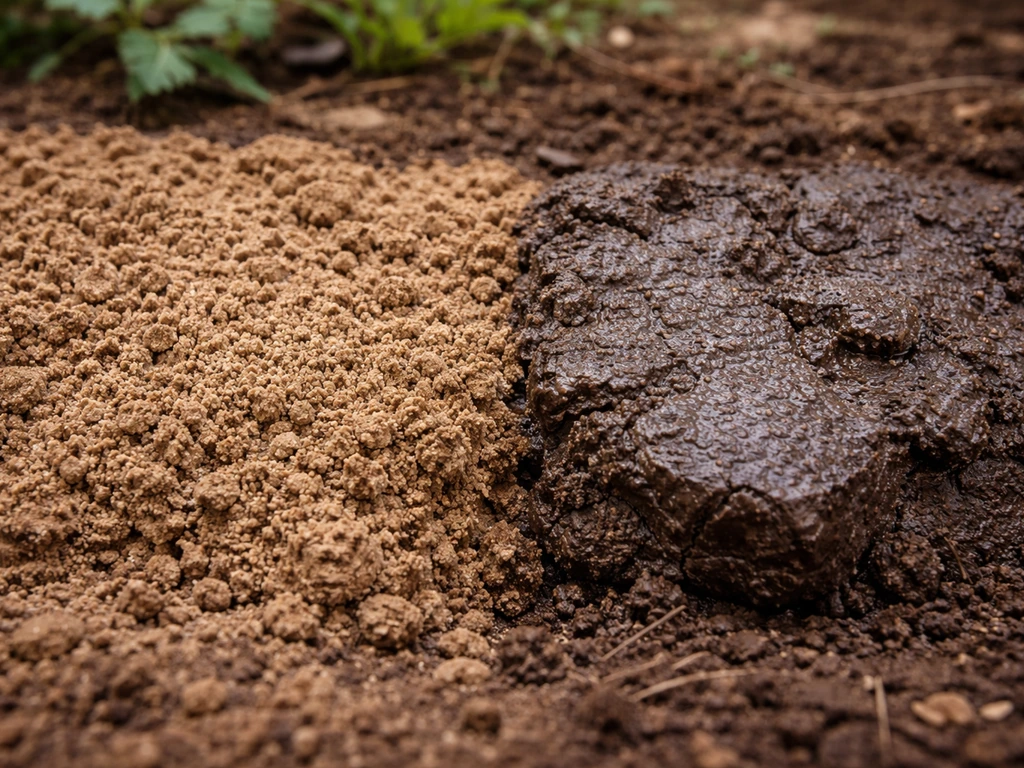
Poppies prefer well-drained, loose soil with a slightly alkaline to neutral pH. They do not like waterlogged roots or heavy clay. If your soil is dense, work in some coarse sand or compost before sowing. One thing I've noticed is that poppies actually perform better in leaner soil. Too much fertility and you get a lot of lush foliage and weak stems without as many blooms. This also explains why Papaver rhoeas forms a long-lived soil seed bank and tends to pop up in disturbed ground, like roadsides and farm edges, where the soil is loose and not overly rich.
Moisture
Poppies need consistent moisture during germination and early growth but are surprisingly drought-tolerant once established. The biggest mistake I see is overwatering seedlings once they're a few inches tall. Keep the soil evenly moist during the first few weeks after sowing, then back off. In humid regions like the Southeast, good air circulation matters to prevent fungal issues at the base of plants.
How to grow poppies from seed in the US
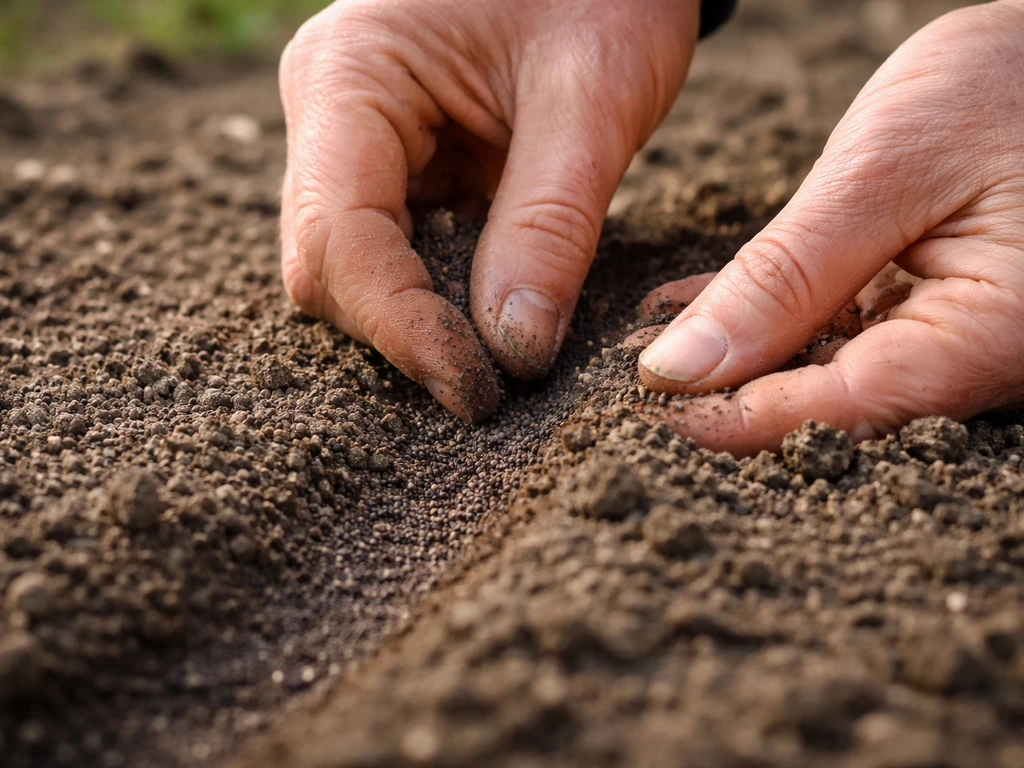
Direct sowing is the standard method for most poppy types. Poppies don't transplant well because they form a taproot early, so starting them in pots and moving them later usually leads to failure. Sow them where they're going to grow.
Timing depends on your region. In most of the country (zones 4 to 7), sow in early spring as soon as the soil can be worked, even if frosts are still possible. Poppy seeds actually benefit from cold exposure. In zones 8 and warmer, fall sowing (September through November) gives much better results than spring sowing because the plants establish over winter and bloom before summer heat arrives.
Here's the most critical detail about sowing: don't bury the seeds. Light is needed for germination. Utah State University Extension recommends covering seed with no more than 1/8 inch of soil, and this holds true for Iceland poppy too based on University of Washington propagation protocols. Johnny's Selected Seeds specifies covering corn poppy seed "very lightly as light is needed for germination." In practice, I broadcast the seed by hand, then either press it gently into the soil surface with a board or water it in with a gentle spray so it makes contact with the soil without being buried.
Germination typically takes 10 to 30 days depending on soil temperature. Oregon State University Extension notes that germination success depends on factors such as water and temperature, which affects how long poppy seeds take to sprout. Optimal germination temperature for Papaver species is generally in the 55 to 65°F range. Keep the seed bed consistently moist during this period. Growth and seed maturation can take up to 5 months total, which is why early sowing matters so much, especially in shorter-season climates.
Once seedlings are 2 to 3 inches tall, thin them to about 6 to 12 inches apart depending on variety. Overcrowding reduces airflow and weakens individual plants. It feels wrong to pull up seedlings, but thinning actually produces a better final result.
State and region quick guide
Growing outcomes vary a lot by region, so here's a practical breakdown of what to expect across different parts of the US.
| Region / State Example | Best Poppy Types | Sowing Timing | Feasibility |
|---|---|---|---|
| Pacific Northwest (Oregon, Washington) | Corn poppy, Iceland poppy, California poppy | Early spring or fall | Excellent |
| California | California poppy, corn poppy, Iceland poppy | Fall for most regions | Excellent |
| Upper Midwest (Michigan, Illinois, Ohio) | Corn poppy, Iceland poppy | Early spring | Good |
| Northeast (New England, Mid-Atlantic) | Corn poppy, Iceland poppy | Early spring | Good |
| Mountain West (Utah, Colorado) | Corn poppy, California poppy | Early spring | Good with drainage |
| Texas / Southern Plains | California poppy, corn poppy | Fall sowing | Moderate, heat limits window |
| Southeast (Georgia, Carolinas) | Iceland poppy, California poppy | Fall sowing | Moderate, humidity is a factor |
| Desert Southwest (Arizona, Nevada) | California poppy | Fall sowing | Limited; best in cool season only |
For gardeners in the Midwest, growing poppies in Michigan follows the classic early spring direct sow approach, with corn poppies being the most reliable performer. In Illinois, the same timing applies, though the shorter spring window in some years means getting seed in the ground early is especially important. In Ohio, corn poppies and Iceland poppies both perform well with a March or early April sowing.
In the South, timing shifts dramatically. Growing poppies in Georgia means working within a narrow cool-season window, and fall sowing (October to November) gives you blooms from late winter through early spring before heat shuts things down. Iceland poppies are particularly well-suited to this approach because they tolerate mild freezes. If you're in Texas, the fall sowing strategy is even more critical given how fast summer arrives.
On the West Coast, California offers probably the most flexible poppy-growing conditions in the entire US, particularly for California poppy and corn poppy. The mild, wet winters in coastal areas create near-ideal conditions for fall-sown poppies to establish and bloom from late winter onward.
Common problems and how to fix them
Seeds didn't germinate
The most common cause is burying seeds too deep. If they're more than 1/8 inch down, germination rates drop sharply because light can't reach them. The second most common cause is sowing when the soil is too warm. If you're in a warm climate and sowing in spring, you may have missed your window. Try again in fall. Keeping the seed bed moist is also critical during this stage because seeds that dry out after they've started to imbibe water will not recover.
Leggy or floppy plants
Leggy growth is almost always a light problem. Make sure plants are in full sun. It can also happen when seeds are sown too thickly and plants compete for light and space. Thin aggressively and the remaining plants will be sturdier. Overly fertile soil can also push leafy growth at the expense of strong stems, so hold off on fertilizing unless your soil is genuinely poor.
Blooms stop too quickly
This usually means heat arrived early. Poppies are built to bloom and die in cool weather. There's not much you can do to extend the season in a hot climate beyond choosing the best sowing timing to front-load your bloom period. Deadheading spent flowers can slightly extend blooming, but once temperatures are consistently above 75 to 80°F, the show is essentially over for the season.
Poppies showing up where they weren't planted
This is a feature, not a bug, for many gardeners. Papaver rhoeas in particular forms a long-lived soil seed bank and readily self-sows, appearing wherever the soil has been disturbed. If you don't want volunteers, deadhead before pods mature and release seed.
The legal side: what you need to know before planting
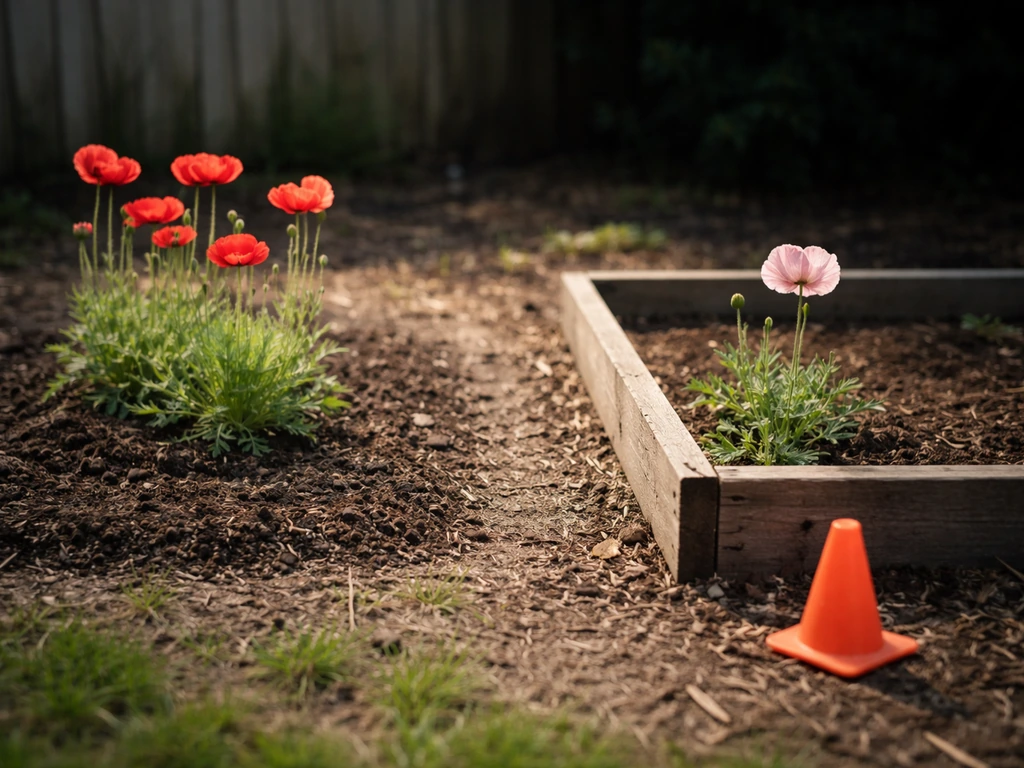
Ornamental poppies like Papaver rhoeas, Iceland poppy, and California poppy are legal to grow throughout the United States. There are no federal restrictions on these species, and they're widely sold at garden centers and through seed catalogs.
Papaver somniferum (opium poppy) is a different matter. The plant contains opiate alkaloids in its stems, pods, and latex, which is why it falls under scrutiny from the DEA and other federal agencies. The DEA addresses Papaver somniferum in the context of the Controlled Substances Act, and the US Fish and Wildlife Service maintains a dedicated regulatory species page for it. While small-scale ornamental cultivation of P.
somniferum has historically existed in a gray area and the seeds themselves are sold legally as birdseed and culinary ingredients, actively cultivating the plant with intent to extract alkaloids is a federal offense. The DEA Museum notes that opium poppy produces opium, which is listed as a Schedule II controlled substance due to medical benefits and the potential for misuse.
The practical takeaway is this: if your goal is a beautiful garden with colorful blooms, stick to corn poppies, Iceland poppies, or California poppies and you have nothing to worry about legally. If you're looking at Papaver somniferum specifically, check current federal rules, your state's regulations, and any local ordinances before planting. Laws and enforcement standards can vary by state, and "everyone does it" is not a legal defense.
One more note: some states have their own rules around specific Papaver species beyond federal law. Before purchasing seeds, verify that what you're buying is clearly labeled and matches what you intend to grow. Reputable seed companies like Johnny's Selected Seeds clearly identify their poppy varieties by species, which helps eliminate any ambiguity about what you're actually planting.
Your next steps
If you're ready to grow poppies, here's a simple action plan based on your situation:
- Identify which poppy you want: corn poppy for cottage-style beds, Iceland poppy for cool-season color in mild-winter zones, or California poppy for low-maintenance wildflower plantings.
- Check your USDA hardiness zone and determine your sowing window: early spring for zones 4 to 7, fall for zones 8 and warmer.
- Prepare a loose, well-drained bed in full sun. Don't over-amend with fertilizer.
- Broadcast seeds on the surface and press them in lightly. Cover with no more than 1/8 inch of soil, or don't cover at all and just firm the seeds in.
- Keep the seed bed consistently moist until germination, then water moderately.
- Thin seedlings to 6 to 12 inches apart once they reach 2 to 3 inches tall.
- If you're in a state with specific regional growing conditions, check the state-specific guidance for your area to dial in the timing and variety selection.
Poppies reward gardeners who work with the plant's natural preferences rather than against them. Get the timing right, don't bury the seeds, and give them a cool, sunny spot with decent drainage. Most gardeners are surprised by how easy they are once those basics are in place.
FAQ
Can you grow poppies in the US without running into legal trouble? If so, which kinds?
Yes, but only if you choose an ornamental species. Corn poppies (Papaver rhoeas), Iceland poppies (Papaver nudicaule), and California poppies (often Eschscholzia californica) are generally treated as normal garden plants. Opium poppy (Papaver somniferum) is the one with federal scrutiny when grown with intent to extract alkaloids, so you should avoid it unless you have verified current federal, state, and local rules.
Can I start poppies indoors and transplant them later to make them easier?
In most cases, poppies are grown from seed rather than transplants because they form a taproot early. If you try to transplant and it gets disturbed, plants often stall or die. If you need a head start, start seeds in biodegradable pots or use a method that minimizes root disturbance, but direct sowing is still the best odds.
What’s the best way to water poppy seeds after sowing (and how do I avoid germination failure)?
Yes, but you need to keep the seedbed lightly moist, not soggy. After sowing, moisture must be consistent until germination (often 10 to 30 days). If you get a hot spell that dries the top layer before seeds have imbibed water, germination can fail, and the seeds will not reliably restart.
How deep should I cover poppy seeds, and what happens if I cover them too much?
Poppies usually want light for germination, so burying seeds deeper than a dusting can reduce sprouting sharply. A common mistake is covering with too much potting mix or mulch, even if it looks thin. Aim for barely covered (about 1/8 inch or less), and avoid adding any additional top dressing after the seeds are in place.
How long do poppies bloom in the US, and can I get a longer season?
Corn poppies, Iceland poppies, and California poppies typically do best in cool periods, then fade when sustained heat arrives (often when days reach the mid 70s Fahrenheit). You can still extend the look by choosing the right sowing window for your climate and, if you want less fuss, sow a second small batch within the same cool-season period (not later when heat is already dominant).
Do poppies come back every year, and how do I control self-sowing?
Corn poppies can self-sow, especially when soil is disturbed, and they also form a seed bank. If you want to prevent volunteers, deadhead before pods mature and seed is released. If you want a naturalized look, let some pods dry fully and drop seed, but expect more seedlings in future seasons.
My poppies are leggy. What should I check first, sun or spacing or fertilizer?
Full sun is important because weak, leggy plants are usually a light issue and sometimes a spacing issue. If you see tall flopping growth, first check that the plants truly get at least 6 hours of direct sun. Then thin to the recommended spacing so plants compete less for light, and avoid over-fertilizing because that can produce soft, floppy growth.
Why didn’t my poppy seeds germinate, and what should I change for the next attempt?
If germination is patchy, the most common causes are seeds being buried too deeply, soil drying after sowing, or sowing when temperatures are too warm for that species’ germination window. For spring-sown attempts in warmer areas, consider shifting to fall sowing so the seedbed cools and stays evenly moist during germination.
How do I tell if I’m overwatering my poppy seedlings?
Overwatering after seedlings emerge is a frequent issue, especially in humid climates where airflow is limited. Once seedlings are a few inches tall, you generally want evenly moist conditions but not wet soil that stays saturated. In areas with high humidity, avoid overcrowding, water at the base, and make sure the bed isn’t compacted or poorly drained.
Are there practical tips for growing poppies specifically for cut flowers in different US climates?
If you’re trying to grow poppies for cut flowers, heat management matters. Choose the cool part of the season for heavier harvest, and harvest in the morning when stems are crisp. In hot weather, blooms will shorten quickly, so timing your sowing to front-load cooler weeks usually gives better vase life.
Next Articles
Can You Grow Agave in Canada? Zone Guide & Growing Tips
Can you grow agave in Canada? Practical region-by-region guide, hardy species, container tips & winter care.
Can You Grow Okra in Canada? Ontario Guide & Short‑Season Tips
Can you grow okra in Canada? Regional verdict, Ontario-specific steps, varieties, season-extension & harvest tips.
Can You Grow Asparagus in Canada? Planting Guide by Zone
Grow asparagus in Canada by zone: site, hardiness, crowns or seed, planting depth, care, and harvest plus fixes