
Yes, you can absolutely grow poppies in Illinois, and most ornamental types do quite well here. The catch is that "poppies" covers a wide range of plants, and the answer shifts depending on which one you mean. Annual types like Shirley poppies and Iceland poppies are easy, rewarding, and completely legal for any home gardener. Perennial Oriental poppies thrive across most of the state if you give them sharp drainage. The only type that raises legal red flags is the opium poppy (Papaver somniferum), which sits in a complicated legal space we'll cover below. For most Illinois gardeners, poppies are a totally achievable, low-maintenance addition to the garden. In Oregon, you can often grow poppies successfully, but choosing the right type for your climate and providing well-drained soil makes the biggest difference grow poppies in oregon.
Can You Grow Poppies in Illinois? Varieties, Planting, Care

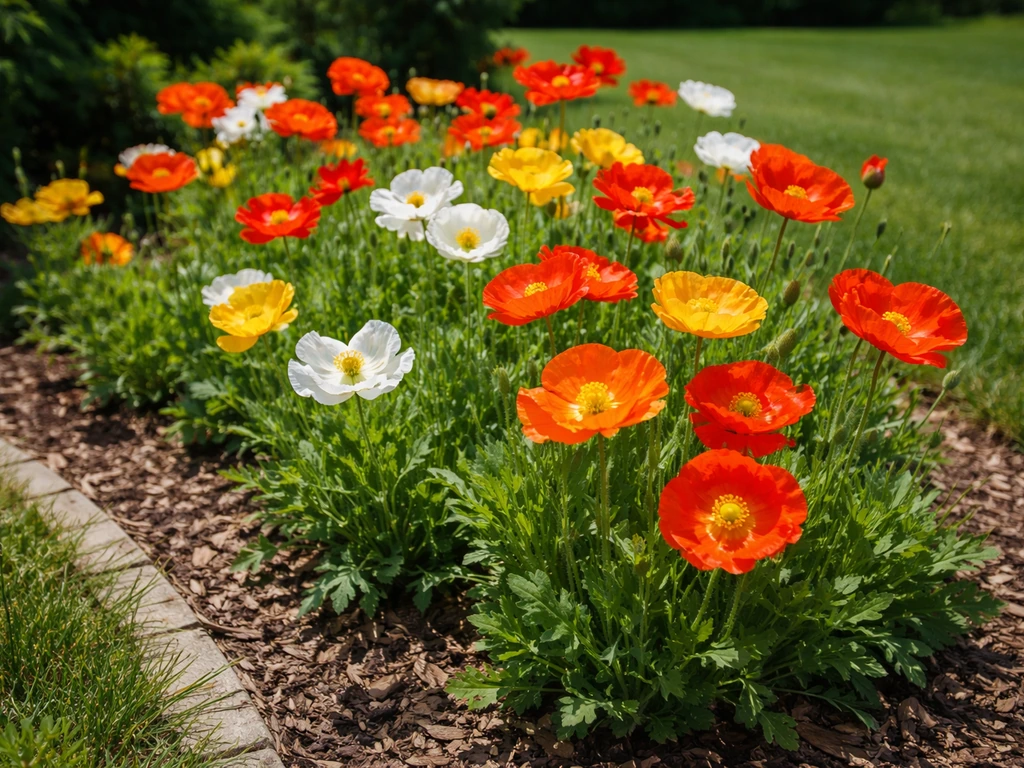
Which poppy are you actually growing?
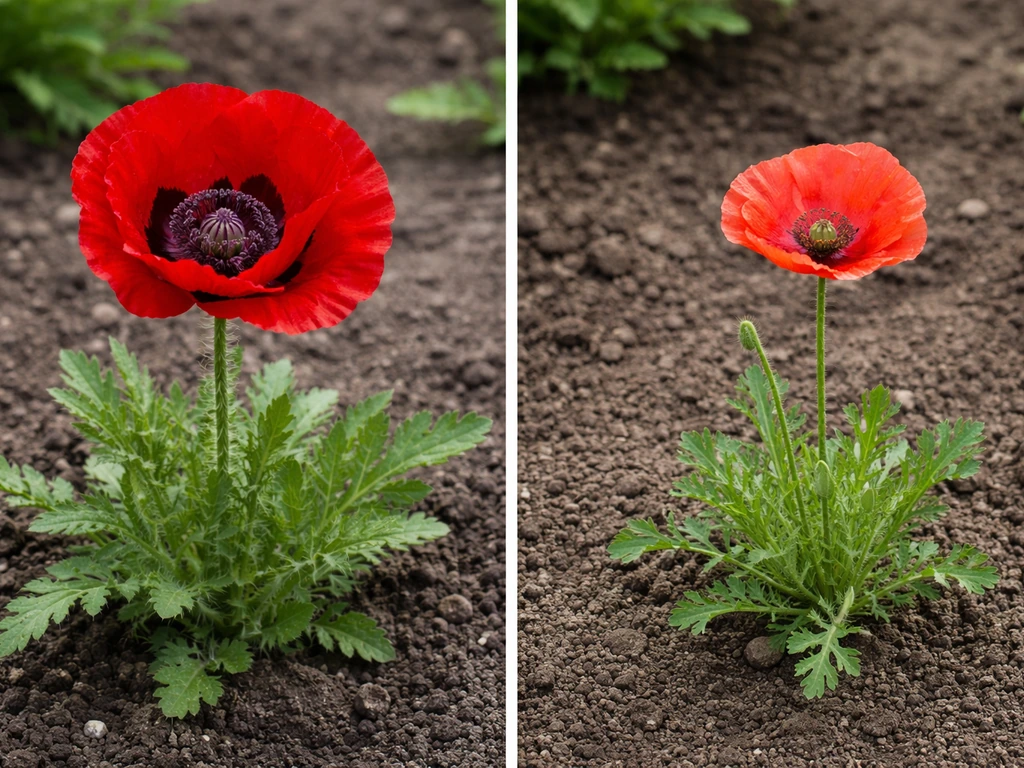
Before you buy seeds or plan your beds, it helps to nail down which type you want. Illinois Extension notes that most gardeners end up with either perennial Oriental poppies or annual-type poppies, and those two groups have pretty different needs and expectations.
| Poppy Type | Species | Annual or Perennial | Illinois Feasibility | Notes |
|---|---|---|---|---|
| Oriental poppy | Papaver orientale | Perennial (zones 2–7) | Excellent in most of IL | Needs very well-drained soil; goes dormant in summer |
| Shirley / Corn poppy | Papaver rhoeas | Annual | Excellent statewide | Direct sow in early spring or fall; easy and prolific |
| Iceland poppy | Papaver nudicaule | Short-lived perennial/annual | Good, treat as cool-season annual | Best in spring; struggles in Illinois summer heat |
| California poppy | Eschscholzia californica | Annual (reseeds freely) | Excellent statewide | Drought tolerant, loves sun, reseeds readily |
| Opium poppy | Papaver somniferum | Annual | Legally complicated (see legal section) | Ornamental varieties widely grown, but harvesting latex is federally regulated |
If you're comparing options across similar Midwestern states, the feasibility picture for Illinois looks a lot like what you'd see in Ohio or Michigan. If you're trying to figure out whether you can grow poppies in Michigan, the key is choosing the right type and matching it to local winter and drainage conditions can you grow poppies in michigan. Illinois has a slight edge over Michigan in the south thanks to warmer winters, and Oriental poppies especially appreciate that.
How Illinois climate affects poppy growing
Illinois spans USDA hardiness zones 5a in the far north to 7b in the deep south of the state, based on the 2023 USDA Plant Hardiness Zone Map. That range matters a lot for Oriental poppies, which are rated hardy to zones 2–7. The entire state falls within that range, which means Oriental poppies can survive Illinois winters without much drama, assuming your soil drains well. If you’re also wondering can you grow poppies in Texas, the main factor to check is whether you can match the poppy type to your heat and drainage conditions.
The bigger challenge in Illinois is the combination of cold, wet winters and humid summers. Oriental poppies hate sitting in soggy soil over winter, and they don't love summer heat and humidity either. Annual poppies sidestep most of this because they do their thing in the cool part of the season and are done before the worst Illinois summer heat arrives. California poppies handle Illinois summers better than most because they're genuinely drought tolerant and prefer lean, dry conditions.
Site requirements that actually matter in Illinois
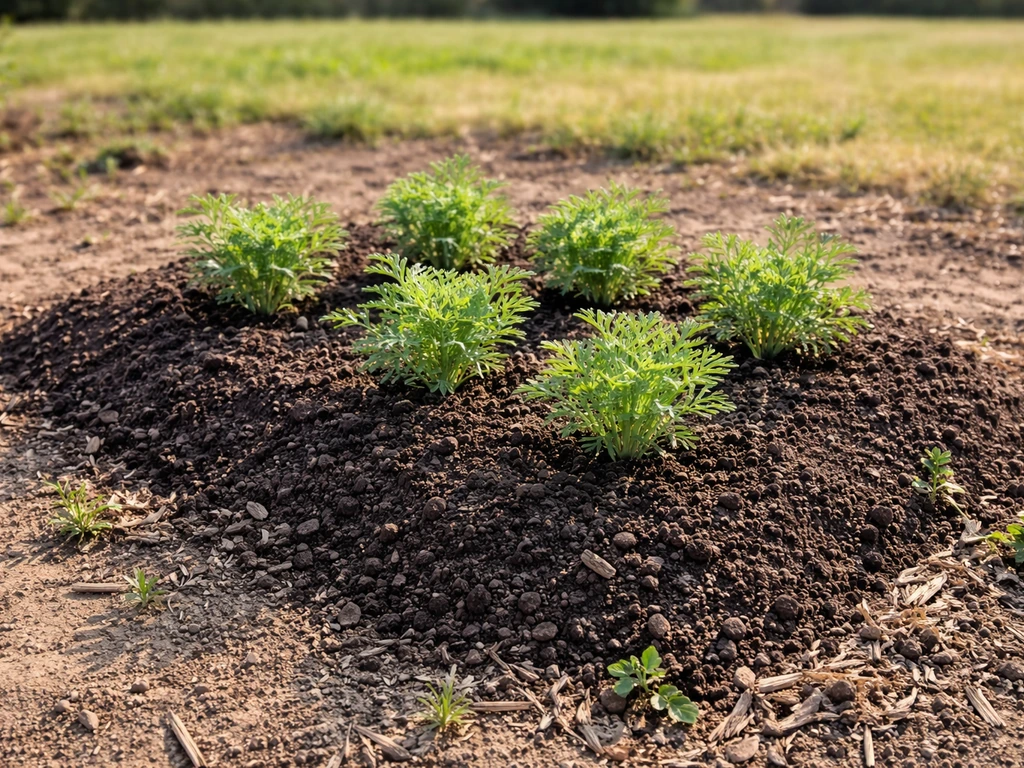
- Full sun: all poppies need at least 6 hours of direct sun; more is better for bloom production
- Soil drainage: this is the number-one issue in Illinois, especially for Oriental poppies; clay soil or beds with standing water after rain will kill them
- Soil pH: slightly acidic to neutral (6.0–7.0) suits most poppy types
- Moisture: poppies prefer moderate moisture during active growth but dislike waterlogged roots at any point; Oriental poppies particularly need dry conditions during summer dormancy
- Air circulation: good spacing reduces the fungal disease risk that Illinois's humidity creates
If your garden has heavy Illinois clay, raised beds or amended planting areas with added compost and coarse sand will make a real difference, especially for Oriental poppies. For annuals like Shirley poppies and California poppies, even moderately amended clay will work.
When to plant poppies in Illinois
Timing is where a lot of Illinois gardeners go wrong. Most annual poppies are direct-sown cool-season plants, which means they need to go in the ground well before summer heat arrives. They don't transplant well at all because they have delicate taproots, so starting them indoors is generally not recommended. Direct sowing is almost always the better path.
Annual poppies (Shirley, California, Iceland)
- Early spring sow: direct sow as soon as the ground can be worked in Illinois, typically late February to mid-March in the south, late March to early April in the north
- Fall sow: scatter seeds in October or November and let them overwinter naturally; they'll germinate in early spring when conditions are right, often producing stronger plants than spring-sown batches
- Seed depth: cover seeds with just about 1/8 inch of soil; they need light to germinate, so don't bury them
- Row or scatter spacing: thin seedlings to 6–12 inches apart once they're established (12–24 inches for larger varieties)
Oriental poppies (perennial)
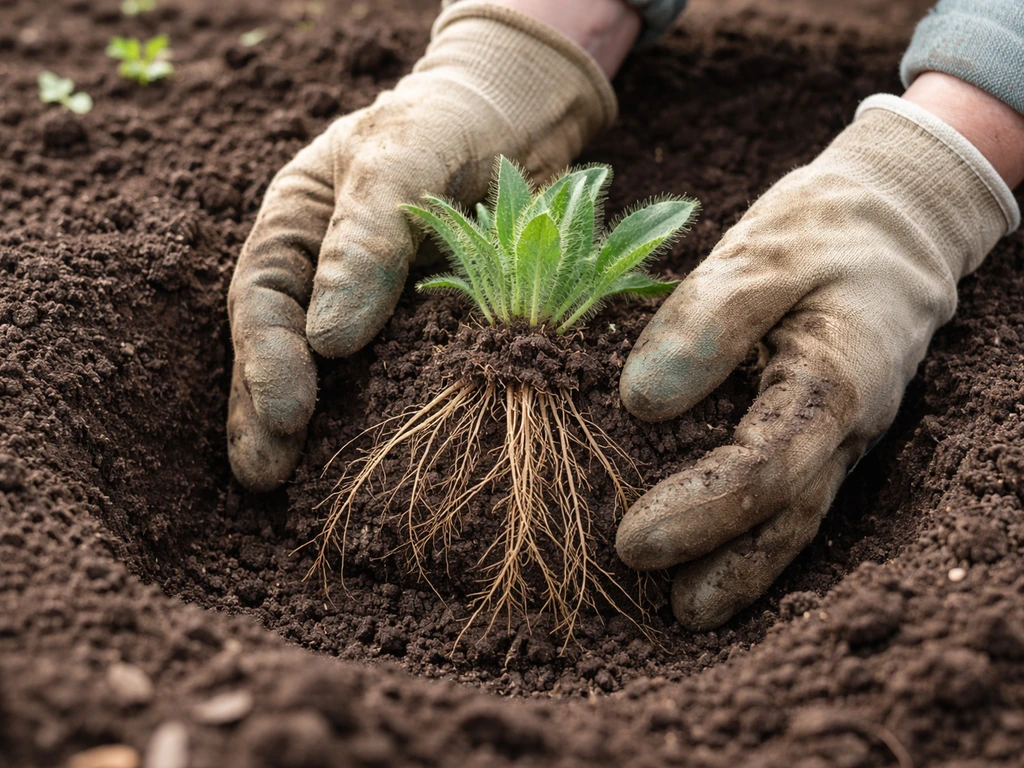
Oriental poppies can be started from seed but are most reliably established from bare-root divisions or transplants in early fall (September) or early spring. If you're growing from seed, direct sow in fall or early spring. Seeds benefit from a cold stratification period, which is naturally provided by overwintering in the soil. Fall planting gives roots time to establish before winter and usually results in better first-year blooms the following spring. Plant crowns about 2–3 inches below soil level and plan to mulch after the ground freezes.
Day-to-day care through the Illinois growing season
Watering
Water young seedlings consistently but lightly, keeping soil moist without saturating it. Once established, annual poppies are fairly drought tolerant and actually prefer drier conditions. Oriental poppies need moderate water during their spring growth and flowering period but should be kept dry after they go dormant in midsummer. Overhead irrigation is worth avoiding if possible, since wet foliage in Illinois's humid summers invites fungal problems. Deep, infrequent watering at the base is a better approach.
Thinning and deadheading
Thin annual poppies aggressively. They're easy to over-sow and crowded plants bloom poorly. Get them down to 6 inches apart at minimum once seedlings are 2 inches tall. Deadhead spent blooms on annuals to encourage more flowers and reduce disease spread. If you want seeds to collect or let self-sow for next year, leave a few pods to mature and dry on the plant.
Fertilizing
Poppies generally don't need heavy feeding. Too much nitrogen pushes leafy growth at the expense of flowers. A light application of balanced, slow-release fertilizer at planting time is usually enough for annual types. Oriental poppies in decent soil often need nothing at all beyond initial bed preparation. If your soil is very poor, a light side-dressing of balanced fertilizer in early spring as growth emerges is fine.
Pests and disease in Illinois
Aphids are the most common pest issue for poppies in Illinois. They're documented on Oriental poppies specifically in Illinois Extension materials, and you'll likely see them during warm spring weather. A strong water spray knocks most colonies back; for heavier infestations, insecticidal soap works well without harming beneficial insects that help keep populations in check. Damping off (a fungal rot that kills seedlings at the soil line) is the other common problem, caused by overwatering or introducing contaminated soil. Using fresh, sterile seed-starting mix if you do any indoor work, and avoiding overwatering, keeps this in check. Illinois's humidity means good air circulation in your planting beds genuinely matters.
Winter care for Oriental poppies
After Oriental poppies go dormant in summer and send up their fall rosette of foliage, leave that new growth alone heading into winter. Once the ground has frozen to about an inch deep, apply a loose mulch layer (pine needles, straw, or evergreen boughs work great) over the crown. This isn't primarily about keeping plants warm; it's about preventing freeze-thaw cycles that heave crowns out of the ground and preventing the winter wet that kills Oriental poppies in Illinois more often than cold does.
Harvesting and the legal reality of opium poppies
This section is worth reading carefully because there's a lot of confusion online about what's legal. Most ornamental poppies, including California poppies, Shirley poppies, and Oriental poppies, are completely legal to grow, harvest seeds from, and enjoy in your Illinois garden. No issues there.
The complicated one is Papaver somniferum, the opium poppy. This is where it gets nuanced. The plant itself is widely sold as an ornamental, and the seeds are sold openly by seed companies. Technically, growing Papaver somniferum as an ornamental without harvesting latex is a legal gray area under federal law; the DEA has historically tolerated ornamental cultivation while taking a hard line against any extraction of opiate alkaloids. The plant produces morphine, codeine, and related compounds, and under federal law the opium poppy and poppy straw are controlled substances. Illinois mirrors federal scheduling through the Illinois Controlled Substances Act, and the Illinois Administrative Code lists opium poppy and poppy straw under Schedule II controlled substances.
The practical bottom line for Illinois home gardeners: growing a few Papaver somniferum plants as ornamentals occupies a gray zone that authorities have historically not pursued, but scoring pods for latex, producing poppy straw, or any extraction of opiate compounds is clearly illegal under both state and federal law. If you're growing poppies for their beauty and want to stay completely clear of any legal ambiguity, stick with Oriental poppies, Shirley poppies, California poppies, or Iceland poppies. If you’re asking about Georgia specifically, you can generally grow the ornamental types that are widely sold, but the best choice depends on your climate and how well the soil drains Oriental poppies, Shirley poppies, California poppies, or Iceland poppies.. They're gorgeous, easier to grow, and have zero legal complications.
Why your poppies aren't working (and how to fix it)
Seeds aren't germinating
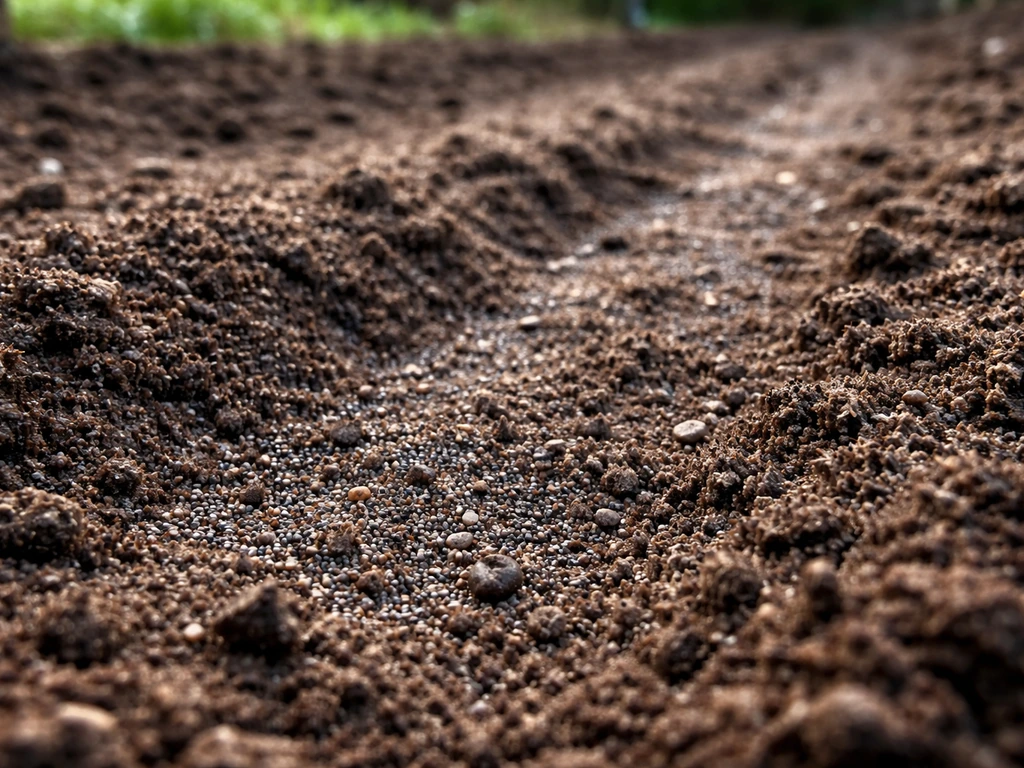
The most common cause is sowing too deep or sowing too late. Poppy seeds need light and cool temperatures to germinate. If you're sowing in late spring when soil is warm, germination will be poor or nonexistent. Sow earlier, barely cover seeds, and firm them gently against the soil surface. Fall sowing and letting seeds stratify naturally over winter often produces better germination than spring sowing.
Oriental poppies dying over winter
Almost always a drainage problem in Illinois. Clay soil that holds moisture through winter is the main killer. If your poppies are rotting out rather than freezing, the fix is improving drainage before replanting: raised beds, amended soil, or choosing a slightly elevated site where water naturally runs away from roots. Mulching after the ground freezes also helps prevent freeze-thaw heaving.
Plants are leafy but not blooming
Too much nitrogen is the usual culprit for annuals. Back off fertilizer entirely or switch to a low-nitrogen option. For Oriental poppies that skip a bloom year, they may need more time to establish, or they were planted too shallow. Plant crowns 2–3 inches deep and be patient with first-year plants. Also double-check sun exposure; poppies in less than 6 hours of direct sun will put out foliage but few flowers.
Seedlings collapsing after sprouting
This is damping off, caused by overwatering and fungal pathogens in the soil. If seedlings topple at the base shortly after emerging, reduce watering immediately and improve air circulation. For any future indoor seed starting, use sterile seed-starting mix rather than garden soil, and don't water from overhead once seeds have sprouted. Direct-sown poppies in well-drained garden soil rarely have this problem as long as you don't overwater.
Your simple Illinois poppy plan
If you're starting fresh this season and want reliable results, here's the straightforward approach. Pick a full-sun bed with decent drainage. For the easiest possible success, start with Shirley poppies or California poppies: direct sow in early spring (or this fall for next year), barely cover seeds, thin aggressively once they sprout, water at the base, and don't over-fertilize. If you want a perennial that comes back every year, add Oriental poppies to a raised or well-drained bed, plant crowns in early fall, mulch after freeze-up, and plan for them to go dormant in midsummer. That combination covers almost every Illinois garden situation and gives you blooms from spring through early summer with minimal effort.
FAQ
Can you grow poppies in containers on an Illinois patio or balcony?
Yes, but only if you treat “poppies” as a drainage and timing problem. Annual types like Shirley and California poppies can handle containers if the pot has real drainage holes and you use a fast-draining mix (often cactus or “succulent” style soil plus compost sparingly). For Oriental poppies, containers usually struggle because winter water can sit around the crown, so use a deep pot and elevate it slightly off the ground to keep excess rain from collecting.
Should I start poppies indoors and transplant them in Illinois?
Most poppies in Illinois should not be transplanted once they are started. Annual poppies have taproots and tend to fail after transplanting, so direct sow is the reliable method. Oriental poppies can be moved, but if you do, aim for early fall or early spring and avoid disturbing roots during hot or humid weeks.
How do I get poppy seeds to germinate in Illinois (especially if I’m sowing in spring)?
Cold stratification helps, but you typically do not need to create a separate “fridge stratification” routine if you sow in fall. If you must sow in spring, mix seed with a damp medium and refrigerate for a short period (you can keep track using a dated bag) before planting shallowly. In Illinois, also keep spring sowings very early, because warm soil quickly reduces germination.
How much should I water poppies in Illinois, and how do I know I’m overdoing it?
Aim for soil that dries somewhat between waterings. Annual poppies generally prefer leaner, drier conditions once established, while Oriental poppies want moderate moisture during spring growth and flowering, then drier conditions once they go dormant in midsummer. A simple check is to water only when the top inch of soil feels dry, and always water at the base rather than soaking foliage.
What should I do if my Oriental poppies come back but don’t bloom in Illinois?
Oriental poppies can skip blooming if the crown is too shallow or if the plant spends a winter in soggy soil. Make sure crowns sit about 2 to 3 inches below the surface, and focus on drainage first if you see rotting or repeated “no blooms.” Also give new plants a full season, because first-year establishment often delays strong flowering.
Do poppies need mulch in winter in Illinois, and how thick should it be?
Yes, but keep it controlled. Overwinter mulching is beneficial for Oriental poppies to reduce freeze-thaw heaving and to prevent winter wet from saturating crowns. Do not mulch annual poppies the same way, since they can encourage excess moisture. A light protective approach after freeze-up is best for perennials, while annuals typically get by with normal garden cover.
Should I deadhead poppies in Illinois, and can I save seeds?
Deadheading helps annual poppies flower longer and can reduce disease spread by limiting wet plant parts. If you want seed for next year, leave a few pods to mature and dry on the plant, then harvest when pods are fully dry rather than “green.” For Oriental poppies, seed is less reliable, and you usually get better long-term results from crowns or divisions.
What fertilizer schedule works best for poppies in Illinois?
Use fertilizer sparingly. If poppies are producing lots of leaves but few blooms, the most common cause is excess nitrogen, not insufficient care. For annuals, a light, balanced fertilizer at planting (or none if your soil is decent) is usually enough. For Oriental poppies, many gardens do fine with no feeding beyond initial soil preparation.
My poppy seedlings die right after sprouting, what’s the likely cause and what’s the fix?
If seedlings topple or rot at the soil line, treat it as damping off. Reduce watering immediately, improve airflow (avoid crowding and overhead watering), and if you have started any indoor sowings, use sterile seed-starting mix going forward. For direct-sown seeds, the fastest fix is usually improving drainage and letting the surface dry slightly between waterings.
Which poppies can I grow in Illinois with the lowest legal risk for home gardeners?
If you want completely minimal legal risk, choose Oriental, Shirley, California, or Iceland poppies and avoid Papaver somniferum seedling cultivation for any latex or “straw” use. In Illinois, the key issue is not normal ornamental growth, it is any harvesting for opiate-related products, which is clearly illegal. When in doubt, stick to the common ornamental types that are widely sold and treated as garden plants.
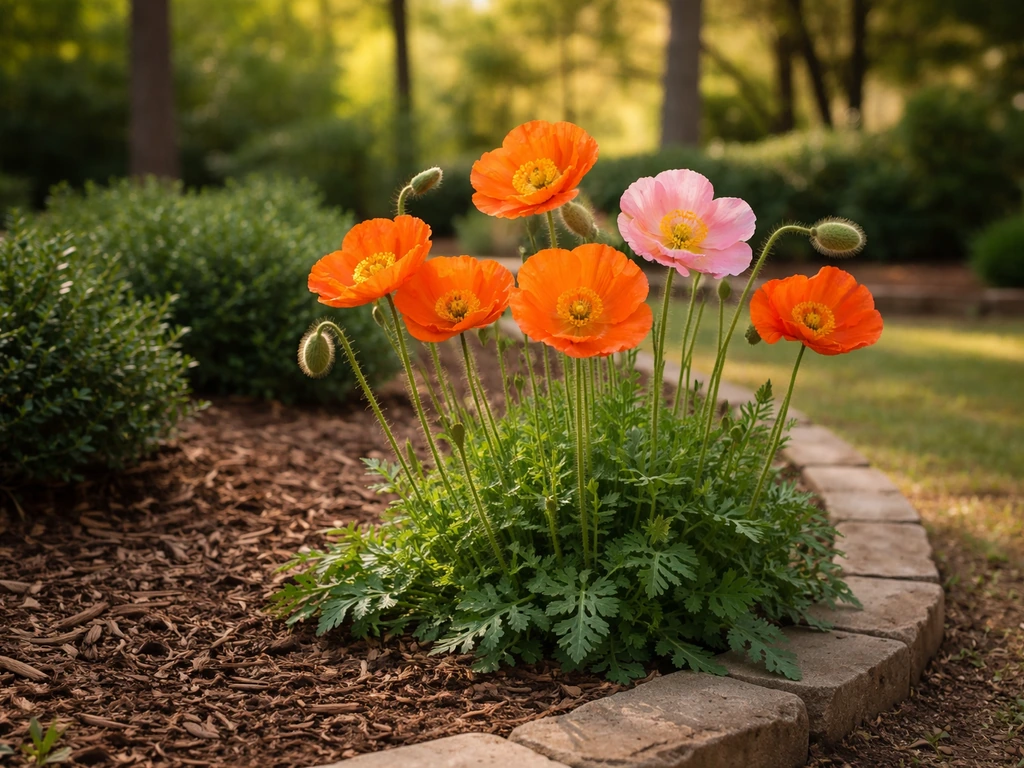
Yes for ornamental poppies in Georgia. Pick the right type, plant timing, site needs, sowing steps, and troubleshoot iss
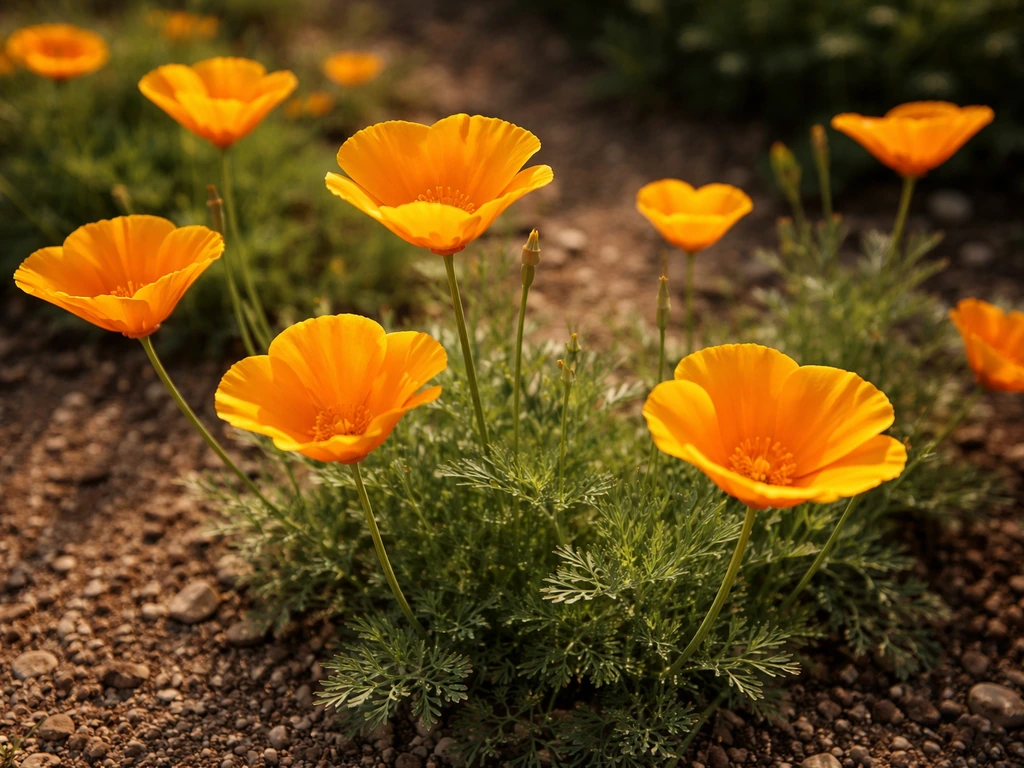
Learn can you grow poppies in California, legality, and step-by-step tips to grow California poppies from seed.
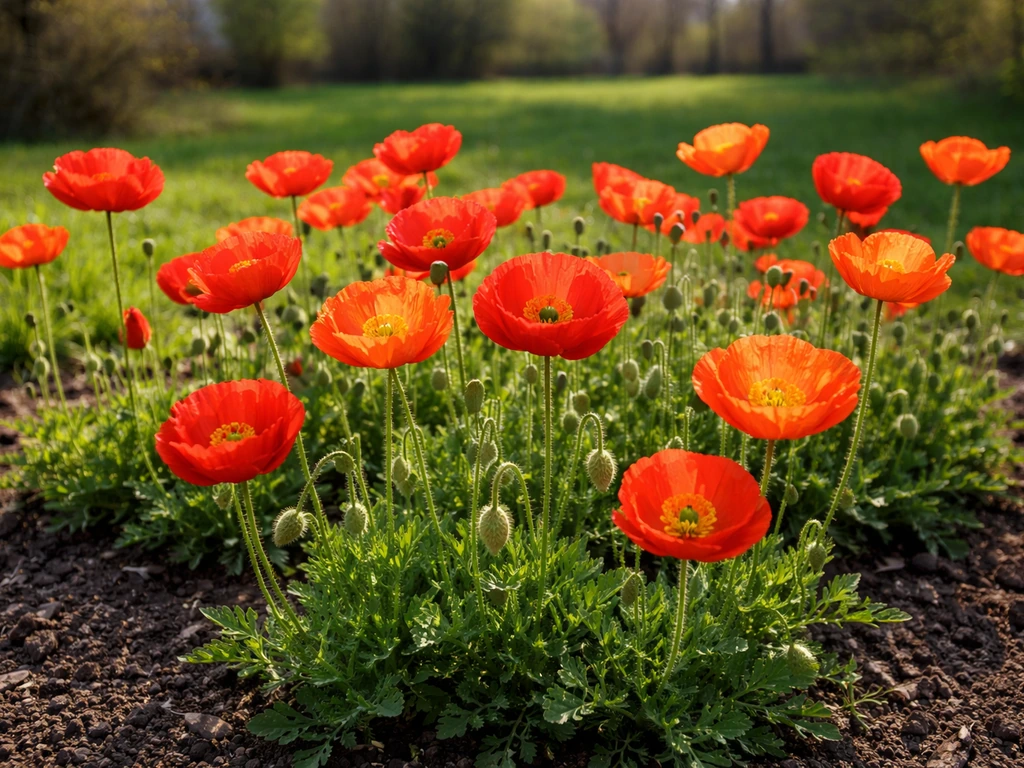
Yes, grow poppies in Michigan with the right varieties and timing. Get sun, soil, sowing, and care steps for success.